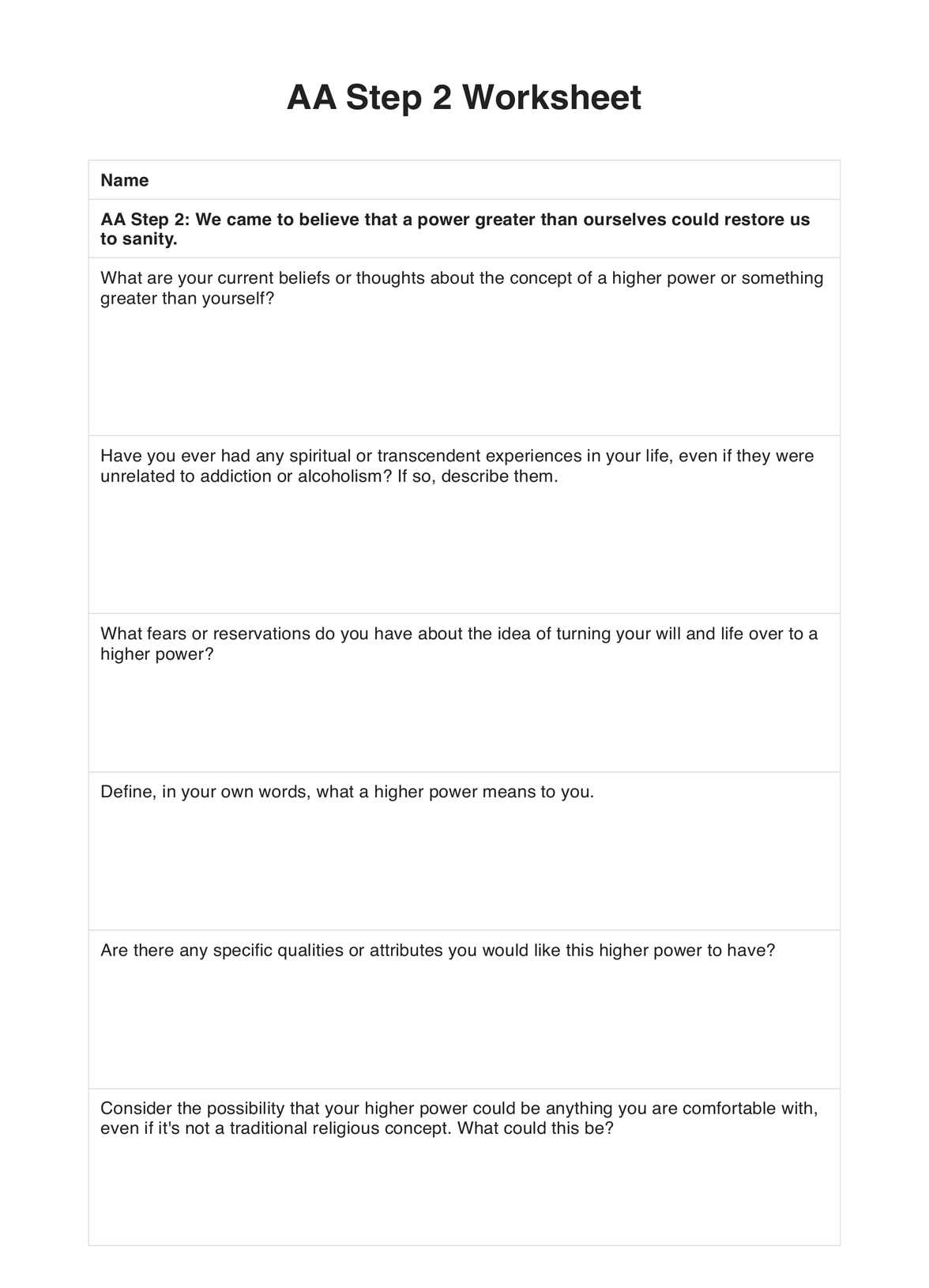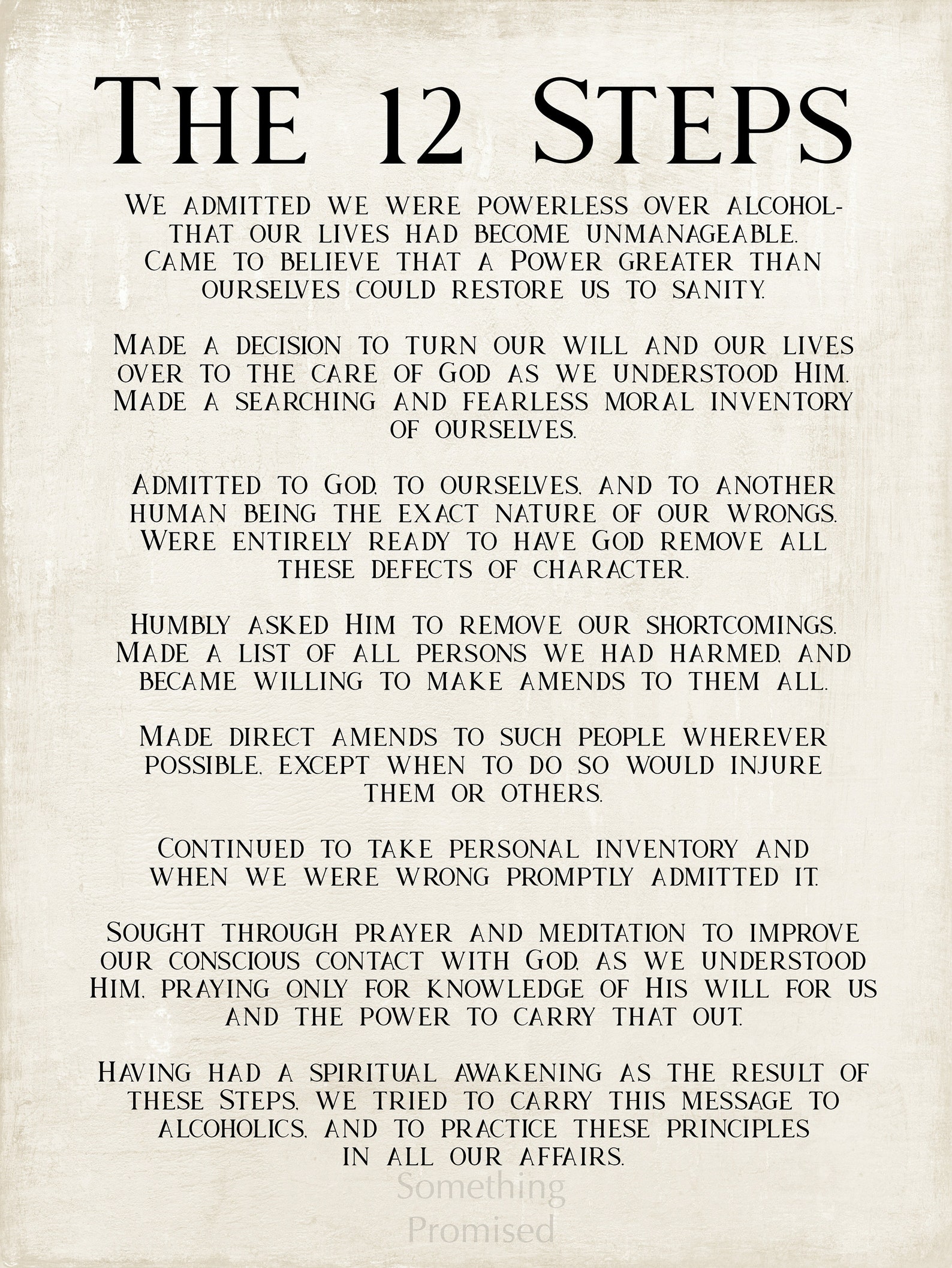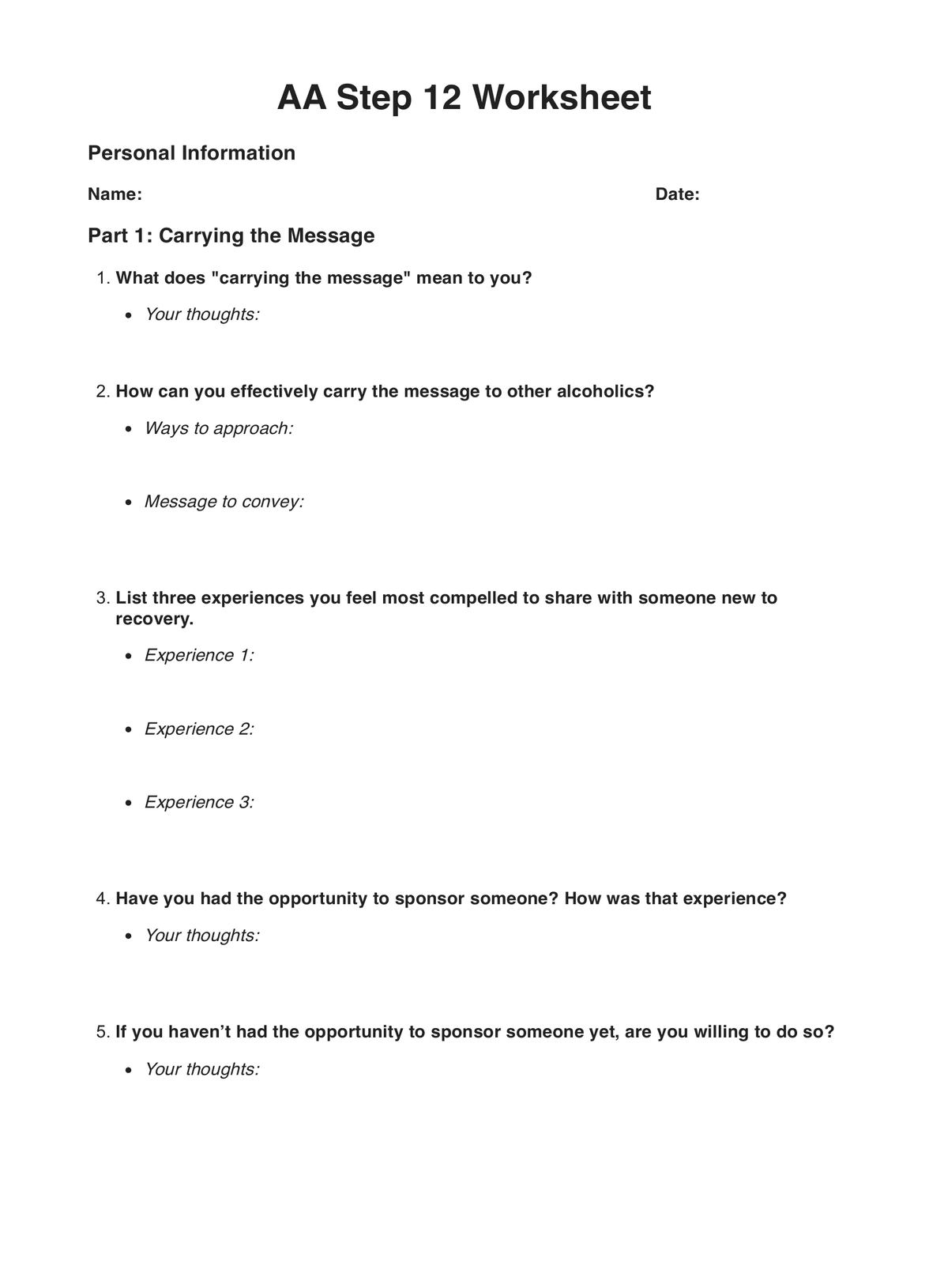
12 Steps Of Aa Worksheets have become an essential tool for anyone navigating the journey of recovery, offering structure, reflection, and tangible progress at each stage of the program. Whether you’re a newcomer eager to understand the process, a sponsor guiding a sponsee, or a seasoned member looking to deepen your practice, these worksheets translate abstract concepts into concrete actions, helping you internalize each step and track personal growth over time. In this guide we’ll explore why worksheets matter, how to choose and use them effectively, and practical tips for integrating them into daily recovery routines.
Why Worksheets Are a Game-Changer in AA Recovery

Bridging Theory and Practice
The 12 steps are a profound spiritual and psychological roadmap, but without a method to apply them, many people struggle to move beyond intellectual understanding. Worksheets serve as a bridge, prompting you to write, reflect, and answer specific questions that force you to confront your thoughts, behaviors, and emotions. This active engagement turns passive reading into active learning.
Accountability and Progress Tracking
One of the core tenets of AA is honesty—honesty with yourself, with others, and with a higher power. Worksheets provide a documented record of your honesty. By consistently filling out a worksheet for each step, you create a timeline of breakthroughs, setbacks, and insights that you can review during meetings or one‑on‑one sponsor sessions.
Customization for Diverse Needs
Recovery is not a one‑size‑fits‑all experience. Some individuals benefit from visual prompts, others from narrative journaling, and still others from structured checklists. The market offers a range of printable and digital worksheets that cater to different learning styles, making it easier to find a format that resonates with you.
Key Features of Effective 12 Steps Worksheets

Clear Step‑by‑Step Prompts
Each worksheet should clearly label the step it addresses and provide focused questions that guide you through the spirit of that step. For example, a worksheet for Step 4 (a moral inventory) might ask you to list resentments, fears, and recurring patterns, then rate the intensity of each feeling.
Space for Personal Reflection
Ample blank lines or text boxes encourage thorough answers rather than quick, surface‑level responses. The act of writing by hand can deepen emotional processing, while digital versions can offer interactive checkboxes and automatic date stamps.
Actionable Follow‑Up Sections
Beyond reflection, the best worksheets include a “Next Steps” area where you outline concrete actions—such as making amends, seeking counseling, or practicing a meditation technique. This transforms insight into measurable change.
Flexibility for Ongoing Use
Recovery is a lifelong journey. Effective worksheets are designed for repeated use, allowing you to revisit earlier steps with new perspectives. Some include “Review” columns to compare past and present answers, highlighting personal growth.
How to Choose the Right Worksheet for Each Step

Assess Your Learning Style
If you’re a visual learner, look for worksheets with diagrams, flowcharts, or color‑coded sections. Auditory learners might benefit from pairing the worksheet with a guided audio prompt. Kinesthetic learners often find value in interactive digital versions that allow dragging and dropping of ideas.
Consider Your Current Recovery Phase
Early in recovery, simple worksheets with minimal text can prevent overwhelm. As you progress, more detailed inventories and deeper reflective prompts become appropriate. Choose a worksheet that matches your comfort level while still challenging you to grow.
Check for Sponsor or Group Recommendations
Many sponsors have preferred templates that align with the group’s culture. Asking for suggestions can save time and ensure you’re using a format that resonates with your community’s language and expectations.
Test for Practicality
Print a sample page or open a digital version to see if the layout feels intuitive. If the font is too small, the spacing too cramped, or the prompts confusing, you’re less likely to complete it consistently.
Step‑by‑Step Guide to Using Worksheets Effectively
Step 1: Prepare Your Space
- Find a quiet, distraction‑free area where you can focus for at least 20–30 minutes.
- Gather necessary supplies: a notebook or laptop, pens, highlighters, and any relevant AA literature.
- Set a calming ambiance—soft lighting, a cup of tea, or a gentle background instrumental can help you settle into reflection.
Step 2: Review the Corresponding AA Step
Before diving into the worksheet, read the official wording of the step and any related passages from the AA Big Book. This ensures your answers are grounded in the step’s intended meaning.
Step 3: Answer Prompt Questions Honestly
Take each question one at a time. If a prompt feels overwhelming, break it into smaller parts and answer gradually. Remember, the worksheet is for your eyes (and possibly your sponsor’s); there’s no need to censor your thoughts.
Step 4: Highlight Insightful Moments
Use a highlighter or digital color to mark passages that reveal a breakthrough, a recurring pattern, or an emotional release. These highlighted sections become reference points for future meetings.
Step 5: Define Concrete Actions
In the “Next Steps” section, write at least one specific, measurable action you will take before your next meeting. For instance, “Call my sponsor on Thursday to discuss my inventory findings” or “Write a letter of amends to Jane, even if I don’t send it yet.”
Step 6: Review and Reflect Weekly
Set a recurring calendar reminder to revisit each completed worksheet. Reflect on any changes, new insights, or obstacles that have emerged. This weekly review reinforces accountability and keeps the recovery momentum alive.
Real‑World Examples of Worksheet Success

Case Study: Overcoming Resentment with Step 4
Mark, a 34‑year‑old accountant, struggled with lingering resentment toward his former business partner. By using a detailed Step 4 worksheet, he listed each incident, rated the emotional intensity, and traced the underlying fear of betrayal. The worksheet prompted him to write a draft amends letter, which he later discussed with his sponsor. Within two months, Mark reported a 70% reduction in nightly rumination and a restored sense of peace.
Case Study: Rebuilding Trust Through Step 9
Maria, a mother of three, found making amends daunting after years of strained family relationships. Her Step 9 worksheet included a column for “What I’ll Say” and another for “Potential Reactions.” By planning conversations in advance, she felt more confident approaching her estranged sister. The structured approach helped Maria navigate the emotional landscape, leading to a heartfelt reunion that reinforced her commitment to the program.
Case Study: Sustaining Long‑Term Growth with Step 12
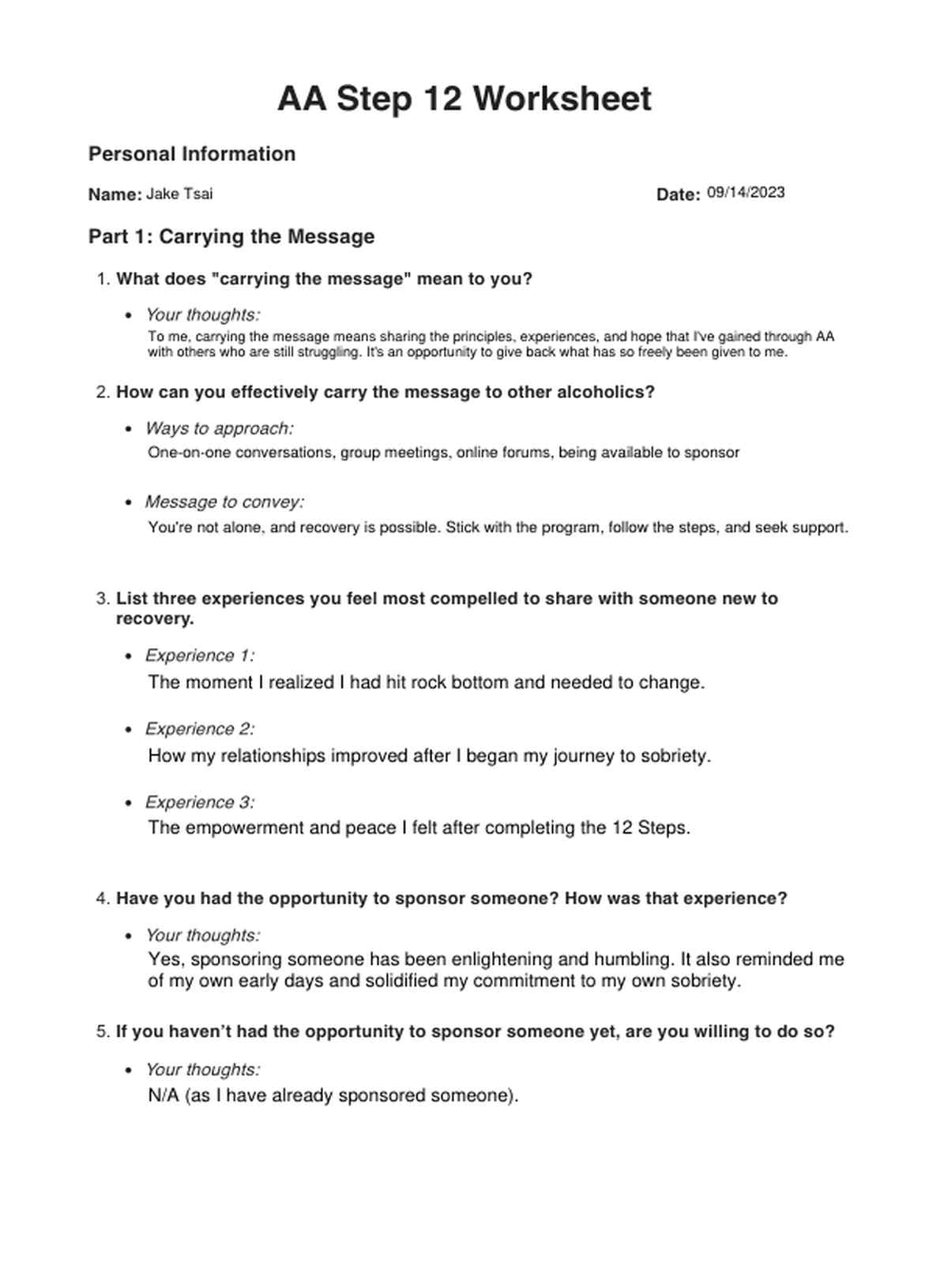
After several years of sobriety, Jamal realized his service to others had plateaued. A Step 12 worksheet encouraged him to brainstorm new ways to give back—such as facilitating a youth recovery group and writing educational blog posts. By setting measurable service goals, Jamal reignited his sense of purpose, which he credited with maintaining his sobriety during a particularly stressful life transition.
Integrating Worksheets Into Group Meetings

Sharing Highlights, Not Full Worksheets
During meetings, many members choose to share a brief excerpt or a key insight rather than the entire worksheet. This respects personal privacy while still contributing valuable perspectives to the group.
Using Worksheets as Sponsorship Tools
Sponsors often assign specific worksheets as homework. The sponsor can then review the completed pages, ask clarifying questions, and help the sponsee develop actionable steps. This collaborative process deepens the sponsor‑sponsee relationship and ensures accountability.
Creating a Group Worksheet Library
Some recovery homes compile printed copies of popular worksheets in a shared binder. Members can borrow, annotate, and return them, fostering a culture of continuous learning and resource sharing.
Digital vs. Printable Worksheets: Pros and Cons

Digital Advantages
- Searchable text makes it easy to locate specific entries.
- Automatic date stamps track progress without manual input.
- Cloud storage ensures you won’t lose your work if your device fails.
- Interactive elements like drag‑and‑drop can enhance engagement.
Printable Advantages
- Writing by hand can improve memory retention and emotional processing.
- No need for batteries or internet access, which is useful in low‑tech environments.
- Easier to share physically during in‑person meetings.
- Allows for creative expression with colors, doodles, and marginal notes.
Choosing the Best Format for You
If you’re comfortable with technology and value convenience, a digital worksheet may be ideal. If you prefer tactile interaction or attend meetings where physical copies are shared, printable worksheets are the way to go. Many people use a hybrid approach—drafting initial thoughts digitally, then printing for deeper reflection.
Common Pitfalls and How to Avoid Them

Procrastination and Overwhelm
It’s easy to delay worksheet completion, especially when confronted with painful memories. Combat this by setting a timer for short, focused bursts (e.g., 15 minutes). Even a brief session can break the inertia and lead to a full completion later.
Surface‑Level Answers
Writing generic responses like “I feel bad” defeats the purpose. Push yourself to describe specifics: what triggered the feeling, how it manifested physically, and what underlying belief fuels it. Depth leads to breakthroughs.
Skipping the “Next Steps” Section
Without actionable items, insight remains abstract. Treat the “Next Steps” as a contract with yourself—write it in present tense (“I will call…”) and set a deadline.
Relying Solely on Worksheets Without Community Support
Worksheets are powerful, but they work best when integrated with AA meetings, sponsorship, and fellowship. Share insights, ask for feedback, and stay connected to the community to reinforce your learning.
Creating Your Own Custom Worksheet
Identify Core Questions
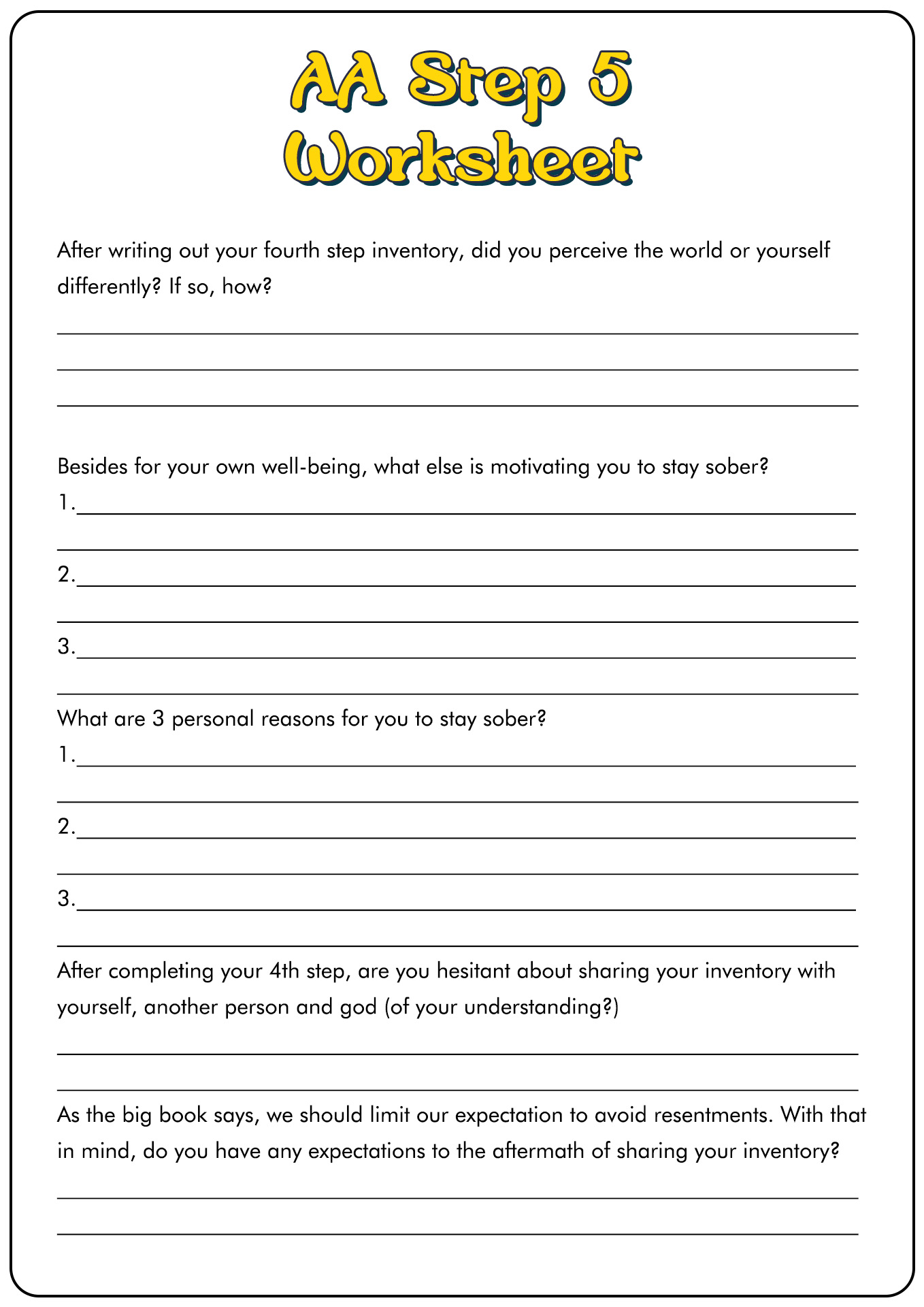
Start with the essential prompt for the step. For example, for Step 5 (“Admitted to God…”) ask, “What truths have I been avoiding, and how have they affected my life?” Add follow‑up questions that dig deeper into emotions, actions, and beliefs.
Design a Clean Layout
Use headings, bullet points, and ample white space. A simple structure might include: Step Overview, Prompt Questions, Personal Answers, Key Insights, Action Plan, Review Date.
Test and Refine
Complete your draft worksheet yourself or ask a trusted sponsor to review it. Adjust any confusing phrasing and ensure the “Action Plan” section is clear and achievable.
Share with Others
If you find your custom worksheet helpful, consider sharing it with your group. Collaborative refinement can produce a resource that benefits many members.
Maintaining Momentum Over the Long Term

Schedule Regular Worksheet Sessions
Block out a recurring weekly or bi‑weekly slot in your calendar dedicated solely to worksheet work. Treat this time as an appointment you cannot miss.
Combine Worksheets With Other Recovery Tools
Integrate meditation, prayer, or mindfulness exercises before or after worksheet completion. This creates a holistic routine that reinforces both mental clarity and spiritual connection.
Celebrate Milestones
When you finish a worksheet for a particularly challenging step, acknowledge the accomplishment. Small celebrations—like a favorite snack or a brief walk—reinforce positive behavior and encourage continued effort.
Revisit Past Worksheets Periodically
Every few months, review earlier worksheets to see how your answers have evolved. Noticing growth can boost confidence and remind you of the progress you’ve made, especially during difficult periods.
Conclusion

Incorporating 12 Steps Of Aa Worksheets into your recovery practice transforms abstract principles into actionable, measurable progress. By choosing the right format, engaging deeply with each prompt, and consistently reviewing your work, you create a powerful feedback loop of honesty, insight, and growth. Whether you prefer printable sheets, digital tools, or a hybrid approach, the key is regular, heartfelt engagement—paired with the support of sponsors, meetings, and fellowship. As you move through each step, let the worksheets be your compass, guiding you toward lasting sobriety, renewed purpose, and a life enriched by service and connection. Embrace the process, honor your honesty, and watch the transformative power of the 12 steps unfold in your everyday life.