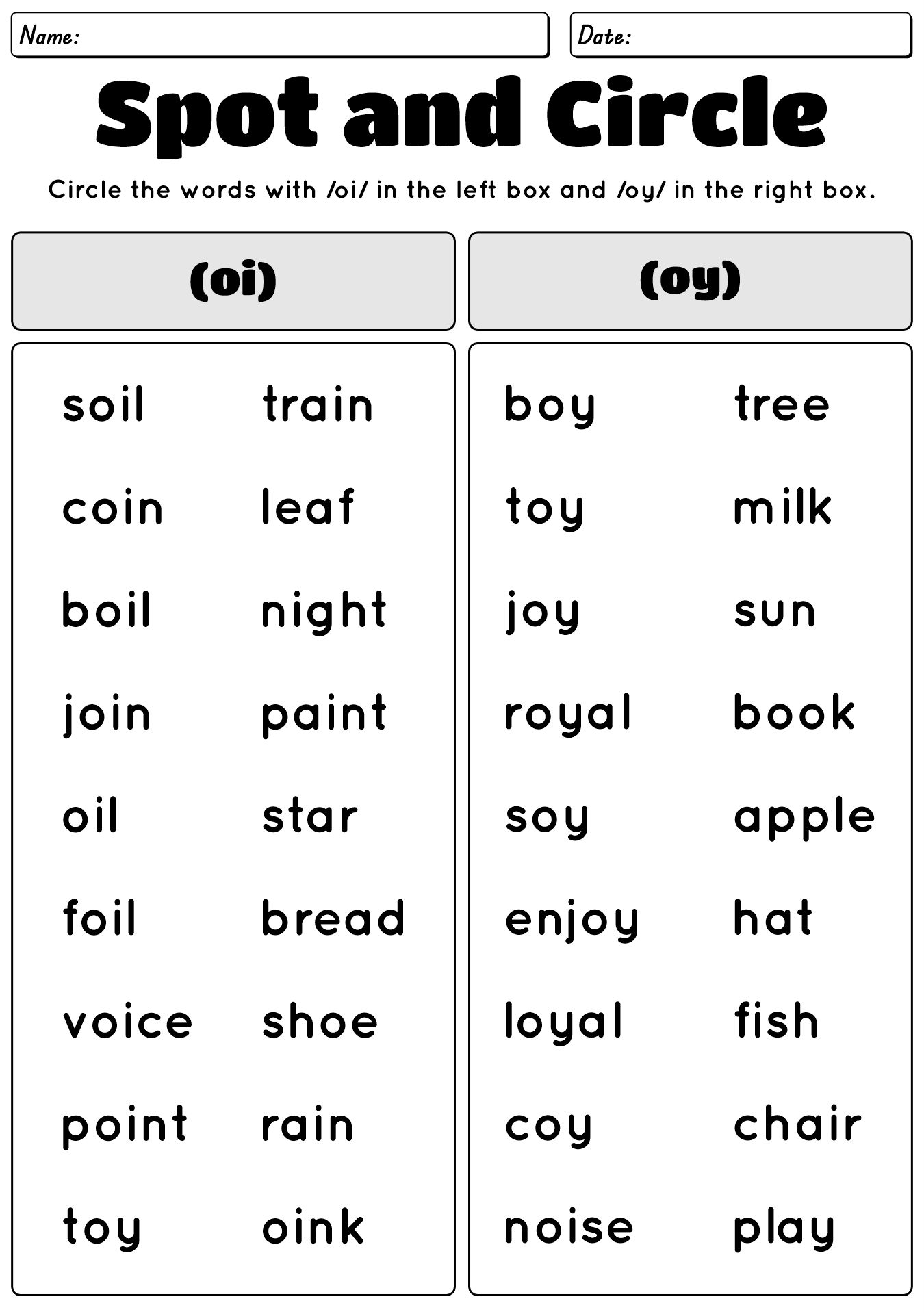
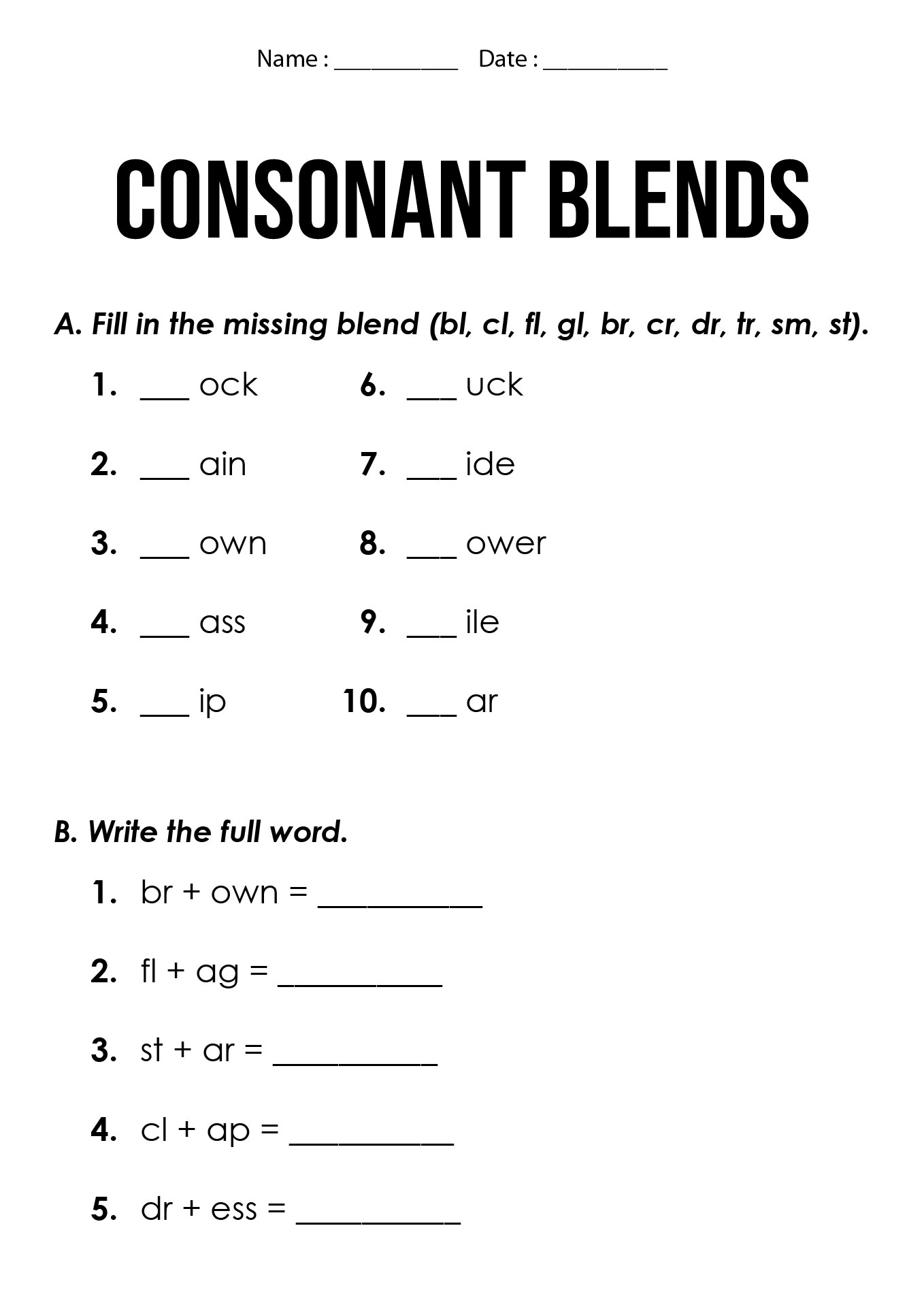
2nd Grade Phonics Worksheets are a cornerstone of early literacy instruction, offering a structured yet flexible way to reinforce sound‑letter relationships, decoding skills, and reading confidence for young learners. When used thoughtfully, these printable resources can transform a classroom or home environment into a vibrant hub of phonemic exploration, where children practice, experiment, and master the building blocks of English. This guide dives deep into the why, what, and how of selecting, customizing, and effectively deploying phonics worksheets for second‑grade students, ensuring that every activity aligns with developmental milestones and keeps learners actively engaged.
Why Phonics Matters in the Second Grade

Second grade represents a pivotal transition from learning to read to reading to learn. At this stage, children have typically mastered most of the basic consonant–vowel patterns introduced in kindergarten, and they are ready to tackle more complex phonemic concepts. Strong phonics instruction supports:
- Decoding proficiency: Children learn to break unfamiliar words into manageable sound units, boosting reading speed and accuracy.
- Spelling confidence: Understanding sound patterns equips students to spell multisyllabic words with greater precision.
- Vocabulary growth: As decoding becomes automatic, cognitive resources shift toward comprehension and new word acquisition.
- Self‑efficacy: Mastery of phonics reduces frustration, fostering a positive attitude toward reading.
Research consistently shows that systematic phonics instruction paired with frequent practice leads to higher reading outcomes, especially for students who may be at risk of falling behind. Worksheets provide that repetitive, low‑stakes practice while allowing teachers to differentiate instruction based on individual needs.
Key Phonics Skills for 2nd Graders
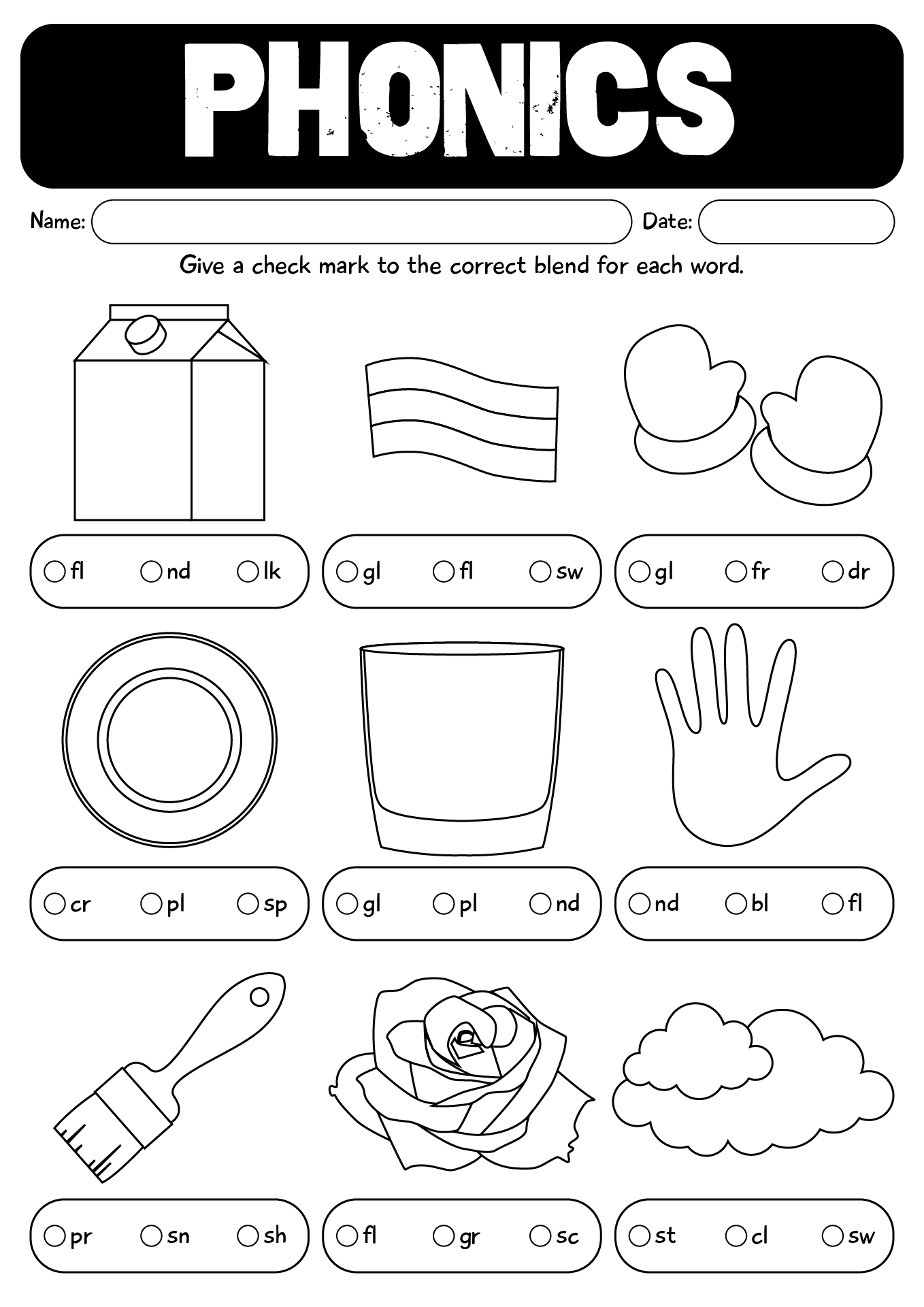
Effective worksheets target specific phonics milestones that align with curriculum standards. Below are the core skills that should be reinforced throughout the year.
Advanced Vowel Teams
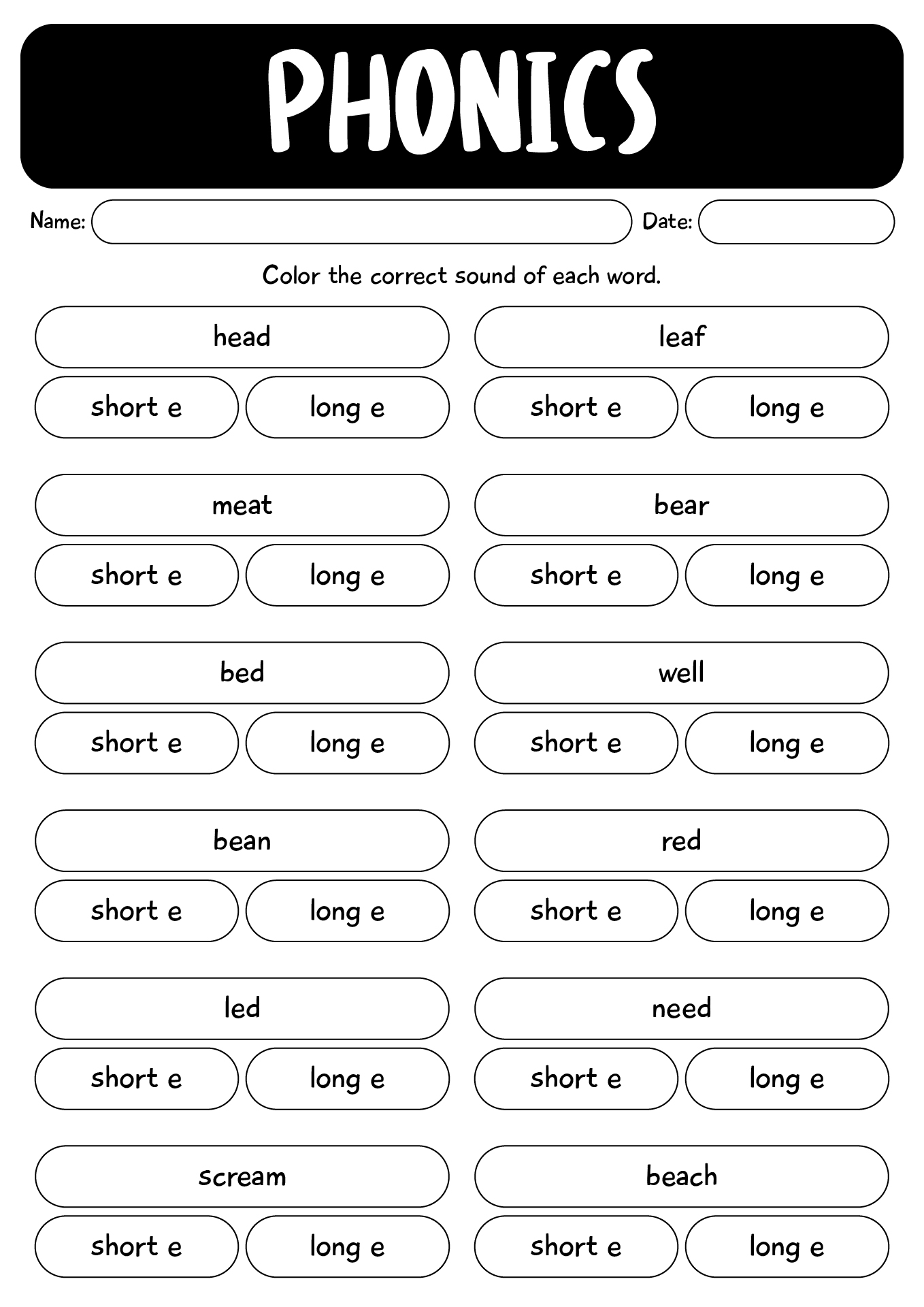
Students move beyond simple short‑vowel sounds to explore vowel teams such as ai, ea, oa, oo, ue, ie, and the less common ou, aw, ew. Worksheets might include matching activities where children pair a vowel team with its corresponding word, or fill‑in‑the‑blank sentences that require selecting the correct team to complete a word.
Complex Consonant Blends and Digraphs
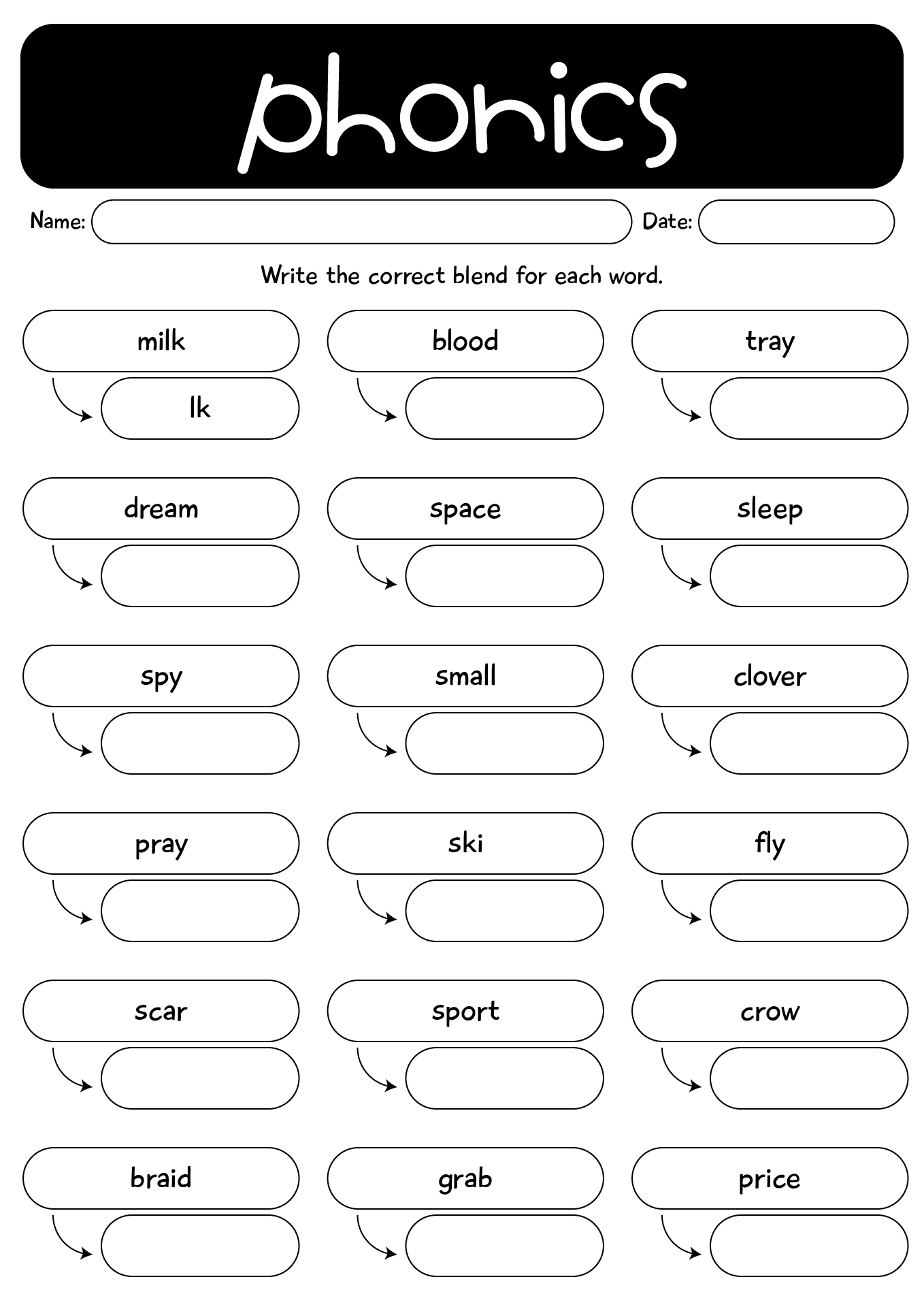
Second graders encounter blends like bl, cr, st, tr and digraphs such as sh, ch, th, wh. Worksheets that isolate these patterns—through word sorting, sentence building, or word‑search puzzles—help solidify recognition and application.
Multisyllabic Word Decoding
Breaking words into syllables becomes essential for tackling longer terms. Activities that ask students to clap out syllables, place hyphens, or rearrange syllable cards foster an intuitive sense of word structure.
Irregular and Exception Words
While phonics rules cover most words, a handful of high‑frequency irregulars (e.g., said, were, have) require memorization. Worksheets that integrate these words into short reading passages or sentence creation tasks ensure that learners encounter them in context.
Phoneme Manipulation
Advanced phonemic awareness tasks—such as adding, deleting, or substituting sounds—strengthen the mental flexibility needed for spelling and decoding. Sample worksheets might prompt students to change the initial sound in “cat” to create a new word, reinforcing both phonics and vocabulary.
How to Choose Effective Worksheets
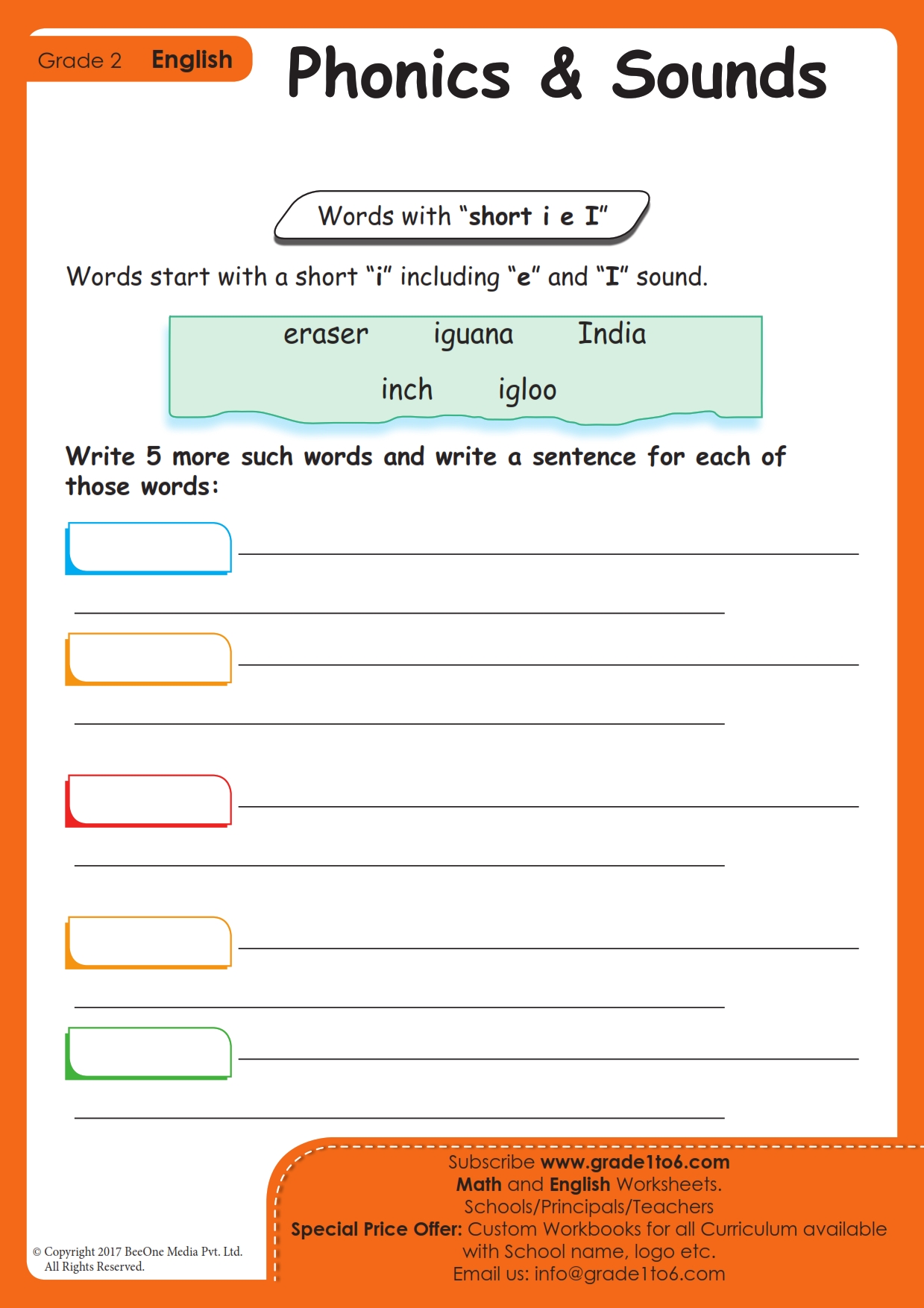
Selecting the right worksheets involves evaluating several criteria to ensure they meet instructional goals and suit diverse learner profiles.
Alignment with Standards
Check that each worksheet reflects state or district phonics standards for second grade. Look for explicit references to targeted phonemes, vowel teams, or decoding strategies, and verify that the difficulty progression matches the expected developmental timeline.
Clarity and Visual Appeal
Young learners respond best to clean layouts, ample white space, and engaging graphics. Worksheets should use large, legible fonts, bold headings for each activity, and visual cues (such as icons for “match,” “write,” or “circle”) that guide students without overwhelming them.
Variety of Task Types
A balanced worksheet collection mixes:
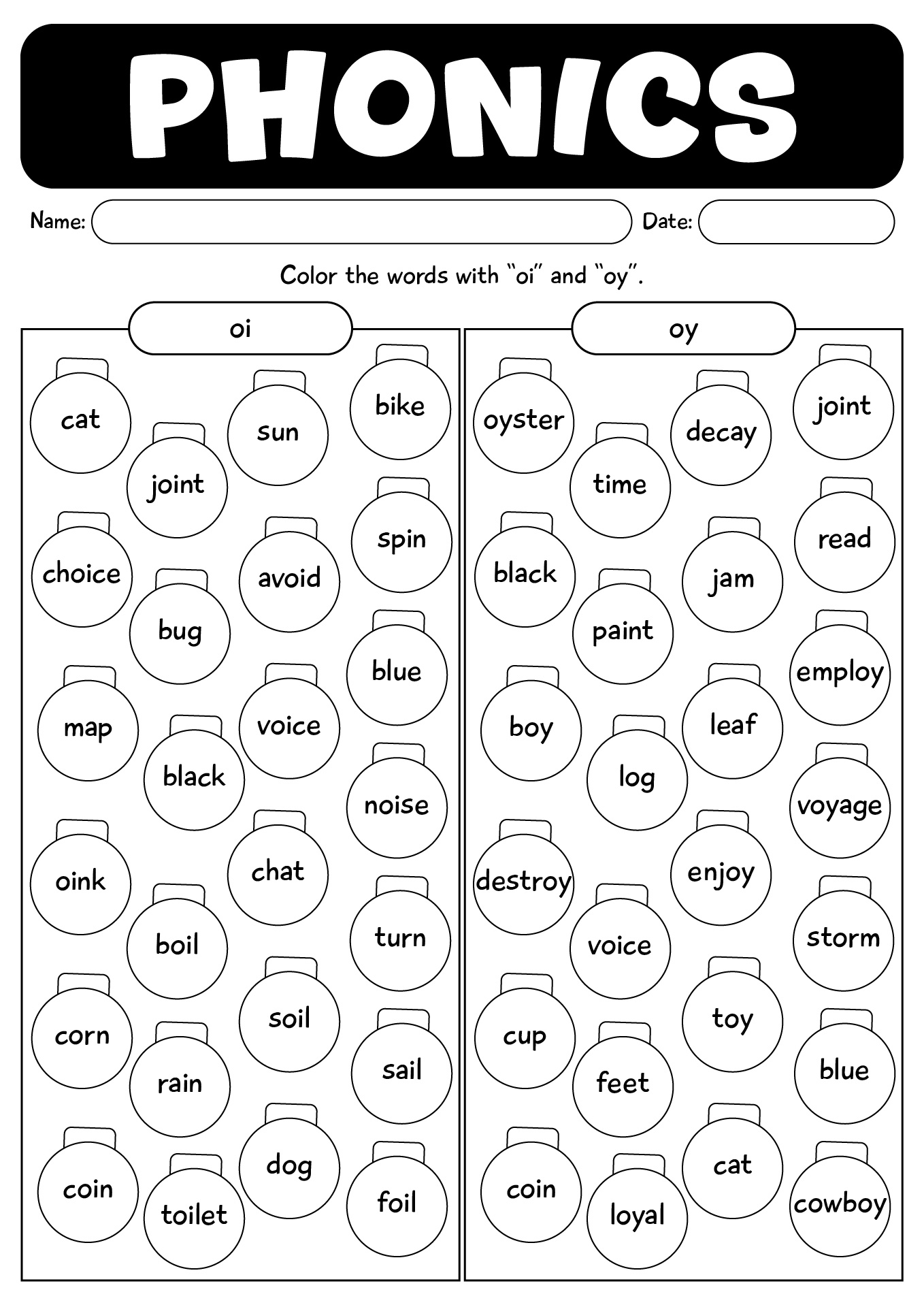
- Word‑identification drills (e.g., highlight all words with the “ai” team).
- Sentence creation (e.g., write a sentence using three words that contain “sh”).
- Puzzle formats (e.g., crosswords, word searches, or fill‑in‑the‑blank stories).
- Hands‑on activities (e.g., cut‑and‑paste syllable strips).
This variety sustains motivation and addresses different learning styles.
Scaffolded Difficulty
Begin with guided practice where the answer is partially provided, then progress to independent tasks that require full application of the skill. Worksheets should clearly indicate the level of support (e.g., “Level 1 – Identify,” “Level 2 – Complete,” “Level 3 – Create”).
Feedback Opportunities
Look for built‑in spaces where students can self‑check answers or where teachers can provide quick feedback. Checklists, answer keys, and reflective prompts (“What was the most challenging word and why?”) encourage metacognition.
Designing Your Own Phonics Worksheets

While pre‑made resources are convenient, customizing worksheets empowers educators to address specific class needs and inject personal flair. Follow these steps to create high‑impact materials.
Identify the Target Skill
Start by selecting a single phonics objective—such as “recognize the ‘oa’ vowel team.” Keep the focus narrow to avoid cognitive overload.
Choose a Theme
Embedding a thematic element (e.g., “Ocean Adventure” for oa) adds relevance and excitement. Incorporate related vocabulary, images, and story snippets that reinforce the phoneme in a meaningful context.
Draft Varied Activities
Include at least three distinct task types:
- Recognition: Circle the words that contain the target sound.
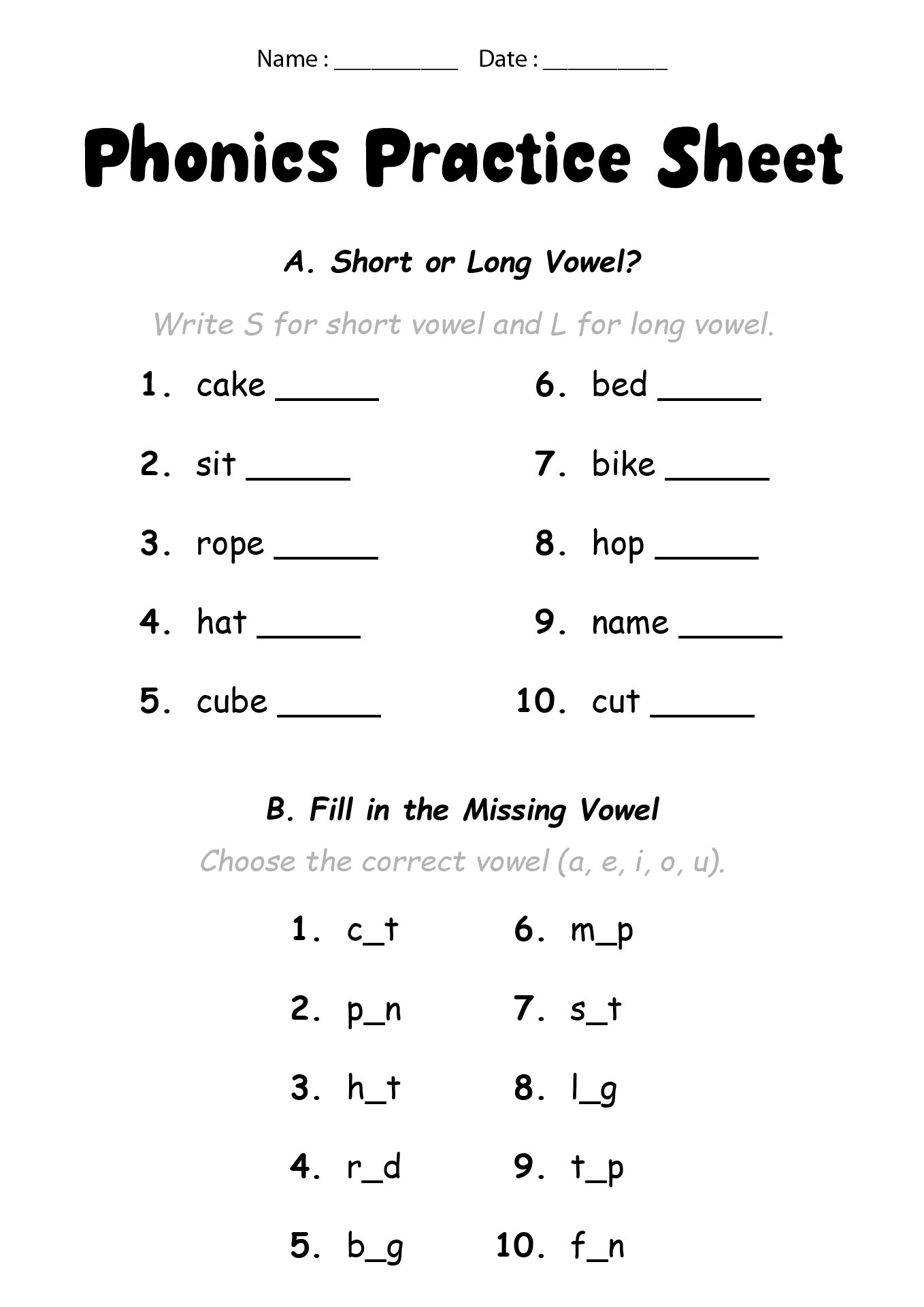
- Production: Fill in missing letters to complete words.
- Application: Write a short paragraph using at least five target words.
This progression moves students from passive identification to active usage.
Design Layout and Visuals
Use a simple grid system: a clear header with the skill, a brief instruction box, and spaced activity sections. Add clip‑art or icons that align with the theme but do not distract from the task. Ensure any graphic is high contrast and printable in black and white if needed.
Test and Refine
Before distributing, try the worksheet with a small group or a colleague. Observe whether instructions are clear, whether the difficulty feels appropriate, and whether the time needed aligns with your lesson plan. Adjust wording, add hints, or modify the number of items based on feedback.
Integrating Worksheets into the Daily Routine

Worksheets shine when they become a regular, purposeful part of the instructional flow rather than a one‑off activity.
Warm‑Up or Bell Ringer
Begin the day with a quick 5‑minute worksheet that reviews a previously taught phoneme. This primes students for the lesson and provides immediate data on retention.
Station Rotation
Set up a literacy center where small groups rotate through stations, one of which features a phonics worksheet. Pair the worksheet with manipulatives (letter tiles, magnetic letters) to reinforce tactile learning.
Independent Practice
During silent reading time, hand out a worksheet that encourages students to apply decoding skills to the text they are reading. For example, ask them to underline any “ai” words they encounter in the book.
Exit Ticket
Close the lesson with a short worksheet that asks students to demonstrate the day’s target skill. Collecting these exit tickets provides immediate formative assessment data.
Assessing Progress with Worksheets

Effective assessment goes beyond checking off correct answers; it uncovers patterns, informs instruction, and celebrates growth.
Data Collection
Maintain a simple spreadsheet to log each student’s performance on key worksheets. Record metrics such as accuracy percentage, time on task, and error types (e.g., omission of a vowel team versus misreading a consonant blend).
Error Analysis
Identify common misconceptions. If several students consistently miss “ea” in “bread,” plan a targeted mini‑lesson that isolates that pattern with additional visual and auditory cues.
Progress Monitoring Charts
Create visual charts (bars or line graphs) that show individual and class‑wide growth over weeks. Share these charts with students to foster a sense of ownership and motivate continued effort.
Adaptive Re‑Teaching
When data reveal persistent gaps, select or design remedial worksheets that provide additional scaffolding—such as pre‑filled word stems or guided phoneme segmentation prompts.
Tips for Parents and Teachers
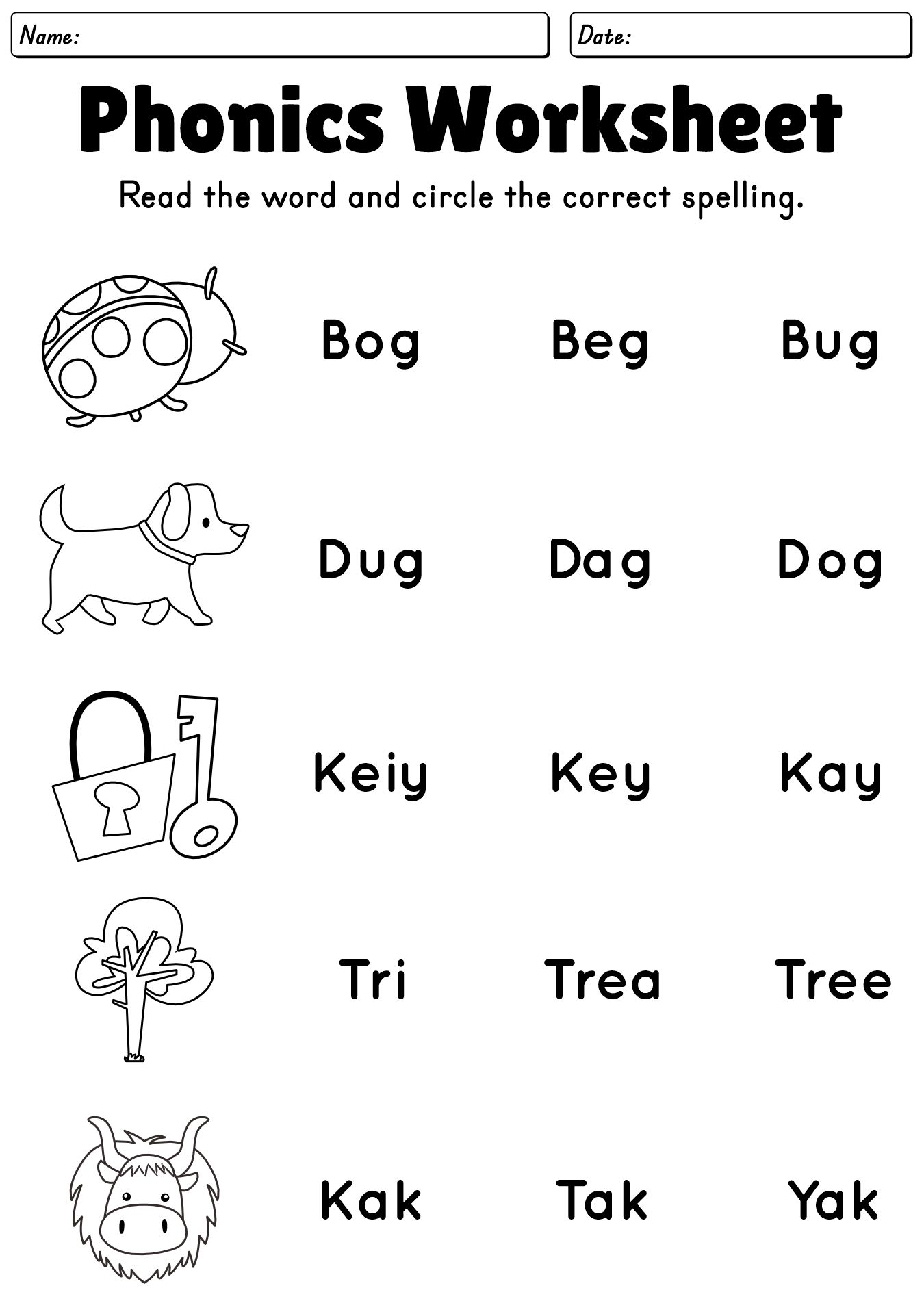
Collaboration between home and school maximizes the impact of phonics worksheets. Here are practical strategies for both audiences.
Establish a Consistent Schedule
Set aside a regular time—15 minutes after school or before bedtime—to work on worksheets. Consistency builds habit and reinforces learning.
Create a Positive Environment
Design a quiet, well‑lit workspace free from distractions. Celebrate completed worksheets with a sticker chart or a simple verbal praise to reinforce effort.
Use Multisensory Techniques
Combine the worksheet with auditory (read the word aloud), visual (point to letters), and kinesthetic (trace letters in sand) modalities. This reinforces neural pathways and aids retention.
Encourage Self‑Reflection
After finishing a worksheet, ask the learner to identify one word they found challenging and explain why. This reflection deepens metacognitive awareness and highlights areas for future practice.
Communicate Progress
Teachers should send brief updates to parents highlighting strengths and next steps. Parents can then reinforce the same phonics skill at home, creating a seamless learning continuum.
Conclusion
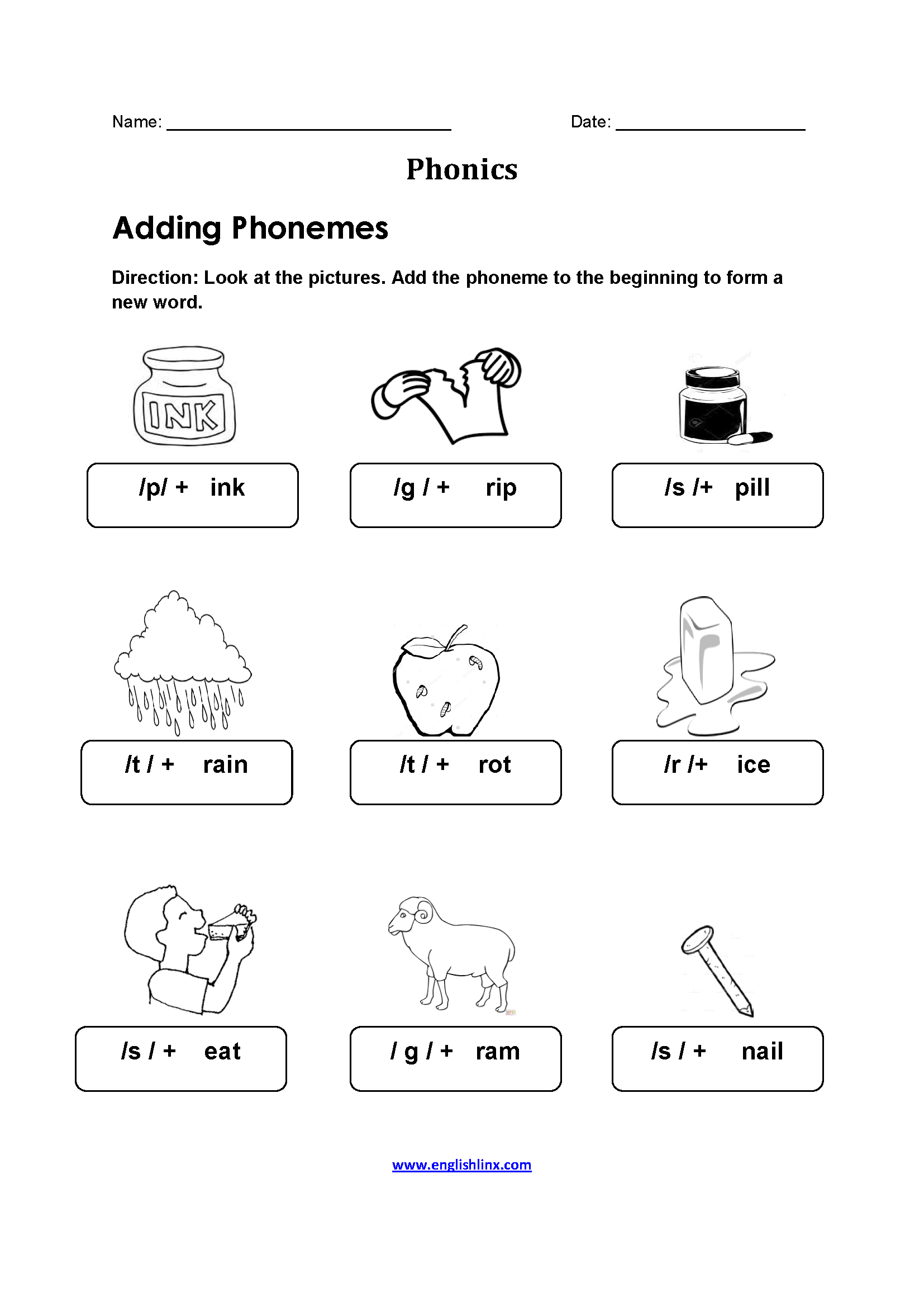
Incorporating well‑designed 2nd Grade Phonics Worksheets into daily instruction offers a powerful, research‑backed pathway to solidify decoding skills, boost spelling confidence, and nurture a lifelong love of reading. By selecting resources that align with standards, customizing materials to match classroom themes, and embedding worksheets within a balanced routine of warm‑ups, stations, and assessments, educators and parents can provide targeted, engaging practice that meets each child where they are. Continuous data collection and reflective feedback ensure that instruction remains responsive, while multisensory and celebratory approaches keep motivation high. When these strategies come together, second‑grade learners not only master phonics but also develop the self‑efficacy needed to transition confidently from learning to read into reading to learn.