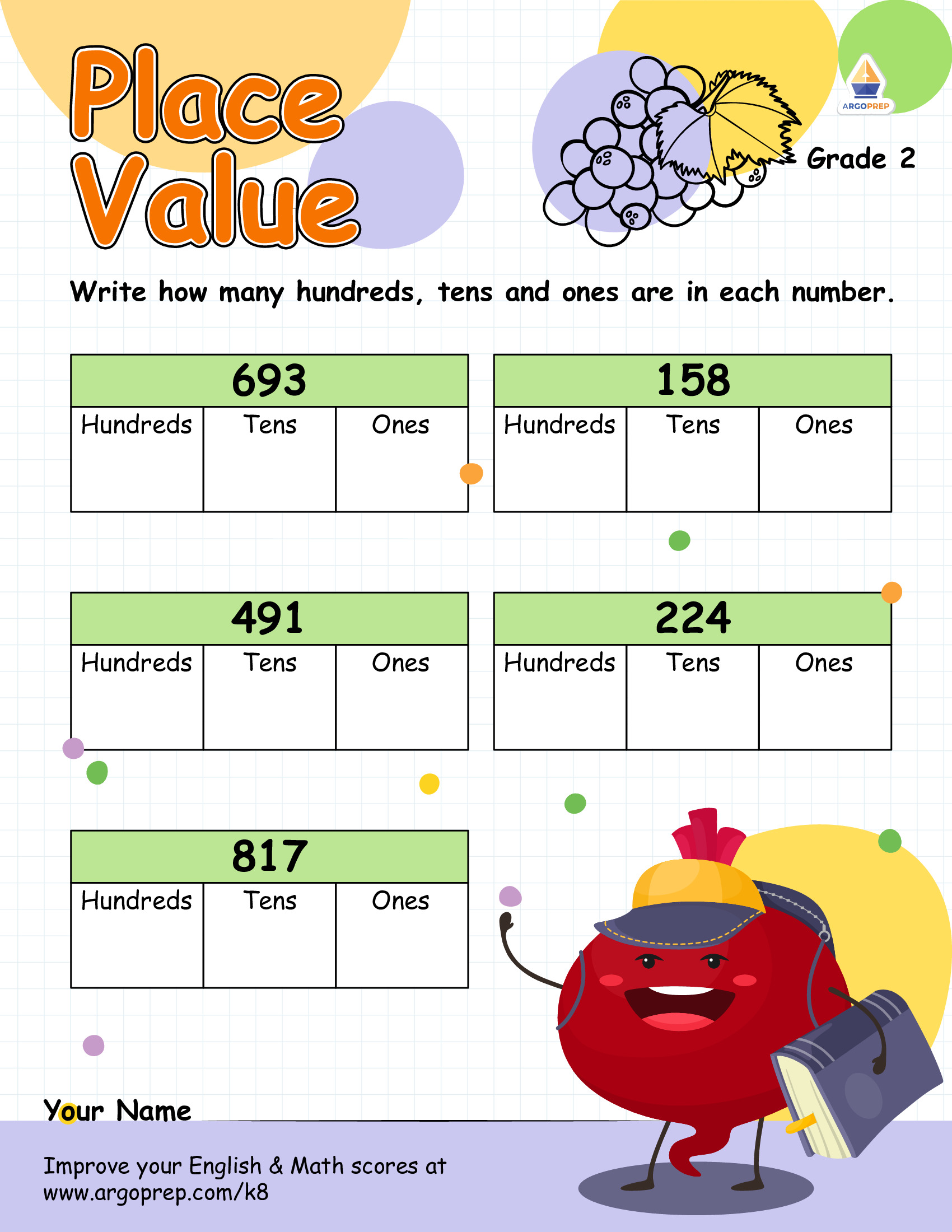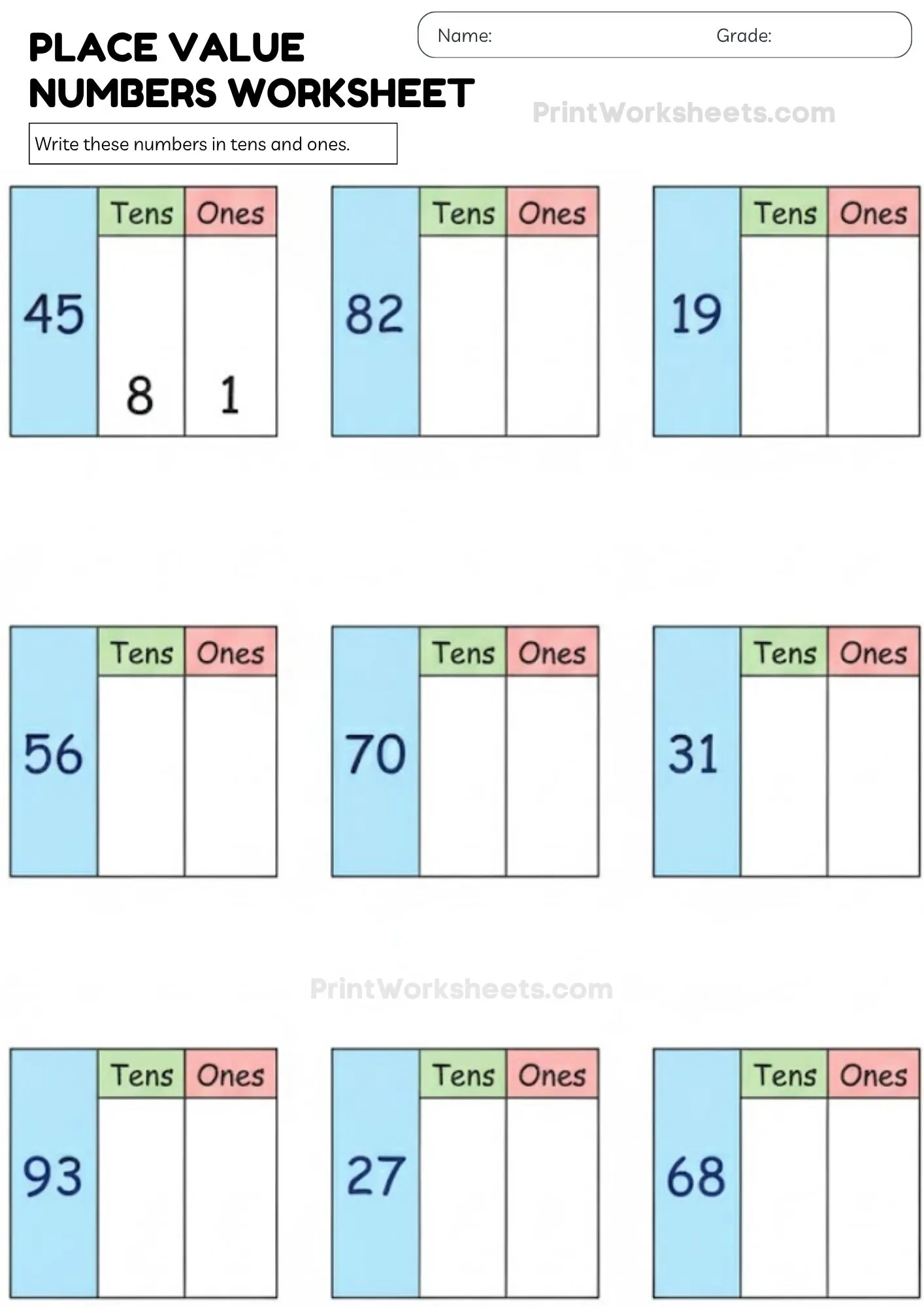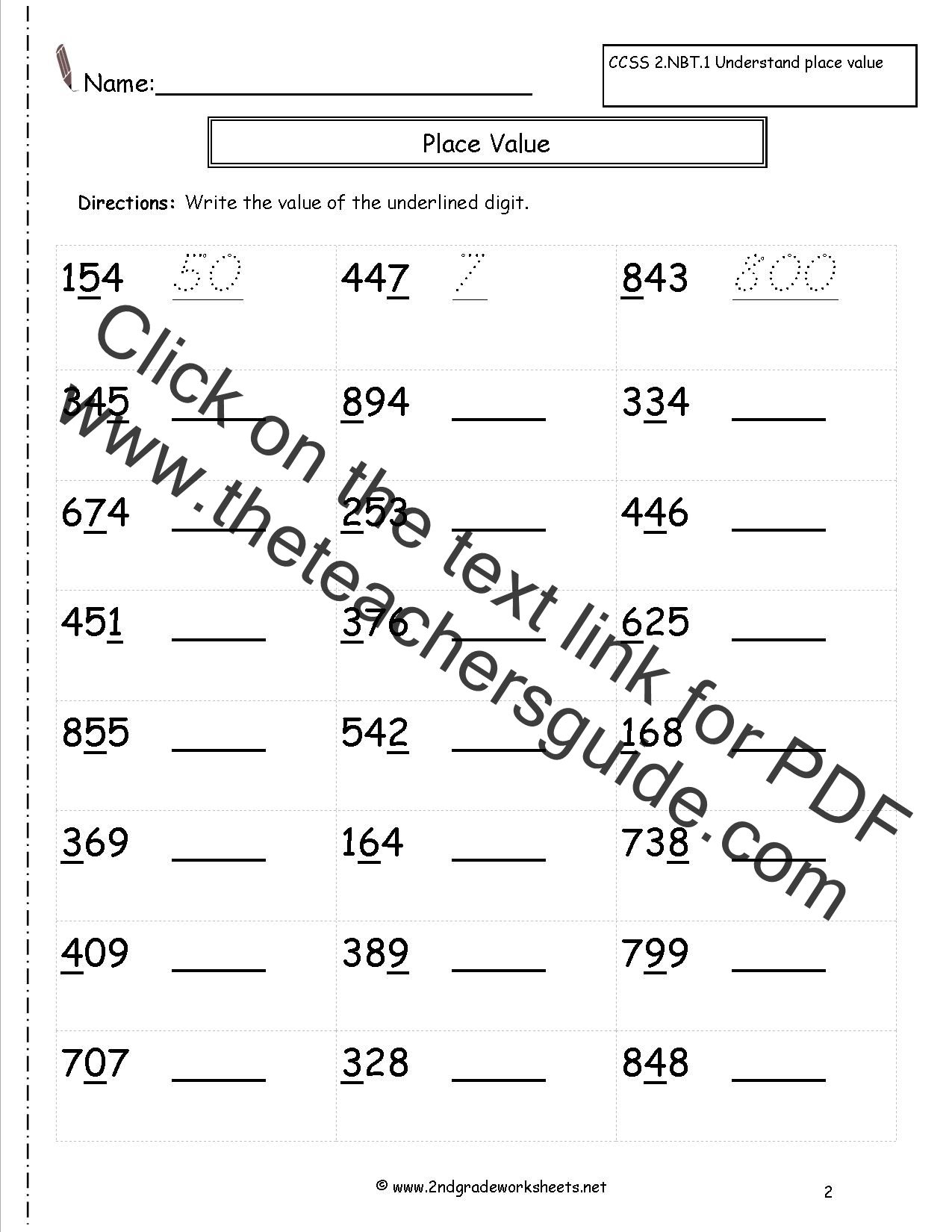
2nd Grade Place Value Worksheets are essential tools that transform abstract number concepts into tangible learning experiences, enabling students to grasp the value of each digit with confidence and clarity.
Why Place Value Matters in the Second Grade

In the second grade, students transition from counting and simple addition to exploring the structure of numbers. Place value is the foundation that supports this transition, helping children understand why the digit 5 in 54 is worth five tens, not five units. Mastery of place value encourages mental math, accurate calculation, and readiness for more advanced topics such as fractions and decimals.
Connecting Numbers to Real Life
- Using everyday objects—like baskets of fruit—to illustrate hundreds, tens, and units.
- Mapping school supplies to place value drills, turning pencils into 10’s or 100’s.
- Creating shopping lists where each item’s price helps reinforce the concept of “tens” versus “ones.”
Developing Critical Thinking
Place value activities push students to think beyond the surface, encouraging them to ask questions such as “What happens if we move this digit to the left?” or “How many ones are in this number?” These inquiries foster a deeper understanding of numeric structure and set the stage for later problem‑solving skills.
Designing Effective Worksheets for 2nd Graders

Well‑crafted worksheets should blend challenge with enjoyment, ensuring students remain motivated while learning. Below are key elements that make a worksheet both engaging and educational.
Clear Objectives and Progression
Each worksheet should target a single learning goal—such as identifying the value of a digit, comparing numbers, or converting between bases—while providing a gradual increase in difficulty. A logical progression keeps students from feeling overwhelmed and allows teachers to track improvement accurately.
Visual Appeal and Cultural Relevance
Colorful graphics, familiar cultural references, and relatable contexts boost engagement. For instance, using images of local landmarks, traditional toys, or popular children’s shows can make the exercises feel more personal and less abstract.
Interactive Elements
- Drag‑and‑drop sections where students place digits into the correct columns.
- Matching games pairing numbers with written word forms.
- Fill‑in‑the‑blank challenges that encourage quick mental calculations.
Assessment and Feedback
Include self‑check sections where learners can compare their answers against provided solutions, allowing immediate correction of misconceptions. Highlighting correct answers in green and errors in red provides instant visual feedback.
Sample Worksheet Structure

Below is a detailed layout that teachers can replicate or adapt to suit their classroom needs.
Warm‑Up: “Digit Detective”
Present a number with a missing digit (e.g., 4_8) and ask students to determine which digit completes the number based on its place value. This quick check activates prior knowledge.
Guided Practice: “Place Value Bingo”
Create bingo cards where each cell contains a number; call out the value of a specific place (e.g., “hundreds”) and students must mark the correct cells. This encourages quick recognition and reinforces the concept.
Independent Work: “Number Stories”
Students write a short narrative describing a number in words (e.g., “Two hundred and thirty‑seven students attended the school picnic”) and then convert it back into digits. This reinforces both reading and writing skills.
Challenge: “Build a Number”
Provide a series of digits and ask students to arrange them into the largest and smallest possible numbers. This exercise enhances strategic thinking and mastery of place value.
Reflection: “What Did I Learn?”
End each worksheet with a brief reflection prompt—“Which part of today’s lesson was the most challenging?”—to encourage metacognition and self‑assessment.
Integrating Technology with Traditional Worksheets

Digital platforms can amplify the impact of worksheets. Interactive apps that mimic the worksheet format allow for real‑time feedback, adaptive difficulty, and engaging animations.
Responsive Design for All Devices
Ensure worksheets are mobile‑friendly; many parents and teachers use tablets or smartphones for on‑the‑go instruction.
Gamification Elements
Introduce points, badges, or leaderboards to reward progress, fostering a competitive yet supportive learning environment.
Data Tracking
Use learning management systems to collect performance data, enabling personalized interventions for students who may need additional support.
Parental Involvement: Turning Homework into Family Time

When parents receive clear, simple worksheets, they can become active participants in their child’s learning journey. Below are strategies to help parents use worksheets effectively.
Set a Dedicated Study Time
Allocate a consistent slot each day for worksheet practice—ideally after a snack or during a quiet period—to create routine and reinforce learning habits.
Use the “Teach‑Back” Method
Ask children to explain the concept in their own words after completing a worksheet. This reinforces understanding and boosts confidence.
Celebrate Small Wins
Recognize milestones such as finishing a worksheet section or correctly identifying all place values in a set of numbers. Positive reinforcement encourages continued effort.
Common Challenges and How to Overcome Them
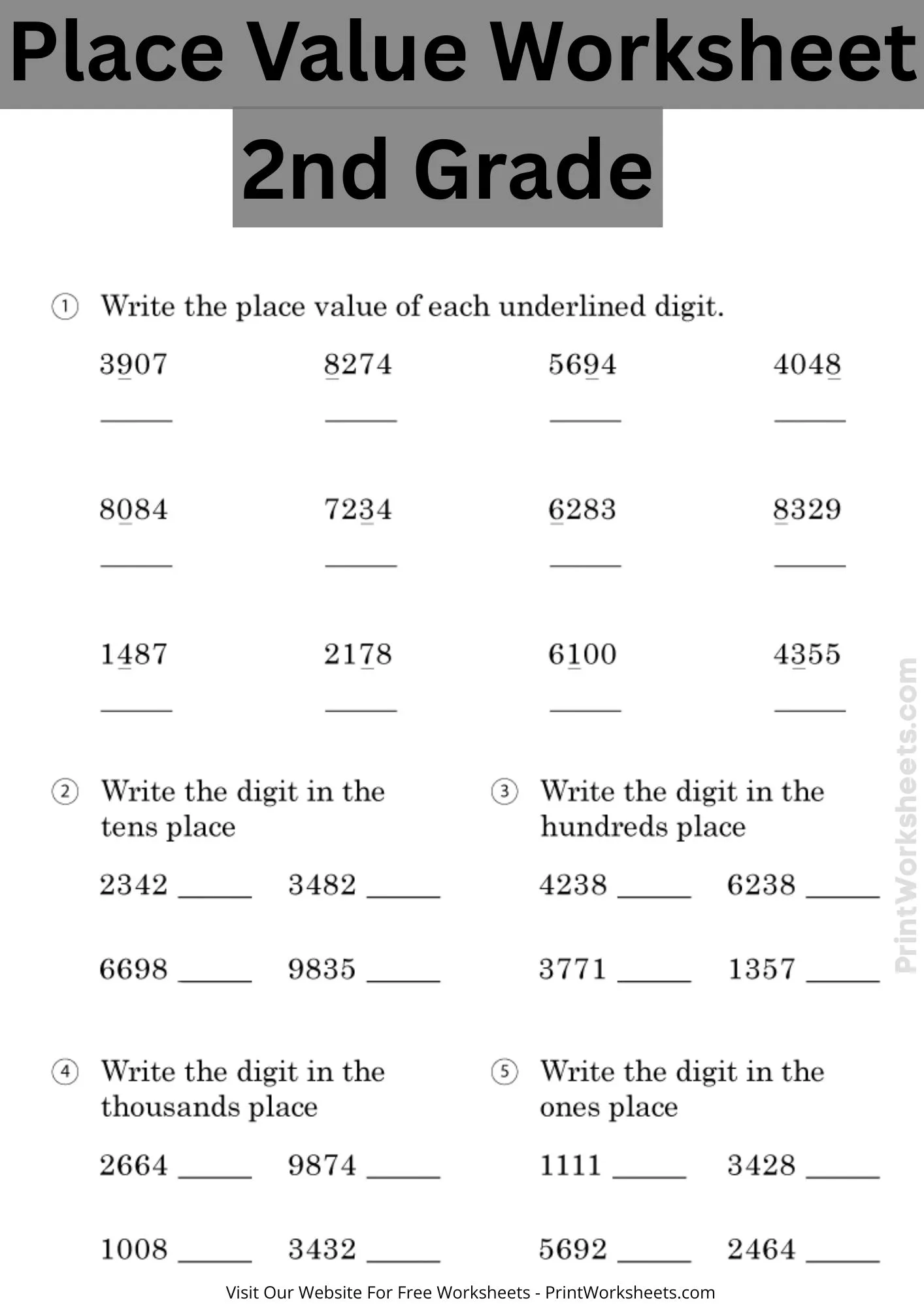
Teachers and parents may encounter recurring difficulties that can be mitigated with thoughtful strategies.
Difficulty Visualizing Place Value
Provide manipulatives like base‑ten blocks or digital sliders to help students physically see how digits shift value when moved.
Skipping to the End of the Worksheet
Introduce checkpoints or mini‑quizzes within the worksheet to maintain focus and prevent the “just finish it” mindset.
Misinterpreting Numbers with Leading Zeros
Teach that numbers like 07 or 0003 are equivalent to 7 or 3 but emphasize that leading zeros do not affect value. Practice with worksheets that explicitly address this nuance.
Assessment Strategies Beyond Worksheets

To ensure a comprehensive understanding, combine worksheets with other assessment techniques.
Oral Number Talks
Invite students to explain their reasoning aloud, allowing the teacher to gauge conceptual understanding beyond written answers.
Peer Review Sessions
Encourage students to swap worksheets and check each other’s work, fostering collaboration and critical evaluation skills.
Project‑Based Learning
Assign projects where students create posters, charts, or digital presentations that illustrate place value concepts in creative ways.
Resources for Teachers and Parents

There are abundant free and paid resources available that align with the curriculum. Seek out reputable educational platforms, local library collections, and community workshops that focus on numeracy skills.
Printable PDF Collections
Many educators offer downloadable worksheets that can be printed at home or in school. Look for collections that cover a variety of difficulty levels.
Interactive Websites
Search for reputable math learning sites that provide interactive place‑value games, instant feedback, and progress tracking.
Local Educational Events
Participate in math fairs, community math clubs, or after‑school programs that offer hands‑on activities related to place value.
Conclusion: Building a Strong Numerical Foundation
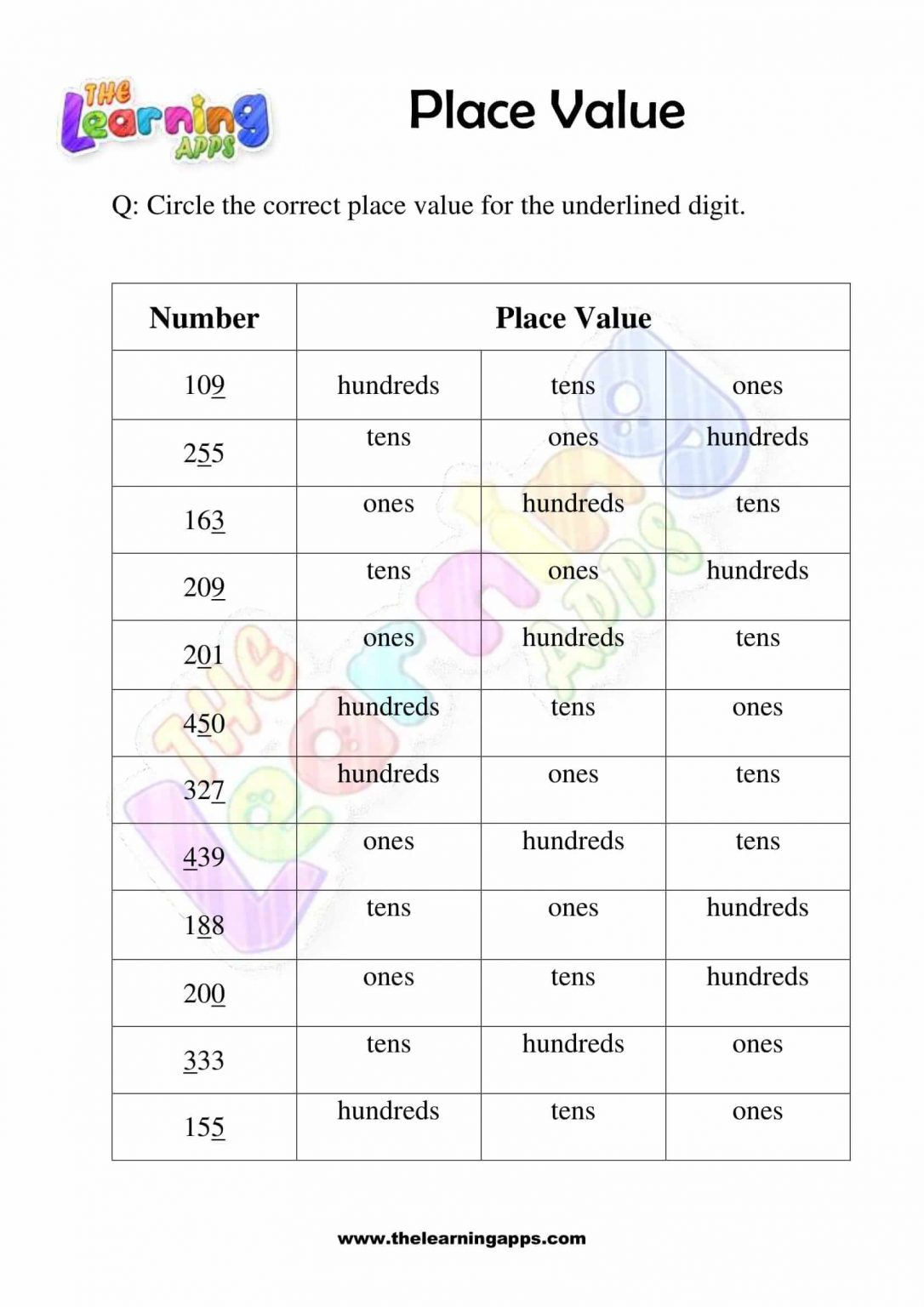
Mastering 2nd Grade Place Value Worksheets equips students with the essential skills that will serve them throughout their academic journey. By creating engaging, culturally relevant, and progressively challenging worksheets, educators and parents can nurture curiosity, precision, and confidence in young learners. Together, through thoughtful practice and consistent feedback, we can ensure that each child not only understands the value of digits but also enjoys the adventure of number exploration.