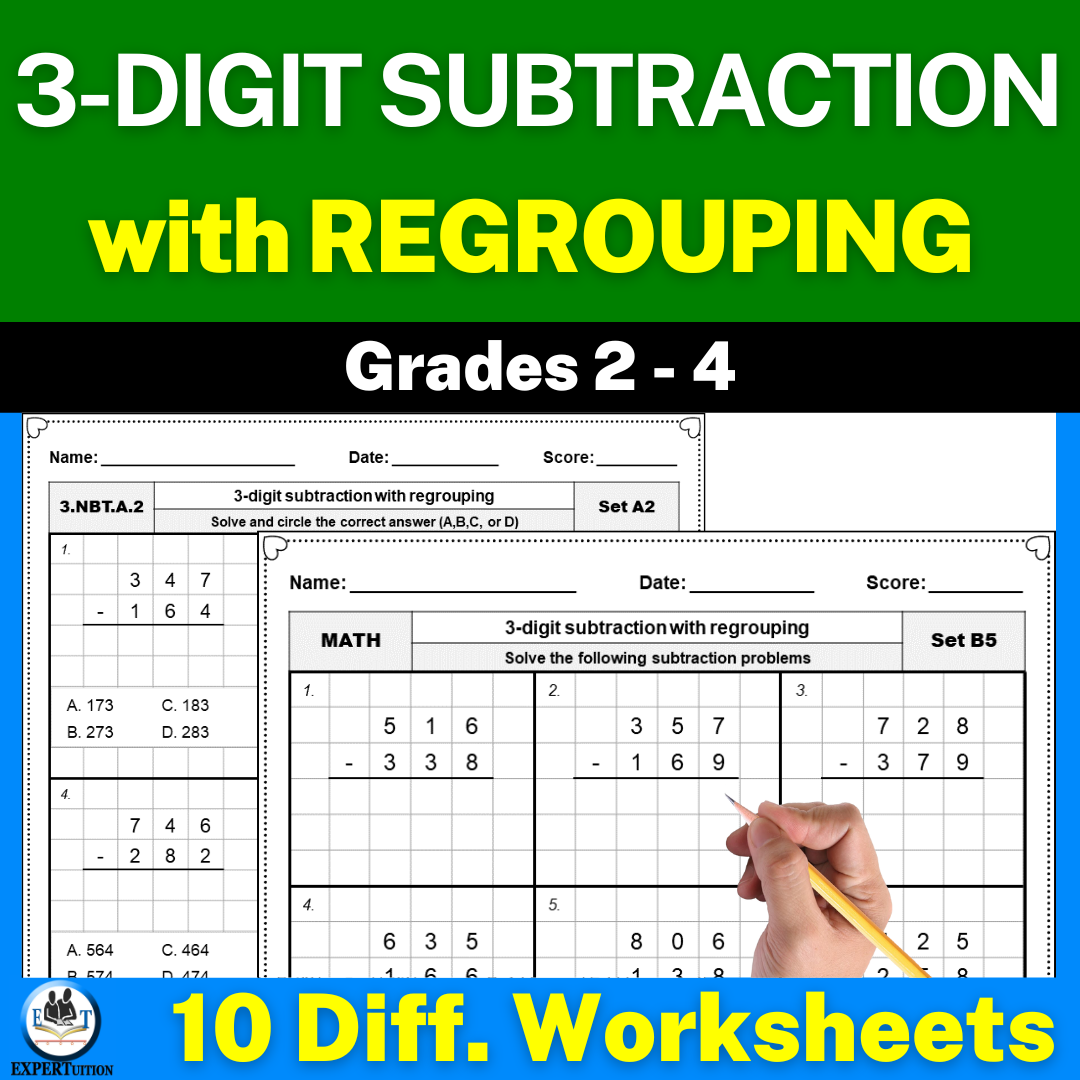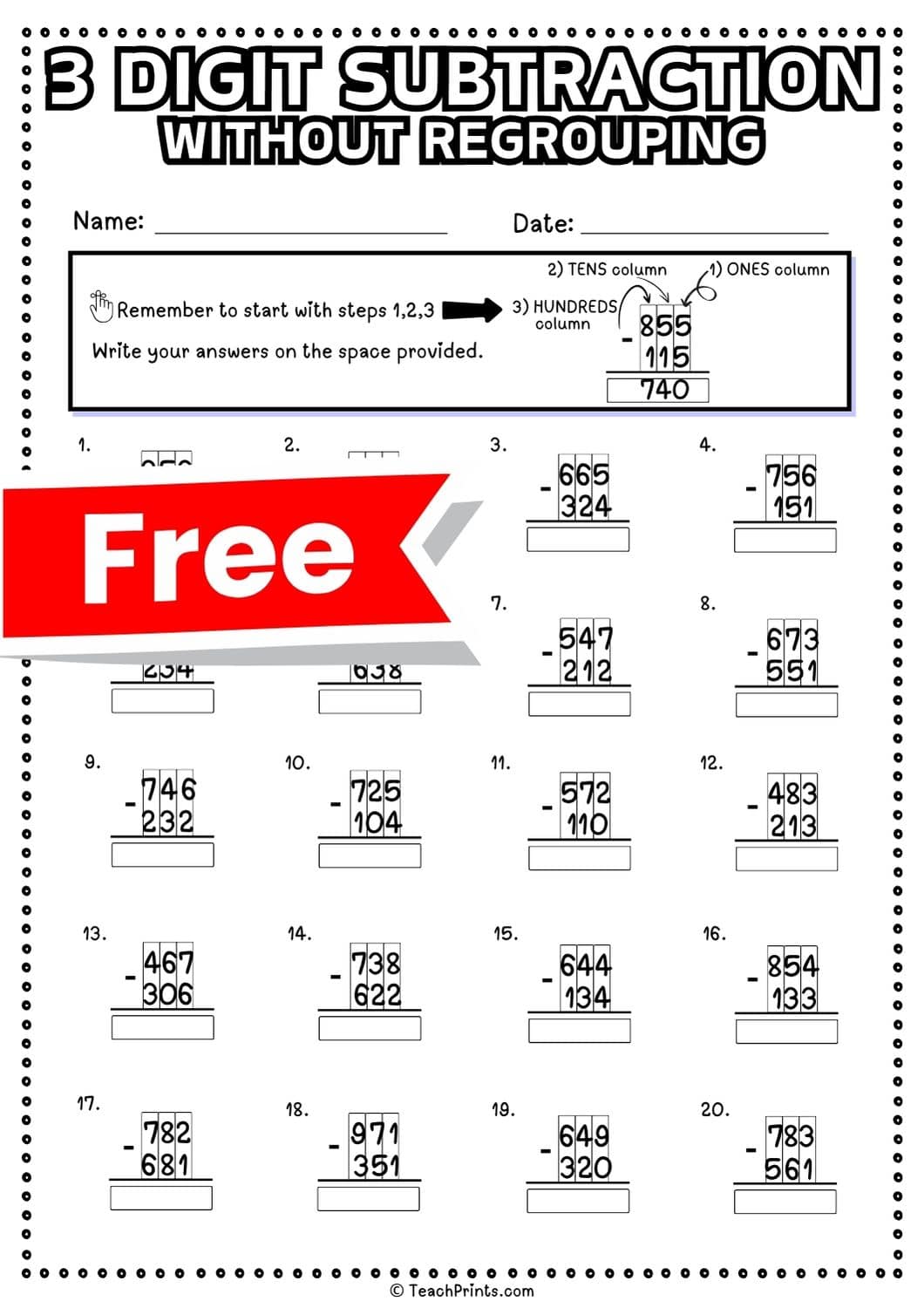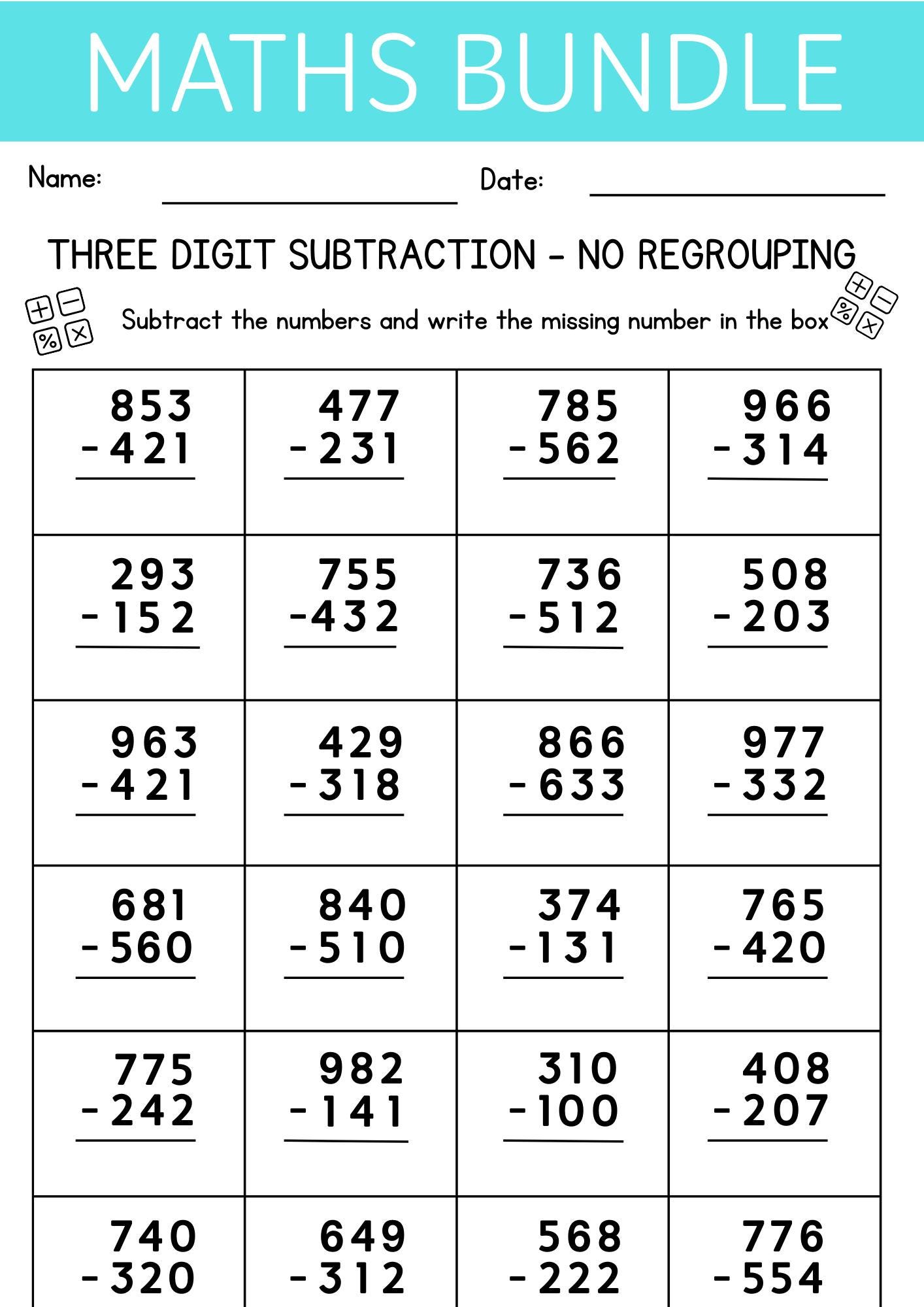
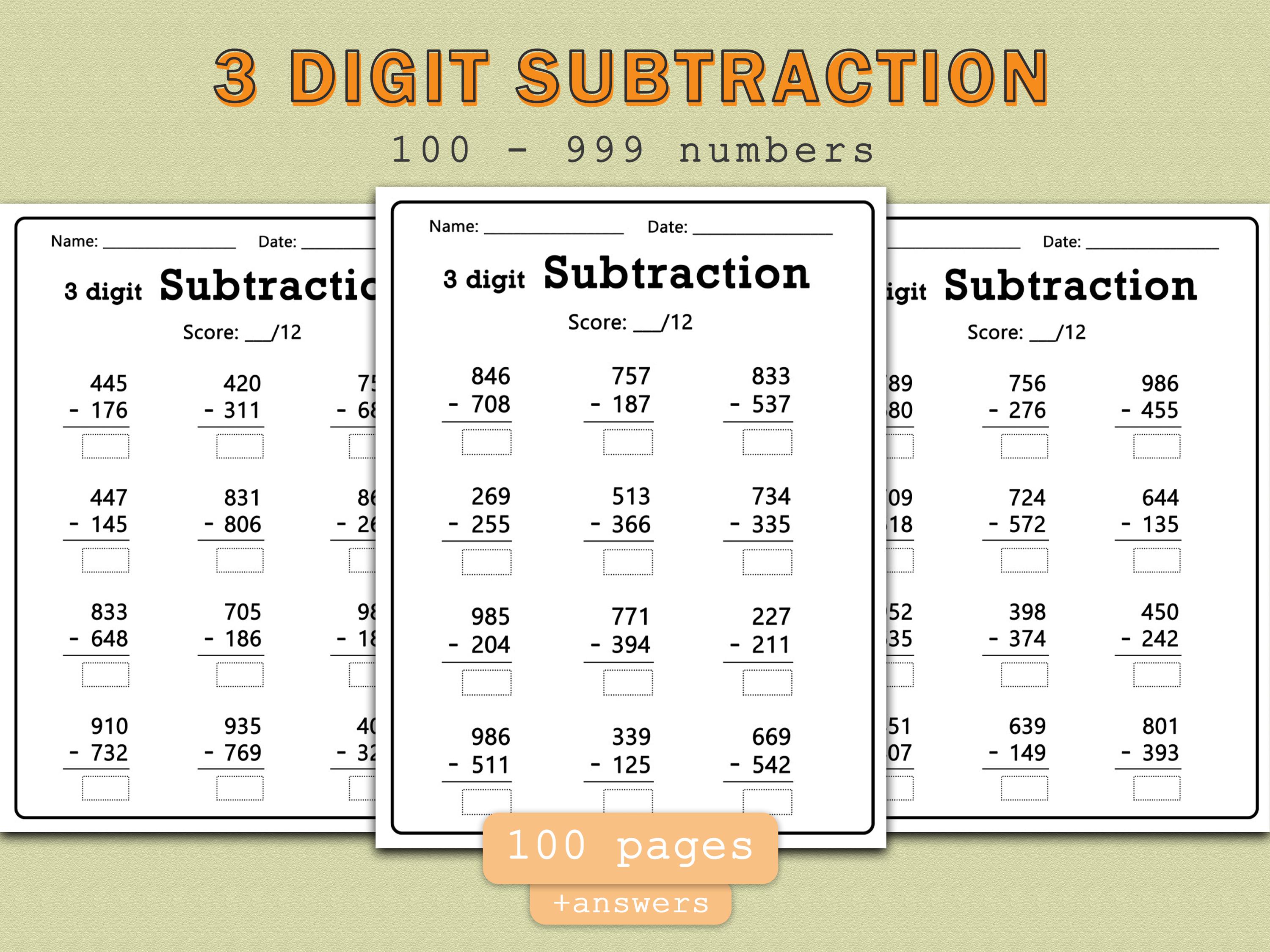
3 Digit Subtraction Worksheets offer a hands‑on gateway to mastering the art of subtraction for middle‑grade students. By working through a range of problems—from simple borrow scenarios to multi‑step word problems—learners build confidence, develop problem‑solving strategies, and solidify their number sense. Below, you’ll find a practical guide to selecting, using, and customizing these worksheets for home, classroom, or virtual learning environments.
Understanding the Core Concepts Behind 3 Digit Subtraction

Why 3 Digit Matters
Three‑digit numbers introduce a new layer of complexity compared to single and double digits. Students must juggle place value, borrowing across hundreds and tens, and keep track of the sign of each digit. When learners practice subtraction with three‑digit numbers, they are essentially performing mental calculations that involve a deeper understanding of the base‑ten system. This strengthens their ability to handle more advanced topics such as division, decimals, and fractions later in their academic journey.
Key Skills Targeted
- Place Value Recognition – Identifying hundreds, tens, and ones quickly.
- Borrowing and Carrying – Seamlessly transferring value from a higher place to a lower one.
- Estimation – Predicting results before performing the full calculation.
- Word‑Problem Translation – Turning real‑world language into numeric operations.
Choosing the Right Worksheet for Your Student’s Level
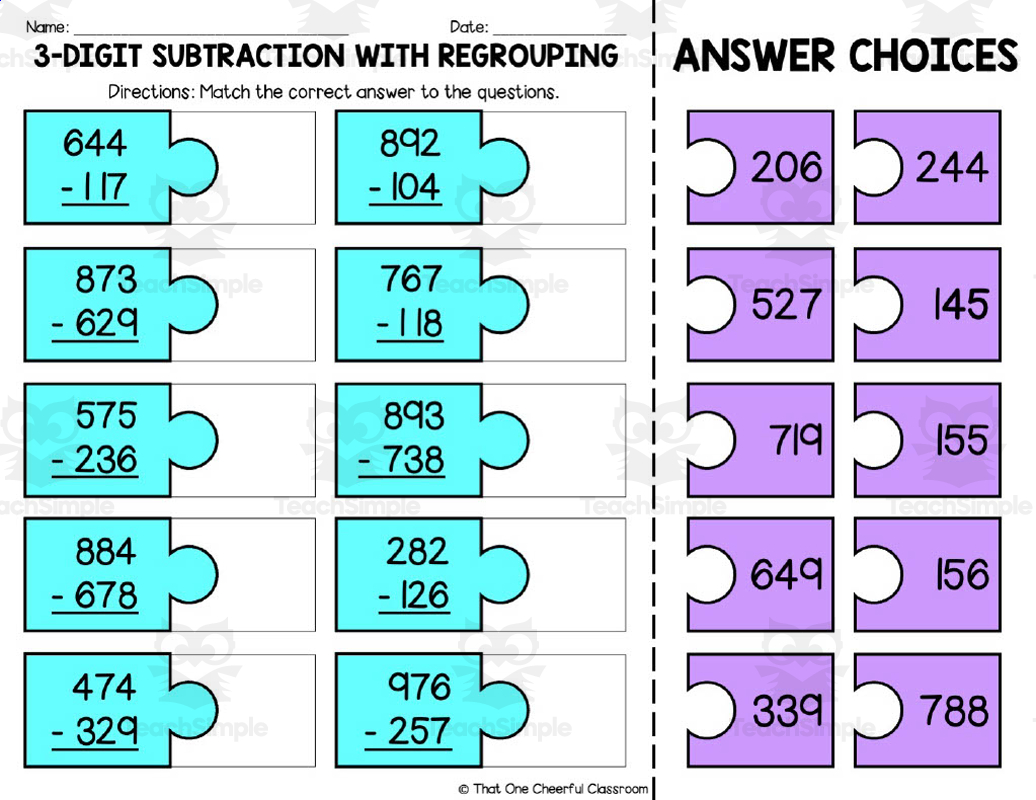
Beginner Friendly
If a student is just stepping into three‑digit territory, worksheets that focus on one‑step subtraction with clear visual cues work best. Look for sheets that present problems like “435 – 128” with ample space for intermediate steps, encouraging the student to write each borrow clearly. Visual aids, such as highlighted columns, can help keep the focus on the place value each time a borrow occurs.
Intermediate Challenges
Once the basics are mastered, introduce worksheets that include multiple borrow situations or mixed operations. These might feature problems such as “907 – 326” or “512 – 219 + 104” where students must carefully track each borrowing sequence. At this stage, adding a time constraint can simulate real‑world speed and accuracy demands.
Advanced Problem‑Solving
For students ready to tackle word problems and multi‑step subtraction, worksheets that frame the math in everyday contexts—like budgeting, cooking, or sports statistics—are highly effective. For example, “A store sold 312 apples in the morning and 145 in the afternoon. How many apples were left?” These require students to first perform the subtraction, then interpret the result within a narrative.
Best Practices for Integrating Worksheets Into Teaching

Step‑by‑Step Instruction
- Model the Process – Use a whiteboard or digital tool to perform the subtraction visibly, highlighting each borrow.
- Guide With Questions – Ask prompts like “What do we need to borrow from the next column?” to keep the student engaged.
- Independent Practice – Hand out worksheets that mirror the model but increase in difficulty.
- Immediate Feedback – Review answers together, discussing errors and celebrating correct strategies.
Using Technology to Amplify Learning
Digital worksheets can be interactive, providing instant feedback and visual aids that reinforce the learning process. Many online platforms allow teachers to customize the number of problems, the type of borrow scenarios, and even add audio cues for auditory learners. For parents working at home, simple printable PDFs with clean layouts work well for a quiet, focused study session.
Tracking Progress Over Time
Create a simple grade book or a digital spreadsheet to record scores and time taken for each worksheet. This data helps identify patterns—such as consistent mistakes with borrowing from the hundreds column—so that targeted interventions can be planned. Additionally, rotating between different worksheet types keeps students from becoming complacent and encourages continuous improvement.
Creative Ways to Make 3 Digit Subtraction Fun

Real‑World Scenarios
Turn worksheets into treasure hunts: “If you found 687 gold coins and gave 294 to a friend, how many do you keep?” Such stories bring relevance and excitement to the otherwise routine calculations.
Competitive Learning
Organize a subtraction sprint where students race to solve a set of problems accurately within a time limit. Use a leaderboard to celebrate top performers, but also recognize improvement to keep motivation high.
Art and Subtraction Fusion
After completing a set of worksheets, ask students to draw a scene that represents the numbers in a problem. For example, if the calculation involves 423 – 176, the student might illustrate a house with 423 bricks that loses 176 after a storm. This creative exercise deepens number sense and retention.
Common Pitfalls and How to Avoid Them

Overlooking Borrow Rules
Students often forget that borrowing from a higher place value changes that value by 10 units. Reinforcing the “10’s rule” with repeated practice helps prevent slip‑ups. A quick visual cue is to underline the column that’s being borrowed from and mark the value with a minus sign.
Skipping Estimation
Estimation is a powerful skill that allows students to double‑check their answers. Encourage students to round each number to the nearest ten or hundred before subtracting and then adjust the final answer accordingly.
Missing the Final Step
In multi‑step problems, it’s common for students to end early after a single subtraction. Remind them to write down each intermediate result and to carry any remaining numbers into the next calculation.
Sample Worksheet Blueprint

Below is a template you can adapt for different learning stages. Each section contains a brief description and a set of sample problems.
Section A: Straight Subtraction
- 321 – 145
- 678 – 234
- 509 – 278
Section B: Multi‑Borrow Situations
- 907 – 326
- 842 – 569
- 1000 – 489
Section C: Word Problems
- Jamie had 435 marbles. He sold 127 and donated 26. How many does he have now?
- A bookstore had 1,200 copies of a novel. 438 were sold on day one and 312 on day two. What’s the remaining stock?
Integrating Family Engagement
Homework Strategies
Assign one worksheet per week with a brief reflection prompt: “What strategy helped me most this week?” This encourages metacognition and gives teachers insight into student thought processes.
Parent‑Teacher Collaboration
Send home a printable sheet that includes a “Parent Check‑In” column where parents can tick off completed problems and note any difficulties. This keeps parents informed and involved in the learning trajectory.
Conclusion

Mastering 3 Digit Subtraction Worksheets is more than just crunching numbers; it’s about building a solid foundation in place value, strategic thinking, and real‑world problem solving. By selecting appropriate difficulty levels, employing varied instructional strategies, and keeping the experience engaging, educators and parents can transform these worksheets into powerful tools that propel students toward mathematical confidence and success.