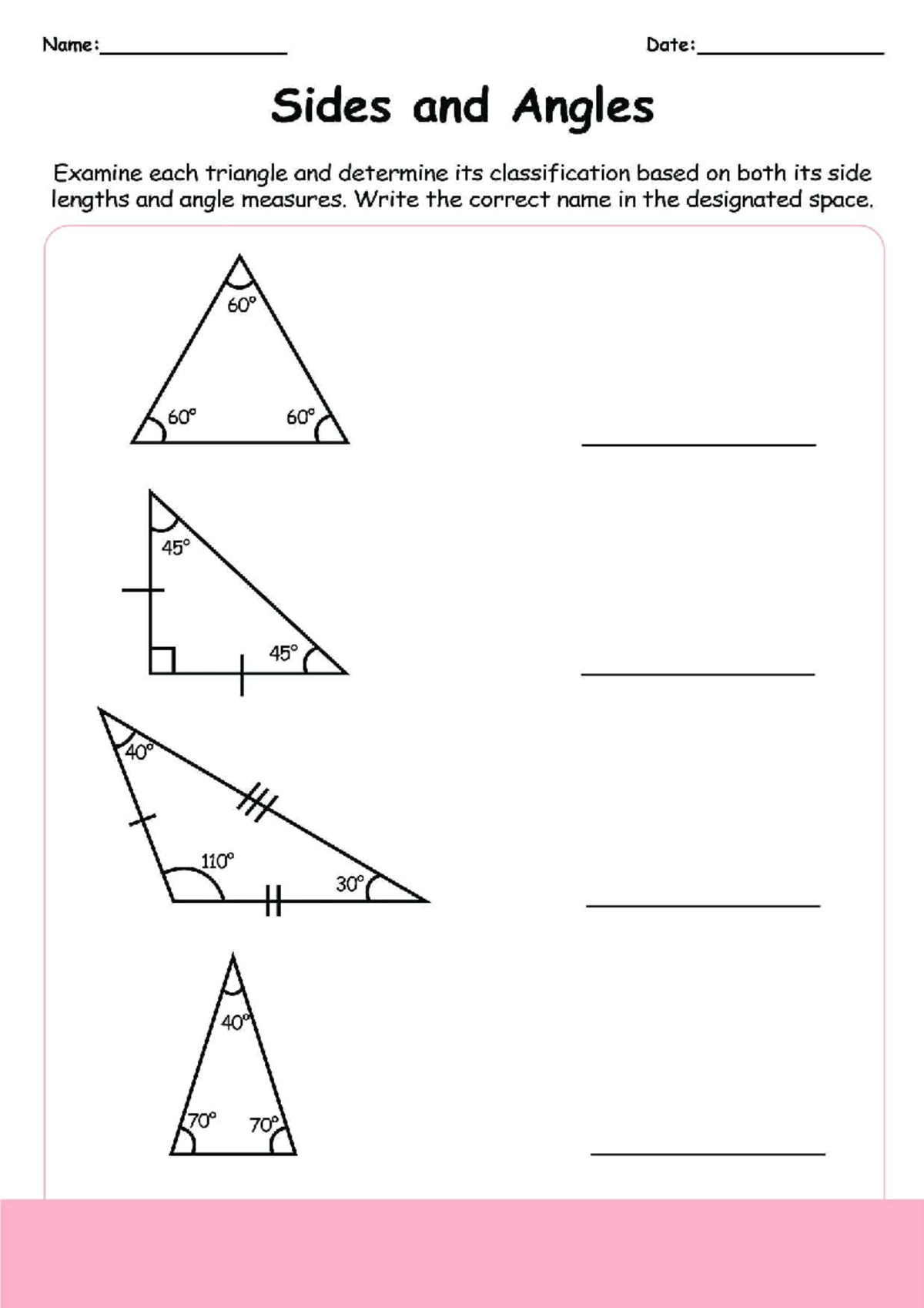
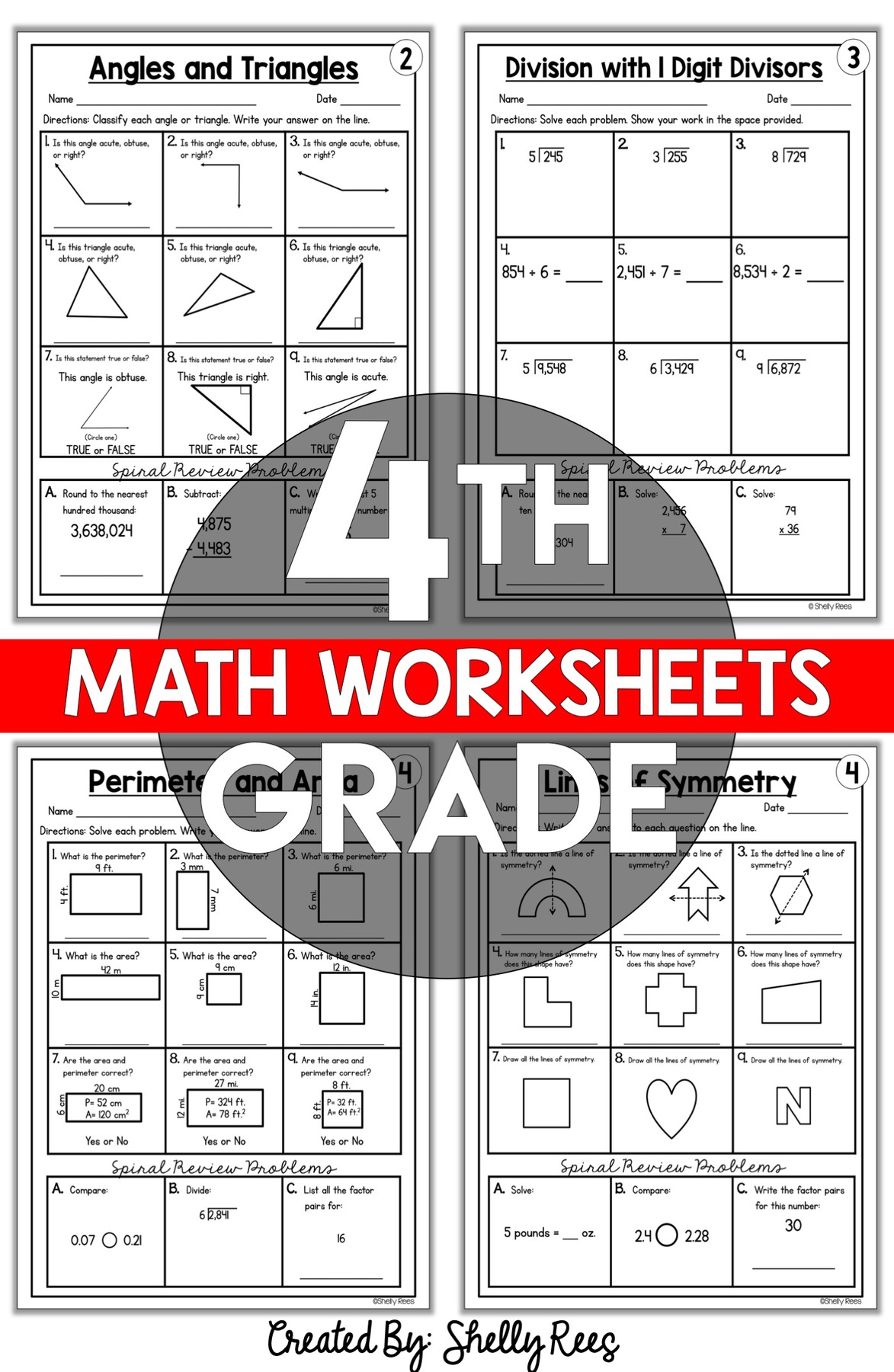
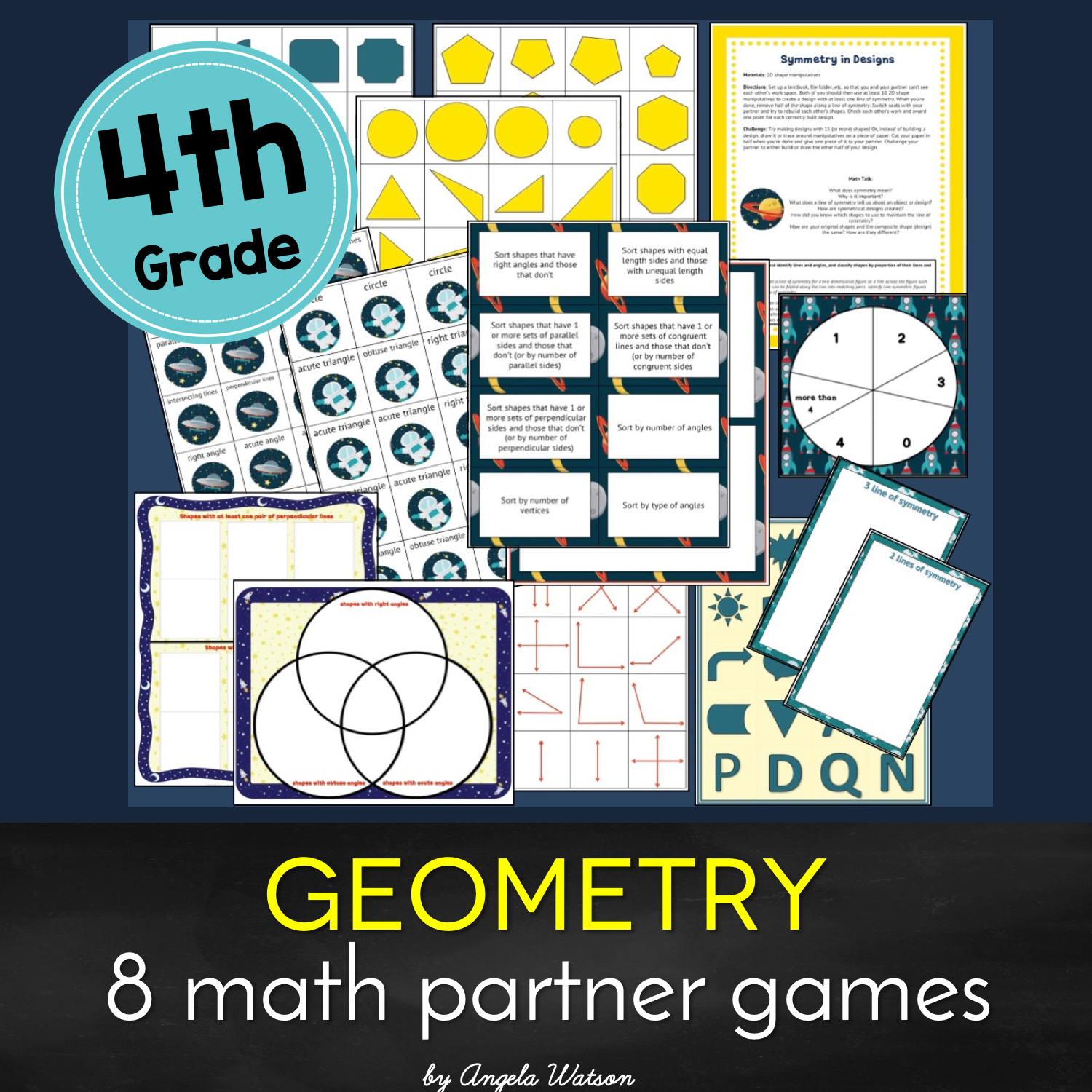
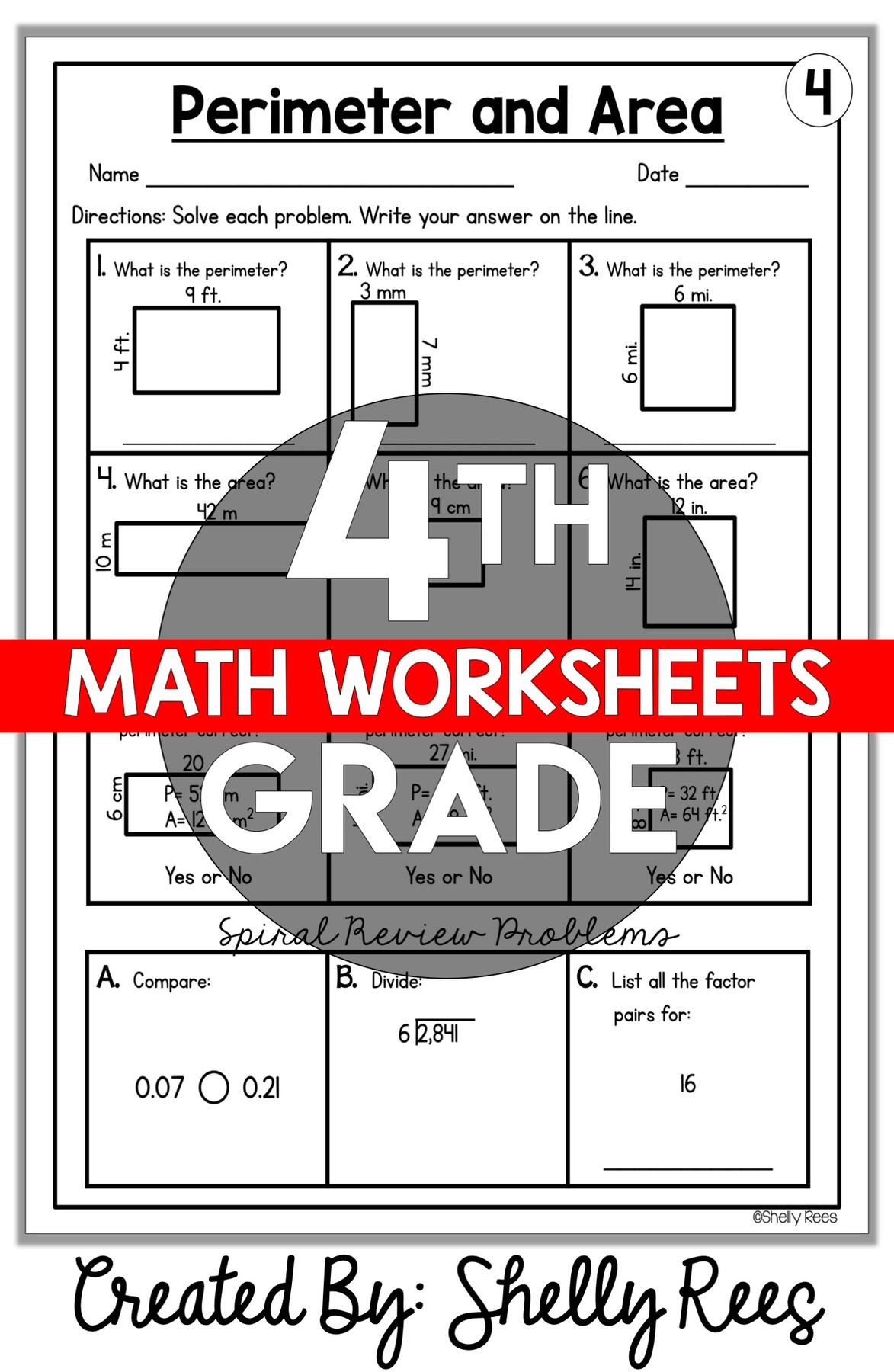
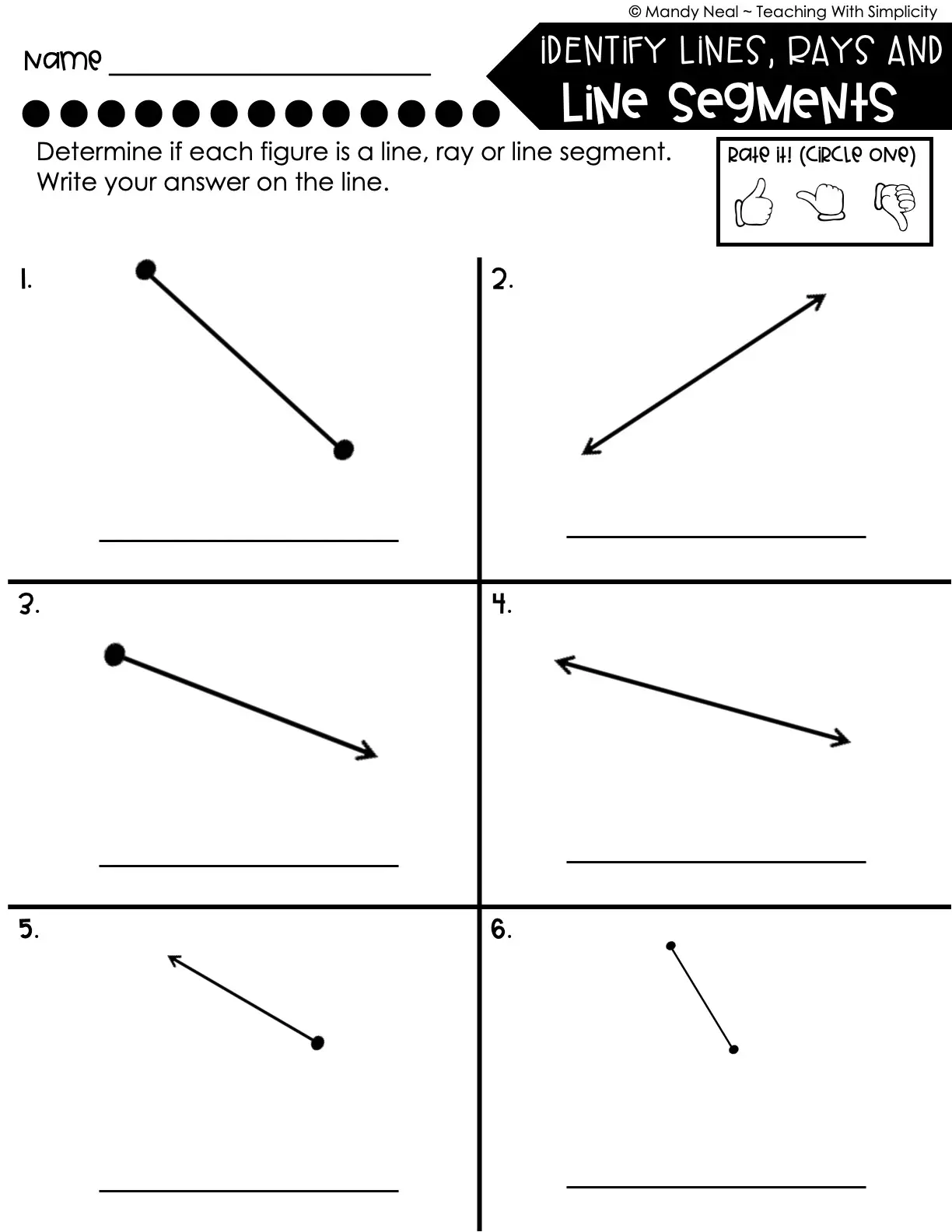
4th Grade Geometry Worksheets are the perfect bridge between abstract math concepts and hands‑on learning for elementary students, turning lines, angles, and shapes into tangible puzzles they can solve with confidence. As a teacher who has spent countless afternoons watching kids light up when they finally grasp a tricky geometry problem, I can tell you there’s nothing quite like a well‑designed worksheet to spark curiosity and reinforce classroom instruction. In this post, I’ll walk you through why these worksheets matter, how to choose the right ones, and practical ways to integrate them into daily lessons so your fourth‑graders become geometry whizzes while still having fun.
Why Geometry Matters in Fourth Grade
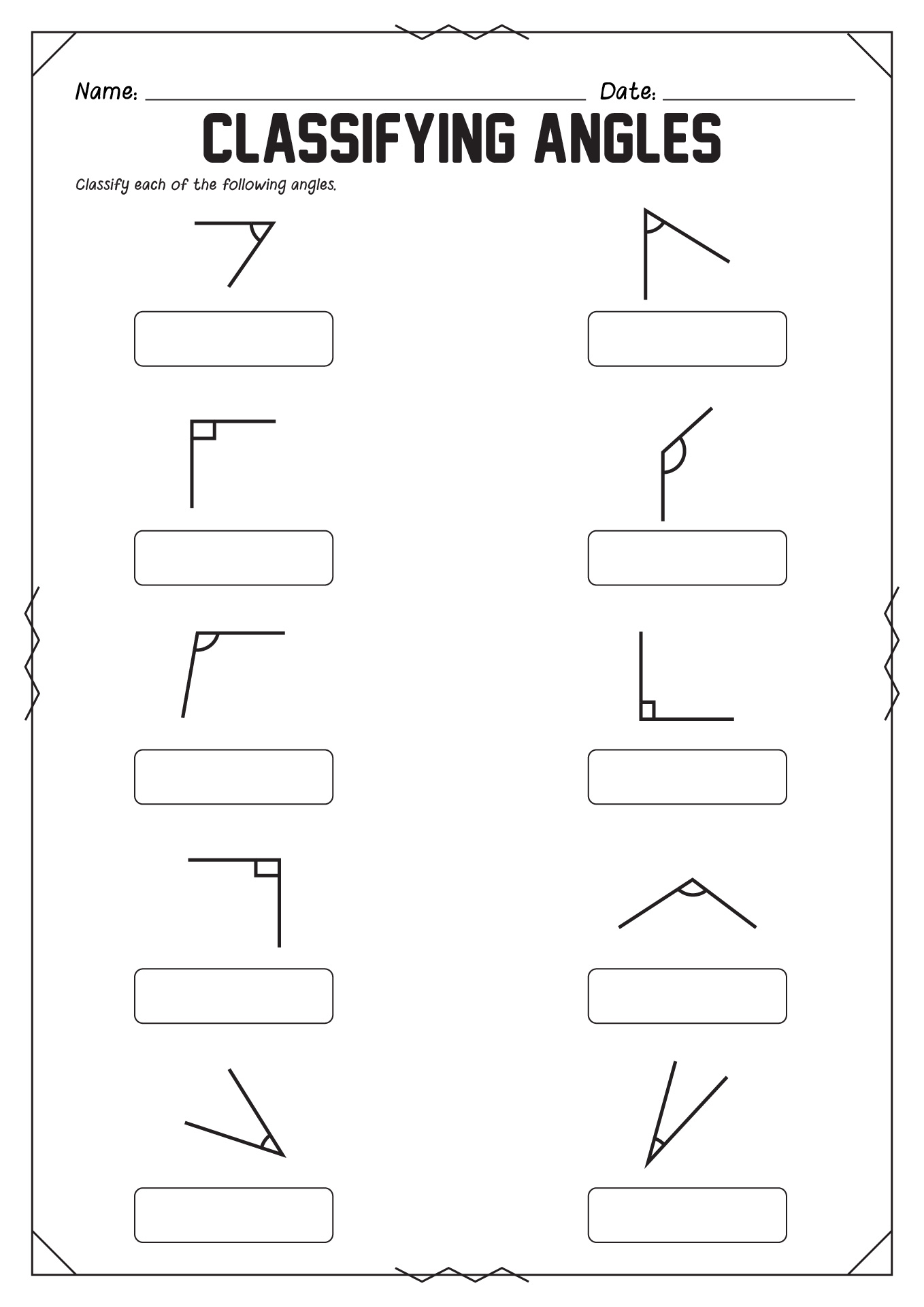
Geometry isn’t just about drawing perfect squares on graph paper; it’s the foundation for spatial reasoning, problem solving, and even everyday tasks like arranging furniture or interpreting maps. By fourth grade, students are expected to recognize and classify shapes, understand basic attributes such as vertices, edges, and angles, and apply these ideas to real‑world scenarios. This early exposure builds a mental toolkit that supports later subjects like geometry, engineering, and computer science. Moreover, research shows that visual‑spatial skills are closely linked to reading comprehension and overall academic achievement, making geometry worksheets a strategic tool for holistic development.
Key Features of Effective Fourth Grade Geometry Worksheets

Not all worksheets are created equal. The most impactful ones share several core characteristics that keep students engaged while reinforcing learning objectives.
Clear Learning Objectives
Each worksheet should start with a concise goal—whether it’s “Identify all quadrilaterals” or “Measure angles using a protractor.” This clarity helps both teachers and students stay focused and assess progress quickly.
Visually Appealing Layout
Bright colors, varied fonts, and ample white space make a worksheet feel less like a chore. Including pictures of real objects (like windows, tiles, or playground equipment) helps children see how geometry appears in their environment.
Progressive Difficulty
Start with simple identification tasks, then move to measurement, and finally to problem‑solving scenarios. A logical progression prevents frustration and builds confidence step by step.
Interactive Elements
Incorporate cut‑and‑paste activities, matching games, or fill‑in‑the‑blank sections that require students to manipulate the worksheet physically. This tactile involvement reinforces learning for kinesthetic learners.
Alignment with Standards
Make sure the content aligns with Common Core or your state’s math standards for fourth grade. This alignment ensures that the worksheets support curriculum goals and can be used for assessment purposes.
Choosing the Right Worksheets for Your Classroom

When you’re sifting through hundreds of free and paid resources, it can feel overwhelming. Here’s a step‑by‑step guide to help you pick the best geometry worksheets for your students.
Assess Your Students’ Current Skill Level
Begin with a quick diagnostic quiz or an informal observation. Identify whether most students are struggling with shape identification, angle measurement, or perhaps spatial reasoning tasks like “Which shape will fit into this outline?” This baseline informs the difficulty level you should start with.
Match Worksheets to Learning Objectives
Cross‑reference the worksheet’s goals with your lesson plan. If your lesson focuses on “Properties of Quadrilaterals,” choose a worksheet that emphasizes side length, angle sum, and parallel sides rather than one that covers circles.
Look for Variety
Mix worksheets that emphasize different skills: some for drawing and labeling, others for measuring, and a few for word problems. Variety keeps students engaged and addresses multiple learning styles.
Check for Accessibility
Ensure the worksheet’s font size, line spacing, and contrast are suitable for all learners, including those with visual impairments or dyslexia. Provide alternatives like enlarged print or digital versions with screen‑reader compatibility.
Read Reviews or Test a Sample
If you’re considering a paid resource, read user reviews or download a sample page. Test it with a small group of students to see if it resonates before committing to a larger purchase.
How to Integrate Geometry Worksheets Into Daily Lessons
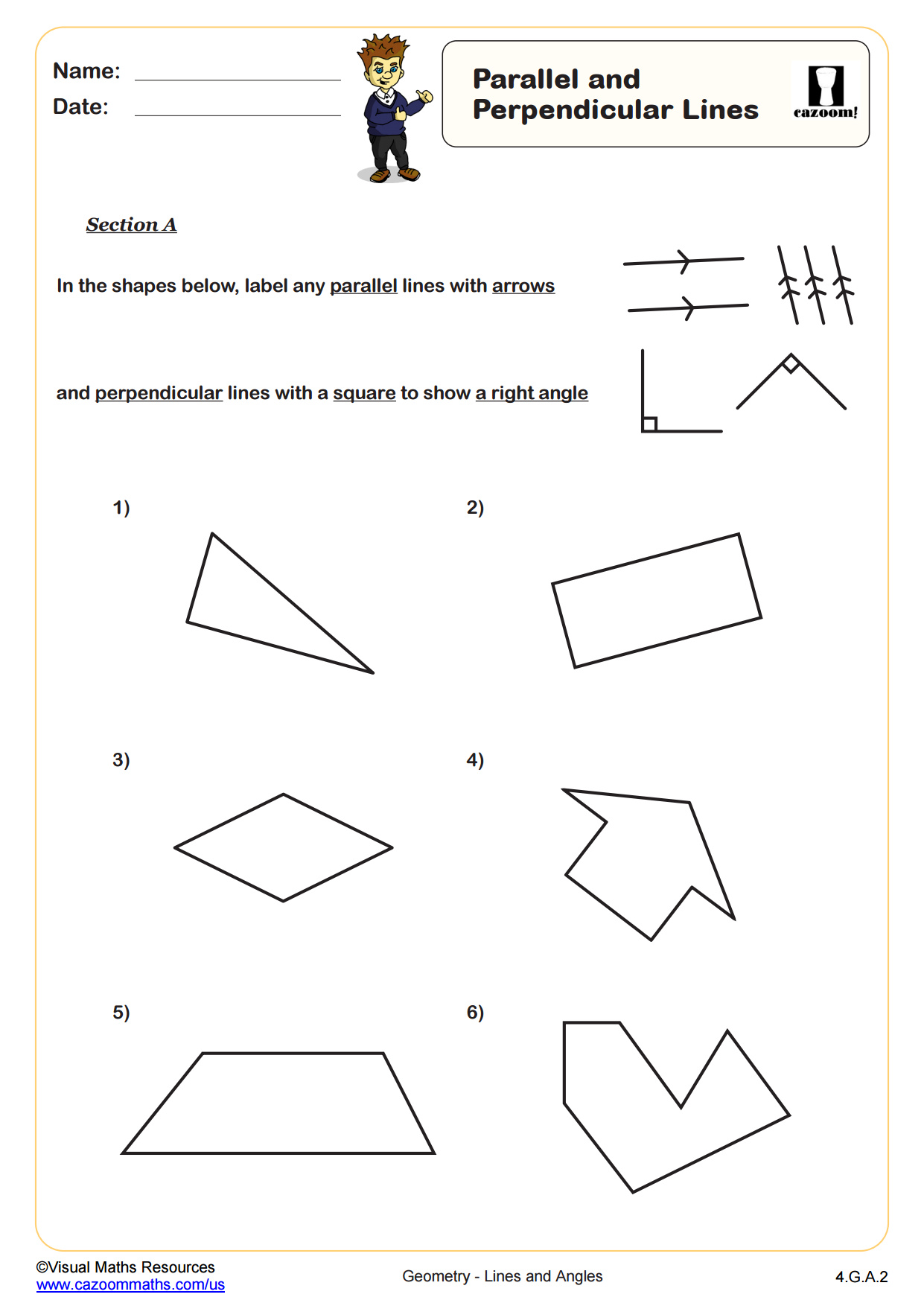
Using worksheets effectively goes beyond handing them out and collecting them. Below are proven strategies to weave worksheets seamlessly into your teaching routine.
Warm‑Up Activity
Start the class with a quick 5‑minute worksheet that reviews previous concepts. For example, a “Shape Hunt” where students circle all triangles in a picture of a classroom. This activates prior knowledge and sets a focused tone for the day.
Guided Practice
Work through the first few problems together on the board. Model how to use a ruler or protractor, and encourage students to ask questions. This collaborative approach demystifies the process and reduces anxiety.
Independent Work Time
After modeling, let students tackle the rest of the worksheet on their own or in pairs. Pairing stronger students with those who need a bit more support promotes peer learning and builds confidence.
Immediate Feedback
Circulate the room, check answers, and provide instant feedback. Use a “traffic light” system—green for correct, yellow for almost correct, red for needs review—to give visual cues without stopping the flow of the lesson.
Reflection and Discussion
Conclude with a short discussion: “Which shape was the trickiest today?” or “What strategy helped you measure angles accurately?” This reflection solidifies learning and informs future instruction.
Sample Worksheet Activities to Try Right Now

Below are three ready‑to‑use worksheet ideas that cover core fourth‑grade geometry standards. Feel free to adapt them to fit your class size and learning goals.
Shape Identification Grid
- Provide a 10×10 grid with each cell containing a different shape (triangles, squares, rectangles, pentagons, circles, etc.).
- Students must color‑code each shape type using a legend at the top of the page.
- Extension: Ask them to count the total number of sides across all shapes in a specific row.
Angle Measurement Challenge
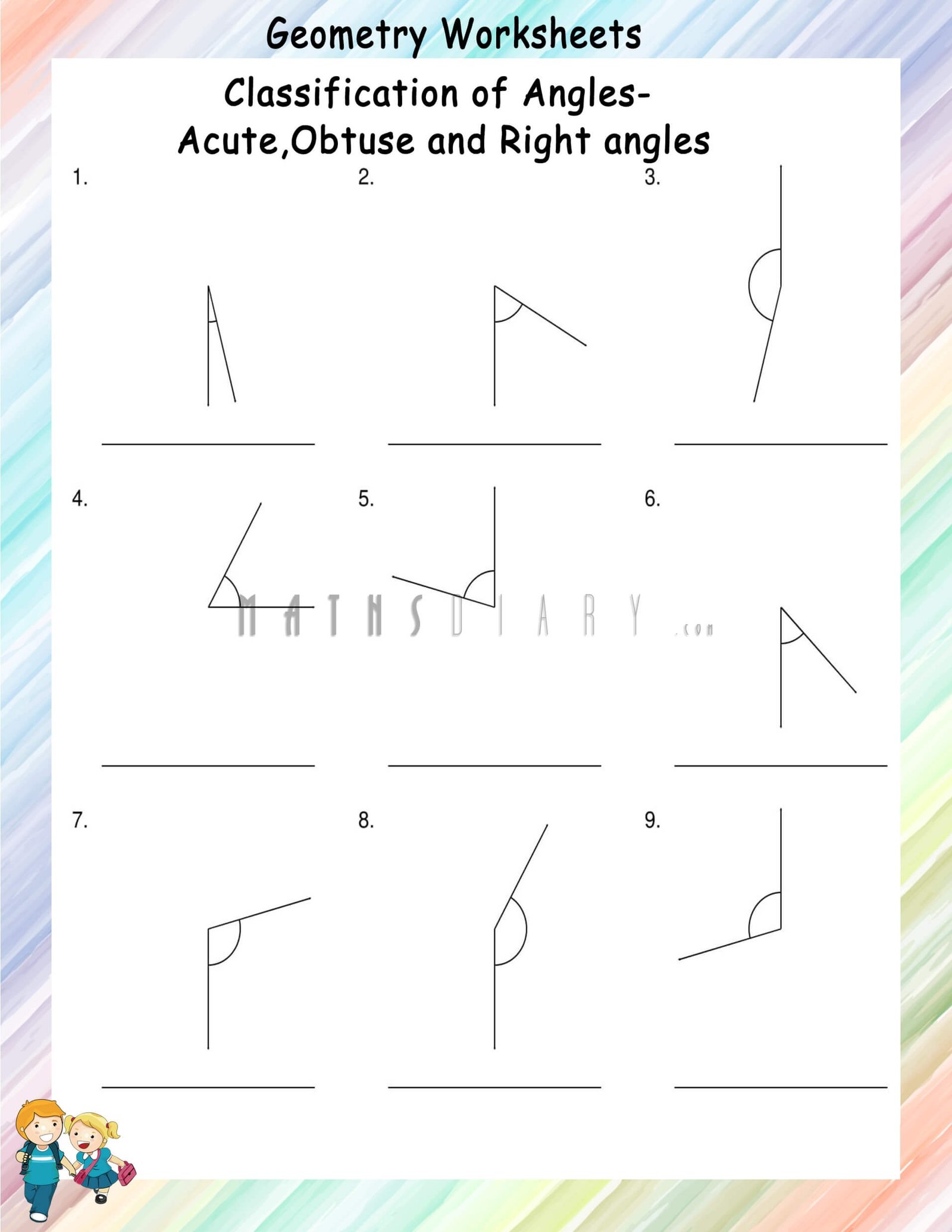
- Print a series of simple diagrams showing angles of varying sizes (acute, right, obtuse).
- Include a protractor outline for students to align and measure each angle to the nearest degree.
- Bonus: Provide word problems like “The corner of a bookshelf forms an angle of 90°. If you tilt the bookshelf, the angle becomes 110°. How many degrees did it open?”
Real‑World Geometry Word Problems
- Present scenarios such as “A rectangular garden measures 8 ft by 5 ft. What is the perimeter?” or “A triangular slice of pizza has a 30° angle at the tip. If the crust length is 12 in, what is the length of the other two sides assuming it’s an isosceles triangle?”
- Encourage students to draw diagrams before solving, reinforcing the link between visual representation and algebraic solution.
- Have students share their solutions in small groups, fostering mathematical communication.
Assessing Student Progress With Worksheets

Worksheets double as learning tools and assessment instruments. Here’s how to extract meaningful data from them without turning the process into a chore.
Rubric‑Based Scoring
Develop a simple rubric that awards points for accuracy, neatness, and use of proper terminology (e.g., “vertex,” “edge”). Share the rubric with students ahead of time so they know what to aim for.
Quick Checklists
For large classes, create a checklist of common errors—like mislabeling a rectangle as a square—and mark them as you grade. This helps you spot patterns that may indicate a need for reteaching.
Progress Charts
Record each student’s score on a cumulative chart. Visual progress bars let students see their growth over time and motivate them to improve.
Student Self‑Assessment
After grading, give students a short self‑reflection sheet where they rate their confidence on each skill and set a goal for the next worksheet. This promotes metacognition and ownership of learning.
Tips for Making Geometry Worksheets More Engaging

Even the best‑designed worksheet can fall flat if students find it boring. Use these creative tweaks to keep the excitement high.
Theme‑Based Worksheets
Align worksheets with popular themes—space exploration, dinosaurs, sports. For example, “Design a spaceship using only rectangles and triangles” blends creativity with geometry practice.
Gamify the Experience
Turn worksheet completion into a game: award stickers for each correctly solved problem, create a leaderboard for fastest accurate responses, or set up a “geometry treasure hunt” where each worksheet leads to the next clue.
Technology Integration
Pair paper worksheets with digital tools like virtual manipulatives or geometry apps. Students can draw shapes on tablets, then transfer their findings onto the printed worksheet for a blended learning experience.
Student‑Created Worksheets
Invite advanced learners to design a worksheet for their peers. This deepens their mastery and provides fresh perspectives for the class.
Addressing Common Challenges

Every teacher encounters hurdles when using worksheets. Below are frequent issues and practical solutions.
Students Struggle With Precise Measurements
Solution: Provide a “measurement toolbox” handout that outlines step‑by‑step how to align a ruler or protractor, including visual cues for common mistakes. Offer extra practice sessions with manipulatives before the worksheet.
Worksheet Fatigue
Solution: Limit worksheet time to 15‑20 minutes, then transition to an interactive activity like a geometry relay race or a group construction project using cardboard shapes.
Differentiating for Diverse Learners
Solution: Offer tiered worksheets—one with basic shape identification, another with more complex angle calculations. Provide optional challenge problems for advanced students and simplified versions for those needing reinforcement.
Maintaining Academic Integrity
Solution: Randomize worksheet versions by swapping shape positions or altering numbers in word problems. Encourage honest effort by emphasizing personal growth over competition.
Connecting Geometry to Everyday Life
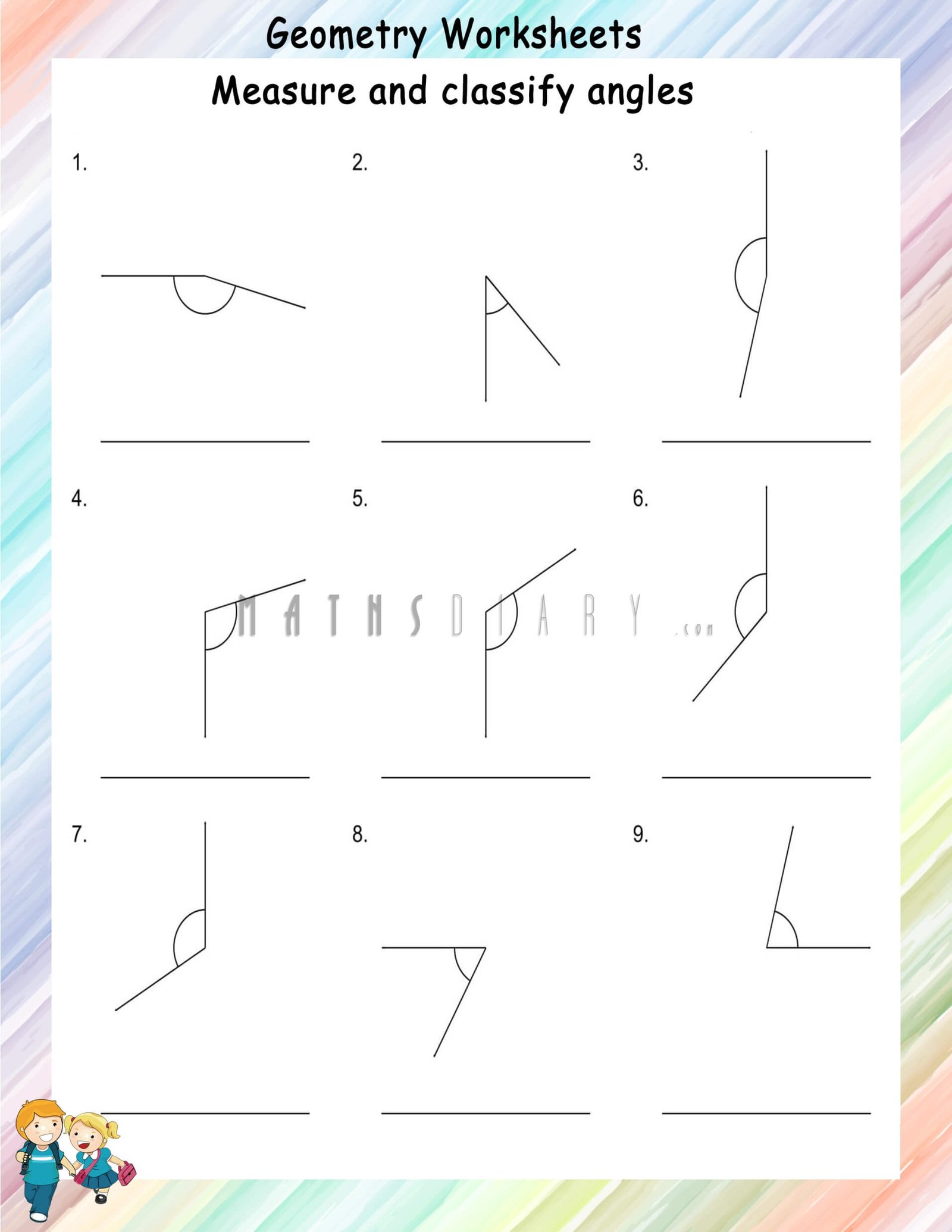
When students see geometry outside the textbook, they internalize concepts faster. Here are simple ways to highlight real‑world connections.
Home‑Based Activities
Ask families to go on a “shape scavenger hunt” around the house, noting each object’s geometry (e.g., a rectangular fridge, a circular clock). Have students record their findings on a worksheet and bring it back to class.
Community Field Trips
Visit a local park and map out the geometry of playground equipment. Students can sketch the angles of a slide, the dimensions of a sandbox, and then calculate perimeter or area as a follow‑up worksheet activity.
STEM Projects
Integrate geometry worksheets into hands‑on projects like building a simple bridge with popsicle sticks. Students must calculate the number of right angles, assess symmetry, and document their design on a worksheet.
Conclusion
Incorporating 4th Grade Geometry Worksheets into your teaching repertoire offers a versatile, engaging, and standards‑aligned method to deepen students’ spatial reasoning and problem‑solving abilities. By selecting worksheets that feature clear objectives, visual appeal, and progressive difficulty, you set the stage for confident learning. Pair these tools with thoughtful integration strategies—warm‑ups, guided practice, immediate feedback, and real‑world connections—to keep lessons lively and meaningful. Remember to assess progress with rubrics, self‑reflection, and data tracking, and adapt to challenges with differentiated resources and creative tweaks. When students see geometry in the world around them, from the angles of a bookshelf to the shapes of a city skyline, the abstract becomes concrete, and math transforms from a subject to explore into a language they use every day. With the right worksheets and a personal, enthusiastic approach, your fourth‑graders will not only master geometry standards but also develop a lifelong appreciation for the beauty of shapes and space.