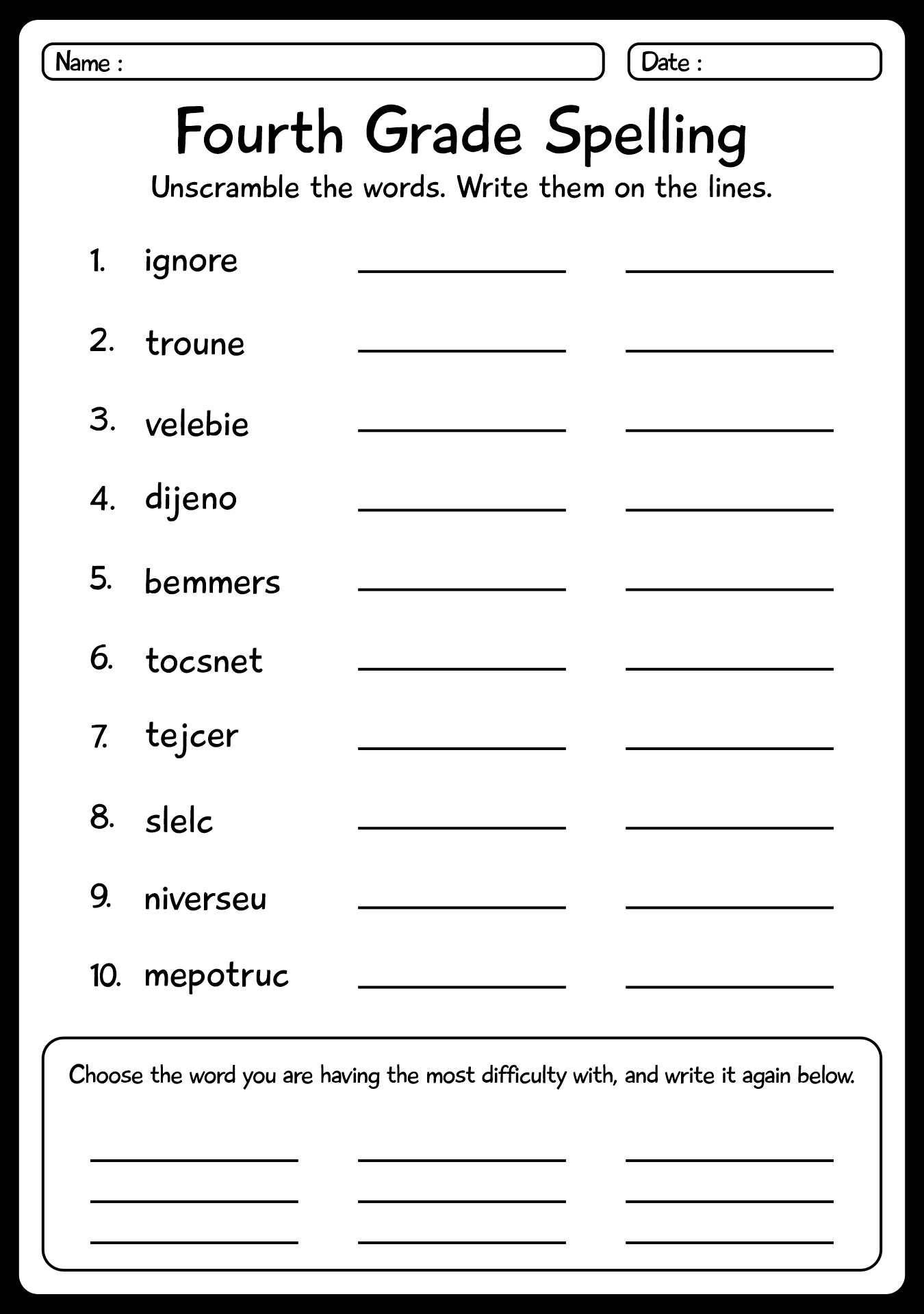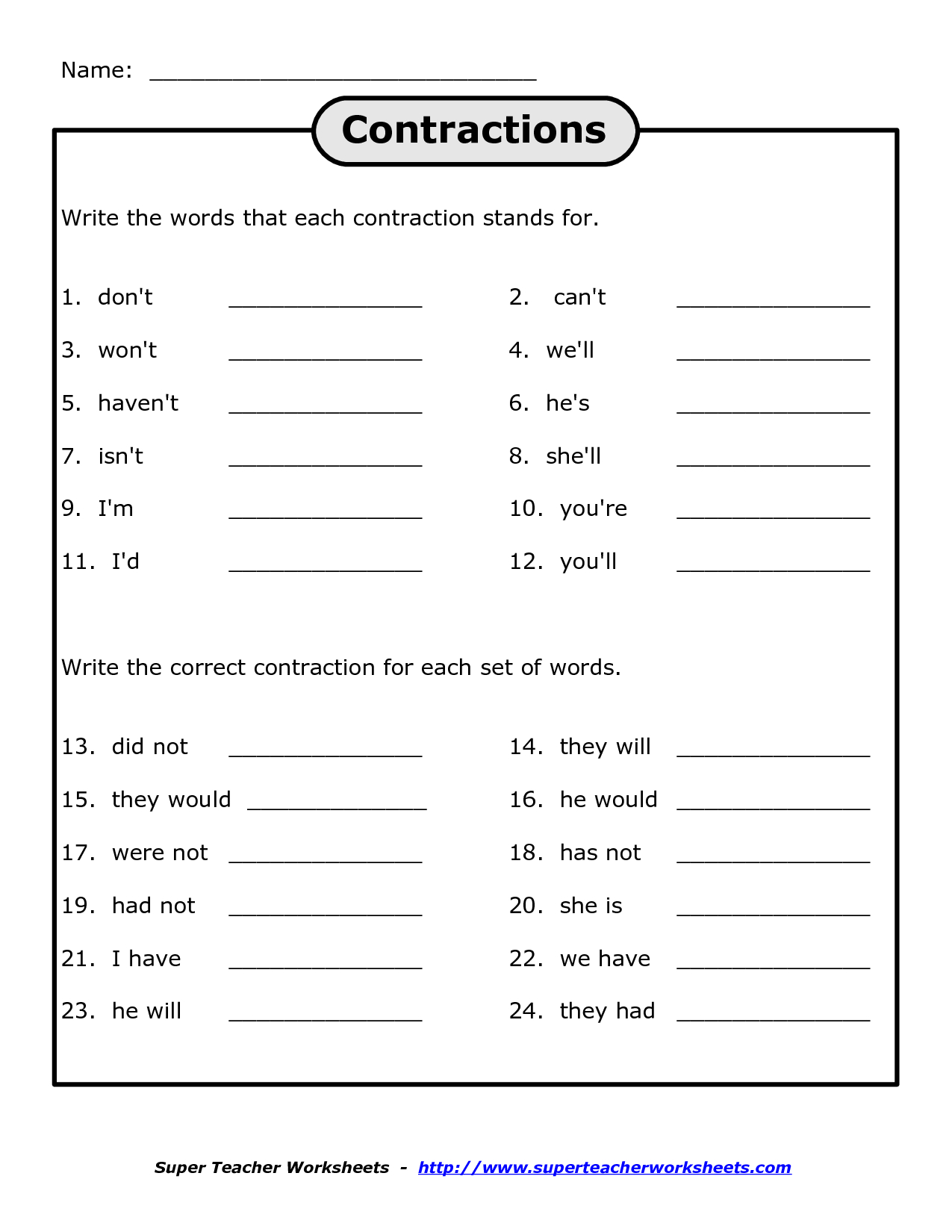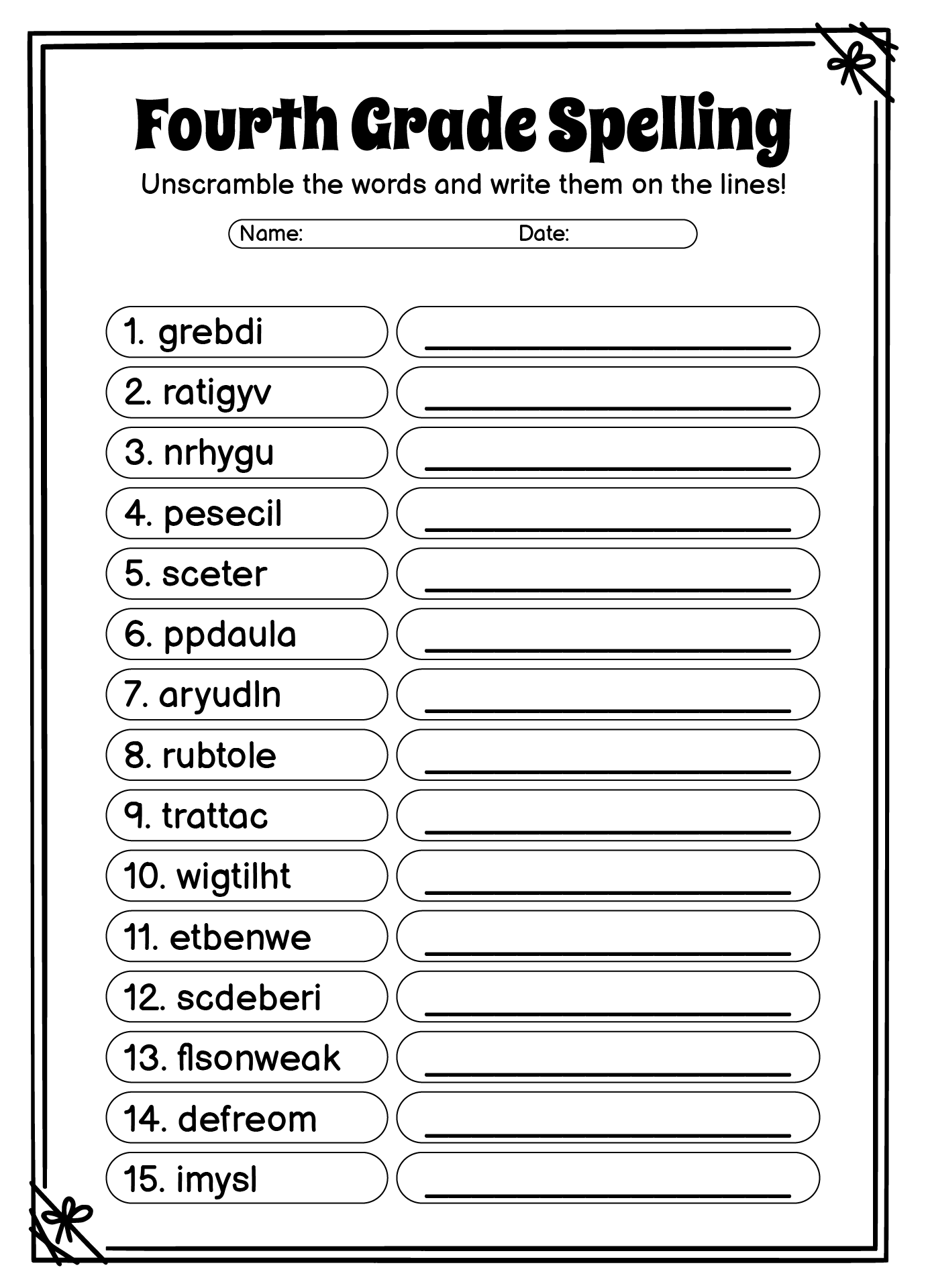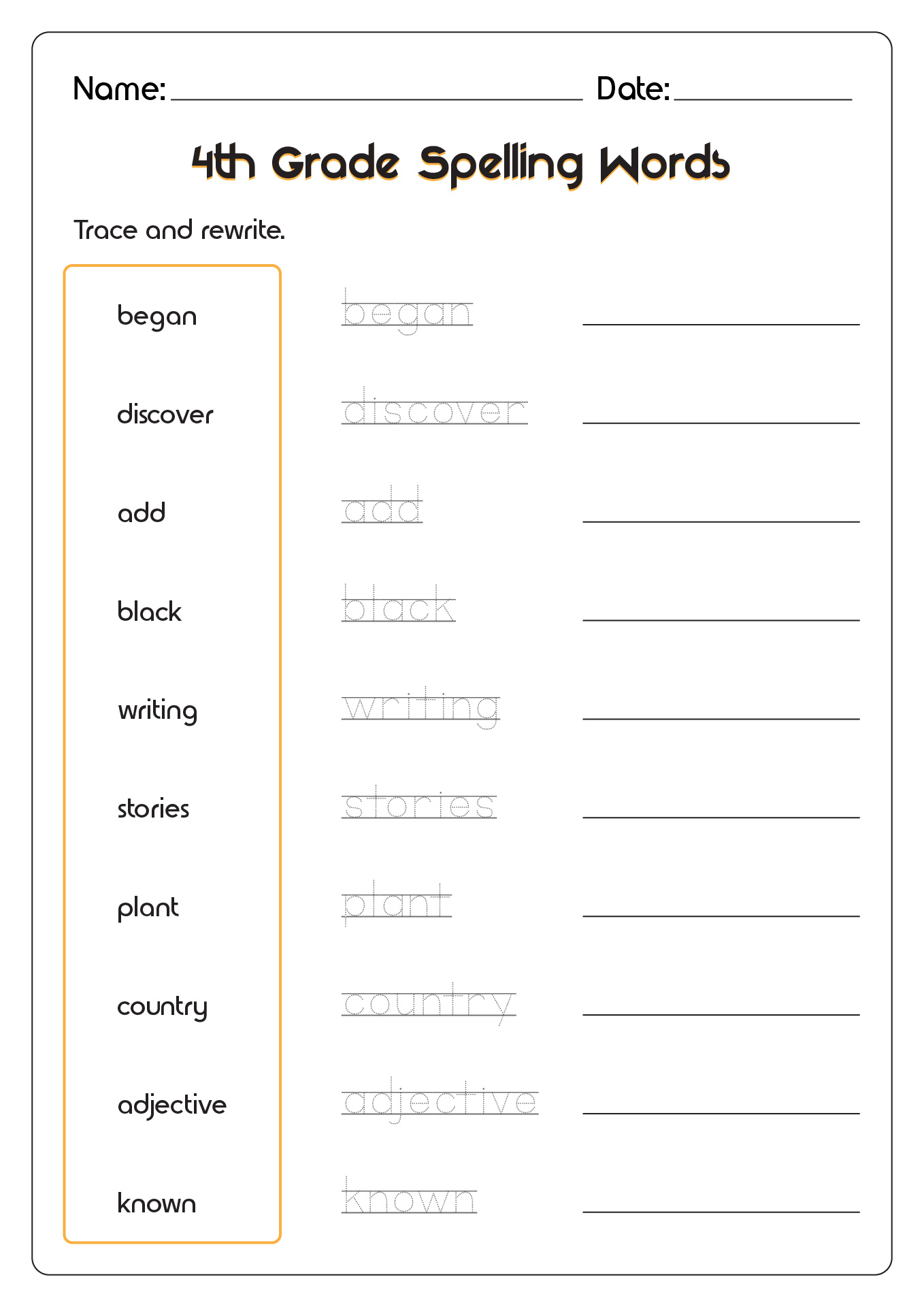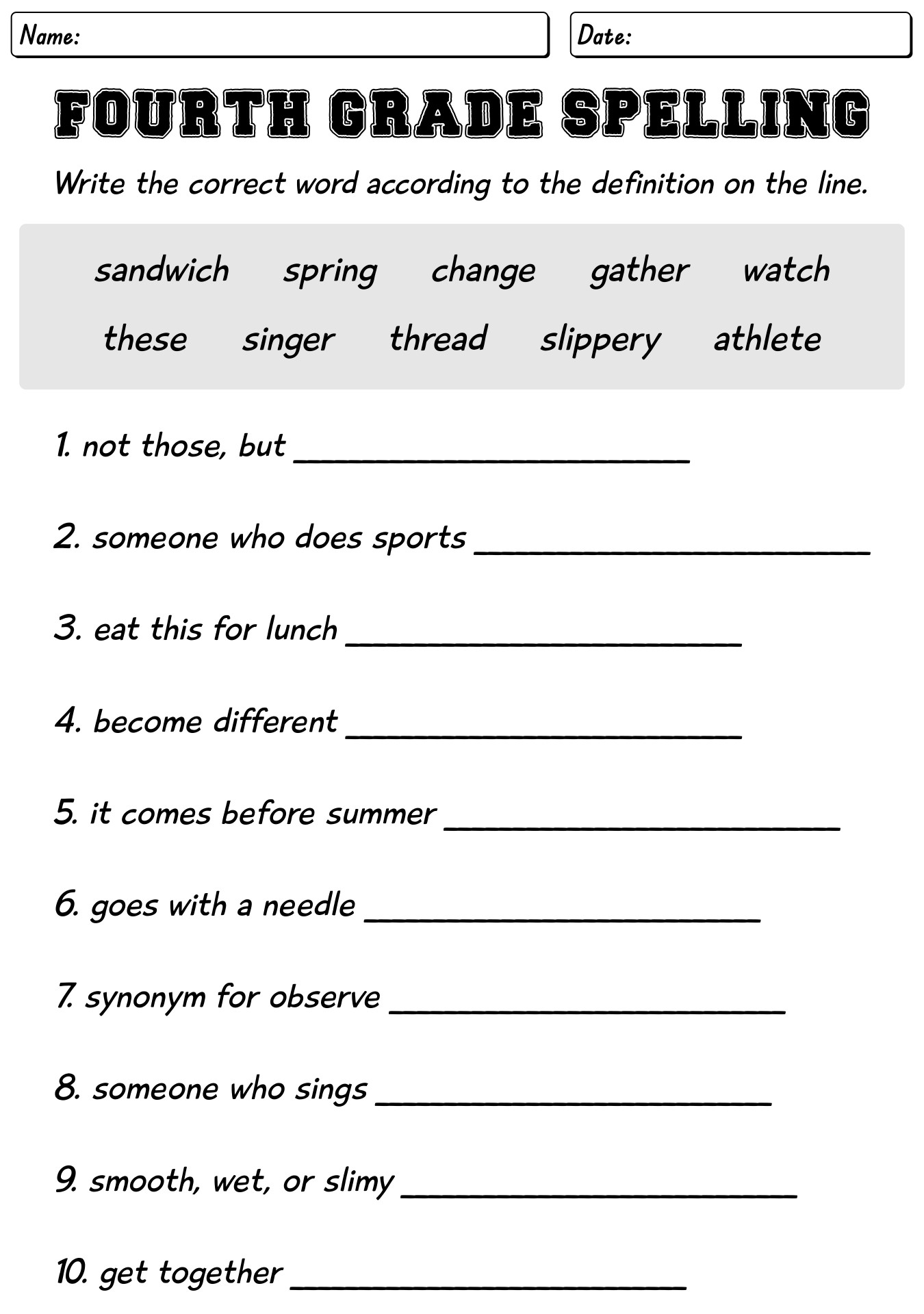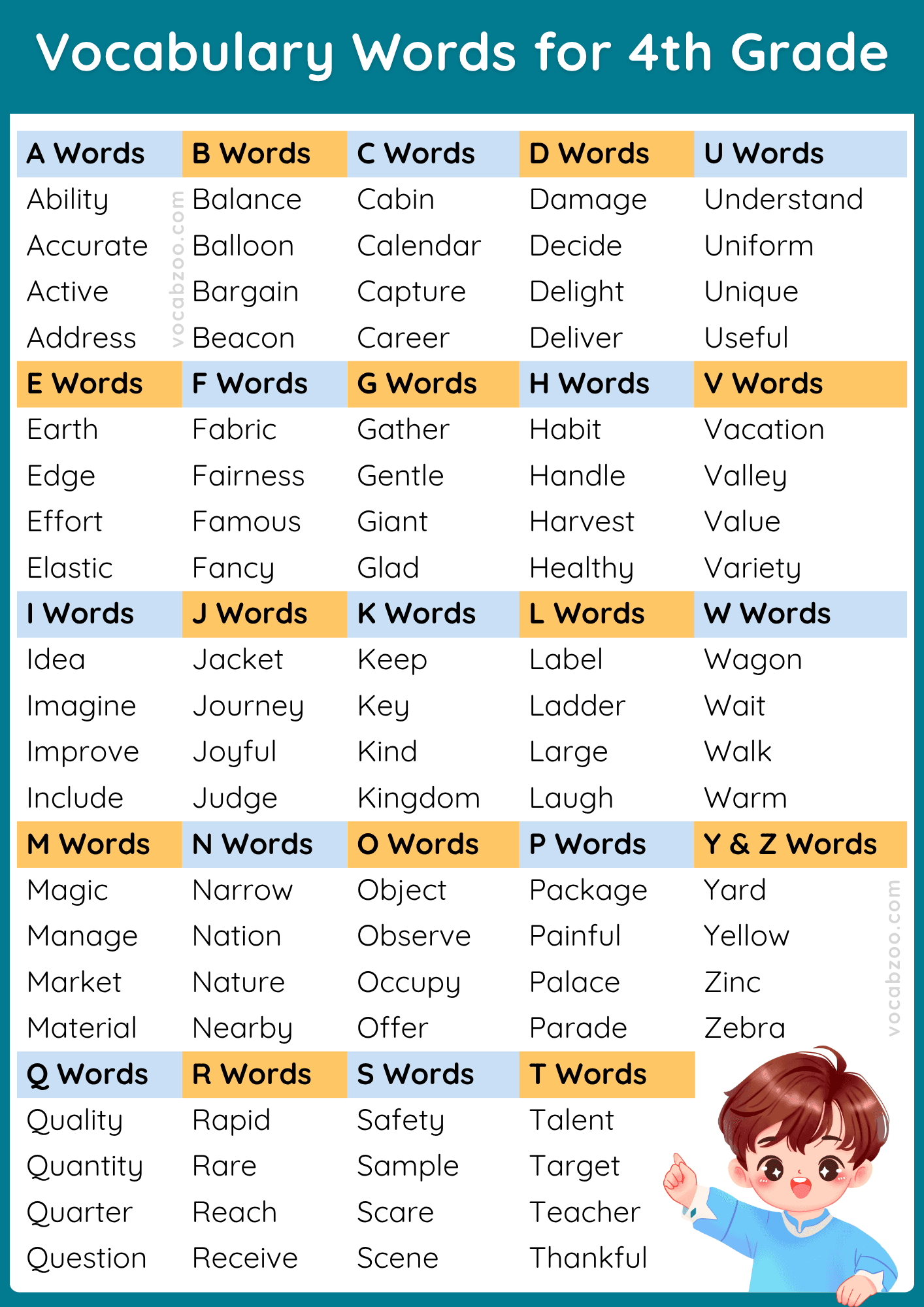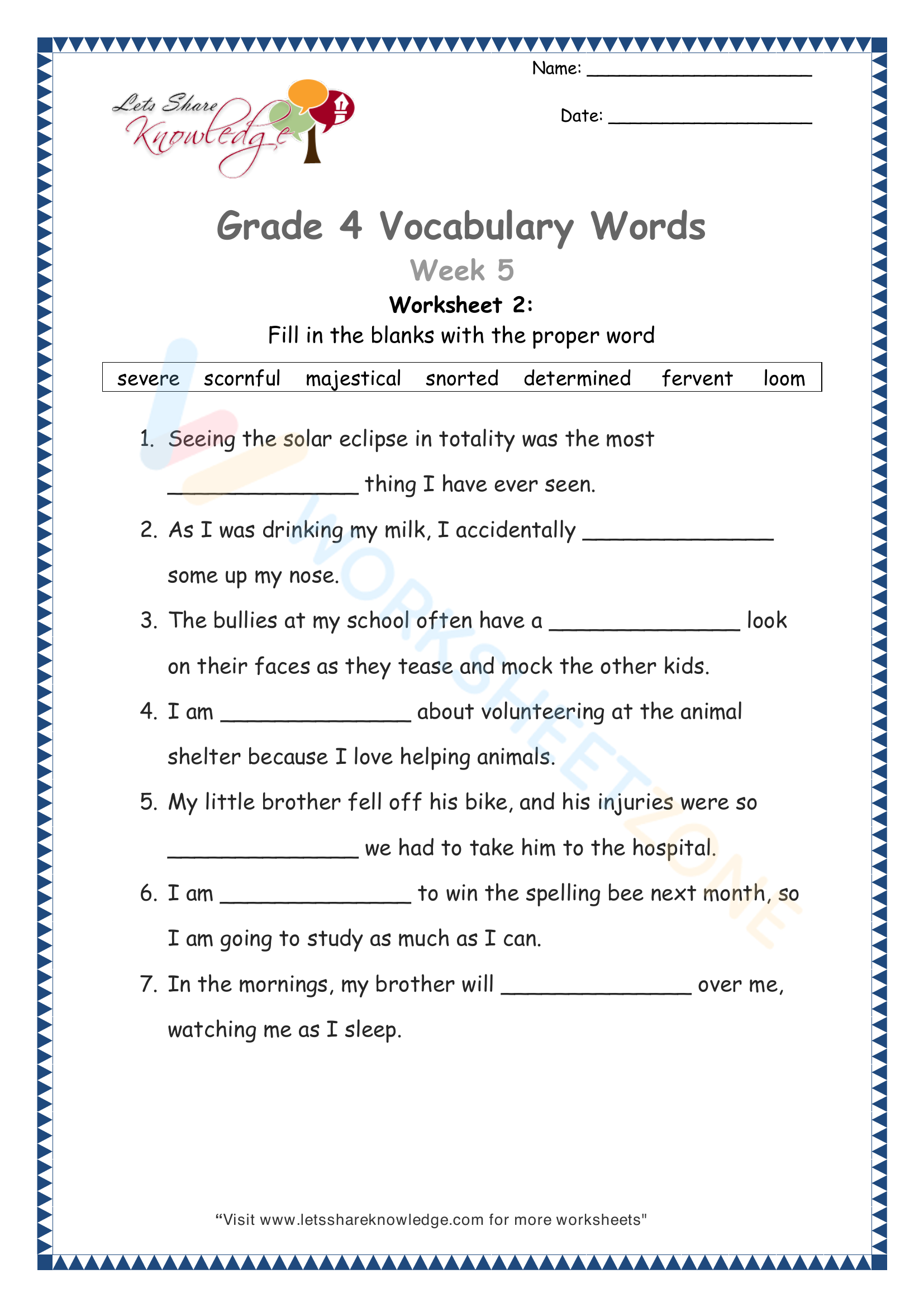
4th Grade Vocabulary Worksheets are the battlefield where young readers either sharpen their linguistic weapons or fall prey to the dullness of rote memorization, and the difference between the two can shape academic confidence for years to come. In a world that rewards quick comprehension and precise expression, a fourth grader who wields words like a seasoned swordsman will navigate reading, writing, and even social interaction with a confidence that many adults envy. This guide cuts through the noise and delivers a hard‑knocking, actionable roadmap for educators, parents, and homeschooling warriors who refuse to settle for bland drills.
Why Vocabulary Mastery Matters in Fourth Grade

At the fourth‑grade level, students transition from learning to read to reading to learn. That shift demands a vocabulary that can handle multi‑paragraph texts, subtle humor, and emerging subject‑specific jargon. Without a solid word base, children struggle to decode meaning, leading to frustration that ripples into math, science, and social studies. Research shows that a robust vocabulary is the single best predictor of reading comprehension success, dwarfing even phonics proficiency. In short, the stakes are high, and the only way to win is to arm students with purposeful, context‑rich practice.
Core Elements of High‑Impact Vocabulary Worksheets

Contextual Clues Over Isolated Lists
Worksheets that isolate words on a blank line are a relic of an outdated educational model. Effective 4th Grade Vocabulary Worksheets embed each target word in a sentence that demands inference, prompting students to hunt for definition clues such as synonyms, antonyms, or cause‑and‑effect relationships. For example, a sentence like “The thunderstorm was so intense that the lights flickered” forces the learner to deduce that “intense” means strong or powerful.
Multi‑Modal Engagement
Students absorb language differently: some visualize, others hear, and a few need tactile reinforcement. A worksheet that mixes fill‑in‑the‑blank, matching, and short‑answer sections caters to these varied learning styles. Include a quick sketch prompt—“Draw a scene that illustrates the word ‘tranquil’”—and you’ll see deeper retention because the brain links the word to both visual and motor memory.
Progressive Difficulty
Start with high‑frequency words, then gradually introduce tier‑2 academic vocabulary—words that appear across subjects but aren’t everyday talk. A smart worksheet ladder might begin with “brave,” “quick,” and “soft,” then climb to “meticulous,” “volatile,” and “relevant.” This scaffolding respects the Zone of Proximal Development and prevents the dreaded plateau where motivation sputters.
Immediate Feedback Loops
In a classroom, teachers can walk the room and correct on the spot. In a home or remote setting, worksheets must embed self‑checking mechanisms. Provide a word bank on the opposite page, or include an answer key with brief explanations: “‘Murmur’ means a soft, low sound—think of a whispered conversation.” This instant clarification closes the learning loop before misconceptions cement.
Designing Your Own 4th Grade Vocabulary Worksheets
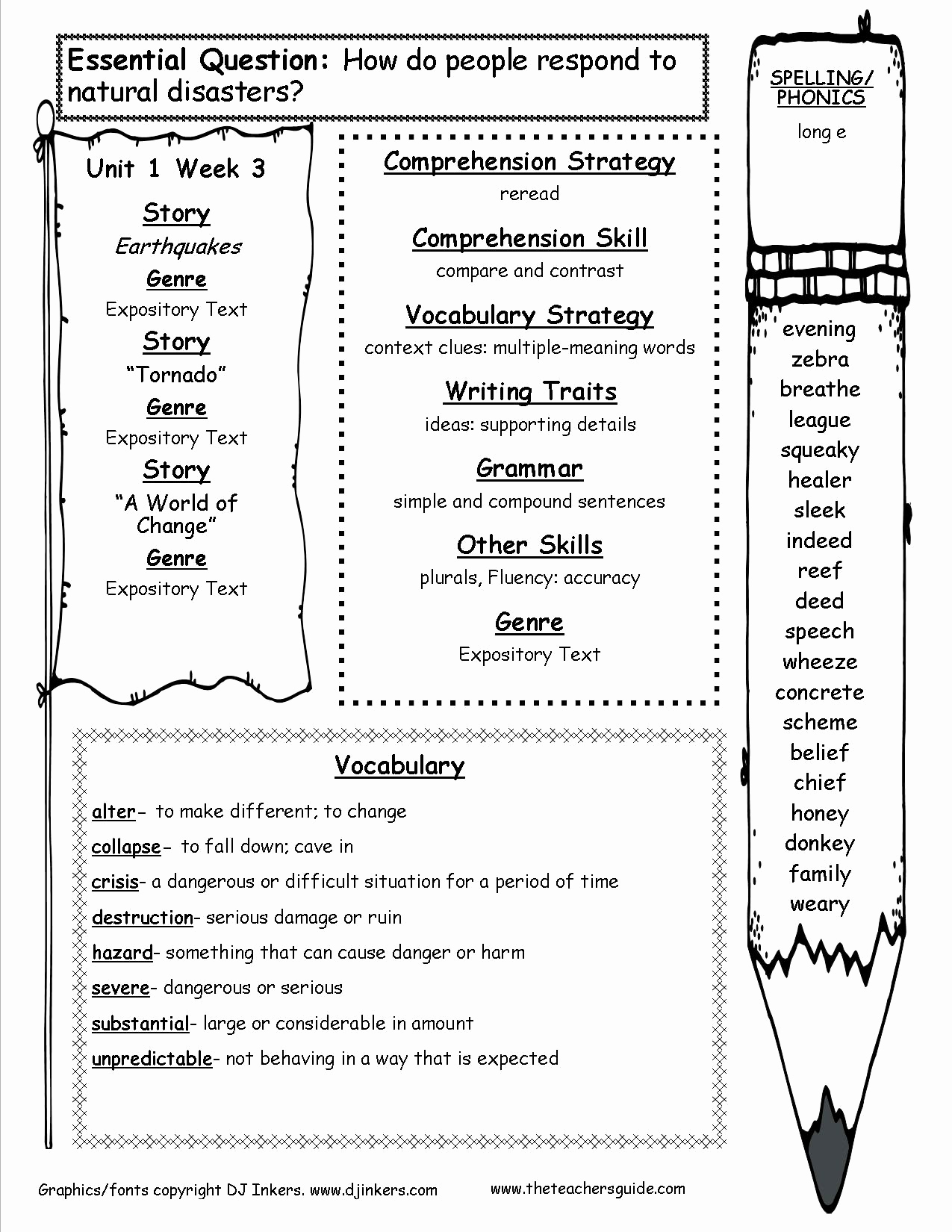
Step 1: Curate a Target List
Begin with a thematic focus—seasonal weather, historical events, or scientific concepts. Pull 8‑10 words that align with curriculum standards and real‑world relevance. Avoid overloading the worksheet; a focused set allows deeper processing.
Step 2: Build Contextual Sentences
Write one sentence per word that includes at least two contextual clues. Use age‑appropriate language but challenge the student to infer meaning. Example for “glimpse”: “She caught a fleeting glimpse of the comet as it streaked across the night sky.”
Step 3: Add Interactive Elements
Mix in a synonym match column, a short‑answer definition box, and a quick drawing prompt. For each word, provide a small “challenge corner” where students must use the word in an original sentence about their own life. This personal connection cements the word in long‑term memory.
Step 4: Embed a Review Section
At the bottom of the page, include a rapid‑fire quiz: “Circle the word that best fits this sentence.” This reinforces retrieval practice, which research shows boosts retention more effectively than passive review.
Step 5: Test and Refine
Run the worksheet with a small group of students or a trusted child. Note where they stumble—are the clues too subtle? Are the instructions confusing? Tweak language, adjust difficulty, and repeat until the flow feels challenging but doable.
Real‑World Applications That Cement Vocabulary

Words are not static entries in a dictionary; they are tools for navigating reality. Below are three gritty, practical scenarios that transform abstract vocabulary into lived experience.
- Word‑Based Storytelling: Assign a “word relay” where each student adds a sentence to a story using a designated vocabulary word. The story evolves, and every child must incorporate their word correctly or face a playful penalty. This forces active use and peer accountability.
- Vocabulary Scavenger Hunt: Hide index cards with target words around the house or classroom. When a student finds a card, they must read the word aloud, define it, and then locate a real‑world object that exemplifies the meaning. The kinetic element ties language to physical space.
- Cross‑Curricular Integration: In a science unit on ecosystems, introduce words like “habitat,” “predator,” and “symbiotic.” Have students write a short report using each term accurately, thereby reinforcing both scientific concepts and vocabulary simultaneously.
Digital Tools That Amplify Worksheet Impact
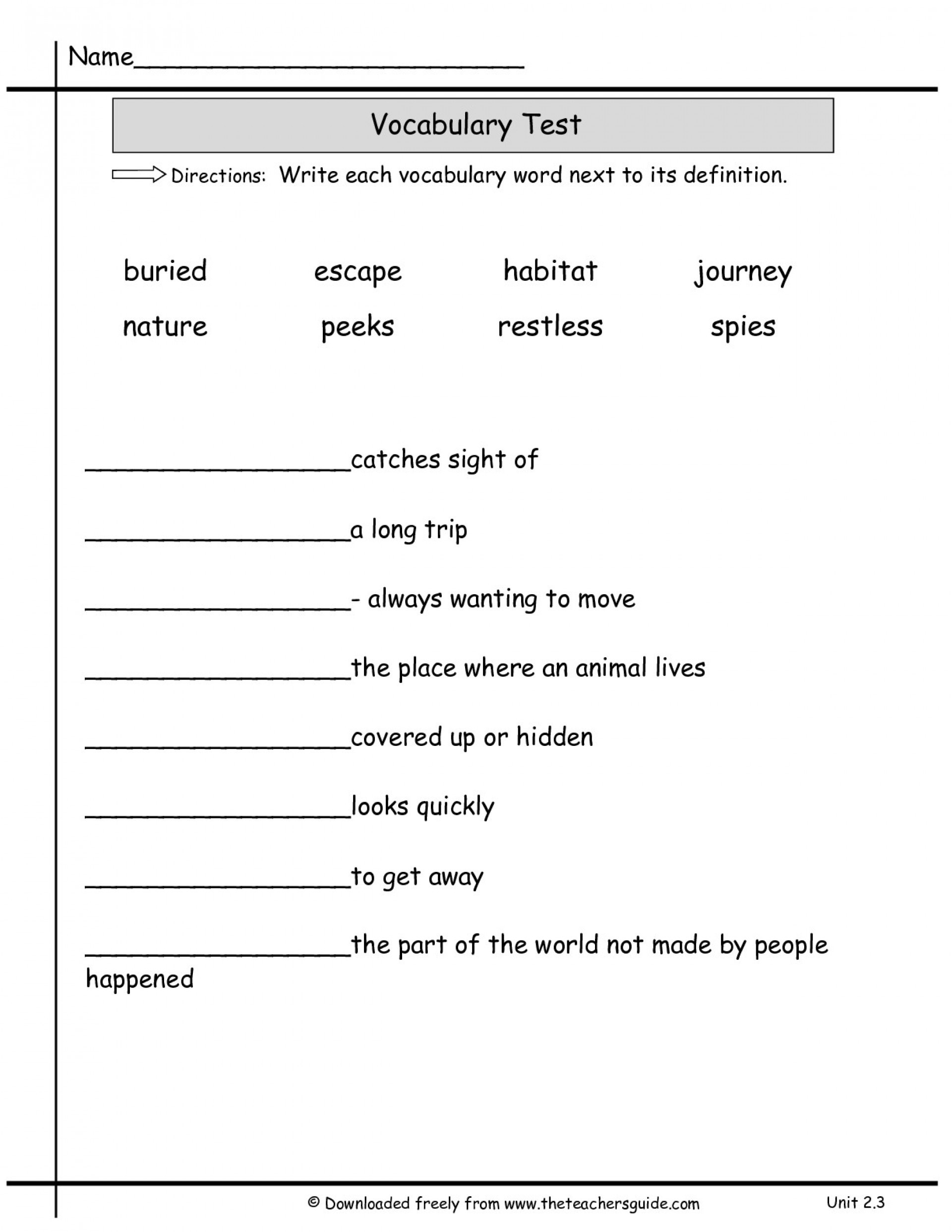
While paper remains king for tactile learners, digital platforms can add a layer of interactivity that paper alone cannot provide. Here are three no‑cost tools that complement your worksheets without diluting their gritty essence.
- Quizlet Live: Convert your word list into a live classroom game. Students race to match definitions, fostering healthy competition and immediate reinforcement.
- Google Slides Vocabulary Boards: Create a shared slide where each student drags a word card onto a definition box. The visual collaboration mirrors real‑world brainstorming sessions.
- Voice‑to‑Text Apps: Have students dictate sentences using their target words. Listening back to the recording helps them self‑audit pronunciation and context usage.
Assessing Progress Without the Usual Boredom

Traditional quizzes often feel like a chore, causing students to disengage. Switch to performance‑based assessments that mirror authentic language use.
Word Portfolios
Students maintain a binder or digital folder where they collect each worksheet, a personal definition, a sentence, and a quick sketch. Review the portfolio monthly, noting growth in definition precision and sentence complexity.
Mini‑Debates
Choose a contentious topic—“Should schools ban phones?”—and require each participant to use at least three vocabulary words correctly during their argument. This forces strategic word placement and demonstrates real‑world fluency.
Creative Writing Prompts
Assign a short story that must include a set of 5‑7 target words. Grade not only for correct usage but for creativity, showing that the words have become tools rather than obstacles.
Common Pitfalls and How to Dodge Them

Even the most battle‑tested educators fall into traps. Recognize these missteps early and adjust your strategy.
- Over‑Listing: Dumping 30 words on a single sheet overwhelms the brain. Stick to 8‑10, and repeat the set over multiple sessions for mastery.
- Surface‑Level Definitions: “Big = large” is a crutch. Push students to explore connotation: “gigantic” carries a sense of awe, while “massive” suggests weight.
- Neglecting Review: One‑off exposure is futile. Schedule spaced repetition—review the same set after a day, a week, and a month.
- Ignoring Student Voice: Let learners suggest words they encounter in reading. This ownership fuels intrinsic motivation.
Putting It All Together: A Sample Worksheet Blueprint
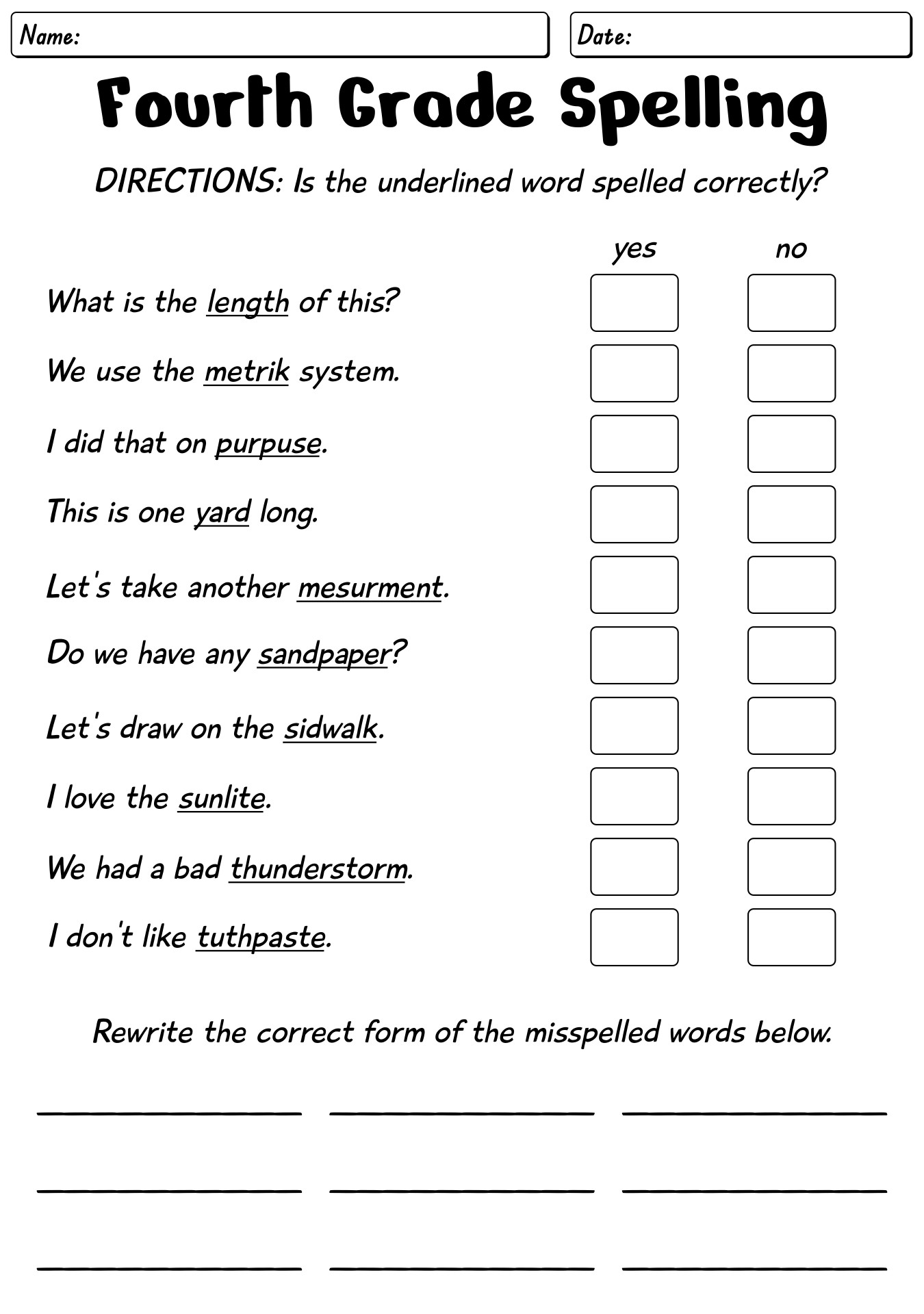
Below is a concise, ready‑to‑use template that you can print or adapt digitally. Each section follows the principles outlined above, ensuring depth without drowning the learner.
- Target Words: resilient, bustling, fleeting, obscure, elaborate
- Section A – Context Sentences:
- “The town was bustling with market stalls and street performers.”
- “His memory of the concert was fleeting, like a dream that vanished at sunrise.”
- “The old manuscript was obscure, written in a language few could decipher.”
- “She gave an elaborate explanation, using diagrams and analogies.”
- “After the setback, his resilient spirit helped him bounce back quickly.”
- Section B – Synonym Match: Provide a column of synonyms (vibrant, brief, hidden, detailed, tough) for students to draw lines to the correct target word.
- Section C – Personal Sentence: Write a new sentence using each word in a context from your own life.
- Section D – Quick Sketch: Draw a scene that captures the essence of “bustling.”
- Section E – Rapid Review: Circle the correct definition of “resilient” from three options.
Conclusion
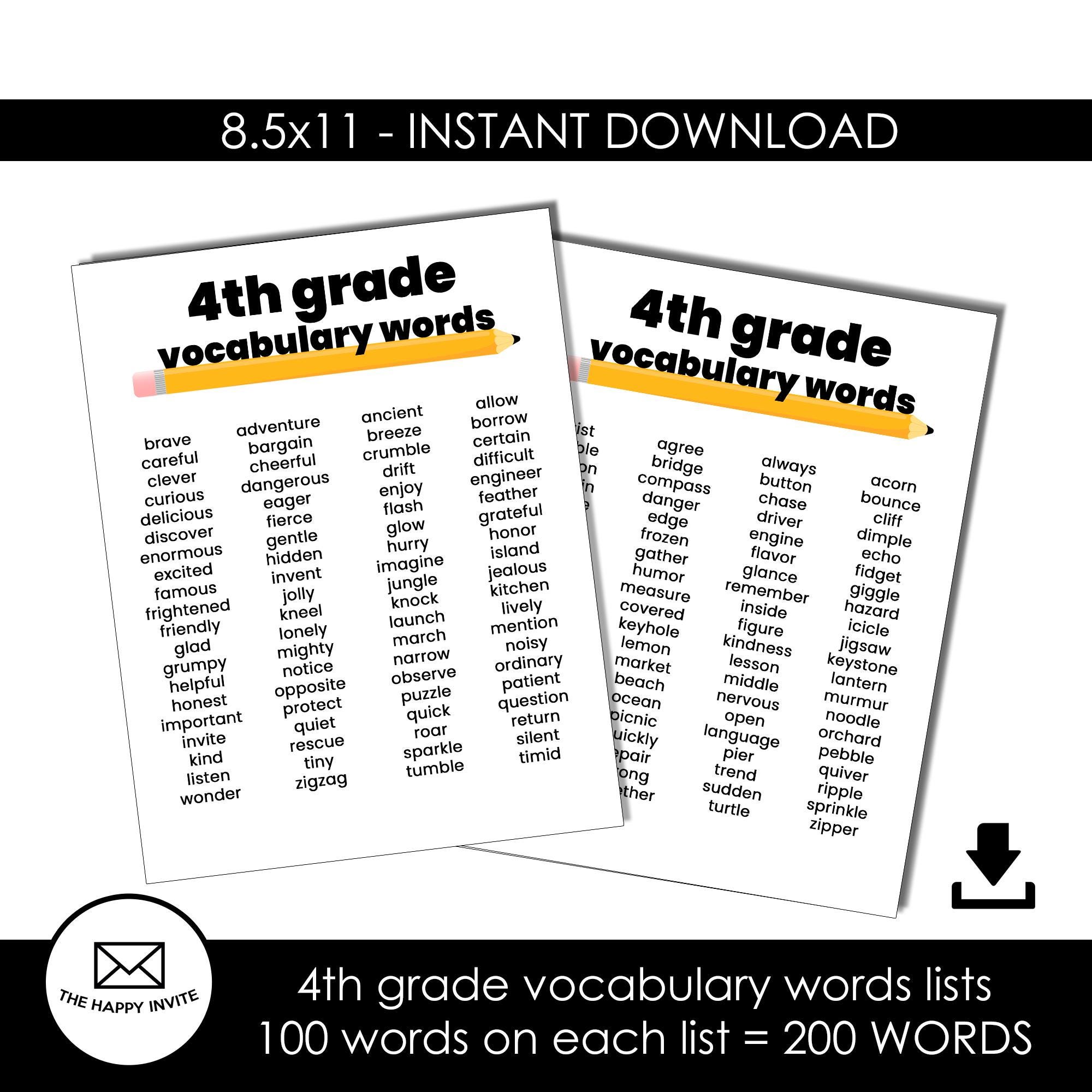
Mastering vocabulary at the fourth‑grade level is not a gentle stroll through a word garden; it is a disciplined campaign that demands strategic drills, contextual immersion, and relentless reinforcement. By embracing the hard‑edged tactics outlined—context‑rich worksheets, multi‑modal activities, real‑world applications, and performance‑based assessments—educators and parents can forge a generation of word warriors who wield language with confidence and precision. The result? Readers who not only decode text but also command it, turning every classroom challenge into an opportunity to showcase linguistic strength.