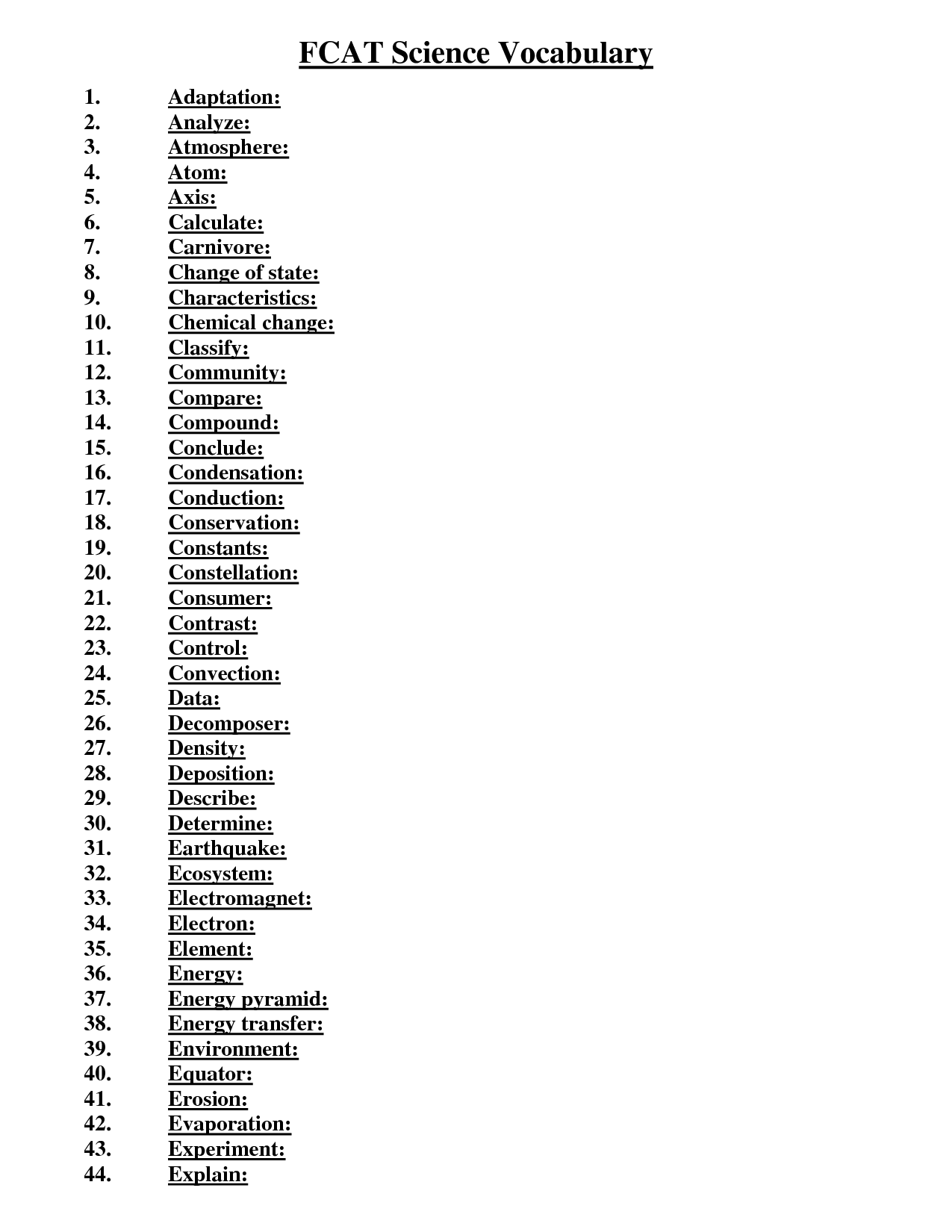
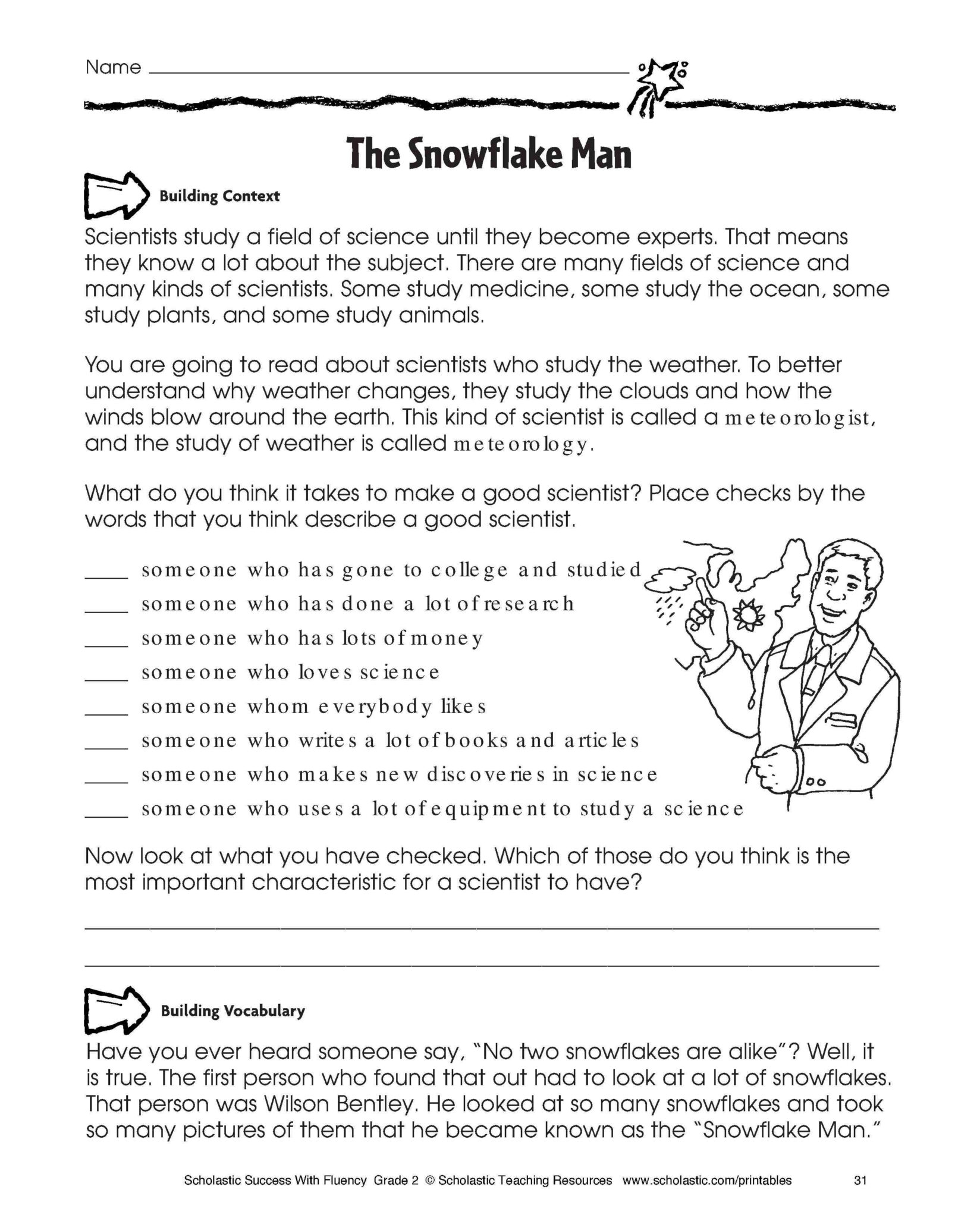
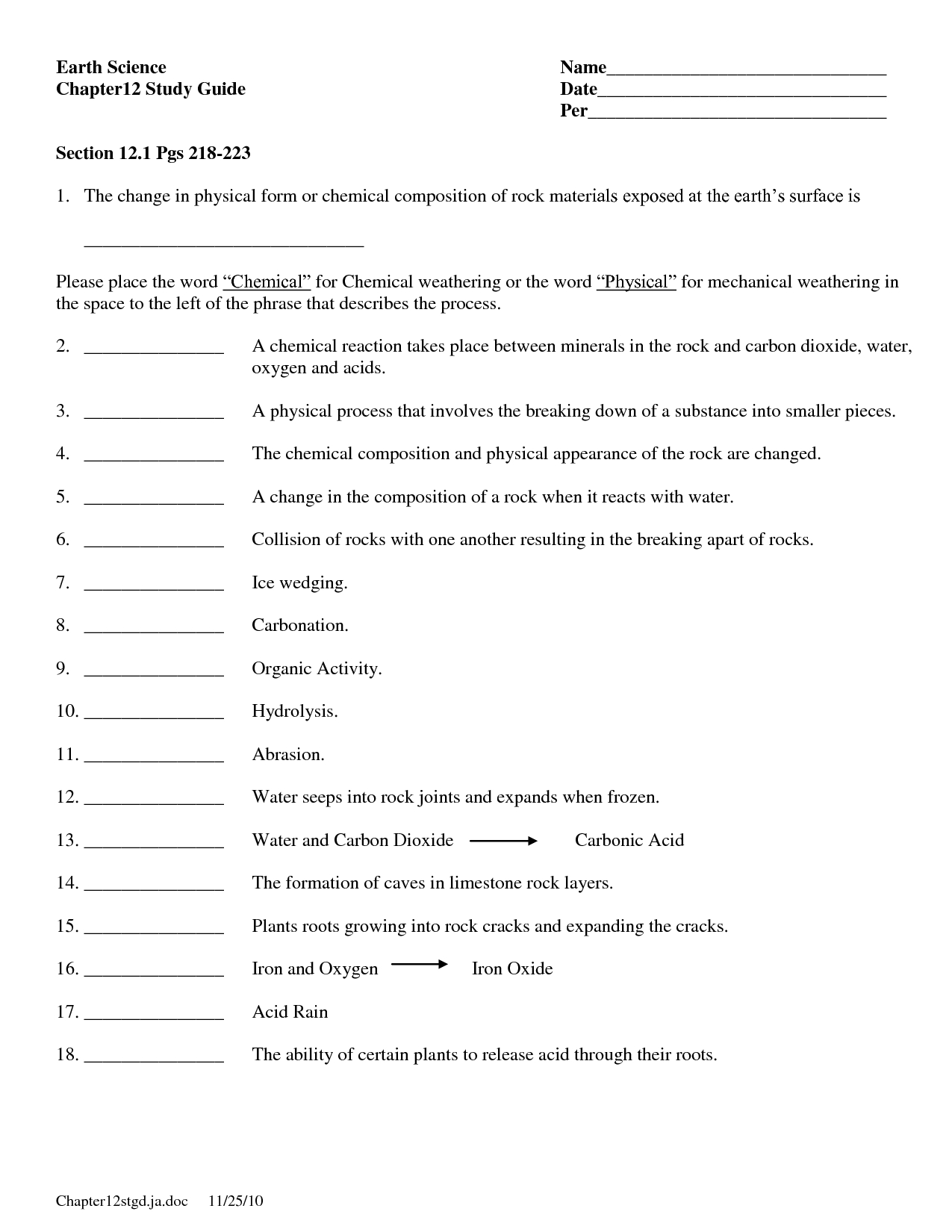
5th Grade Science Worksheets serve as a pivotal bridge between foundational knowledge and complex scientific concepts, offering students a structured path to explore the world through observation, experimentation, and critical thinking. Designed with both educational rigor and engaging visuals, these worksheets cater to the curious minds of middle‑school learners, preparing them for future science endeavors while respecting the unique learning styles of diverse classrooms.
Why 5th Grade Science Worksheets Matter

At this developmental stage, students transition from concrete to more abstract scientific reasoning. Worksheets provide the scaffolding needed to:
- Reinforce classroom lessons with hands‑on practice.
- Encourage independent inquiry while staying guided by a clear framework.
- Offer teachers measurable checkpoints for progress.
- Help parents support learning from home with culturally relevant activities.
In Asian educational contexts, where collective learning and meticulous preparation are valued, well‑structured worksheets align perfectly with community expectations and the emphasis on mastery.
Core Themes Covered in 5th Grade Science Worksheets

Life Science: Cells, Ecosystems, and Human Body
These worksheets guide students through:
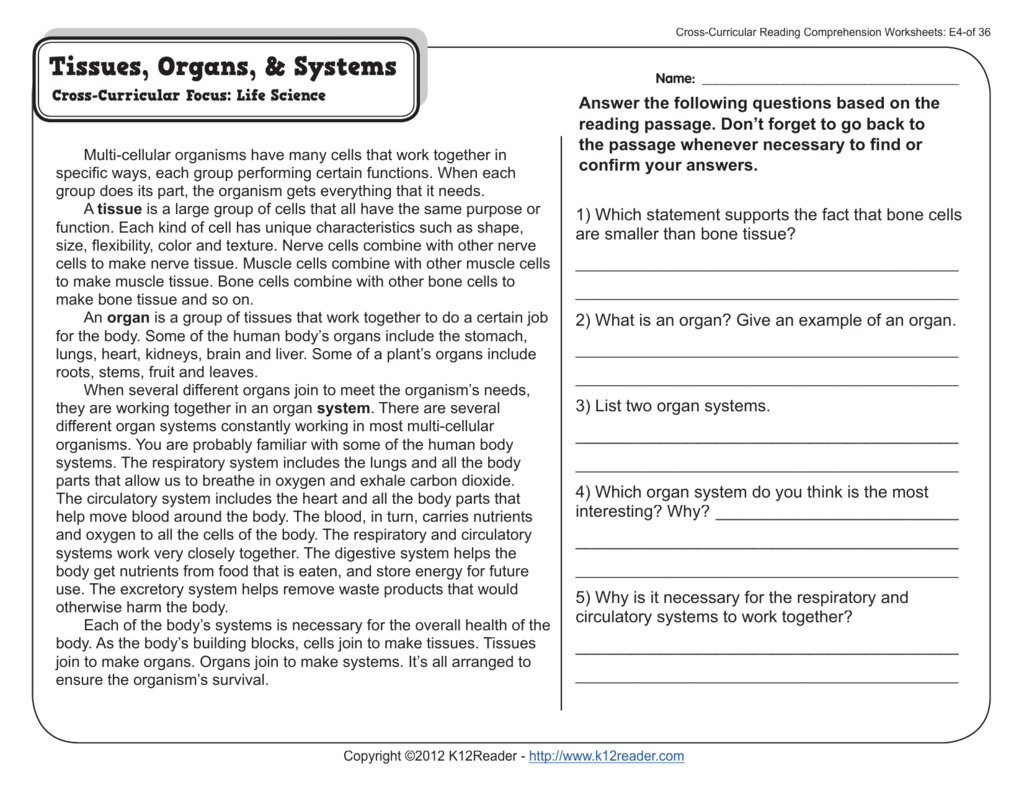
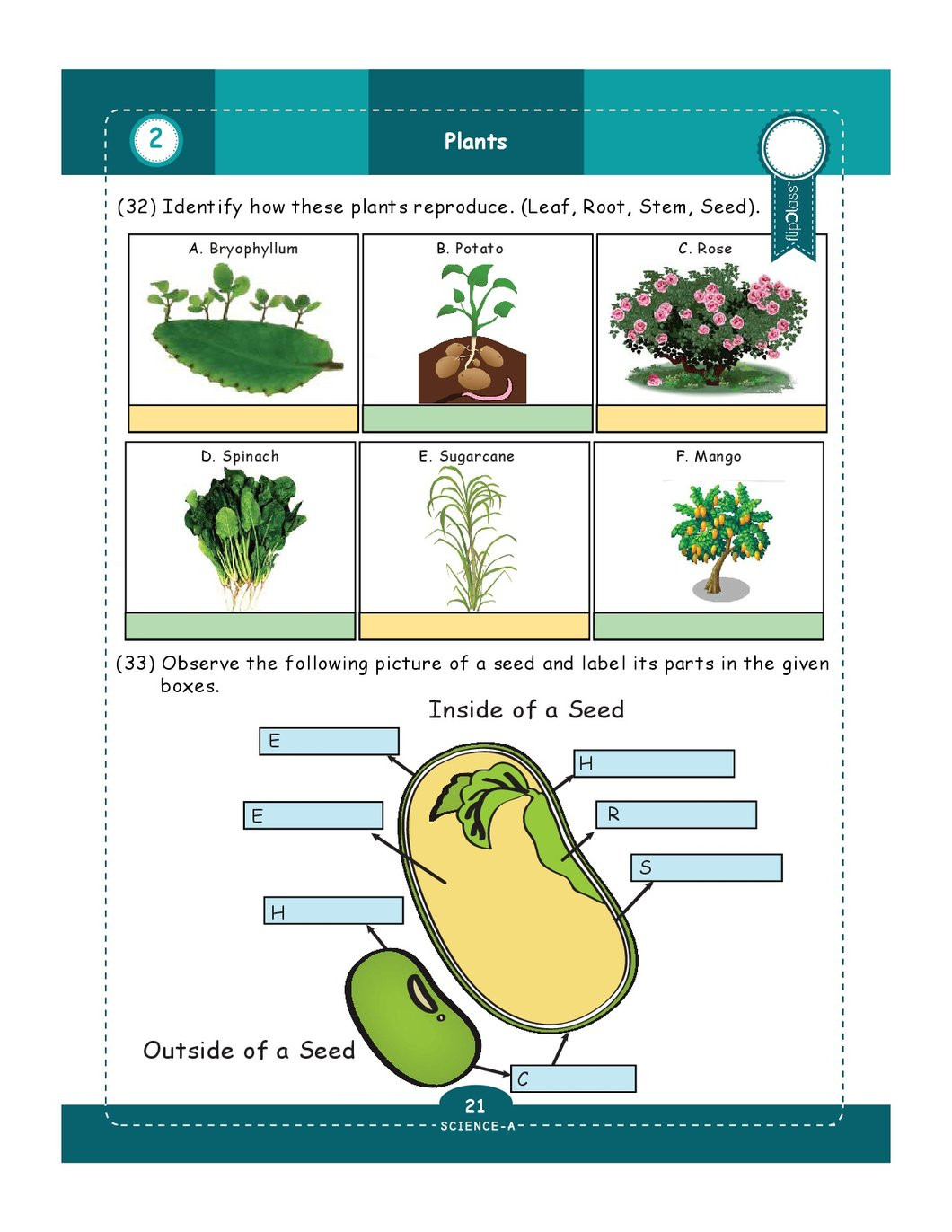
- Microscopic exploration of plant and animal cells using diagrams and labeling exercises.
- Food chain activities that illustrate energy flow within ecosystems.
- Human body system quizzes that connect everyday health with scientific explanations.
Physical Science: Matter, Energy, and Forces
Topics often include:
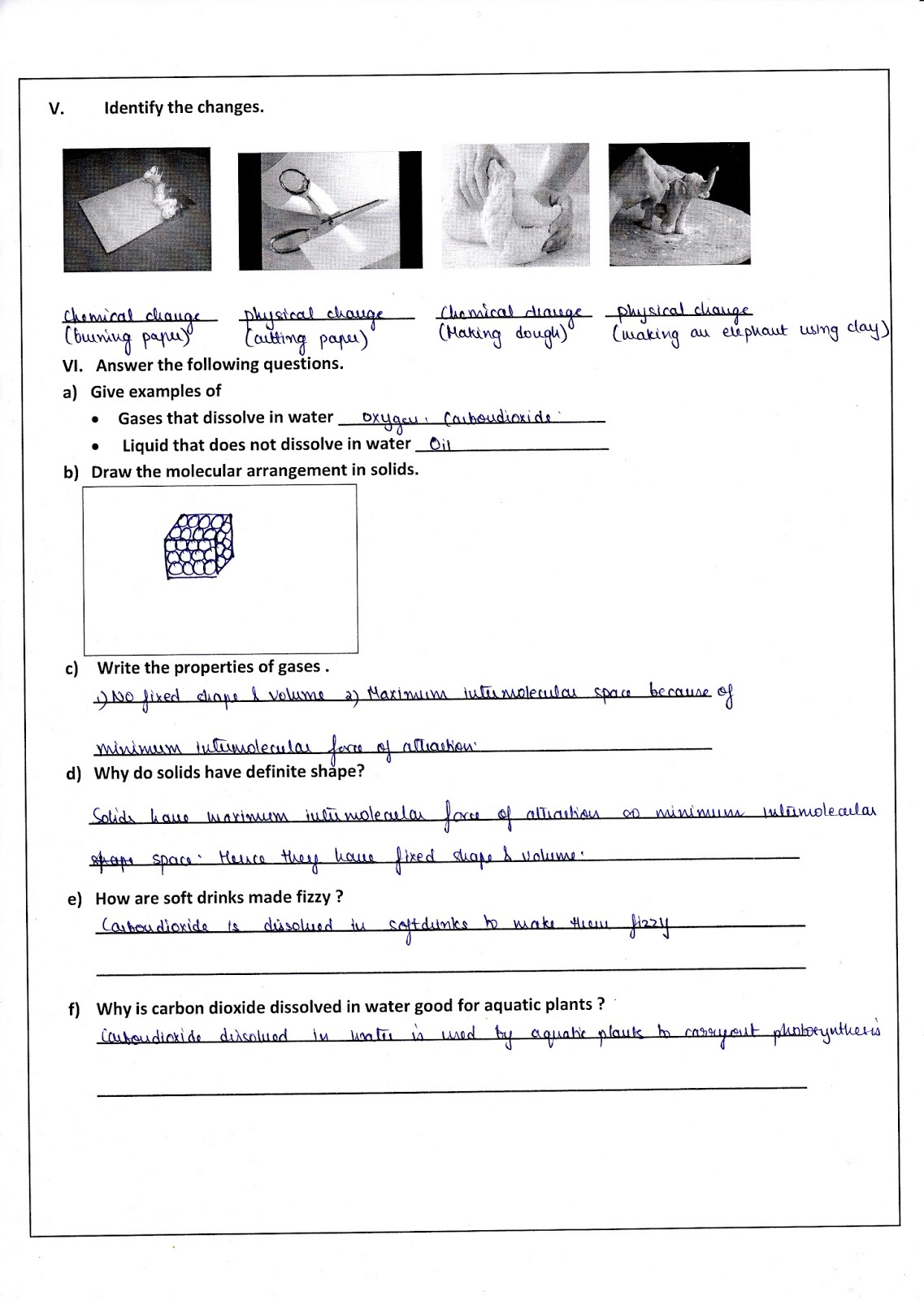
- Classifying states of matter through interactive sorting tasks.
- Energy conversion experiments, such as converting chemical energy into kinetic energy.
- Basic mechanics problems that involve force, motion, and simple machines.
Earth Science: Earth, Weather, and Space
Students learn about:
- The rock cycle illustrated through diagram labeling and timeline construction.
- Weather patterns and climate change concepts adapted to local climatic examples.
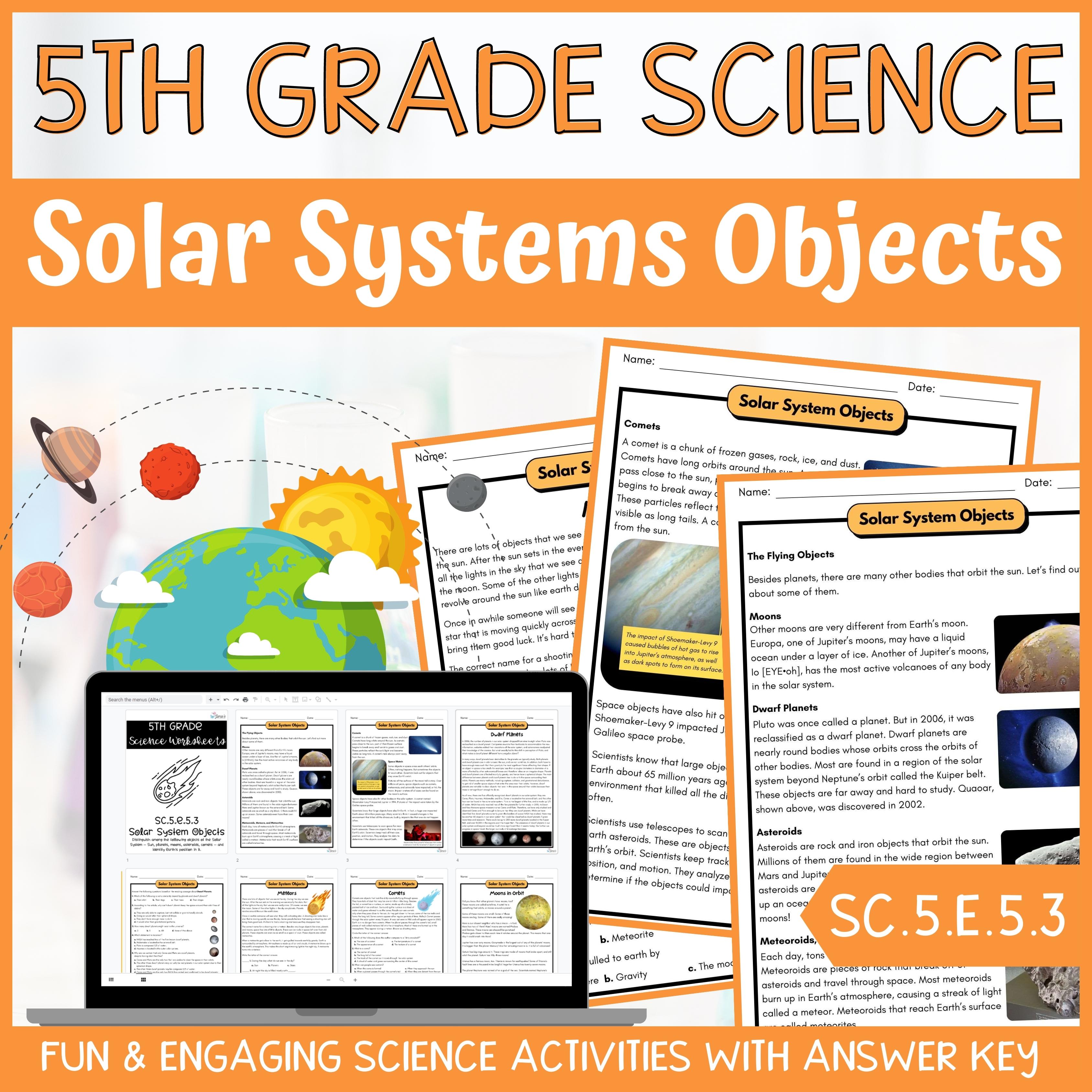
- Solar system facts paired with model‑building activities for hands‑on engagement.
Science Process Skills: Observation, Measurement, and Data Analysis
These worksheets hone essential scientific habits:
- Observation logs that encourage precise note‑taking during experiments.
- Measurement charts for recording variables in controlled tests.
- Data interpretation exercises, such as graph construction and trend analysis.
Choosing the Right Type of Worksheet for Your Classroom
Print vs. Digital
Both formats offer distinct advantages. Print worksheets are excellent for tactile engagement and low‑tech settings, while digital worksheets can incorporate interactive simulations, instant feedback, and adaptive learning paths. Many teachers blend both to create a multimodal experience that caters to varied learning preferences.
Integrated vs. Standalone Worksheets
Integrated worksheets align with a broader unit, reinforcing learning objectives in context, whereas standalone worksheets target isolated skills or quick reviews. A balanced mix ensures depth while maintaining flexibility for spontaneous learning moments.
Scoring and Rubrics
Well‑designed worksheets often come with scoring rubrics that break down criteria into observable behaviors—correct labeling, clear explanation, or accurate calculations. This transparency helps students understand expectations and improves self‑assessment.
Creating Cultural Relevance in Science Worksheets

Local Examples and Contexts
Incorporating regional flora, fauna, and natural phenomena—such as rice cultivation cycles or monsoon patterns—makes science relatable and enhances student interest.
Language Considerations
Using simple, clear language respects varying proficiency levels. Providing bilingual glossaries or translated keywords can bridge gaps for students whose first language is not English.
Incorporating Traditional Knowledge
Integrating ancient practices like herbal medicine or traditional astronomy can spark dialogue about how modern science builds upon historical insights, fostering a respect for heritage while advancing curiosity.
Step‑by‑Step Guide to Using Worksheets Effectively

Pre‑Worksheet Preparation
1. Review the learning objective and align it with the worksheet content.
2. Gather necessary materials—microscopes, measurement tools, or digital devices.
3. Set clear expectations and demonstrate the worksheet’s purpose.
During the Worksheet Activity
1. Encourage collaborative work by pairing students strategically.
2. Monitor progress, offering targeted guidance to struggling learners.
3. Facilitate reflection: ask students to explain why certain observations were made.
Post‑Worksheet Reflection
1. Collect completed worksheets and assess for common misconceptions.
2. Discuss findings as a class to reinforce correct concepts.
3. Provide individualized feedback, highlighting strengths and growth areas.
Common Misconceptions and How Worksheets Address Them

Misconception: All animals are mammals.
Worksheet activities that involve classifying animals based on characteristics (e.g., feathers, milk production, egg-laying) help clarify distinctions and encourage analytical thinking.
Misconception: Energy cannot be stored.
Through simple experiments that showcase energy storage in batteries or springs, worksheets demonstrate that energy can be stored, transferred, and transformed.
Misconception: Weather is only about clouds and rain.
Data‑collection worksheets that track temperature, humidity, and wind speed over days help students see the full spectrum of weather variables.
Integrating Science Worksheets into a Balanced Curriculum
Linking to Standards
Each worksheet can be mapped to state or national standards, ensuring alignment with curricular goals and facilitating assessment reporting.
Cross‑Curricular Connections
Pair science worksheets with math for graphing or with language arts for scientific writing assignments. This interdisciplinary approach reinforces skills across subjects.
Project‑Based Extensions
After completing a worksheet set on ecosystems, students can design a classroom garden project, applying concepts such as the food web, nutrient cycling, and sustainable practices.
Teacher and Parent Collaboration Tips
Communicating Expectations
Share clear guidelines on how worksheets fit into homework plans and classwork. Provide a sample worksheet overview to parents to encourage at‑home support.
Providing Feedback Loops
Use digital platforms that allow instant feedback on completed worksheets, helping parents track progress and identify areas needing attention.
Encouraging Inquiry at Home
Suggest simple at‑home experiments—such as making a volcano or growing crystals—that complement worksheet activities, fostering a continuous learning environment.
Maximizing Engagement with Creative Worksheet Strategies

Gamification
Transform worksheets into scavenger hunts or quiz shows, where students earn points for accurate answers or creative explanations.
Real‑World Problem Solving
Pose real‑world scenarios—like designing a rain‑water harvesting system—where students must apply scientific concepts learned in worksheets.
Student‑Generated Content
Invite students to create their own worksheet questions after mastering a topic, fostering ownership and deeper comprehension.
Assessing and Refining Worksheet Effectiveness
Collecting Data on Student Performance
Track scores over multiple iterations to identify trends. Use this data to adjust difficulty levels or revisit confusing concepts.
Soliciting Student Feedback
Ask students what aspects they found helpful or challenging. This feedback loop helps refine worksheets to better suit learning styles.
Updating Content Regularly
Science evolves; periodically review worksheets to incorporate recent discoveries or to reflect updated curricular standards.
Conclusion

Thoughtfully designed 5th Grade Science Worksheets are more than simple assignments; they are dynamic tools that blend culture, pedagogy, and inquiry. By aligning content with local contexts, integrating cross‑curricular skills, and balancing print with digital formats, educators can cultivate a vibrant science learning environment. When teachers, parents, and students collaborate around these resources, curiosity thrives, misconceptions are corrected, and foundational science skills take root—preparing learners for a future where science and everyday life intertwine seamlessly.