7 Habits Worksheet Pdf has become an essential tool for students, professionals, and anyone seeking personal growth. Designed to translate the timeless principles of Stephen Covey’s bestselling book into practical, interactive exercises, this printable resource empowers users to reflect, track progress, and embed positive habits into everyday routines.
Why 7 Habits Worksheet Pdf Is a Game Changer

Traditional reading of the 7 Habits can feel theoretical, especially for visual learners who thrive on concrete steps. The 7 Habits Worksheet Pdf transforms abstract concepts into tangible actions. By breaking down each habit into worksheets, users can:
- Visualize where they stand on each principle.
- Set measurable goals that align with personal values.
- Document successes and setbacks, creating a feedback loop for continuous improvement.
Because the worksheets are self‑contained and printable, they can be used offline, making them perfect for classrooms, workshops, or individual study sessions.
How to Use the Worksheet Effectively
Step 1: Familiarize Yourself With the Layout
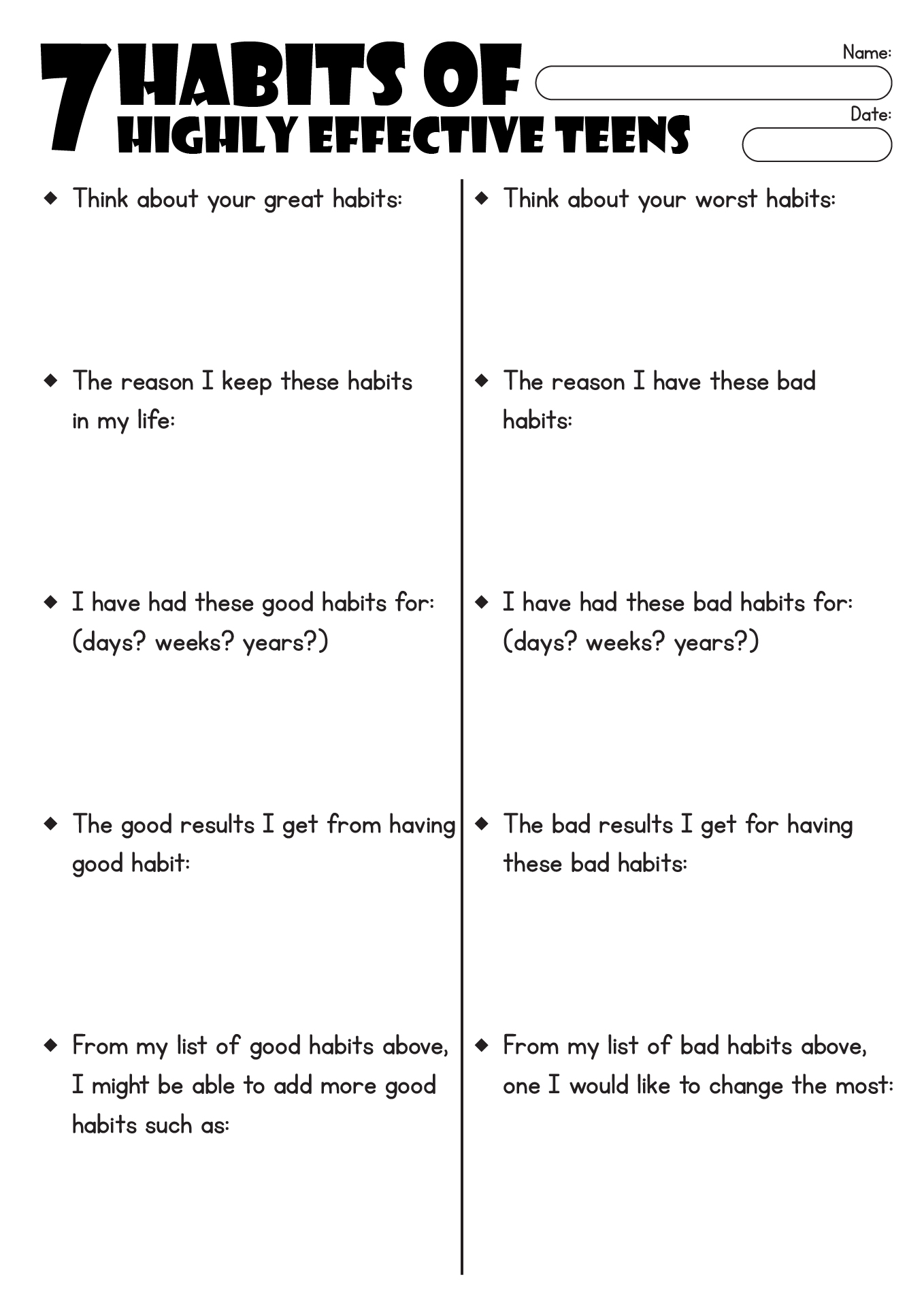
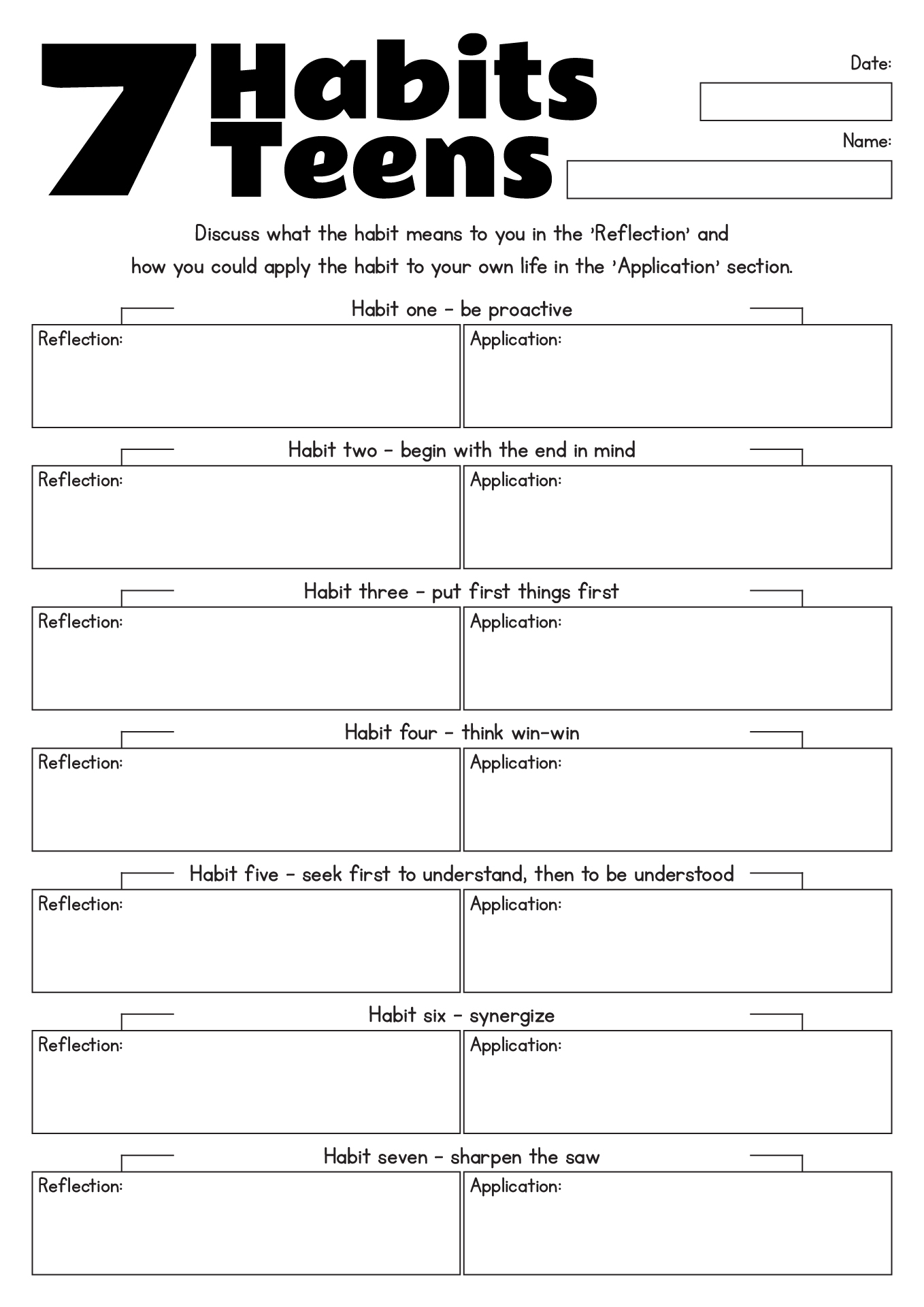
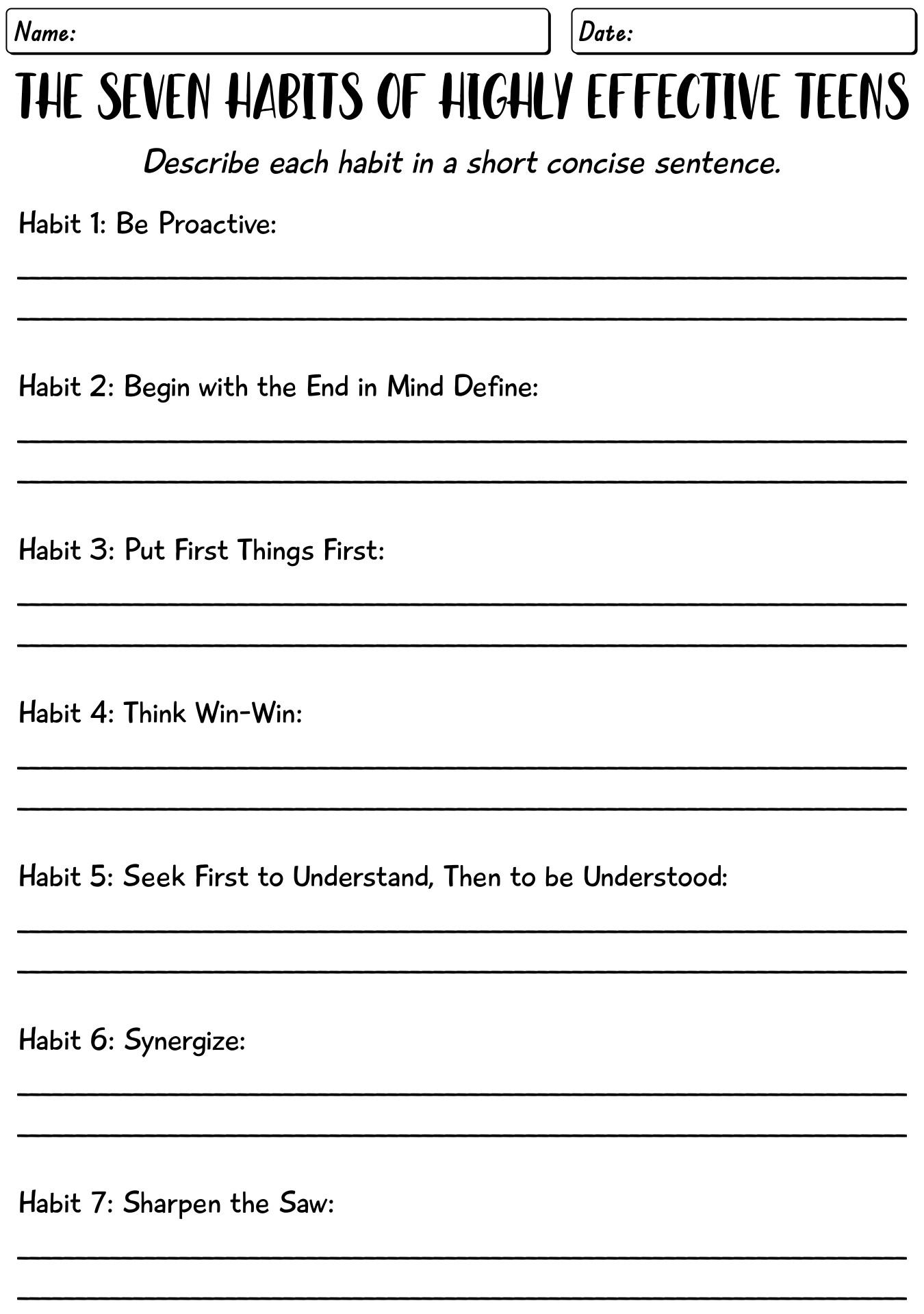
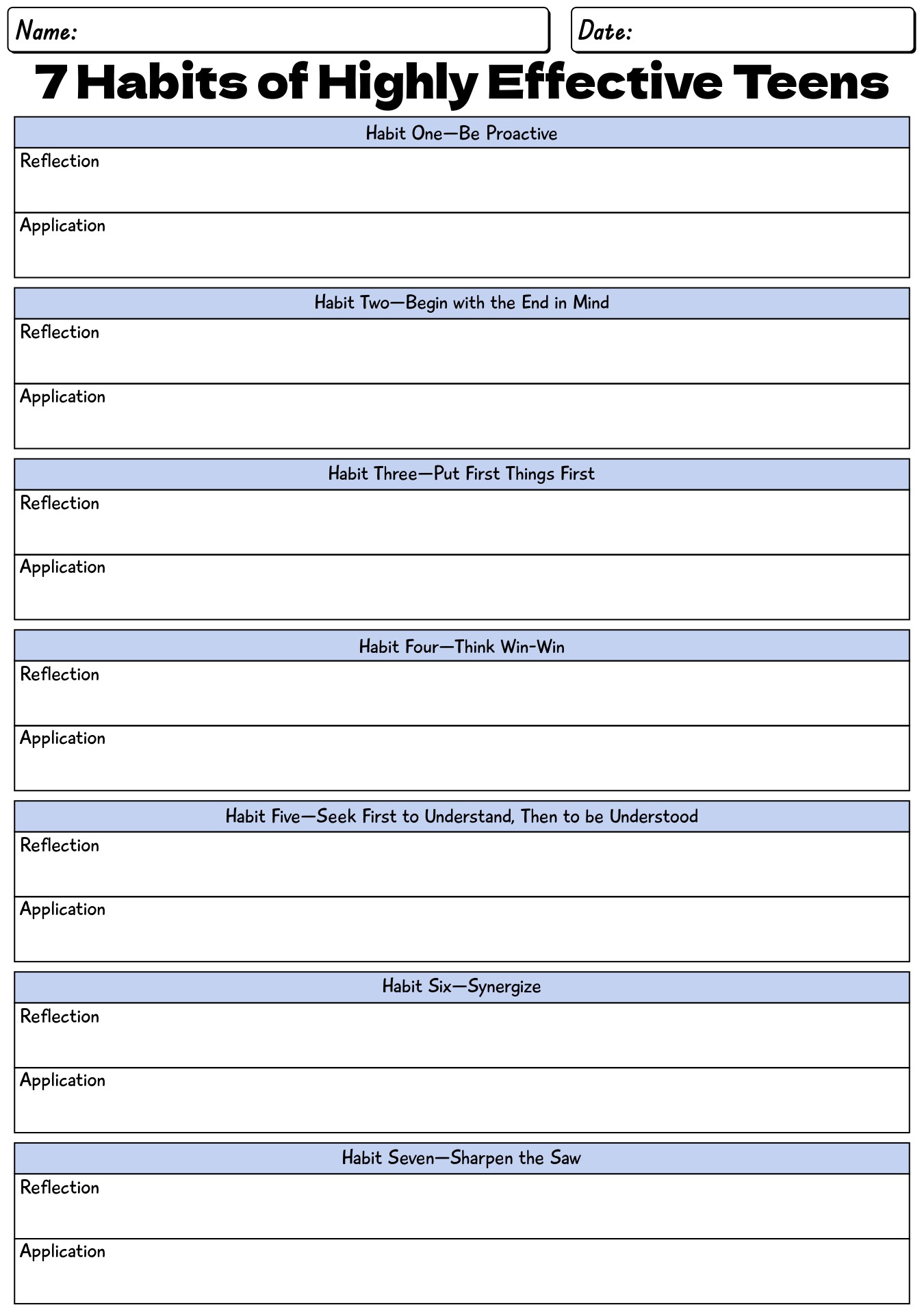
The 7 Habits Worksheet Pdf typically follows a clean, organized format. Each page usually focuses on a single habit, offering a brief recap, a series of guided prompts, and space for reflective writing. Before diving in, skim the entire document to understand the flow and how the sections interconnect.
Step 2: Set a Dedicated Time Slot
Consistency is key when developing habits. Choose a quiet block of 30–45 minutes each day or week. During this time, work through one habit, complete the prompts, and review your responses. By treating each worksheet session like a mini‑workshop, you give the habit the attention it deserves.
Step 3: Keep a Progress Log
While the worksheet pages already contain spaces for notes, create an additional “Progress Log” page where you record dates, insights, and milestones. This log becomes a powerful visual representation of your growth trajectory and helps maintain motivation.
Key Sections Explained
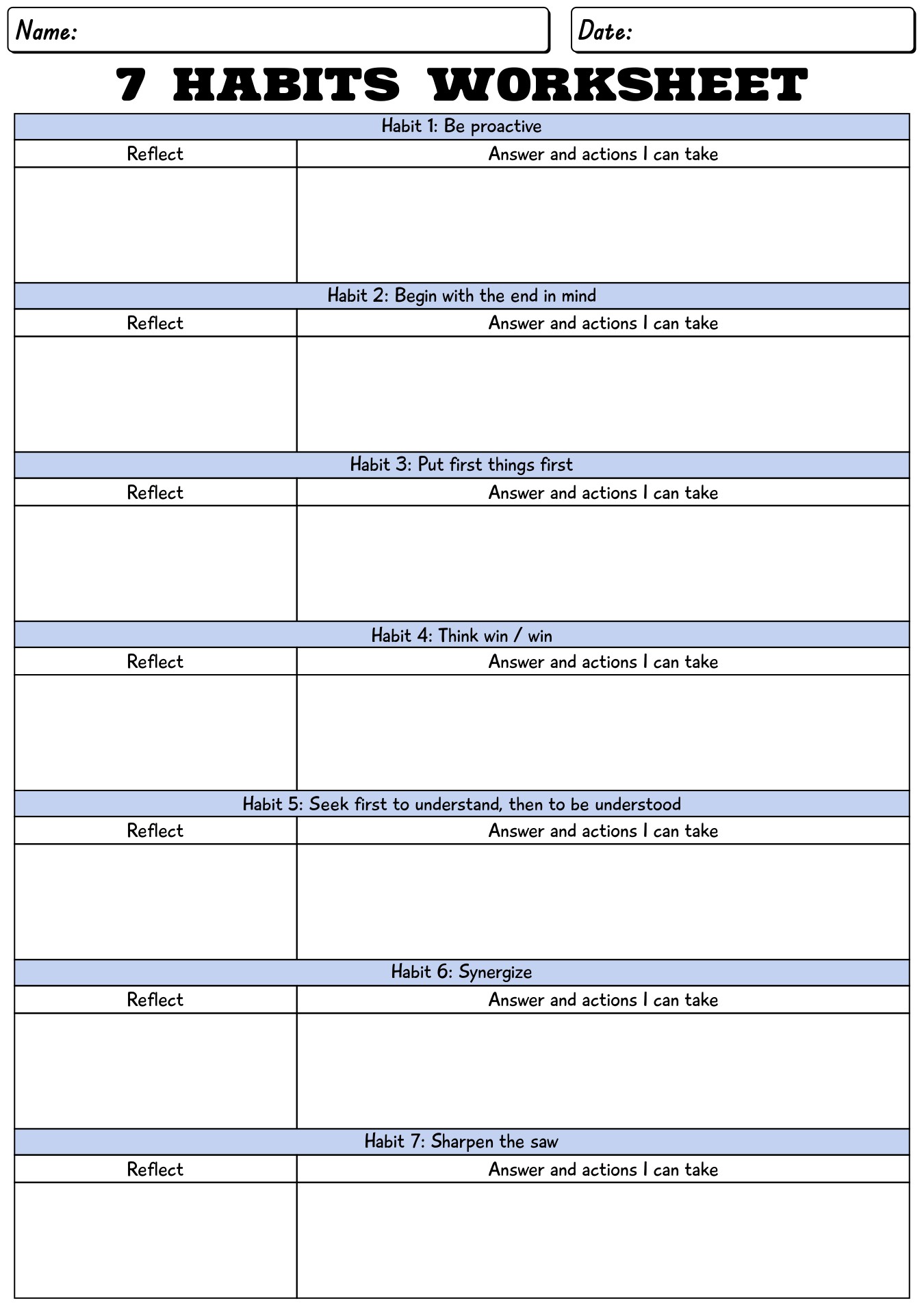
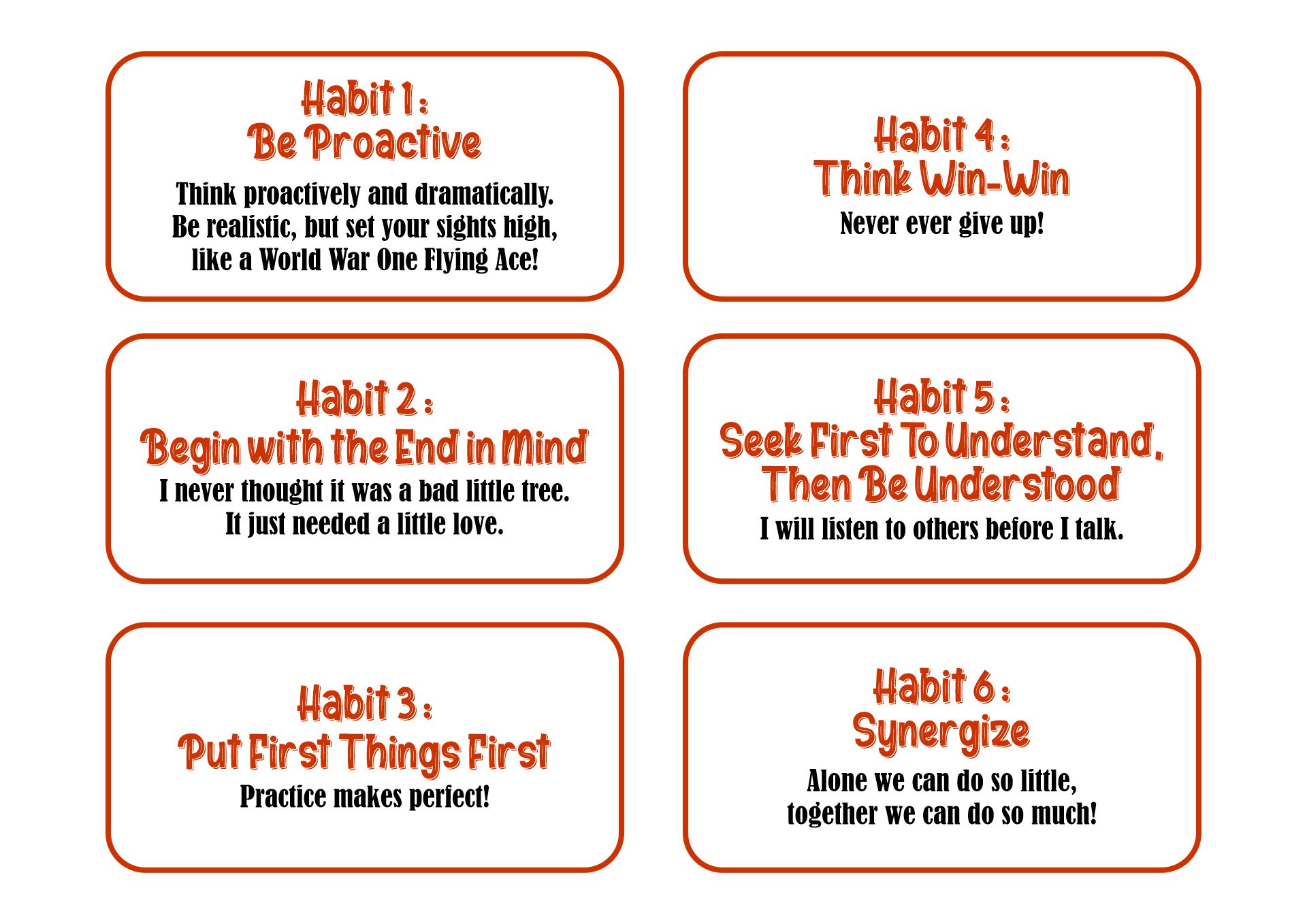
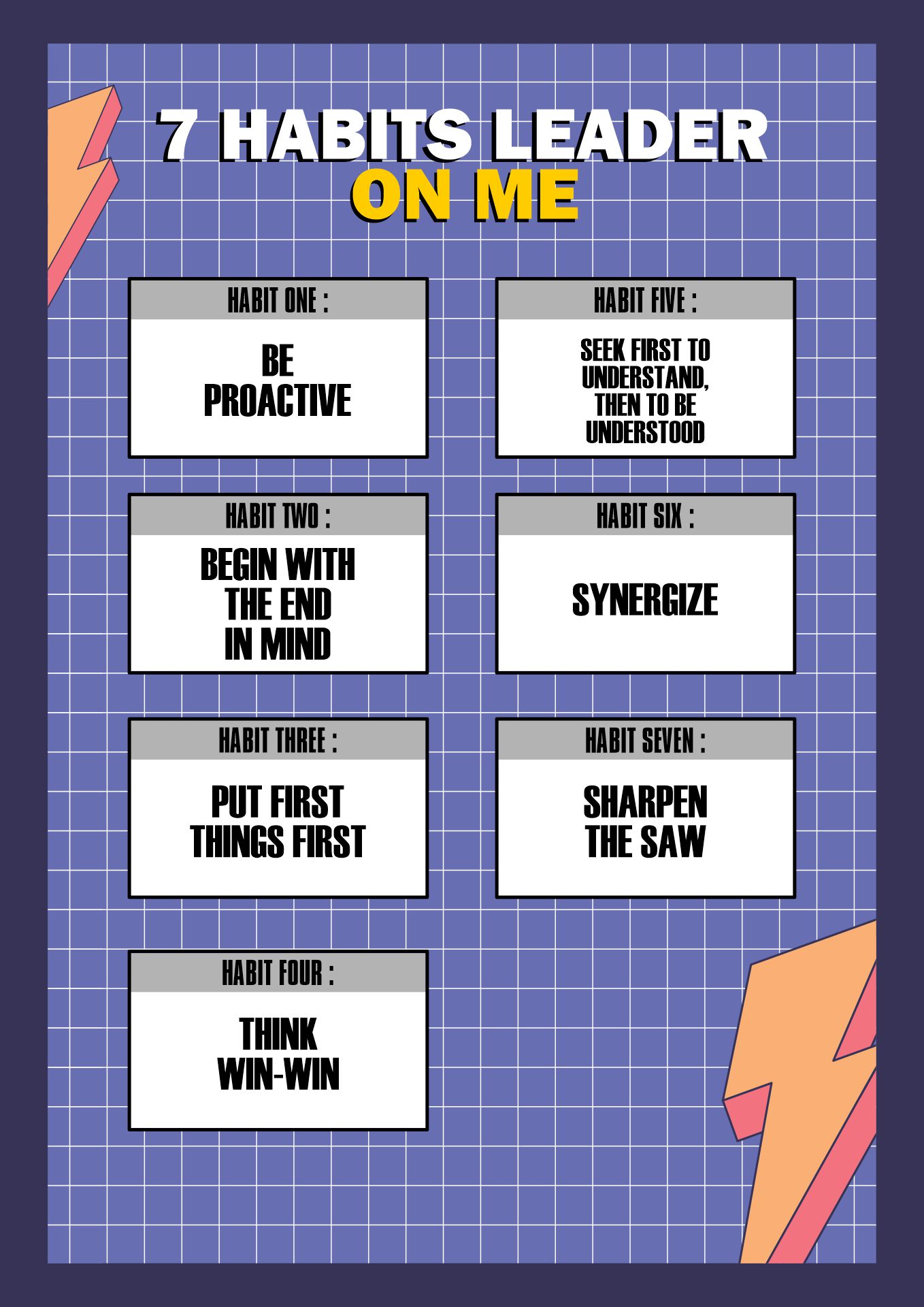
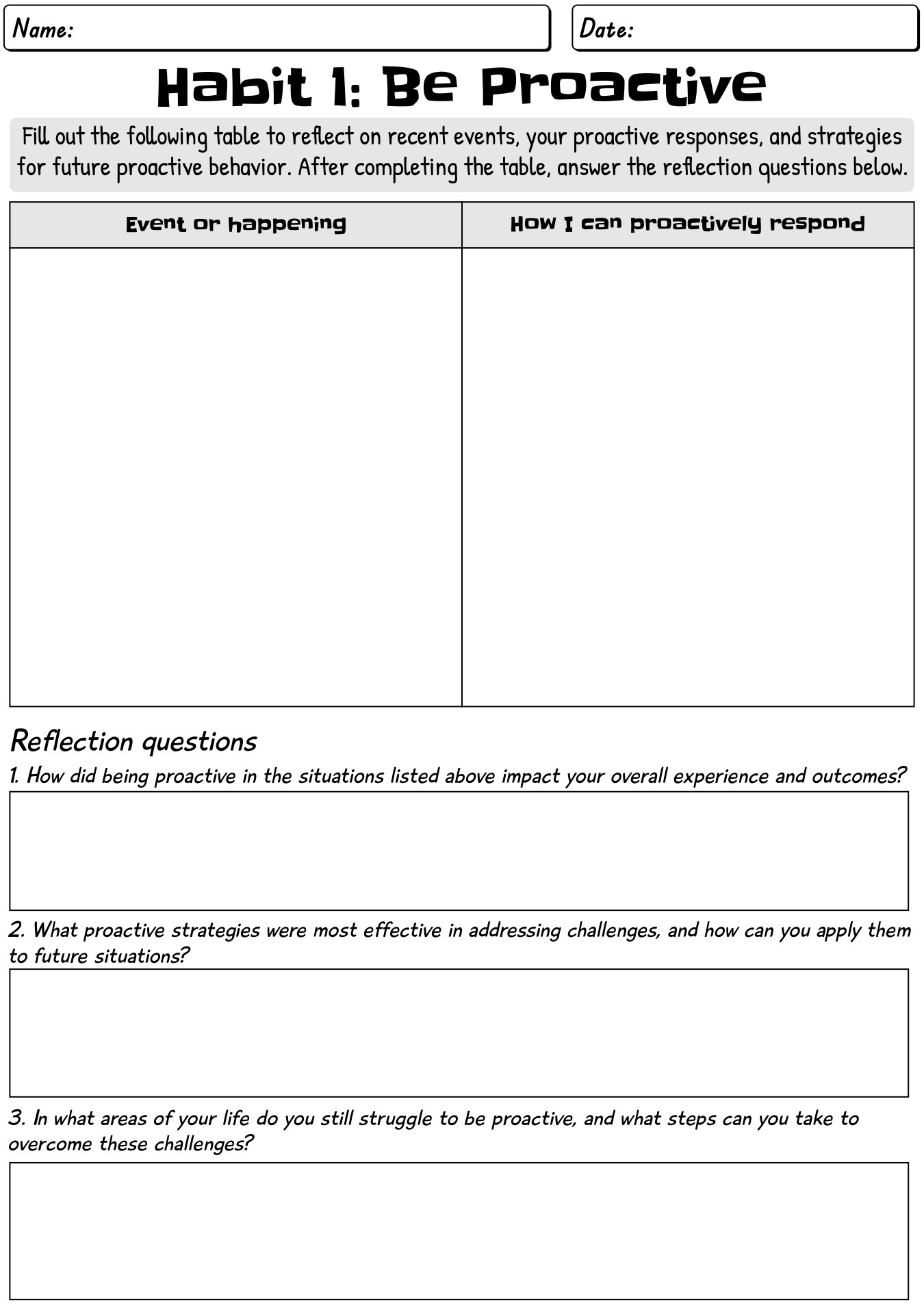
Habit 1: Be Proactive
Prompted questions guide users to identify reactive tendencies and replace them with proactive decision‑making. Examples include tracking situations where one felt trapped by circumstances and re‑framing them to highlight personal agency.
Habit 2: Begin With the End in Mind
This section encourages users to write a personal mission statement. By visualizing long‑term goals, readers can align daily actions with these larger objectives, ensuring that every task moves them closer to their envisioned future.
Habit 3: Put First Things First
Here the worksheet focuses on prioritization frameworks such as the Eisenhower Matrix. Users learn to distinguish urgent from important tasks and schedule their week accordingly.
Habit 4: Think Win‑Win
Conflict‑resolution scenarios help individuals practice empathy and collaborative problem‑solving. By analyzing past interactions, users can identify patterns and develop strategies for mutually beneficial outcomes.
Habit 5: Seek First to Understand, Then to Be Understood
Active listening exercises are included. Participants write reflections on recent conversations, noting where they listened versus where they spoke, and adjust future communication styles.
Habit 6: Synergize
Team‑based prompts explore how diverse strengths can create greater outcomes. Users can chart projects where collaboration succeeded or missed its potential due to silos.
Habit 7: Sharpen the Saw
Self‑renewal is dissected into physical, social‑emotional, mental, and spiritual dimensions. The worksheet provides a quarterly check‑in template, encouraging balanced personal development.
Integrating the 7 Habits Into Daily Life
Knowledge alone does not guarantee change. The 7 Habits Worksheet Pdf equips readers with actionable steps, but the real challenge is embedding these practices into routine habits. Below are proven strategies to make the 7 Habits a living part of everyday life.
- Morning Rituals – Start your day by reviewing the “Mission Statement” worksheet and selecting one habit to focus on.
- Weekly Planning – Use Habit 3’s prioritization template to create a to‑do list that reflects your core values.
- Reflection Time – End each day by filling in a brief section that asks: “What went well? What could I do better?”
- Accountability Partner – Share select worksheet entries with a friend or mentor for external feedback.
- Celebration Points – Mark achievements in your Progress Log to reinforce positive reinforcement.
Customizing Your Worksheet for Different Age Groups

Students and Teens
For younger audiences, simplify language and add visual cues like icons or color coding. Use real-life scenarios such as school projects or social media habits to make exercises relatable. A sample activity could be “Plan a group project using the Win‑Win approach,” encouraging teamwork skills.
Adults and Professionals
Incorporate workplace examples: managing deadlines (Habit 3), negotiating contracts (Habit 4), or fostering team innovation (Habit 6). Adding a quarterly “Sharpen the Saw” health check encourages balanced career and personal life management.
Senior Citizens
Focus on legacy creation (Habit 2), community involvement (Habit 4), and lifelong learning (Habit 5). Include prompts for memory retention exercises, such as daily journaling to keep cognitive functions sharp.
Common Mistakes and How to Avoid Them

Skipping the Reflection Section
Many users rush through the worksheets, neglecting the introspective prompts. Reflection is where the real change occurs. Allocate at least 10 minutes specifically for this portion and resist the temptation to skip it.
Overloading the Calendar
Attempting to tackle all seven habits at once can lead to burnout. Prioritize one habit per month, cycling through the list to ensure depth over breadth.
Ignoring the “Progress Log”
Without a consolidated log, progress becomes invisible. Treat this log as a personal dashboard. Update it consistently so you can see patterns and celebrate incremental wins.
Using the Worksheets as a Static Resource
The 7 Habits Worksheet Pdf is most powerful when revisited regularly. Re‑print pages, update goals, and modify prompts based on new challenges. Treat each worksheet as a living document rather than a one‑time assignment.
Success Stories and Practical Examples
Case Study 1: College Athlete
By applying Habit 3’s prioritization framework, the athlete balanced rigorous training schedules with academic commitments. After completing the worksheet, she reported a 25% improvement in time‑management scores on campus surveys.
Case Study 2: Small Business Owner
Utilizing Habit 6’s synergy prompts, the owner identified complementary skill sets among staff members. A collaborative project launched two weeks faster than previous initiatives, boosting monthly revenue by 15%.
Case Study 3: High School Teacher
Integrating the worksheet into classroom assignments encouraged students to set personal goals and reflect on progress. Over a semester, classroom engagement rose, with students reporting higher confidence in problem‑solving.
Tips for Educators and Parents

Facilitate Guided Discussions
After each worksheet completion, organize a group discussion where learners share insights. This peer feedback loop deepens understanding and reinforces social learning.
Provide Real‑World Scenarios
Incorporate role‑play activities that mirror worksheet prompts. For example, simulate a negotiation using the Win‑Win strategy to bring theoretical concepts into practice.
Encourage Creative Expression
Allow students to illustrate their mission statements or create visual timelines. By engaging different learning styles, you make the worksheet more accessible and memorable.
Track Long‑Term Growth
Maintain a class portfolio of completed worksheets. At the end of the academic year, review collective progress and identify which habits yielded the most transformative outcomes.
Conclusion

The 7 Habits Worksheet Pdf offers more than just a set of printables; it provides a structured pathway to personal and professional excellence. By engaging with each habit through thoughtful reflection, actionable planning, and consistent review, readers transform abstract principles into habits that shape character, relationships, and success. Whether you’re a student striving for academic balance, a professional seeking career acceleration, or a parent nurturing the next generation of thinkers, this worksheet framework invites you to put the 7 Habits into motion and witness lasting change.