7th Grade Grammar Worksheets are the secret sauce that turns a shy middle‑schooler into a confident communicator, and I’m here to show you why they deserve a starring role in any 7th‑grade English program. Whether you’re a teacher hunting fresh resources, a parent looking for supplemental practice, or a student eager to sharpen those language skills, the right worksheets can make abstract rules feel tangible, boost mastery, and keep motivation high. Let’s dive into the world of middle‑school grammar, explore what makes a worksheet truly effective, and uncover practical strategies that turn practice into progress.
Why 7th Grade Grammar Worksheets Matter

Grammar is the backbone of clear expression, and in seventh grade students transition from simple sentence structures to more complex, nuanced writing. Worksheets provide focused, repeatable practice that reinforces classroom instruction, allowing learners to internalize rules through active engagement rather than passive listening. They also serve as diagnostic tools—quickly highlighting strengths and gaps—so teachers can tailor lessons to meet each student where they are. For parents, worksheets become a structured way to extend learning beyond school hours without overwhelming the child, offering bite‑sized challenges that fit into a busy schedule.
Core Grammar Concepts Covered in 7th Grade Worksheets
Clauses and Sentence Types
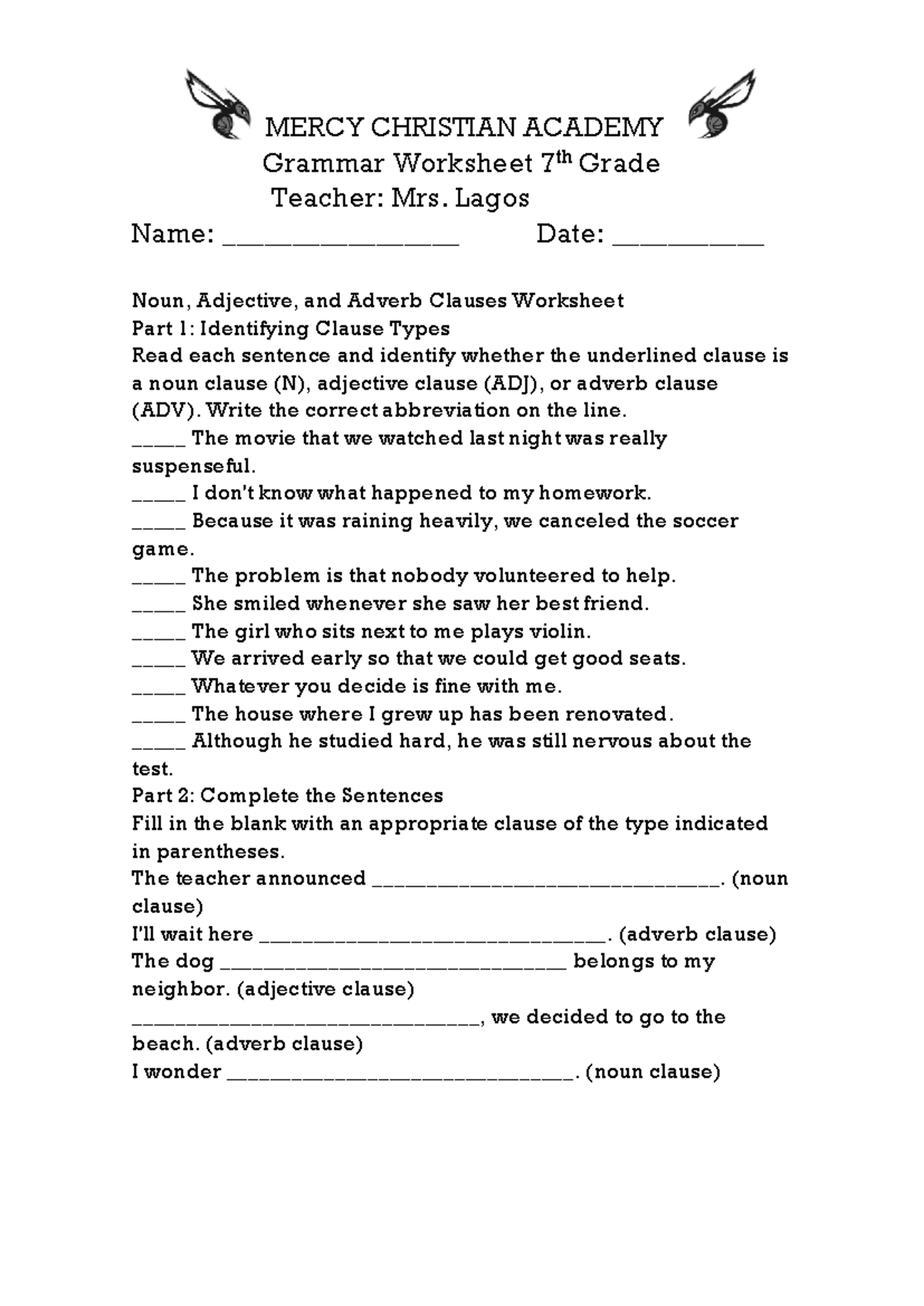
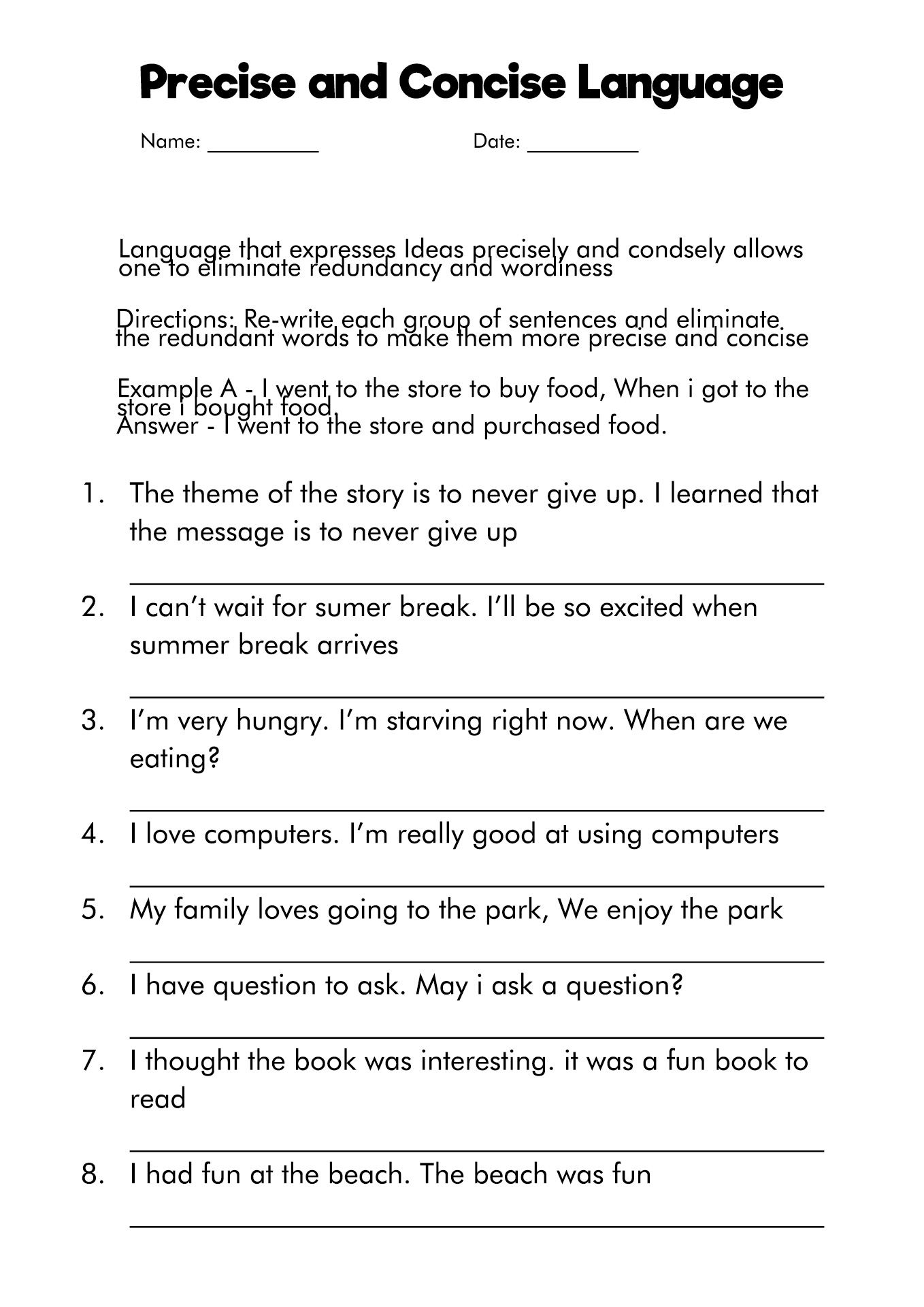
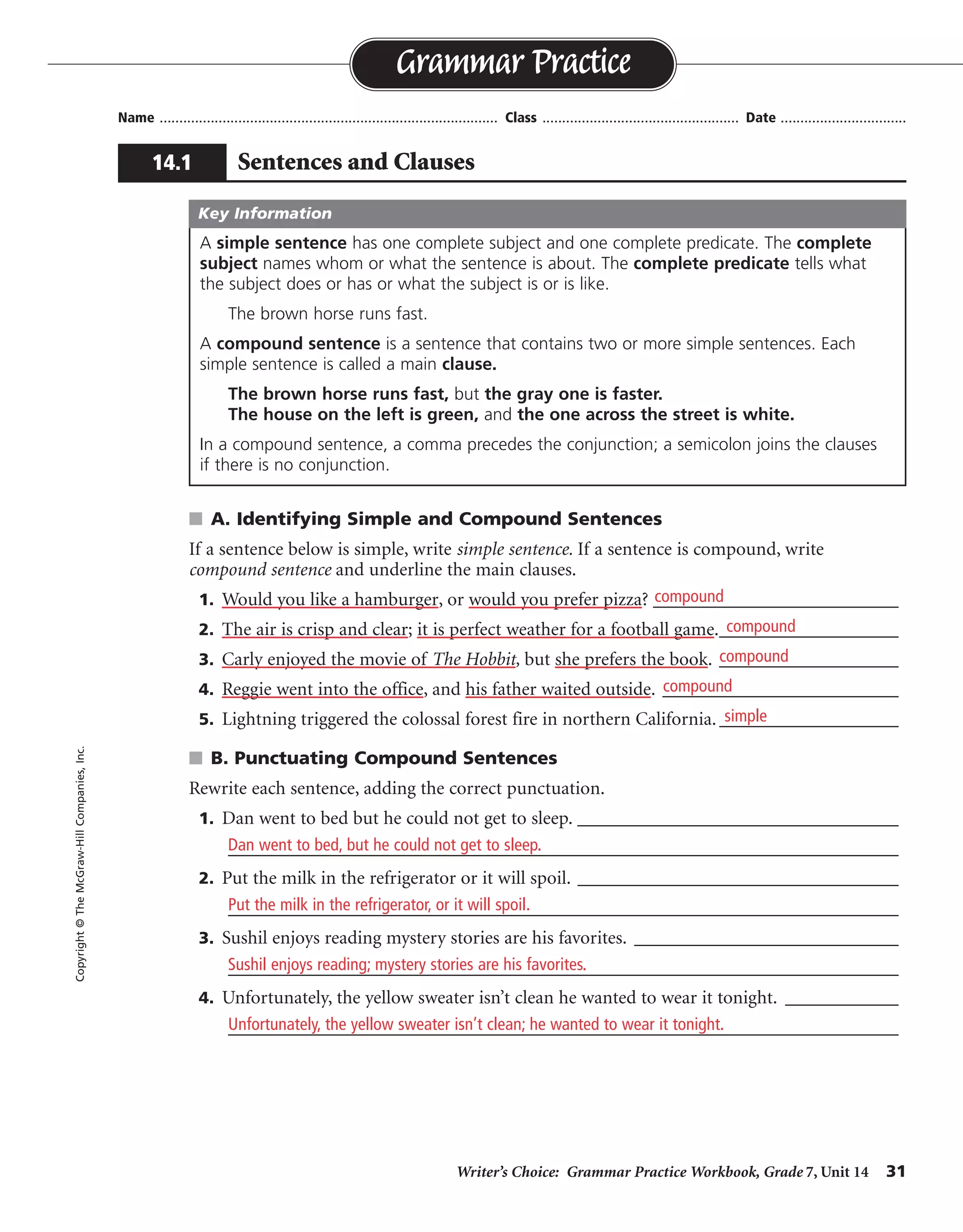
Understanding independent and dependent clauses is a cornerstone of 7th‑grade grammar. Worksheets often present mixed‑sentence exercises where students must identify the main clause, label subordinate clauses, and combine simple sentences into compound or complex forms. For example, a worksheet might ask: “Rewrite the following two simple sentences as a single complex sentence using a subordinating conjunction.” This not only reinforces conjunction usage (because, although, while) but also teaches students how to vary sentence length for better flow in their writing.
Phrases vs. Clauses
Distinguishing phrases from clauses can be tricky, yet it’s essential for avoiding run‑on sentences and fragment errors. Effective worksheets use side‑by‑side comparisons: a phrase column and a clause column, prompting students to sort examples correctly. Follow‑up tasks then ask learners to transform a phrase into a clause by adding a subject and verb, reinforcing the concept that a clause must contain a complete thought.
Parts of Speech Review
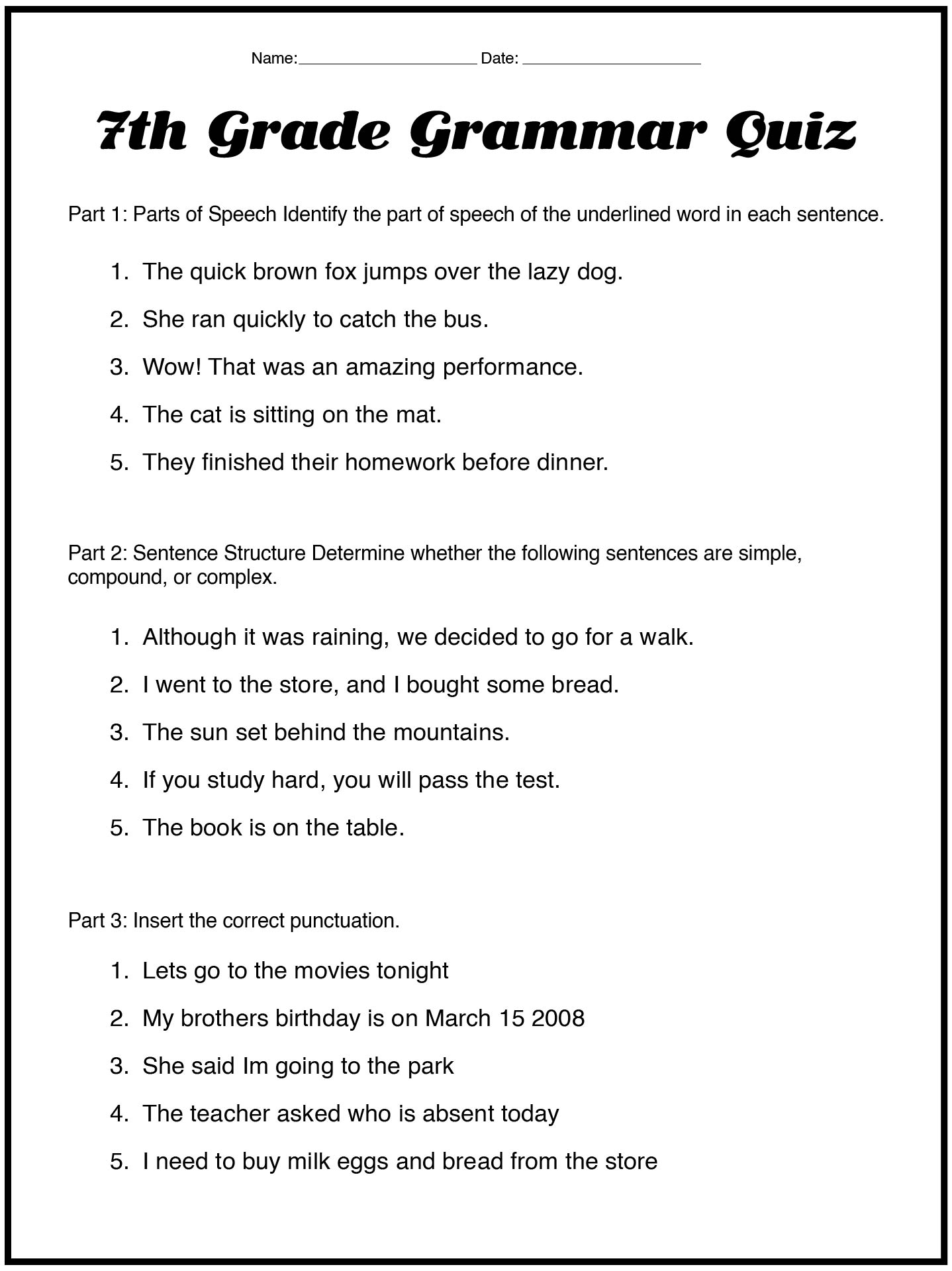
Even though students have encountered nouns, verbs, adjectives, and adverbs earlier, seventh grade deepens that knowledge with more nuanced categories like gerunds, infinitives, and collective nouns. Worksheets that feature fill‑in‑the‑blank sentences or sentence‑building activities help learners see how each part of speech functions within larger structures. A popular format includes a short paragraph with missing words labeled (noun, verb, adjective, etc.) encouraging students to select the most precise term, sharpening both grammar and vocabulary.
Choosing the Right Worksheet for Your Student

Selecting a worksheet isn’t just about finding a printable PDF; it’s about matching the resource to the learner’s current stage and the instructional goals. Consider the following criteria before committing to a particular set of exercises.
Assessing Skill Level
- Beginner: Worksheets with clear definitions, color‑coded examples, and one‑step questions help students grasp fundamentals without feeling overwhelmed.
- Intermediate: Include mixed‑practice sections that combine clauses, phrase identification, and parts‑of‑speech challenges in a single activity.
- Advanced: Offer multi‑sentence editing tasks where students must correct grammar, improve sentence variety, and enhance overall coherence.
Format and Accessibility
Some learners thrive with printable worksheets that they can physically annotate with highlighters and pens, while others prefer digital formats that offer instant feedback. Look for resources that provide both options: a printable version for offline practice and an interactive version that tracks progress, automatically checks answers, and offers hints. Accessibility features such as larger fonts, screen‑reader compatibility, and clear contrast are essential for students with visual or learning differences.
Alignment with Standards
Make sure the worksheets align with Common Core State Standards (CCSS) or your state’s curriculum guidelines. Worksheets labeled with standards codes (e.g., CCSS.ELA‑L.6.1) give teachers confidence that the material supports mandated learning outcomes, and they simplify lesson planning by providing ready‑made evidence of mastery for assessments.
How to Use Worksheets Effectively in the Classroom

Simply handing out a worksheet can turn it into a busy‑work exercise; the magic happens when it’s woven into a purposeful learning cycle. Below are three phases that maximize impact.
Pre‑Teaching Strategies
Before students tackle a worksheet, preview the target concept through a mini‑lecture, video, or interactive whiteboard demonstration. Use quick checks for understanding—such as a thumbs‑up/thumbs‑down poll or a short exit ticket—to gauge readiness. This primes students, reduces frustration, and ensures the worksheet serves as practice rather than first exposure.
Guided Practice
Work through the first few items together as a class. Model the thinking process aloud: “I’m looking for the subject and verb to determine if this is an independent clause.” Encourage students to share their reasoning, fostering a collaborative environment where misconceptions are corrected in real time.
Independent Work and Assessment
After guided practice, assign the remaining worksheet items for independent completion. Collect them for formative assessment, using a simple rubric that tracks accuracy, completeness, and the ability to explain reasoning. Provide targeted feedback—highlighting both correct strategies and areas needing reinforcement—so students can reflect and improve before the next lesson.
Integrating Technology and Interactive Elements

Modern classrooms thrive on blended learning, and digital worksheets can add a dynamic layer to traditional practice. Here’s how to blend tech without losing the tactile benefits of paper.
Digital Platforms and Printable Hybrids
Many educational websites allow teachers to generate custom worksheets that can be printed or completed online. Use the online mode for instant grading and data analytics, then print a clean version for students who prefer writing by hand. This hybrid approach caters to diverse learning preferences and provides a backup in case of technical glitches.
Gamified Grammar Practice
Transform worksheet tasks into games—think “Grammar Bingo” where each square contains a clause‑identification challenge, or “Escape Room” puzzles that require solving a series of grammar riddles to unlock the next clue. Gamification raises engagement, encourages friendly competition, and reinforces concepts through repeated exposure in a low‑stress setting.
Real‑World Applications: Making Grammar Relevant

Students often wonder why they need to master clauses or verb tenses. Connecting worksheets to authentic tasks bridges that gap.
Writing for Social Media
Ask students to draft a short Instagram caption or a tweet, then use a worksheet to identify any run‑on sentences, passive voice, or misplaced modifiers. This exercise demonstrates how proper grammar enhances clarity even in 280‑character bursts, reinforcing that good writing isn’t limited to essays.
Preparing for Standardized Tests
Many state assessments include passages followed by grammar questions. Use worksheets that mimic the format of these items—multiple‑choice, error‑identification, and sentence‑revision tasks—to build test‑taking stamina. Include timed practice sections to help students manage pacing, a crucial skill for high‑stakes exams.
Tips for Parents Supporting Grammar Mastery at Home
Parents play a pivotal role in reinforcing classroom learning, and a well‑structured home routine can make grammar practice feel natural rather than a chore.
Creating a Grammar Corner
Designate a quiet, distraction‑free space stocked with worksheets, colored pens, a dictionary, and a grammar reference chart. A consistent location signals to the student that it’s time for focused work, and the visual cues keep resources within arm’s reach.
Daily Mini‑Quizzes
Short, daily quizzes—five to ten questions—keep skills sharp without overwhelming the child. Rotate topics (clauses one day, adjectives the next) to ensure comprehensive coverage. Review answers together, discussing why a particular choice is correct, which reinforces metacognitive awareness.
Encouraging Self‑Correction
Teach students to use a simple editing checklist after completing a worksheet: “Did I identify all independent clauses? Did I replace any passive verbs?” This habit builds independence and mirrors the revision process they’ll use in larger writing projects.
Conclusion

In the whirlwind of middle‑school curricula, 7th Grade Grammar Worksheets stand out as versatile, evidence‑based tools that transform abstract rules into concrete skills. By selecting resources that align with standards, match skill levels, and offer both printable and digital options, educators and parents can create a supportive ecosystem for grammar mastery. Pairing worksheets with purposeful pre‑teaching, guided practice, and real‑world applications ensures that students not only ace classroom quizzes but also become confident writers in everyday life. Embrace the power of well‑crafted worksheets, and watch your seventh‑graders flourish as articulate, thoughtful communicators.