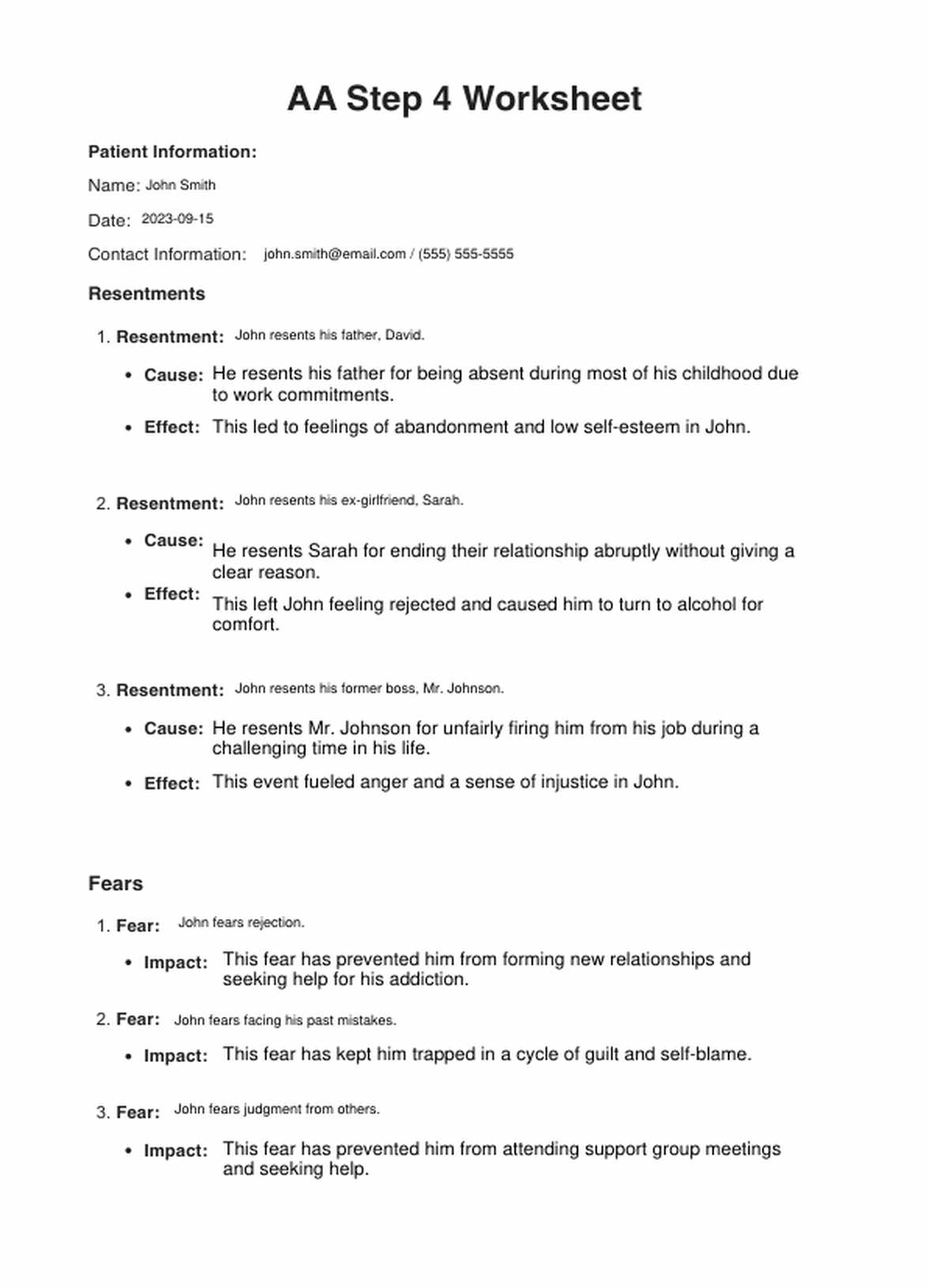
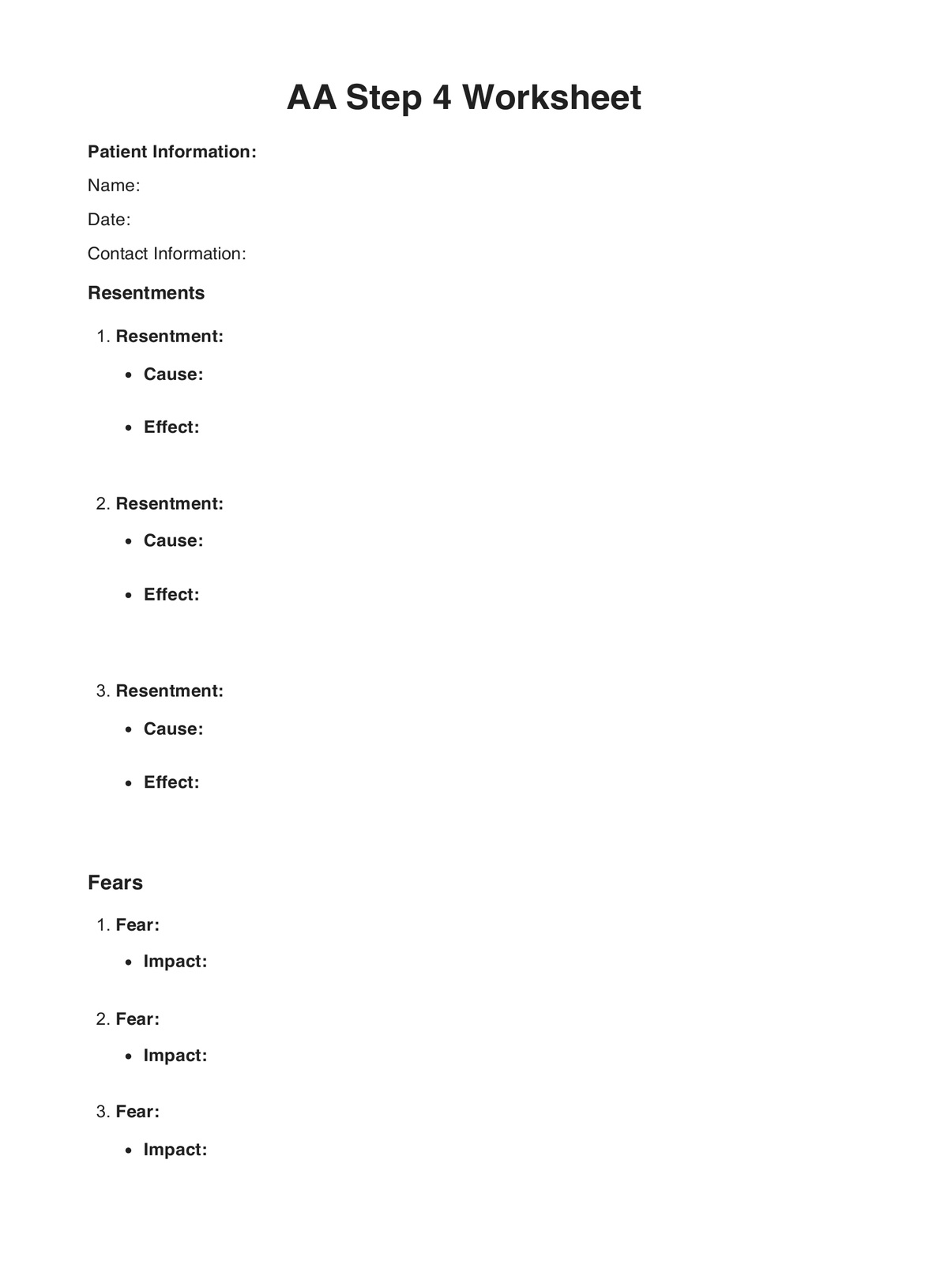
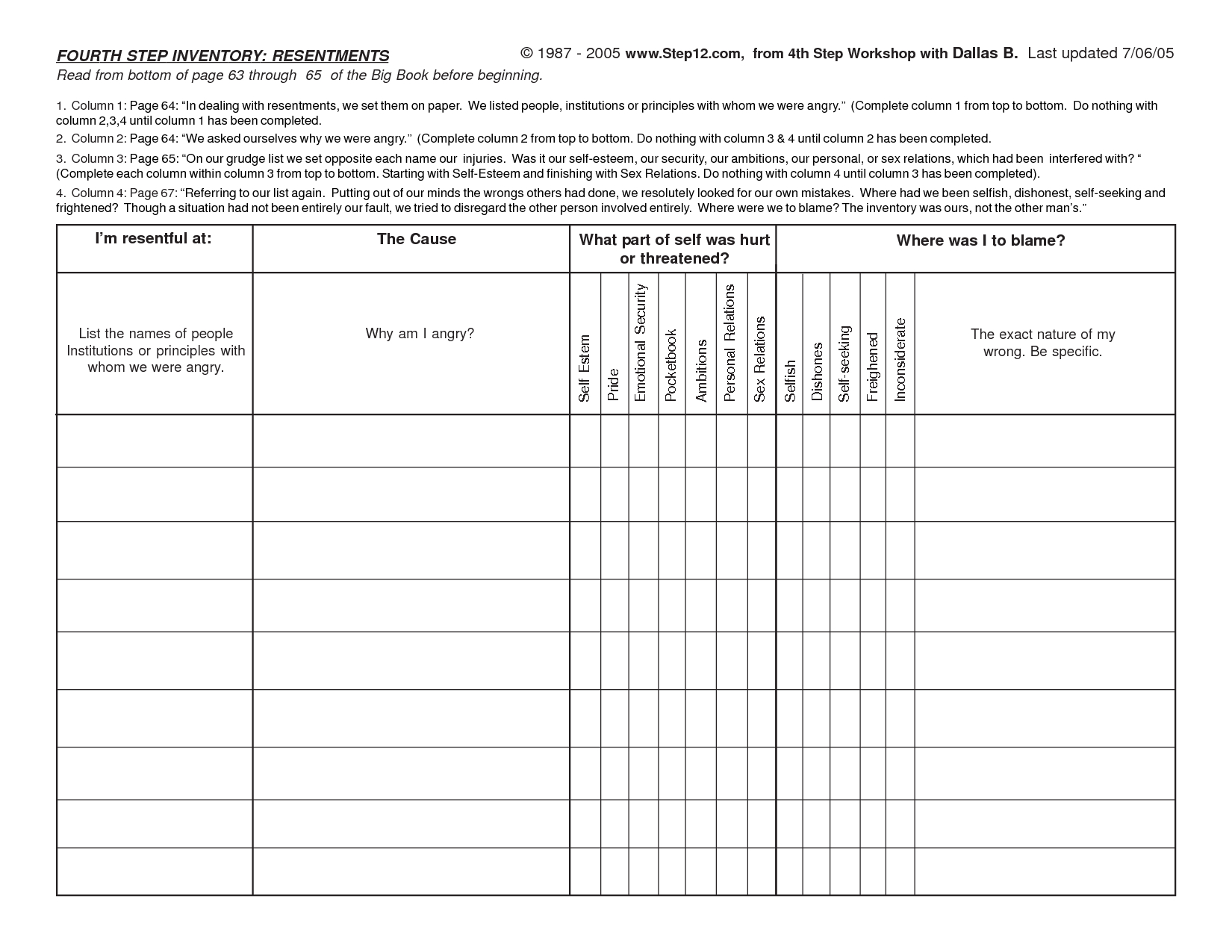
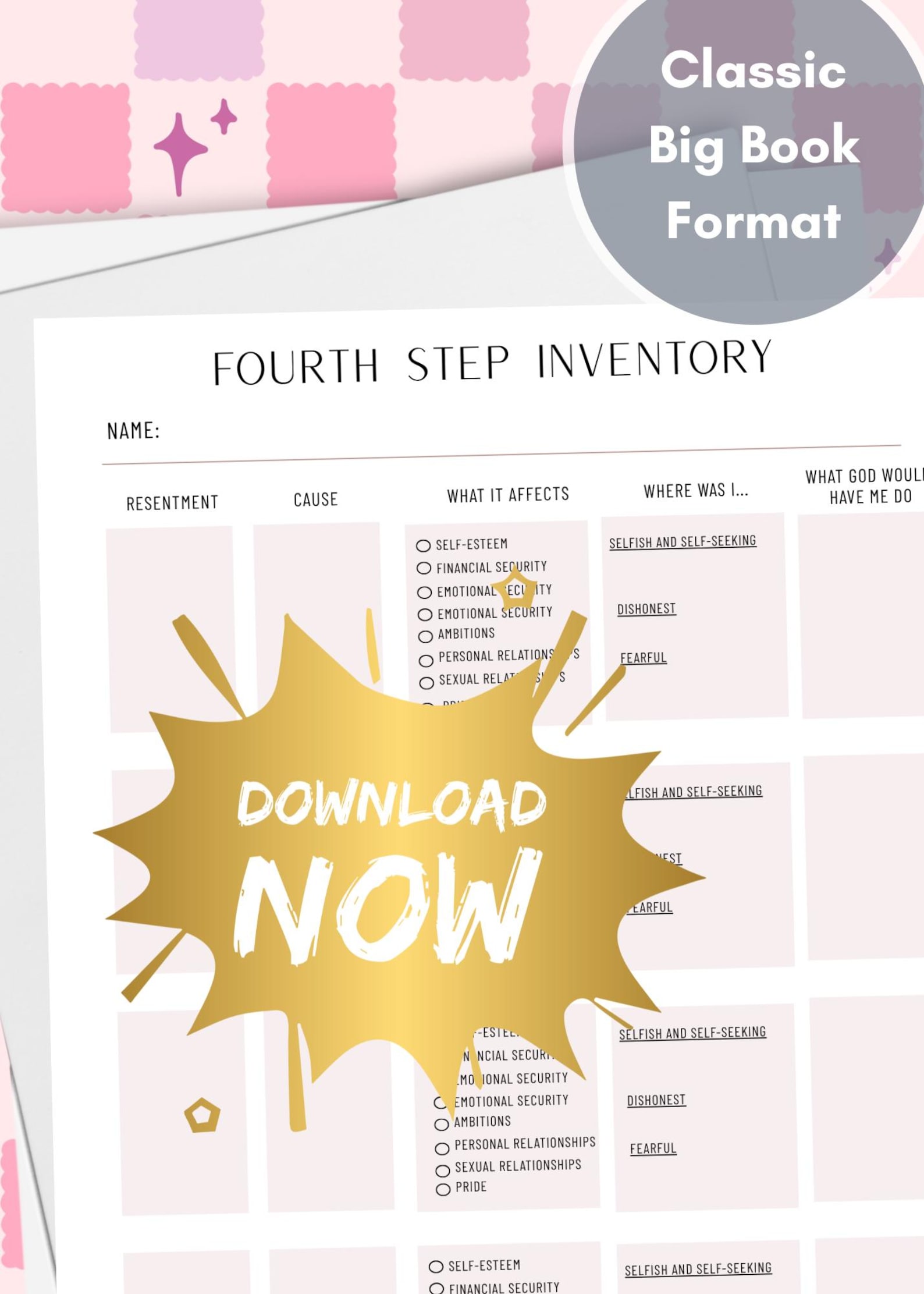
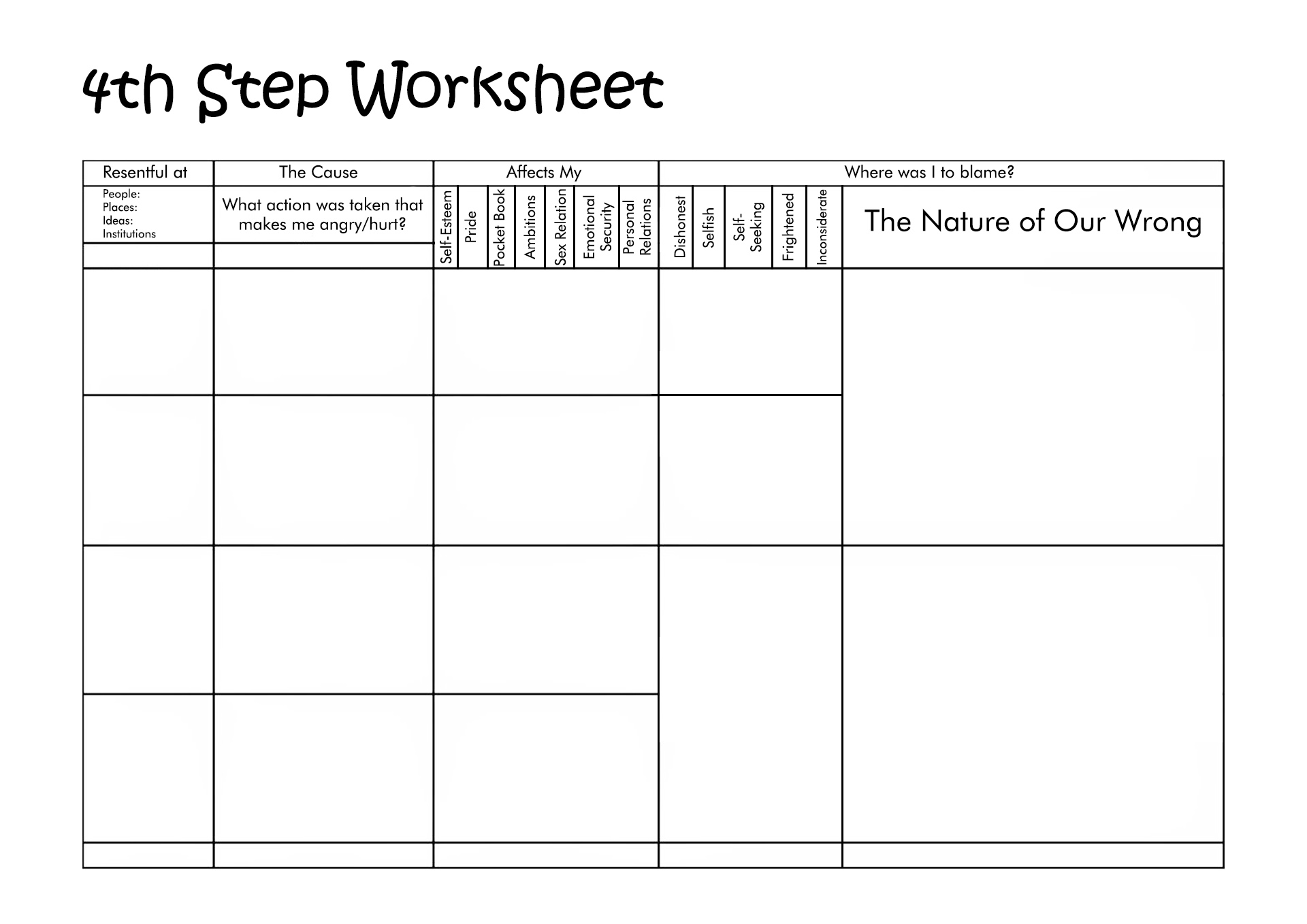
Aa 4th Step Worksheet serves as a compassionate compass for anyone navigating the daunting terrain of personal inventory, especially when viewed through the gentle lens of Asian philosophy that values introspection, balance, and harmony.
Understanding the Essence of Step Four
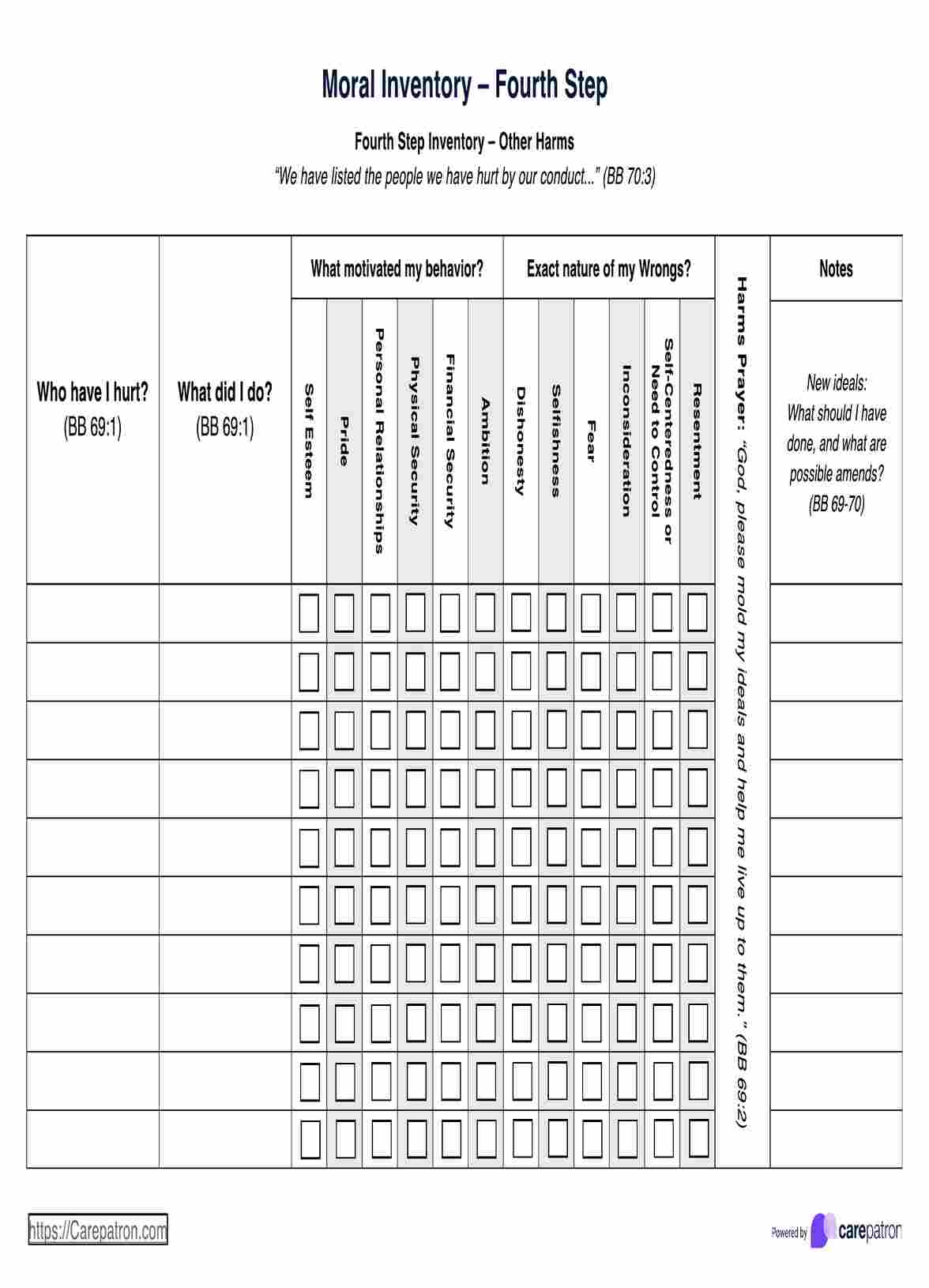
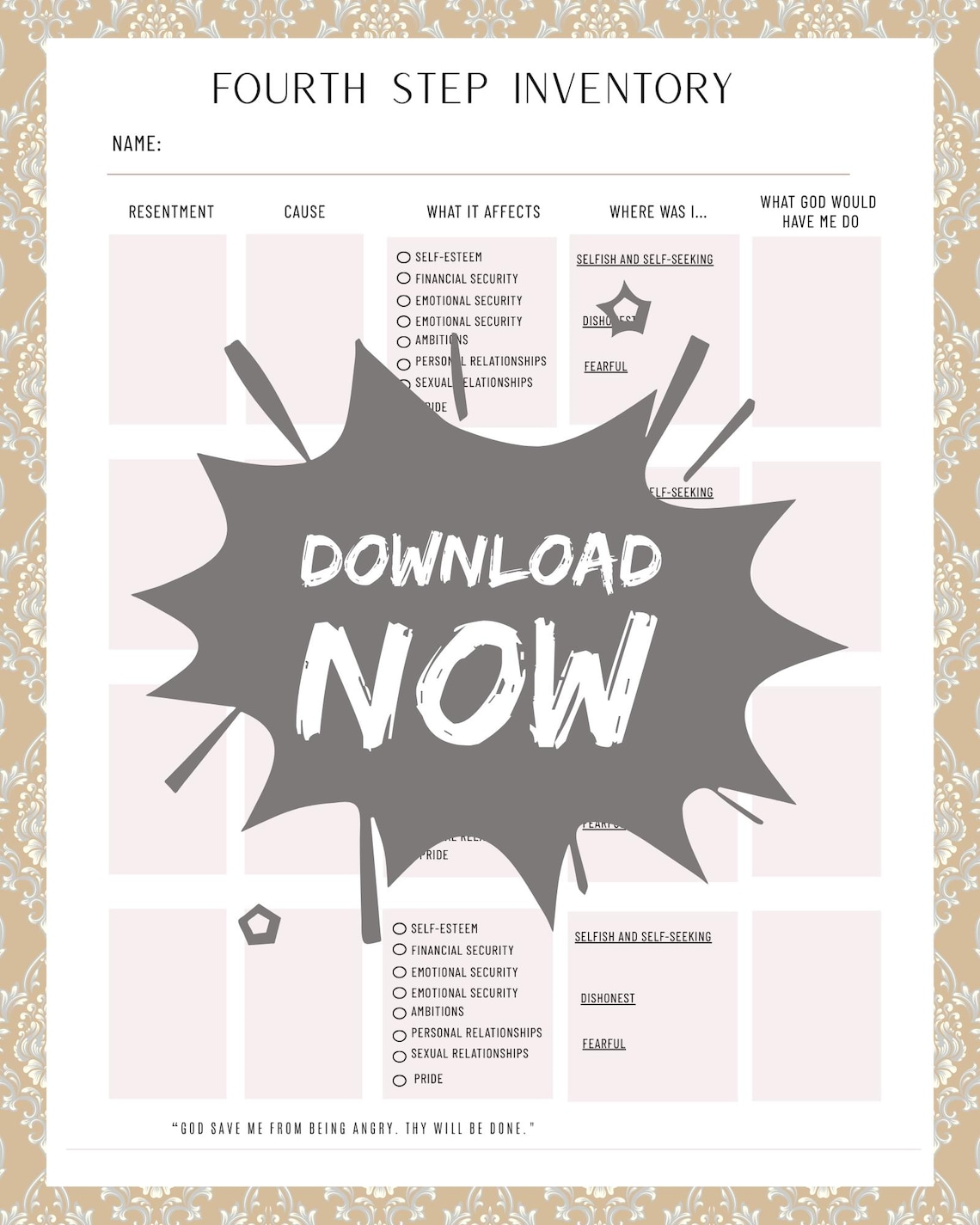
Step Four invites members of Alcoholics Anonymous to conduct a fearless moral inventory, a practice that mirrors the ancient Asian tradition of self‑examination found in Zen meditation and Confucian self‑cultivation. This step is not a punitive audit but a nurturing process that uncovers hidden patterns, resentments, and fears that fuel addictive behavior. By recording thoughts in a structured worksheet, individuals create a tangible map of their inner landscape, making abstract emotions concrete and actionable.
Why a Worksheet Matters
A worksheet provides a safe container—much like a tea bowl holds water—for the swirling thoughts that arise during introspection. It prevents the mind from becoming overwhelmed, allowing the practitioner to sort, prioritize, and reflect with clarity. The printed format also encourages consistency, a principle cherished in Asian arts where repetition builds mastery.
Key Components of an Effective Aa 4th Step Worksheet
Every well‑designed worksheet balances simplicity with depth, offering sections that guide users through a systematic review of their lives. Below are the essential elements to look for or include when creating your own version.
Personal Information Header
Date and Time: Marking when the inventory begins helps track progress over weeks and months.
Name or Alias: Using an alias can provide anonymity while still personalizing the process.
Location: Noting the setting (e.g., home, park) can reveal environmental triggers.
Categories of Examination
Traditional worksheets divide the inventory into four primary categories, each resonating with an aspect of Asian holistic health: body, mind, heart, and spirit.
Resentments: Identify people, institutions, or circumstances that have caused anger.
Fears: List anxieties that dictate behavior, such as fear of failure or loss.
Sexual Conduct: Reflect on relationships and intimacy, recognizing any misuse of power.
Wrongdoings: Acknowledge actions that conflict with personal values.
Prompt Questions
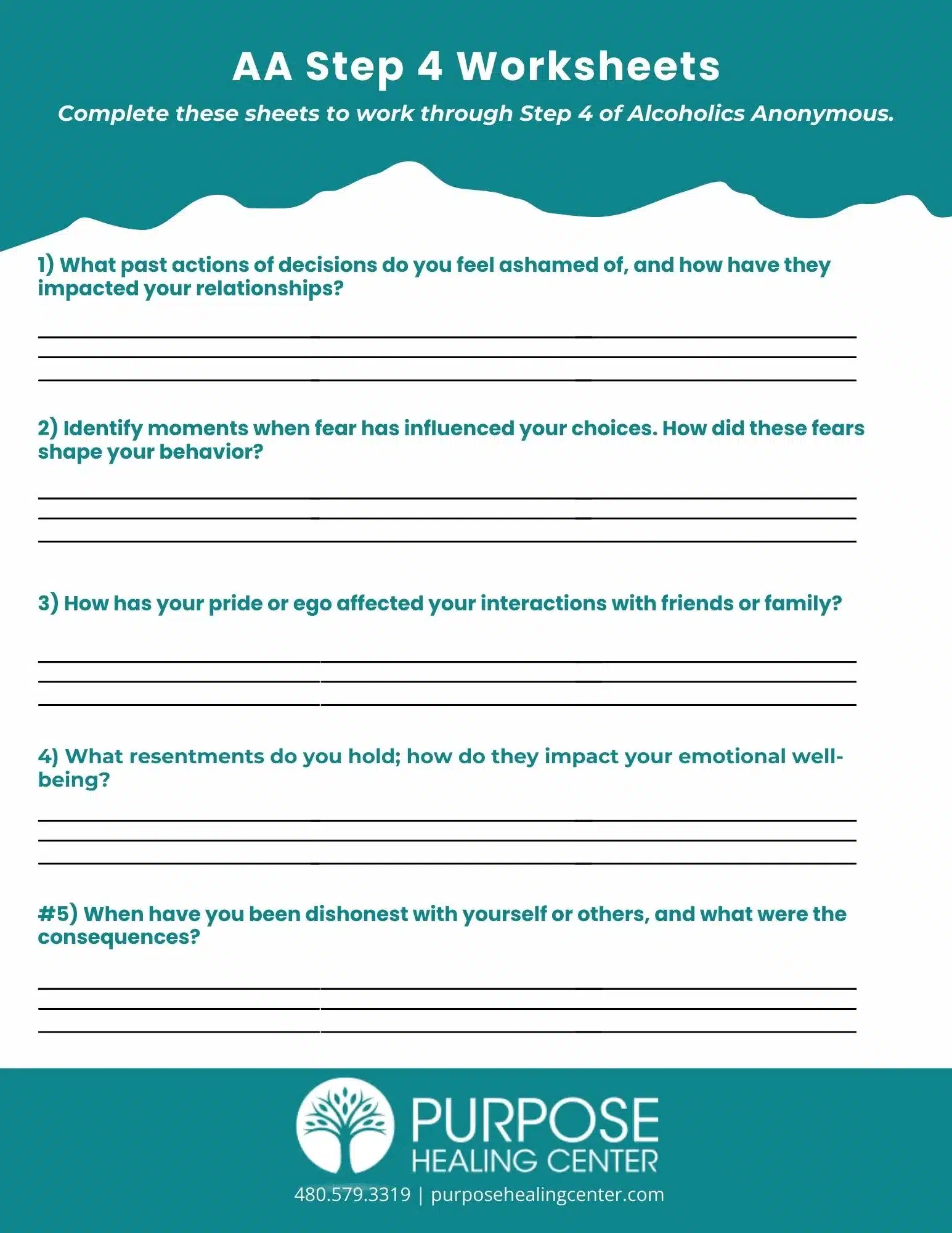
Each category includes targeted prompts that coax deeper insight, for example:
Who did I resent, and why?
What fear kept me from speaking my truth?
How did my actions affect others?
What pattern repeats across different relationships?
Space for Emotional Rating
Borrowing from the Asian practice of “mindfulness scales,” assign a rating (1‑10) to each entry to gauge intensity. This quantifiable element helps prioritize which issues need immediate attention in later steps.
How to Use the Worksheet Effectively
Simply filling in the blanks is not enough; the worksheet becomes a powerful tool when paired with disciplined habits and cultural wisdom. Below are step‑by‑step guidelines to maximize its impact.
Prepare a Calm Environment
Choose a quiet space reminiscent of a Japanese tea garden—soft lighting, minimal distractions, perhaps a gentle instrumental track. Light a incense stick or burn a sage bundle to signal the start of a sacred practice. This ritual frames the inventory as a mindful session rather than a chore.
Set a Timer for Focused Work
Allocate 45‑60 minutes, mirroring the length of a traditional meditation sitting. Use a gentle timer sound to mark the beginning and end, ensuring you remain present without over‑extending.
Start with Breath Awareness
Before opening the worksheet, spend three minutes breathing deeply, inhaling through the nose and exhaling through the mouth. This simple practice steadies the nervous system, allowing honest thoughts to surface without the interference of anxiety.
Complete Each Section Sequentially
Begin with resentments, then move to fears, sexual conduct, and finally wrongdoings. This order follows the principle of “starting with the surface and moving inward,” akin to peeling an onion or peeling back layers of a lotus bud.
Write in Full Sentences
Rather than bullet points, craft complete sentences. This encourages a narrative flow, making it easier to identify underlying themes later. For instance, instead of “John – rude,” write, “I felt angry when John dismissed my ideas during the meeting because it reminded me of past experiences where my voice was ignored.”
Reflect on Patterns
After completing each category, scan for recurring words or emotions. Highlight them with a different color, similar to how calligraphers emphasize key strokes. These patterns often point to core beliefs that require deeper healing.
Incorporate Asian Wisdom
Integrate proverbs or teachings that resonate with each entry. For example, after noting a resentment towards a boss, you might write, “Like bamboo bending in a storm, I can learn to flex without breaking.” This fusion of cultural insight with personal reflection deepens the therapeutic effect.
Real‑World Examples: Bringing the Worksheet to Life
Seeing how others have applied the Aa 4th Step Worksheet can inspire confidence and provide practical templates. Below are three anonymized case studies that illustrate diverse journeys.
Case Study: Mei’s Journey from Family Conflict
Mei, a second‑generation Asian‑American, struggled with resentment toward her parents for imposing strict academic expectations. Using the worksheet, she listed specific incidents, rated each resentment at an 8, and wrote, “I fear I will never be enough.” By recognizing this fear, Mei could discuss her feelings with a sponsor, eventually establishing healthier boundaries while honoring her cultural values of filial respect.
Case Study: Raj’s Encounter with Financial Fear
Raj, a tech professional, identified a deep‑seated fear of financial instability stemming from his family’s experience during an economic downturn. He noted the fear’s rating as 9 and connected it to his excessive drinking after work. By confronting the fear on paper, Raj was able to seek financial counseling and replace drinking with mindful budgeting, aligning with the Asian principle of “balance in all things.”
Case Study: Aisha’s Reflection on Intimacy
Aisha recorded moments where she used intimacy as a means to gain approval, rating each incident at a 7. She paired each entry with a Taoist concept: “When I seek validation through others, I lose my true self.” This insight prompted her to join a support group focused on healthy relationships, where she practiced setting clear intentions and cultivating self‑love.
Integrating the Worksheet with Subsequent Steps
Step Four is a foundational pillar that supports the later stages of the AA program. Understanding how the worksheet feeds into Steps Five through Twelve ensures a seamless recovery journey.
Transition to Step Five: Admission
After completing the inventory, review the highlighted patterns and write a concise confession to oneself or a trusted sponsor. This mirrors the Asian practice of “Journaling the Heart,” where truth is laid bare on paper before sharing verbally.
Step Six and Seven: Ready for Change
The worksheet’s emotional ratings serve as a roadmap for where change is most urgent. Prioritize items with the highest scores when creating an action plan, much like a gardener focuses first on the weeds that threaten the health of a bonsai.
Step Eight and Nine: Making Amends
Entries that involve wrongdoings or hurts to others become the basis for amends. Use the worksheet’s details to craft sincere apologies, echoing the Asian virtue of “saving face” through genuine restitution.
Step Ten: Ongoing Inventory
Step Four’s worksheet transforms into a living document, revisited weekly to monitor progress. By continuously updating the inventory, practitioners embody the Buddhist principle of “impermanence,” acknowledging that growth is an ever‑evolving process.
Tips for Maintaining Momentum
Even with a robust worksheet, staying engaged can be challenging. Below are culturally resonant strategies to keep the practice alive.
Schedule Regular Review Sessions
Set a recurring calendar reminder, perhaps aligned with a lunar phase or a cultural festival, to revisit the worksheet. The rhythmic nature of festivals can act as a natural checkpoint for reflection.
Pair with a Accountability Partner
Choose a sponsor or a trusted friend who values the same Asian principles of honor and mutual support. Share selected excerpts, discuss insights, and receive gentle feedback.
Use Symbolic Tools
Incorporate a small object—such as a jade stone or a prayer beads string—during the inventory session. The tactile element reinforces the seriousness of the commitment, similar to how monks hold a mala while chanting.
Celebrate Small Wins
When a high‑rated resentment is resolved, mark the accomplishment with a bright sticker or a short celebratory note. This mirrors the Asian custom of acknowledging milestones, like placing a new lantern for each successful month of sobriety.
Conclusion: Embracing the Journey with Grace
The Aa 4th Step Worksheet is more than a form; it is a bridge between Western recovery methodology and timeless Asian wisdom. By approaching the inventory with mindfulness, cultural respect, and actionable structure, individuals can uncover hidden drivers of addiction, transform resentments into growth, and lay a sturdy foundation for lasting sobriety. The worksheet invites you to sit quietly, breathe deeply, and write honestly—just as a Zen master would sit in silence, observing the mind’s currents. As you progress through the steps, let this practice become a trusted companion, guiding you toward balance, harmony, and a life free from the grip of addiction.
Step 4 Aa Worksheet serves as a pivotal tool for members striving to confront and understand the nature of their addiction, shame, and self. By guiding individuals through a series of reflective prompts, this worksheet encourages honesty, accountability, and the development of healthier habits, all within the supportive framework of Alcoholics Anonymous. Below, we explore...