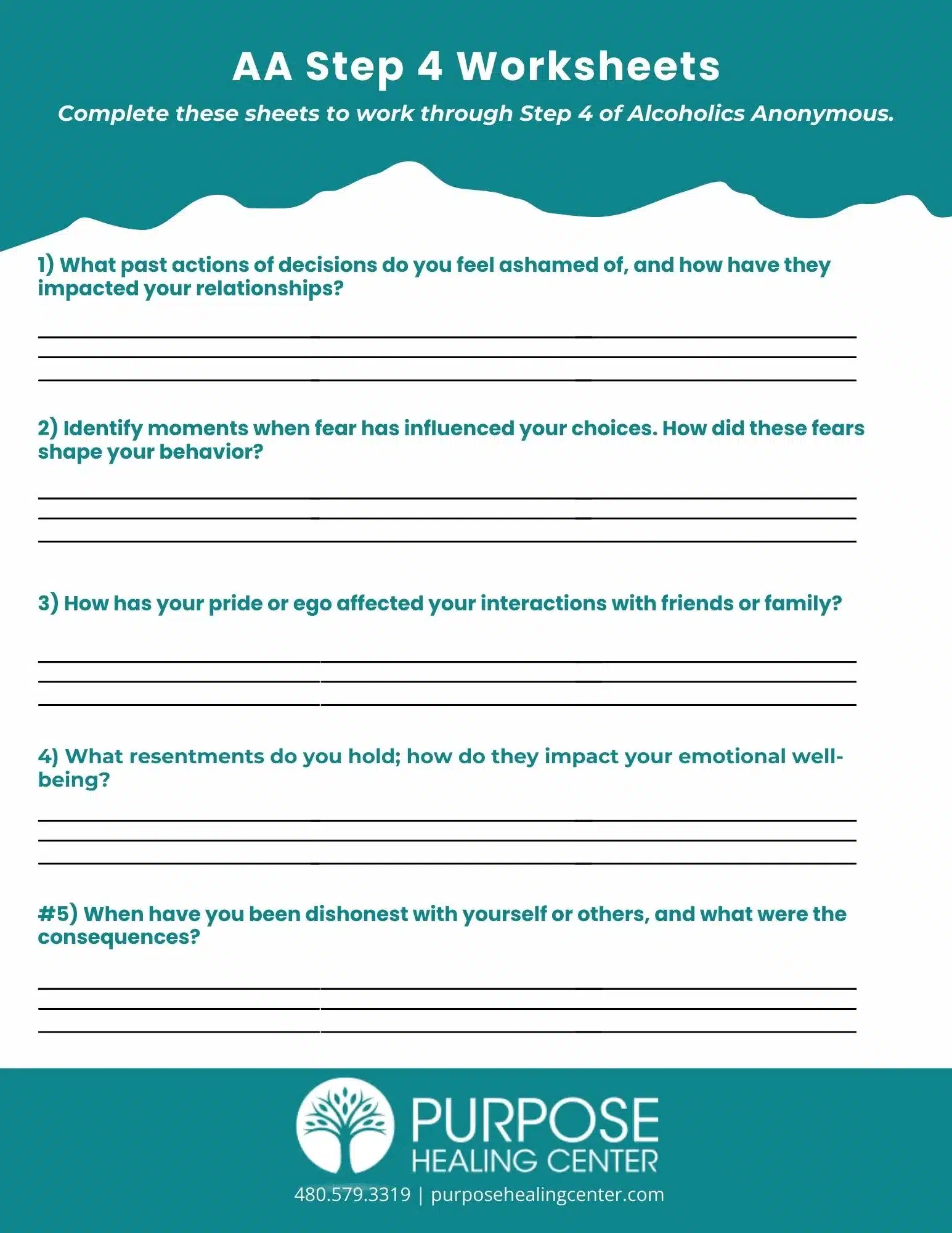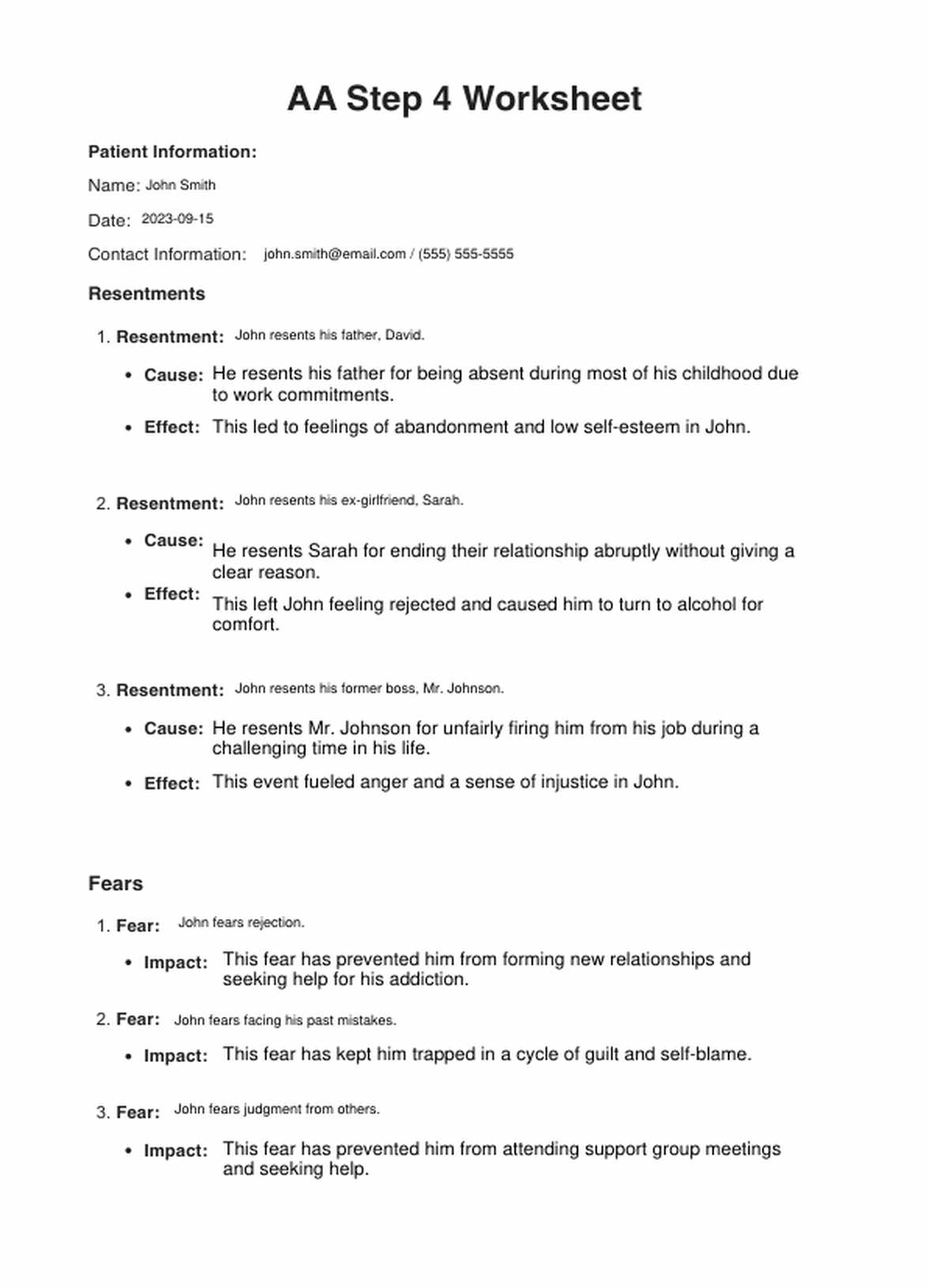
Aa Step 4 Worksheet is more than just a printable sheet; it is a strategic tool that bridges the gap between early letter recognition and fluent reading for young learners. In today’s fast‑paced educational environment, teachers and parents alike are searching for resources that are both engaging and pedagogically sound. This worksheet delivers on both fronts by combining visual appeal, hands‑on activities, and targeted phonemic practice that aligns with Common Core standards. Whether you are planning a whole‑class lesson, a small‑group intervention, or a home learning session, the Aa Step 4 Worksheet provides a versatile framework that can be adapted to suit a variety of instructional goals and learner needs.
Understanding the Purpose of Aa Step 4 Worksheet
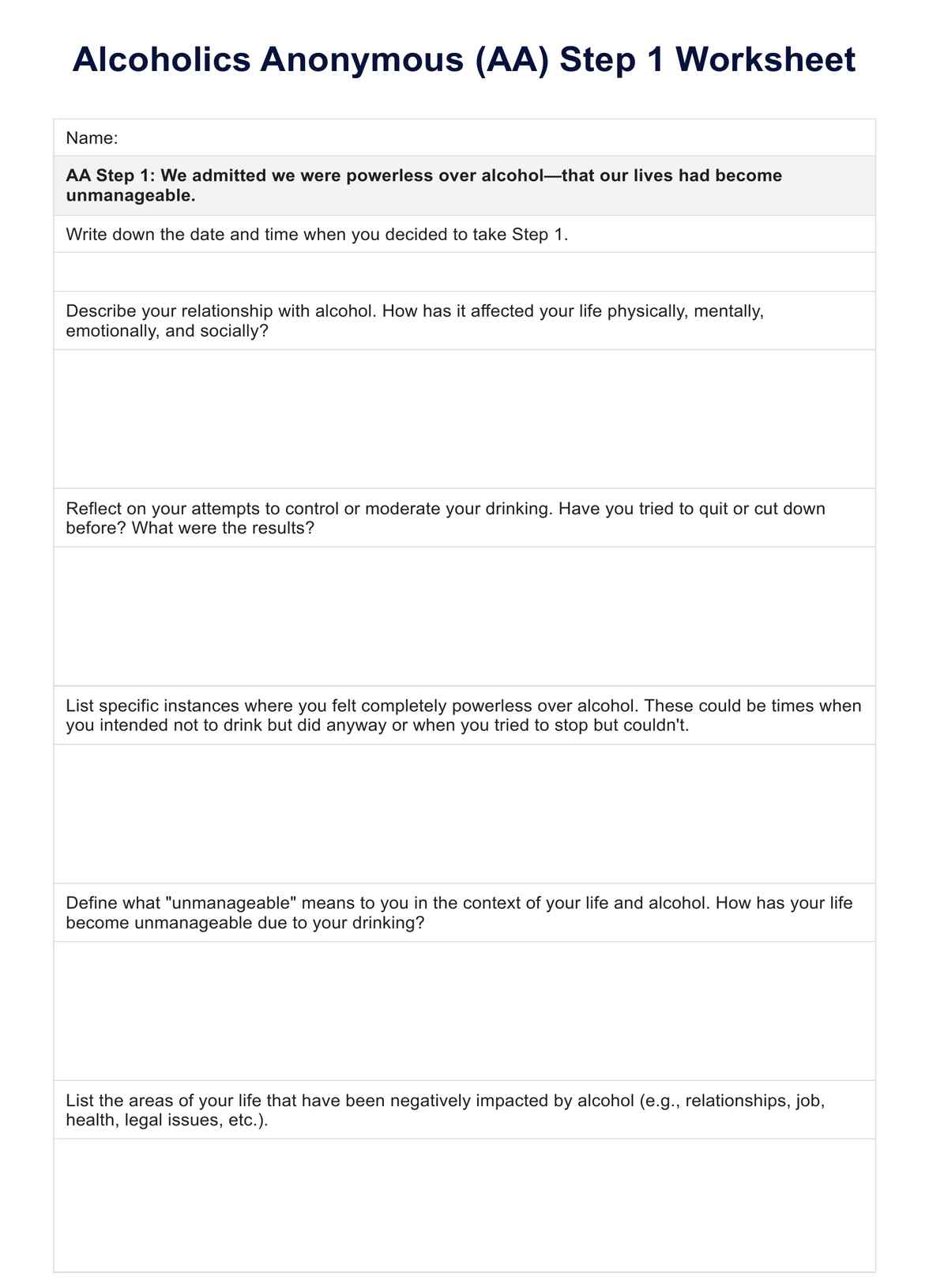
Why it matters for early learners
Early literacy hinges on the mastery of letter–sound relationships, and the Aa Step 4 Worksheet focuses specifically on the lowercase “a” and its associated phoneme. By reinforcing this single letter across multiple contexts—visual identification, tracing, and sound production—students build neural pathways that support long‑term retention. The worksheet’s repetitive yet varied activities keep children motivated, preventing the monotony that can arise from isolated flashcards or rote drills.
Curriculum alignment
The worksheet is deliberately designed to align with kindergarten and first‑grade standards for phonics, print concepts, and fine‑motor development. It satisfies objectives such as “recognize and name all upper‑ and lowercase letters of the alphabet” and “demonstrate understanding of the relationship between letters and sounds.” By integrating these standards, educators can seamlessly incorporate the worksheet into lesson plans without additional paperwork.
Key Components of an Effective Aa Step 4 Worksheet
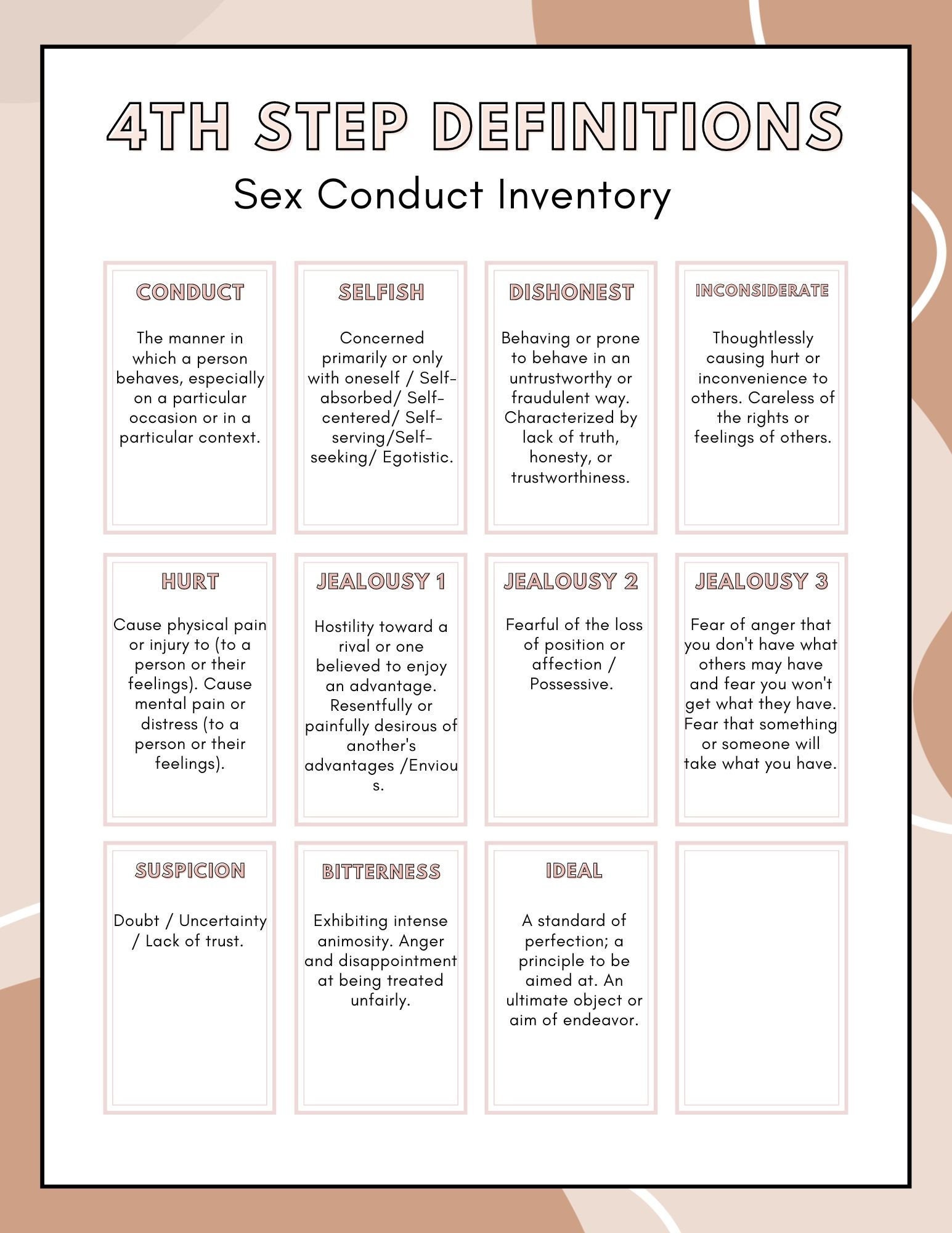
Letter recognition
At the core of the worksheet is a bold, high‑contrast illustration of the lowercase “a.” The large font size and clear spacing help students quickly locate the target letter among distractors. A secondary activity asks learners to circle every “a” in a short word list, reinforcing visual discrimination skills.
Phonemic awareness
Sound production is tackled through a two‑step process. First, children listen to a teacher or audio clip pronouncing the /æ/ sound. Then they practice saying the sound while tracing the letter, linking auditory input with kinesthetic movement. This multimodal approach deepens phonemic awareness and supports students who may struggle with purely auditory instruction.
Fine motor practice
Tracing lines, drawing arrows, and connecting dots are embedded throughout the worksheet to develop pencil grip, hand‑eye coordination, and muscle memory. Each tracing activity gradually reduces the amount of visual guidance, encouraging independence as the student’s motor skills improve.
How to Use the Aa Step 4 Worksheet in the Classroom
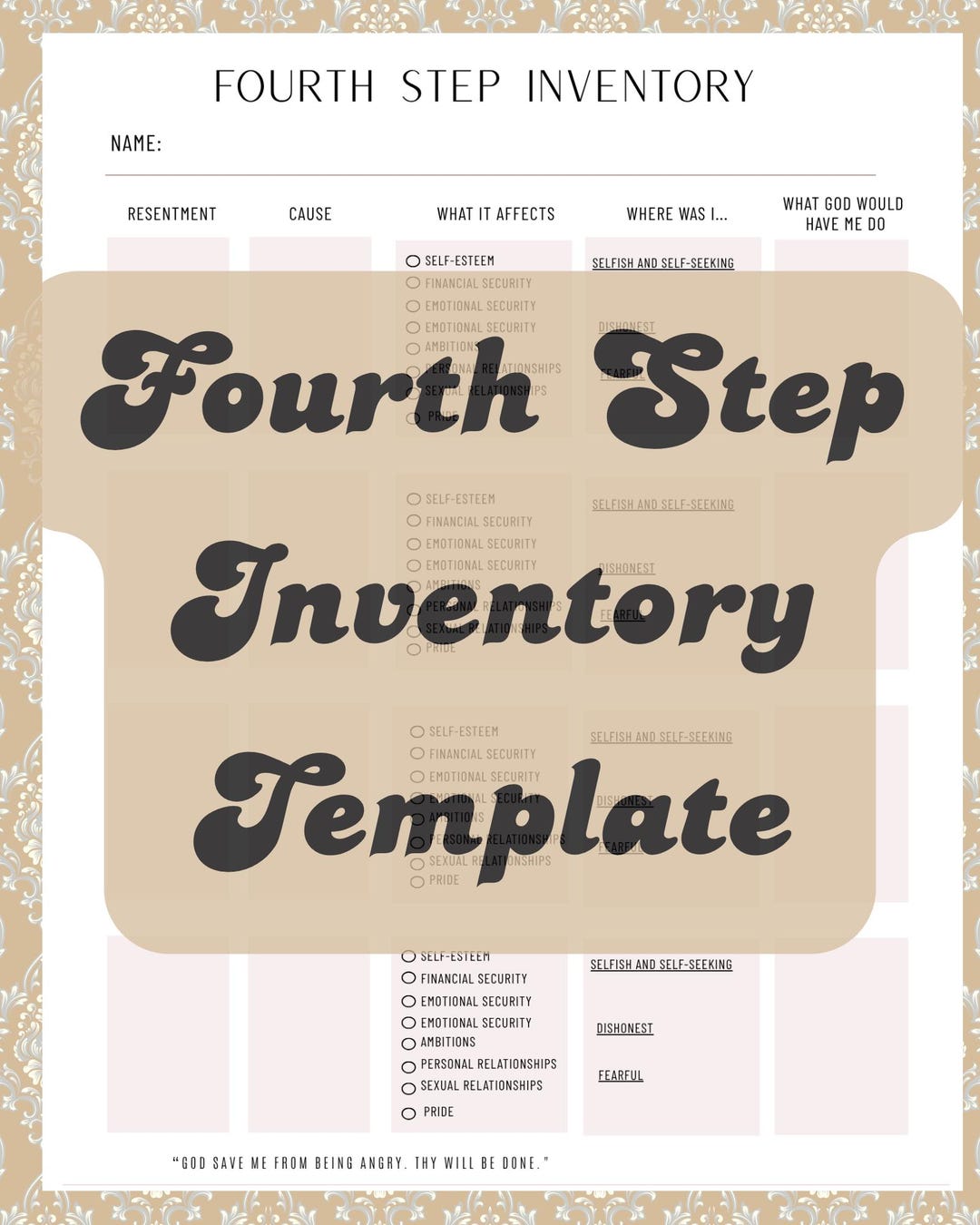
Preparation and setup
Before the lesson begins, print the worksheet on sturdy paper or laminate it for repeated use. Arrange a writing tray with pencils, crayons, and erasers within easy reach. If you have a digital whiteboard, display a high‑resolution version of the letter “a” to reinforce visual cues.
Guided instruction
Start with a brief discussion about the shape and sound of “a.” Show a few picture cards (e.g., apple, ant, astronaut) and ask students to identify the initial sound. Model the tracing activity on the board, narrating each step: “We start at the top, draw a line down, then curve to the right.” Encourage students to echo the sound while they trace, creating a synchronized auditory‑motor loop.
Independent practice
Hand out the worksheets and allow students to work at their own pace. Circulate the room to provide immediate corrective feedback—if a child omits a stroke, gently guide their hand and repeat the verbal cue. Use positive reinforcement (“Great job keeping the curve smooth!”) to build confidence.
Assessment and feedback
Collect the worksheets at the end of the session and review them against a simple rubric: correct identification of the letter, accurate tracing, and appropriate sound articulation. Highlight strengths on the worksheet itself (e.g., a green checkmark) and note one area for improvement. This quick feedback loop informs future instruction and helps track individual progress over time.
Adapting the Worksheet for Diverse Learners

Support for ELL students
English Language Learners benefit from visual scaffolds. Pair the worksheet with picture cards that depict familiar objects whose names begin with “a.” Provide a bilingual glossary if possible, and encourage students to say the word in their native language before switching to English, reinforcing the concept of sound transfer.
Accommodations for special needs
For students with fine‑motor challenges, replace pencil tracing with a finger‑painting activity on a laminated sheet. Offer a larger‑print version of the worksheet for visual impairments, and allow additional time for completion. Incorporate assistive technology such as speech‑to‑text apps for students who find oral articulation difficult.
Extension activities for advanced students
High‑achieving learners can explore the “a” sound in more complex words or investigate its alternate pronunciations (e.g., “cake” vs. “cat”). Provide a mini‑story writing prompt that requires at least five “a” words, encouraging creativity while reinforcing phonics.
Printing, Customizing, and Reusing the Worksheet
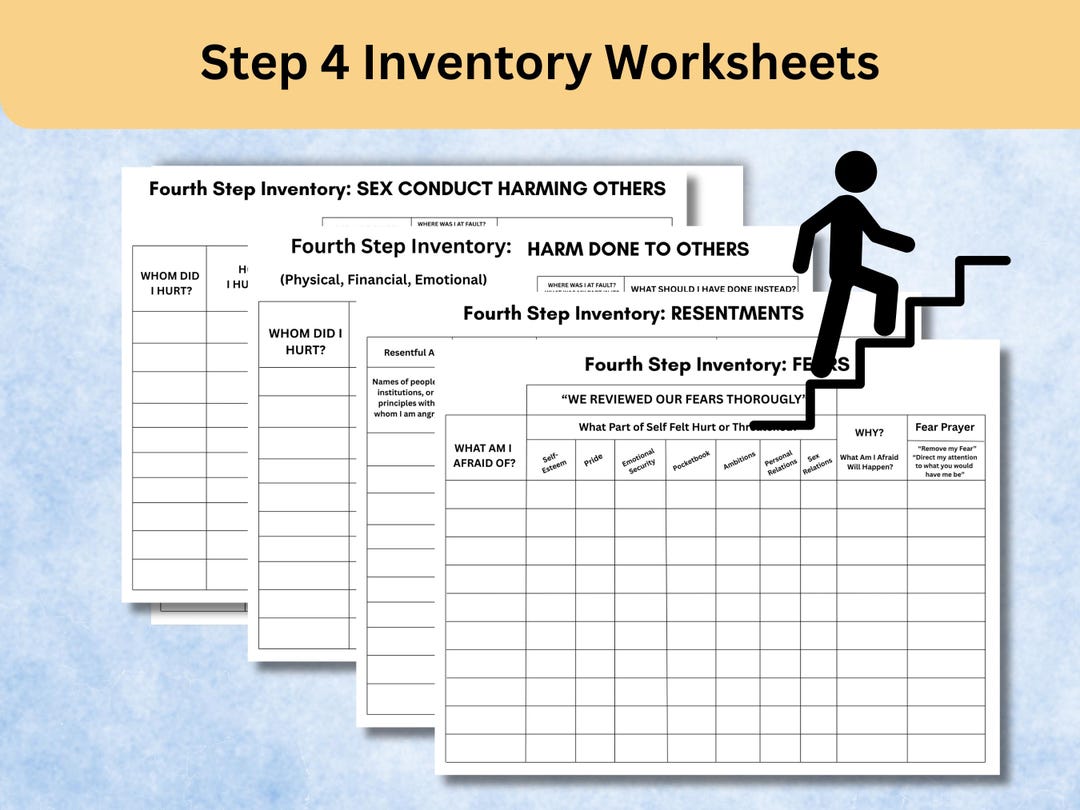
Best practices for printing
Print on 80‑lb cardstock to prevent tearing during repeated use. If you plan to laminate, use a matte finish to reduce glare. Ensure the printer settings retain the original resolution; a blurry letter will hinder visual discrimination.
Digital customization tools
Many teachers use free online editors to add personalized names, classroom logos, or themed images (e.g., seasonal pumpkins for an autumn lesson). Adjust the difficulty by inserting additional “a” words or removing some to match the skill level of the group.
Eco‑friendly reuse ideas
After a student completes the worksheet, wipe the surface with a dry‑erase eraser if laminated, or use a whiteboard marker for temporary ink that can be erased. Reuse the same sheet for multiple classes, changing only the accompanying word list. This practice reduces paper waste and reinforces learning through repetition.
Real‑World Classroom Success Stories

Case study: Kindergarten literacy boost
At a suburban elementary school, teachers introduced the Aa Step 4 Worksheet during a two‑week phonics unit. Pre‑assessment data showed that 38% of kindergarteners struggled to identify the lowercase “a.” After three guided sessions and two independent practice days, post‑assessment indicated a rise to 85% accuracy. Teachers attributed the improvement to the worksheet’s multimodal design and the immediate feedback loop.
Case study: Small group intervention
A Title I school implemented the worksheet in a pull‑out reading group for students scoring below grade level on phonemic awareness tests. By pairing the worksheet with a “sound‑search” game, the group achieved a 30% increase in correct “a” sound production within four weeks. The teacher noted that the tactile tracing element kept even the most reluctant learners engaged.
Frequently Asked Questions

How often should I use the worksheet?
Consistency is key. Incorporate the Aa Step 4 Worksheet at least twice a week—once for guided instruction and once for independent practice. This schedule allows students to reinforce the skill without overwhelming them.
Can I combine it with other phonics resources?
Absolutely. Pair the worksheet with alphabet books, magnetic letters, and interactive phonics apps. A balanced approach that mixes hands‑on, auditory, and digital experiences maximizes retention.
What age range is it best suited for?
The worksheet is primarily designed for kindergarten and early first‑grade students (ages 5‑7). However, with appropriate modifications, it can serve older struggling readers or be used as a review tool for younger students who have already mastered the letter “a.”
Conclusion
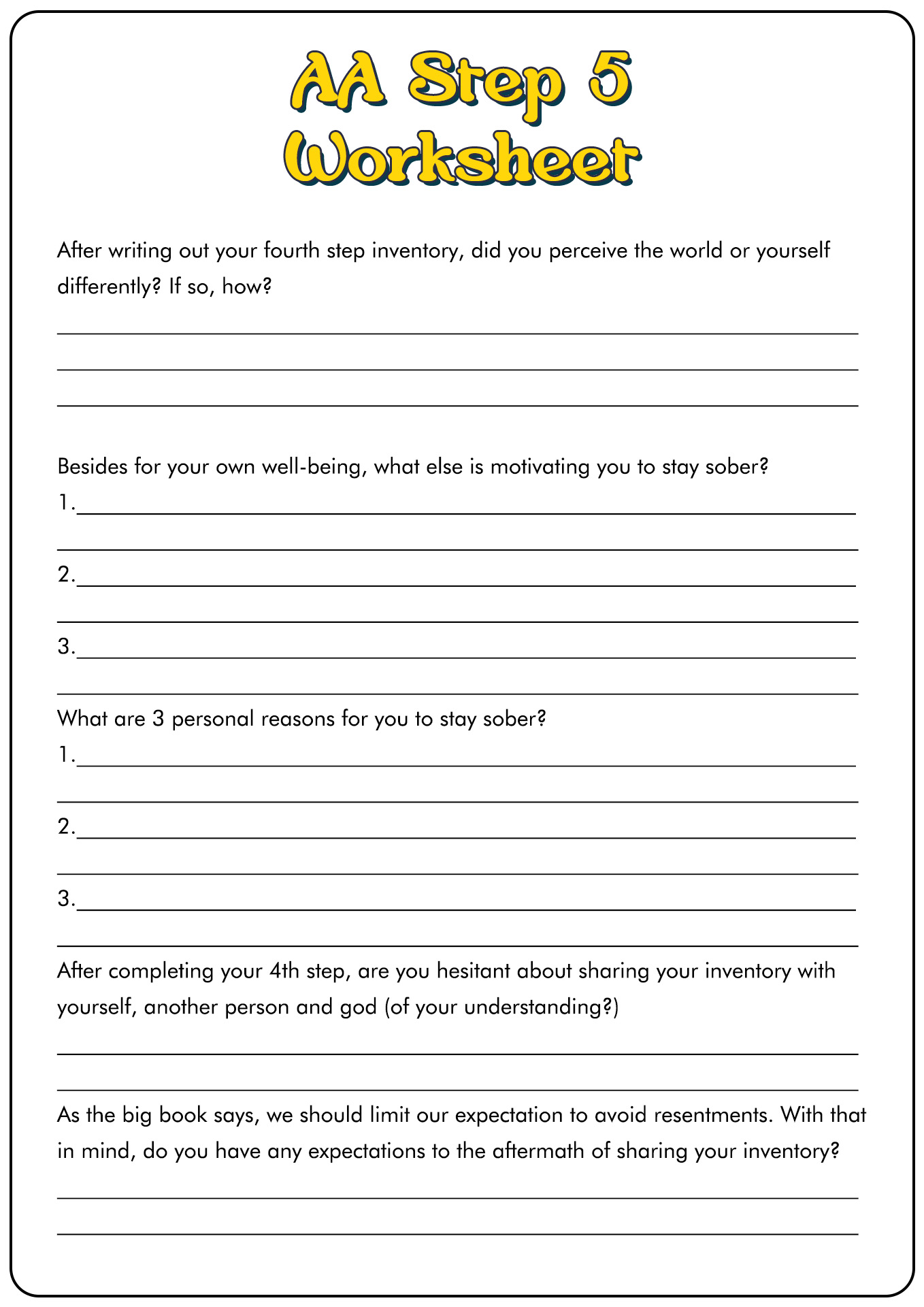
Incorporating the Aa Step 4 Worksheet into daily literacy routines offers a proven pathway to strengthen letter recognition, phonemic awareness, and fine‑motor skills—all essential components of early reading success. Its alignment with curriculum standards, flexible adaptability for diverse learners, and ease of customization make it a valuable asset for any educator or parent seeking to boost confidence in young readers. By following the guided steps, adapting the material to meet individual needs, and consistently tracking progress, you can transform a simple printable sheet into a catalyst for lasting academic growth.