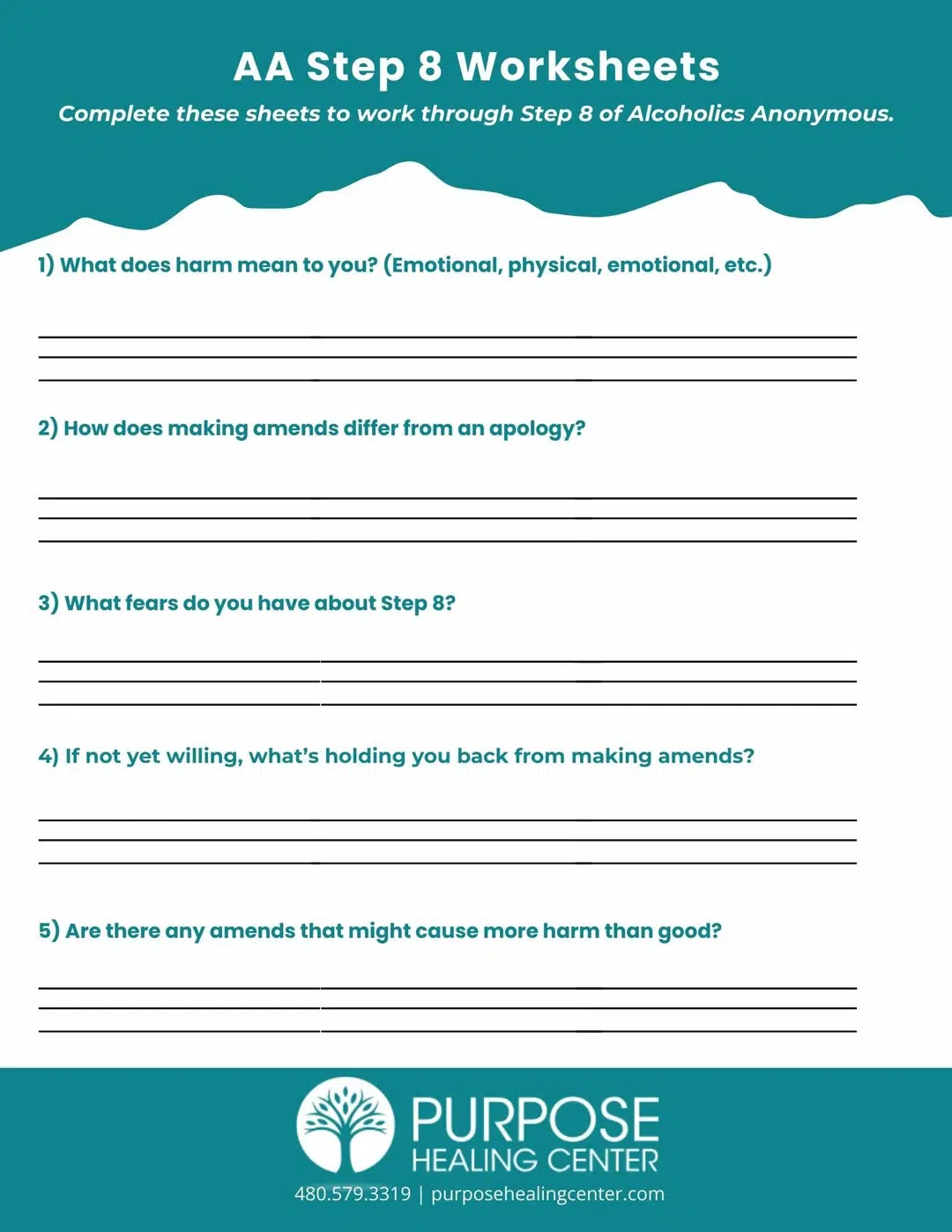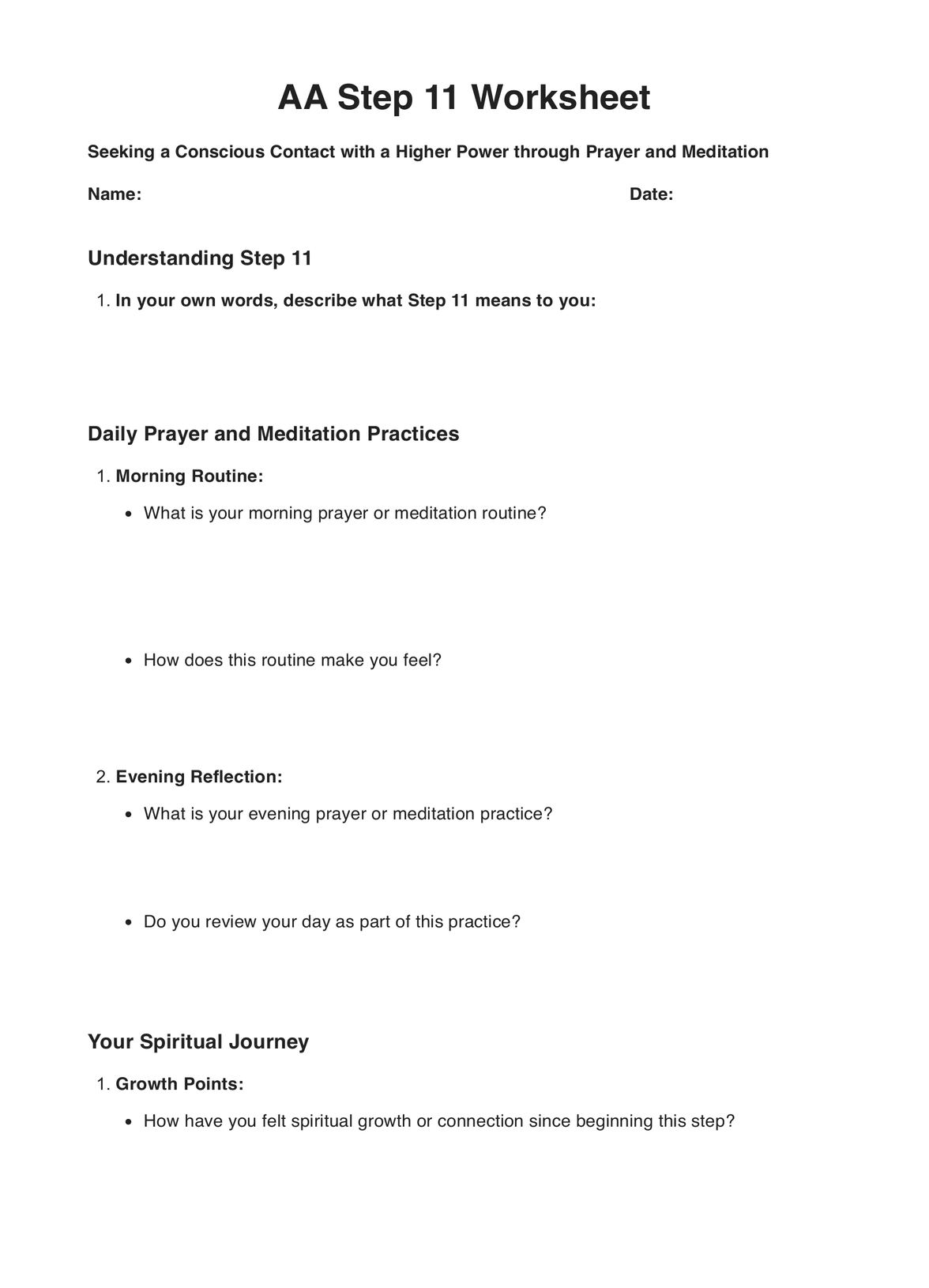
Aa Step 8 Worksheet is a dynamic educational tool designed to reinforce early literacy skills while engaging young learners in meaningful practice. By seamlessly combining visual cues, guided activities, and creative prompts, this worksheet helps children move confidently from basic letter recognition to foundational spelling and sentence construction. In this post, we will explore its structure, teaching strategies, and practical application in home and classroom settings, ensuring you can maximize its impact every time you use it.
Understanding the Purpose of Aa Step 8 Worksheet
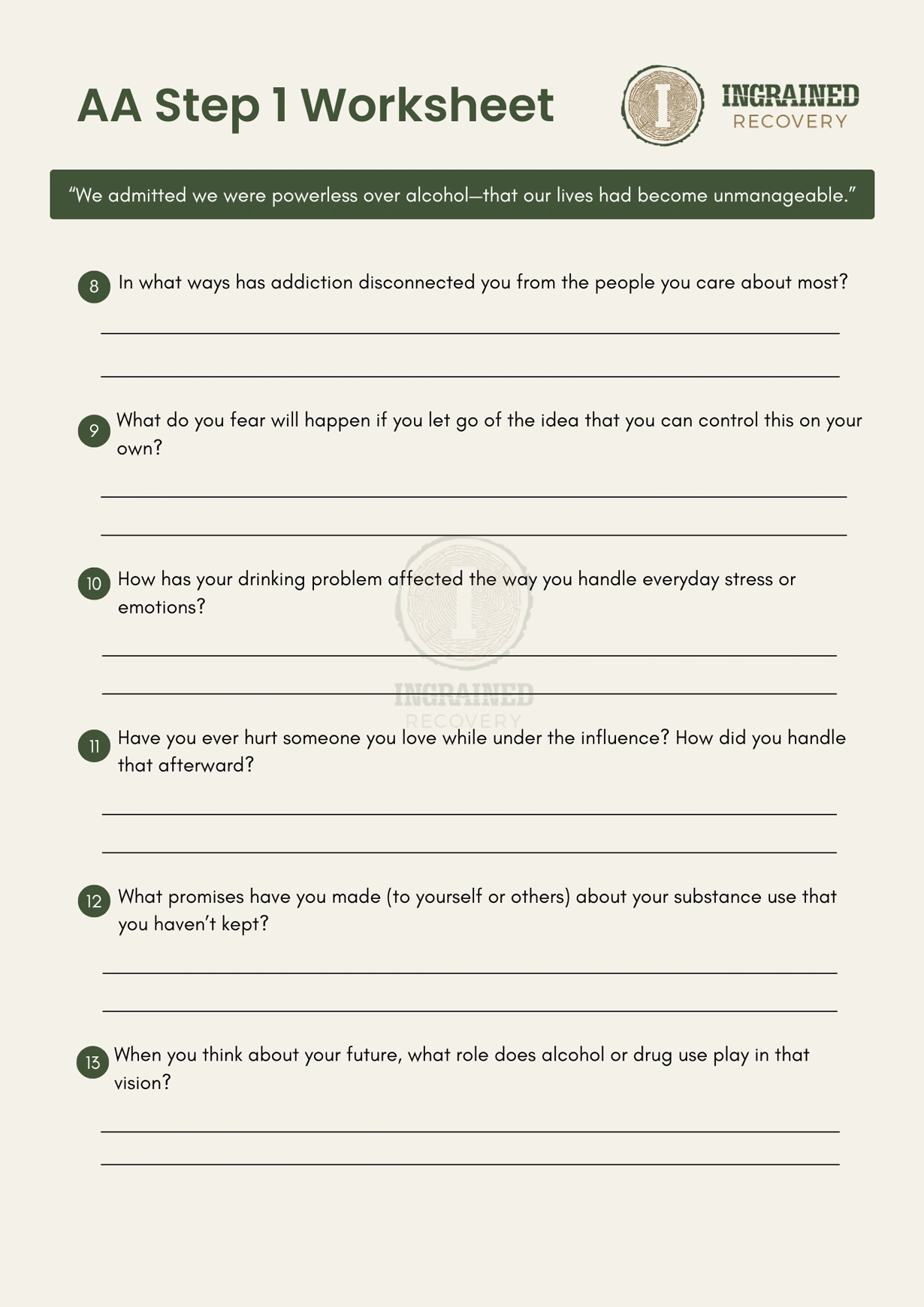
The Aa Step 8 Worksheet sits at a pivotal point in the alphabet progression. After mastering single‑letter identification and sound association, Step 8 focuses on building compound words, contextual usage, and early grammar concepts. This stage is crucial because it transitions students from isolated letter play to coherent communication. The worksheet’s design mirrors this shift by offering a layered approach: from simple phonetic exercises to short, self‑generated sentences.
Core Learning Objectives
- Recognize letter combinations that form common short vowels.
- Apply phonics rules to blend sounds into complete words.
- Construct basic sentences using newly formed words.
- Develop confidence in reading aloud and writing independently.
Key Features of the Aa Step 8 Worksheet
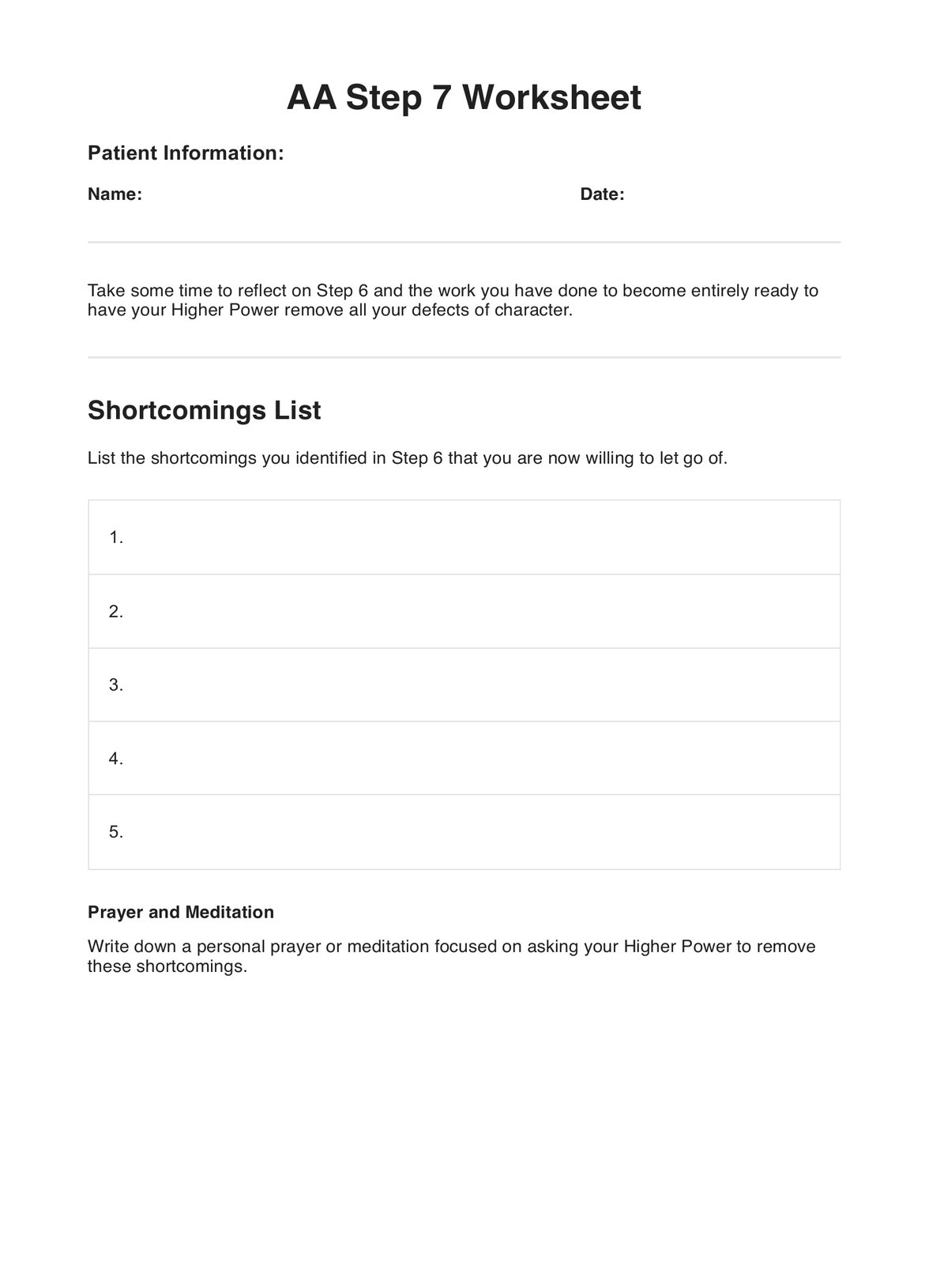
Every successful educational resource shares distinct characteristics that enhance learning. The Aa Step 8 Worksheet incorporates several of these features to create a balanced, engaging experience:
1. Structured Layout with Visual Guidance
The worksheet’s grid format displays a series of blank boxes aligned with the alphabet. Each column includes a letter or a combination, while the rows prompt students to fill in corresponding phonetic blends. This visual scaffolding supports both left‑to‑right reading and phoneme‑to‑morpheme mapping, which are essential in early literacy.
2. Progressive Difficulty Scale
Starting with simple blends like “ba” and “da,” the worksheet gradually introduces more complex pairs such as “th” and “sh.” By the final section, learners encounter minimal pairs that test their ability to differentiate subtle sounds—an excellent way to build auditory discrimination skills.
3. Integrative Writing Prompts
Beyond phonics, Step 8 includes short prompts where students write one or two sentences using the words they’ve just produced. This encourages immediate application, fostering a deeper connection between spoken and written language.
4. Color‑Coding and Interactive Elements
To keep the worksheet engaging, each letter type is color‑coded. For instance, vowel blends might be highlighted in blue, consonant blends in green, and mixed‑type words in orange. This not only aids memory but also makes the worksheet visually appealing for young learners.
How to Use Aa Step 8 Worksheet Effectively
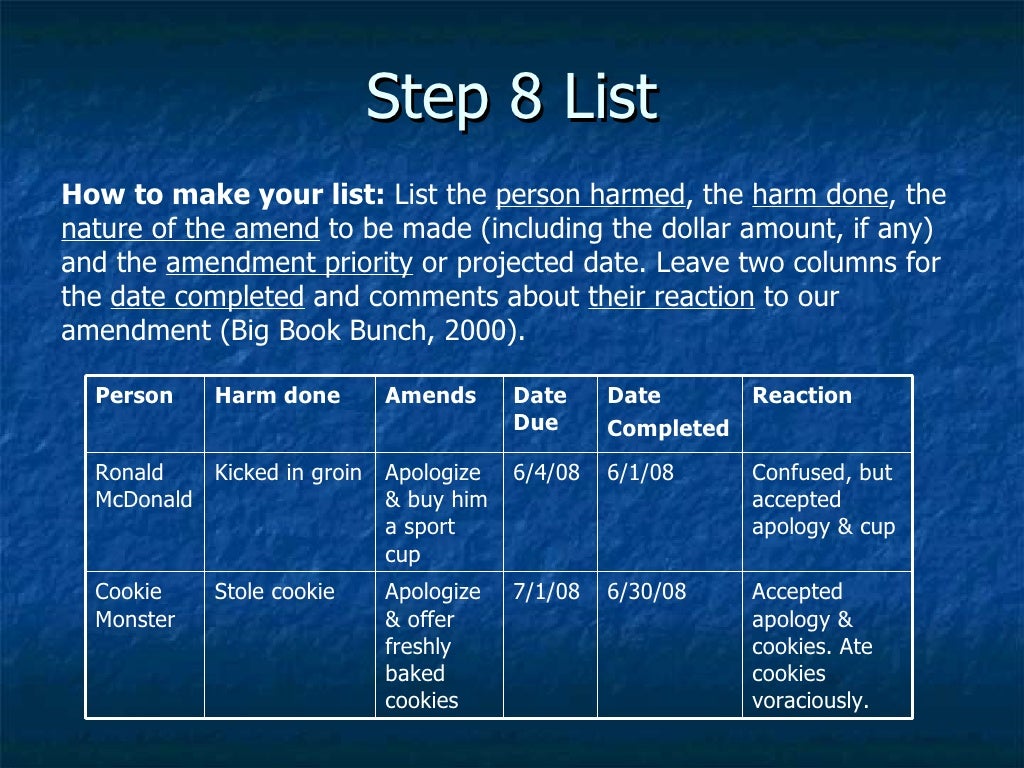
Utilizing this worksheet in a structured yet flexible manner ensures maximum learning outcomes. Below are actionable steps to integrate it into daily lessons.
1. Pre‑Lesson Preparation
Before handing the worksheet to students, review the phonics rules that will be practiced. Use a mini‑lesson to demonstrate each blend, using flashcards or a digital board. This contextualizes the activity and primes learners for success.
2. Guided Completion
During the worksheet session, walk through each section slowly. Ask students to read aloud each letter or combination before writing it down. This encourages oral rehearsal and helps solidify sound‑letter correspondence.
3. Peer Collaboration
Pair students so they can discuss answers before finalizing the worksheet. Peer interaction reinforces learning and allows students to verbalize phonetic reasoning, which is a powerful metacognitive strategy.
4. Immediate Feedback
After completion, review the worksheet together. Highlight correct answers, discuss any mispronunciations, and provide constructive feedback. Immediate correction prevents the solidification of errors and keeps confidence high.
5. Extension Activities
For advanced learners, challenge them to create a short story using all the words from the worksheet. For beginners, have them practice reading the story aloud while the teacher monitors pronunciation.
Common Mistakes and How to Avoid Them
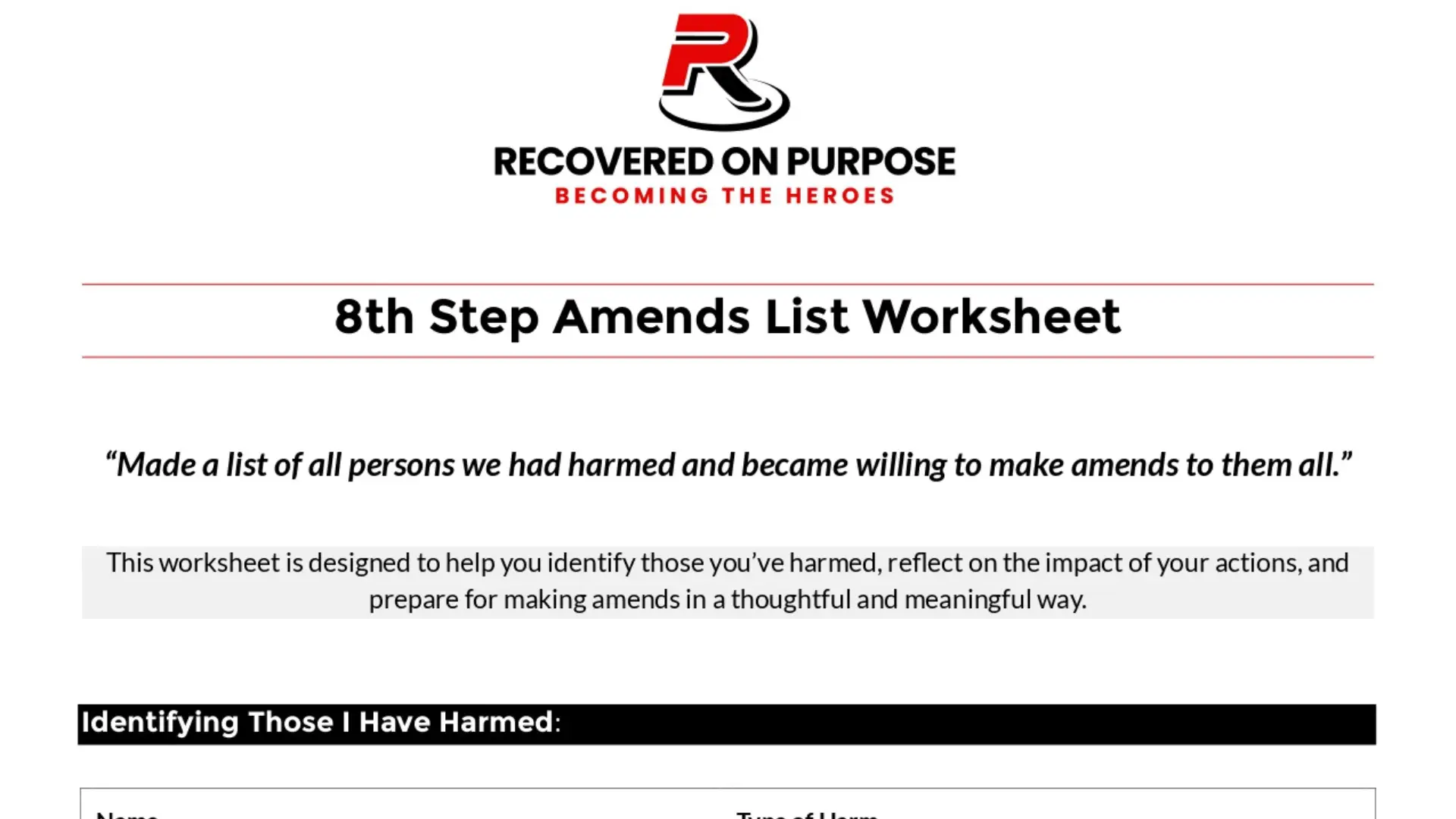
Even with a solid plan, teachers and parents often encounter pitfalls that can undermine learning. Being aware of these helps you tweak the approach.
1. Over‑Repetition Without Context
Simply filling blanks without applying words in sentences can lead to rote learning. To prevent this, always include the writing prompt section and ask students to use words in context.
2. Neglecting Auditory Differentiation
Some children confuse similar sounds, especially “p” and “b.” Incorporate quick listening drills before the worksheet to sharpen auditory discrimination.
3. Ignoring Individual Pace
Children develop phonics skills at different rates. If a learner is stuck, give extra practice with that specific blend, perhaps using a phonics game or a mobile app for reinforcement.
4. Forgetting to Celebrate Small Wins
Early literacy success can be subtle. Celebrate each correct blend with a sticker or a short applause. Positive reinforcement builds a love for learning.
Integrating Aa Step 8 Worksheet with Curriculum Standards

Alignment with educational standards ensures that the worksheet serves more than just a fun activity. Here’s how it connects to common learning frameworks:
Early Literacy Goals
- Phoneme awareness: Students identify and manipulate phonemes in words.
- Phonics instruction: They apply knowledge of letter‑sound relationships to decode new words.
- Reading fluency: Repeated practice helps build speed and accuracy.
Writing and Composition
- Spelling fundamentals: Using blended sounds aids in correct spelling.
- Sentence structure: Writing prompts introduce basic syntax, such as subject‑verb agreement.
- Creative expression: By composing sentences, learners experiment with storytelling.
Printable Resources and Customization Options
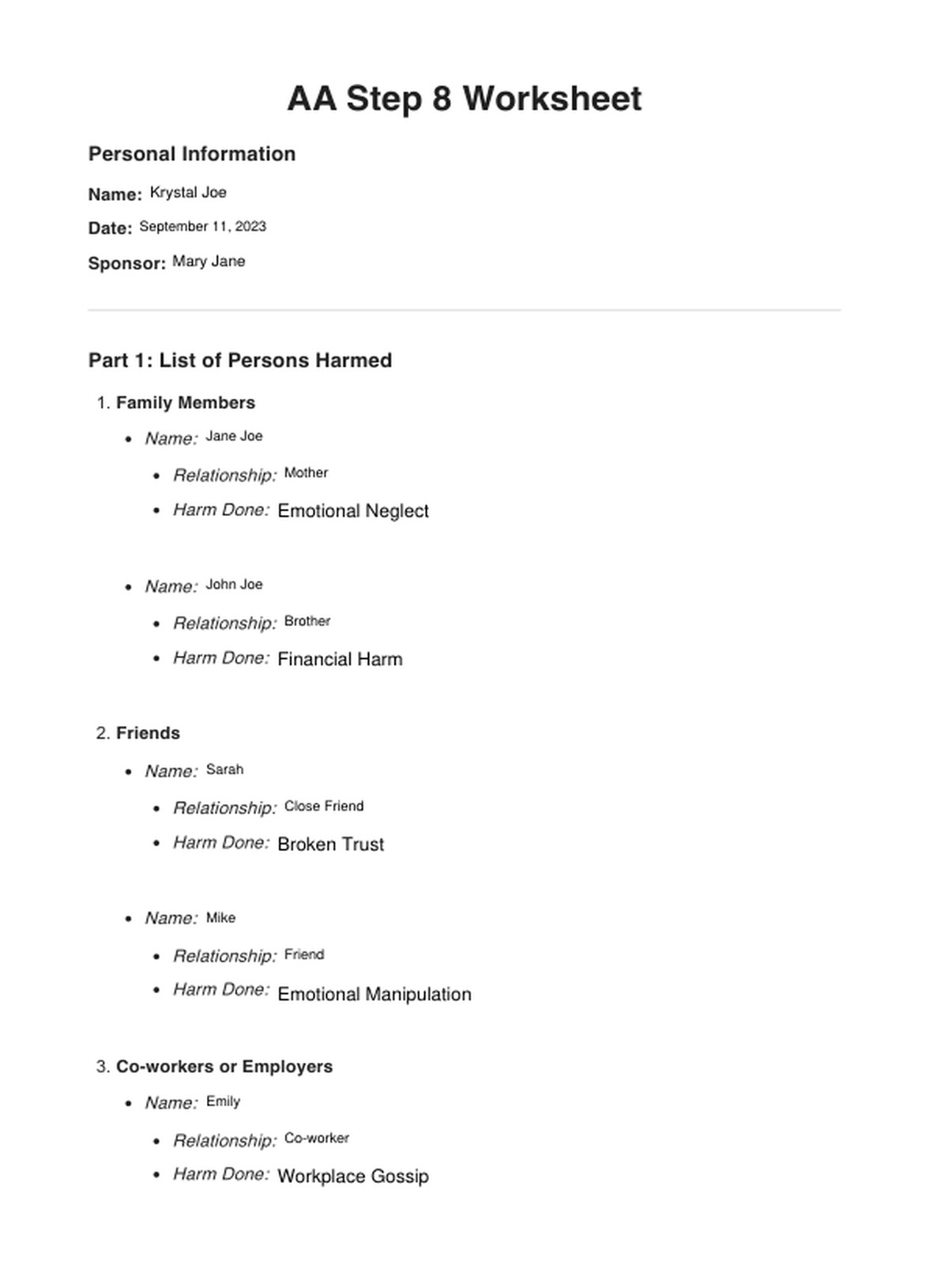
While the original Aa Step 8 Worksheet is available in a ready‑to‑print format, teachers can easily adapt it to fit their classroom’s needs.
1. Digital Editing
Open the worksheet in a word processor or design software, adjust fonts, add graphics, or change color schemes. Customizing visuals can help students with specific learning styles.
2. Multiple Language Versions
For bilingual classrooms, replace English letters with phonemes in another language. This demonstrates the universality of phonics concepts across languages.
3. Adaptive Difficulty
Print double‑sided sheets with advanced blends on the reverse side. This allows teachers to scale difficulty without changing the overall structure.
Real‑World Applications for Students

Beyond classroom practice, the skills reinforced by the Aa Step 8 Worksheet translate into everyday contexts. Parents can harness these benefits at home:
1. Reading Time
Choose picture books with repetitive, phonics‑rich sentences. Encourage your child to point to words and pronounce them, referencing their worksheet for consistency.
2. Kitchen Adventures
While cooking, ask children to read recipes or ingredient lists aloud. This real‑life reading enhances phonemic awareness and builds confidence.
3. Family Storytelling
Create a simple story using words from the worksheet. Let your child dictate the narrative, then write it down together. This collaborative act cements learning through active participation.
Tips for Parents to Support Their Child’s Progress
As a parent, you play a vital role in reinforcing the concepts covered in the worksheet. Below are practical ways to extend learning at home.
1. Daily Phonics Practice
Spend 10 minutes each day reviewing one blend from the worksheet. Use flashcards, sticky notes, or a mobile app that repeats the sound and shows the letter.
2. Encourage Reading Aloud
Set aside a quiet time where your child reads a short paragraph from a book or the worksheet itself. Offer gentle corrections and praise.
3. Create a “Word Wall”
Affix the blended words to a wall in your child’s room. Each time they use a word correctly, they get a sticker or a star. Visual reinforcement helps with retention.
4. Use Technology Wisely
Interactive phonics games or simple voice‑recognition apps can provide instant feedback and make practice feel like play.
Conclusion

The Aa Step 8 Worksheet is more than a single lesson activity; it is a foundational building block that connects letter recognition to meaningful language use. By integrating its structured phonics exercises, visual aids, and writing prompts into daily practice, educators and parents can create a robust learning environment that nurtures confidence and skill. Remember to pair the worksheet with real‑world reading moments, positive reinforcement, and adaptable difficulty to keep every child engaged and progressing. With consistent use, students will move from isolated sounds to fluent, expressive language—an achievement that will serve them throughout their educational journey.