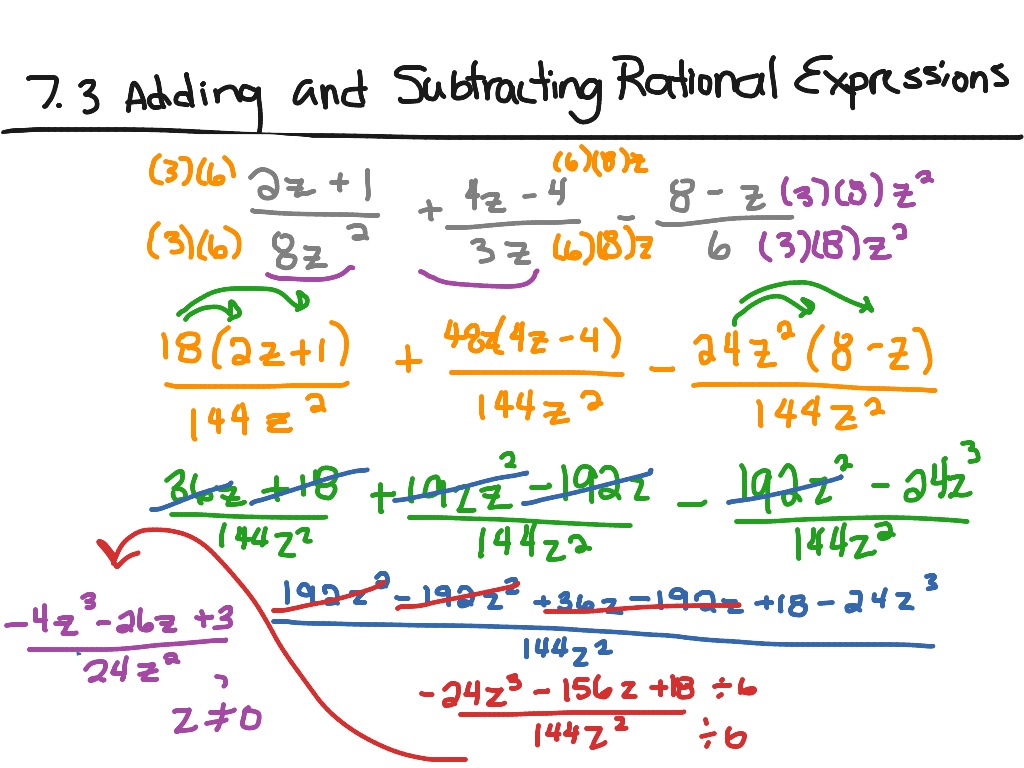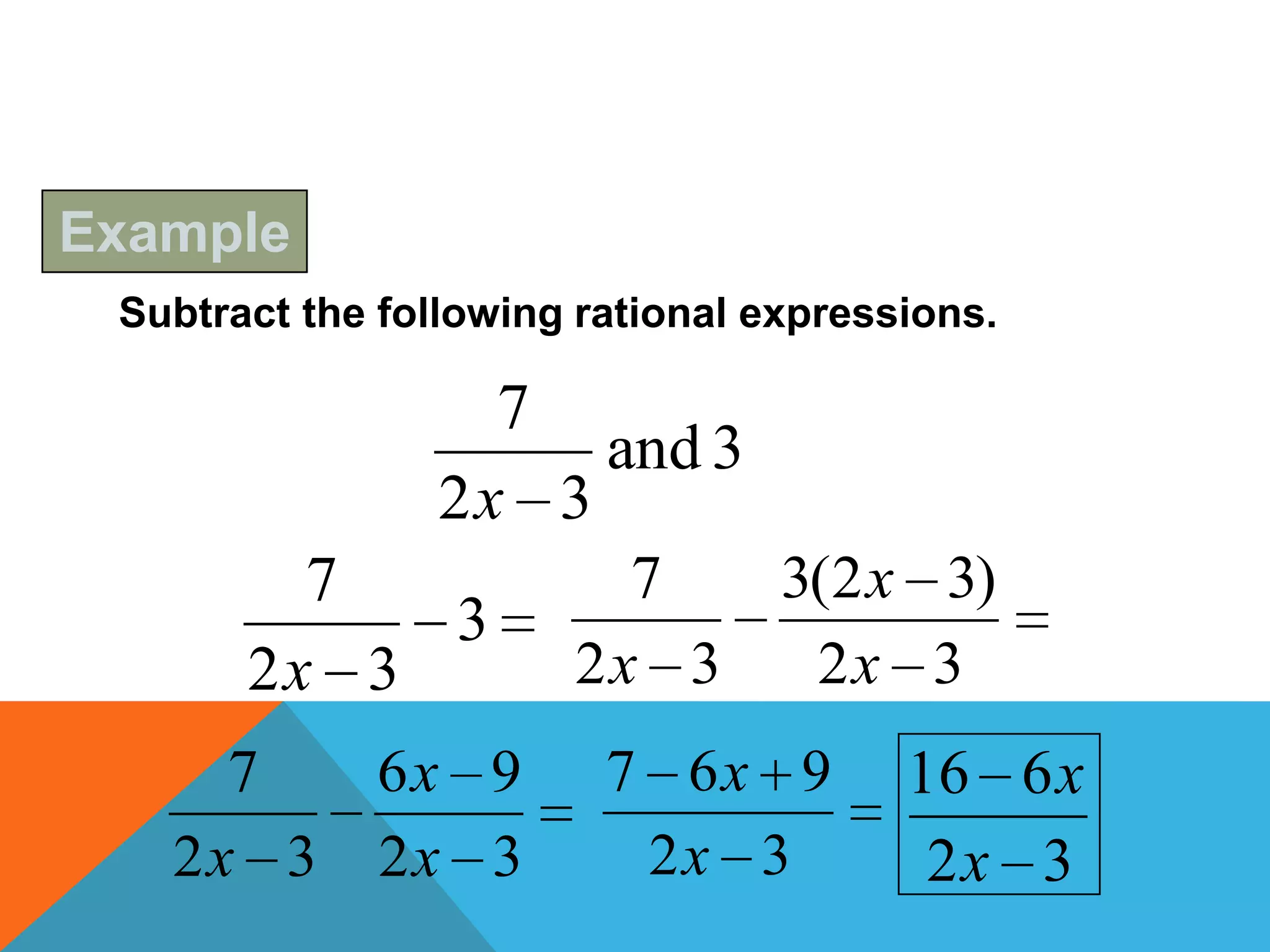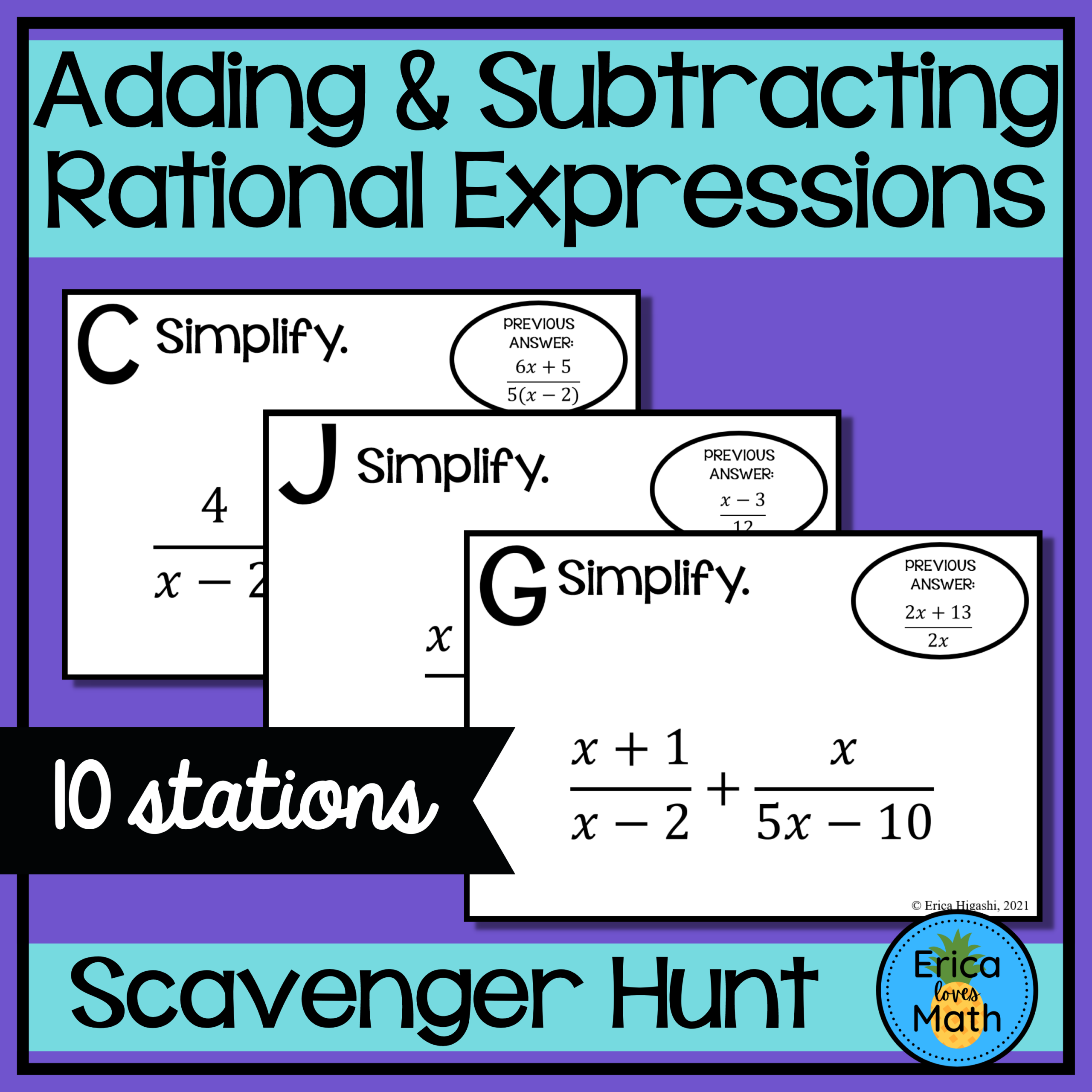
Adding Subtracting Rational Expressions Worksheet isn’t just another line item on a teacher’s to‑do list; it’s a crucible where algebraic confidence is forged and broken, often in the same breath. In the dimly lit corners of a high‑school math classroom, students stare at a sea of fractions with variables, wondering whether the symbols will ever align. This article drags those uneasy feelings into the light, dissecting the mechanics, the missteps, and the mastery behind a truly effective worksheet.
Why Rational Expression Worksheets Deserve a Grim Respect

Rational expressions sit at the intersection of fractions and polynomials, demanding precision that most elementary operations can’t afford. When you hand a worksheet that asks for addition or subtraction, you’re not merely testing procedural fluency—you’re probing a student’s ability to juggle common denominators, factor completely, and simplify without losing track of sign conventions. The stakes are high because these skills echo throughout calculus, physics, and any discipline that relies on algebraic manipulation.
Fundamental Anatomy of a Rational Expression
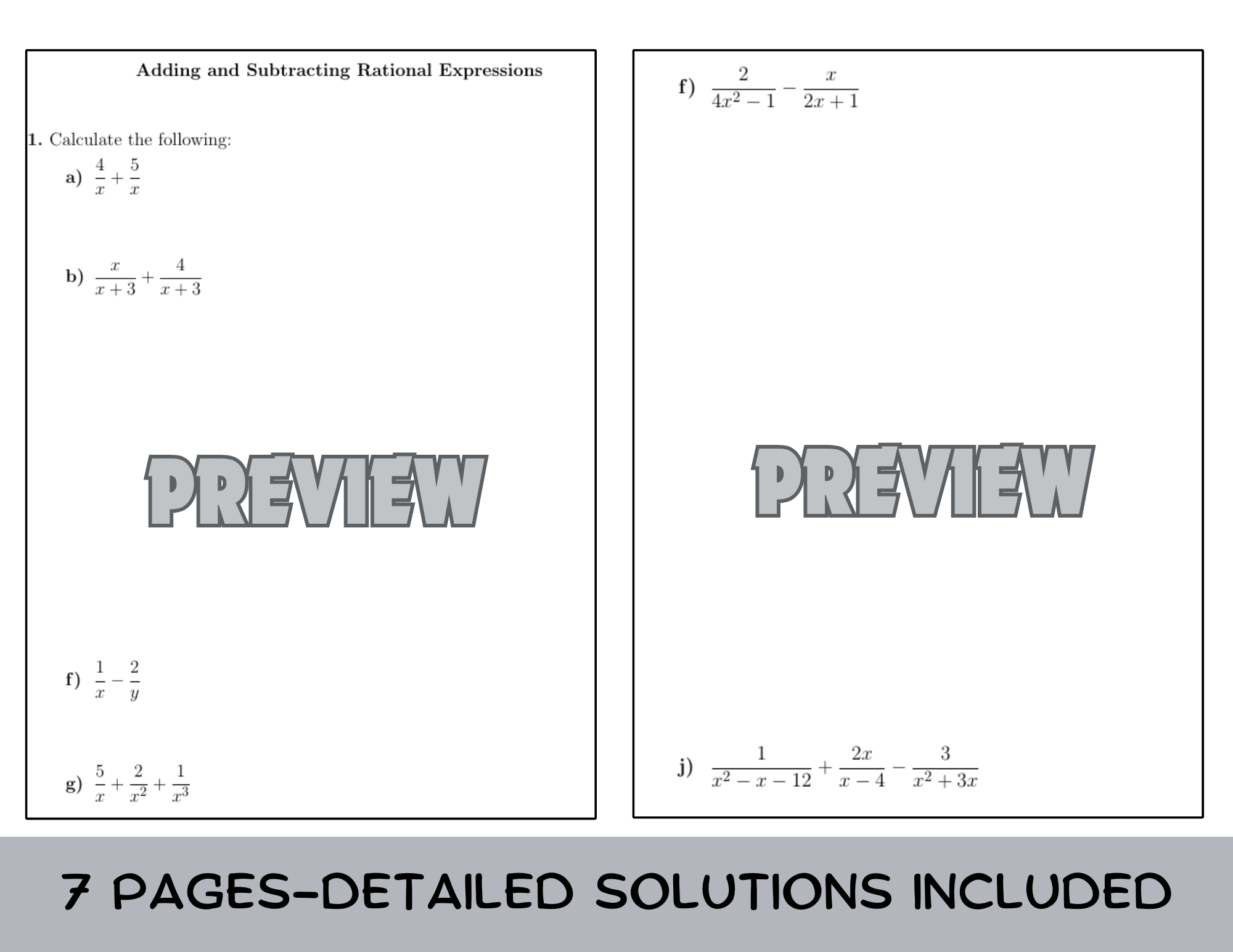
Before a student can add or subtract, they must recognize the building blocks:
- Numerator: the polynomial perched on top, often a tangled web of terms that need factoring.
- Denominator: the hidden gatekeeper that determines the domain; a mistake here can render the entire expression meaningless.
- Common Denominator: the least common multiple (LCM) of the denominators, the battlefield where addition and subtraction finally occur.
Understanding these components in isolation is a prerequisite for any worksheet to be more than a series of mindless drills.
Step‑by‑Step Guide to Adding Rational Expressions

Identify the Denominators
Scan each term and write down its denominator. In a black‑tone worksheet, you might explicitly ask students to “list the denominators and factor them completely.” Factoring reveals hidden common factors that will later shrink the LCM.
Find the Least Common Denominator (LCD)
Take the highest power of each distinct factor across all denominators. For example, if the denominators are (x – 2) and (x² – 4), factor the latter into (x – 2)(x + 2). The LCD becomes (x – 2)(x + 2). A well‑crafted worksheet forces students to write this step out, preventing the shortcut of “just multiply the denominators together.”
Rewrite Each Fraction with the LCD
Multiply the numerator and denominator of each rational expression by whatever factor is missing to reach the LCD. This is where many students lose track of sign and magnitude. A black‑tone prompt might read, “Show every multiplication step; no mental shortcuts allowed.”
Combine the Numerators
Once the denominators match, add the numerators directly. Emphasize the importance of combining like terms and maintaining proper order of operations. A subtle trick is to ask students to “write the combined numerator as a single polynomial before simplifying.”
Simplify the Result
Factor the new numerator, then cancel any common factors with the denominator. If any factor remains, the expression is fully simplified. This final check is the crucible that separates true understanding from rote memorization.
Step‑by‑Step Guide to Subtracting Rational Expressions

Mirror the Addition Process
Subtraction follows the same scaffold as addition: identify denominators, determine the LCD, rewrite each fraction, and then subtract the numerators. However, the subtraction sign introduces a new source of error: sign inversion. A dark worksheet will explicitly require students to “distribute the negative sign across the entire numerator before simplifying.”
Watch for Sign Traps
When the LCD introduces a factor of –1 or a negative term, students often forget to flip the sign of the entire numerator. Including a “sign audit” section at the end of each problem forces a double‑check, a habit that pays dividends in later algebraic work.
Common Pitfalls and How to Weaponize Them

A worksheet that merely lists problems without addressing typical errors is a missed opportunity. Below are the most frequent mistakes and how to embed corrective steps directly into the worksheet.
- Skipping Factorization: Students sometimes treat denominators as whole units. Include a “Factor the denominator” column to force the process.
- Incorrect LCD: Offer a “Prove your LCD” box where students write the LCM and justify each factor’s inclusion.
- Sign Slip‑Ups: Add a “Sign verification” line where the student rewrites the numerator with explicit plus/minus signs.
- Canceling Too Early: Encourage students to hold off on cancellation until the final step, preventing premature reduction that obscures errors.
Real‑World Scenarios That Demand Rational Expression Mastery

Rational expressions aren’t confined to textbook drills; they permeate engineering, economics, and the sciences. Here are three gritty examples that can be woven into a worksheet to give students a taste of the stakes.
Electrical Engineering: Impedance Calculations
When combining series and parallel circuits, impedance often appears as a rational expression involving complex numbers. Adding or subtracting these expressions mirrors the algebraic steps taught in class, but with tangible consequences for circuit behavior.
Pharmacokinetics: Drug Dosage Modeling
Drug concentration over time can be modeled by rational functions where the numerator represents absorption rate and the denominator encodes elimination processes. Adjusting dosage schedules involves adding or subtracting these expressions, making accuracy a matter of patient safety.
Economics: Marginal Cost Analysis
Marginal cost curves are frequently expressed as rational functions of output. Comparing marginal costs across production levels requires adding and subtracting rational expressions, directly influencing profit strategies.
Designing an Effective Adding Subtracting Rational Expressions Worksheet
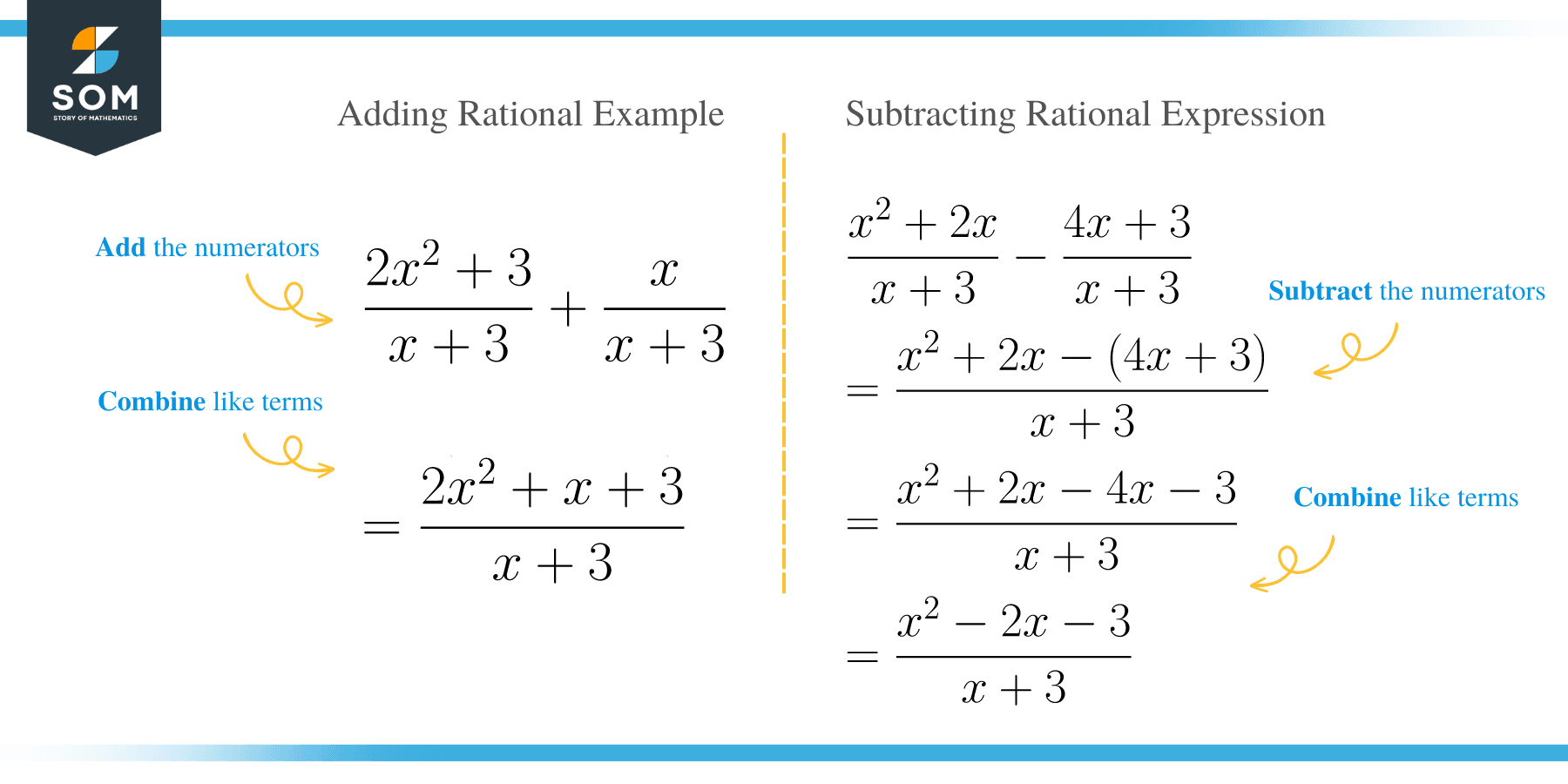
Creating a worksheet that feels like a challenge rather than a chore demands intentional design. Below is a blueprint for a high‑impact worksheet.
- Section 1 – Warm‑Up: Simple fractions with constant denominators to reinforce the concept of common denominators.
- Section 2 – Factoring Focus: Problems that require thorough factorization of both numerator and denominator before any addition.
- Section 3 – LCD Mastery: Complex denominators that test LCM calculation, with a dedicated column for showing work.
- Section 4 – Full‑Scale Operations: Multi‑step addition and subtraction problems that combine all previous skills.
- Section 5 – Real‑World Application: Word problems drawn from engineering, physics, or economics that demand the same algebraic steps.
- Section 6 – Reflection: A brief “What went wrong?” prompt encouraging students to analyze their mistakes.
Digital Tools and Printable Alternatives
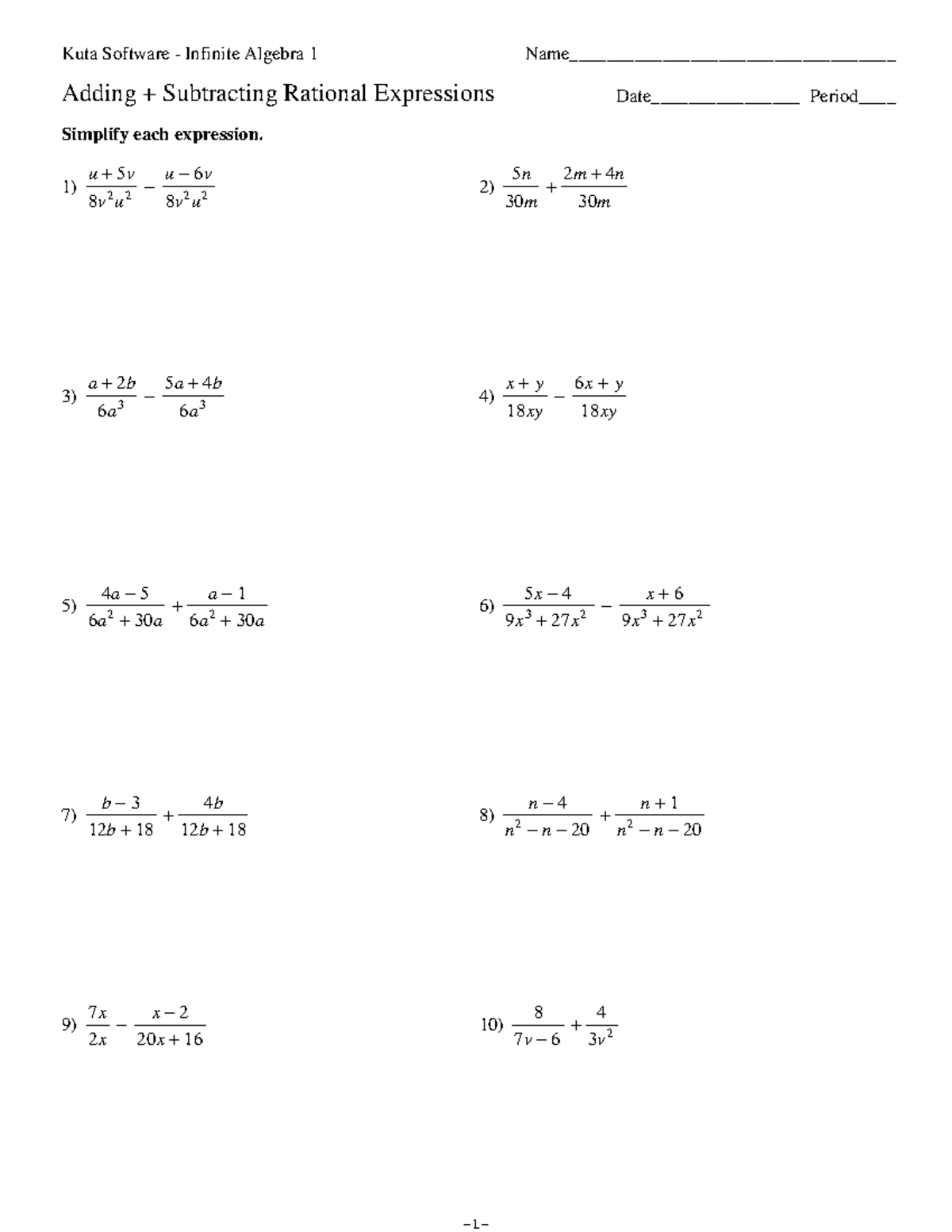
Even in a black‑tone environment, technology can sharpen the edge. Platforms that generate random rational expression problems allow teachers to produce endless variants, ensuring students never grow complacent. For a more tactile experience, printable worksheets with bold headings and ample space for work remain indispensable. Pairing digital practice with paper‑based drills creates a feedback loop that reinforces learning.
Tips for Teachers to Keep the Darkness Engaging
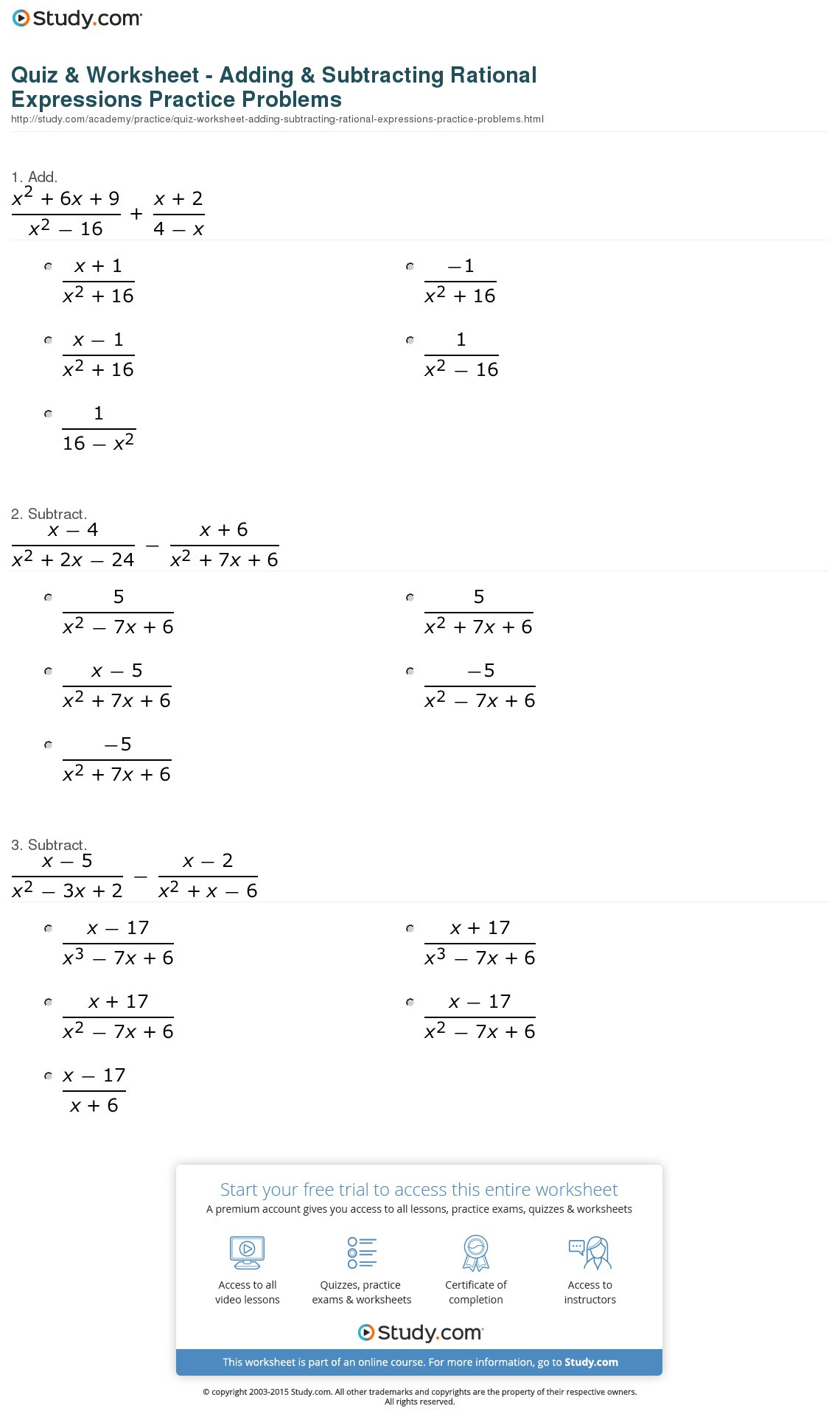
- Set a Time Limit: A five‑minute sprint on a single problem builds intensity and mimics test conditions.
- Use Mystery Variables: Replace standard x and y with cryptic symbols (e.g., ℵ, ψ) to keep students on their toes.
- Encourage Peer Review: Have students swap worksheets and hunt for hidden errors, turning the exercise into a collaborative investigation.
- Reward Precision: Offer points not just for correct answers but for flawless work shown, reinforcing the value of methodical problem solving.
Conclusion

The Adding Subtracting Rational Expressions Worksheet is more than a collection of algebraic chores; it is a crucible that tests logical rigor, attention to detail, and the ability to navigate complex symbolic terrain. By dissecting the anatomy of rational expressions, outlining a meticulous step‑by‑step process, exposing common pitfalls, and embedding real‑world relevance, educators can transform a dry worksheet into a darkly engaging challenge. When students emerge from the experience—whether they stumble or triumph—they carry forward a skill set that will echo throughout higher mathematics and the practical problems they will confront beyond the classroom walls.