Algebra 2 Review Worksheet is the secret weapon for any student who wants to turn the chaotic storm of quadratic equations, complex numbers, and logarithmic functions into a controlled, predictable rhythm of mastery, and this article will pull back the curtain on exactly how to weaponize that tool for relentless success.
Why a Review Worksheet Is Non‑Negotiable
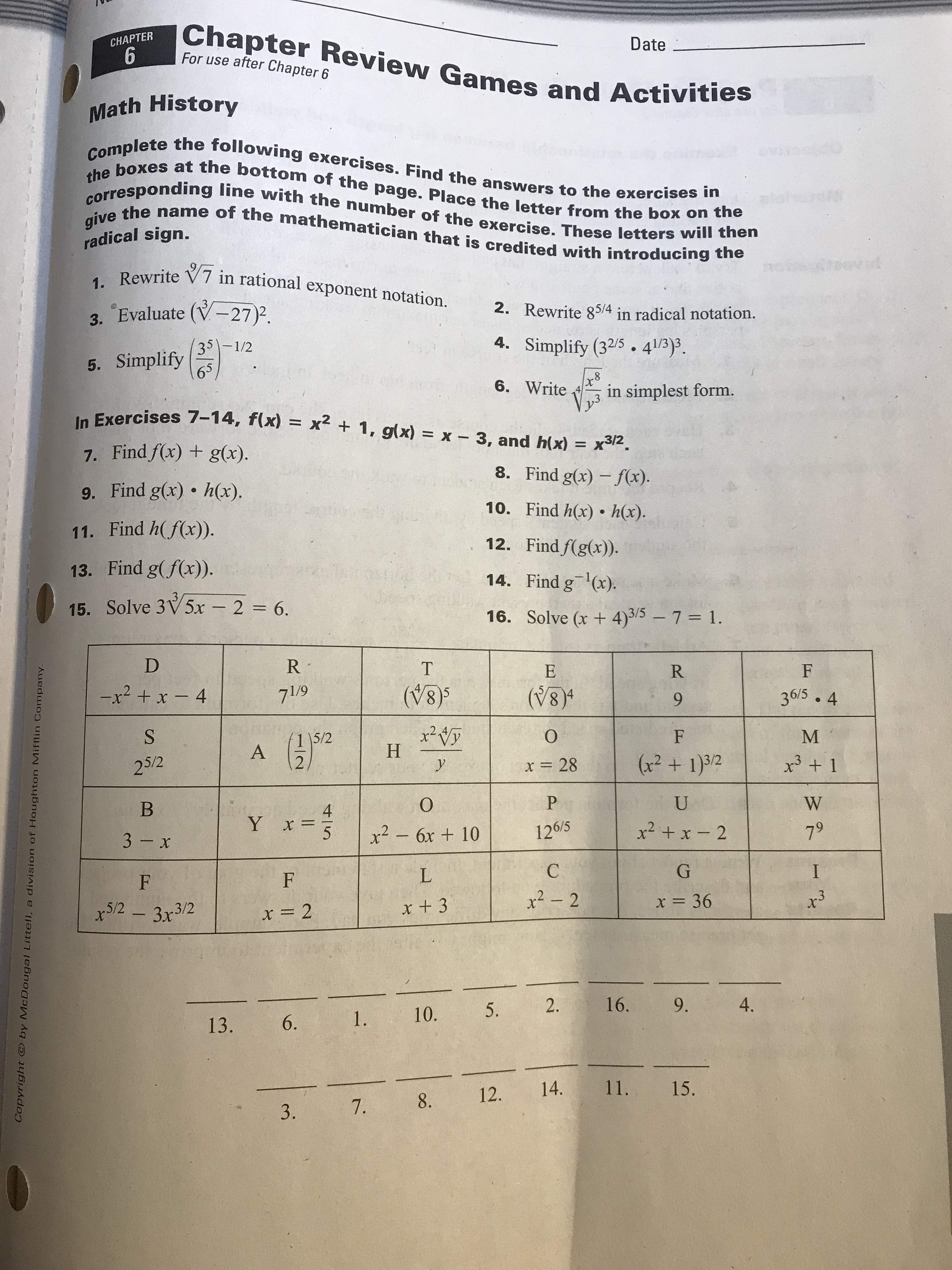
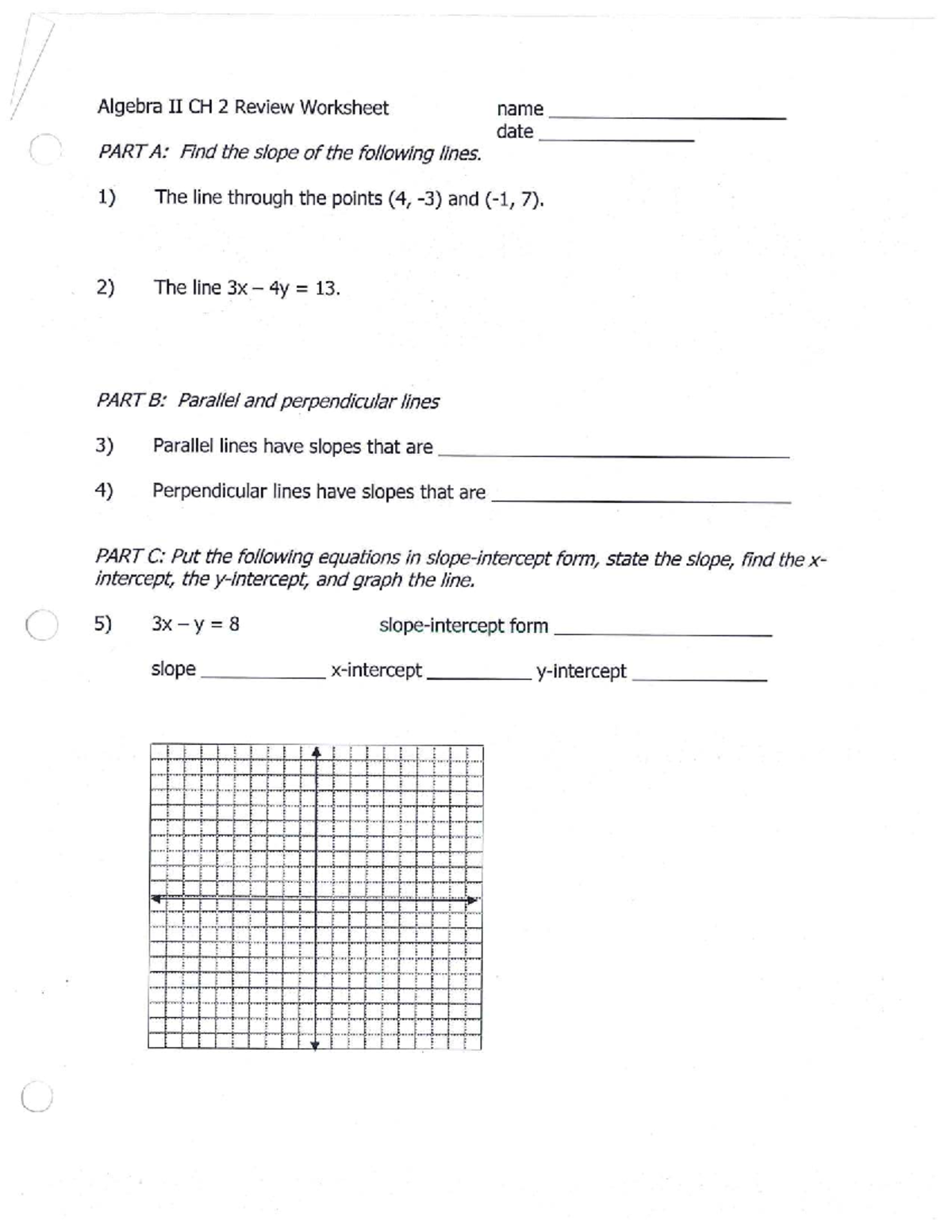
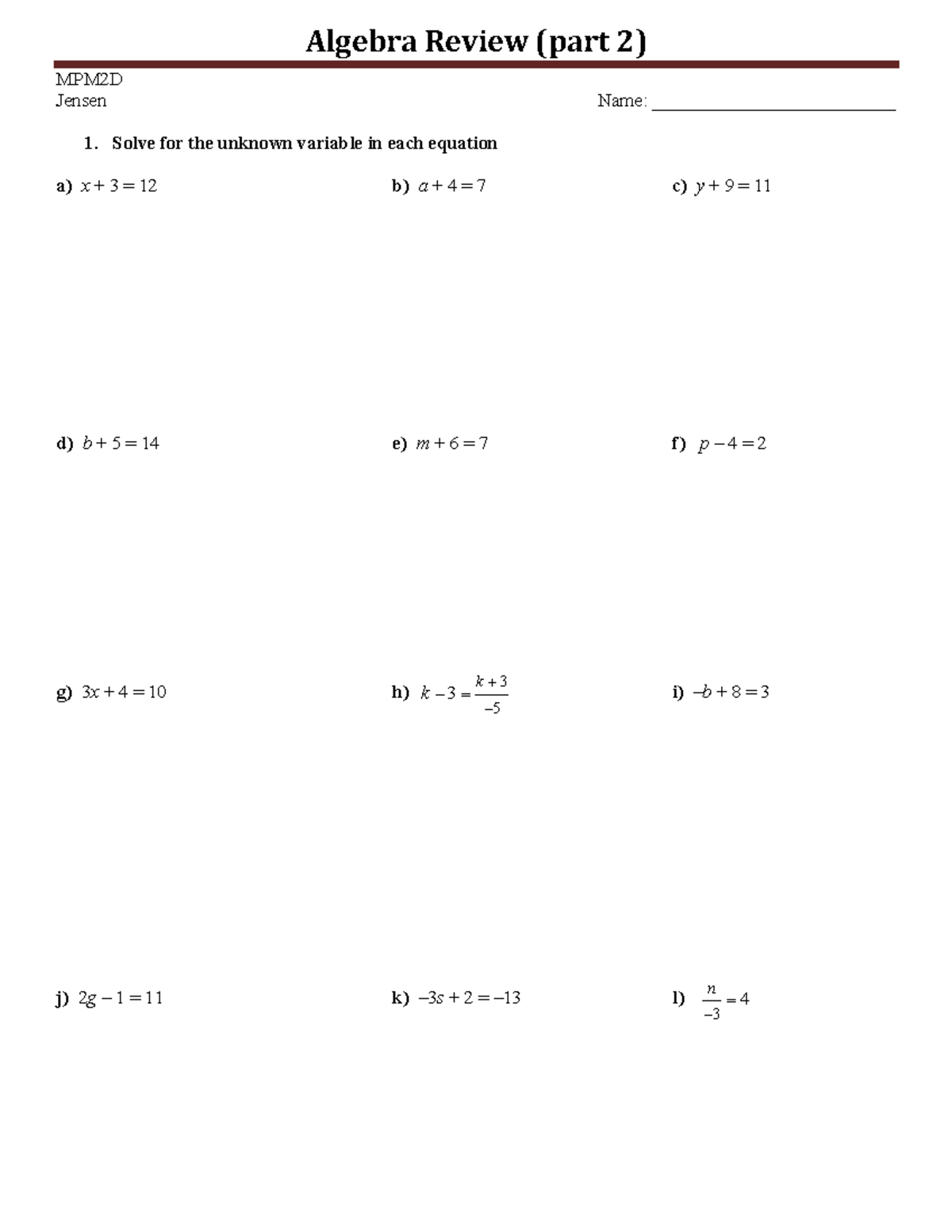
Algebra 2 is the crucible where abstract reasoning meets concrete application. Skipping a review is like walking a tightrope without a safety net—you might make it across, but the odds of a catastrophic fall are high. A well‑crafted worksheet forces the brain to retrieve, rehearse, and reinforce concepts, converting passive recognition into active recall. This shift from “I think I know it” to “I can do it under pressure” is what separates a passing grade from genuine competence.
Core Topics That Must Be Covered

Quadratic Mastery
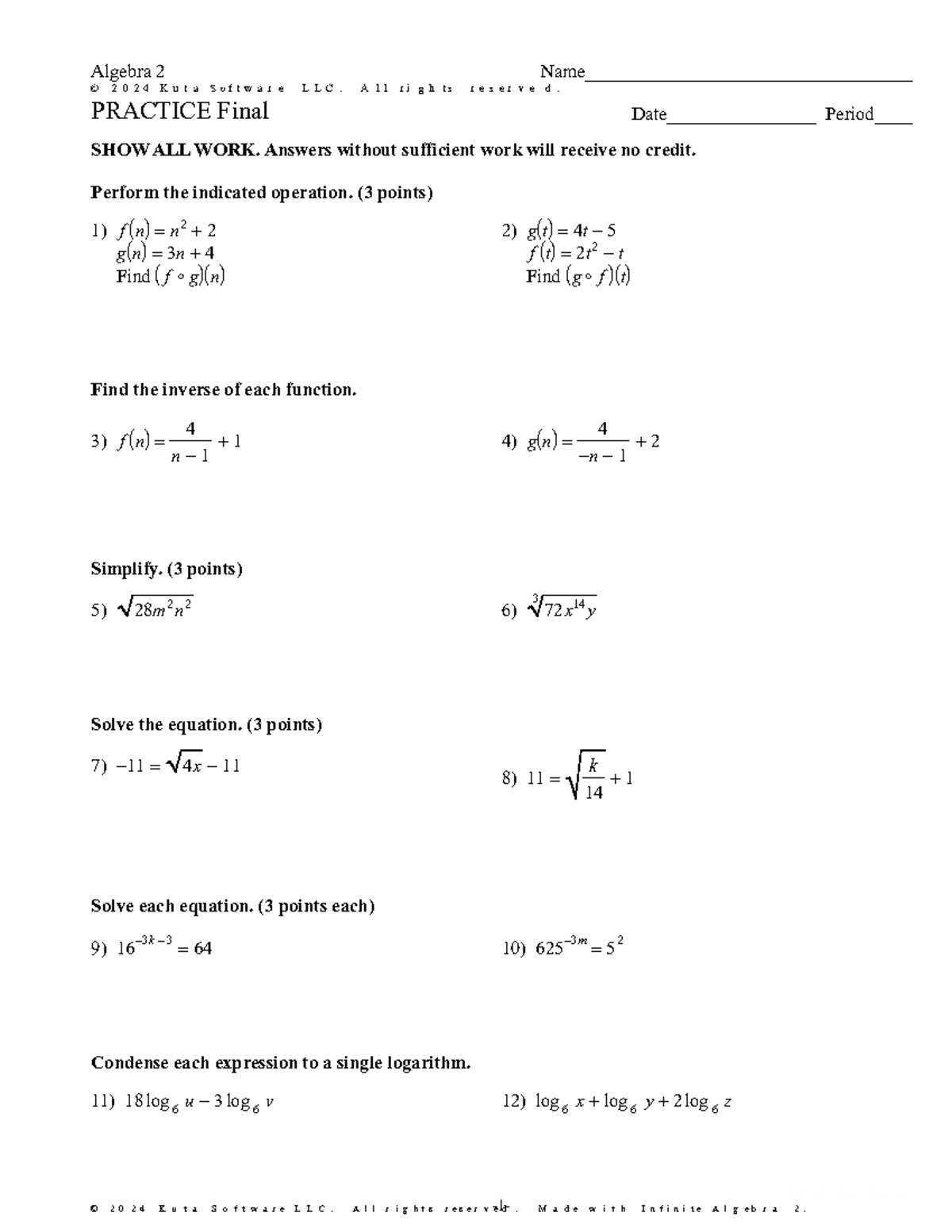
Every serious Algebra 2 review must dive deep into quadratics—standard form, vertex form, and factored form. Students should practice completing the square, using the discriminant, and graphing parabolas with precision. Real‑world scenarios, such as projectile motion or profit maximization, embed the abstract symbols into tangible outcomes, making the math stick.
Complex Numbers and Their Operations
Complex numbers are often the first encounter students have with the idea that numbers can exist beyond the real line. A robust worksheet includes addition, subtraction, multiplication, division, and conversion between rectangular and polar forms. Include problems that mimic electrical engineering contexts—like calculating impedance—to give the material an edge.
Exponential and Logarithmic Functions
Growth and decay models, half‑life calculations, and pH scales all rely on exponentials and logarithms. The review should force students to switch bases, apply change‑of‑base formulas, and solve equations where the variable lives in both the exponent and the base. Highlight the inverse nature of these functions with side‑by‑side graph comparisons.
Polynomial Division and the Remainder Theorem
Long division, synthetic division, and the remainder theorem are the unsung heroes of polynomial analysis. Include a series of problems that start with simple cubic divisions and progress to higher‑order polynomials that require strategic factor selection. This builds confidence for later topics like rational functions.
Rational Expressions and Asymptotes
Understanding holes, vertical asymptotes, and horizontal/slant asymptotes is crucial for graph interpretation. Worksheets should force students to simplify rational expressions, determine domain restrictions, and sketch accurate curves that reveal hidden behavior at infinity.
Sequences, Series, and Mathematical Induction
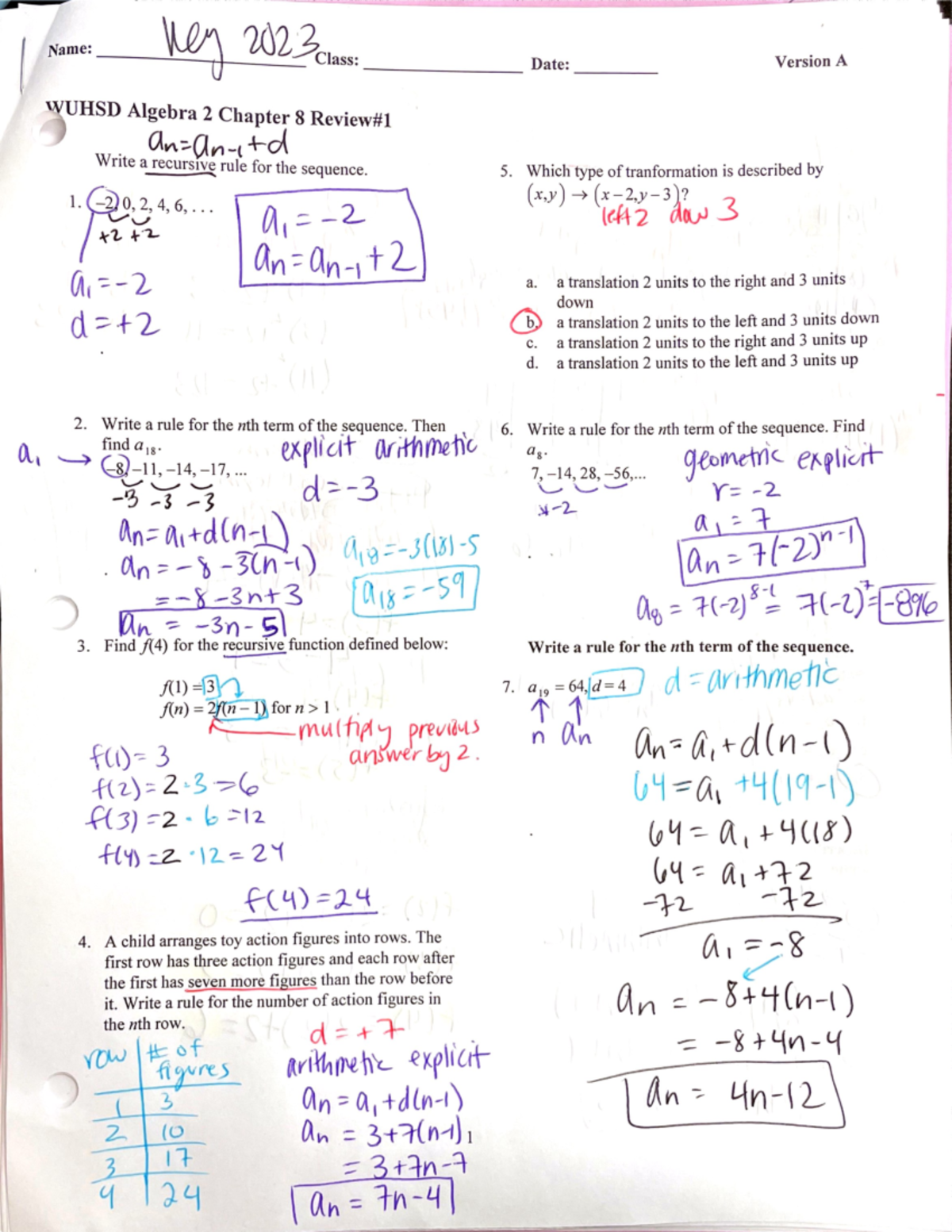
From arithmetic progressions to geometric series, students need to calculate nth terms, sums, and apply induction proofs. Real‑world applications—like calculating loan payments or population growth—show the relevance and keep motivation high.
Strategic Use of the Worksheet
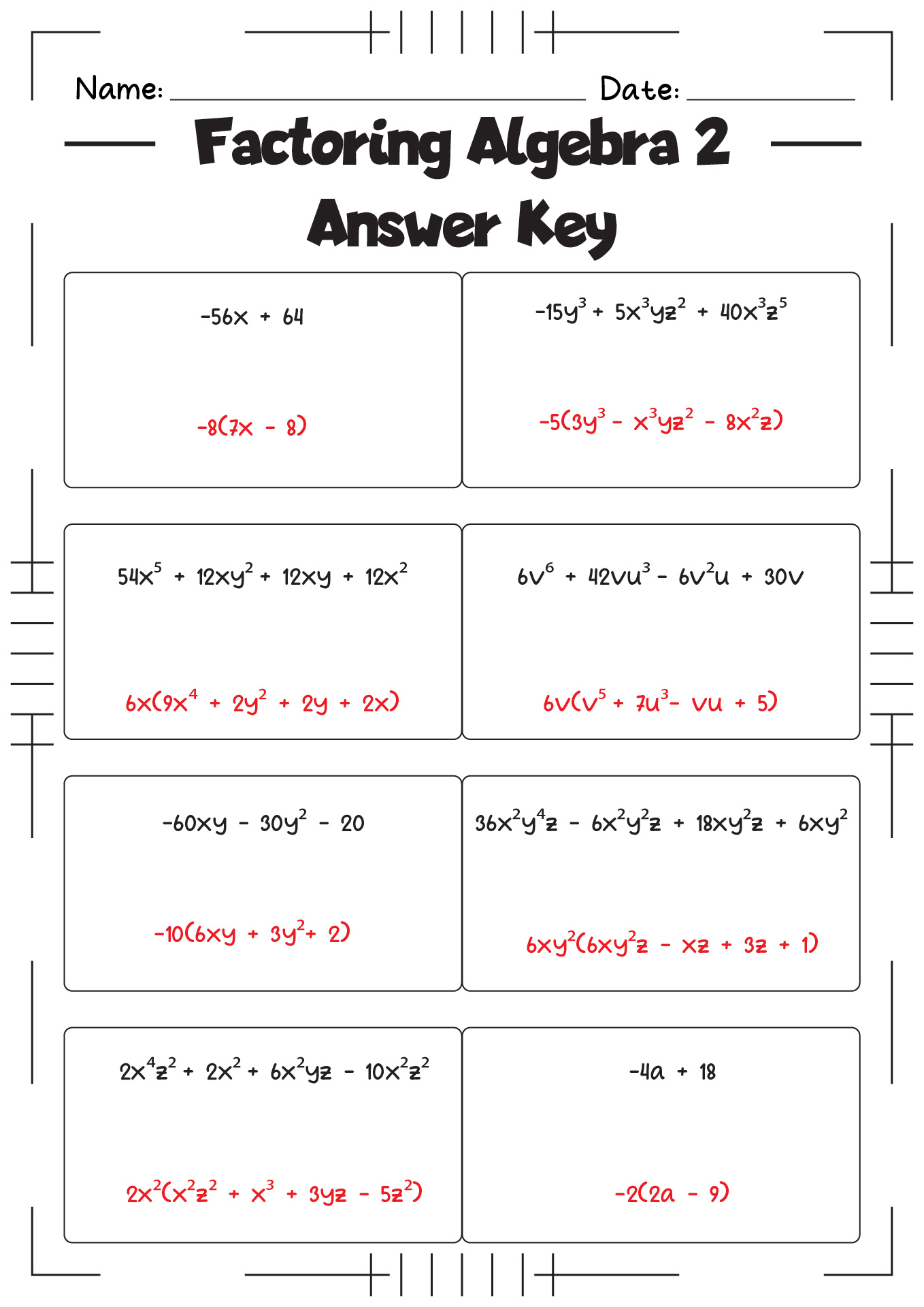
Timed Sessions for Exam Conditioning
Set a timer for each section—15 minutes for quadratics, 10 for complex numbers, etc. This mimics the pressure of a real test, training students to manage their time and prioritize questions. Review the results immediately: any problem that took longer than the allotted time becomes a target for deeper study.
Active Annotation Techniques
Encourage students to annotate each problem with a brief “plan of attack.” For example, before solving a quadratic, they might write, “Convert to vertex form → find axis of symmetry → compute roots.” This metacognitive step solidifies the problem‑solving roadmap and reduces mindless trial‑and‑error.
Layered Difficulty Progression
Start with straightforward plug‑and‑play problems, then layer in multi‑step questions that combine topics—such as a logarithmic equation that requires a quadratic transformation. This scaffolding ensures mastery builds without overwhelming the learner.
Peer Review and Collaborative Debugging
Pair students up to exchange completed worksheets. Each partner must locate any algebraic errors, justify corrections, and discuss alternative solution paths. This collaborative audit not only catches mistakes but also exposes students to diverse approaches, sharpening analytical flexibility.
Common Pitfalls and How to Dodge Them
Skipping the “Why” Behind Procedures
Many students mechanically apply the quadratic formula without understanding the discriminant’s story. Insert reflective prompts after each problem: “What does the sign of the discriminant tell you about the graph?” This forces conceptual linkage.
Mismanaging Negative Signs in Complex Numbers
Negatives in the denominator of a complex fraction are a frequent source of error. Include a dedicated “sign‑watch” checklist at the bottom of each complex‑number section, reminding students to multiply numerator and denominator by the conjugate before simplifying.
Overlooking Domain Restrictions
When dealing with rational expressions, students often ignore values that make the denominator zero. Add a “domain box” next to each problem where students must list prohibited x‑values before proceeding with simplification.
Confusing Base Changes in Logarithms
Base‑10 and natural logs are interchangeable only with the correct conversion factor. Provide side‑by‑side tables showing common base‑change examples, then ask students to verify each step by back‑substituting into the original equation.
Real‑World Applications That Cement Understanding

Engineering: Impedance in AC Circuits
Complex numbers model electrical impedance, where the real part represents resistance and the imaginary part represents reactance. A worksheet problem might ask: “Given a resistor of 4 Ω and a capacitor with reactance –3 Ω, calculate the total impedance and its magnitude.” Solving this ties abstract algebra to tangible engineering challenges.
Finance: Compound Interest and Annuities
Exponential functions drive the math behind savings accounts and loan amortizations. Include a scenario where a student must determine the future value of a $5,000 investment growing at 4.5 % compounded quarterly for 10 years, then reverse‑engineer the required rate to reach a target amount.
Biology: Population Dynamics
Logistic growth models incorporate both exponential increase and limiting factors. Pose a problem where a species’ population follows P(t)=K/(1+Ae⁻rt) and ask students to solve for the time when the population hits 75 % of its carrying capacity.
Computer Science: Algorithm Complexity
Big‑O notation often relies on polynomial and logarithmic analysis. A worksheet can ask students to compare the growth rates of n² versus n log n, illustrating why certain sorting algorithms outperform others as data sets expand.
Tips for Teachers and Parents

Customization Over One‑Size‑Fits‑All
Assess each student’s weak spots via a quick diagnostic quiz, then cherry‑pick worksheet sections that target those gaps. This personalized approach maximizes relevance and keeps frustration at bay.
Integrate Technology Wisely
Use graphing calculators or free online algebra platforms to validate answers instantly. However, require students to first solve problems on paper to ensure they internalize procedural steps before relying on digital shortcuts.
Feedback Loops That Matter
Instead of handing back a graded sheet with a single percentage, provide a rubric that highlights specific skill areas—e.g., “Correct use of the quadratic formula,” “Accurate domain identification,” “Logical problem‑solving flow.” This granular feedback drives targeted improvement.
Reward Persistence, Not Perfection
Celebrate the effort of completing the full worksheet, even if a few answers are wrong. Encourage students to revisit errors, rewrite solutions, and track progress over multiple sessions. Persistence builds the mental stamina needed for high‑stakes exams.
Digital Versus Printable Options

Both formats have merit. Printable worksheets allow tactile interaction—students can underline, circle, and scribble freely, which many find cognitively reinforcing. Digital worksheets, on the other hand, enable instant auto‑grading, adaptive hints, and multimedia integration such as video explanations. The optimal strategy is a hybrid: print out the core problem set for manual work, then upload the completed pages to a digital platform for quick verification and analytics.
Creating Your Own Custom Worksheet

Step‑by‑Step Blueprint
Step 1: List the learning objectives you need to address—e.g., “Solve quadratic equations by completing the square.” Step 2: Draft 3–5 warm‑up problems that focus on the fundamental skill. Step 3: Design 2–3 multi‑step challenges that combine two or more objectives, such as a quadratic embedded in a logarithmic equation. Step 4: Add a reflective prompt at the end of each section to encourage meta‑cognition. Step 5: Include a concise answer key with step‑by‑step solutions, highlighting common traps.
Tools and Templates
Free spreadsheet software can generate random coefficients for quadratics, ensuring each student receives a unique set. LaTeX or online equation editors help produce clean, professional-looking formulas. For visual learners, embed simple graphs created with free graphing tools to illustrate the shape of each function before they dive into calculations.
Conclusion

Mastering Algebra 2 is a battle of endurance, precision, and strategic rehearsal. An Algebra 2 Review Worksheet serves as the battlefield map, guiding students through the terrain of quadratics, complex numbers, logarithms, and beyond. By focusing on core topics, employing timed and collaborative strategies, dodging common errors, and anchoring learning in real‑world applications, both educators and learners can transform a daunting subject into a series of conquerable challenges. Whether printed on paper or tackled on a screen, the worksheet’s power lies in its ability to compel active recall, illuminate weak points, and build the confidence needed to dominate any test, college entrance exam, or future STEM endeavor. Embrace the dark, methodical grind, and watch algebraic mastery emerge from the shadows.