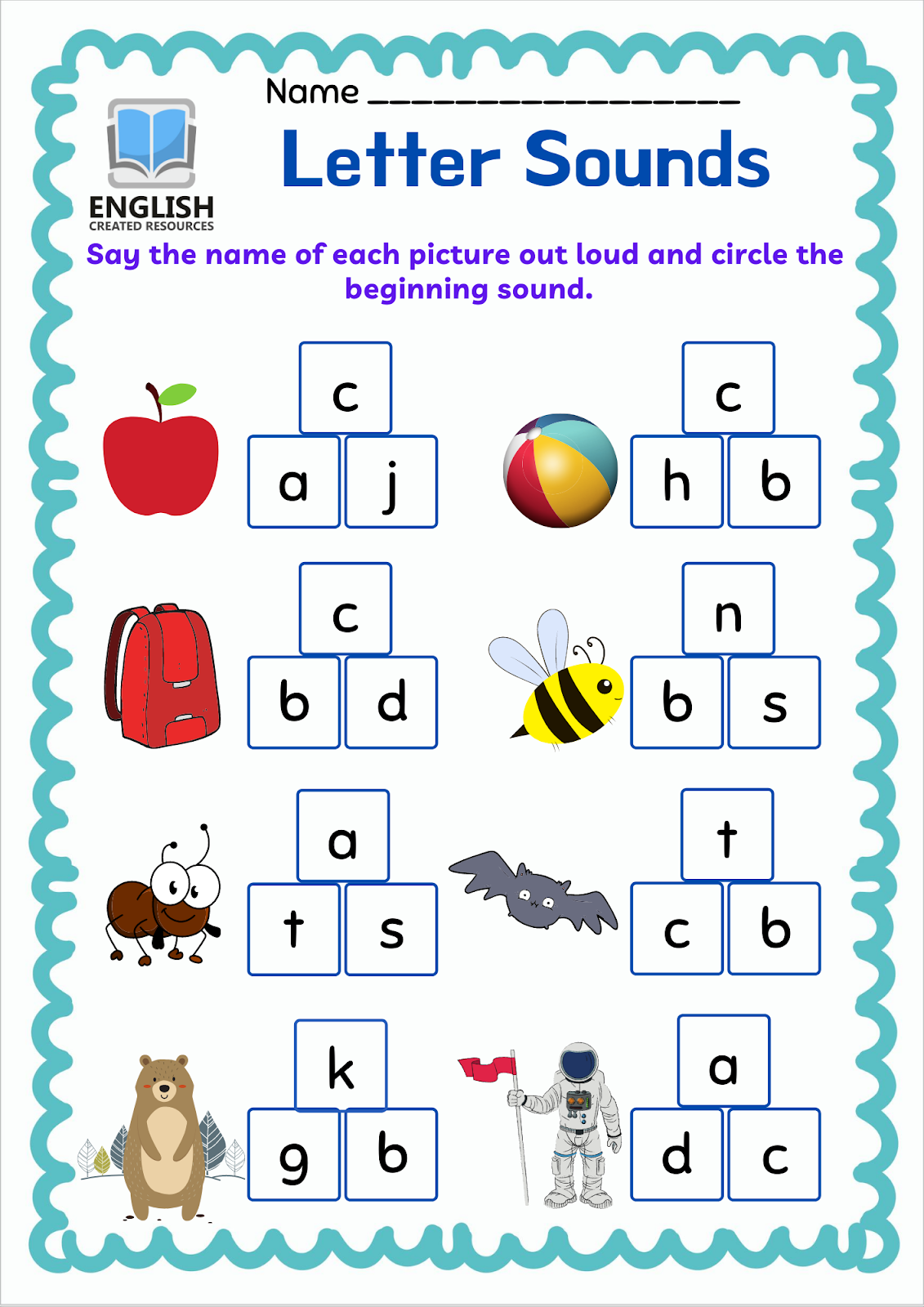
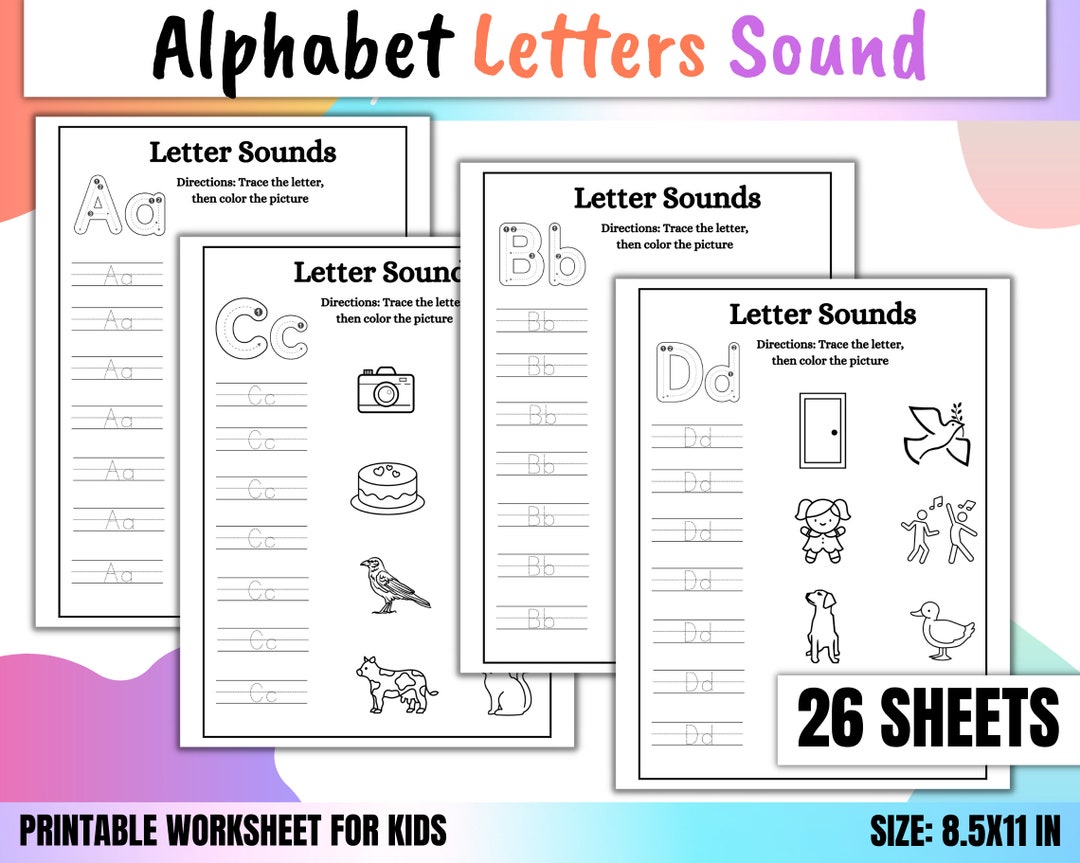
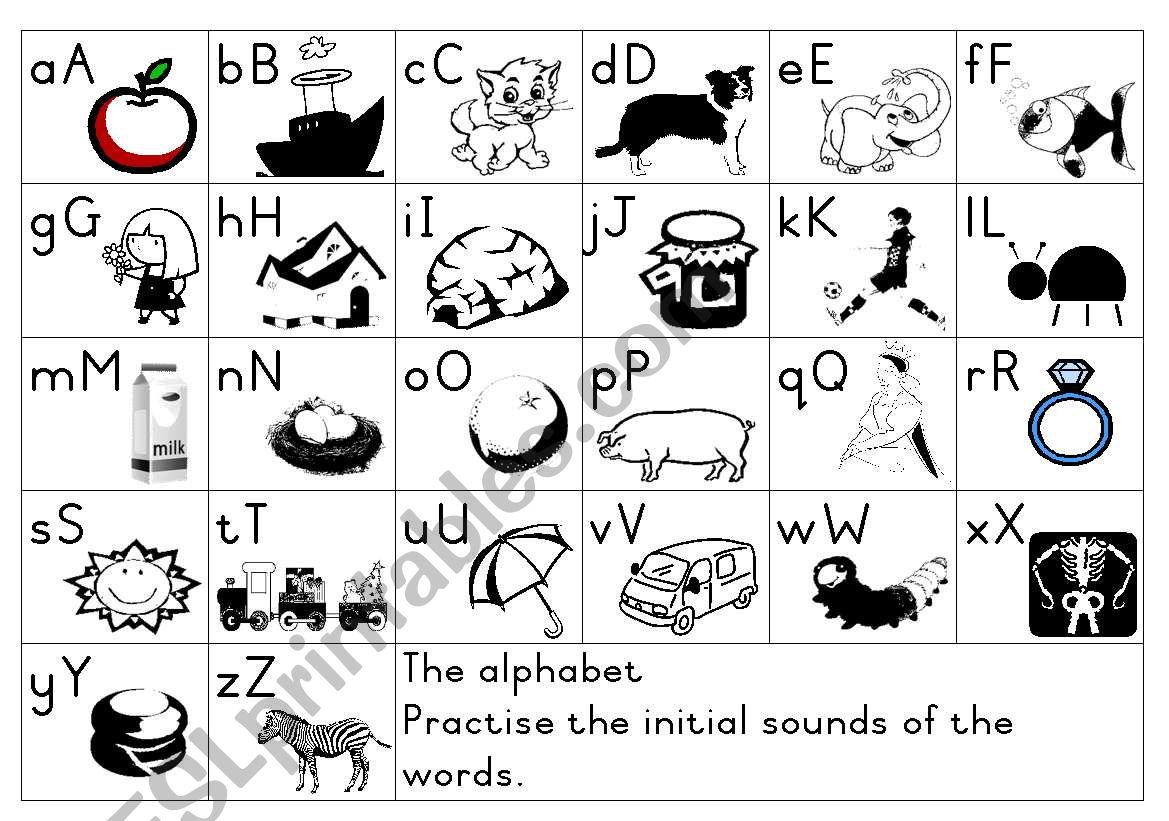
If you’re looking to help your child develop strong foundational literacy skills, Alphabet Letter Sounds Worksheets can be an invaluable resource that transforms learning into a playful and structured adventure. By combining visual cues, auditory reinforcement, and hands‑on activities, these worksheets guide young learners to decode and pronounce letters with confidence, paving the way for reading fluency and writing excellence.
Why Alphabet Letter Sounds Matter in Early Literacy

Alphabet letter sounds are the building blocks of phonics, the key strategy that enables children to decode unfamiliar words. When children can match a letter to its corresponding sound, they gain the ability to blend sounds into words, a skill that directly improves reading accuracy and speed. Early mastery of phonics also reduces frustration and builds self‑esteem in emerging readers. Below are the core reasons why focusing on letter sounds yields lasting benefits:
- Foundation for Reading: Sound awareness turns letters from isolated symbols into functional tools for decoding text.
- Writing Confidence: Knowing how a letter sounds helps children spell and write with greater precision.
- Language Development: Phonemic awareness supports overall vocabulary growth and comprehension.
- Early Intervention: Identifying gaps in sound knowledge allows teachers and parents to address potential reading difficulties promptly.
Choosing the Right Alphabet Letter Sounds Worksheets

Assess the Age and Skill Level
Not all worksheets are created equal. A worksheet designed for kindergarteners might emphasize recognition of basic sounds, while a worksheet for first‑grade students could incorporate blending activities. Begin by identifying the child’s current phonemic stage:
- Pre‑Phonics: Focus on letter identification and name recognition.
- Phonics Basics: Introduce simple sound associations such as c = /k/ and t = /t/.
- Advanced Phonics: Include consonant blends, digraphs, and vowel teams.
Look for Varied Formats and Activities
Effective worksheets mix several types of tasks to keep children engaged:
- Matching Columns: Pair letters with their sounds.
- Fill‑In‑The‑Blanks: Complete words using the correct letter sound.
- Word Scrambles: Rearrange letters to form recognizable words.
- Tracing and Writing: Reinforce letter shape while reinforcing sound association.
Consider Visual and Audio Integration
Colorful illustrations, bold lettering, and clear sound icons make worksheets more approachable. When available, audio clips that play the corresponding sound can provide an additional layer of reinforcement, especially for auditory learners. Teachers and parents can use these audio features during independent or guided practice sessions.
Designing a Structured Learning Path with Worksheets

Start with the Alphabetic Principle
Introduce the alphabetic principle by highlighting the relationship between letters and sounds. Begin with a simple list that pairs each letter with its most common sound, and gradually move toward more complex sounds.
Use Repetition and Spaced Practice
Children absorb new information best when they encounter it multiple times across various contexts. Structure a weekly plan that revisits the same letter sounds with different tasks. For example, one day you might match letters to sounds; the next day, trace the letters and pronounce the sound aloud.
Integrate Real‑World Contexts
To help children see the practical value of letter sounds, embed worksheets within familiar themes such as food, animals, or family. Example: a worksheet about the letter “s” could include pictures of a sun, a snake, and a sock, each accompanied by a simple sentence that emphasizes the “s” sound.
Include Assessment Checks
Short quizzes at the end of a worksheet set allow teachers or parents to gauge progress. A quick 3‑point check—identifying the sound, writing the letter, and reading a word—provides instant feedback and helps tailor future instruction.
Practical Tips for Parents and Educators

Create a Dedicated Learning Space
Set up a quiet corner with a small table, comfortable chair, and plenty of natural light. Keep the workspace tidy and stocked with paper, pencils, and a timer to keep sessions focused and efficient.
Use Multi‑Sensory Approaches
Combine visual, auditory, and kinesthetic activities:
- Visual: Color‑coded worksheets and flashcards.
- Auditory: Sing-alongs and sound‑matching games.
- Kinesthetic: Move letters on a magnetic board or write them in sand.
Gamify the Practice
Introduce point systems, stickers, or a simple “sound bingo” to make worksheets fun. For instance, every time a child correctly matches a letter to its sound, they earn a star on their chart. Accumulating stars can unlock a small reward or a break to play a favorite game.
Encourage Independent Exploration
Once the child is comfortable with basic sounds, provide open‑ended worksheets that invite exploration. Ask them to draw a picture of an object that starts with a given letter and write the corresponding sound next to it. This promotes creativity while reinforcing phonemic awareness.
Common Challenges and How to Overcome Them

Difficulty in Remembering Sounds
When a child struggles to recall a letter’s sound, use mnemonic devices. For example, for the letter “b,” link the sound to the phrase “bee buzz”. Repeating the phrase aloud while tracing the letter can cement the association.
Overwhelmed by Too Many Letters at Once
Break down the alphabet into smaller groups—perhaps five letters per session. Focus on mastering that subset before moving to the next. This incremental approach reduces cognitive overload and builds confidence.
Resistance to Practice Time
Keep worksheets short—no longer than 10–15 minutes—to avoid fatigue. Use a timer to create a sense of urgency and reward completion with a brief, enjoyable activity such as a quick dance or a short story read.
Extending Learning Beyond Worksheets

Reading Books That Highlight Phonics
Choose leveled readers that emphasize the sounds covered in worksheets. Paired reading sessions where the child reads aloud while the adult highlights the target sounds reinforce learning in authentic contexts.
Interactive Digital Tools
Augment worksheets with phonics apps that provide animated letters, sound cues, and interactive games. These digital tools can offer instant feedback and keep motivation high.
Community and Peer Interaction
Organize small group activities where children practice letter sounds together. Peer instruction often boosts engagement and allows children to learn from each other’s approaches.
Conclusion

By thoughtfully selecting, structuring, and supplementing Alphabet Letter Sounds Worksheets, parents and educators can create a dynamic learning environment that nurtures phonemic awareness and sets the stage for reading success. Combining visual clarity, auditory reinforcement, and interactive play, these worksheets become more than just practice sheets—they evolve into gateways to confident, lifelong learning. Embrace the process, celebrate small victories, and watch as each sound mastered becomes a stepping stone toward fluency and love for reading.