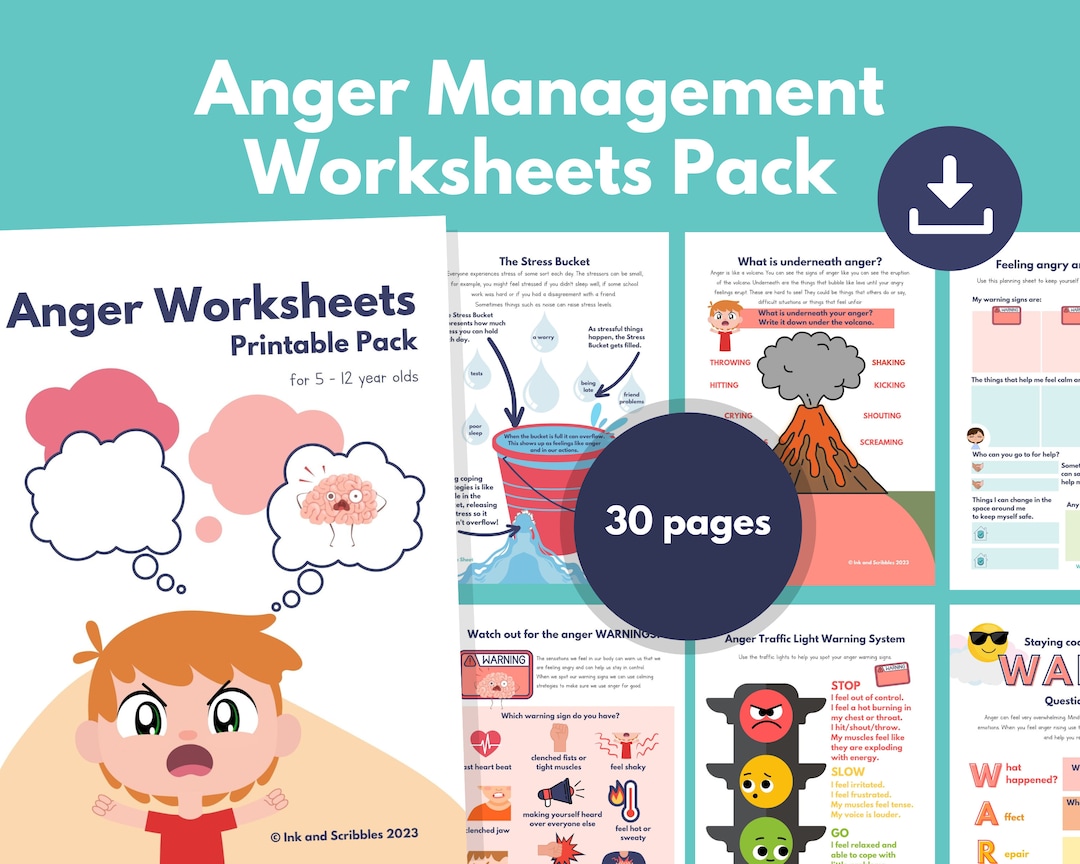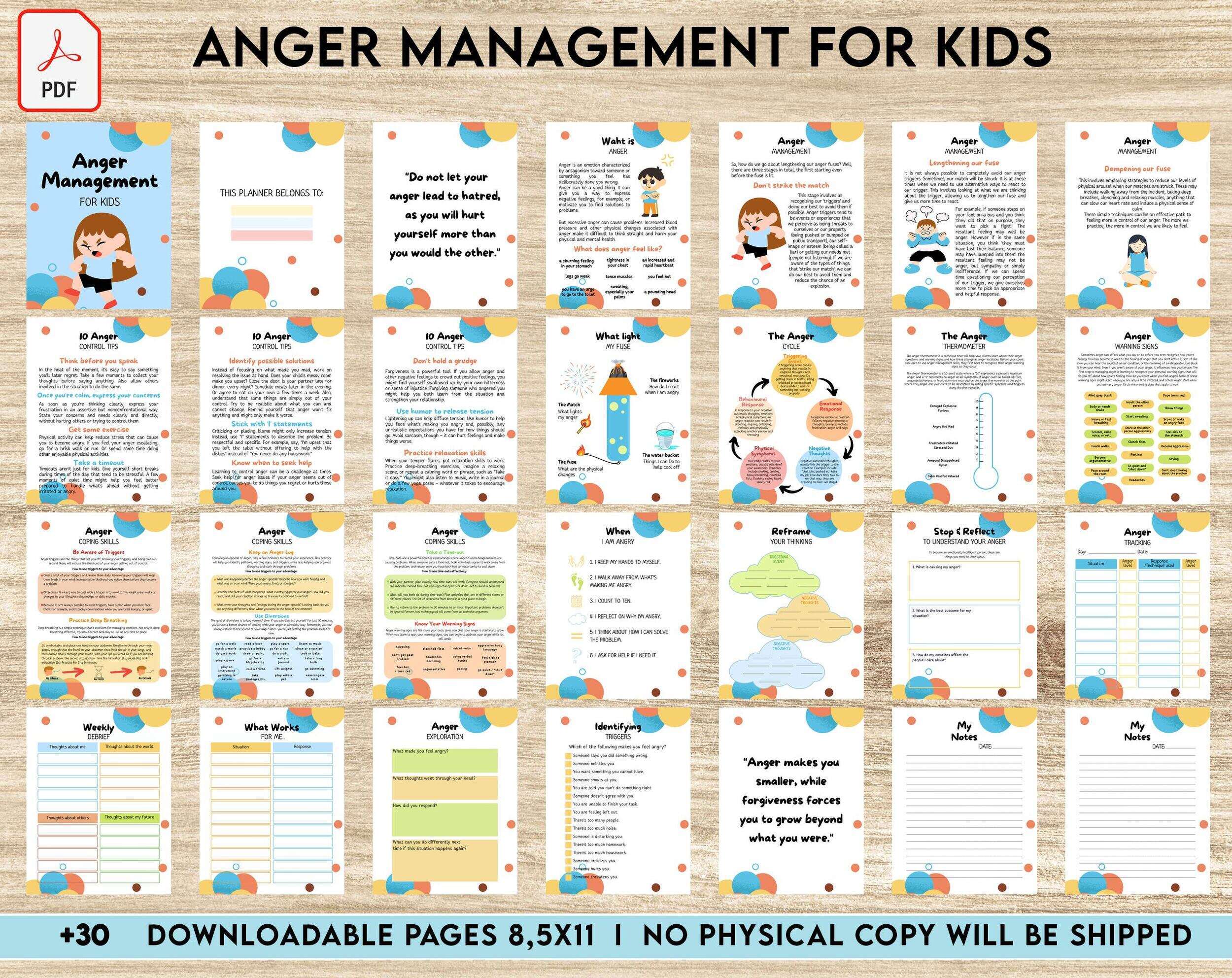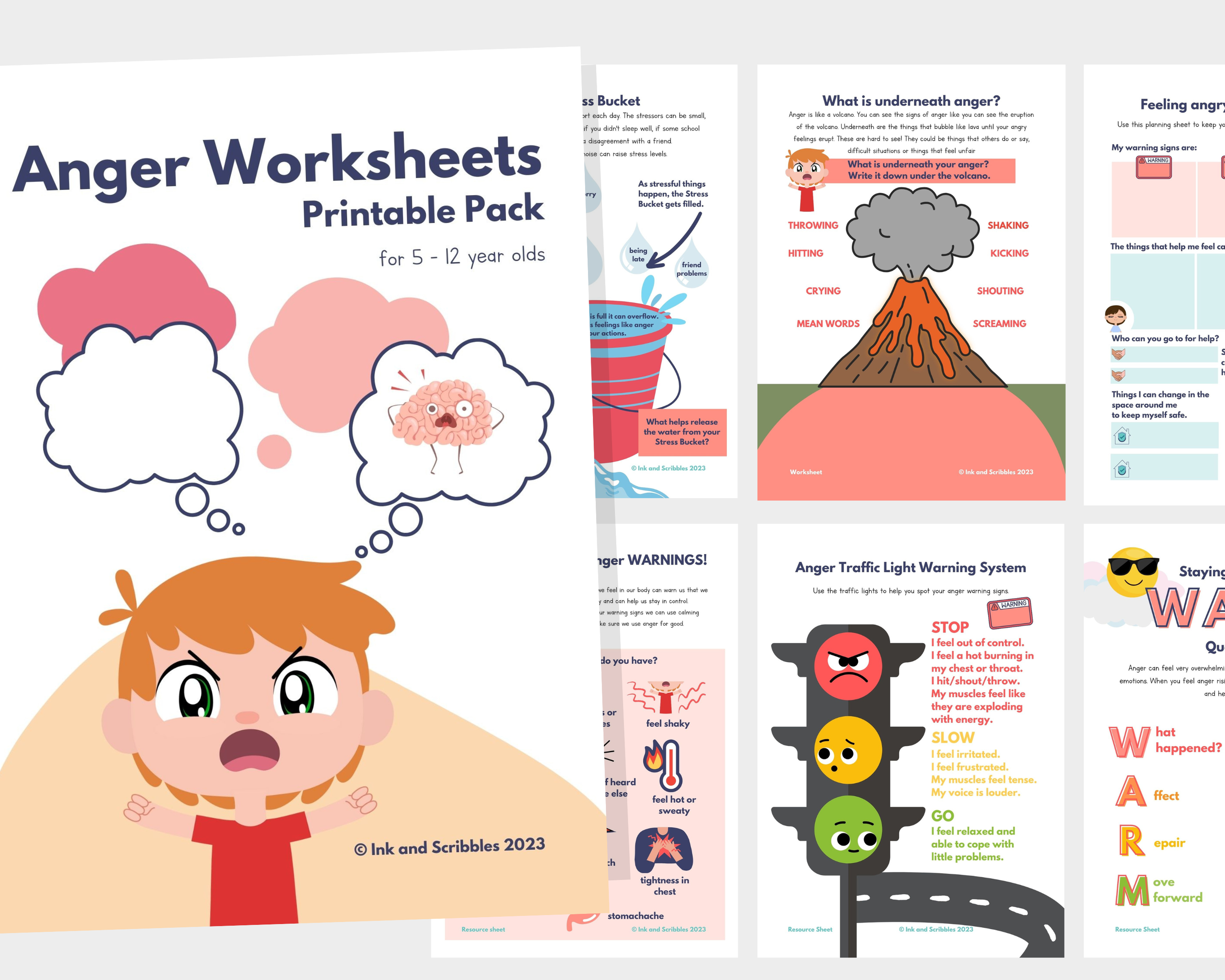
Anger Worksheets For Kids provide a gentle, structured way for children to understand and manage the powerful emotions that can arise during their daily lives. In many Asian families, harmony and respect are core values, yet feelings of frustration still surface when children face school pressures, sibling rivalry, or unexpected changes. By incorporating culturally respectful practices such as mindful breathing, storytelling, and collective reflection, these worksheets become more than a simple academic exercise; they transform into a family ritual that nurtures emotional intelligence and strengthens communal bonds.
Why Anger Worksheets Are Essential for Young Learners
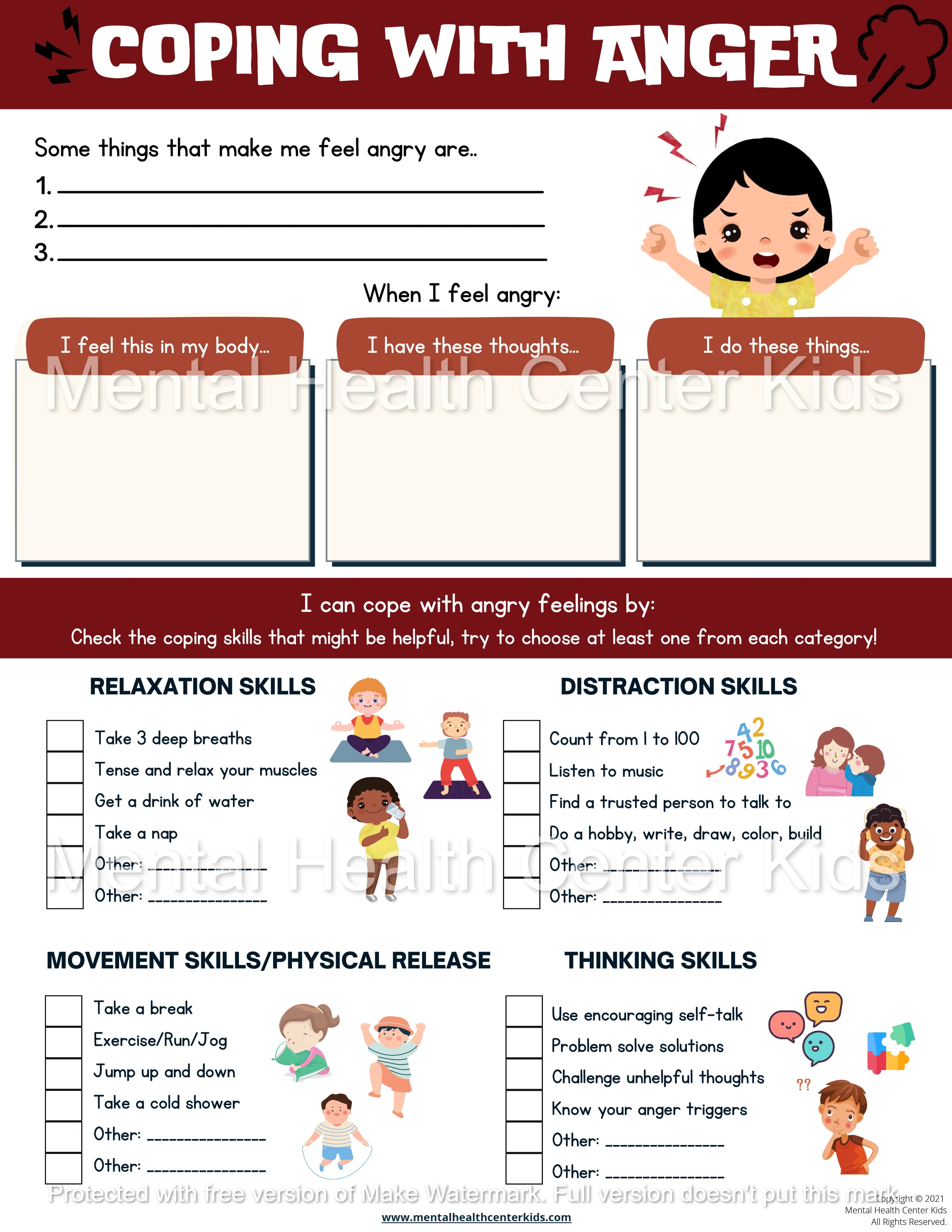
While adults often dismiss anger as a short-lived reaction, for children it can become a pattern that affects concentration, friendships, and overall wellbeing. Anger worksheets bridge the gap between instinctual reactions and conscious self-regulation, offering a safe, visual space for children to:
- Identify triggers in a non‑judgmental format.
- Recognize physical cues—tight muscles, rapid heartbeat—before a full-blown outburst.
- Practice calm‑down strategies that align with cultural practices such as deep breathing and counting to ten.
- Develop empathy by reflecting on how their anger affects peers and family members.
Common Situations That Trigger Anger in Children
Understanding the context of anger helps tailor the worksheet to realistic scenarios. Some frequent triggers include:
- Academic challenges, such as struggling with math or a tough assignment.
- Social disputes, like disagreements with friends over toys or playground rules.
- Family dynamics, for instance, feeling unheard during household chores.
- Sudden changes in routine, which can disturb a child’s sense of stability.
Designing an Effective Anger Worksheet: Key Components

An effective worksheet should be visually engaging, age‑appropriate, and culturally resonant. Here are the primary elements to include:
1. Emotion Wheel with Facial Expressions
Using a colorful wheel, label different emotions around the center with a simple face for each. This visual aid allows children to select not just “anger” but related states such as “frustration,” “sadness,” or “embarrassment,” helping them see that anger is part of a broader emotional spectrum.
2. Trigger Identification Grid
Create a two‑column table where children list the situation in one column and their physical or mental reaction in the other. For example, “I was told I couldn’t play video games” paired with “I felt my chest tighten and my face turn red.” This promotes self‑awareness.
3. Breathing Exercise Instructions
Include a simple breathing routine adapted from traditional Asian meditation practices—such as “inhale for four seconds, hold for four, exhale for six”—paired with a visual countdown or illustrated breath path.
4. Problem‑Solving Flowchart
Guide the child through a decision tree: “If I feel angry, should I take a break, talk to a parent, or write it down?” Each branch leads to a calm‑down technique suitable for the situation.
5. Reflection and Positive Reframe Section
Ask the child to write or draw a short paragraph about how they handled the situation and what they might do differently next time. Encourage using “I” statements: “I felt angry because I wanted to win the game, but I could ask for a turn instead.”
Integrating Anger Worksheets into Daily Life
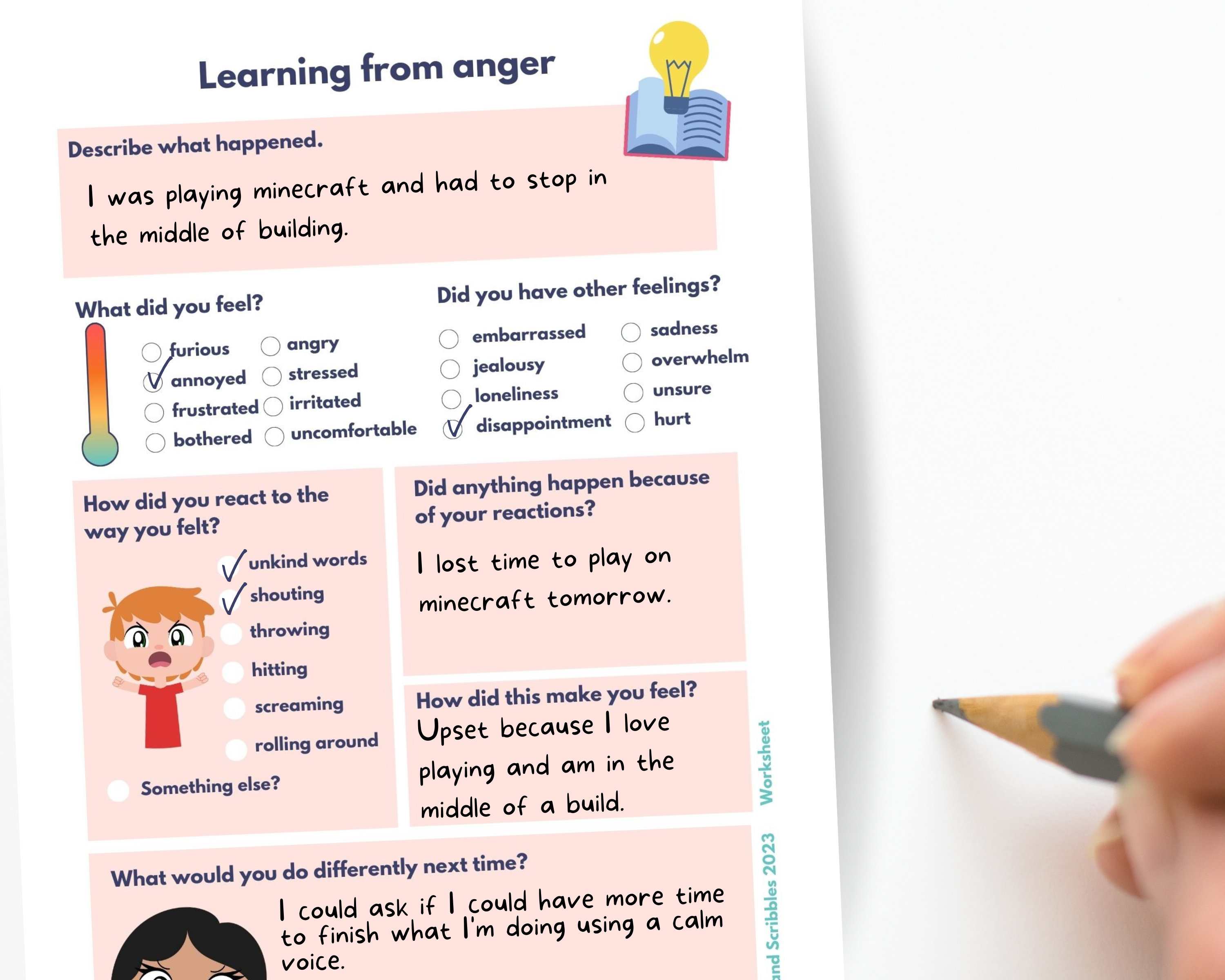
To ensure lasting impact, these worksheets must become part of a routine, not a one‑time activity. Below are practical methods to weave them into family life.
Morning Calm‑Down Ritual
Before school, sit with your child for a five‑minute breathing exercise while reviewing the anger wheel. Discuss any potential triggers for the day, such as a test or a change in class schedule.
After‑School Debrief Sessions
When the child returns from school, allocate 10–15 minutes to go through the worksheet together. Use a gentle, supportive tone, emphasizing that acknowledging feelings is a sign of strength.
Community Storytelling Sessions
Invite children to share a short story from the worksheet with classmates or a small family circle. This builds empathy and reinforces that everyone experiences anger.
Celebrating Progress with Rewards
Recognize milestones—such as consistently using the breathing exercise—by awarding small tokens like stickers or extra playtime. The reward should reinforce the positive behavior rather than the absence of anger.
Adapting Worksheets for Different Age Groups

While the core framework remains consistent, age‑appropriate modifications improve engagement and effectiveness.
For Preschoolers (Ages 3‑5)
- Use picture cards and simple yes/no questions.
- Replace written prompts with stickers representing feelings.
- Include a “color your feelings” activity where they match a color to an emotion.
For Elementary Kids (Ages 6‑10)
- Introduce short, illustrated scenarios for students to identify triggers.
- Add a simple math twist—count breaths or steps to practice patience.
- Encourage drawing a comic strip that shows a before‑and‑after of an anger episode.
For Pre‑Teen and Teenagers (Ages 11‑15)
- Include reflective journaling sections with prompts that encourage self‑analysis.
- Add a “peer support” section where they can write a message of encouragement to a sibling or friend.
- Incorporate technology by offering printable PDFs that can be saved on a tablet for quick use.
Common Mistakes to Avoid When Using Anger Worksheets

Even a well‑designed worksheet can be ineffective if used incorrectly. Keep these pitfalls in mind:
- Overloading with complex language or too many steps; keep instructions simple.
- Forcing a child to “solve” anger instead of simply recognizing it.
- Neglecting to discuss the worksheet’s insights—avoid letting the child complete it alone without conversation.
- Using punitive language; focus on growth rather than blame.
Tips for Parents and Educators to Foster Emotional Literacy
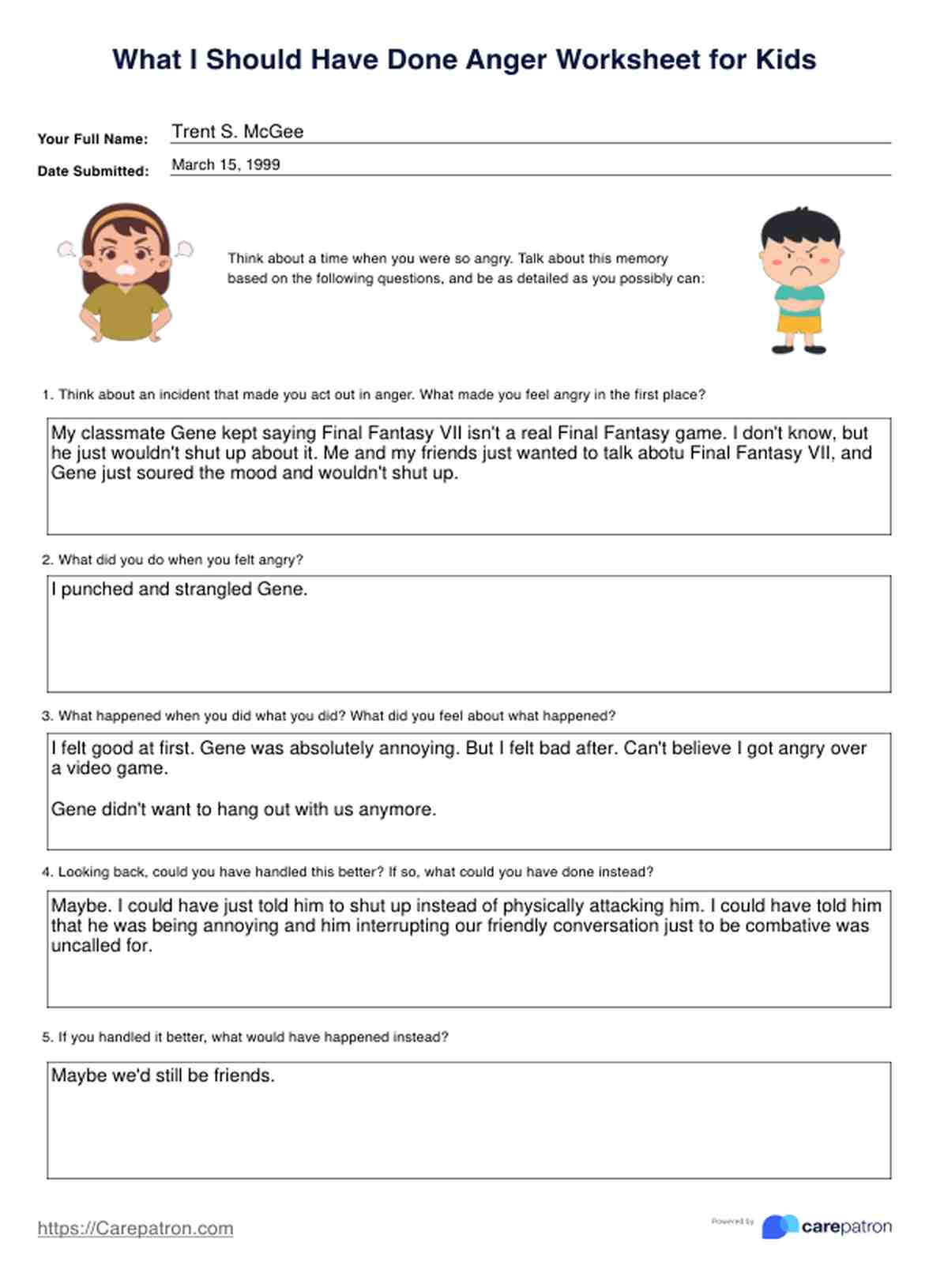
Beyond worksheets, continuous support solidifies emotional learning. Here are actionable strategies:
Model Calm‑Down Techniques
Children learn by imitation. When you encounter frustration, demonstrate a pause, a breath, or a calm statement like, “I feel upset, but I will find a solution.”
Create a “Feelings” Corner in the Home
Place a small bulletin board with emotion icons where children can post their current feelings. Rotate the icons to reflect new emotions and encourage discussion.
Encourage Mindful Practices
Integrate simple meditation or tai chi moves in daily routines. These practices align with traditional Asian values of harmony and can help children internalize calmness.
Use Positive Language in Feedback
When a child uses the worksheet to manage anger, respond with specific praise: “I noticed you counted to ten before you talked to your sister. Great job staying calm!”
Offer Continuous Learning Resources
Books, cartoons, and role‑play games that emphasize emotional intelligence can reinforce the lessons from worksheets. Encourage children to share what they’ve learned with peers.
Case Study: A Family’s Journey with Anger Worksheets
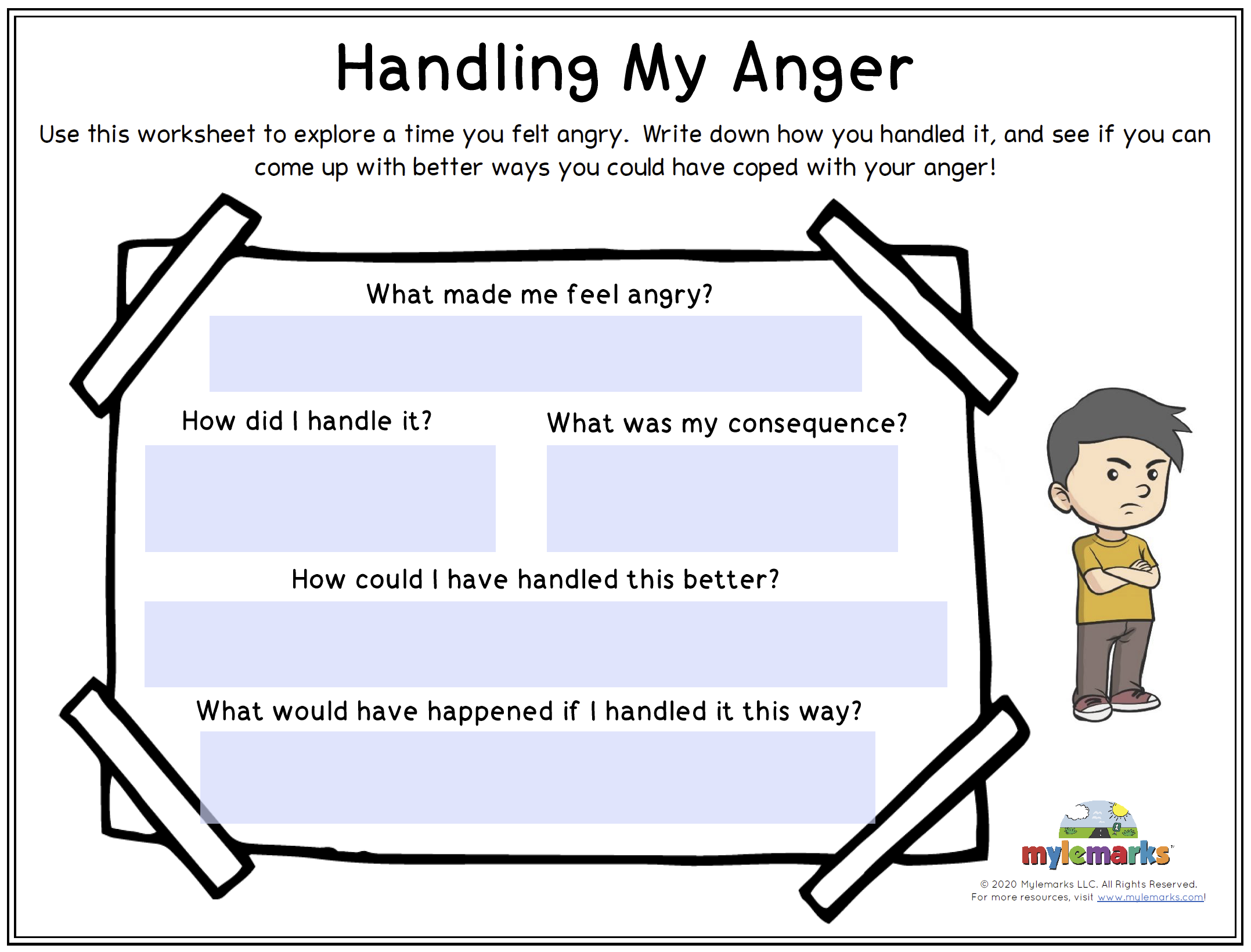
Mrs. Tan, a mother of two in a bustling city, noticed her 9‑year‑old, Akio, becoming irritable after school. By introducing a simple anger worksheet, Akio began to identify triggers such as “missing the bus” or “not receiving the first seat.” Mrs. Tan used the breathing exercise section before bedtime, and Akio reported feeling “less angry and more like a puzzle to solve.” Over two months, Akio’s classroom behavior improved, and the family’s evening conversations became more harmonious. This real‑world example showcases the tangible benefits of consistent worksheet use coupled with supportive dialogue.
Conclusion: Turning Anger Into Growth with Simple Tools

Anger worksheets for kids serve as a bridge between raw emotion and deliberate self‑regulation, especially within Asian households that value respect and balance. By incorporating culturally resonant breathing techniques, visual emotion mapping, and reflective practice, these tools empower children to recognize, understand, and manage their anger. Parents and educators who adopt these worksheets as part of a regular routine, backed by open conversation and positive reinforcement, cultivate a generation of emotionally resilient individuals ready to navigate the complexities of modern life with calm confidence.