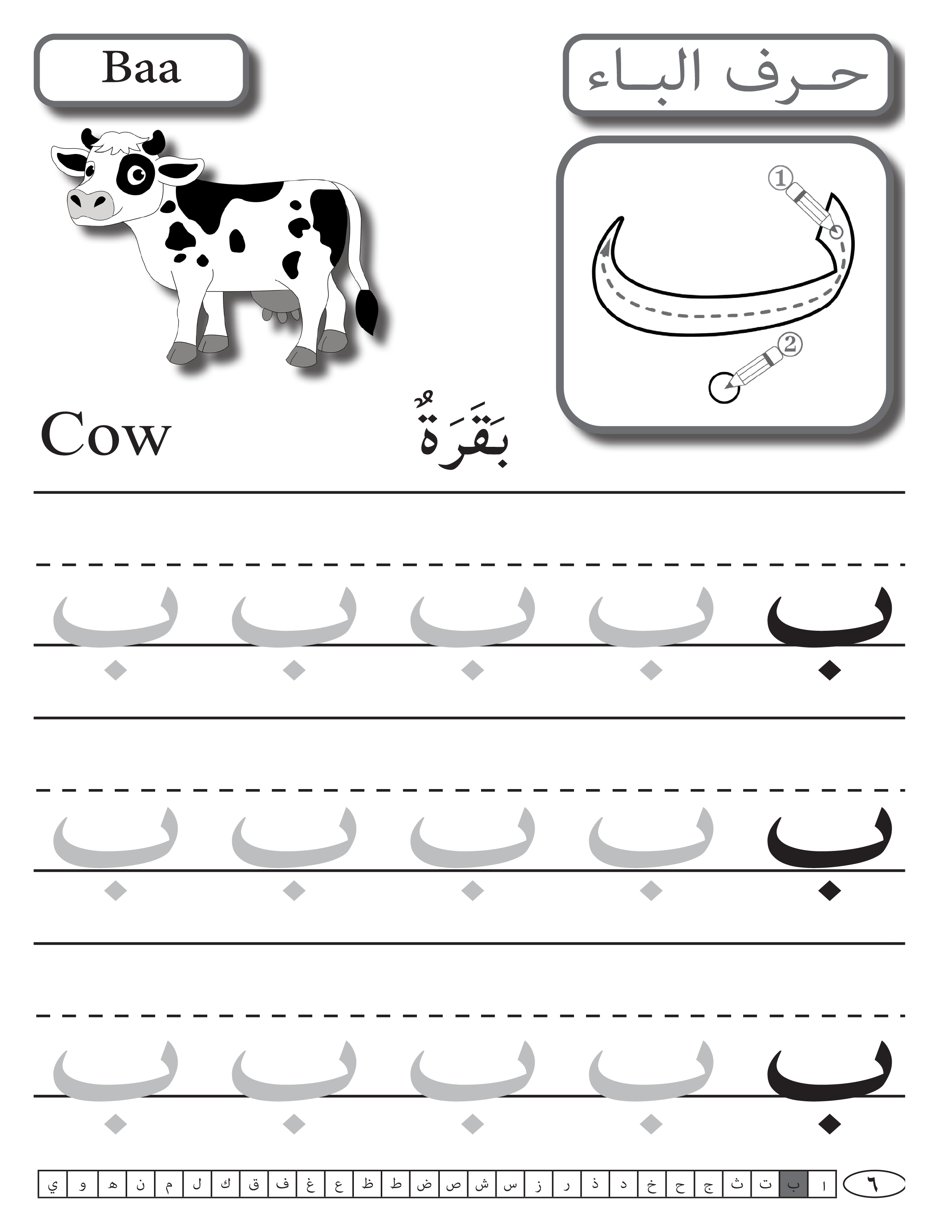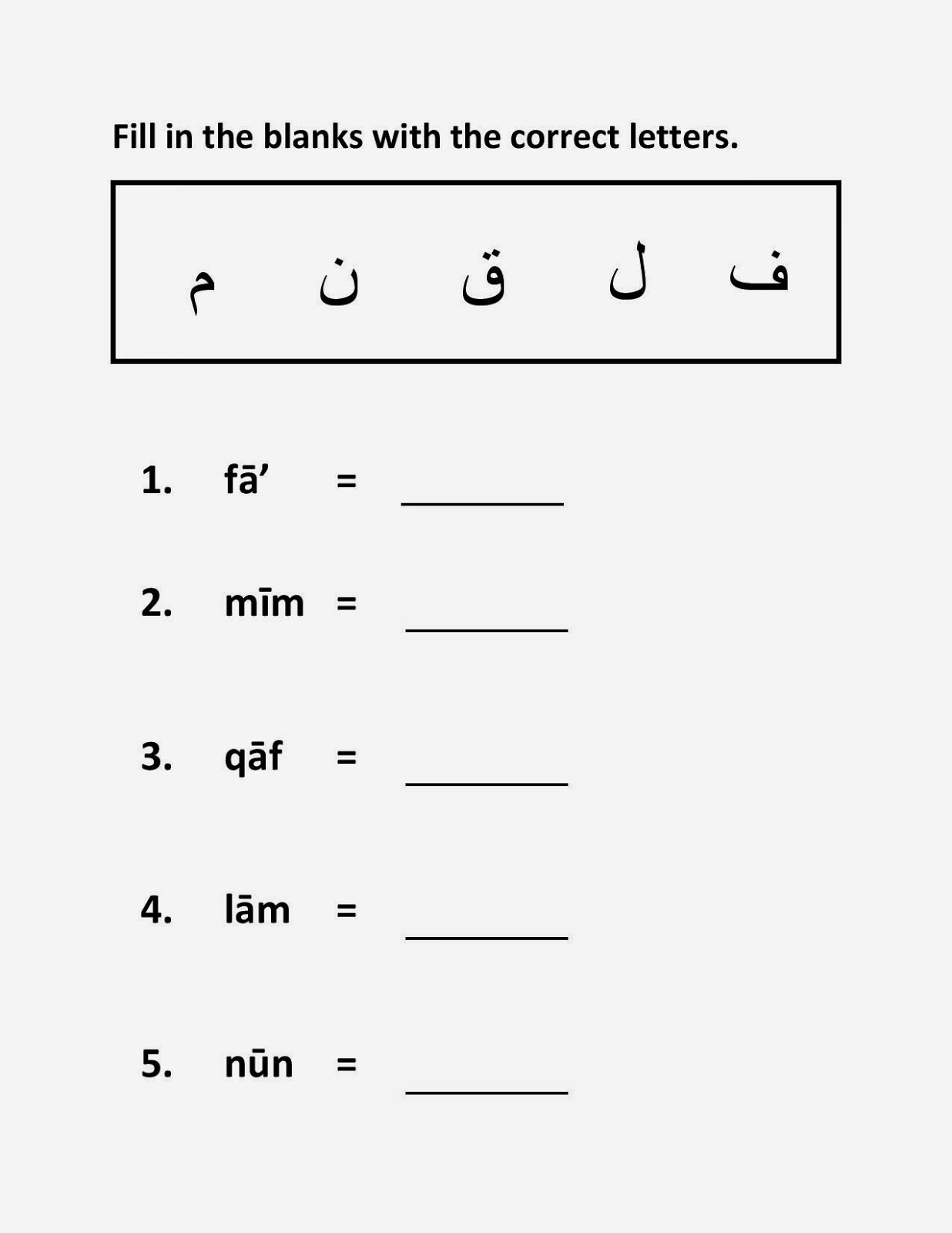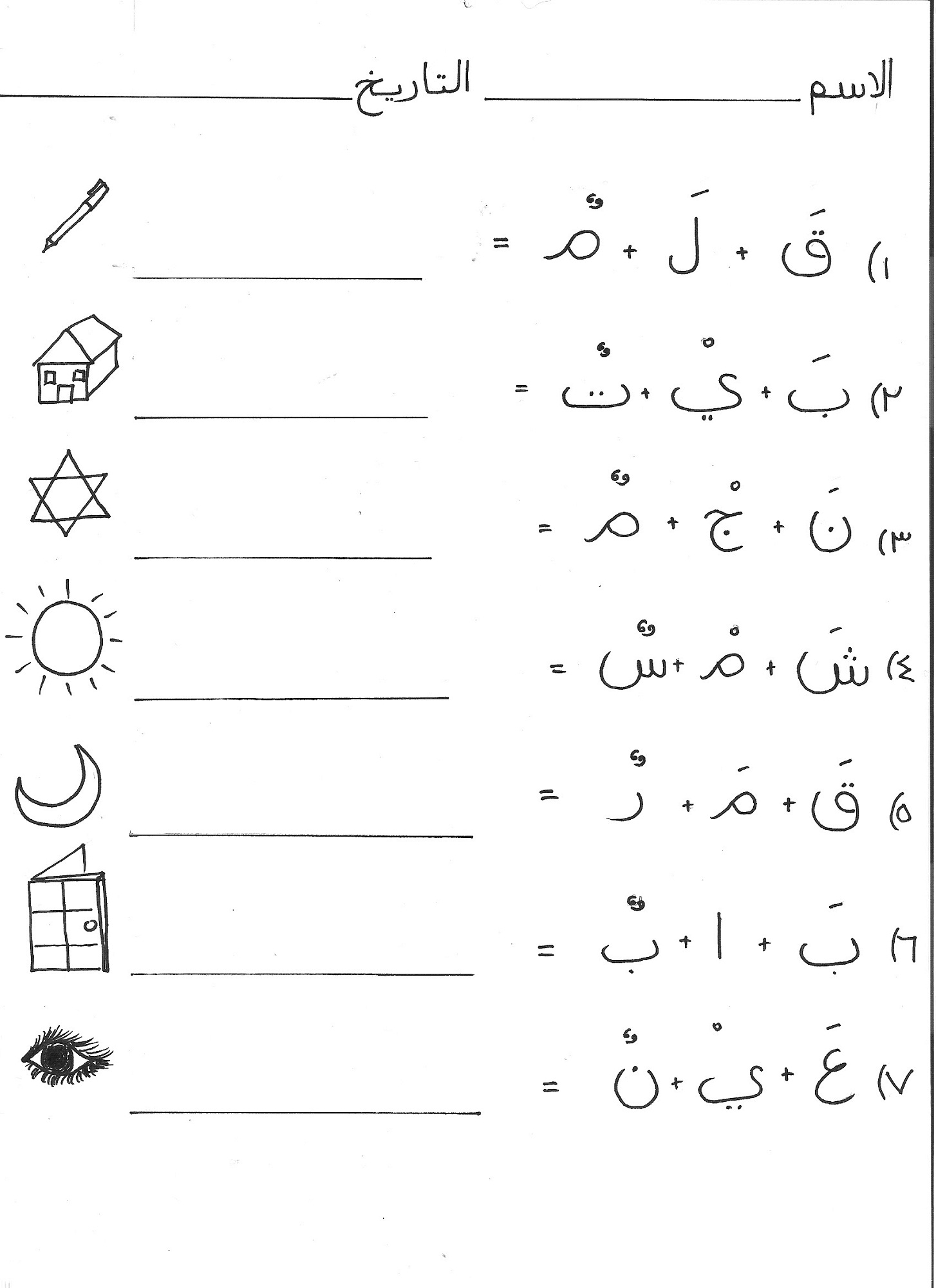
Arabic Alphabet Practice Worksheets are the unsung heroes of language learning, especially when you want to turn the mysterious squiggles of Arabic script into a friendly neighborhood of letters you can actually recognize without calling a linguist for a rescue mission. Imagine a world where every “alif” looks like a proud little stick, every “ba” is a cheerful boat, and your handwriting is so clean that even a calligrapher would give you a high‑five. That’s the promise of these worksheets, and they come with a side of giggles, because learning a new script doesn’t have to be a solemn, tear‑filled affair.
Why Worksheets Are the Secret Sauce of Arabic Literacy

They Turn Abstract Shapes into Tangible Friends
Arabic letters can feel like mysterious hieroglyphics to beginners, especially because most of them change shape depending on their position in a word. Worksheets give learners a sandbox where each letter can be traced, colored, and even given a silly nickname (“Meet Mehmoud the Mighty Meem!”). This personal connection makes the brain more likely to retain the shape and sound.
Repetition Without Boredom
Repetition is the mother of mastery, but shouting “repeat, repeat, repeat” until your vocal cords scream is not an option. Worksheets provide structured repetition: trace the same letter ten times, write it from memory, and then spot‑check it in a word list. The variety of activities (tracing, free‑hand writing, matching games) keeps the mind engaged while the muscles get a solid workout.
Instant Feedback Loop
When you’re scribbling the first “dal” and wonder if you’ve turned it into a tiny dinosaur, a worksheet with a faint guide line or a “perfect” example right beside your attempt offers instant visual feedback. No need to wait for a teacher’s sigh or a friend’s confused stare.
Portability and Low Tech Magic
Even in a world of apps and tablets, a good old‑fashioned paper worksheet can travel in a backpack, survive a coffee spill, and be used on a plane without draining the battery. For parents juggling homeschooling and bedtime stories, printable worksheets are a lifesaver.
Choosing the Right Worksheet for Your Learning Style

Beginner-Friendly Printables
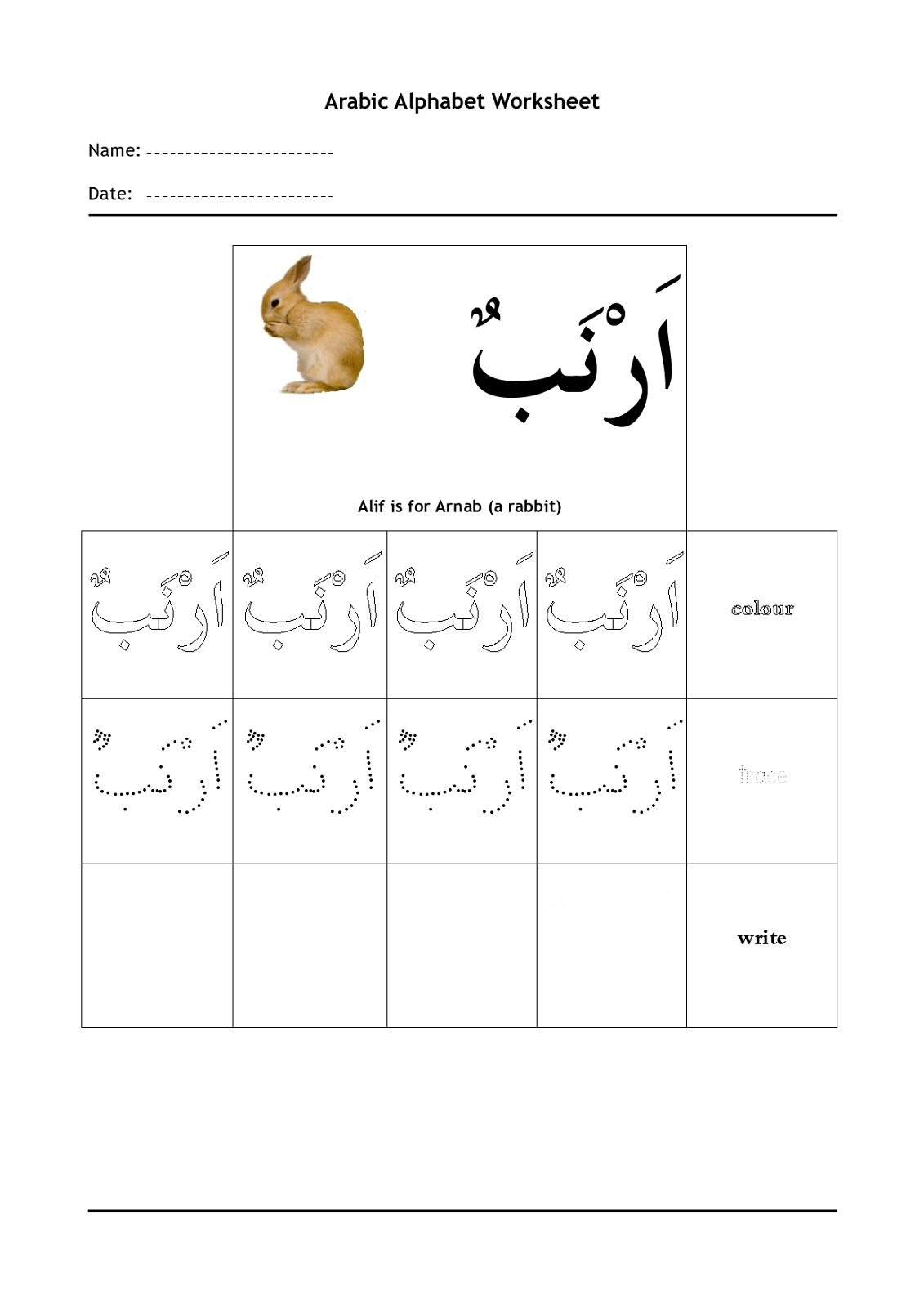
If you’re just meeting the Arabic alphabet, look for worksheets that start with isolated letter forms. These usually feature a large, bold letter at the top, a faint dotted version for tracing, and a blank line for free writing. The key is generous spacing—no cramped letters that force you to squint.
Progressive Tracing to Cursive
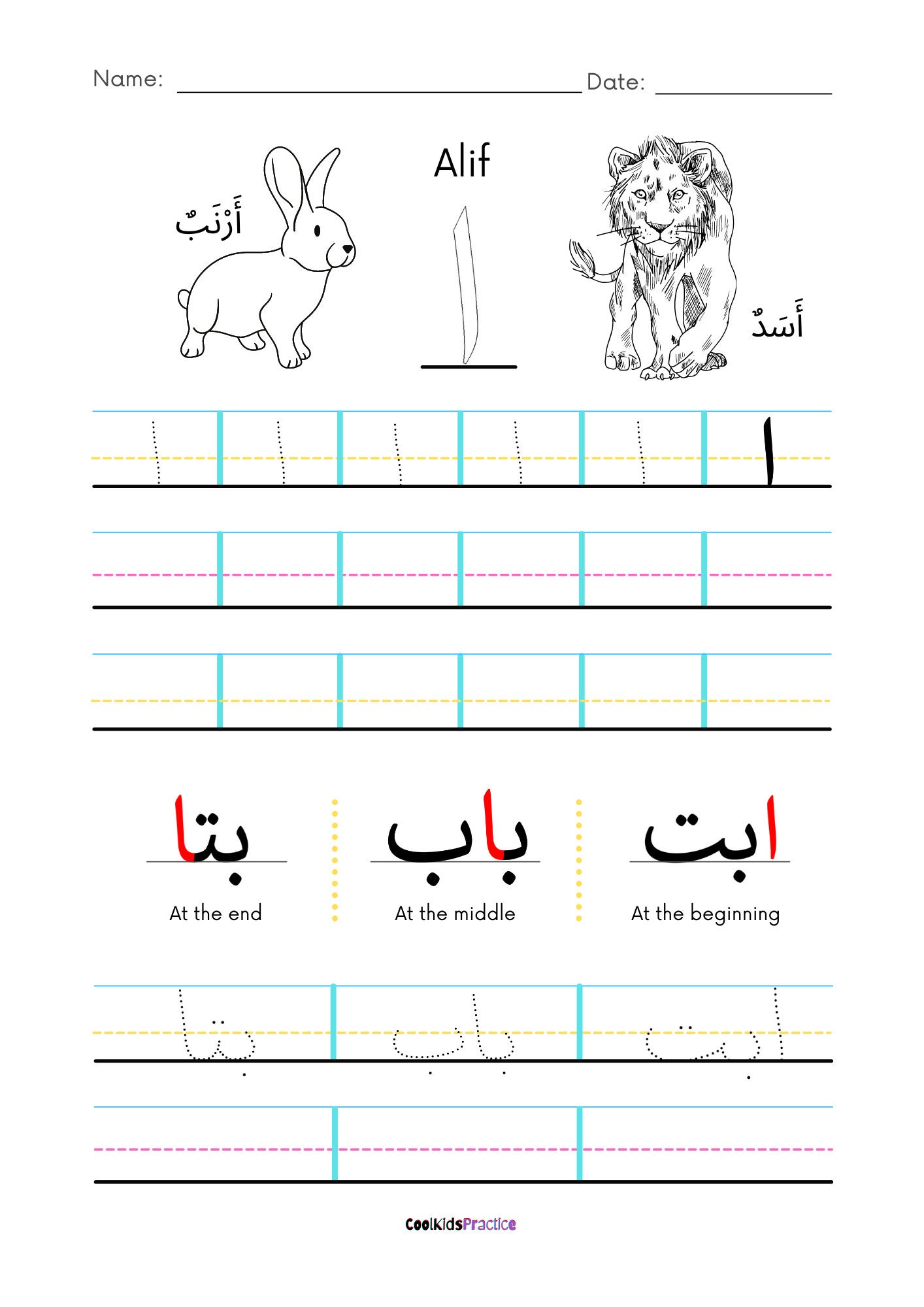
After you’ve mastered the isolated shapes, the next step is to practice the connected forms (initial, medial, final). Look for worksheets that group letters by their connection type, allowing you to see the “shape families” and practice smooth transitions. Some sheets even include arrows showing the direction of the pen stroke—think of it as a dance choreography for your pen.
Word‑Level Practice
Once you can write the letters, it’s time to string them together. Choose worksheets that provide simple, high‑frequency words like “باب” (door) or “بيت” (house). These often come with a picture cue, a phonetic transliteration, and a space to write the word in both isolated and connected forms. The visual reinforcement helps cement the spelling and meaning simultaneously.
Fun Themed Worksheets
Humor is a powerful mnemonic device. Some worksheets incorporate jokes, cartoons, or riddles that require the learner to fill in the missing letter. For example, “Why did the ‘fa’ go to the party? Because it wanted to be the ‘fa‑st’!” Such playful elements keep the learning atmosphere light and memorable.
Step‑By‑Step Guide to Making the Most of Your Worksheets
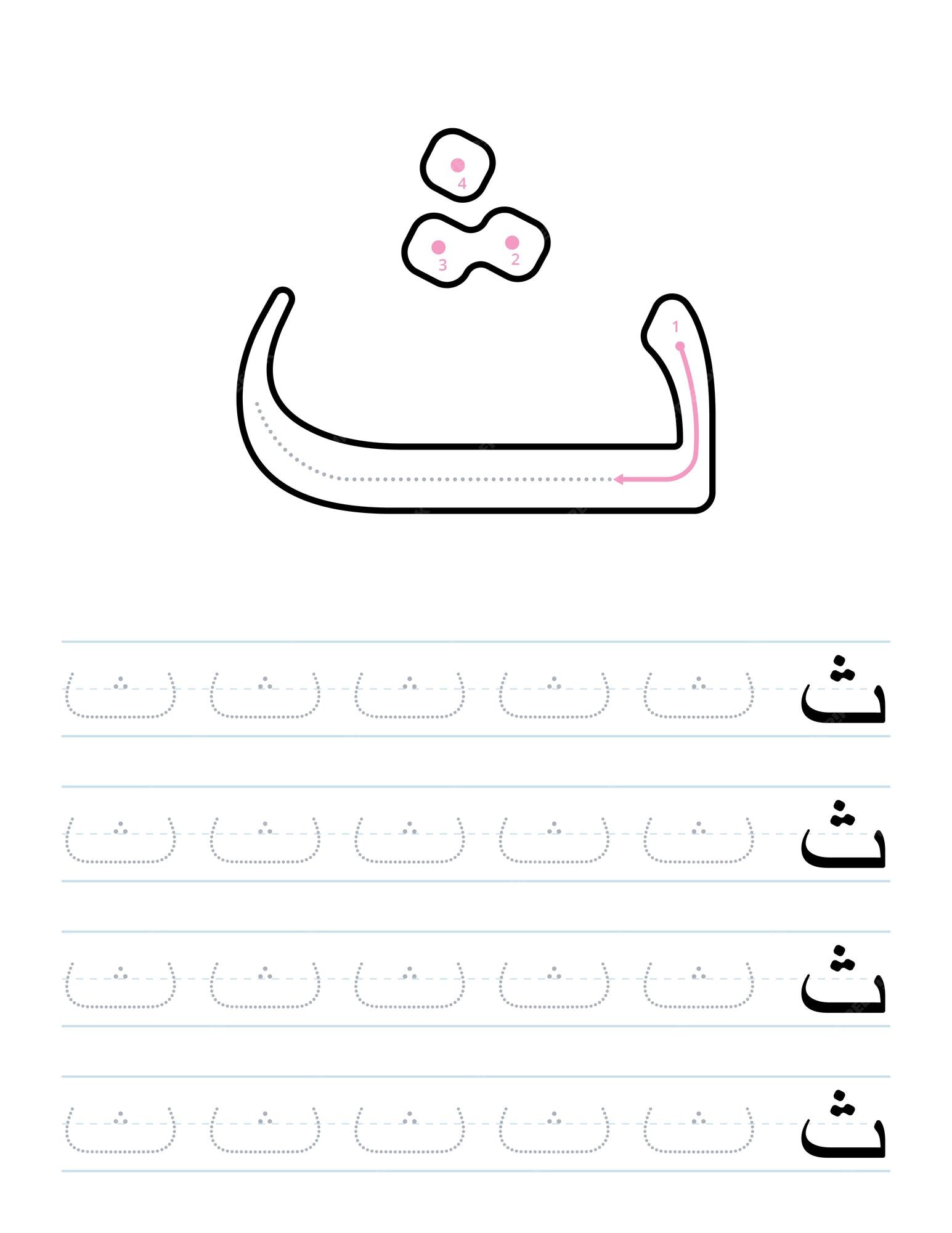
Set Up a Comfortable Workspace
Find a well‑lit table, grab a sturdy pen or pencil (preferably one with a fine tip for crisp lines), and keep a ruler nearby for straight baselines. A small cup of water for a quick splash break can keep the mood upbeat.
Warm‑Up with Letter Strokes
Start each session with a quick warm‑up: draw the basic strokes that form the backbone of Arabic letters—vertical lines, short curves, and the iconic “hook.” This primes your hand muscles and reduces the chance of “hand cramps” that could otherwise ruin your enthusiasm.
Trace, Then Write Freehand
Begin by tracing the dotted letters slowly, focusing on the direction of each stroke. After a few repetitions, lift the pen and attempt the letter freehand on the blank line. Compare your version with the guide; if the shape is off, repeat the tracing a couple more times.
Mix It Up with Games
Turn the worksheet into a game: set a timer for one minute and see how many correct letters you can write. Or play “Letter Bingo” where you call out a sound and the learner marks the matching letter on their sheet. The competitive spark fuels motivation.
Self‑Check and Reflect
After finishing a page, flip it over (if a double‑sided sheet) and compare your work with the answer key. Note any recurring mistakes—perhaps you’re consistently flipping the tail of “kaf” or missing the dot on “ta.” Jot these down in a “trouble spots” notebook and revisit them in the next session.
Reward Progress
Celebrate milestones. Completed ten worksheets? Treat yourself to a favorite snack. Mastered the final form of “shin”? Share a doodle of the letter on social media (if you’re comfortable). Positive reinforcement makes the learning loop addictive—in a good way.
Common Mistakes and How to Dodge Them
Ignoring Dots
Arabic letters love their dots. Mistaking “ba” (ب) for “ta” (ت) or “nun” (ن) for “noon” (ن) can change meanings dramatically. Worksheets that highlight the dot positions in bright colors help you develop an eye for these tiny but crucial details.
Writing Letters in Isolation Only
It’s tempting to perfect each letter in its isolated form before tackling connections, but the real world uses connected forms. Switch to worksheets that gradually introduce initial, medial, and final shapes to avoid the “letter‑is‑island” syndrome.
Rushing the Stroke Order
Arabic script has a natural flow; writing letters out of order can lead to clumsy, illegible text. Follow the arrow guides on worksheets and practice the correct sequence until it feels as natural as typing “hello.”
Neglecting Hand Position
Holding the pen too high or too low can cause shaky lines. Keep a relaxed grip, and rest your hand lightly on the paper to guide smooth movements. Some worksheets include faint hand‑position guidelines—use them as a training wheel.
Digital vs. Paper Worksheets: Pros and Cons

Paper Worksheets
Pros: Tangible, no screen fatigue, easy to annotate with colored pens, perfect for tactile learners, and great for classroom distribution.
Cons: Requires printing, can get lost or crumpled, and not as eco‑friendly if you print in large quantities.
Digital Worksheets
Pros: Instant access on tablets, interactive features like auto‑checking, reusable without waste, and can integrate audio pronunciation.
Cons: Needs a device and battery, may cause eye strain, and the tactile feel of pen‑to‑paper is missing for some learners.
Hybrid Approach
Many successful learners combine both: use digital worksheets for quick drills and instant feedback, then print out favorite pages for focused tracing sessions. This blend captures the best of both worlds.
Age‑Appropriate Strategies for Kids and Adults

Kids (Ages 5‑12)
Kids thrive on colorful visuals and playful narratives. Choose worksheets that feature cartoon characters, animal mascots for each letter, and short stories that incorporate the target letters. Incorporate stickers as rewards for completed pages, and keep sessions short—10‑15 minutes max—to match their attention span.
Teenagers and Young Adults
Older learners often appreciate cultural context. Select worksheets that pair letters with common Arabic names, street signs, or popular song lyrics. Adding a brief cultural note (e.g., “The letter ‘qaf’ appears in the word ‘قلب’ meaning ‘heart’”) deepens engagement.
Adult Learners
Adults usually prefer efficiency and real‑world applicability. Opt for worksheets that focus on business vocabulary, travel phrases, and everyday signage. Include a column for transliteration and English translation to accelerate comprehension.
Creative Ways to Personalize Your Worksheets

Custom Letter Themes
Assign each letter a personal theme—perhaps “A for Apple” becomes “Alif the Apple‑Loving Letter.” Draw tiny icons next to each letter on the worksheet to reinforce the association.
Incorporate Your Interests
If you love cooking, write Arabic recipes on the worksheet margins. If you’re a sports fan, label a soccer field with Arabic terms. The more you tailor the content to your passions, the more likely you’ll stick with the practice.
Use Color Coding
Color‑code the letters based on their shape families: all letters with a “loop” in blue, those with a “tail” in green, etc. This visual taxonomy helps your brain organize the script into manageable clusters.
Measuring Progress Without Losing Your Sanity
Create a Simple Log
Maintain a notebook where you record the date, worksheet title, and a brief note on how comfortable you felt. Over weeks, you’ll see a tangible trail of improvement—like a progress map for your pen.
Set Realistic Goals
Instead of “learn the entire alphabet in a week,” aim for “master three letters per day and write a short word using each.” Small, achievable goals keep motivation high and prevent burnout.
Seek Peer Review
Join an online forum or a local language club where members share their worksheet results. Constructive feedback from peers can highlight blind spots you might miss when reviewing your own work.
Frequently Asked Questions About Arabic Worksheets

Do I need special pens?
No. A standard ballpoint or a fine‑tip gel pen works fine. Some learners prefer a calligraphy pen for smoother curves, but it’s not a requirement.
How often should I practice?
Consistency beats intensity. Fifteen minutes a day, five days a week, yields better retention than a marathon session once a month.
Can I create my own worksheets?
Absolutely! Use a simple word processor or a free graphic design tool to insert letter outlines, dotted guides, and blank spaces. Tailor them to your learning speed and interests.
Are worksheets enough to become fluent?
Worksheets build a solid foundation in reading and writing, but fluency also requires listening, speaking, and immersion. Pair worksheet practice with audio resources, conversation partners, and real‑world reading material.
Conclusion: Turning Scribbles Into Arabic Mastery

Arabic Alphabet Practice Worksheets are more than just paper strips with dotted letters; they’re a playful, flexible, and highly effective toolkit for turning bewildering glyphs into familiar friends. By selecting the right level of difficulty, mixing in games, personalizing the content, and committing to regular, focused practice, learners of any age can progress from shaky strokes to confident script. Whether you print them on a kitchen table or swipe them on a tablet, these worksheets hold the key to unlocking the beauty of Arabic writing—one happy, dot‑filled letter at a time.