Area And Circumference Worksheet is a gateway to unlocking the geometric mind of every student. By engaging with these focused tasks, learners can internalize formulas, sharpen calculation skills, and see how geometry shapes the world around them—from the design of traditional Asian architecture to the modern layout of a city’s skyline.
Understanding the Core Concepts
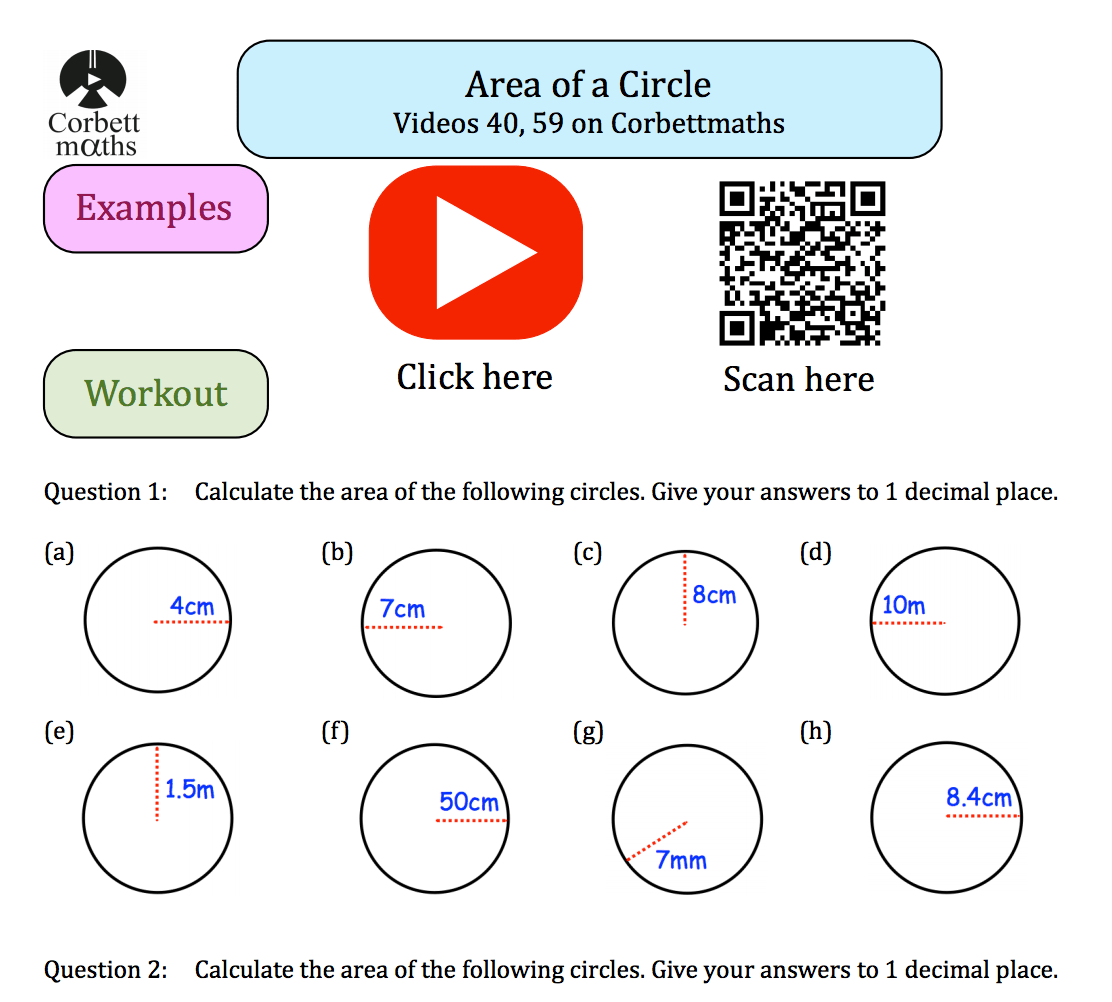
Before diving into worksheets, it’s vital to grasp the two fundamental ideas: area and circumference. Area quantifies the surface inside a shape, measured in square units. Circumference, on the other hand, represents the distance around a circle, measured in linear units. Mastery of these concepts provides a strong foundation for advanced topics such as volume, surface area, and trigonometry.
Key Formulae to Memorize
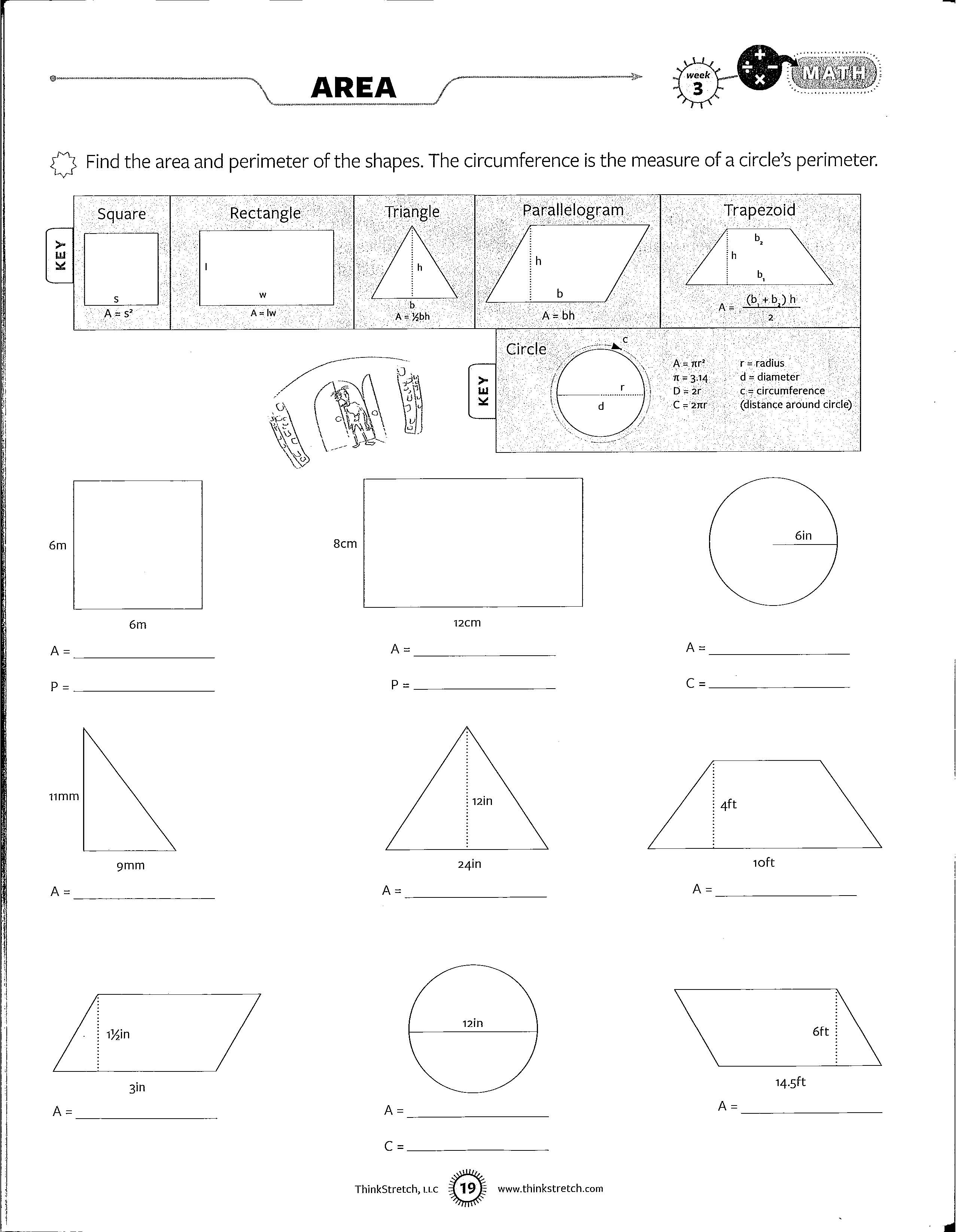
- Circle Area: A = πr²
- Circle Circumference: C = 2πr
- Rectangle Area: A = l × w
- Rectangle Perimeter: P = 2(l + w)
- Triangle Area: A = ½ × base × height
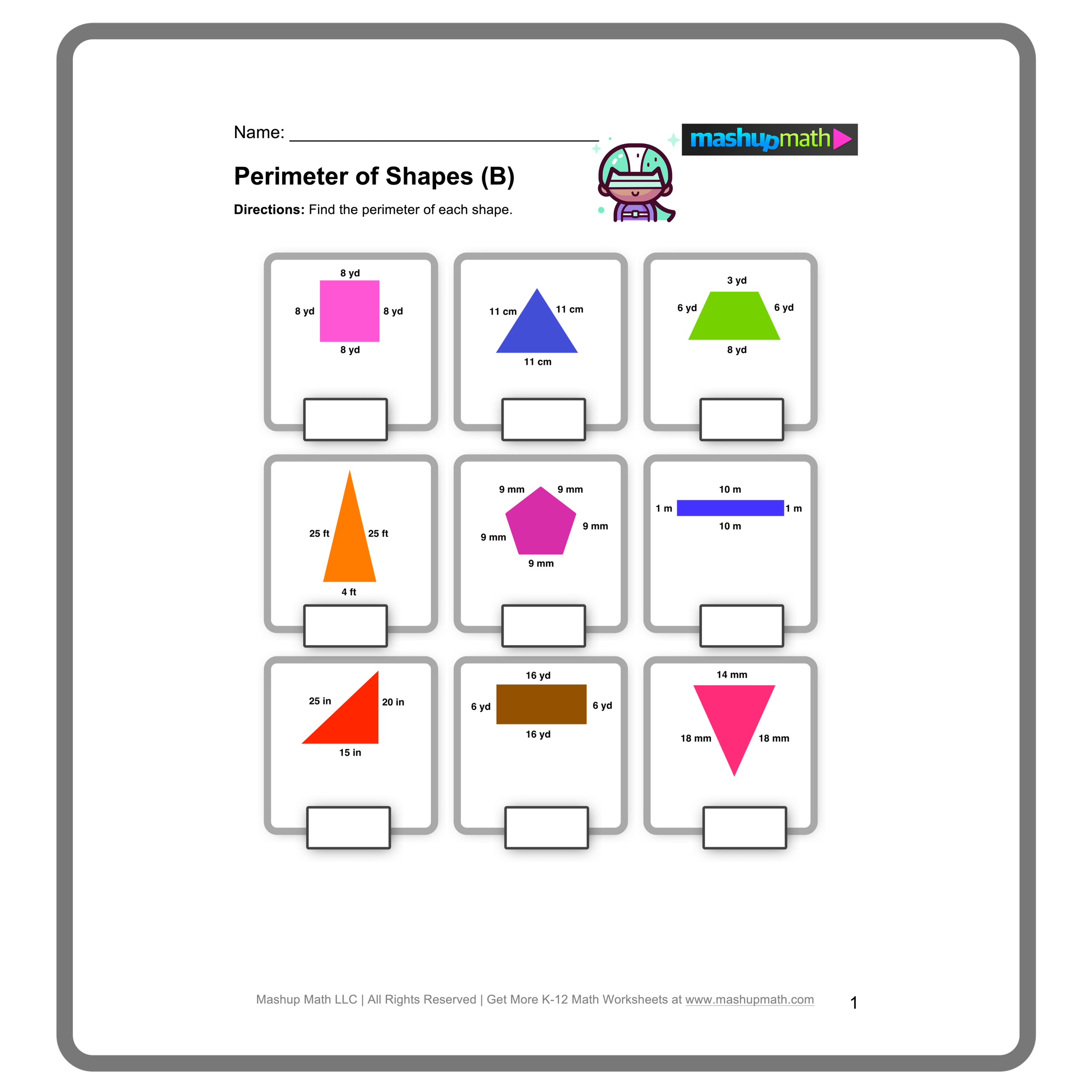
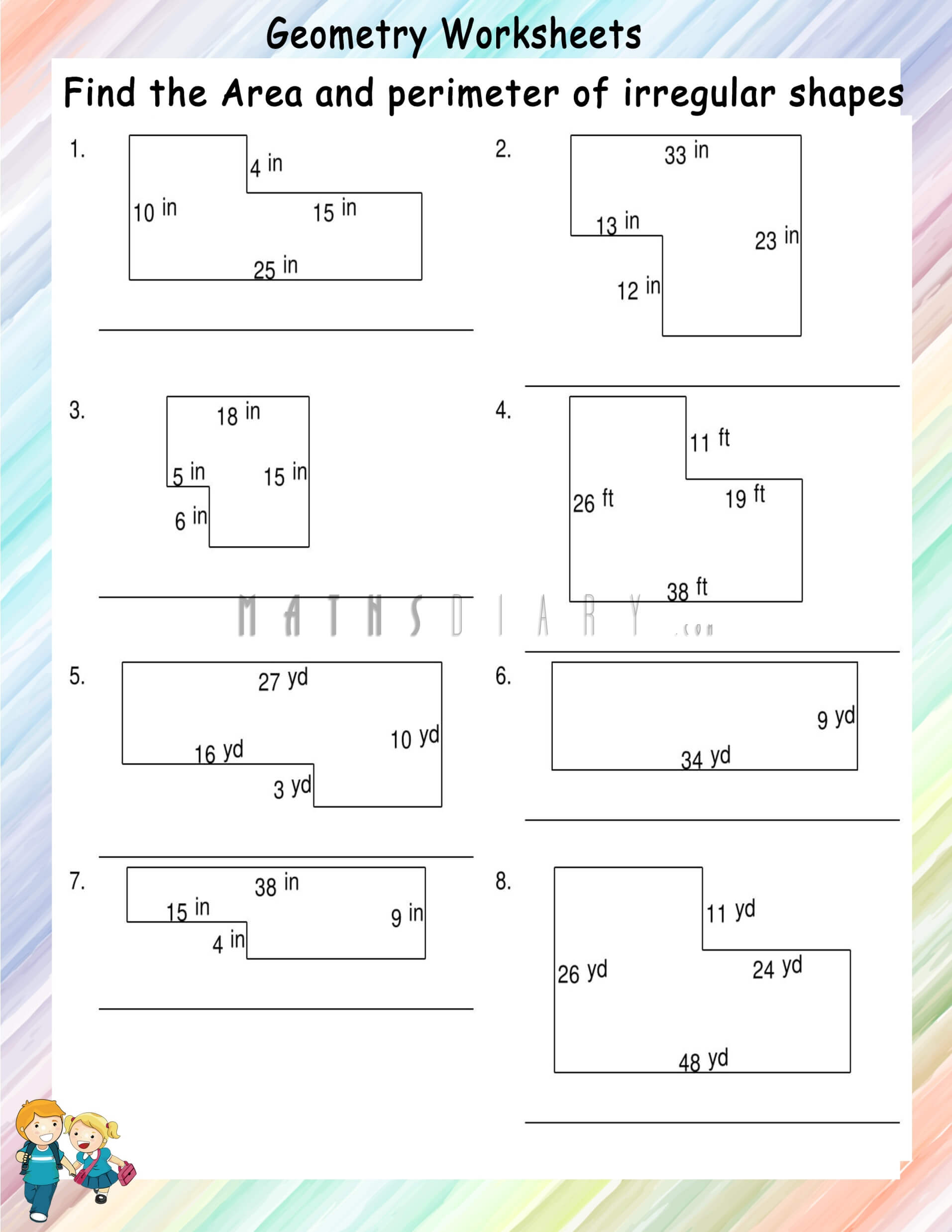
- Polygon Perimeter: Sum of all side lengths
These equations recur across worksheets. Repeated practice helps students move from rote memorization to intuitive use.
Why Focus on Area and Circumference?
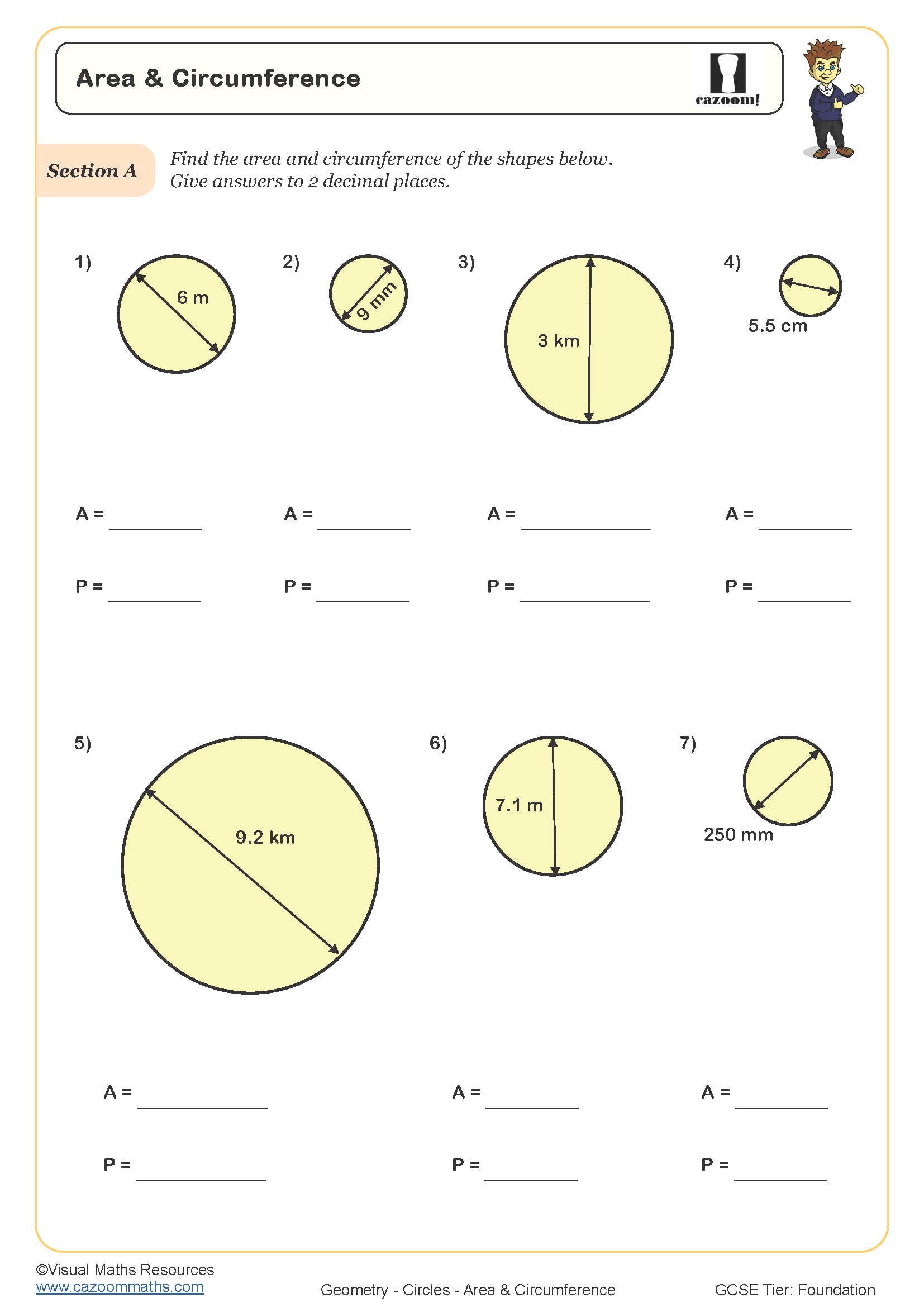
In Asian educational contexts, practical problem‑solving is prized. Area and circumference worksheets enable students to apply mathematical reasoning to everyday situations: calculating the amount of paint needed for a pavilion, determining the space required for a rice field, or measuring the boundary of a garden. Such relevance drives engagement and deepens conceptual understanding.
Real‑World Connections
- Architects design a pagoda’s roof by computing the area of triangular segments.
- Gardeners measure the perimeter of a lotus pond to plan a boundary wall.
- Manufacturers compute the circumference of a gear to ensure proper fit in mechanical systems.
Incorporating these scenarios into worksheets turns abstract numbers into tangible tasks that resonate with learners.
Choosing the Right Worksheet Format
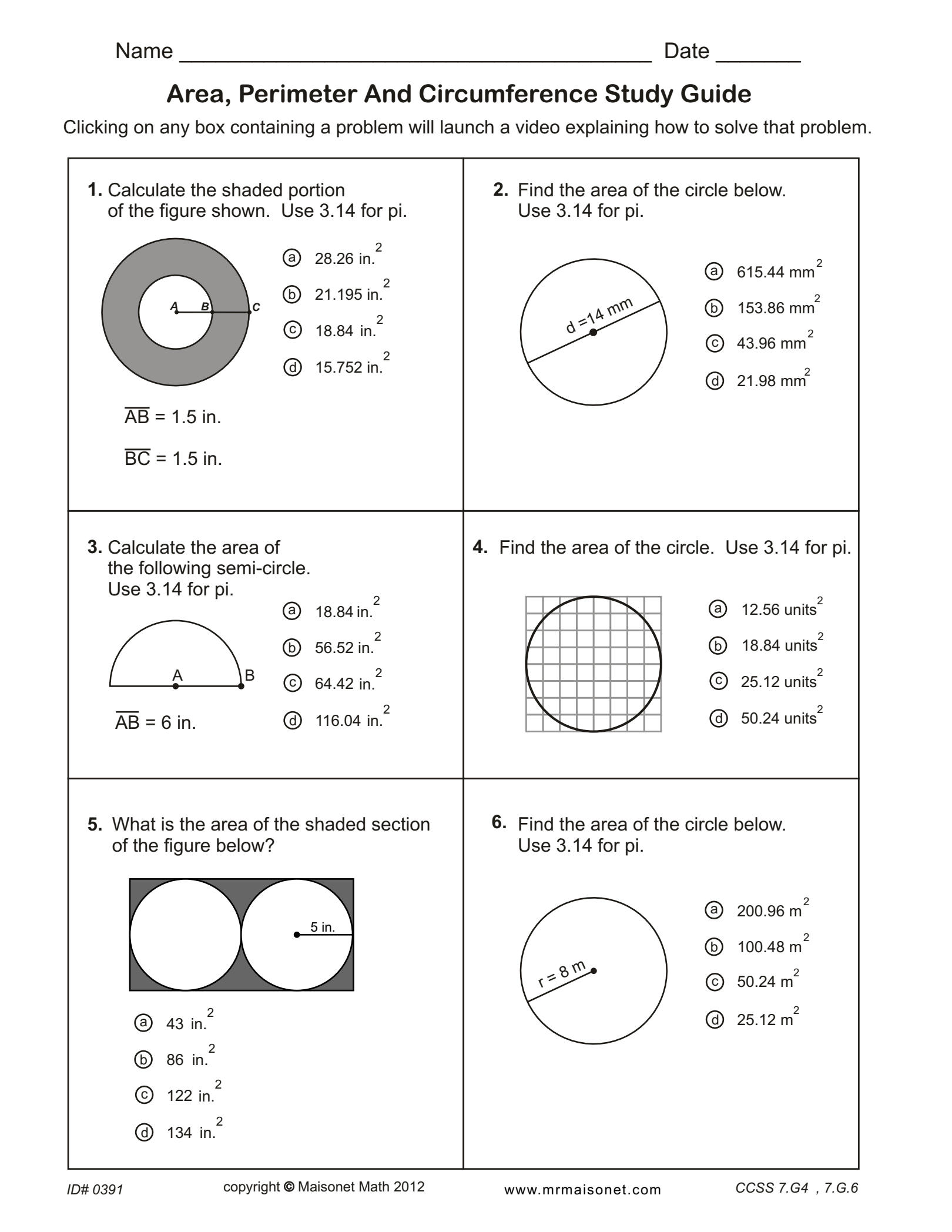
Different students thrive on different styles of practice. Here are three effective formats that can be blended into a curriculum.
Step‑by‑Step Problem Solving
This format presents a scenario, asks for intermediate calculations, and guides the student toward the final answer. For example:
- “A circular tea pot has a radius of 4 cm. First, calculate its circumference. Next, compute the area. Finally, determine the ratio of circumference to area.”
Each step reinforces the formula and promotes logical sequencing.
Fill‑in‑The‑Blank Exercises
These worksheets focus on recall and quick calculation. By providing the shape and a blank for the answer, students practice speed and accuracy. For instance, a rectangle with dimensions 7 m × 3 m may prompt: “Area = ___ m².”
Application‑Based Challenges
Higher‑level worksheets ask students to apply area and circumference in new contexts, such as designing a miniature bridge or planning a festival layout. These problems often involve multiple shapes, requiring students to combine formulas creatively.
Effective Teaching Strategies

To maximize the impact of area and circumference worksheets, educators can employ the following techniques.
Visual Modeling
Using graphic illustrations of circles and polygons, teachers can label radius, diameter, and side lengths. Visual aids help students map numerical data to real shapes, making abstract formulas concrete.
Collaborative Work
Pairing students for group problem solving mirrors the collaborative culture found in many Asian classrooms. Peer explanations often uncover misconceptions that a lone student might miss.
Gamified Assessment
Incorporating timed quizzes or competitive leaderboard charts adds excitement. For example, a “Circle Quest” where students solve for area, circumference, and radius in rapid succession can boost motivation.
Integration of Technology
Digital platforms allow interactive geometry tools, such as dynamic manipulatives where changing the radius instantly updates area and circumference values. These tools align with modern educational tech while staying rooted in traditional calculation methods.
Sample Problem Set

Below is a curated set of problems that cover basic to advanced levels. Each problem is designed to be self‑contained and ready for immediate use.
Basic Level
- Compute the area of a circle with a radius of 5 cm.
- Find the circumference of a circle with a diameter of 10 cm.
- Determine the perimeter of a square whose side length is 8 cm.
Intermediate Level
- A rectangular playground measures 30 m by 15 m. What is the area and the perimeter?
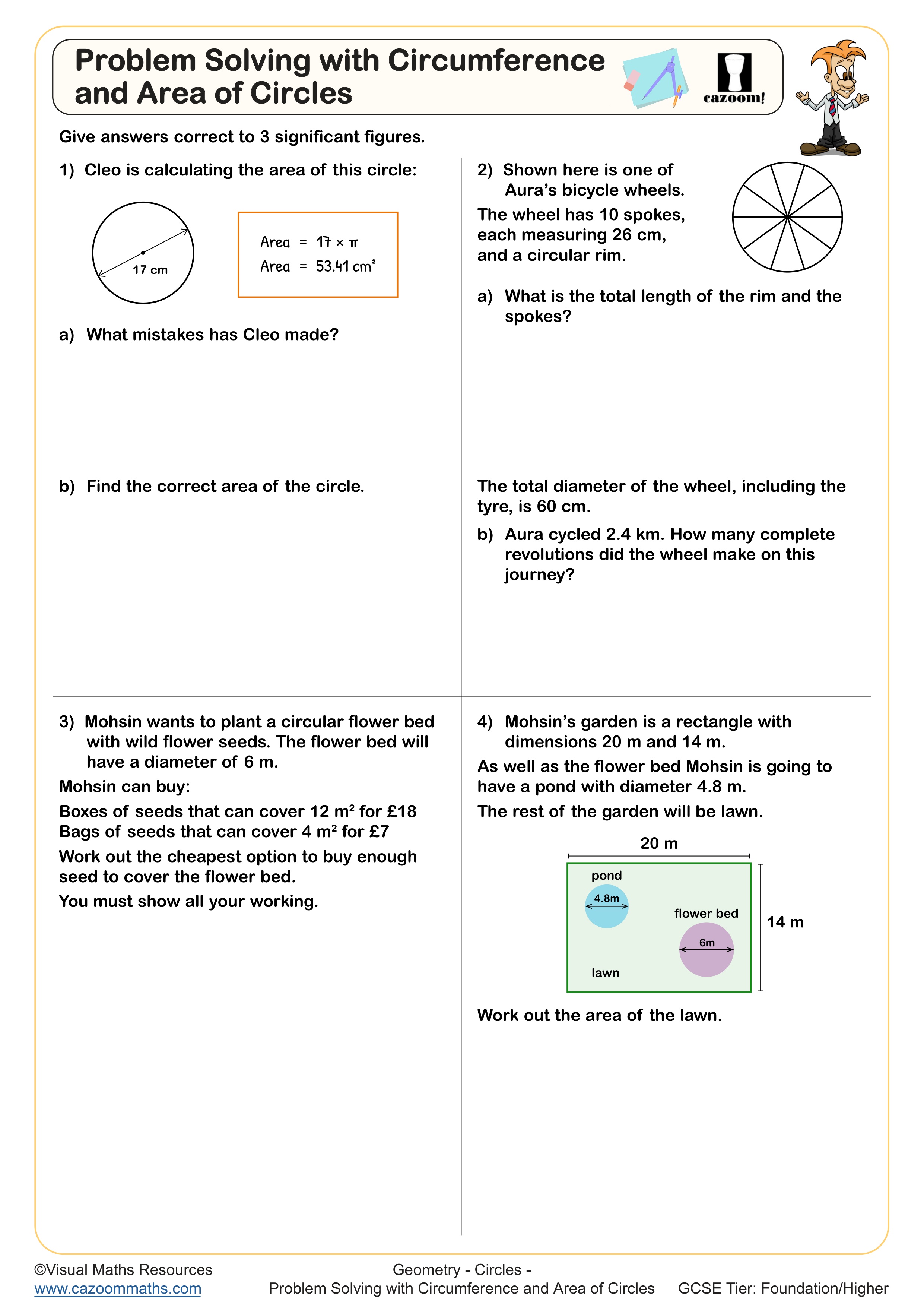
- A circular fountain has a circumference of 31.4 m. What is its radius and area?
- Two triangles share a base of 12 cm. If one’s height is 5 cm and the other’s height is 9 cm, calculate both areas.
Advanced Level
- Design a circular garden with a circumference of 50 m. Calculate the required radius and the area that will be planted.
- A hexagonal pavilion has a side length of 4 m. Compute its perimeter and an approximation of its area using the formula A = (3√3/2) s².
- Combine a rectangle and a semicircle to create a composite shape. Given the rectangle is 10 m long and 5 m wide, and the semicircle has the same diameter as the rectangle’s width, calculate the total area and perimeter.
These problems encourage students to apply multiple formulas within a single context, promoting flexibility and depth.
Assessment and Feedback
Effective worksheets are only part of a successful learning process. Ongoing assessment and constructive feedback help students identify strengths and areas for improvement.
Instant Rubrics
Provide clear criteria: correct formula use, calculation accuracy, and completeness of solution steps. A simple rubric can guide both teacher grading and student self‑assessment.
Reflection Prompts
After each worksheet, ask students to answer questions like: “Which step was most challenging and why?” or “Can you think of a real situation where you’d use this formula?” Reflection deepens understanding and connects math to lived experience.
Integrating Cultural Elements

Incorporating familiar cultural references can make the topic resonate more deeply.
Traditional Architecture
Discuss how the area of a pagoda’s roof or the circumference of a temple’s inner circle were calculated historically. Highlight the use of ratios and symmetry that align with the mathematical concepts taught.
Festivals and Markets
During festivals like Lantern Festival or Mid‑Autumn, calculating the area of a lantern’s base or the circumference of a circle of lanterns can become a playful exercise. Use these themes in worksheet titles or problem statements to capture students’ imaginations.
Resources for Educators

While the article focuses on content, educators often seek additional materials such as printable templates, interactive simulations, and grading tools. Curated libraries of worksheets, though not cited here, can be discovered through educational portals dedicated to geometry.
Final Thoughts

By integrating Area And Circumference Worksheet into a balanced curriculum, educators nurture both computational fluency and real‑world application. Visual modeling, collaborative problem solving, and culturally relevant contexts enrich the learning journey, while assessment tools ensure continuous growth. Whether you are a teacher preparing a new lesson plan or a parent guiding your child’s practice, these strategies create an engaging, holistic approach to mastering geometry’s essential building blocks. With consistent practice, students will move beyond memorization to a confident, intuitive grasp of how area and circumference govern the spaces we inhabit every day.