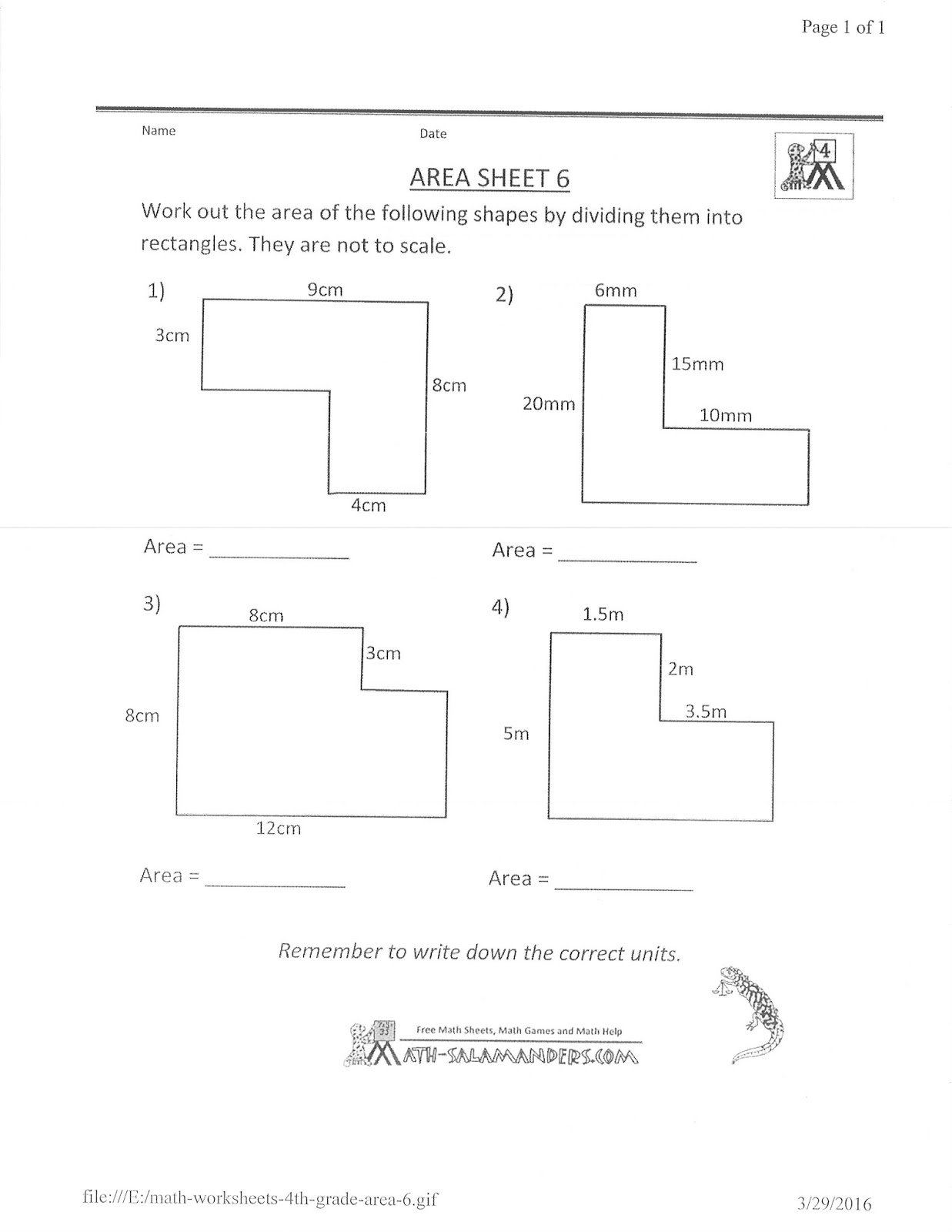
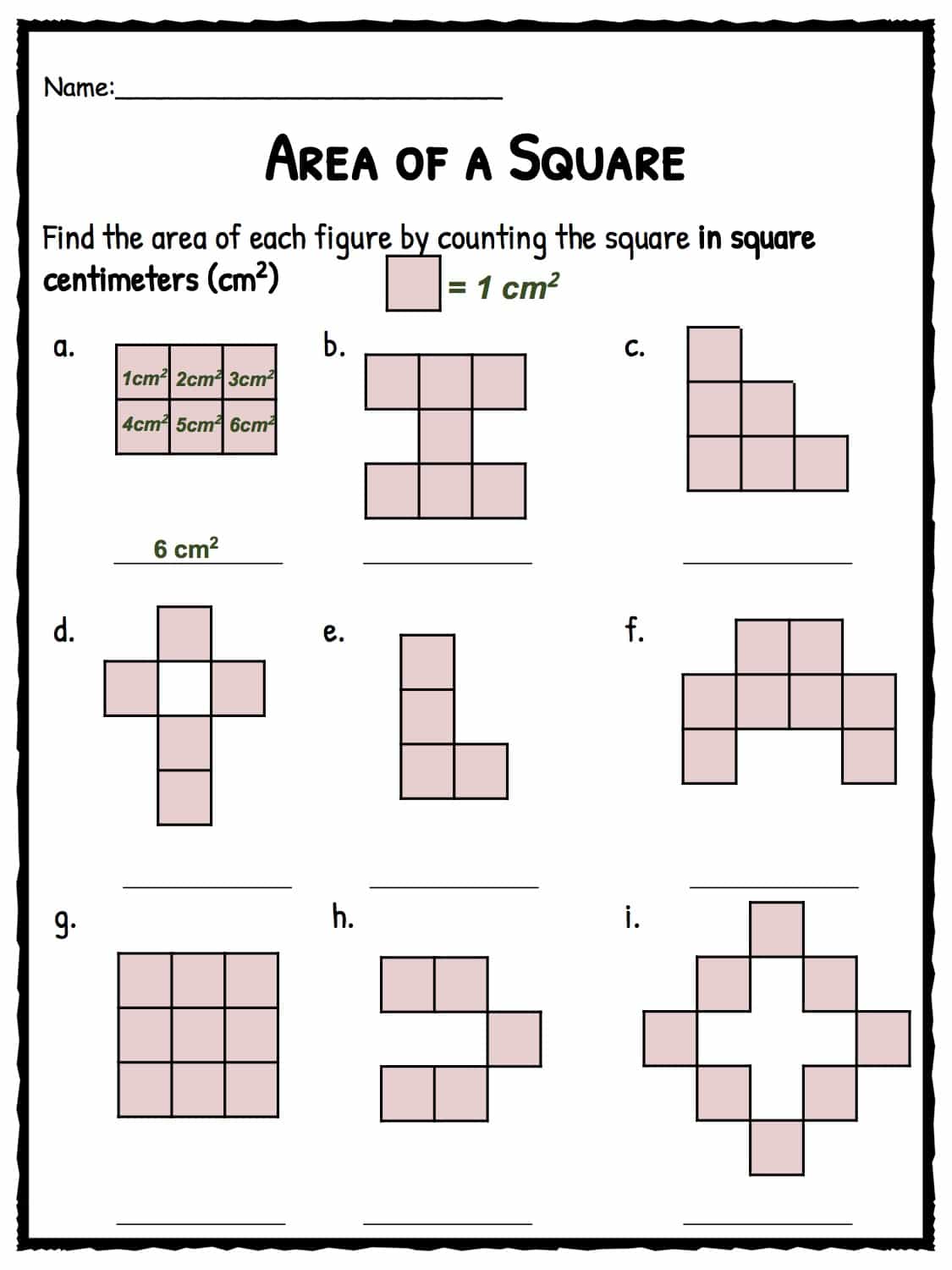
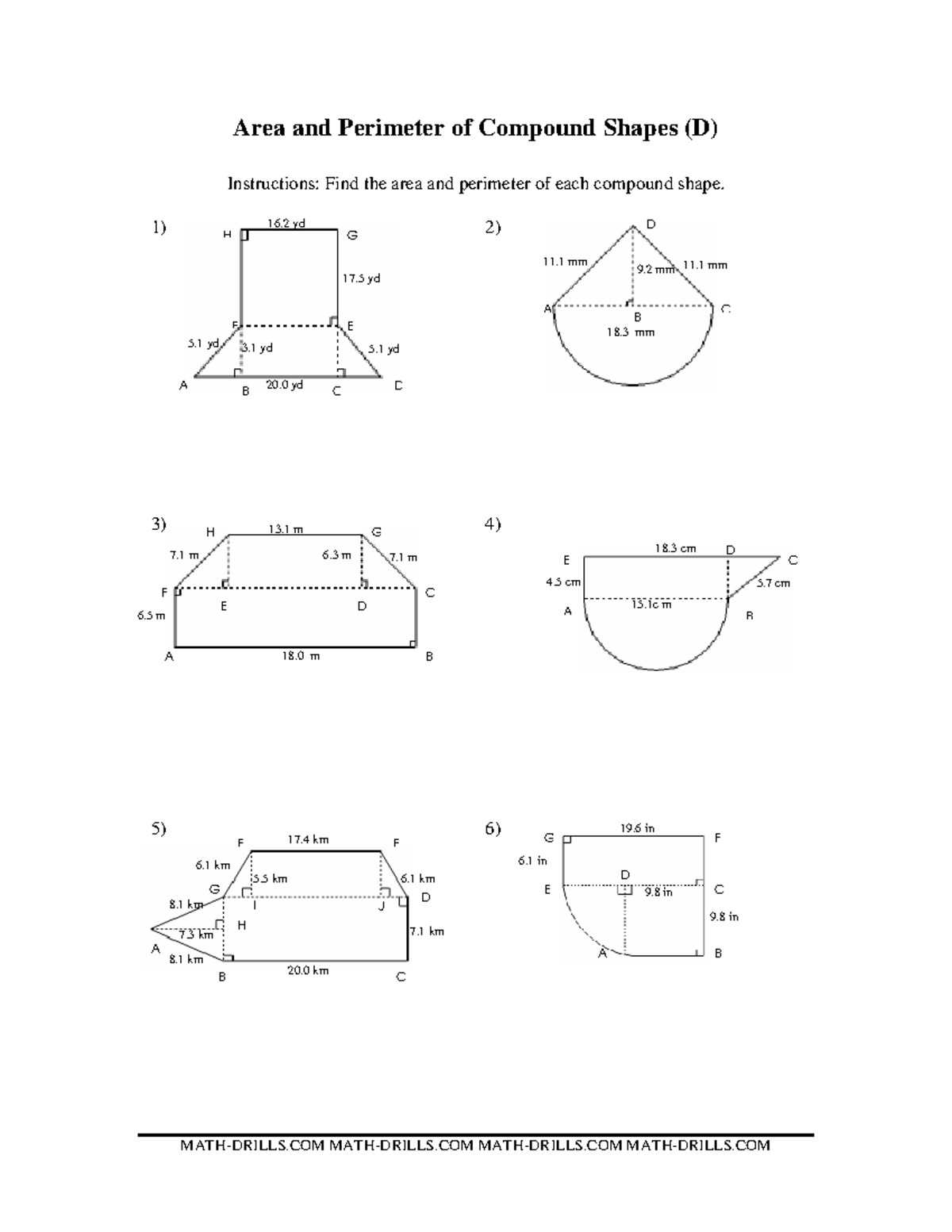
Area Of Compound Shapes Worksheet is the superhero of geometry classes—ready to rescue students from boring calculations and send them on a quest to conquer shapes that look like they were drawn by a mischievous squirrel who stole a compass. When the worksheets arrive, they’re not just a set of blank pages; they’re a portal to a world where triangles, rectangles, circles, and even that oddly shaped pizza slice with a missing crust can become friends in a mathematical dance. And believe me, if you can laugh while learning, you’ll be the envy of the math club.
The Anatomy of a Compound Shape

Compound shapes, also known as composite figures, are like the LEGO sets of geometry. Each piece—whether it’s a square, rectangle, triangle, or circle—fits together to create a bigger picture. Understanding the anatomy of these shapes is the first step before you can slice, dice, and calculate their area.
Identifying the Building Blocks
When you look at a compound shape, you’re essentially looking at a collage. Spotting the individual components is like spotting the band members in a chaotic music video. Look for:
- Rectangles and Squares—the steady, dependable backbone.
- Triangles—the dramatic angles that bring excitement.
- Circles—the smooth, rounded flair that adds a splash of elegance.
- Other polygons—if the shape is a bit eccentric, you might find pentagons or trapezoids doing the tango.
Understanding Overlaps and Gaps
Some compound shapes overlap like two friends who can’t decide who’s on the left side of a selfie. Others have gaps, like a missing piece of a puzzle. Knowing whether the shapes overlap, touch, or are entirely separate is crucial because it determines whether you’ll need to add or subtract areas.
Why We Love Compound Shapes

At first glance, compound shapes might seem like geometry’s version of a confusing IKEA instruction manual. But once you get the hang of them, they’re like a secret recipe that turns math into a fun, interactive experience. Here’s why they’re so beloved:
They Mimic Real Life
Every street corner, every piece of furniture, and yes, even your sandwich (if you’re feeling adventurous) can be broken down into compound shapes. Teaching with them helps students see the relevance of geometry in everyday life.
The Thrill of Problem Solving
When you’re given a compound shape, it’s like being handed a mystery: “How many square units of area does this shape hold?” The thrill of solving it—using subtraction for overlaps, addition for separate pieces—creates an engaging, almost game-like experience.
It Builds Confidence
Mastering compound shapes gives students a confidence boost. They feel like detectives who have just solved a crime scene by measuring every nook and cranny.
Step-By-Step: Tackling a Compound Shape Worksheet

Here’s a practical, laugh-out-loud guide that will help you or your child tackle any compound shape worksheet with aplomb.
Step 1: Sketch a Rough Outline
Before you grab your ruler, jot a quick sketch of the shape. Think of it like doodling a comic strip before the final comic book. This rough sketch will help you spot hidden triangles, circles, or other shapes you might miss at first glance.
Step 2: Identify and Label Each Component
Use a different color for each shape if you’re hand-writing, or underline them in your mind if you’re on a screen. Label each one: “A – Rectangle,” “B – Triangle,” “C – Circle.” This step is essential because you’ll use these labels later for area calculations.
Step 3: Measure Dimensions Carefully
Use the ruler or a ruler icon. Remember the old teacher’s advice: “Measure twice, cut once.” Write down the length and width for rectangles and squares, the base and height for triangles, and the radius for circles. Don’t forget the diameter if that’s what the worksheet gives you; just divide by two.
Step 4: Apply the Correct Formula for Each Shape
- Rectangle/Square: Length × Width.
- Triangle: ½ × Base × Height.
- Circle: π × Radius² (or ¼ × π × Diameter² if you have the diameter).
Make sure you use the same value of π you’re asked to use in the worksheet (often 3.14 or 22/7). Consistency is key!
Step 5: Add or Subtract as Needed
Now the fun part: If the shapes are separate, simply add all the areas. If there’s overlap, subtract the overlapped area. If there’s a gap, don’t add anything for that missing piece. Visualize the shape like a pizza: you’re cutting out slices, not adding extra topping.
Step 6: Double-Check Your Work
Always go back and verify that your calculations match the diagram. A common mistake is swapping the base and height of a triangle, which can lead to a half-sized answer.
Common Pitfalls & How to Dodge Them

1. Forgetting to Measure All Dimensions
It’s tempting to focus only on the obvious measurements. Always double-check that you’ve captured every length, width, base, height, and radius. Missing one dimension is like leaving out a character from a story; the whole plot falls apart.
2. Mixing Up Overlap and Gap
If two shapes overlap, you’ll need to subtract that overlapped area. If they’re simply adjacent, add them. A quick mental check: “Does this part sit on top of another?” If yes, subtract.
3. Using the Wrong Formula
For a triangle, half the base times height is the correct formula. If you accidentally use the full base times height, you’ll double your answer—like accidentally buying double the pizza.
4. Rounding Errors
When the worksheet allows an approximate answer, round only at the end. Early rounding can cascade errors, giving you a wildly inaccurate result.
Real-World Applications

Architectural Design
When architects design a building, they often break down complex floor plans into simpler shapes. Calculating the area helps them determine material usage, like how many tiles or paint cans are needed.
Landscaping
Landscape designers use compound shape calculations to figure out how much grass seed or mulch is needed for a garden layout that includes pathways, ponds, and flower beds.
Game Development
In video game design, collision detection often relies on bounding boxes—compound shapes that simplify complex models into rectangles and circles for faster calculations.
Art and Design
Graphic designers use compound shapes to create visually balanced compositions. Knowing the area helps in ensuring proportionality across a design canvas.
Tips for Parents & Teachers

Make It a Family Activity
Turn the worksheet into a game: who can find the most triangles in a shape? Offer small prizes, like extra story time or a favorite snack. Turning math into a family bonding moment makes learning stick.
Use Technology Wisely
Many online tools let you drag and drop shapes to form a compound figure. These interactive tools can help students visualize how areas combine or subtract, reinforcing the concepts.
Encourage Sketching
Students who sketch first tend to retain the structure of the shape better. Teach them to use light pencil lines that they can erase later, just like a comic artist refines their work.
Provide Real-Life Scenarios
Give them a real-life object—a pizza, a piece of land, or a table—and ask them to calculate the area. The relevance to daily life boosts motivation.
Celebrate Mistakes as Learning Moments
When a student incorrectly calculates an area, discuss why it went wrong. Mistakes are just stepping stones—like a detour that leads to a better route.
Bonus: Creative Twist to Make Worksheets Fun
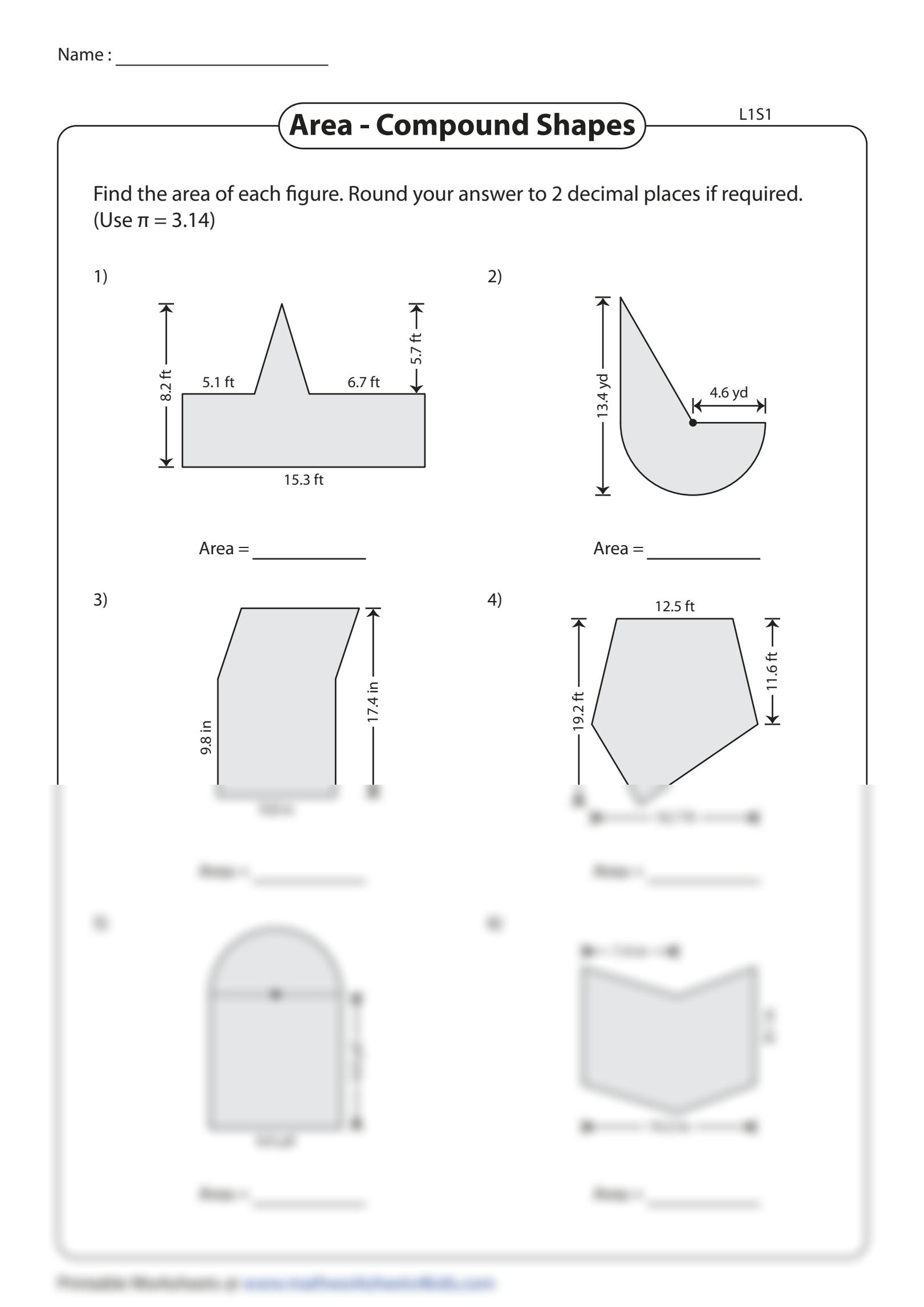
Create Your Own Compound Shape
Ask students to design a compound shape that represents a superhero emblem. Once they have their design, they can calculate its area and even create a story around why that area is heroic.
Use Story Problems
Turn the worksheet into a narrative: “Captain Triangle is planning to build a new base. He needs to know how much area his base will cover to invite the crew.” Story problems engage imagination and make the math feel purposeful.
Introduce the “Area Treasure Hunt” Game
Hide clues on the worksheet that require solving area problems. Each correct answer reveals the next clue, leading to a “treasure”—maybe a printable certificate or a small toy.
Incorporate Music
Play a short, upbeat tune while students work. Research suggests that background music can boost focus, especially for tasks that require concentration and repetitive calculations.
In Summary
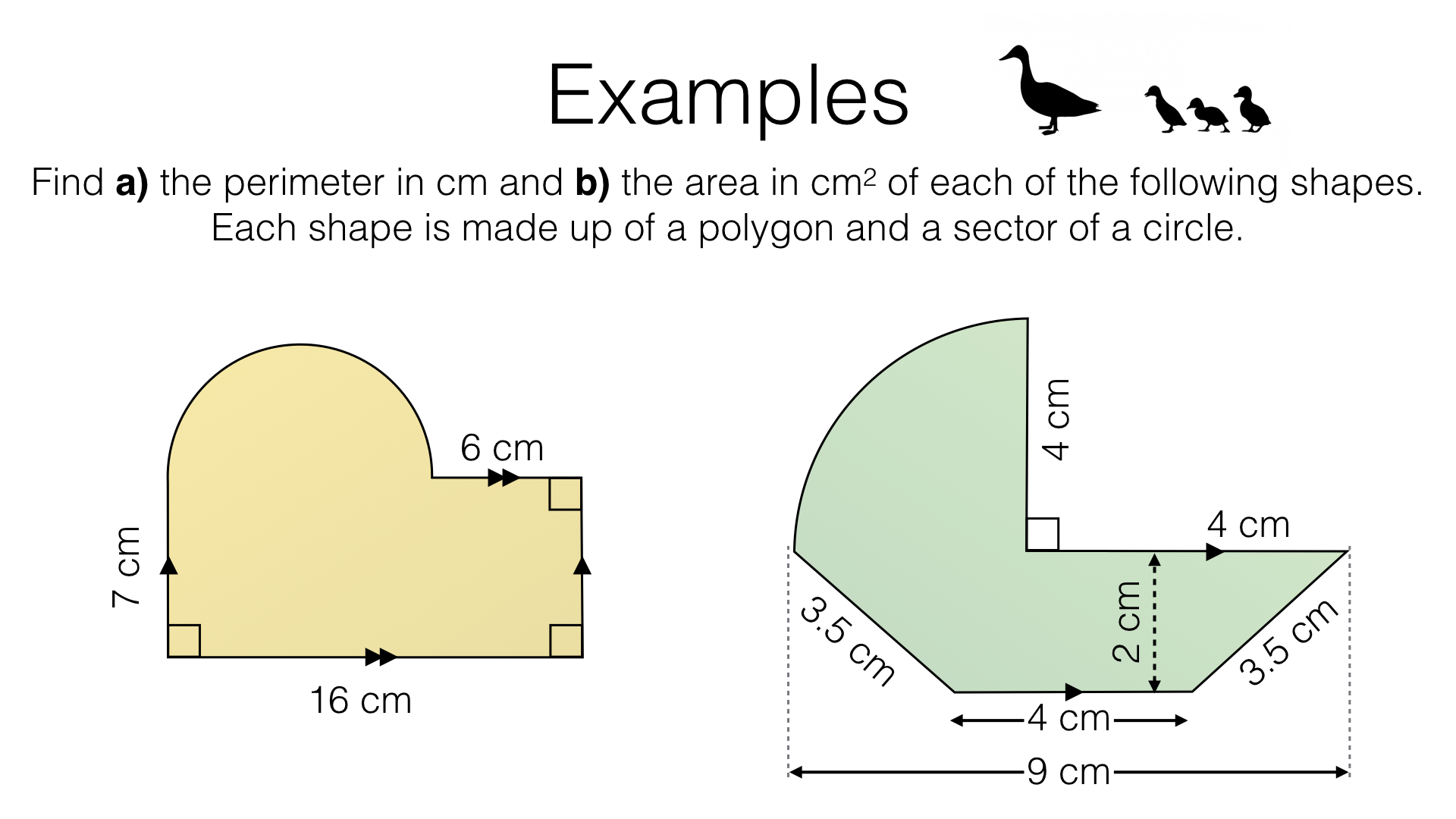
Mastering the Area Of Compound Shapes Worksheet is more than a math skill; it’s a gateway to real-world problem solving, creativity, and confidence building. By breaking down complex shapes into simple building blocks, applying the right formulas, and avoiding common pitfalls, you turn what once felt like a maze into a clear, achievable path. Whether you’re a student tackling the worksheet, a parent guiding a young learner, or a teacher looking to spice up the lesson, remember: the world of geometry is full of hidden treasures—just waiting for you to measure and discover.
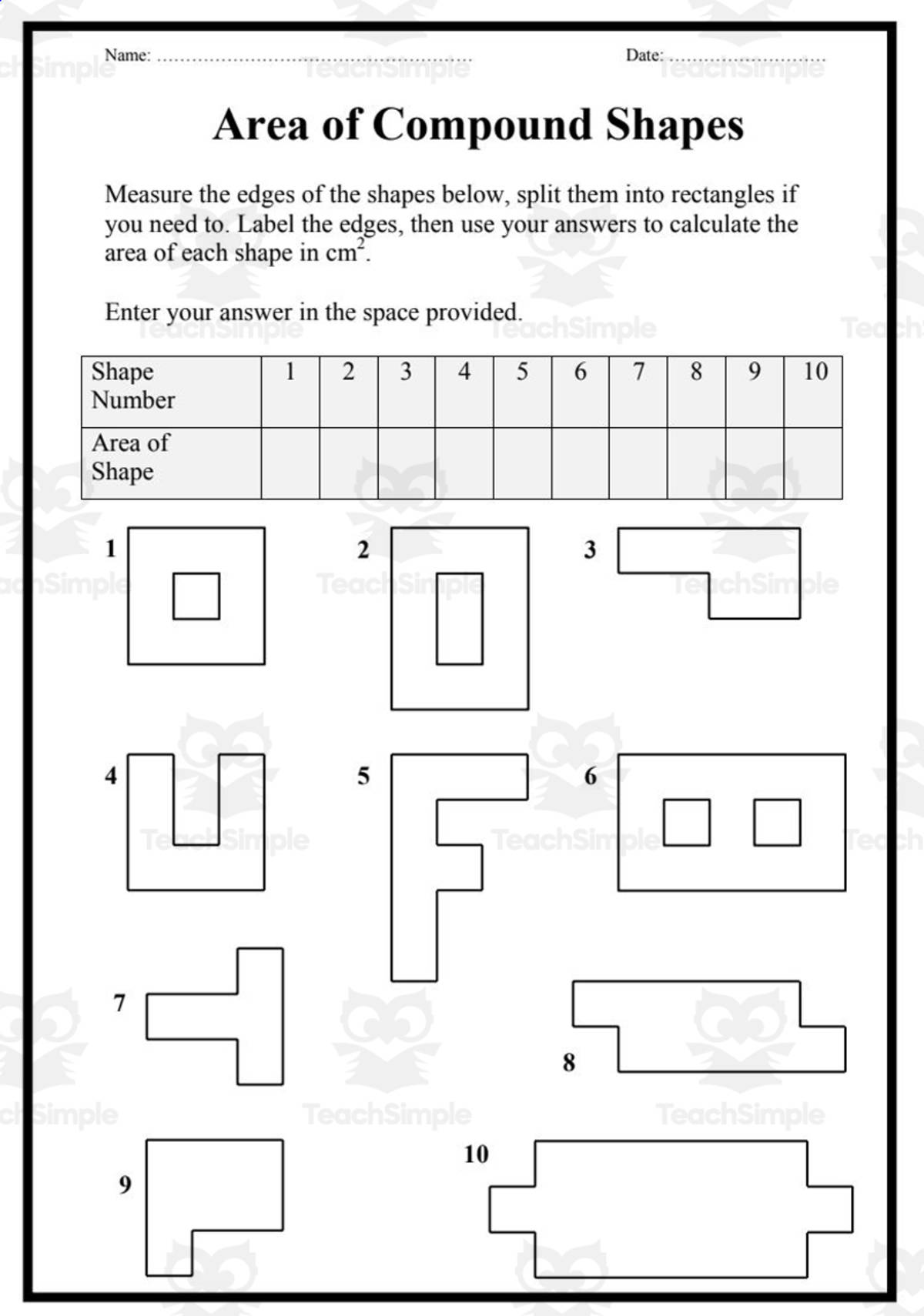
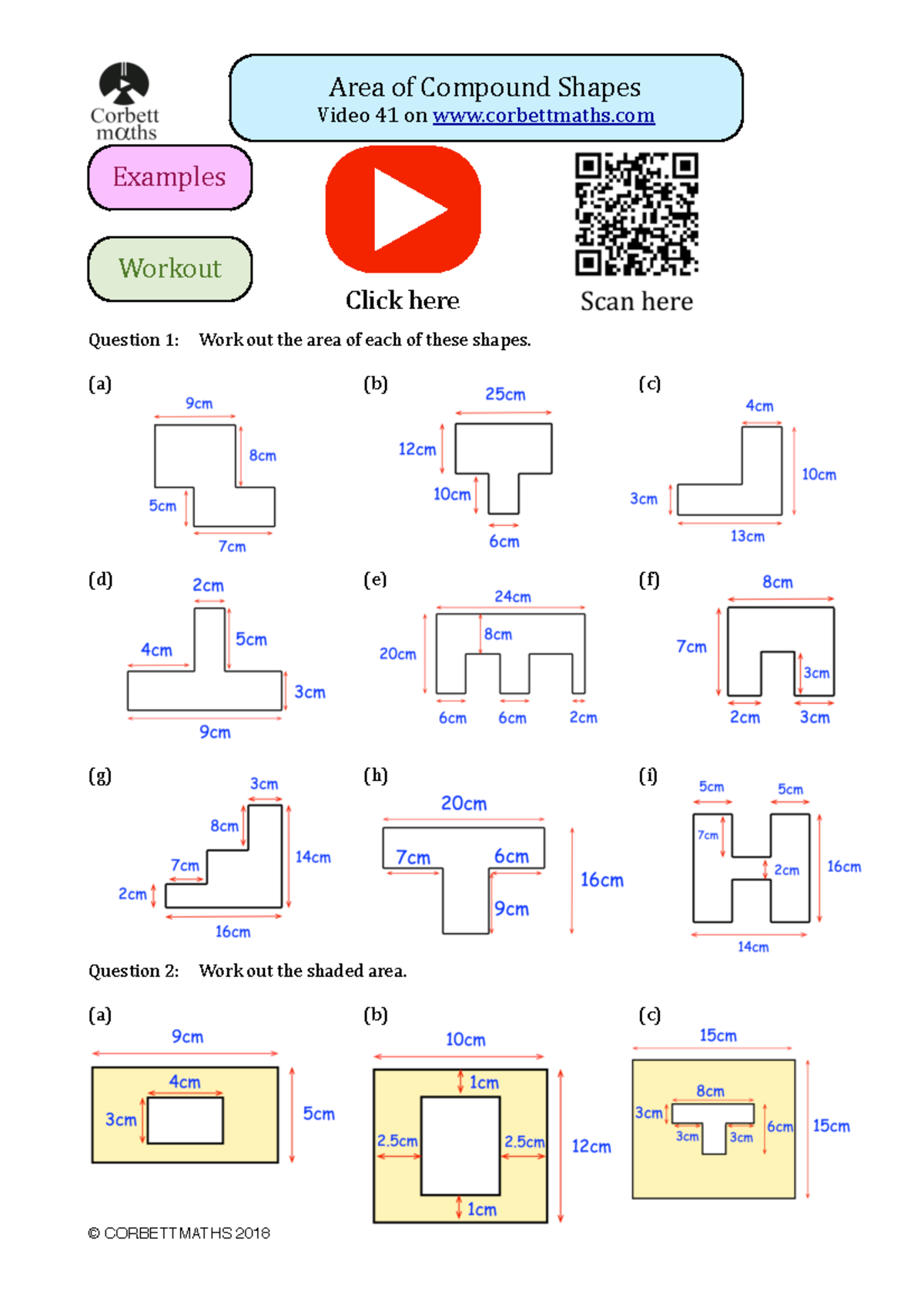
-1.jpg)