Area Of Polygons Worksheet is the superhero cape that turns geometry students into area‑calculating ninjas, ready to slice through triangles, squares, pentagons, and even the most eccentric irregular shapes with the precision of a sushi chef’s knife. Let’s embark on a hilarious, yet educational journey into the world of polygons and how worksheets can help you conquer their mysterious areas.
Why Polygons Love Their Area

Imagine a polygon as a party planner—its shape, angles, and sides all contribute to the ultimate event: its area. That area is the “space inside the walls” that can be filled with anything from pizza toppings to school project notes. If you can calculate it, you can predict how many slices of pizza a hexagon-shaped pizza will provide, how much wallpaper a quirky, irregularly shaped room needs, or whether a pizza box will fit on the table before the pizza arrives. Area, folks, is the unsung hero that keeps life deliciously measurable.
The Geometry Detective
When a student stumbles upon a Area Of Polygons Worksheet, they become the Sherlock Holmes of geometry. Each problem is a clue: side lengths, angles, symmetry, or a missing piece of the puzzle. The worksheet guides them step by step, ensuring no corner is left unchecked. By the end, students will have cracked the case of the missing pizza slices and proved that the law of polygons is not just a theory but a practical tool for real-life mysteries.
Real‑World Uses
- Architects design buildings that fit within city zoning limits.
- Farmers calculate the best fence layout to maximize pasture.
- Video game developers map out levels where players must navigate around obstacles.
- Artisans create intricate mosaic patterns that require exact area measurements.
Every time you walk into a pizza parlor, a park, or a video game, remember that a Area Of Polygons Worksheet is what turned a simple shape into an engineering marvel.
Types of Polygons Covered

Polygons come in two major families: regular and irregular. Each has its own quirks and delightful challenges that a worksheet can help tame.
Regular Polygons
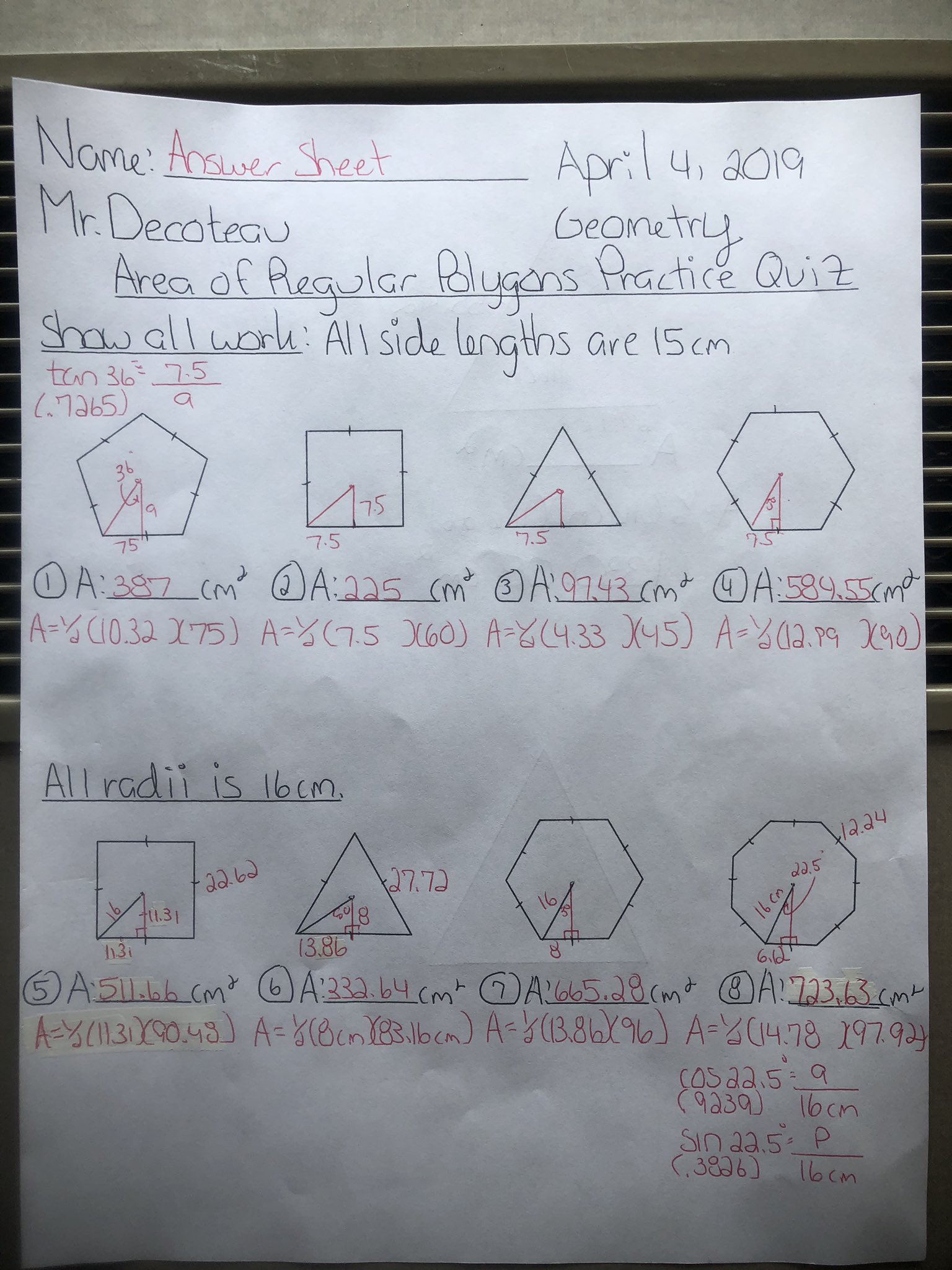
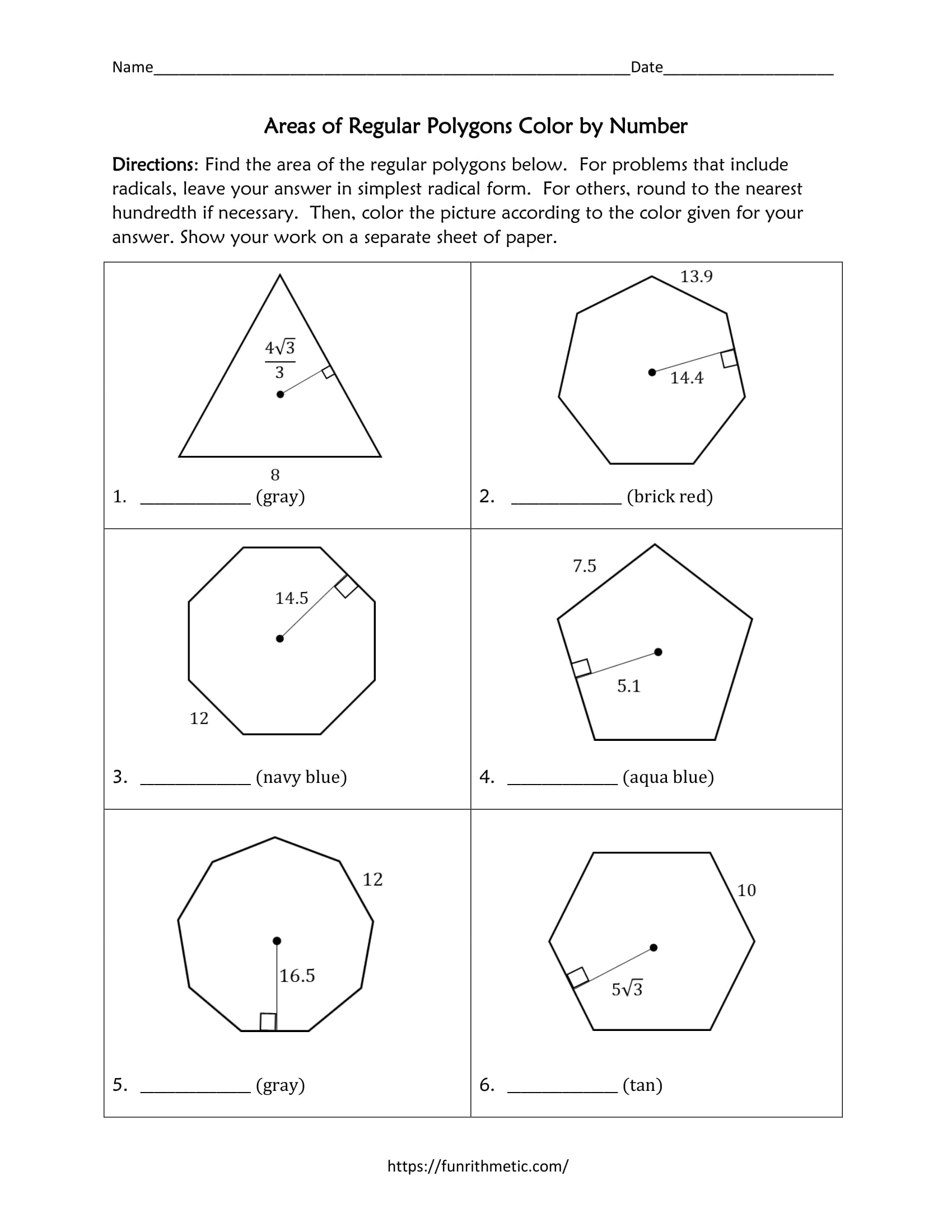
A regular polygon is like that friend who always follows the same routine—every side is the same length and every interior angle is identical. Think of a hexagon that would fit snugly inside a honeycomb cell. Calculating the area of a regular polygon is a breeze with the formula:
Area = (Perimeter × Apothem) / 2
In practice, a Area Of Polygons Worksheet might ask students to calculate the area of a regular octagon with a known side length, then verify their answer using a different formula or a software tool. This repetition cements the concept and introduces the idea of apothem—an area’s secret hero that acts as a perpendicular bisector from the center to a side.
Irregular Polygons
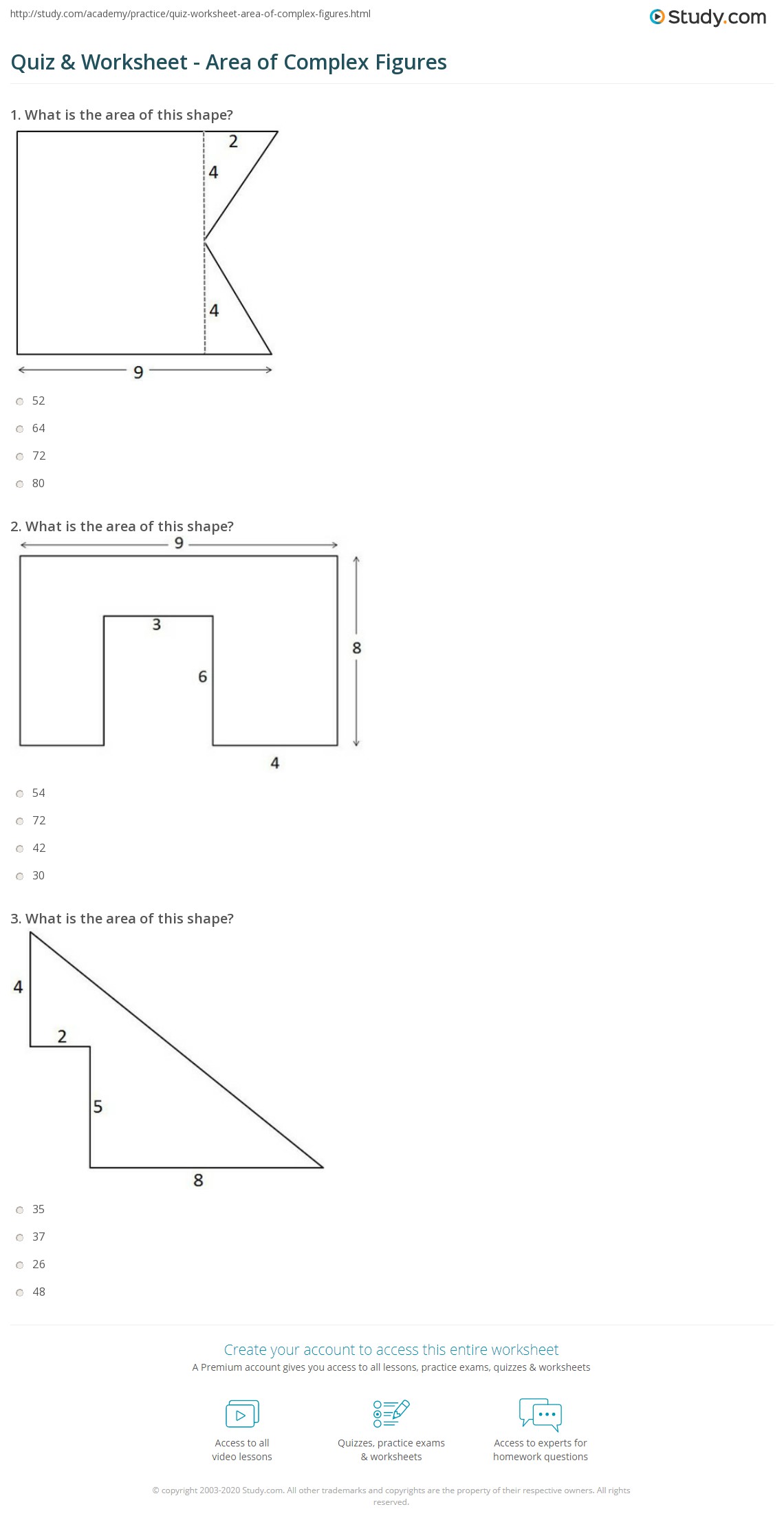
Irregular polygons are the rebels of geometry. Their sides differ, angles vary, and they rarely fit into tidy formulas. To tackle these, students often break the shape into triangles or rectangles, compute each sub‑area, then sum them up. A typical worksheet will feature a squiggly pentagon drawn with a sketchy “real‑world” style, making it feel less like a math problem and more like a doodle on a coffee cup. This approach teaches problem‑solving flexibility and reinforces the principle that complex shapes can be deconstructed into simpler ones.
How to Use a Worksheet for Mastery

A worksheet is not just a list of problems; it’s a carefully choreographed dance that guides students from confusion to confidence. Here’s how to maximize its potential.
Step‑by‑Step Approach
- Read the question carefully: Look for clues about side lengths, symmetry, or provided measurements.
- Choose the right formula: Regular polygons call for the apothem formula; irregular ones require decomposition.
- Sketch it out: Visualizing the shape on paper can reveal hidden triangles or rectangles.
- Calculate: Perform the arithmetic, double‑check calculations, and keep an eye out for common errors.
- Interpret the result: Think about what the number actually means—how many square inches of pizza, how many square feet of wallpaper, etc.
By following this structure, students build a methodical habit that reduces anxiety and enhances accuracy.
Real‑World Application Tasks
To keep the worksheets engaging, teachers can embed real-world scenarios that resonate with students. Examples:
- “Your friend’s birthday cake is shaped like a pentagon. If the side length is 8 inches, how many square inches of frosting can you use?”
- “You’re designing a backyard garden with an irregular polygon shape. Estimate how many square yards of grass seed you’ll need.”
- “You’re a detective for a video game level, needing to calculate the area of a trapezoidal room to place a treasure chest.”
When the numbers suddenly turn into tangible outcomes, learning feels less like a chore and more like an adventure.
Fun Ways to Teach with Worksheets

Injecting humor into a worksheet can turn a mundane assignment into a memorable learning experience. Below are some playful approaches.
Games and Competitions
- “Area Showdown”: Students race to solve as many problems as possible in five minutes. The fastest and most accurate gets a gold star or a virtual trophy.
- “Shape‑Shaper”: Students draw irregular polygons with a ruler, then calculate their areas. The most creative shape wins a prize.
- “Area Bingo”: Each bingo card lists different polygon areas. Students solve the worksheet to mark off cells and complete a row.
These games keep students on their toes and make the worksheet feel like a game rather than a test.
Interactive Digital Worksheets
Online worksheets that allow drag‑and‑drop shapes, auto‑calculations, and instant feedback can be a game‑changer. By turning static equations into interactive visualizations, students grasp abstract concepts more naturally. The best part? The teacher can instantly see where students are struggling and adjust the lesson plan accordingly.
Common Pitfalls and How to Avoid Them

Even the most diligent students can stumble over a few typical mistakes. Here’s a quick cheat sheet to keep them on track.
Miscalculations
When dealing with fractions or decimals, a misplaced decimal can turn a correct answer into an embarrassing mistake. Encourage students to double‑check their work, especially when dividing or multiplying large numbers.
Overconfidence
Students often assume a formula is always applicable. Remind them to verify that a shape is indeed regular before applying the regular polygon formula. For irregular polygons, double-check that every sub‑shape has been included in the calculation.
Ignoring Unit Consistency
All measurements must be in the same unit before summing areas. A common error is mixing centimeters with inches. A good practice is to convert all dimensions to a common unit at the start.
5 Quick Tips for Teachers

Here’s a cheat sheet to help teachers deliver a flawless area‑of‑polygons lesson.
Start with a Hook
Begin the lesson with a real‑world problem—like the pizza slice puzzle—before diving into formulas.
Use Visual Aids
Color coding the apothem, perimeter, and side lengths in a diagram helps students visually parse the information.
Encourage Peer Teaching
Have students explain their solution steps to classmates. Teaching is one of the best ways to learn.
Incorporate Technology
Use apps that allow shape manipulation. Let students see how changing a side length impacts the area.
Provide Immediate Feedback
When students submit their worksheets online, auto‑grading tools can instantly highlight errors, saving teachers time.
Conclusion

In the grand saga of geometry, the Area Of Polygons Worksheet is the trusty sidekick that transforms abstract shapes into tangible, measurable realities. By blending humor, real‑world examples, interactive activities, and a solid step‑by‑step framework, teachers can turn any class into an arena where students conquer polygons with confidence and flair. Next time a student hesitates at a perplexing shape, remind them that behind every area calculation lies a simple story: sides, angles, and a dash of creativity. Armed with a well‑crafted worksheet, they’ll not only solve the puzzle but also become geometry heroes—ready to calculate the area of anything from a humble square tile to the complex floor plan of their dream house. Happy calculating, and may your areas always be perfectly measured!