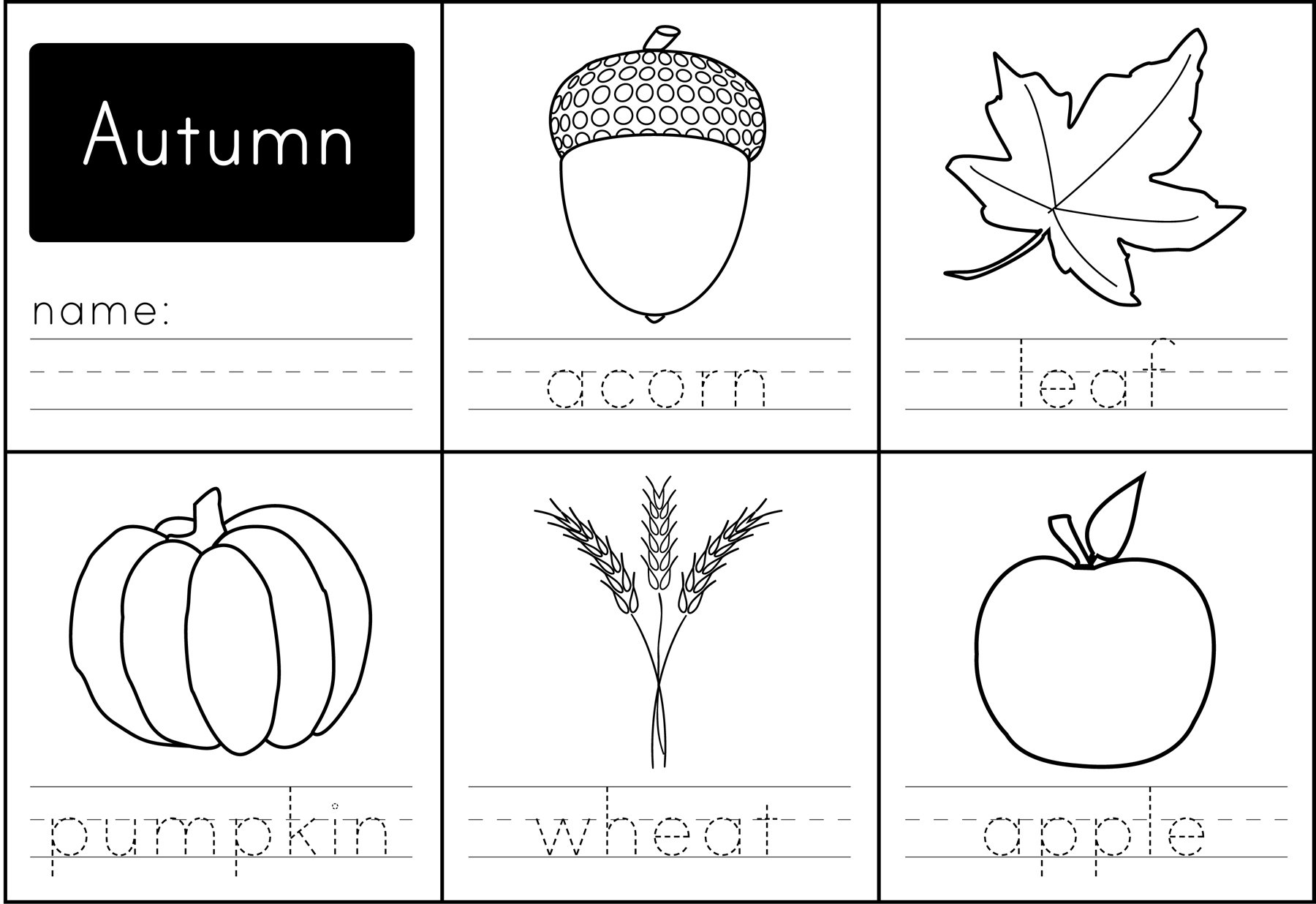
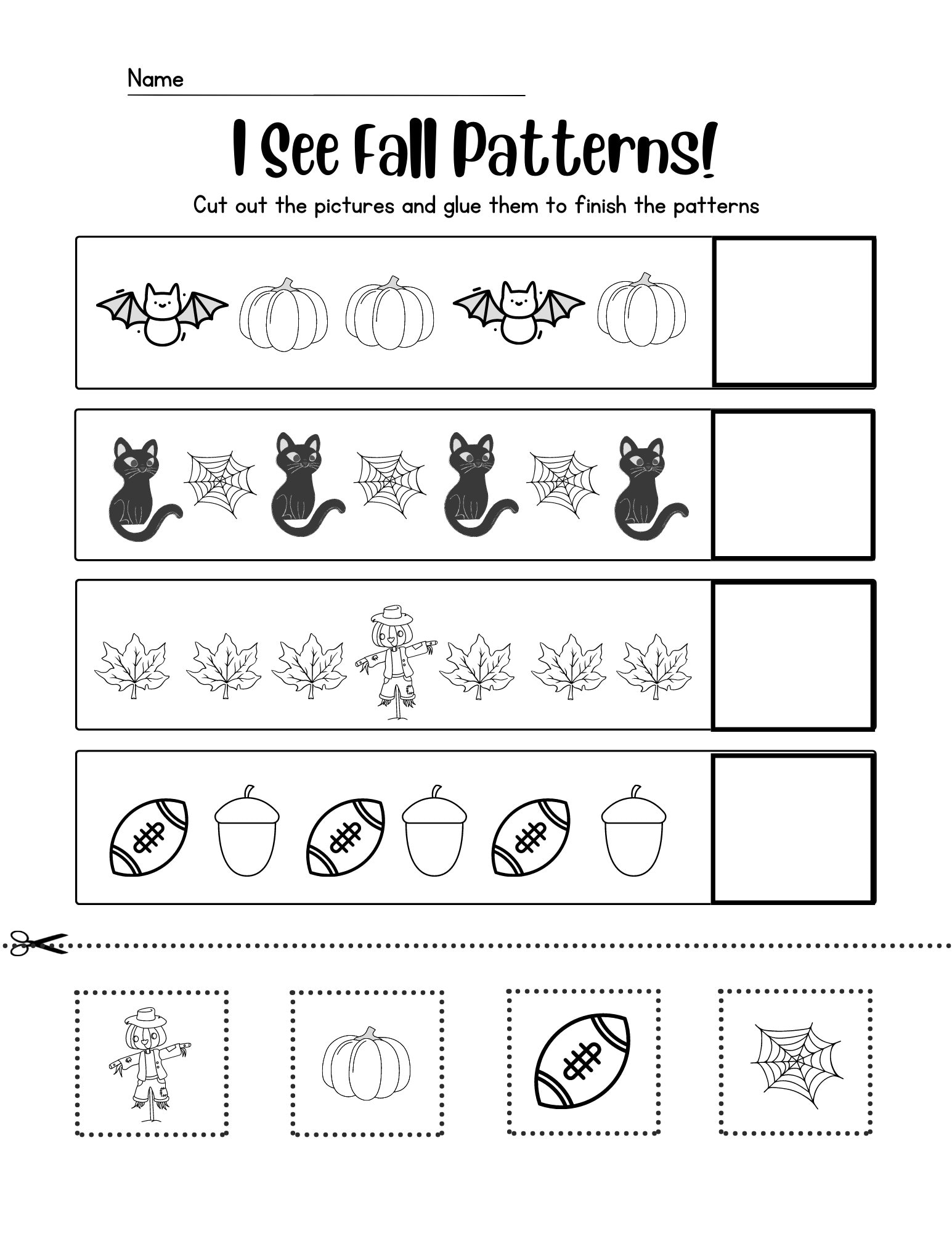
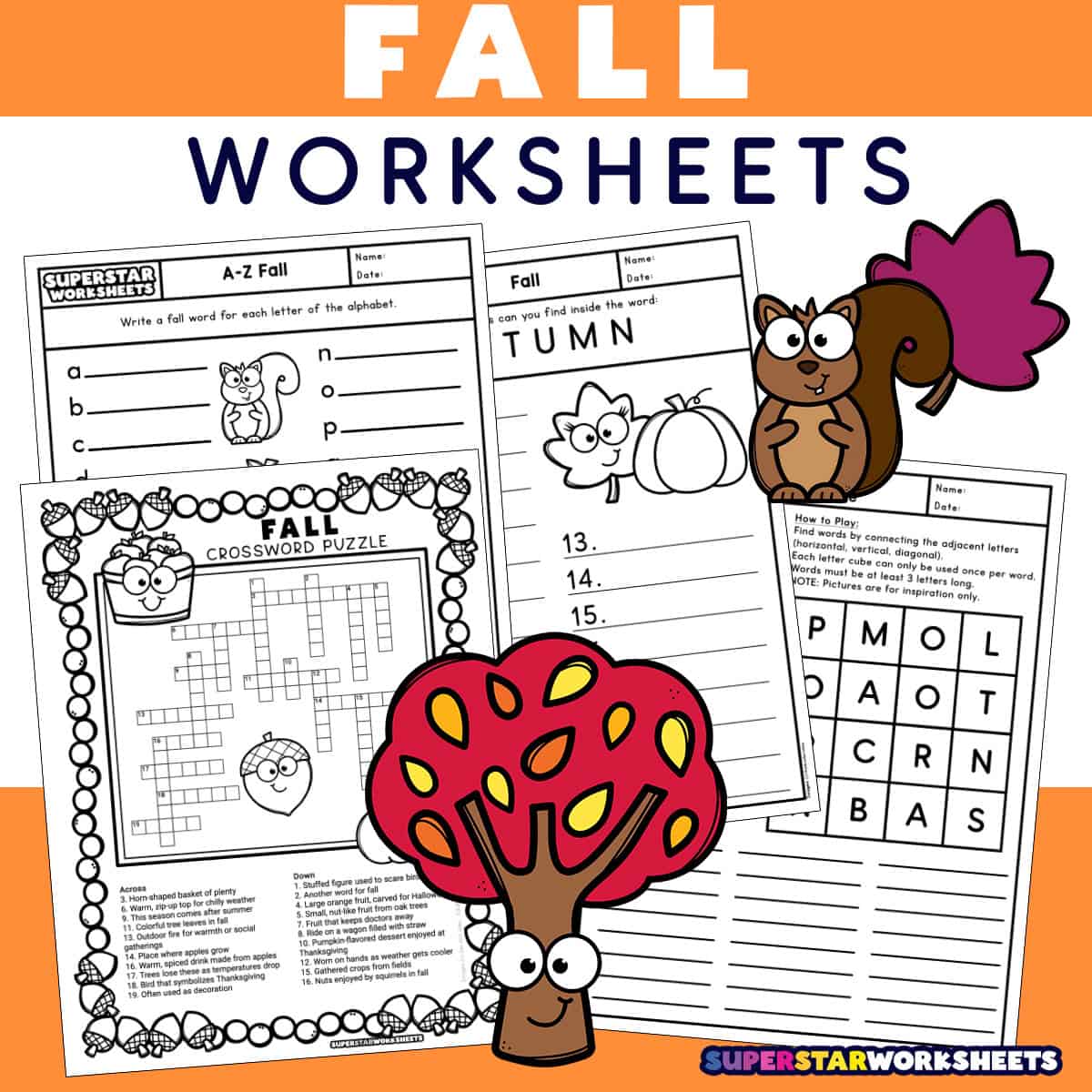
Autumn Worksheets For Preschool drift like fallen leaves across the classroom floor, each one a crisp invitation for tiny hands to explore the season’s mystery while mastering foundational skills. In the hush of amber light, educators can transform ordinary printables into immersive experiences that echo the rustle of oak branches and the chill of a fading summer. This guide delves deep into the art of selecting, customizing, and deploying autumn‑themed worksheets that not only teach letters, numbers, and shapes but also nurture curiosity, sensory awareness, and a love for the natural world.
Why Autumn Themes Matter in Early Learning

Preschool children are wired to absorb the world through sight, sound, and touch. When a worksheet mirrors the changing environment—bright pumpkins, swirling gusts, crunchy leaves—it creates a bridge between abstract concepts and tangible reality. The seasonal context provides a narrative hook, making tasks such as tracing the letter “A” feel less like a drill and more like a quest to carve the first autumn apple. Studies show that thematic learning boosts retention by up to 30 %, because the brain links new information with vivid, emotionally resonant scenes.
Emotional Connection
Darkening skies and shorter days stir a subtle, introspective mood. By weaving that mood into worksheets—using deep orange, muted browns, and soft shadows—educators tap into children’s innate sense of wonder and a gentle melancholy that encourages focused attention. When a child colors a sleepy squirrel gathering acorns, they are practicing fine motor control while simultaneously feeling the hush of an impending winter.
Cognitive Alignment
The rhythm of autumn, with its predictable cycles of harvest and preparation, mirrors the structure of early math and literacy. Counting pumpkin seeds, sorting leaves by size, or sequencing the steps of a rain‑coat dress‑up routine reinforces logical sequencing, a cornerstone of preschool cognition. The seasonal backdrop reduces cognitive load; children don’t have to invent a context—they simply recognize it.
Choosing the Right Autumn Worksheets

Not all autumn worksheets are created equal. The most effective ones balance visual appeal, developmental appropriateness, and flexibility for teacher adaptation. Below is a checklist to help you sift through the endless forest of printable options.
- Age‑Specific Skill Targets: Verify that the worksheet aligns with the developmental milestones for ages 3‑5, such as tracing, matching, or basic counting.
- Visual Contrast: Opt for high‑contrast illustrations—deep reds against creamy backgrounds—to support emerging visual discrimination skills.
- Open‑Ended Elements: Look for activities that allow multiple responses, like “draw your favorite autumn scene,” which foster creativity.
- Print Quality: Ensure the PDF or image is high resolution; blurry lines hinder fine motor practice.
- Teacher Notes: Choose worksheets that include suggested extensions or discussion prompts, enabling deeper exploration.
Designing Custom Autumn Worksheets

Even the most polished printable can fall short of a classroom’s unique rhythm. Designing custom worksheets lets you embed local relevance—perhaps the school’s own backyard maple leaves or the community’s harvest festival—turning each page into a mirror of the children’s lived experience.
Step‑by‑Step Creation Process
- Identify the Learning Goal: Start with a clear objective, like “recognize the number 5” or “name three autumn colors.”
- Gather Seasonal Imagery: Use royalty‑free clip art or hand‑drawed sketches of acorns, scarecrows, and migrating birds. Keep the palette limited to 3‑4 colors for visual clarity.
- Sketch the Layout: Place the main activity in the center, surrounding it with decorative borders that echo falling leaves. Reserve margins for teacher notes.
- Integrate Text and Prompts: Write concise instructions in a friendly, slightly spooky tone—e.g., “Help the owl count the hidden stars before the night grows too dark.”
- Test with a Small Group: Run the worksheet by a few children to gauge engagement and difficulty. Adjust spacing or wording accordingly.
Tools and Resources
Free graphic design platforms such as Canva or Adobe Spark offer pre‑made autumn templates that can be easily modified. For hand‑drawn authenticity, teachers can scan sketches and overlay digital text using simple PDF editors. Remember to keep the file size manageable for school printers, ideally under 2 MB.
Integrating Worksheets into a Thematic Unit

A single worksheet is a leaf; a thematic unit is the whole forest. To maximize impact, embed worksheets within a larger autumn curriculum that includes stories, songs, outdoor exploration, and sensory play.
Sample Weekly Blueprint
- Monday – Observation Walk: Children collect fallen leaves of varied shapes. In the afternoon, they complete a “Leaf Shape Matching” worksheet, connecting real specimens to printed silhouettes.
- Tuesday – Storytime: Read a classic autumn tale such as “The Little Red Hen’s Harvest.” Follow with a “Sequence the Story” worksheet where students reorder illustrated scenes.
- Wednesday – Math Focus: Introduce counting with pumpkin seeds. Use a “Pumpkin Seed Counting” worksheet that requires children to tally groups of seeds and write the numeral.
- Thursday – Art & Literacy: Children trace the letter “O” while coloring a pumpkin. The worksheet includes a simple rhyming sentence: “Orange pumpkins sit on the ground.”
- Friday – Review & Celebration: Conduct a “Fall Bingo” game using symbols from earlier worksheets, reinforcing vocabulary and concepts learned throughout the week.
Assessment Strategies
Worksheet results should feed into formative assessment rather than serve as a final judgment. Use observation notes alongside completed pages to gauge hand‑eye coordination, attention span, and concept mastery. A quick rubric—scoring on accuracy, effort, and creativity—provides a snapshot without turning the activity into a high‑stakes test.
Adapting Worksheets for Diverse Learners

Preschool classrooms are mosaics of abilities, languages, and sensory needs. Autumn worksheets can be fine‑tuned to ensure every child feels included and challenged at the right level.
Language Differentiation
For emergent bilinguals, pair visual cues with bilingual labels. A “Leaf Color Sorting” worksheet might list colors in English on one side and Spanish on the other, allowing children to connect words across languages while still focusing on the seasonal theme.
Fine Motor Adjustments
Children with motor delays benefit from larger tracing lines, thicker borders, and tactile elements like attaching a piece of felt leaf to a worksheet. Offering crayons with easy‑grip barrels also reduces frustration.
Sensory Integration
Incorporate real textures—sprinkling actual leaf shavings onto a worksheet or using scented markers that evoke cinnamon and pine. The sensory layer deepens engagement and supports children who learn best through touch and smell.
Digital Autumn Worksheets: When Screens Meet Seasons

While printable pages dominate preschool practice, digital worksheets can supplement learning, especially for remote or hybrid settings. Interactive PDFs allow children to drag and drop leaf icons, hear the crunch of a virtual leaf, or receive instant auditory feedback when a correct answer is chosen.
Best Practices for Digital Use
- Keep It Simple: Overly flashy animations distract from the core learning objective.
- Maintain Accessibility: Use high‑contrast colors and alt‑text for images to support children with visual impairments.
- Limit Screen Time: Pair digital work with hands‑on activities to balance screen exposure with physical interaction.
- Track Progress: Choose platforms that log responses, enabling teachers to review data without manual grading.
Extending Learning Beyond the Classroom

The true power of autumn worksheets lies in their ability to spill over into home life. When families receive a printable that invites them to “collect three different leaf shapes together,” learning becomes a shared ritual that reinforces classroom concepts.
Parent Communication Tips
- Include a brief note explaining the worksheet’s goal and suggesting a simple home activity.
- Offer optional extensions, like photographing the collected leaves for a digital collage.
- Encourage parents to celebrate effort, not just correctness, fostering a growth mindset.
Community Partnerships
Local farms, libraries, and museums often host autumn events. Align worksheet themes with community happenings—such as a “Harvest Festival Counting” activity—so children can apply classroom knowledge in real‑world settings, reinforcing the relevance of their learning.
Common Pitfalls and How to Avoid Them

Even seasoned educators can stumble when integrating seasonal worksheets. Recognizing potential traps early ensures a smoother implementation.
Overloading with Theme
Too many autumn motifs on a single page can overwhelm young eyes. Aim for one dominant visual anchor (e.g., a single pumpkin) and use subtle background elements for ambiance.
Neglecting Skill Progression
Don’t jump from tracing a single letter to solving multi‑step problems in one worksheet. Build a scaffold: start with tracing, then move to letter identification, followed by simple word formation—all within the autumn context.
Ignoring Cultural Sensitivity
While autumn is widely celebrated in many cultures, some families may not observe the same traditions. Keep worksheets inclusive by focusing on universal elements—like changes in weather—rather than specific holidays.
Conclusion: Harvesting Success with Autumn Worksheets
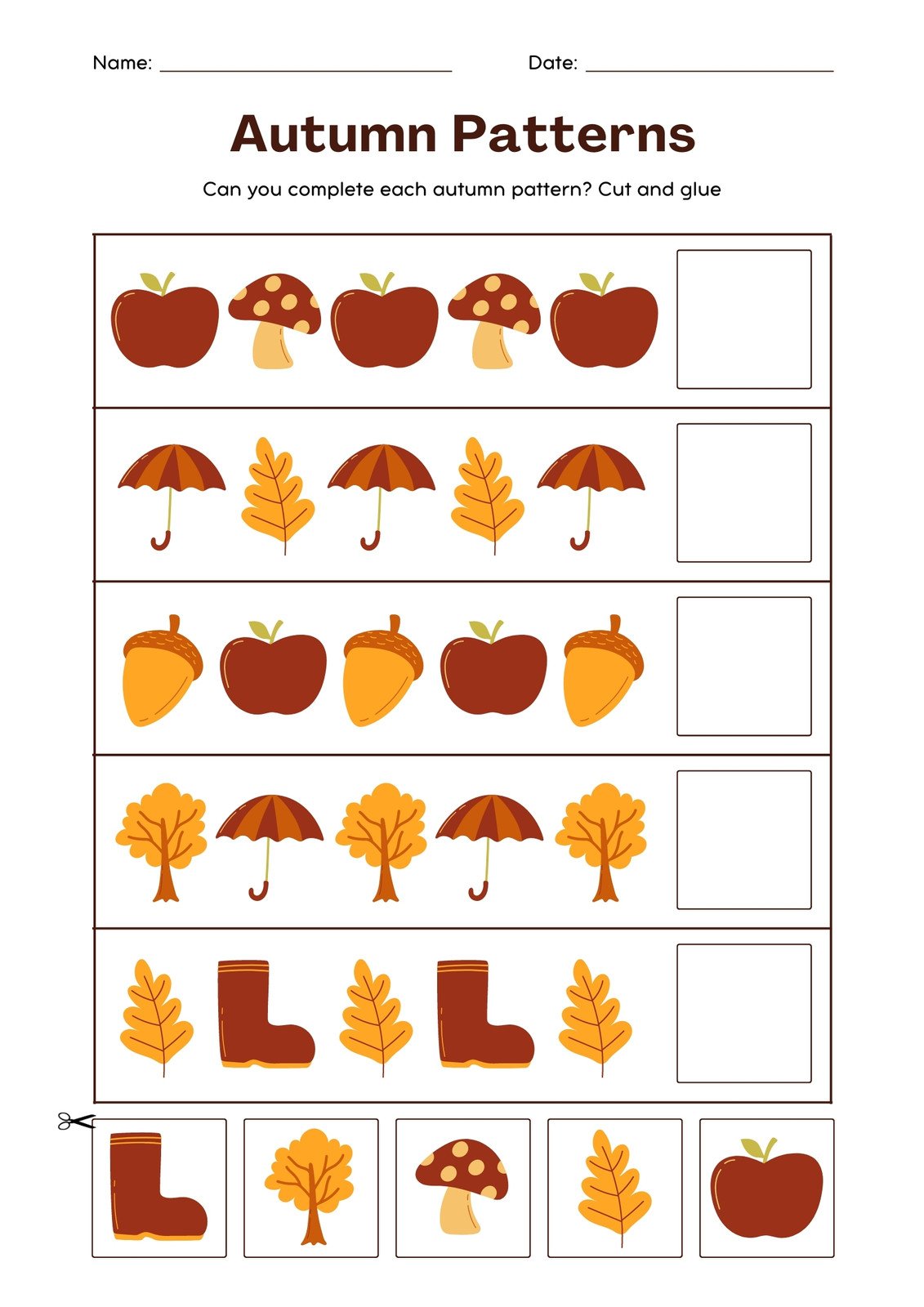
When the air turns crisp and leaves begin their slow descent, educators have a unique window to blend seasonal wonder with essential preschool skills. By selecting purposeful worksheets, customizing them to reflect local realities, weaving them into a cohesive thematic unit, and adapting for every learner, teachers can turn a simple page into a gateway for curiosity, confidence, and competence. The darkness of early autumn does not dim learning; it deepens it, casting long shadows that highlight each child’s growth. Embrace the season’s quiet power, and watch your preschoolers thrive amidst the rustle of pages and the whisper of falling leaves.