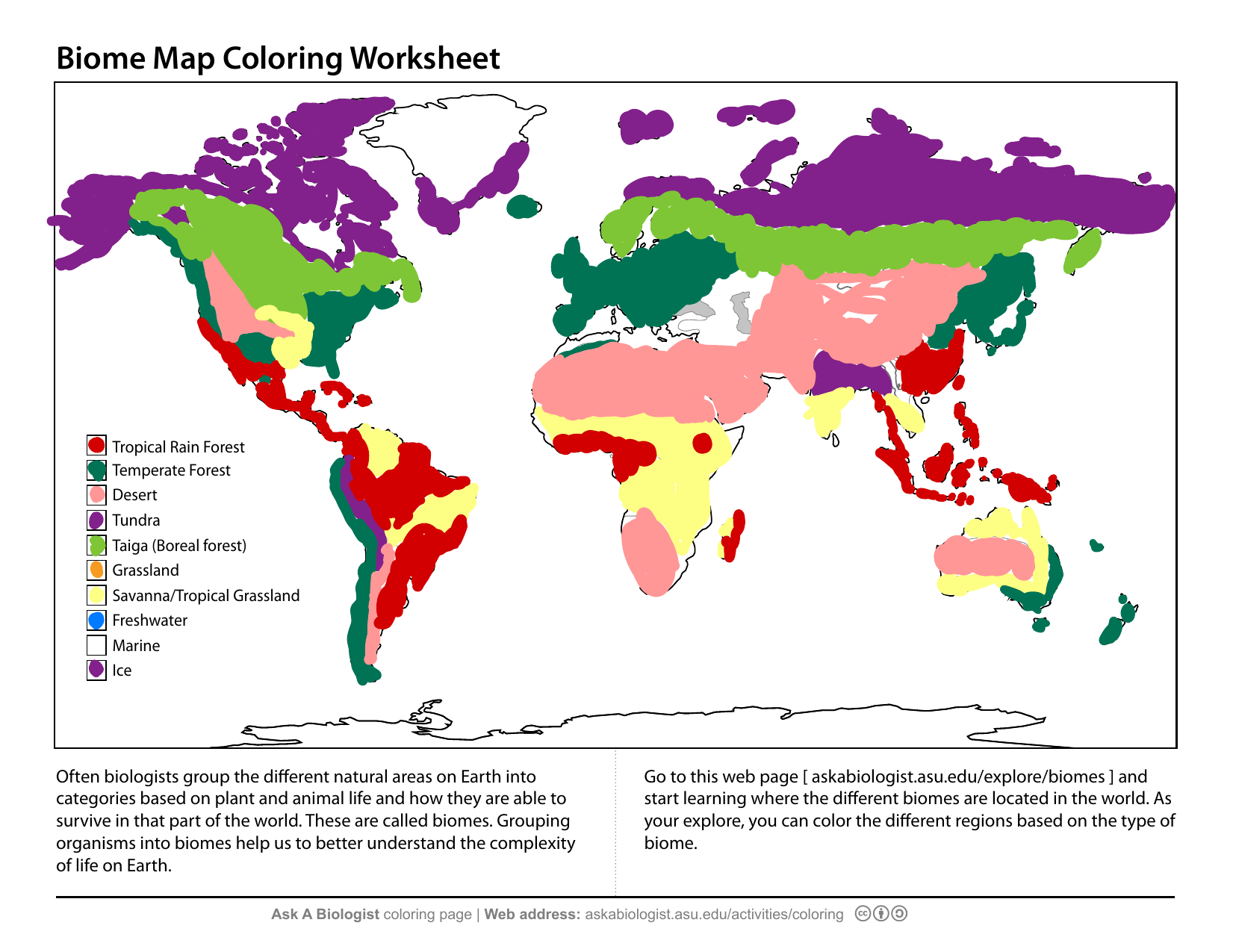
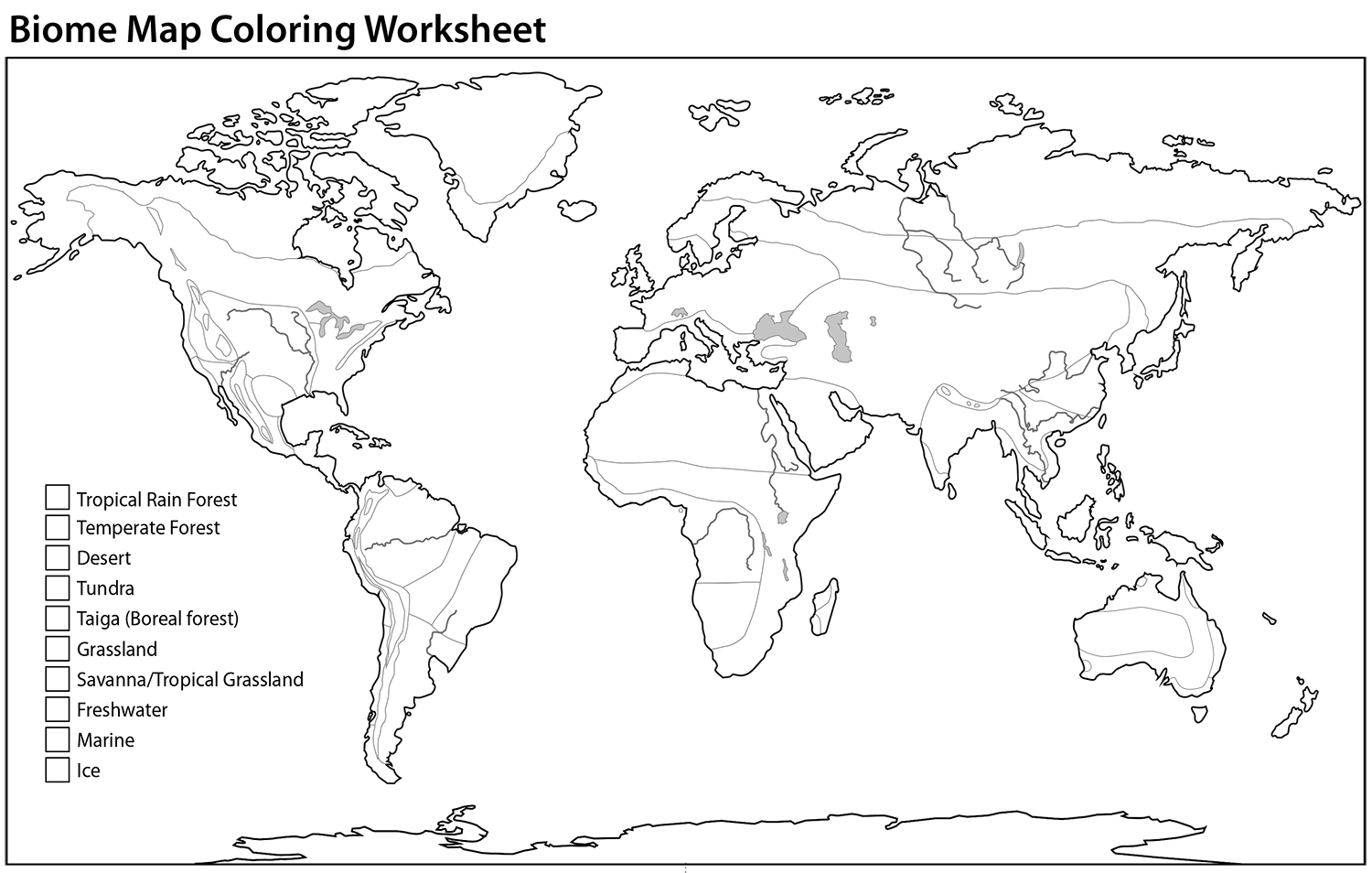
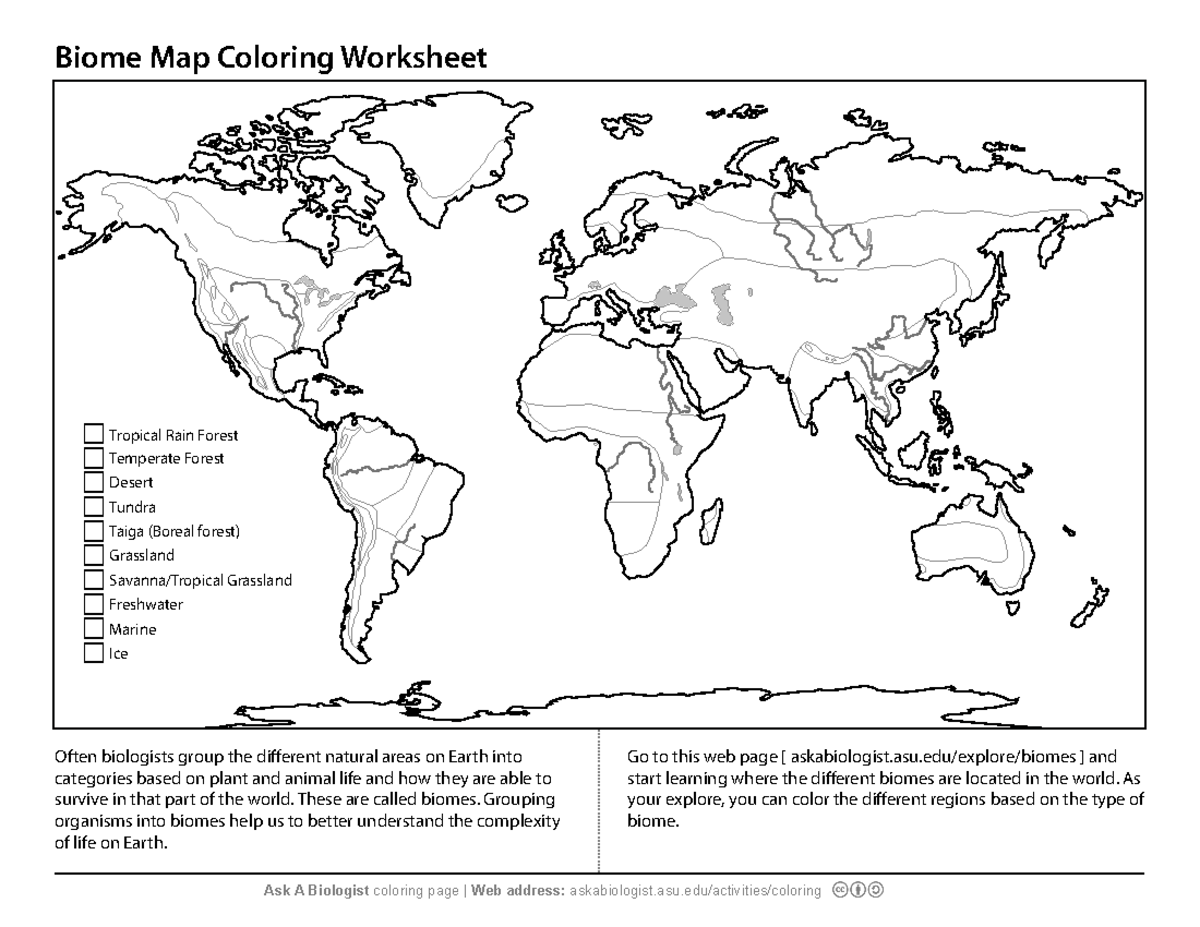
Biome Map Coloring Worksheet is a versatile educational tool that transforms a simple map into an interactive learning adventure. By guiding students to color and identify Earth’s diverse ecological zones—tundra, rainforest, desert, savannah, and more—this worksheet sparks curiosity about geography, climate, and biodiversity while honing observation and color recognition skills.
Understanding the Foundations of Biome Classification
What Defines a Biome?
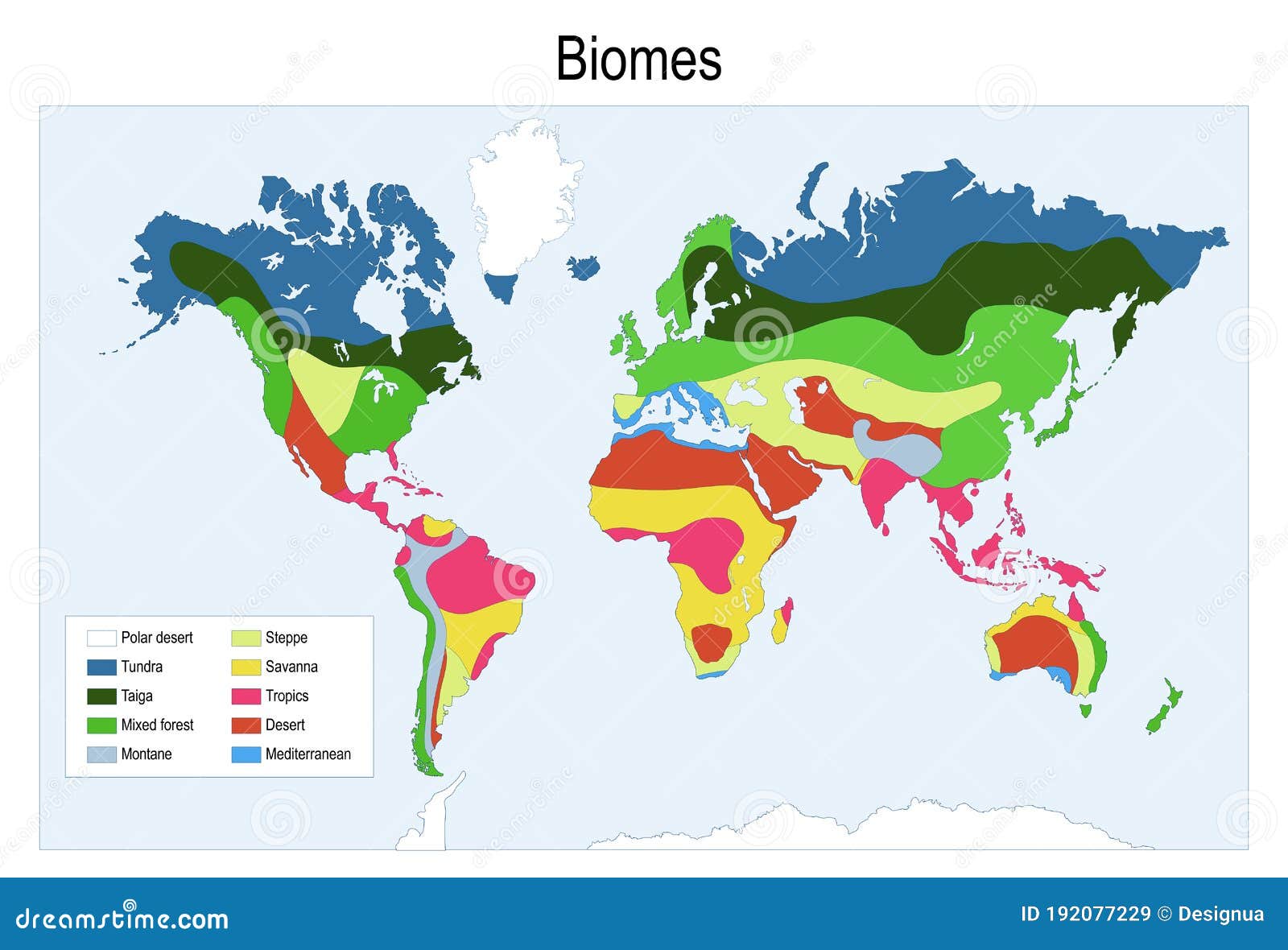
A biome is a large ecological area on the planet’s surface, defined by its climate, soil, vegetation, and wildlife. Unlike smaller ecological niches, biomes encompass thousands of square miles and share characteristic weather patterns that shape plant and animal life. Recognizing the distinct boundaries of each biome is essential for effective mapping and coloring.
Key Climatic Variables
- Temperature: Determines the types of vegetation and the overall energy available for ecosystems.
- Precipitation: Dictates moisture levels, influencing plant growth and animal distribution.
- Seasonality: Seasonal changes affect the rhythm of life within a biome.
- Wind Patterns: Impact weather systems and the transport of seeds and nutrients.
Common Biome Types Covered in Worksheets
The most frequently highlighted biomes on coloring worksheets include:
- Tundra – cold, treeless, with permafrost.
- Taiga – coniferous forests in subarctic regions.
- Temperate Forest – moderate climates with deciduous trees.
- Grassland – vast plains with grasses and periodic fires.
- Desert – arid zones with sparse vegetation.
- Chaparral – shrublands with dry summers.
- Savanna – tropical grasslands with scattered trees.
- Rainforest – dense, humid forests with high biodiversity.
Step‑by‑Step Guide to Using a Biome Map Coloring Worksheet

Step 1: Choose the Right Worksheet
Select a worksheet that matches your class level. For younger learners, simplified maps with bold borders work best, while advanced students can tackle detailed regional maps that include multiple biomes within a single country.
Step 2: Gather Materials
- Color pencils or markers in a variety of shades.
- High‑contrast reference guide to biome colors.
- Printout of the worksheet in a size that fits the classroom table.
- Optional: digital tablet with a drawing app for interactive versions.
Step 3: Introduce the Biome Concepts
Begin with a brief lecture or interactive presentation that explains each biome’s climate, typical flora and fauna, and geographic distribution. Visual aids such as photographs or short video clips help cement the concepts before coloring.
Step 4: Assign Biome Color Codes
Create a color key. For example:
- Green – Tropical Rainforest.
- Yellow – Savannah.
- Orange – Desert.
- Blue – Tundra.
- Red – Temperate Forest.
Ensure students understand that these are arbitrary color assignments used purely for differentiation.
Step 5: Work Through the Map
Students should first outline biome boundaries using a pencil. Then, with the color key in hand, they fill in each region. Encourage attention to detail: small islands or river systems may belong to a different biome than the surrounding land.
Step 6: Validate and Discuss
After coloring, have students compare their work with a model answer. Discuss any discrepancies, reinforcing why a particular region falls into one biome and not another. This discussion cements understanding and allows for correction of misconceptions.
Step 7: Extend Learning with Activities
- Biology Matching: Pair animals or plants with the biomes they inhabit.
- Climate Data Comparison: Insert real temperature and precipitation data next to each biome section.
- Global Migration Paths: Trace migratory routes that cross multiple biomes.
Educational Benefits of a Biome Map Coloring Worksheet

Cognitive Development
Coloring maps engages fine motor skills while reinforcing spatial thinking. Students must identify borders, analyze patterns, and remember color associations.
Geographic Literacy
By placing biomes on a map, learners grasp how climate shapes landscape. They learn to correlate latitude with temperature and to understand how water bodies influence local ecosystems.
Environmental Awareness
Seeing the distribution of biomes encourages discussion about conservation, climate change impacts, and human activity. This real‑world relevance fosters stewardship values.
Cross‑Curriculum Integration
Biomes intersect with biology, chemistry (soil composition), physics (temperature variations), and even social studies (human civilizations adapted to certain biomes). The worksheet acts as a catalyst for interdisciplinary projects.
Adapting Biome Worksheets for Different Age Groups
Elementary School
Use large, brightly colored sections and limit the number of biomes to four or five. Integrate simple questions such as “Which biome has the most rainfall?” or “What animal might live in a desert?”
Middle School
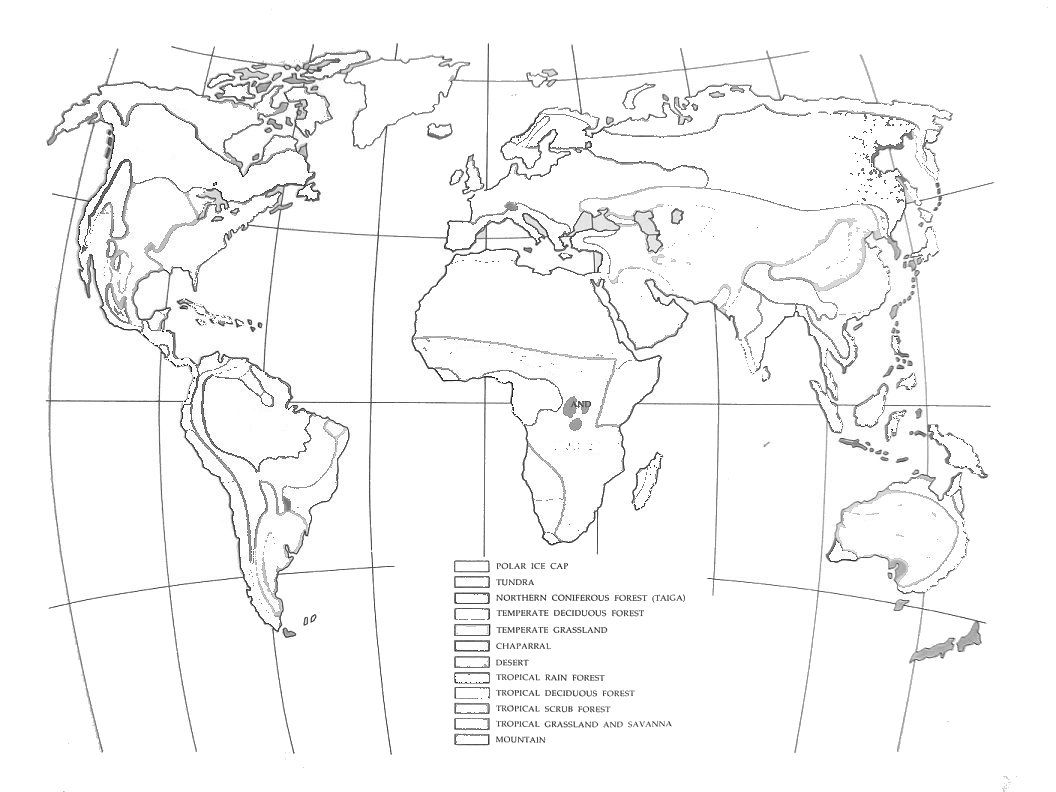
Introduce more biomes and encourage students to label major rivers or mountain ranges that influence biome boundaries. Add short research tasks for each biome’s dominant species.
High School
Challenge students with a comparative analysis of biomes under climate change scenarios. Include statistical data on temperature shifts and biodiversity loss to support critical thinking.
Digital Variants and Interactive Platforms

Online Coloring Tools
Websites offering drag‑and‑drop coloring allow students to practice remotely. Features such as instant feedback and auto‑save enhance learning convenience.
Augmented Reality (AR)
AR apps can overlay biome information onto a student’s smartphone view, making the exercise more immersive. Students can scan a physical map and see animated animals that belong to each biome.
Gamified Learning Apps
Integrate quizzes that reward correct color assignments or provide badges for identifying less common biomes like the Antarctic tundra or the Australian desert.
Best Practices for Teachers Using Biome Worksheets
Set Clear Learning Objectives
Define what students should know by the end: identify biome types, understand climate variables, and explain ecological importance.
Provide Visual References
Supply high‑quality images of each biome, not just color keys. This helps students link colors to real landscapes.
Encourage Peer Review
Let students compare worksheets in pairs, fostering collaborative problem‑solving.
Use Assessment Rubrics
Develop a rubric that values accuracy, creativity, and explanation rather than mere color correctness.
Real-World Applications Beyond the Classroom

Citizen Science Projects
Students can submit their completed worksheets to online biodiversity databases, contributing to real scientific mapping efforts.
Field Trips and Outdoor Learning
Take students to local parks or botanical gardens to compare map colors with actual plant species and observe micro‑biomes.
Community Outreach
Create a community display of colored maps that illustrate how local land use has shifted biomes over time, promoting environmental conversation.
Conclusion

By weaving together color, geography, and ecology, the Biome Map Coloring Worksheet becomes a powerful portal to Earth’s living tapestry. Whether in a pencil‑filled classroom or a digital interface, this simple activity unlocks profound insights into climate dynamics, species adaptation, and our responsibility as global citizens. As educators and learners color across the globe’s varied landscapes, they gain not only knowledge but a deeper appreciation for the intricate balance that sustains life in every corner of the planet.