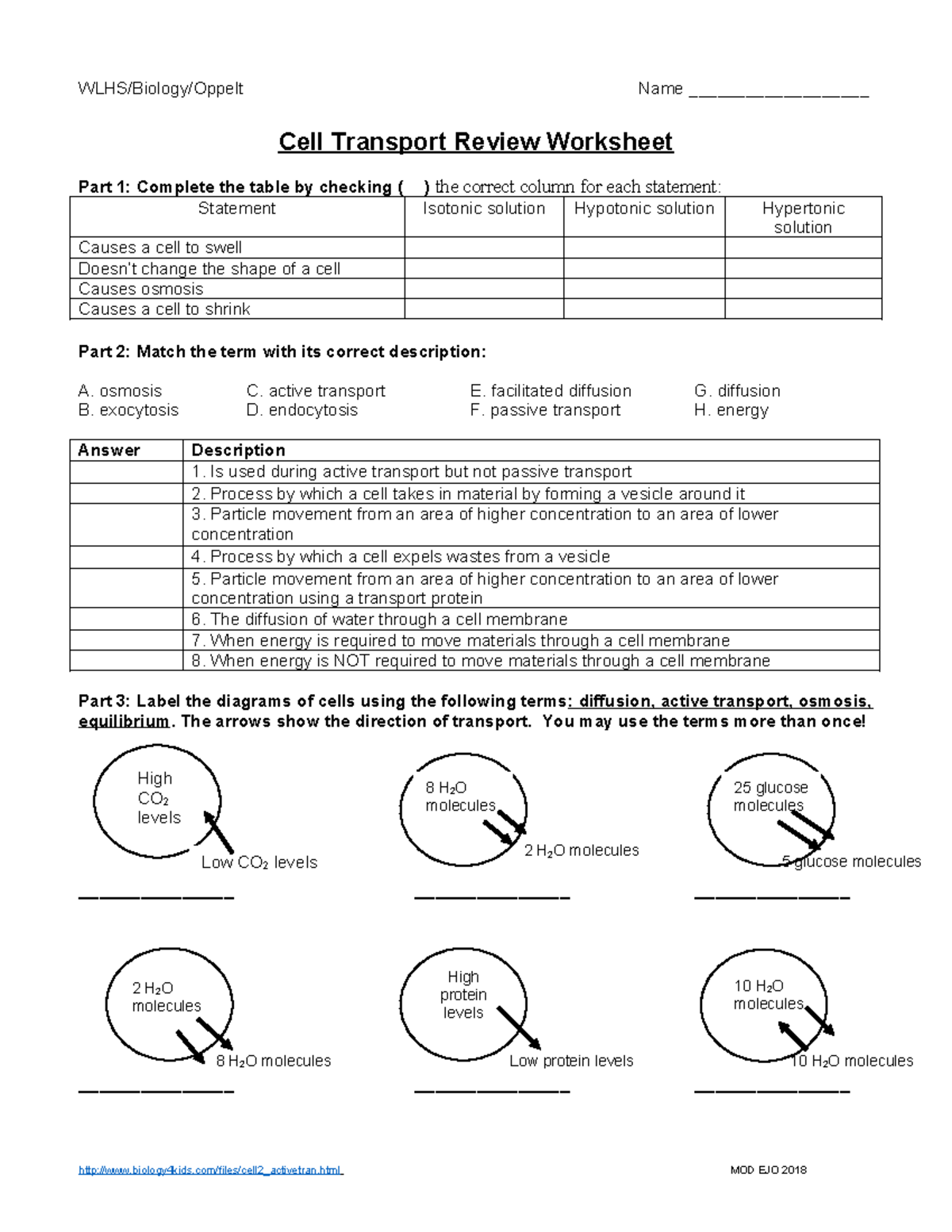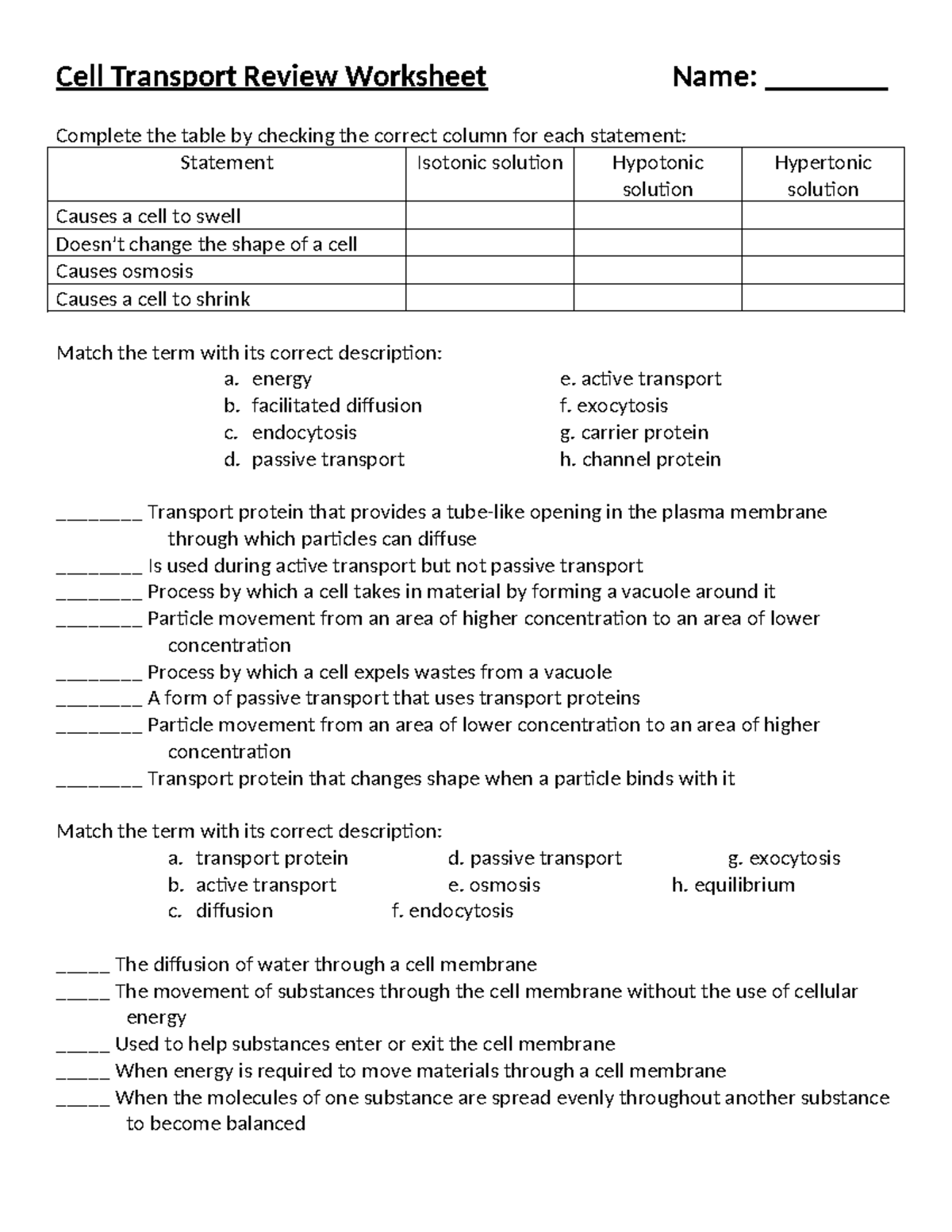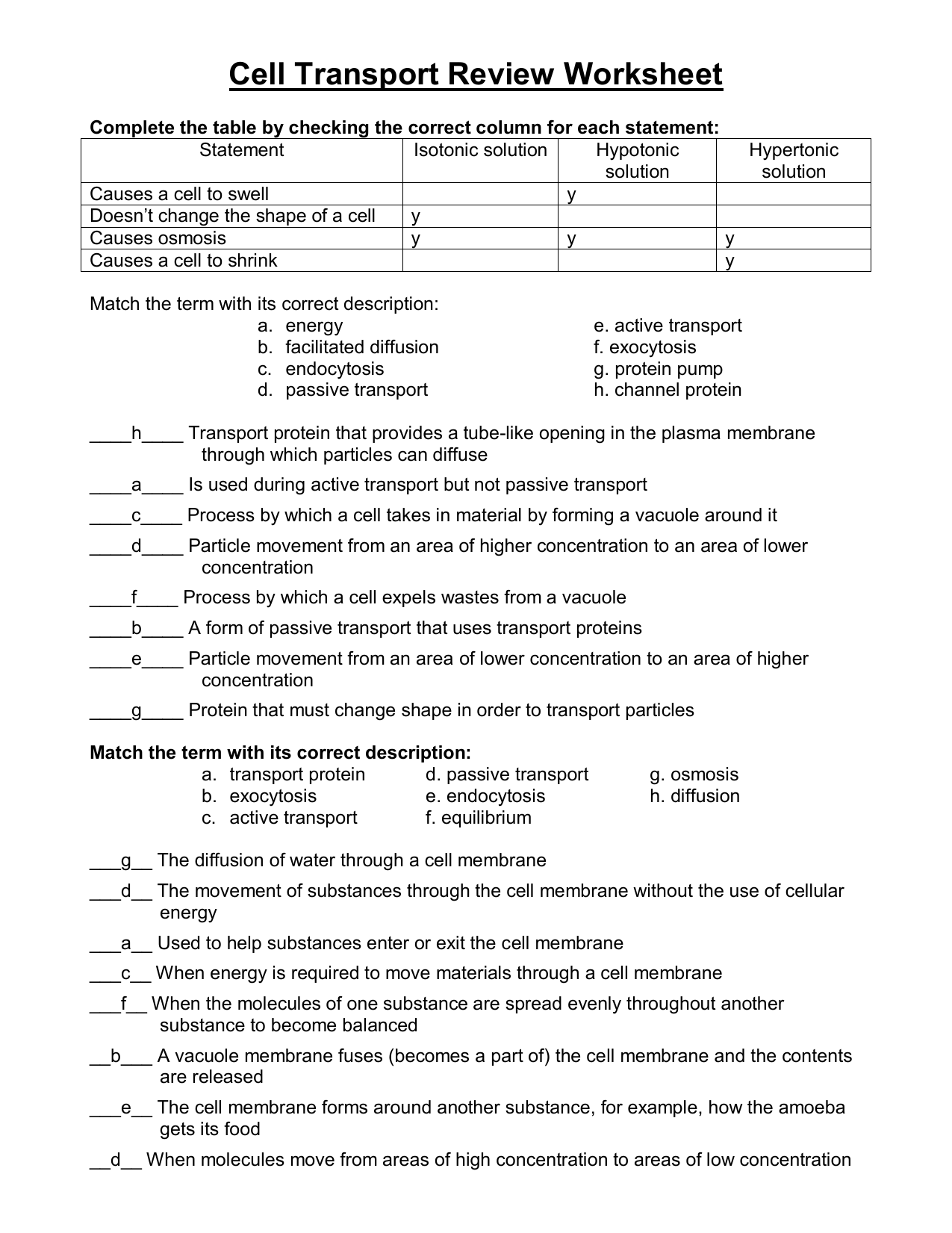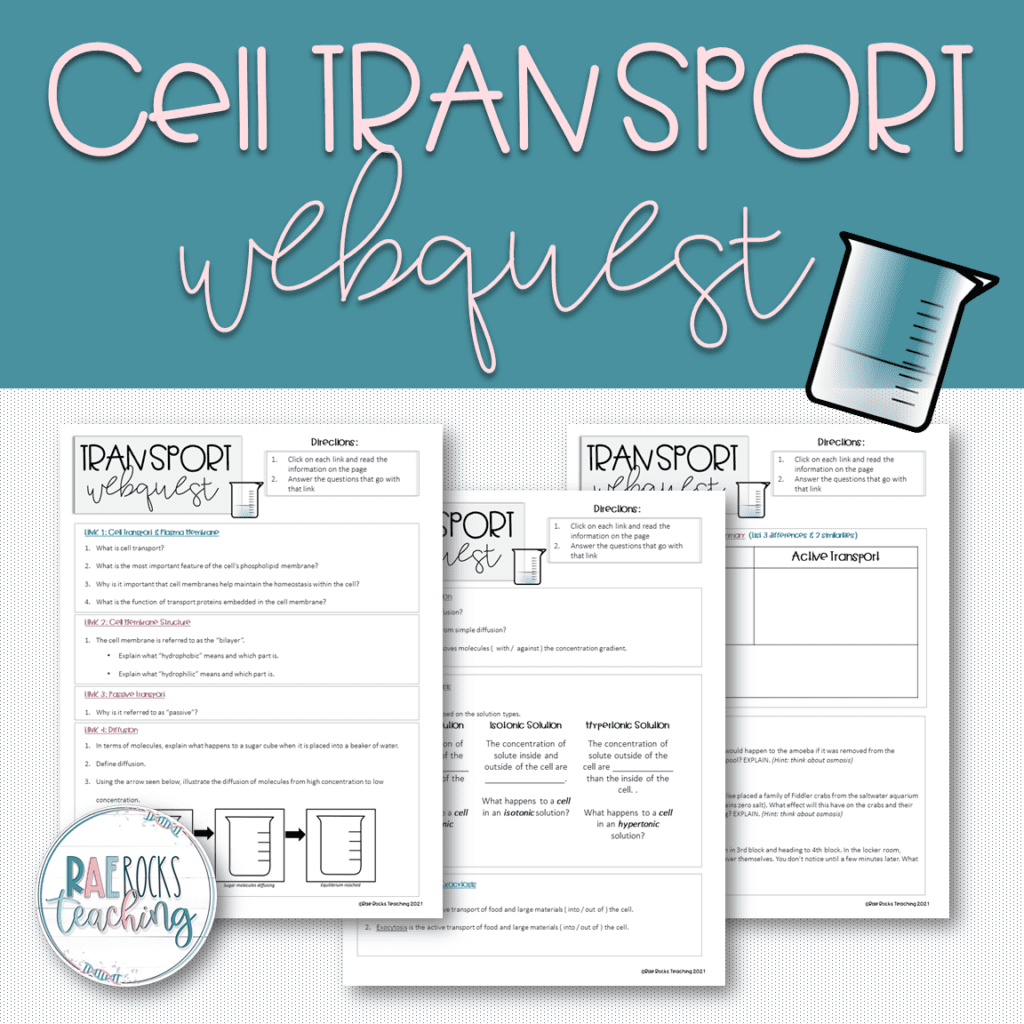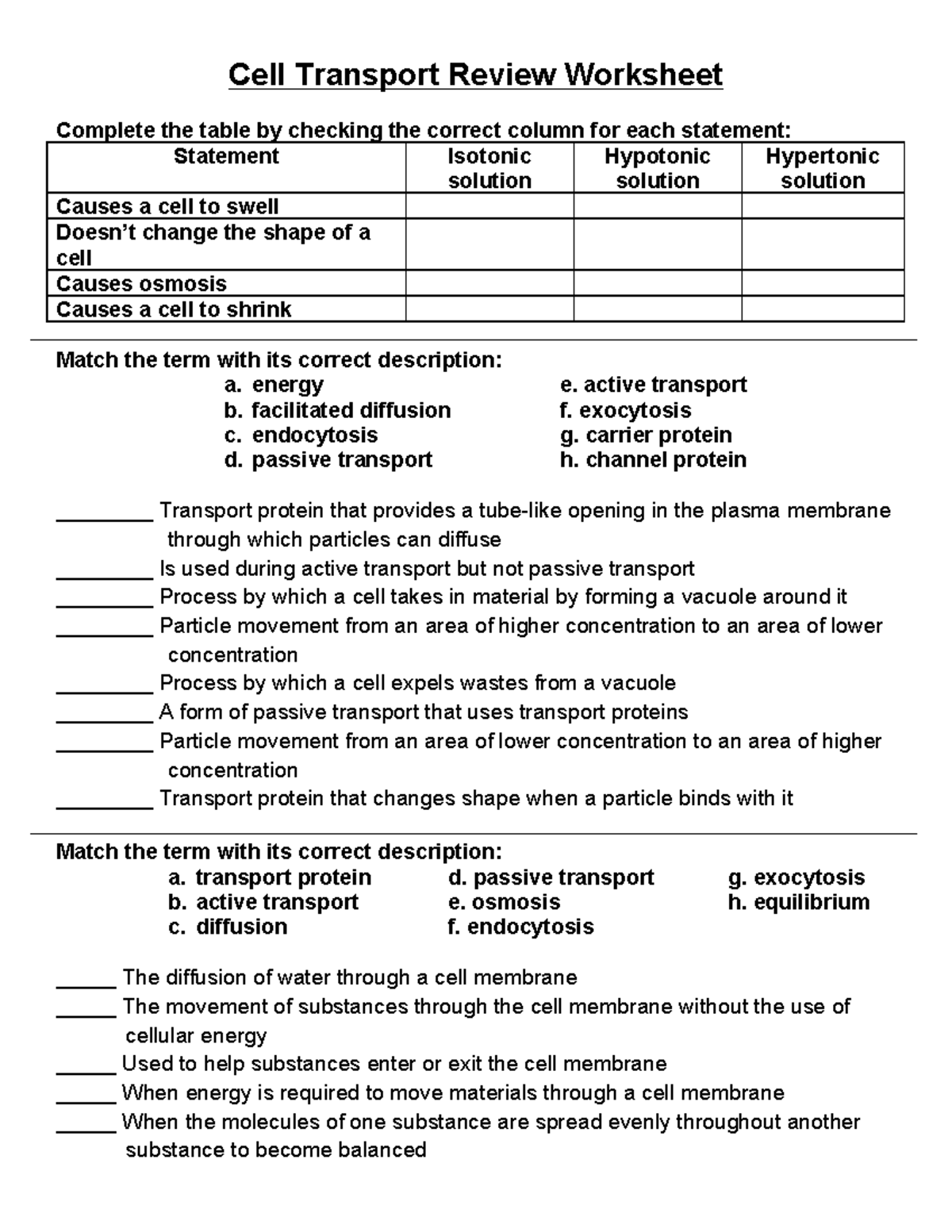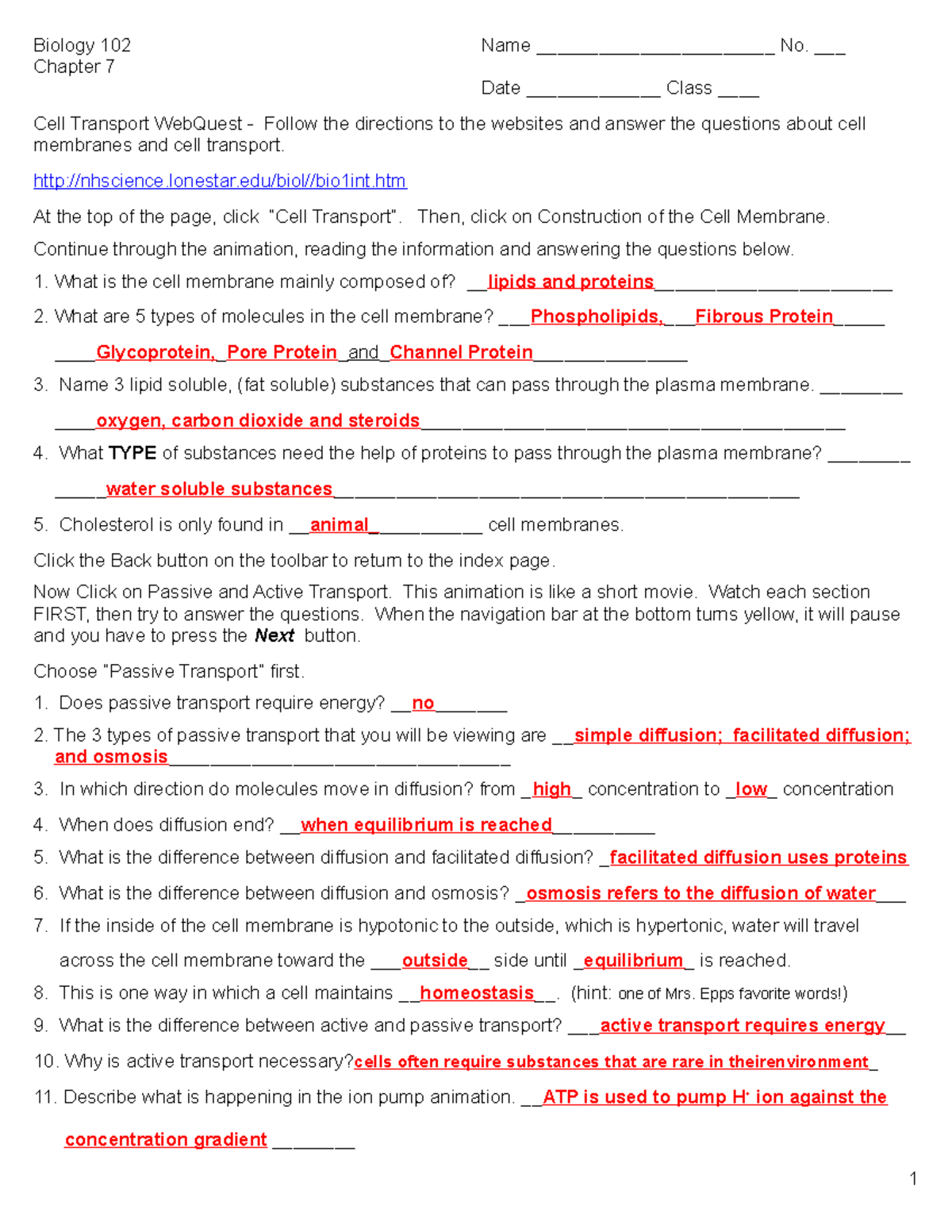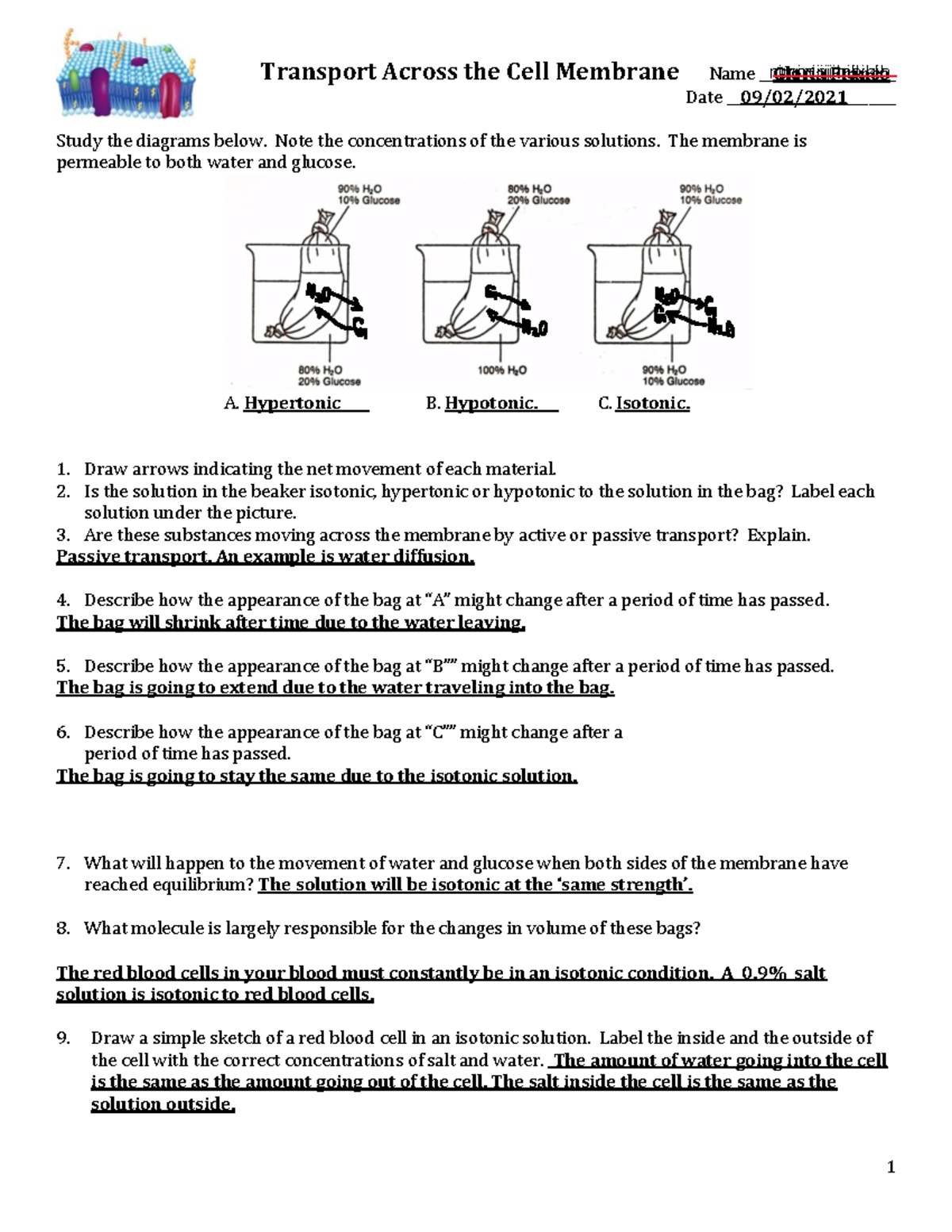
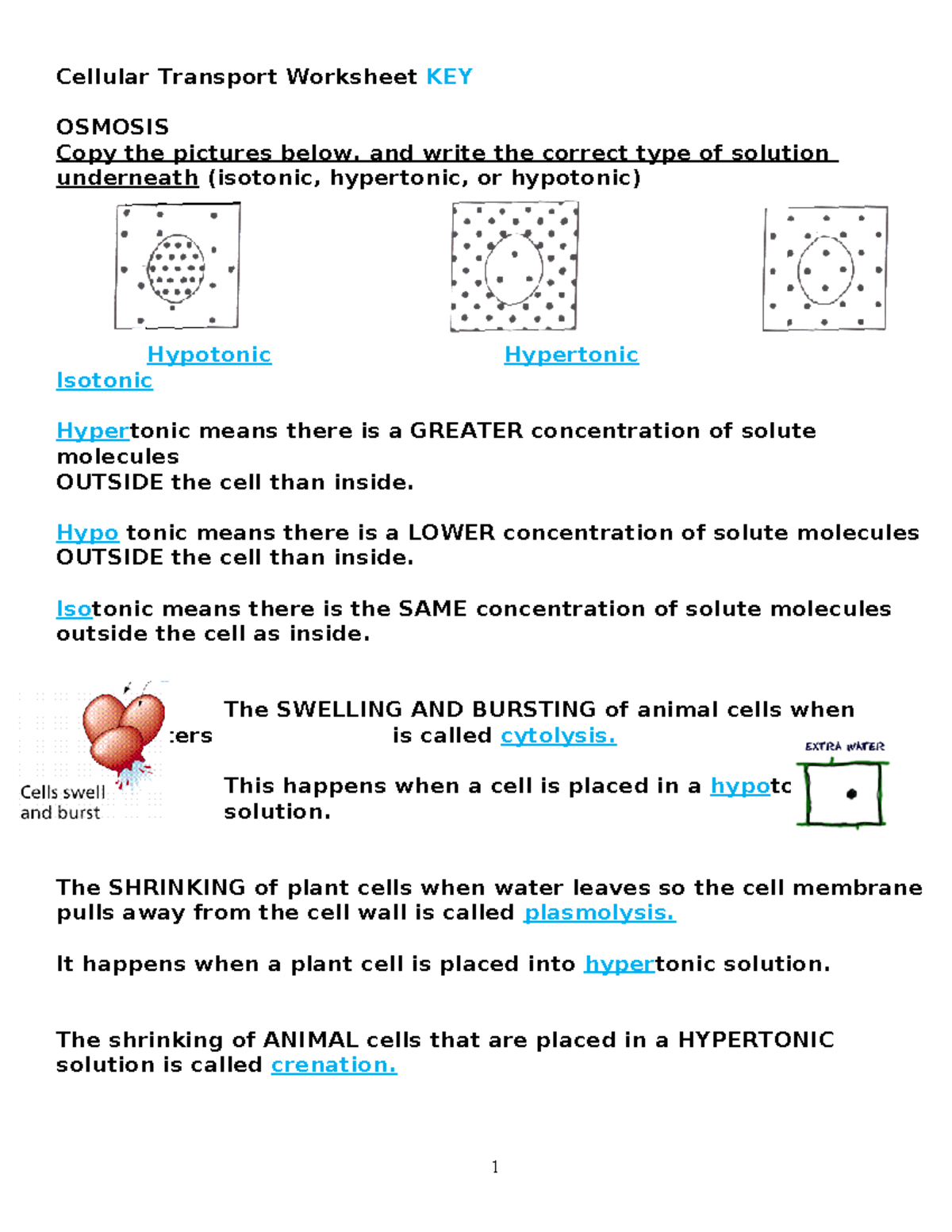
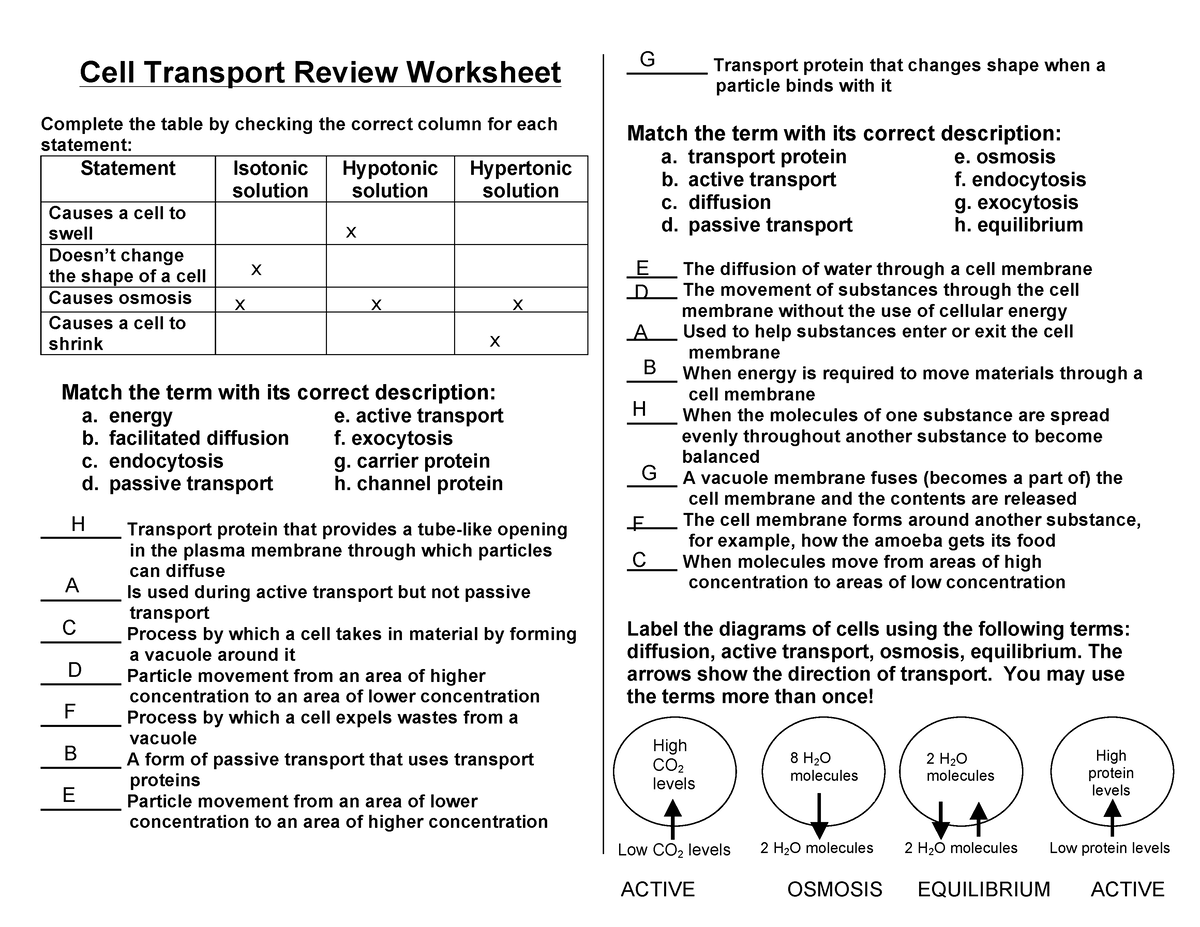
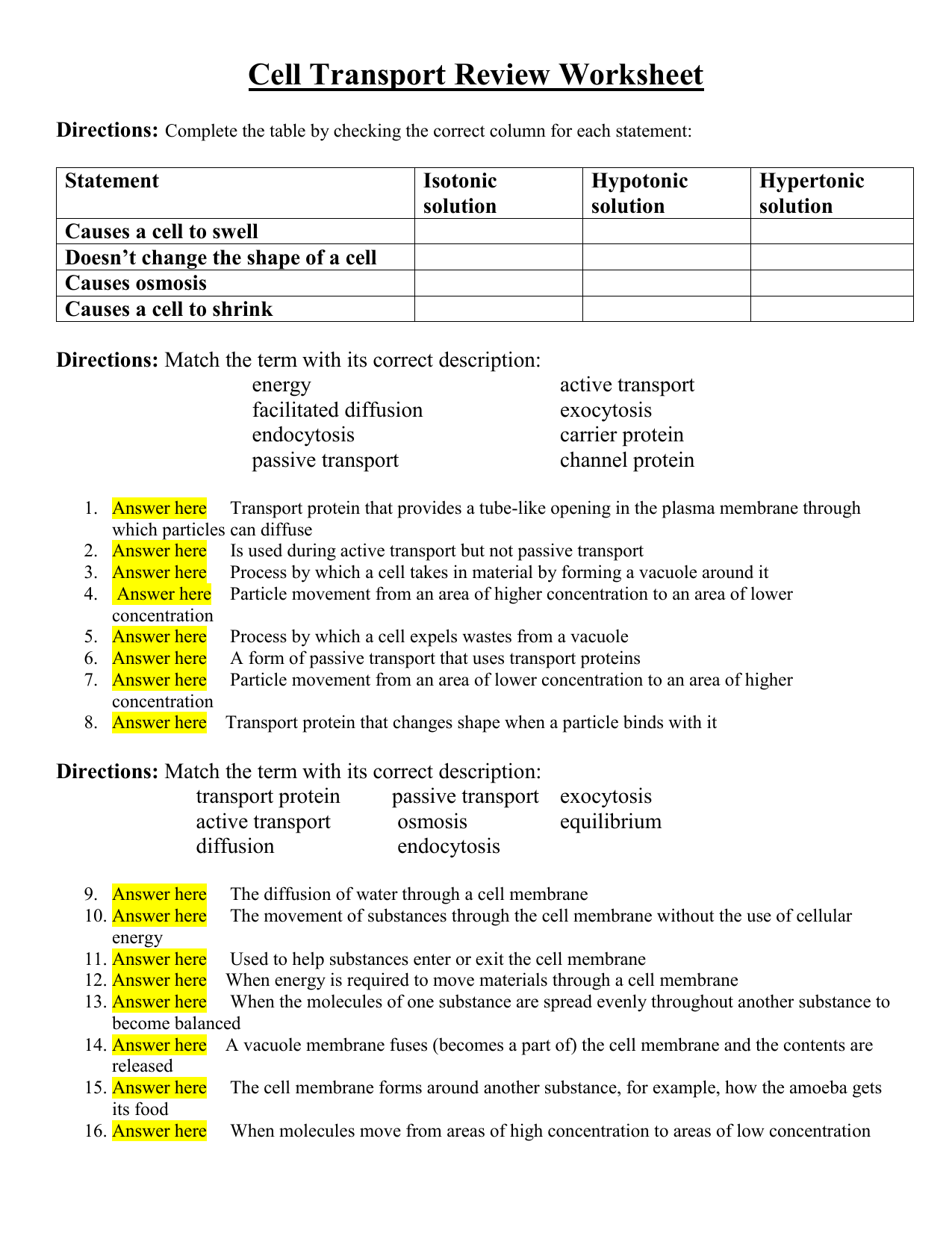
Cell Transport Review Worksheet Answers are more than a simple check‑list of facts; they are a roadmap to mastering how molecules move into and out of a cell, a topic that fuels everything from drug delivery to everyday physiology. When students tackle a worksheet on this subject, they’re not just recalling terms like “diffusion” or “active transport.” They’re building a mental model of the cell’s inner logistics, and that model is critical for higher‑level biology, biochemistry, and even medical science. This post walks through common questions found on cell transport worksheets, offers clear answers, and gives practical study tips that turn rote memorization into real understanding.
Understanding the Basics of Cell Transport
Why Do Cells Need Transport?
Every cell is a bustling ecosystem, relying on a steady flow of nutrients, gases, and waste products. Without transport mechanisms, cells would be unable to maintain homeostasis, grow, or respond to stimuli. Transport processes ensure that oxygen reaches mitochondria, glucose feeds metabolism, and harmful by‑products exit the cytoplasm.
Classification of Transport: Passive vs. Active
Biologists divide transport into two major categories: passive, which moves substances down their concentration gradients, and active, which requires ATP to move substances against a gradient. Each category contains sub‑mechanisms that are frequently tested on worksheets.
Passive Transport
Simple Diffusion
Simple diffusion is the straight‑forward movement of molecules from a region of higher concentration to lower concentration. It does not need a membrane protein or energy. Typical examples include oxygen and carbon dioxide crossing the plasma membrane.
Facilitated Diffusion
When molecules are too large or charged to slip through the lipid bilayer, they rely on carrier proteins or channel proteins. Facilitated diffusion still follows the concentration gradient and is essential for substances like glucose and ions.
Osmosis
Osmosis is a specific case of facilitated diffusion involving water moving through a selectively permeable membrane. A high solute concentration on one side pulls water toward that side, potentially causing a cell to swell or shrink depending on its environment.
Active Transport
Primary Active Transport
This mechanism uses ATP directly to pump molecules across a membrane. The classic example is the Na⁺/K⁺ ATPase, which keeps sodium and potassium ions at concentrations that favor nerve impulse propagation.
Secondary Active Transport
Also known as cotransport, this process uses the gradient created by primary active transport to move other molecules. Examples include the sodium‑glucose linked transporter (SGLT) and the proton‑sodium exchanger.
Bulk Transport
Cells sometimes need to move large particles or fluids, and they do this through vesicular processes: endocytosis brings substances inside and exocytosis expels them. These processes are ATP‑dependent and crucial for immune function and hormone secretion.
Key Vocabulary and Concepts for Worksheet Answers

Membrane Structure and Function
The plasma membrane’s phospholipid bilayer provides a fluid matrix where proteins embed. Key protein types—integral, peripheral, and lipid‑anchored—play distinct roles in transport. Knowing which proteins mediate which types of transport helps answer questions about selective permeability and carrier specificity.
Concentration Gradients and Chemical Potential
Understanding how concentration gradients drive diffusion, and how the chemical potential relates to energy changes, is vital for solving problems about passive transport rates and directionality.
Transport Energetics
Active transport is ATP‑driven. Grasping the concept of coupling between ATP hydrolysis and ion gradients allows students to predict how a mutation in a transporter could affect cellular function.
Regulation of Transporters
Transport proteins are not static; they can be up‑regulated or down‑regulated by hormones, feedback loops, and post‑translational modifications. Worksheets often ask about how cells adapt to changing environments.
Common Worksheet Question Types and How to Tackle Them

True/False and Multiple Choice
These questions test basic recall. A good strategy is to look for absolute terms like “always” or “never,” which often indicate a trick. For instance, “Simple diffusion occurs only in eukaryotic cells” is false because diffusion is a universal physical process.
Diagram Labeling
Students might be asked to label a cell membrane or a vesicle. Before drawing, outline the key components: phospholipid bilayer, integral proteins, cholesterol, water, ions, and extracellular fluid. Label each with concise descriptors (e.g., “Channel protein: allows passive movement of ions”).
Fill‑In‑The‑Blank
These often test terminology and process flow. For example, “The movement of water across a selectively permeable membrane is called ______.” The answer: “osmosis.” Pairing the term with its definition in a flashcard set helps cement recall.
Case Studies and Problem Solving
Some worksheets present a scenario—like a cell in a hypertonic solution—and ask what happens to the cell. Applying the principles of osmosis, you explain that water exits the cell, causing crenation.
Data Interpretation
Graphs showing diffusion rates versus concentration gradients challenge students to interpret trends. Highlight the linear relationship predicted by Fick’s law, and note that extreme saturation or membrane damage can break the trend.
Step‑by‑Step Guide to Solving Transport Problems

1. Identify the Molecule and Its Properties
Ask whether the molecule is small, nonpolar, or charged. Small nonpolar molecules diffuse easily; large or charged molecules need carrier proteins.
2. Determine the Direction of Movement
Check concentration levels on each side of the membrane. If a molecule is on the high‑concentration side, it will move toward the low‑concentration side unless energy is supplied.
3. Classify the Transport Mechanism
Decide whether the transport is passive (diffusion or osmosis) or active (primary, secondary, or bulk). For active transport, check if ATP is mentioned or implied.
4. Apply Energy Considerations
For active transport, ensure that the energy from ATP hydrolysis is sufficient to move the molecule against its gradient. For passive processes, confirm that the molecule follows the gradient and no energy input is required.
5. Check for Regulation Factors
Consider whether the question includes signals such as hormone binding or feedback inhibition, which might alter transporter activity.
Real‑World Applications of Cell Transport Knowledge
Pharmacology and Drug Design
Many drugs depend on passive diffusion for absorption, while others require transporter-mediated uptake. Understanding these pathways helps in predicting drug bioavailability and side‑effect profiles.
Clinical Relevance
Diabetes is a classic example: the SGLT transporter in the kidney reabsorbs glucose. Inhibitors of this transporter (SGLT2 blockers) reduce glucose reabsorption, lowering blood sugar. Worksheets that discuss such examples help link theory to practice.
Environmental Stress Responses
Plants facing drought stress regulate aquaporins to control water movement. In human cells, hyperosmolarity activates p38 MAPK pathways, prompting ion channel adjustments. Such examples illustrate the evolutionary importance of transport mechanisms.
Tips for Mastering Cell Transport Worksheet Answers

Use Visual Aids
Create your own labeled diagrams. Sketch the membrane, add arrows to represent movement, and annotate with key terms. Drawing reinforces memory and provides a quick reference.
Chunk Information
Break down large topics into manageable units: “Diffusion types,” “Active transport energy,” “Regulation mechanisms.” Memorize one chunk at a time, then connect them.
Practice Retrieval
Instead of re-reading, test yourself. Cover your notes and write the answer from memory. The act of retrieval strengthens long‑term retention.
Cross‑Reference Concepts
Link cell transport to other biological systems. For instance, connect ion gradients to nerve impulse propagation or to muscle contraction. Seeing these relationships reduces compartmentalized memorization.
Simulate Real Questions
Design mock worksheets based on textbook examples. Challenge yourself to answer without peeking, then review the official solution. This iterative practice is the most effective way to prepare for exams.
Conclusion
Cell Transport Review Worksheet Answers serve as a gateway to deeper biological insight. By mastering the mechanisms of diffusion, osmosis, primary and secondary active transport, and bulk transport, students gain a powerful framework for tackling more complex topics like signaling pathways, metabolic regulation, and therapeutic drug delivery. Keep practicing with real‑world examples, use visual tools to cement concepts, and remember that every molecule’s journey across a cell membrane is a story of physics and biology intertwining. With these strategies, you’ll transform worksheet questions from daunting obstacles into opportunities for mastery, ensuring a confident and knowledgeable approach to any biology exam.