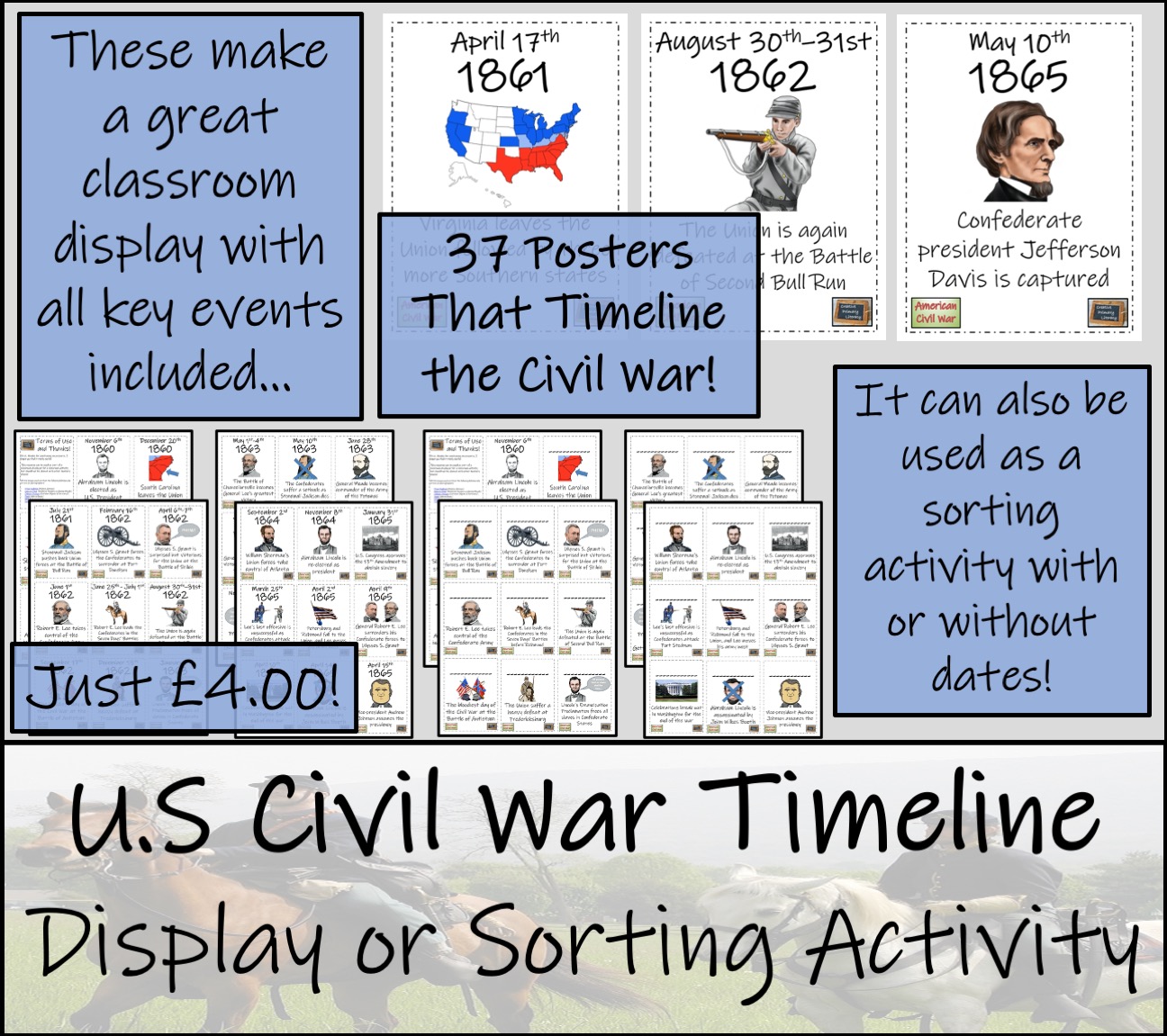
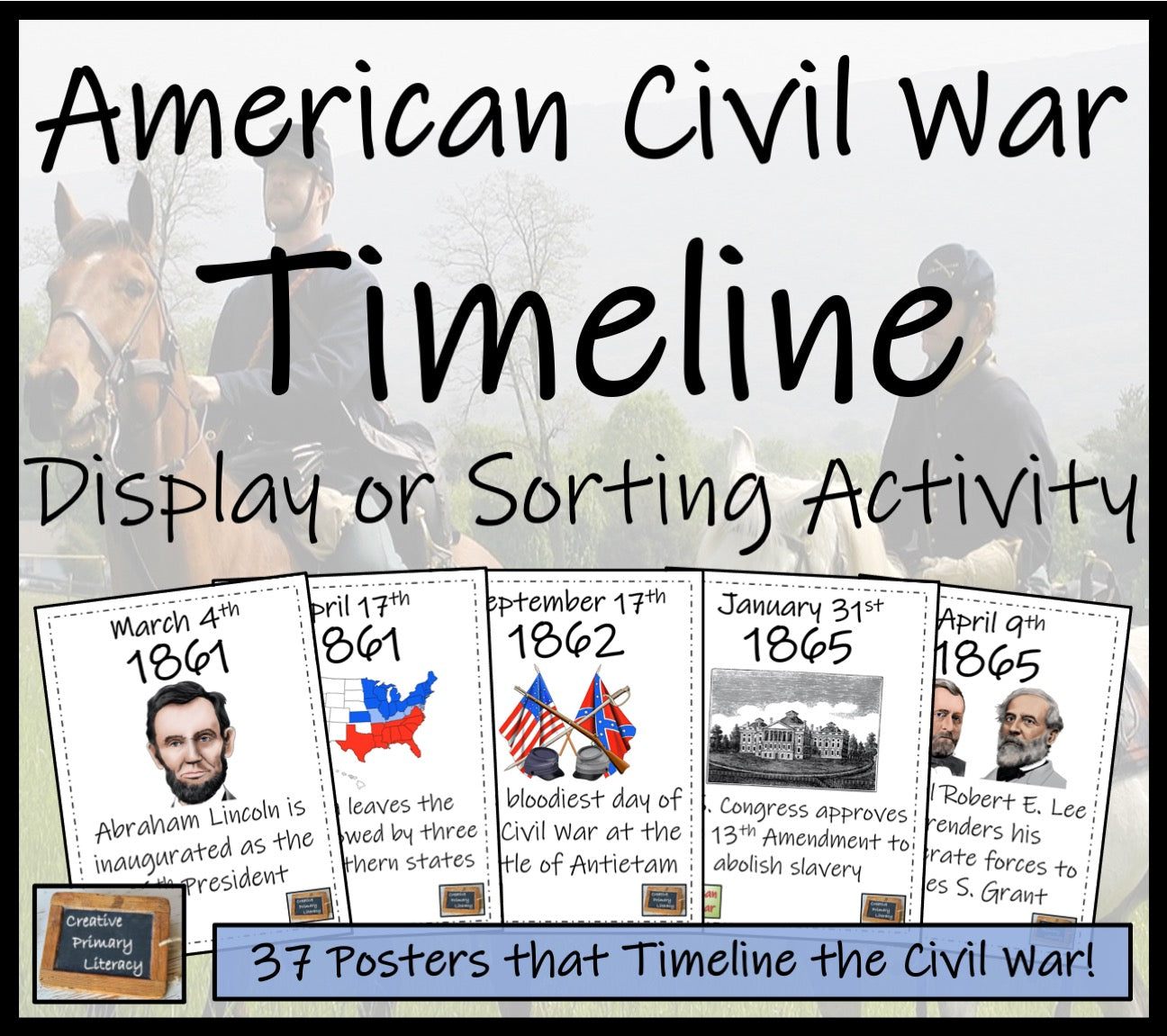
Civil War Timeline Worksheet is more than a simple chronology; it’s a bridge connecting present-day learners to a pivotal chapter in American history, especially when it reflects the lived experiences of African Americans. By weaving together dates, events, and stories from black perspectives, educators can transform a flat timeline into a living classroom catalyst.
Why a Civil War Timeline Worksheet Matters

Students often perceive history as a list of names and dates. A well‑crafted timeline worksheet breaks that illusion by adding context, cause and effect, and human stories. For black students, seeing their ancestors’ courage—whether on battlefields, in kitchens, or in courtrooms—creates a sense of ownership over the past. This ownership fuels curiosity, critical thinking, and ultimately, deeper learning.
Designing an Inclusive Timeline for the Classroom
Start with a Clear Narrative Arc
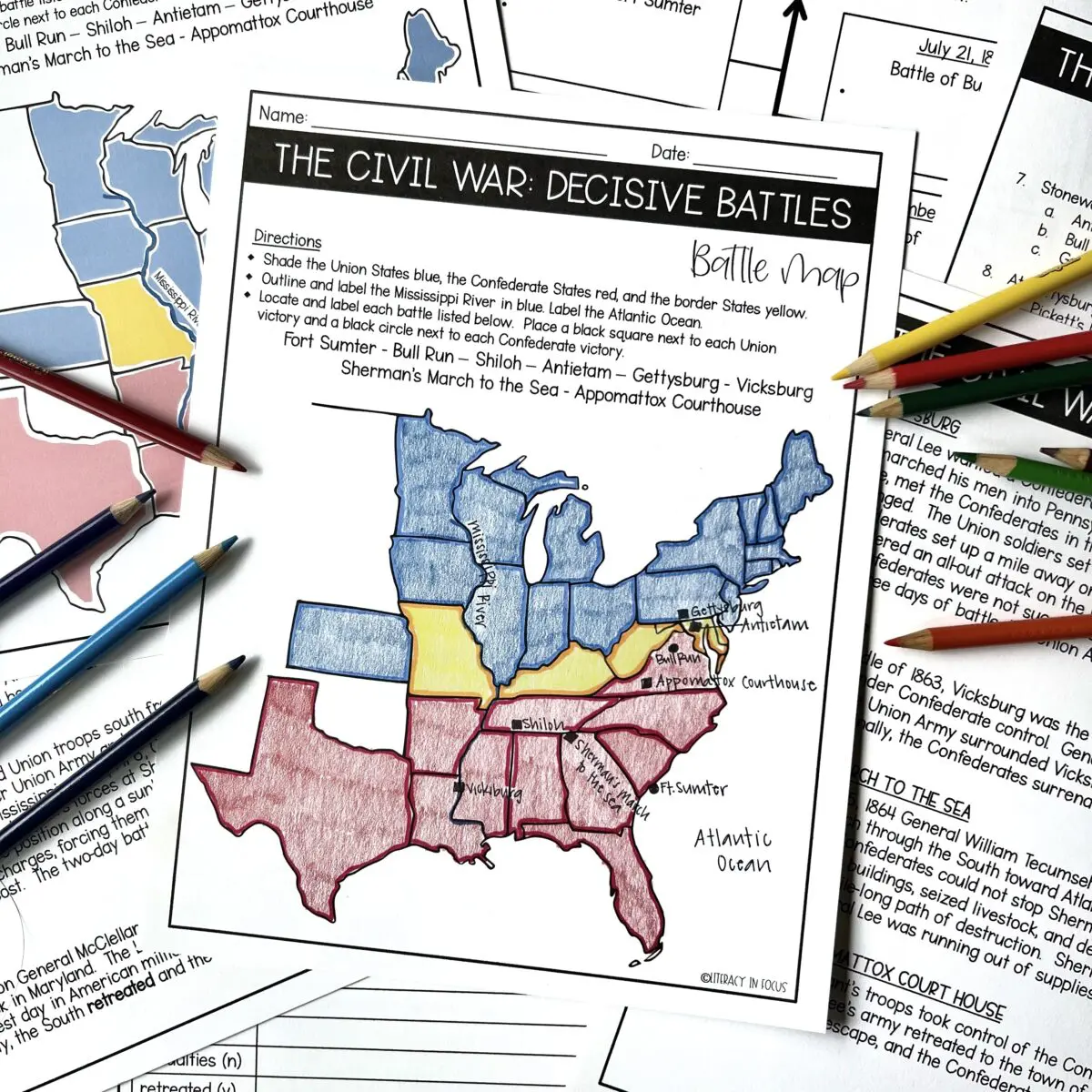
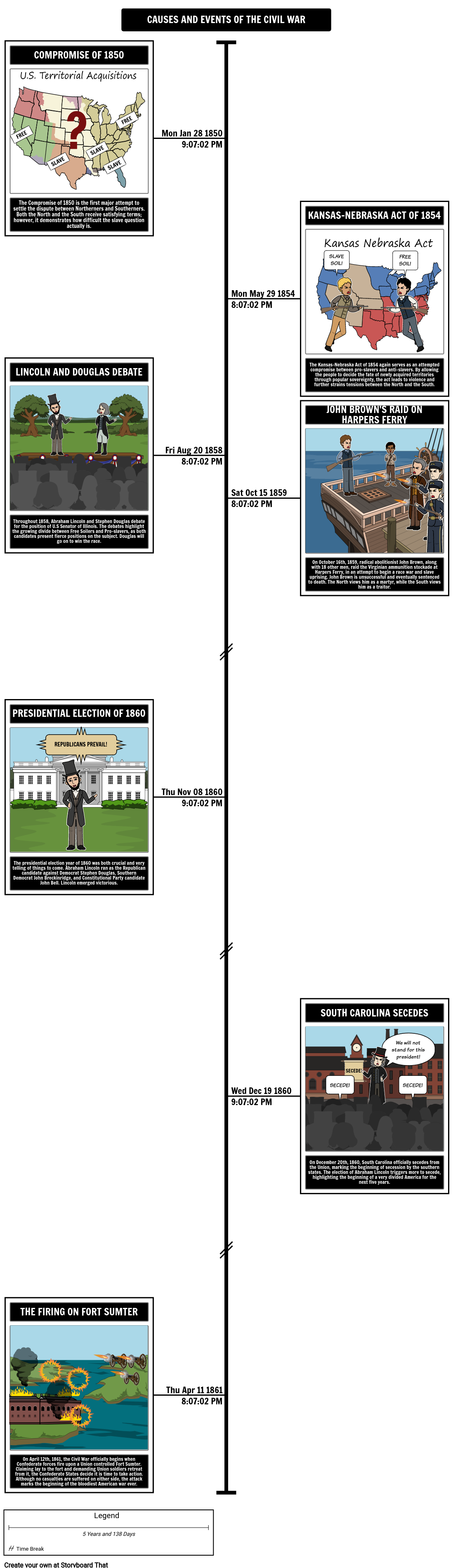
Begin by outlining the arc: prewar tensions, war’s escalation, emancipation, and Reconstruction. Place key milestones along this arc, using distinct colors or icons to differentiate between military, social, and political events. Visual variety helps learners track complex timelines and keeps engagement high.
Use Layered Information
Provide primary source excerpts—letters, speeches, newspapers—next to dates. Layering information encourages students to interpret documents, compare perspectives, and draw their own conclusions. For instance, juxtapose Lincoln’s Emancipation Proclamation with the reactions of freed people in the South.
Incorporate Cultural Symbols
Black history is rich with symbols: the Underground Railroad, the Freedom Riders, the NAACP. Integrate these symbols into your timeline design—perhaps as small icons beside relevant events—so students see black agency woven into national events.
Key Events to Highlight on Your Worksheet

- 1861 – Secession and the Outbreak of War: Outline the immediate causes and how African Americans were mobilized in both the Union and Confederate armies.
- 1863 – The Emancipation Proclamation: Explain its legal impact and the paradox of enslaved people not receiving immediate freedom.
- 1864 – The 13th Amendment: Highlight the process of drafting, debating, and ratifying the amendment that abolished slavery nationwide.
- 1865–1877 – Reconstruction: Detail the efforts to rebuild the South, the establishment of schools, and the rise of black legislators.
- 1870s – The Rise of Jim Crow: Show how the end of Reconstruction led to systemic oppression, setting the stage for the Civil Rights Movement.
- Late 19th‑Early 20th Century – Industrialization and Migration: Illustrate how former slaves found new opportunities in the North and West.
Engaging Students with Interactive Elements

Drag‑and‑Drop Activities
Digital worksheets can feature drag‑and‑drop components where students match dates to events or place primary source quotes under the correct year. This kinesthetic interaction reinforces memory retention and critical analysis.
Role‑Play Prompts
After a section on the Emancipation Proclamation, ask students to assume the role of a newly freed individual. Prompt them to write a short diary entry addressing their hopes and challenges, fostering empathy and deeper comprehension.
Peer Teaching Stations
Divide the timeline into segments. Assign each group a segment and ask them to create a mini‑presentation, including a visual artifact or a short reenactment. The act of teaching reinforces their own learning.
Integrating African American Voices and Contributions

Highlight Unsung Heroes
Include figures such as Frederick Douglass, Harriet Tubman, and Union General Benjamin Butler. Provide a brief bio next to their relevant dates, underscoring their roles in shaping the war’s outcome.
Use Oral Histories
Incorporate audio snippets or transcript excerpts from oral histories collected during the Civil Rights Movement that reflect on Civil War legacies. These contemporary reflections help students link past to present.
Show the Impact on Education
After the 13th Amendment, emphasize the founding of schools like the Freedmen’s Bureau schools and later historically black colleges. Highlight how these institutions became pillars of community empowerment.
Assessment Strategies Using the Worksheet

Formative Quizzes
Embed short quizzes after every major section. Use multiple‑choice or true/false questions that require students to identify cause and effect, e.g., “Which event led directly to the establishment of the Freedmen’s Bureau?” This checks understanding without overwhelming them.
Reflective Journals
Ask students to maintain a journal entry after each session, answering prompts such as, “How did the timeline change your perception of the Civil War?” These journals serve as both assessment and personal reflection tools.
Project‑Based Assessment
Assign a group project where students create a modern-day “timeline of civil rights milestones.” They must draw parallels between Civil War events and contemporary struggles, demonstrating critical analysis and synthesis skills.
Digital vs. Printable Versions

Advantages of Digital
Digital timelines can include interactive maps, embedded videos, and instant feedback tools. They’re also accessible to students with visual impairments when properly coded with alt text and screen‑reader compatibility.
Benefits of Printouts
Printed worksheets encourage tactile interaction. Students can physically move event cards or color-code sections, a method that supports kinesthetic learners and can be especially effective in resource‑limited environments.
Common Pitfalls and How to Avoid Them
Overloading with Information
A common mistake is packing too many dates into one page. Prioritize quality over quantity. Focus on pivotal events and use supplementary materials for deeper dives.
Neglecting Context
Listing dates without context renders a timeline dull. Ensure every date is paired with a concise explanation, a primary source, or a relevant image that adds narrative depth.
Ignoring Diverse Perspectives
Focusing solely on political leaders sidelines the experiences of soldiers, civilians, and enslaved people. Make a deliberate effort to incorporate voices from marginalized groups.
Static Design
Using the same color palette and fonts for all entries can cause visual fatigue. Employ varied typography and color blocks that correspond to event categories, aiding cognitive organization.
Resources and Further Reading

To deepen your classroom’s exploration, consult archives such as the National Archives’ Civil War Records, the Library of Congress’ African American History Collection, and digital platforms like the Civil War Trust’s educational portal. Additionally, biographies of figures like “The Story of Frederick Douglass” and “Harriet Tubman: The Road to Freedom” provide compelling narratives that can be adapted into worksheet activities.
In conclusion, a thoughtfully designed Civil War Timeline Worksheet does more than chart dates; it illuminates the intertwined destinies of nations and peoples, especially the resilient narratives of African Americans. By embedding context, fostering interaction, and honoring diverse voices, educators can transform a static list into a dynamic, inclusive learning experience that resonates deeply with all students. When students see history reflected in their own stories, learning transcends memorization, becoming a meaningful dialogue between past and present. This approach not only equips students with knowledge but also instills a lasting appreciation for the complexities of our shared heritage.