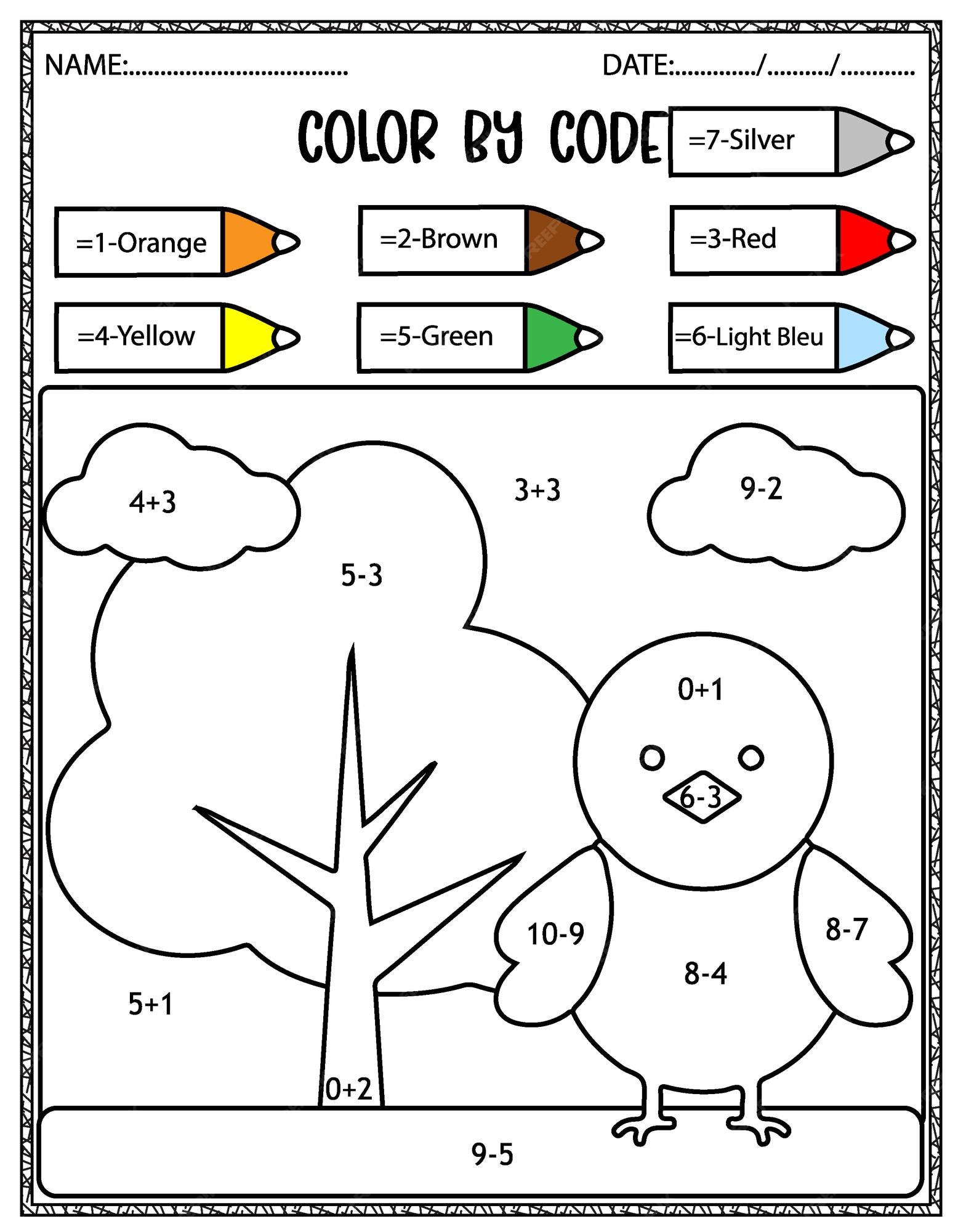
Color By Code Worksheets combine the joy of coloring with a simple coding system that helps kids sharpen their number sense and fine motor skills while engaging in creative play. By assigning a distinct number to each color, these worksheets turn a traditional coloring page into an educational tool that encourages children to read, think logically, and practice precision.
What Are Color By Code Worksheets?
How They Work
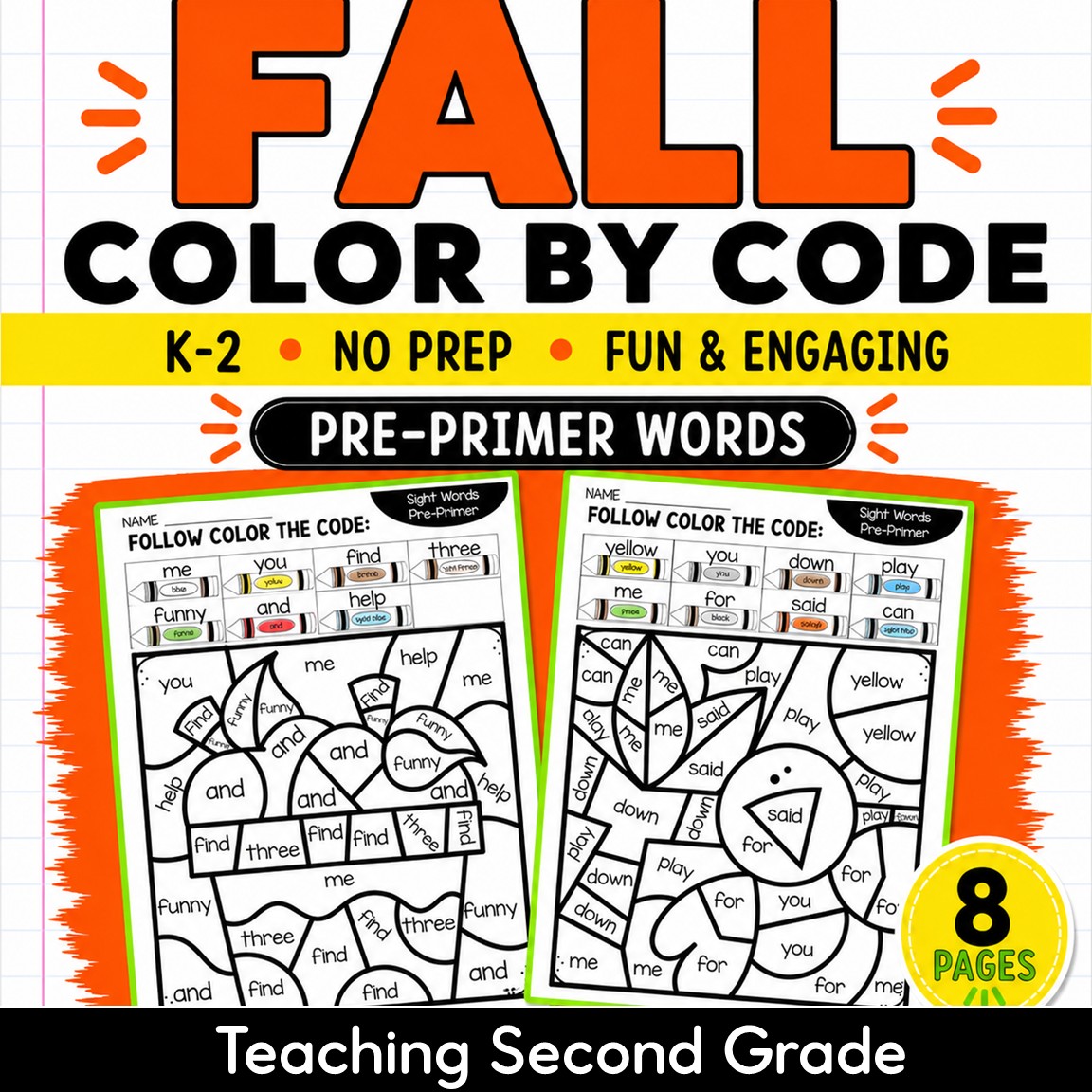
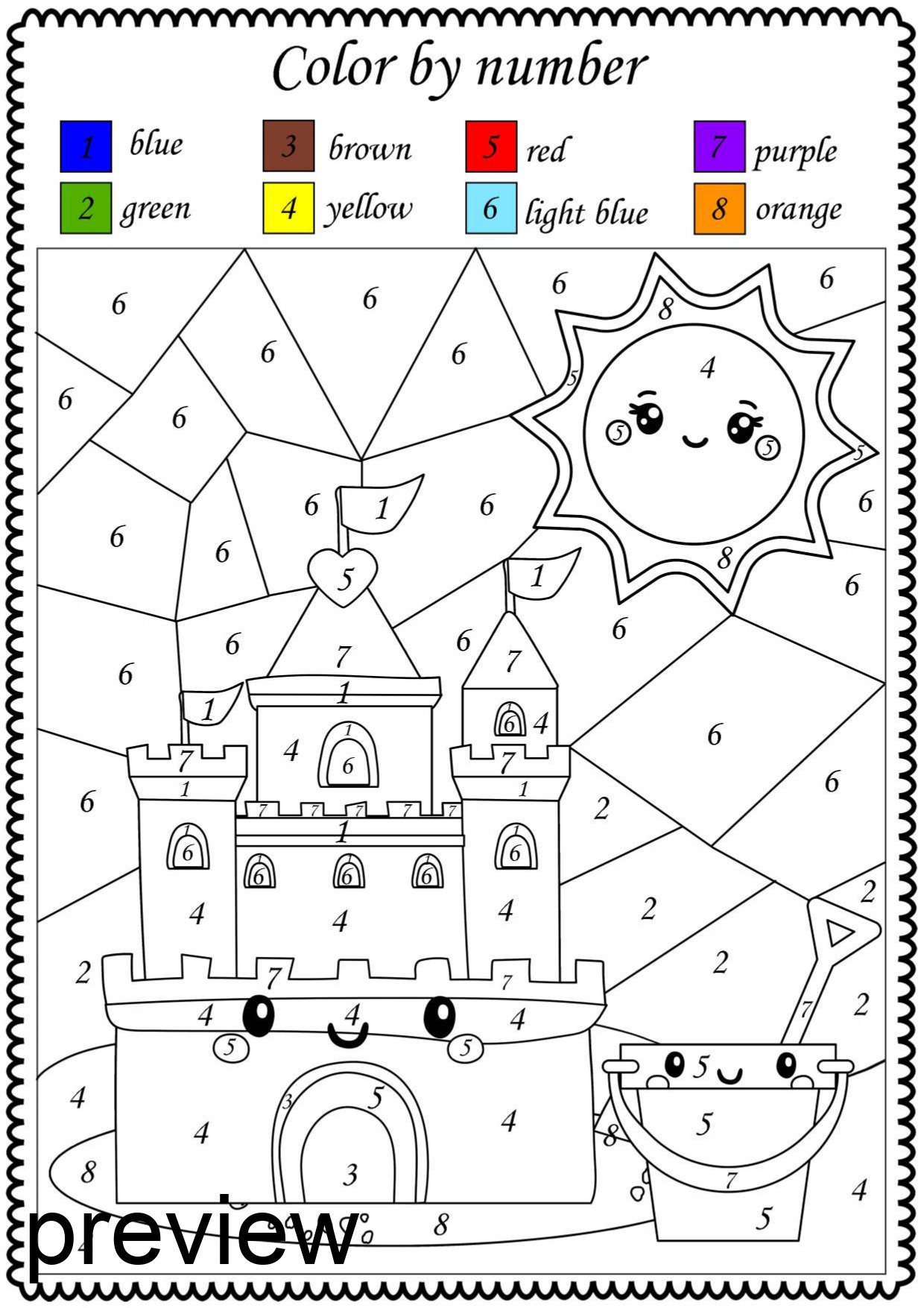
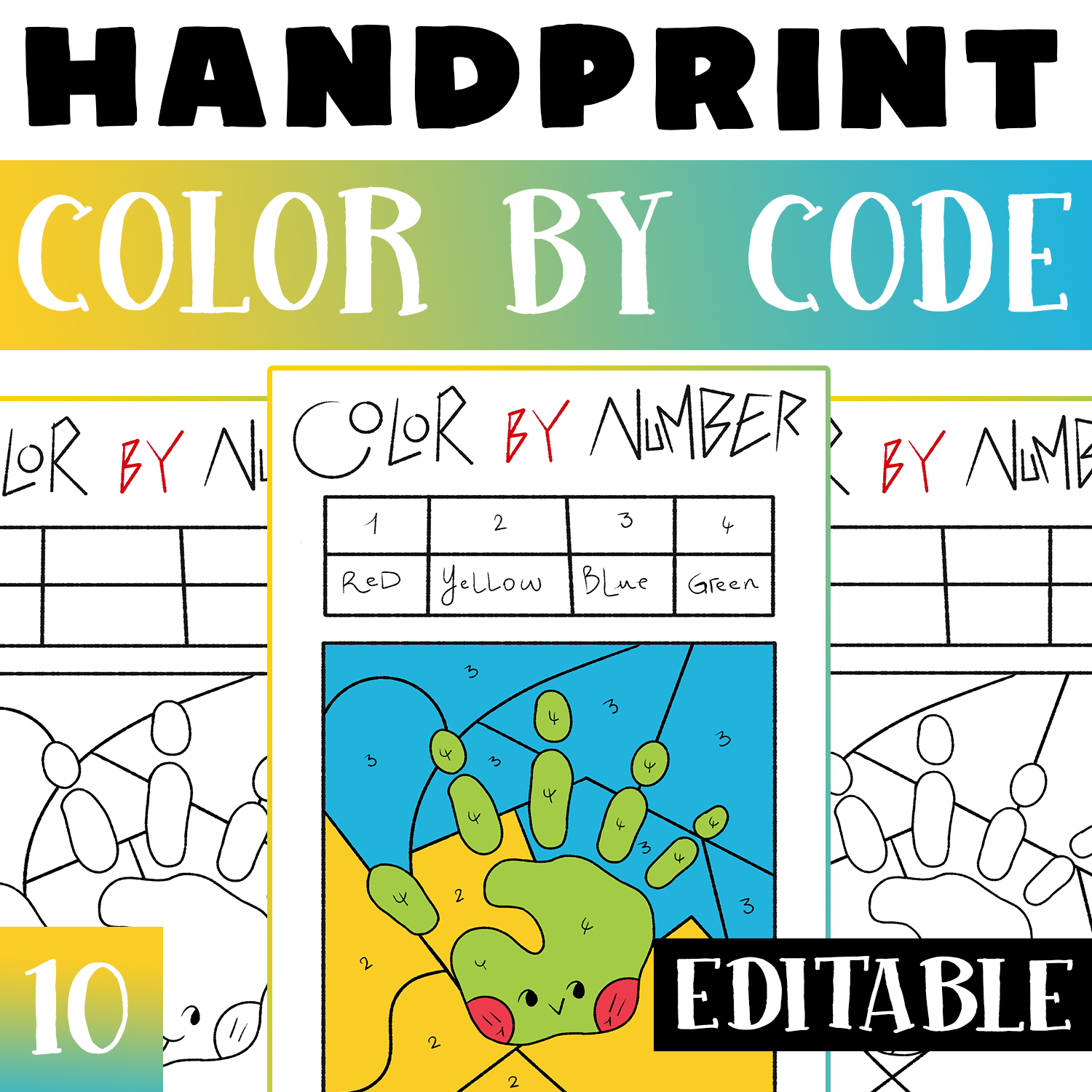
At its core, a Color By Code Worksheet presents a picture divided into sections, each marked with a single-digit number. A legend at the bottom lists which color corresponds to each number. The child matches the number to the correct color and fills in the area, creating a finished illustration once all sections are colored.
Common Themes
- Animals – from playful puppies to majestic lions.
- Seasons & Holidays – pumpkins for Halloween, snowmen for winter.
- Transportation – cars, airplanes, boats.
- Fantasy Worlds – castles, dragons, enchanted forests.
Benefits for Learning and Development

Enhancing Number Recognition
When kids repeatedly see numbers paired with colors, they naturally associate numeric values with visual cues. This repeated exposure bolsters early math skills and helps with counting, sequencing, and distinguishing numerals.
Improving Fine Motor Skills
Coloring within the numbered lines requires steady hand control. The act of selecting the correct color from a palette and staying inside the borders develops hand‑eye coordination and precision.
Boosting Attention to Detail
Each section of a Color By Code Worksheet demands careful observation to ensure the correct shade is chosen. This practice trains children to focus, check their work, and develop a meticulous mindset that benefits later academic tasks.
Encouraging Independent Problem Solving
When a child encounters a puzzle—like a missing color or an incorrectly matched section—they must review the key and adjust, fostering critical thinking and self‑rectification skills.
Choosing the Right Worksheets for Your Child

Age Appropriateness
For toddlers, select worksheets with larger sections and fewer numbers, ensuring a manageable color range. Preschoolers can handle more numbers and finer details, while older children benefit from complex patterns and a broader palette.
Complexity of Codes
Begin with two or three color codes to keep the activity engaging but not overwhelming. Gradually introduce additional numbers as the child becomes comfortable with the system, thereby extending the learning curve.
Materials and Supplies
- Color pencils or markers that match the legend.
- Hard paper or a laminated sheet for durability.
- A pencil or eraser for corrections.
- Optional: a lightbox to aid precise coloring.
How to Use Color By Code Worksheets Effectively

Step‑by‑Step Guide
- Read the Legend: Show the child the color‑number mapping and confirm they understand each pair.
- Choose a Color: Encourage them to pick the correct color before coloring a section to reinforce the association.
- Color Within the Lines: Emphasize staying inside the boundaries for a polished result.
- Check the Work: Once completed, review the picture together, discussing any mismatched colors.
- Reflect on the Process: Ask the child which numbers were easiest or hardest, fostering metacognitive awareness.
Common Mistakes to Avoid
- Using the wrong color because the child skipped the legend.
- Coloring over previous sections, which can confuse the overall picture.
- Rushing through sections—this diminishes the precision benefits.
Integrating Color By Code Into Other Learning Activities

Math and Numbers
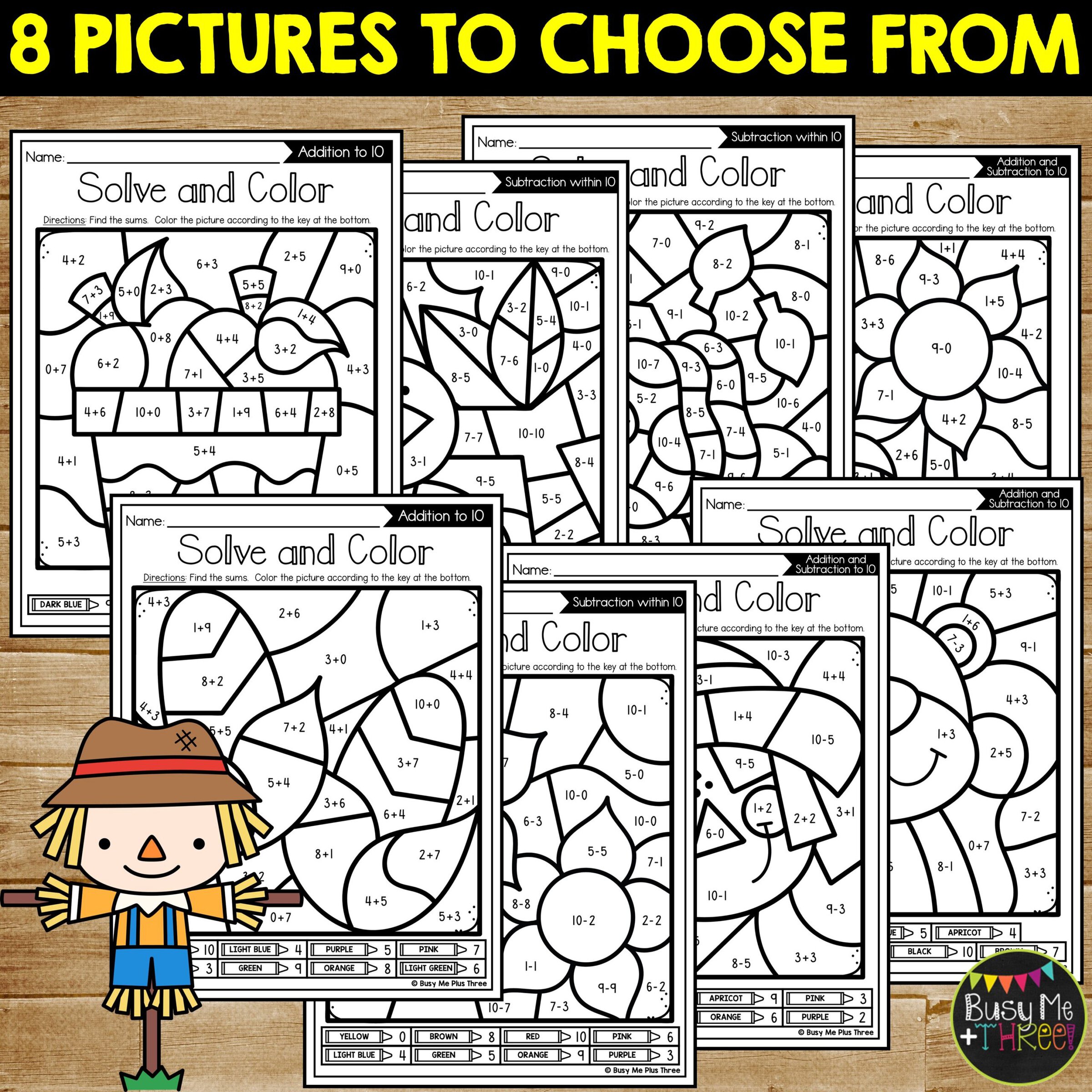
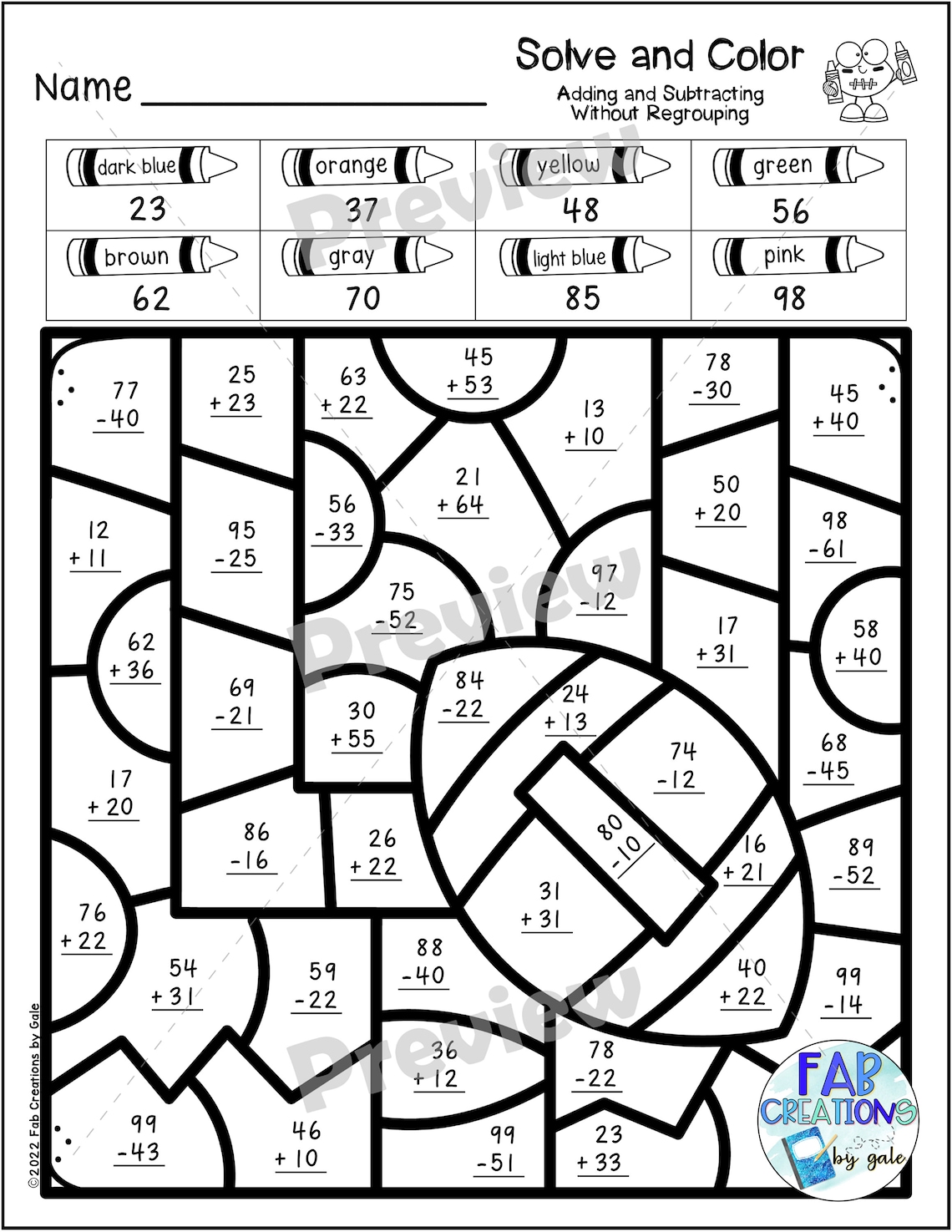
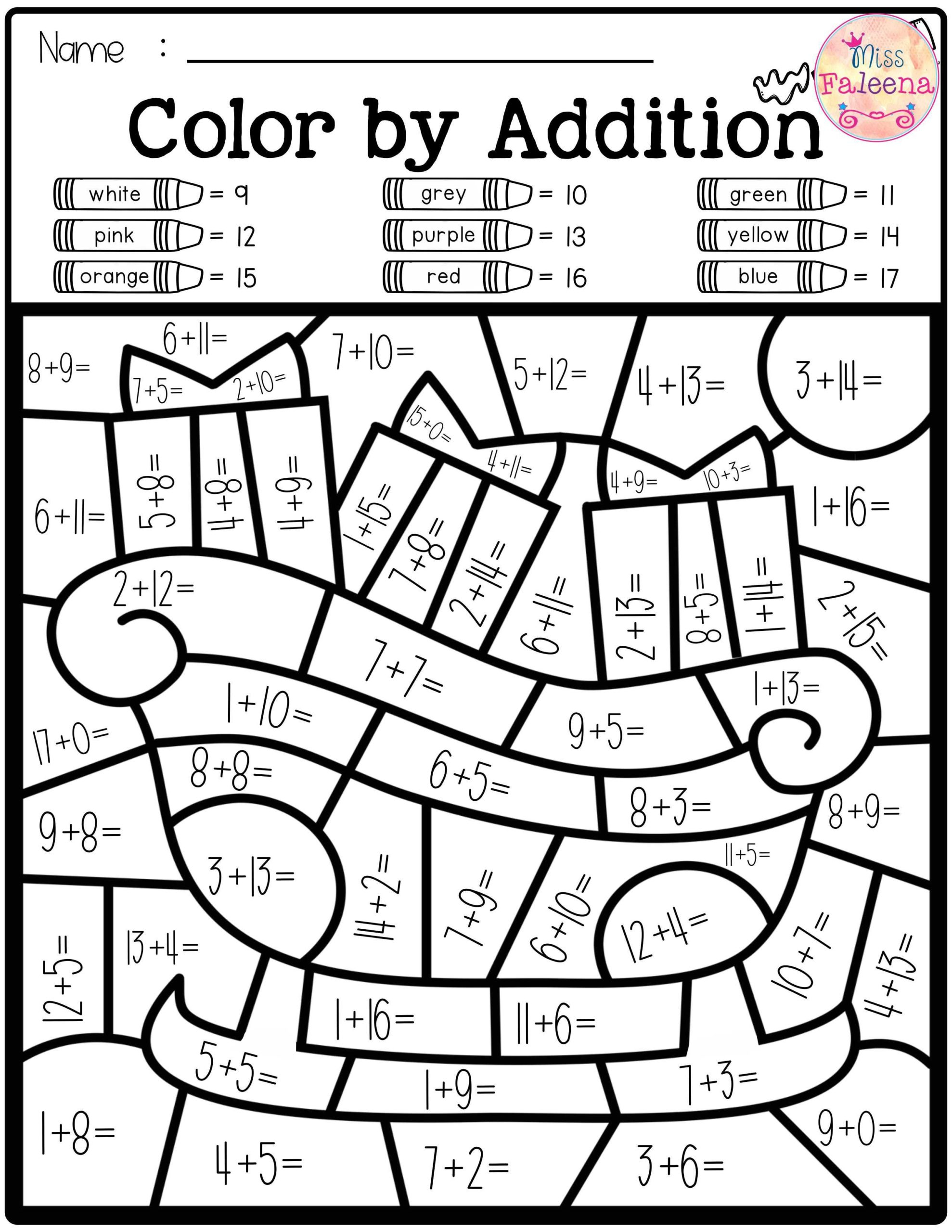
Use the same worksheet to practice addition or subtraction by assigning each color a numerical value and having the child calculate the sum of colors in a particular area.
Art and Creativity
After completing a basic Color By Code Worksheet, challenge the child to create a new design using the same color palette but different shapes, encouraging artistic experimentation.
Technology Integration
Digitize the worksheet using a tablet app that highlights the correct color when a number is tapped. This interactive approach adds an extra layer of engagement and can track progress automatically.
Creating Your Own Color By Code Worksheets

Design Tips
- Choose a simple outline with clear divisions for younger kids; add intricate patterns for older ones.
- Limit the color palette to 2–5 colors for beginners to avoid confusion.
- Provide a distinct, bold legend so that the mapping is unmistakable.
Tools and Resources
Graphic design software such as Canva or Adobe Illustrator offers templates that can be modified. Alternatively, free online generators allow you to upload an image and automatically create numbered sections with a color key.
Frequently Asked Questions
Can I use regular coloring pages with numbers added?
Yes, simply overlay numbers on a standard coloring page and provide a corresponding color key. This quick adaptation works well for spontaneous play.
Do Color By Code Worksheets help with dyslexia?
While they are not a formal intervention, the structured association between numbers and colors can support visual discrimination and reinforce numeric literacy for children with dyslexia.
How often should I introduce new worksheets?
Introduce a new sheet when the child has mastered the current one, typically after a few practice sessions. Consistent, short sessions keep engagement high without causing fatigue.
Conclusion

Color By Code Worksheets transform a simple art activity into a multifaceted learning experience, blending creativity, number sense, and motor skills into one engaging format. By selecting age‑appropriate sheets, following a clear step‑by‑step approach, and integrating these worksheets into broader educational activities, parents and educators can nurture a child’s confidence in both art and math. Whether you’re printing pre‑made sheets or designing your own, the vibrant world of color coding offers endless possibilities for growth, exploration, and fun.