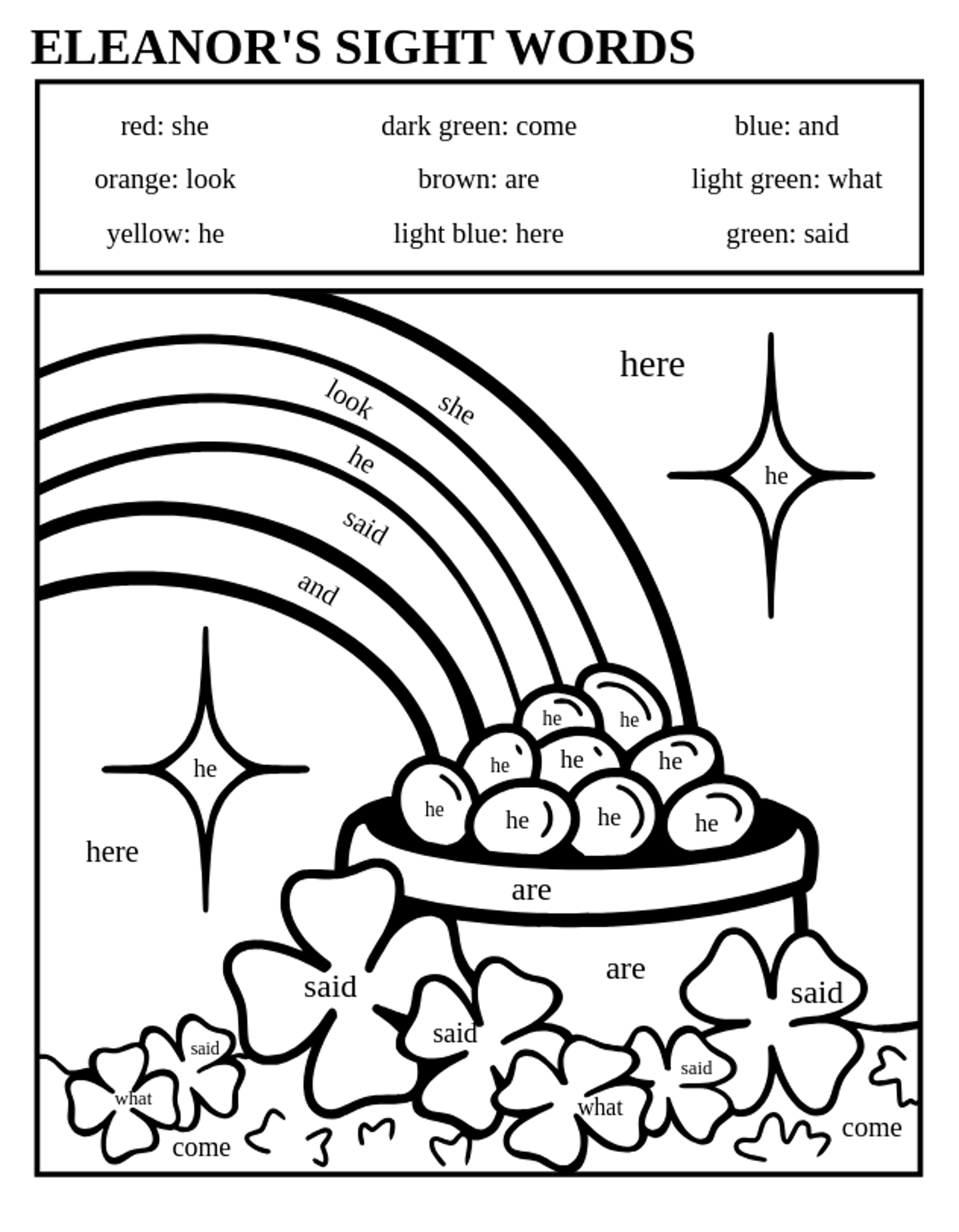
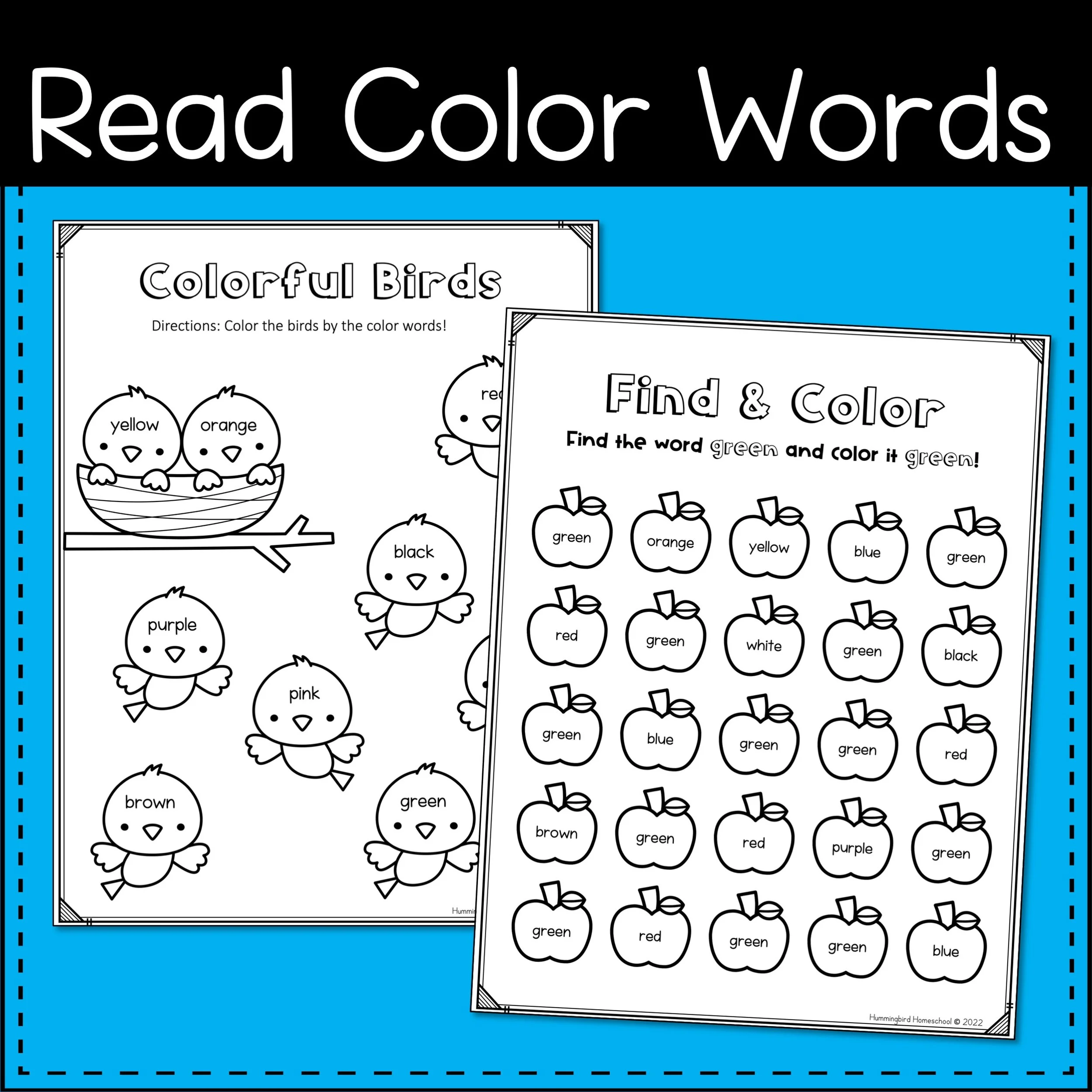
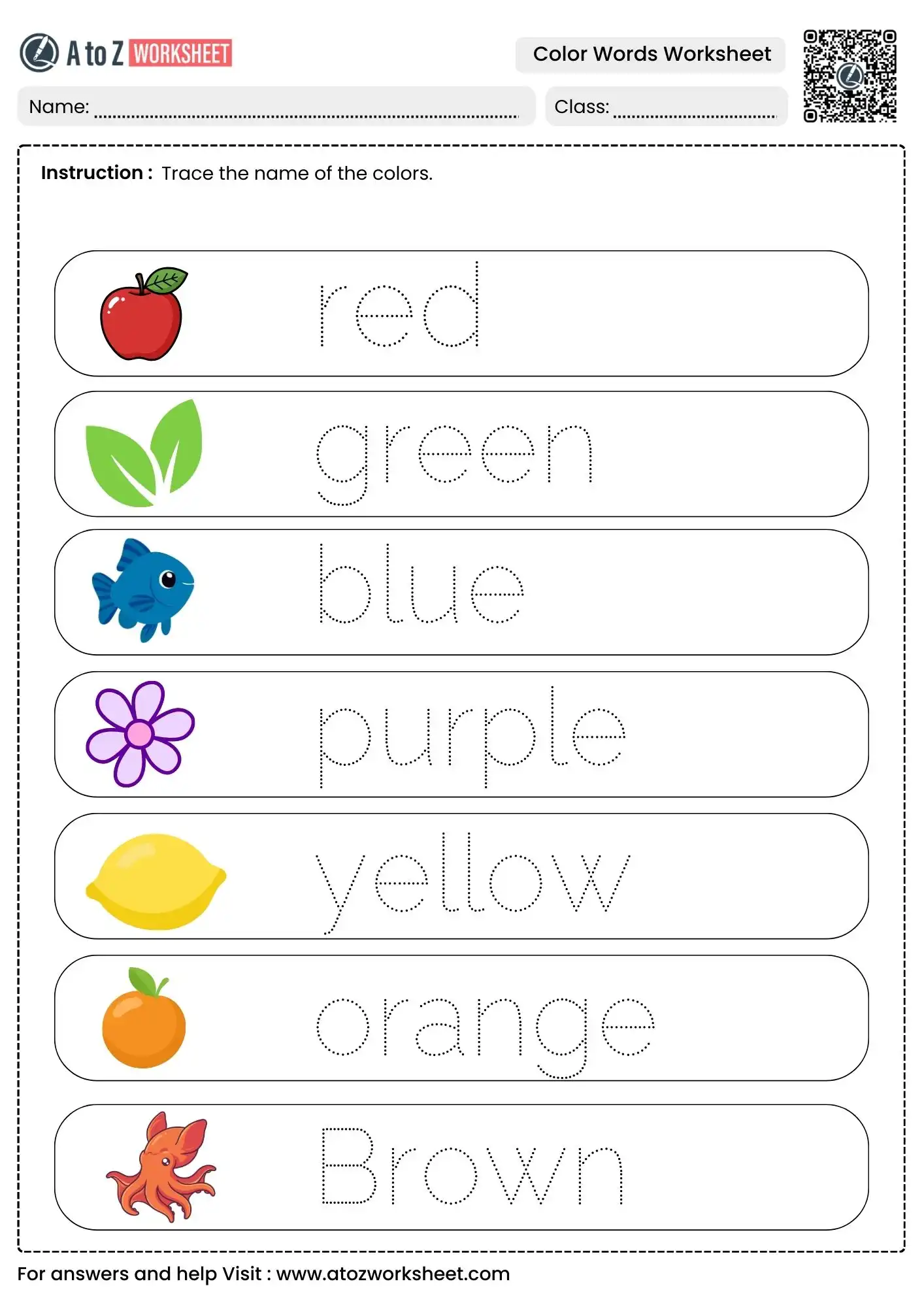
Color By Color Word Worksheets are more than just fun activities; they’re powerful learning tools that blend literacy and visual engagement in a single, simple format. By pairing a word with its matching color, these worksheets invite children to decode language while practicing fine motor control and color recognition—all in a playfully interactive way.
Why Color By Color Word Worksheets Work So Well
When children see a word and the same word in a colored box, the brain establishes a double cue system. The visual cue of color reinforces the verbal cue of the word, creating a stronger memory link. This multisensory approach is especially effective for early readers and language learners who benefit from repetitive, tangible experiences.
Besides boosting memory, color‑based learning promotes fine‑motor skills. Drawing a line between a colored word and a target shape or area requires hand‑eye coordination, helping students refine their pencil grip and drawing accuracy. Additionally, the simple act of coloring adds an element of creativity, making learning less academic and more enjoyable.
Key Benefits in Quick Points
Enhanced word recall: Color association solidifies vocabulary.
Improved color identification: Learners learn to match hues accurately.
Increased engagement: The playful nature keeps attention high.
Self‑paced learning: Kids can work through worksheets at their own rhythm.
Easy to customize: Worksheets can be adapted to any theme or language level.
Getting Started: How to Use These Worksheets
Using color‑by‑word worksheets effectively starts with a clear goal. Are you teaching a new vocabulary set, reviewing colors, or reinforcing sentence structure? Once your objective is defined, choose worksheets that match the target words and the age group. Many printable resources feature simple, bold fonts for younger learners and more sophisticated text for older students.
Selecting the Right Worksheet
Look for worksheets that align with your curriculum. For a preschool class, choose bright, easy‑to‑read words such as “cat,” “red,” or “ball.” For intermediate learners, try themed sets like “summer foods” or “transportation.” Consider adding a brief instruction sheet that explains the task: “Color each word with its matching hue and then trace the outline.”
Beginner: Use large fonts and simple words with distinct colors.
Intermediate: Include compound words or simple sentences.
Advanced: Introduce synonyms or antonyms, asking children to color words that share the same color but differ in meaning.
Popular Themes You’ll Love
To keep your classroom or home activity fresh, rotate themes. Below are some of the most beloved categories that make color‑by‑word worksheets irresistible.
Animals in the Wild
Imagine a jungle scene where each animal’s name is printed in a color that hints at its natural habitat. “Blue whale,” “orange tiger,” “green frog”—the visual cue helps children remember not only the name but also a fun fact about the creature’s environment.
Seasonal Adventures
Season‑based worksheets allow kids to practice new vocabulary while celebrating the year’s changes. Think “snow‑white winter,” “lemon‑yellow summer,” “burnt‑orange autumn.” Children learn color associations through seasonal contexts, making the activity timely and relevant.
Alphabet Exploration
By assigning each letter a color, students can build letter recognition while practicing color matching. For instance, “A” could be red, “B” blue, and so forth. This dual‑learning model is ideal for preschoolers and kindergarteners.
Printable Options and Creative Uses
Whether you’re a teacher, a parent, or a homeschool enthusiast, printable worksheets give you instant access to a wealth of ready‑to‑use resources. Download them, print a batch, and let the creative projects begin.
At‑Home Fun
In a relaxed setting, color‑by‑word worksheets can become a soothing activity. Pair them with a favorite snack or a short story, allowing children to practice vocabulary while enjoying a break from screens.
Classroom Integration
Use worksheets in small groups or as an individual task during a quiet reading period. Incorporate them into a larger lesson plan that includes a discussion on colors and words or a hands‑on art project where students create a collage using the colored words.
Virtual Learning Adaptations
For remote sessions, digital color‑by‑word worksheets can be turned into interactive PDFs. Students can fill in colors directly on a tablet or laptop, and the teacher can immediately review the submissions to track progress.
Tips for Parents and Educators
To maximize the impact of color‑by‑word worksheets, consider the following actionable strategies:
Create a Color‑Rich Environment
Surround students with colorful objects—crayons, markers, colored pencils—and label them with the same words used in worksheets. This reinforces the color–word link outside of the worksheet activity.
Incorporate Storytelling
Before coloring, read a short story that uses the target words. Ask children to identify the words and predict the colors they might see. This pre‑reading step deepens comprehension and excitement.
Celebrate Completed Work
Display finished worksheets on a classroom board or in a digital gallery. Recognizing effort boosts confidence and encourages continued participation.
DIY Color By Color Word Worksheet Ideas
While there are many ready‑made options, creating your own worksheets allows you to tailor content to your specific needs. Below are a few ideas to spark your creativity.
Use Everyday Objects as Inspiration
Collect items from your kitchen or backyard—a red apple, a blue mug, a green leaf—and write their names in matching colors. Print the list, add simple shapes, and let children color and trace.
Add a Matching Game Twist
Instead of coloring words, print them on one page and the colors on a separate page. Have students draw lines from words to matching colors, turning the activity into a quick, engaging matching game.
Incorporate Family Words
Introduce family members or hobbies using color cues—“Dad – black,” “Mom – pink,” “Skiing – orange.” This personal touch can help children feel more connected to the content.
Advanced Variations to Challenge Older Learners
Once children master basic color‑word associations, elevate the difficulty by adding layers of meaning or structure.
Synonym & Antonym Matching
Assign the same color to words that are synonyms and a different color to antonyms. For example, “happy – yellow, joyful – yellow, sad – blue.” Students must not only color but also understand semantic relationships.
Sentence Building
Print short sentences with each word in its unique color. Children color the words and then write the sentence in a blank line, reinforcing grammatical order and punctuation alongside color identification.
Crossword Integration
Create a crossword where each clue’s answer is colored. After solving, the student colors the word in the puzzle, combining crossword skills with color recognition.
Common Challenges and How to Overcome Them
Every learning activity has pitfalls. Here are a few that often arise with color‑by‑word worksheets, plus practical fixes.
Confusion with Similar Shades
When colors look alike, children may choose incorrectly. Use high‑contrast color palettes or provide a color key. Highlight the color differences by adding a small visual cue next to each word.
Loss of Interest Over Time
Repetition can dull enthusiasm. Refresh themes, incorporate new vocabulary, or add interactive elements like stickers or glitter to keep the activity lively.
Over‑Coloring or Messy Work
Encourage neatness by offering colored pencils with fine tips and teaching proper coloring techniques. Pair the activity with a short “coloring etiquette” discussion to emphasize precision.
Conclusion: The Lasting Impact of Color By Color Word Worksheets
Color By Color Word Worksheets blend simplicity and depth, making them a versatile tool for educators and parents alike. By connecting words to hues, these activities strengthen vocabulary, color recognition, and fine‑motor skills in a single, engaging session. Whether you choose a ready‑made set or craft your own, the possibilities for creative, meaningful learning are limitless. Embrace these colorful pages and watch your learners grow—both in confidence and in knowledge—one bright word at a time.
Adding And Coloring Worksheets provide an engaging way to reinforce math concepts while giving students a creative outlet. By blending arithmetic practice with the sensory joy of coloring, educators can tap into multiple learning styles and keep young minds motivated throughout the lesson. The Dual Power of Adding And Coloring Worksheets Why Combine Math Practice...
The Cell Cycle Coloring Worksheet offers an engaging, hands‑on approach to mastering the intricate stages of cellular division, and it has quickly become a staple resource in elementary and middle school science curricula across the United States. By combining visual cues with interactive coloring tasks, this worksheet transforms abstract concepts such as interphase, mitosis, and...
Biome Map Coloring Worksheet is a versatile educational tool that transforms a simple map into an interactive learning adventure. By guiding students to color and identify Earth’s diverse ecological zones—tundra, rainforest, desert, savannah, and more—this worksheet sparks curiosity about geography, climate, and biodiversity while honing observation and color recognition skills. Understanding the Foundations of Biome...
Mother's Day Coloring Worksheets offer a heartfelt blend of creativity and celebration that can turn a simple holiday into a memorable learning experience for children of all ages. By combining the joy of coloring with the personal touch of a Mother’s Day tribute, these worksheets become more than just paper—they become a canvas for gratitude,...