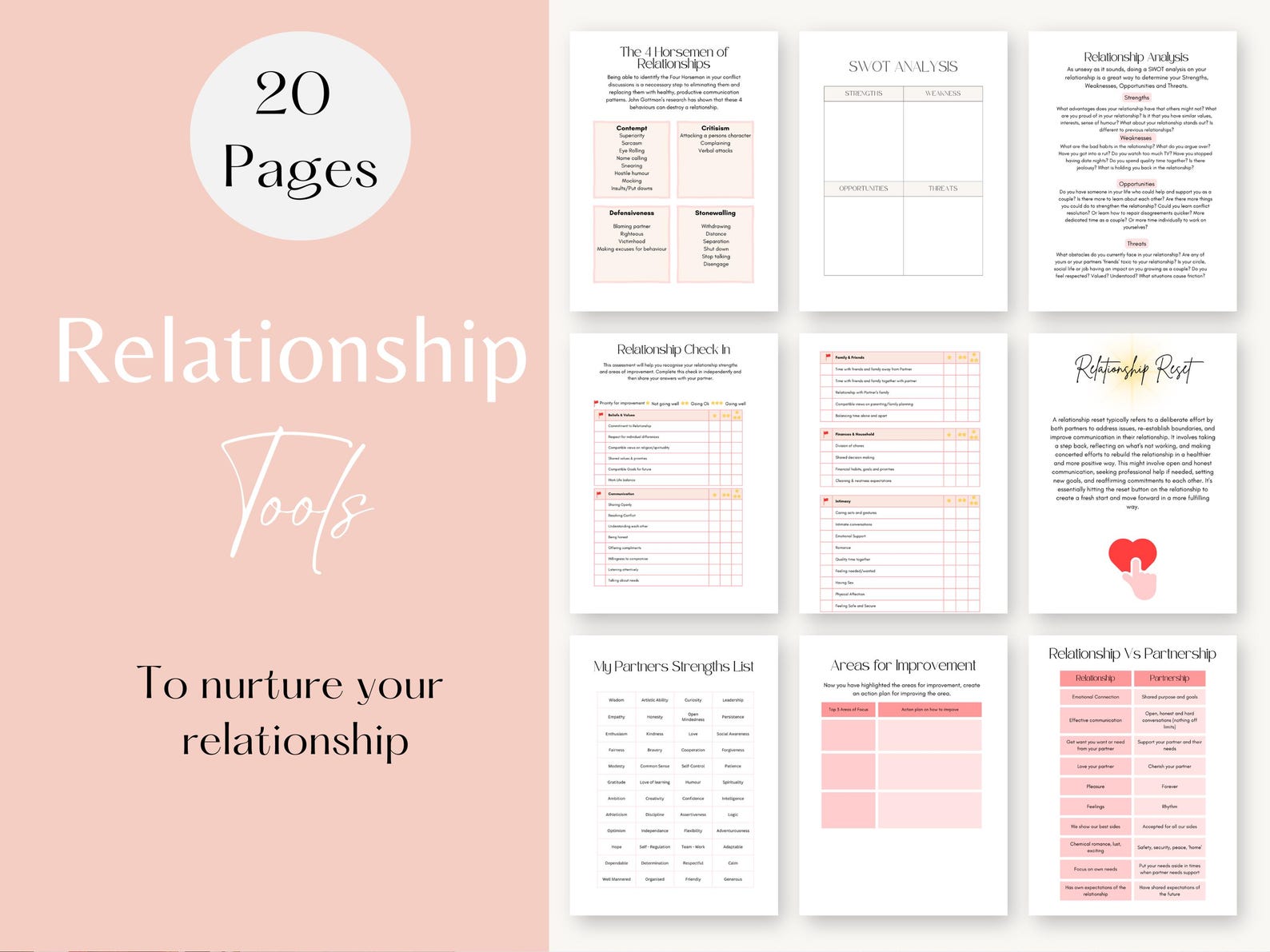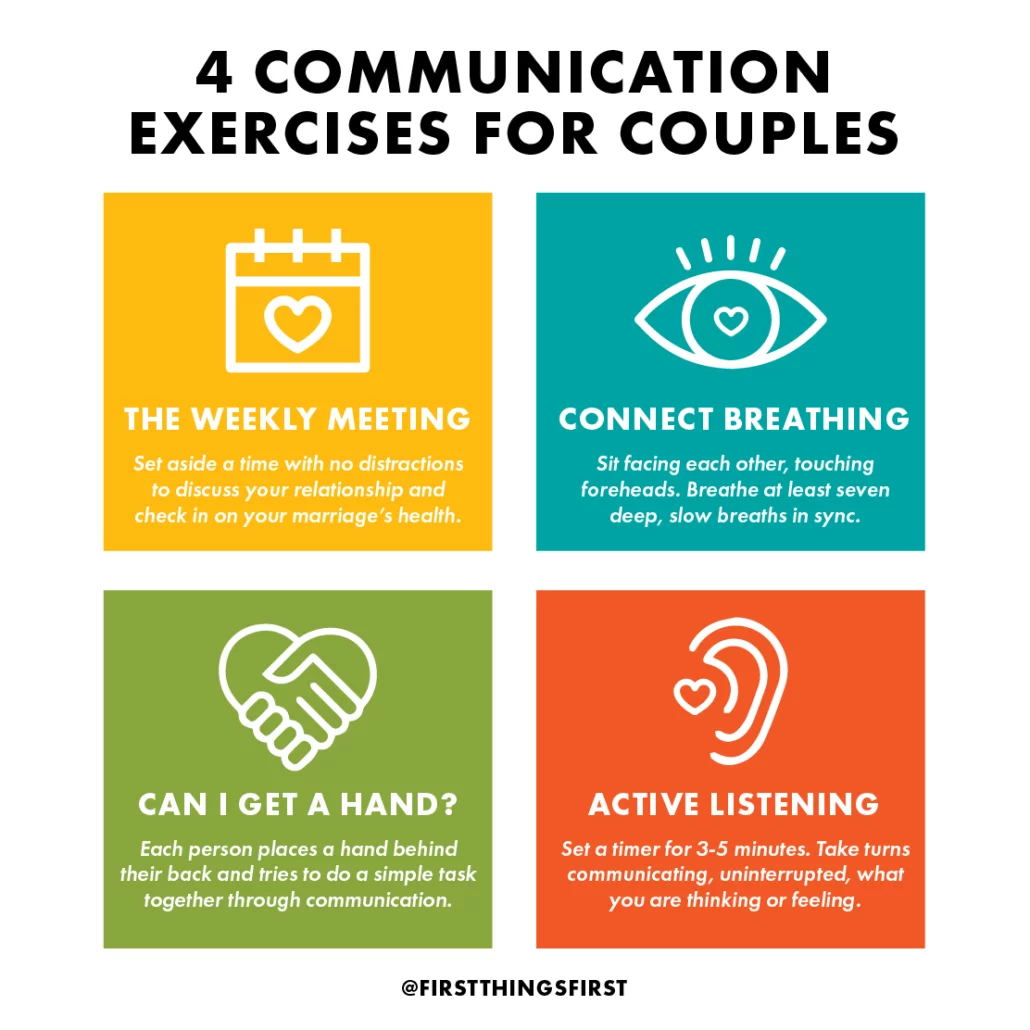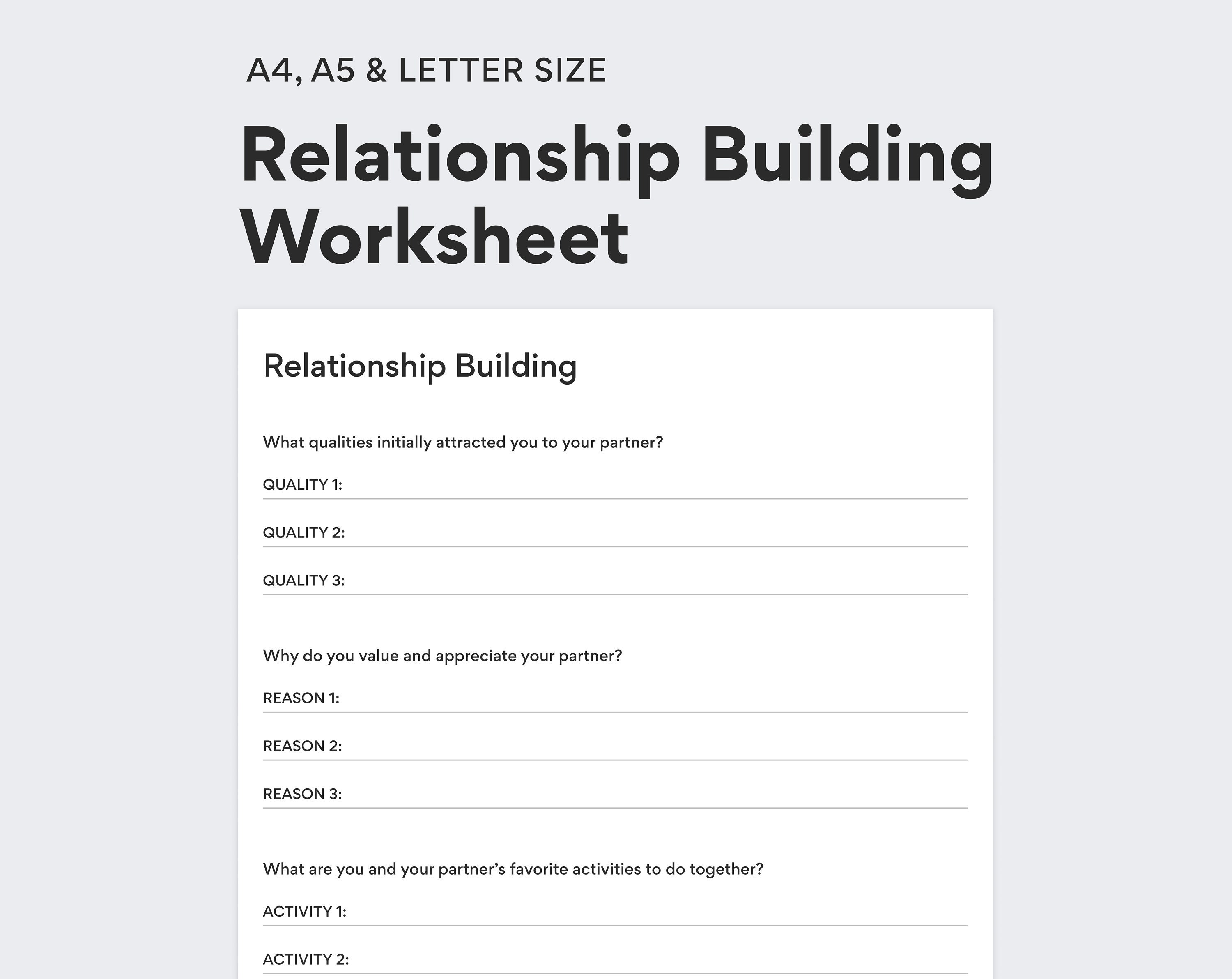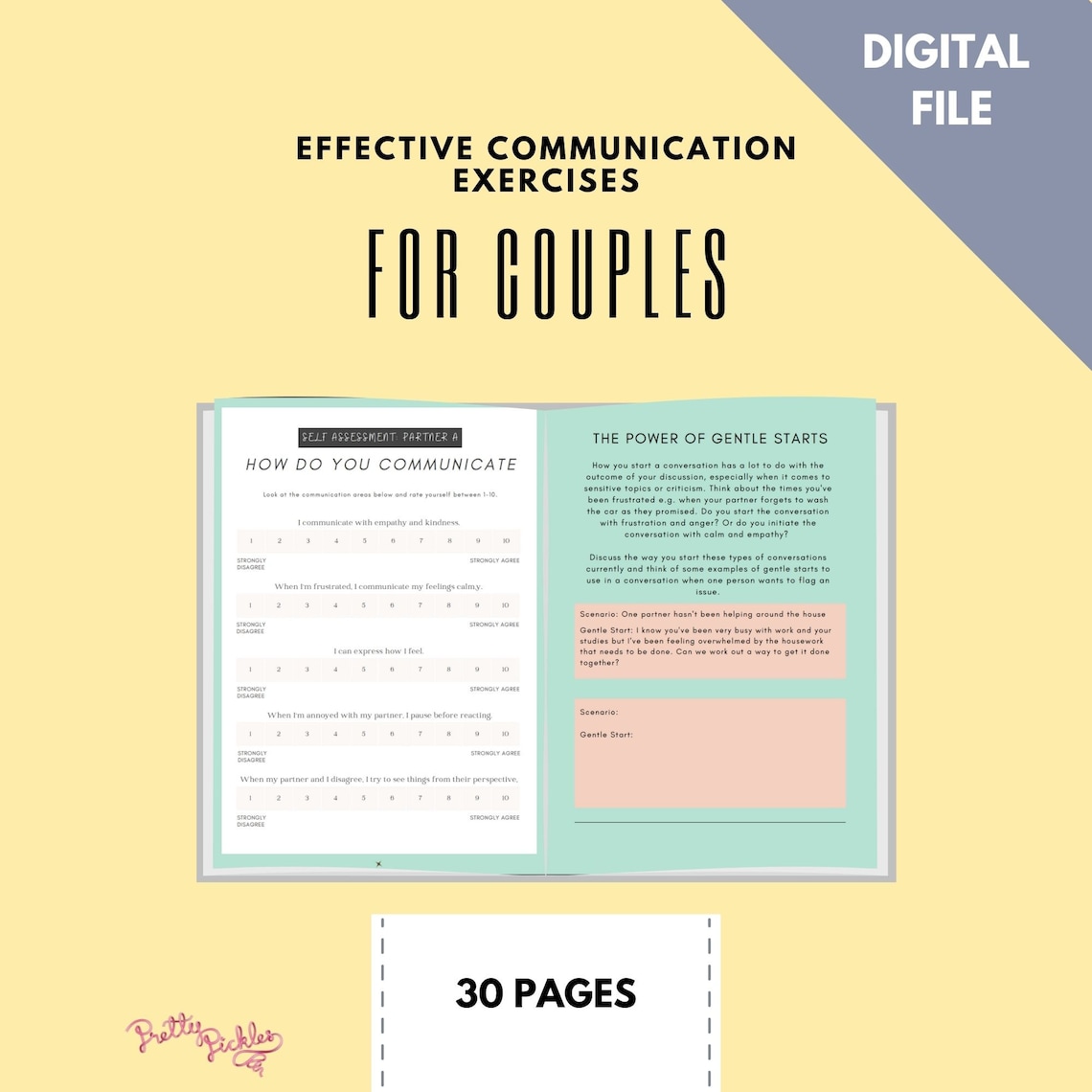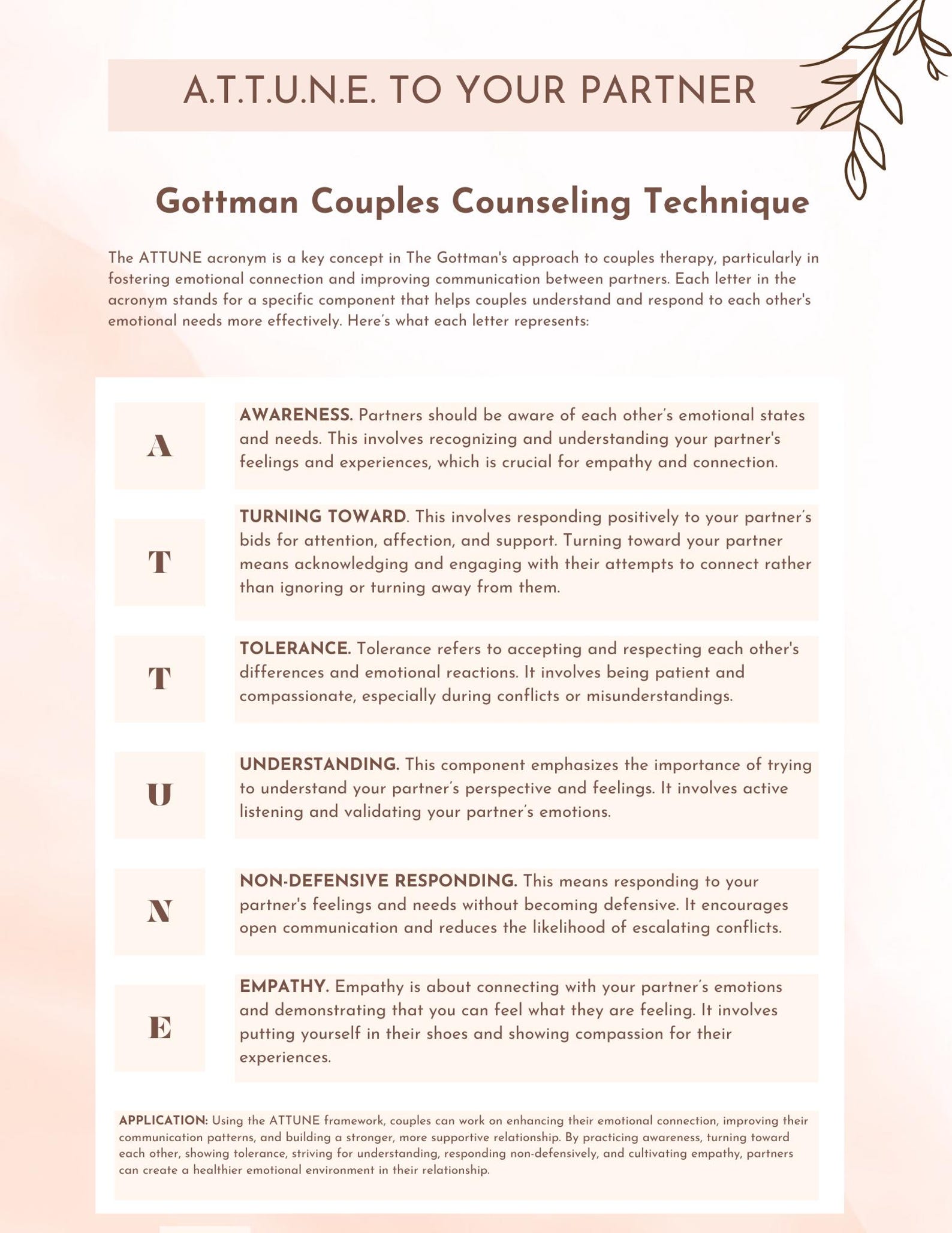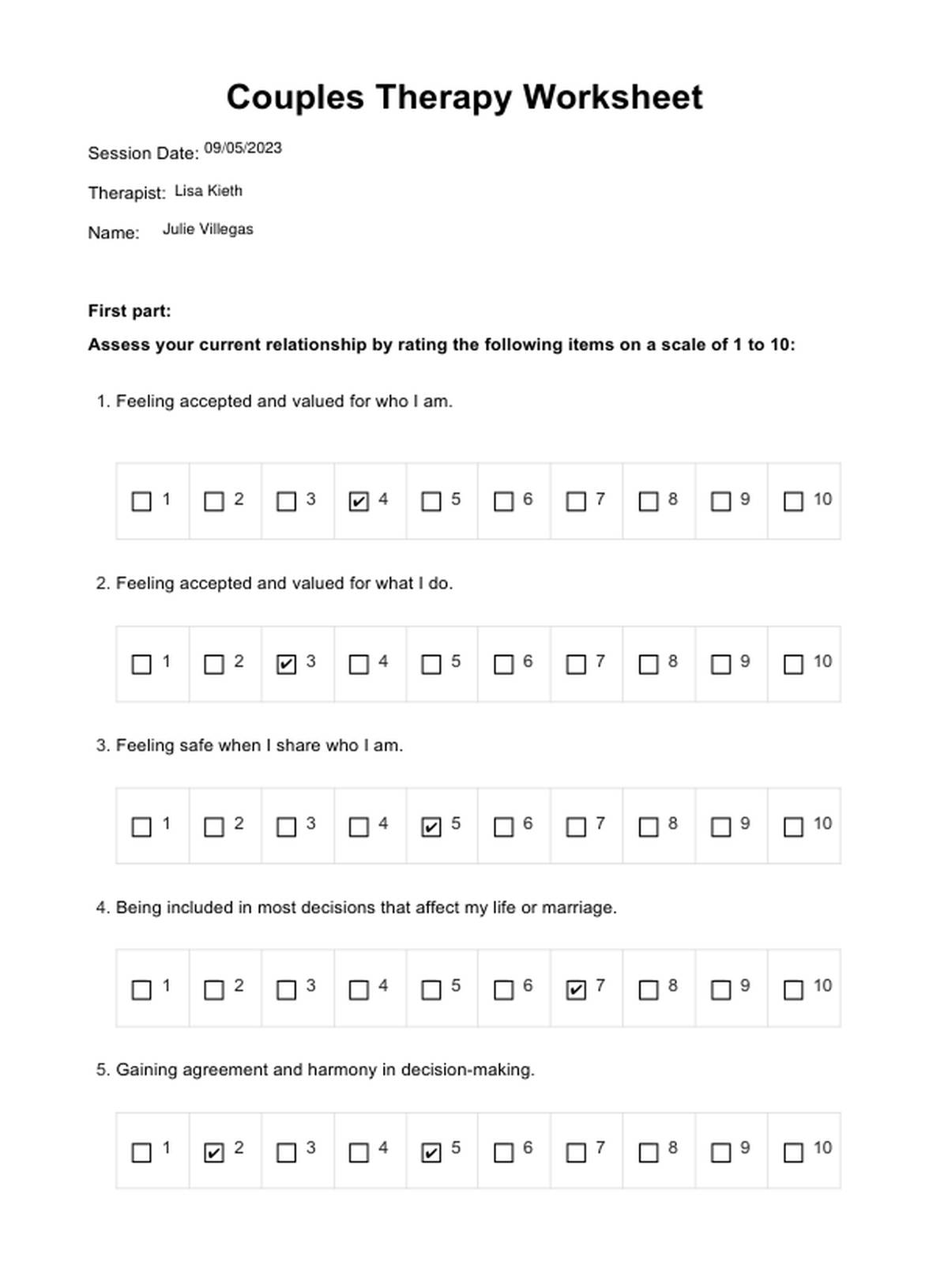
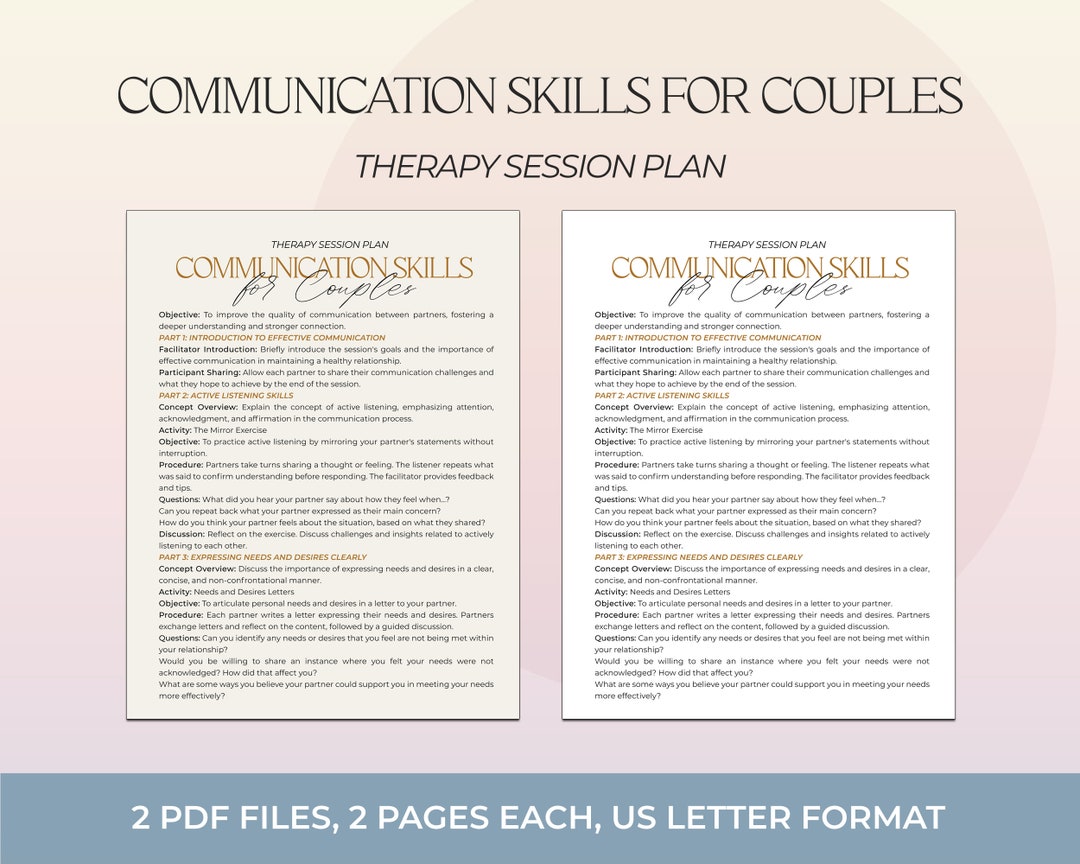
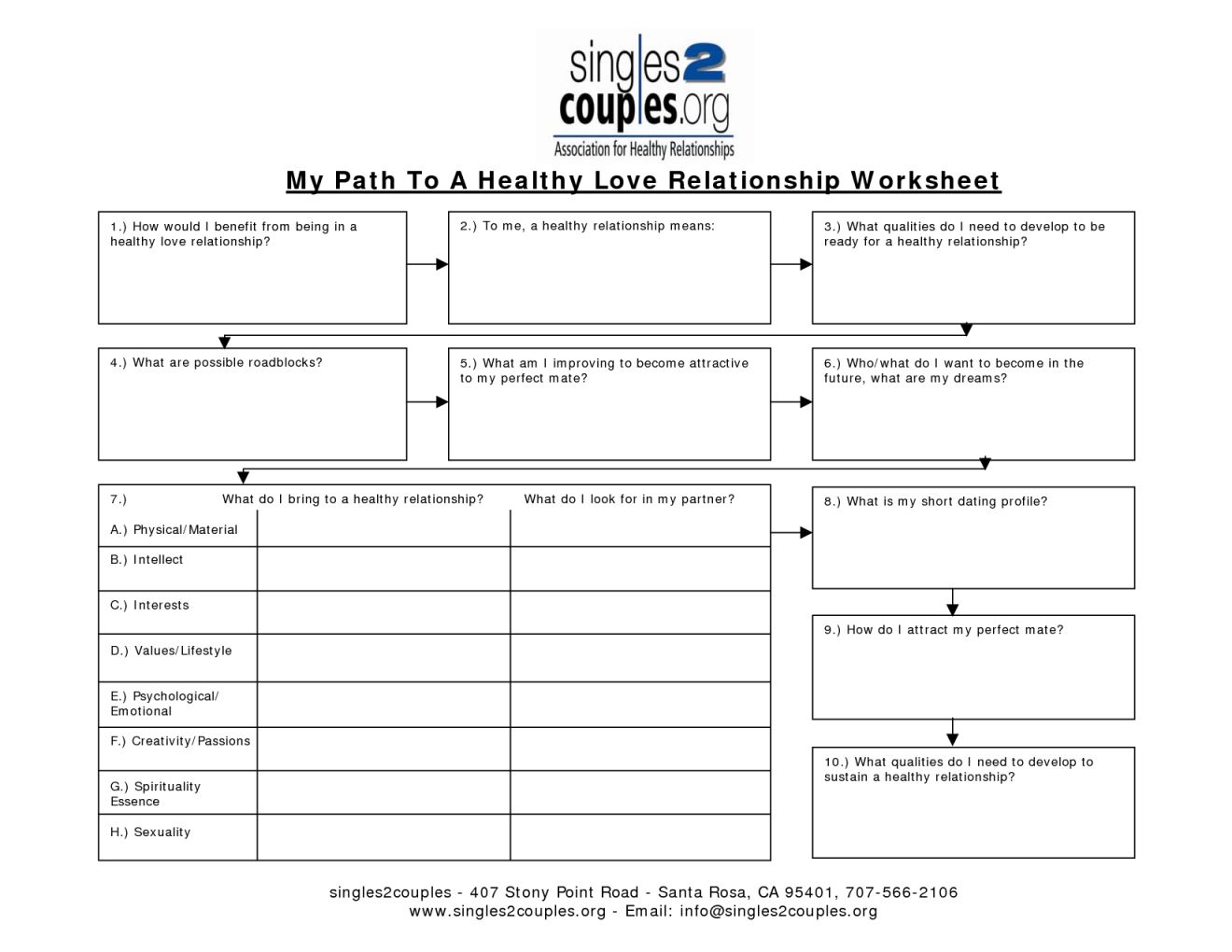
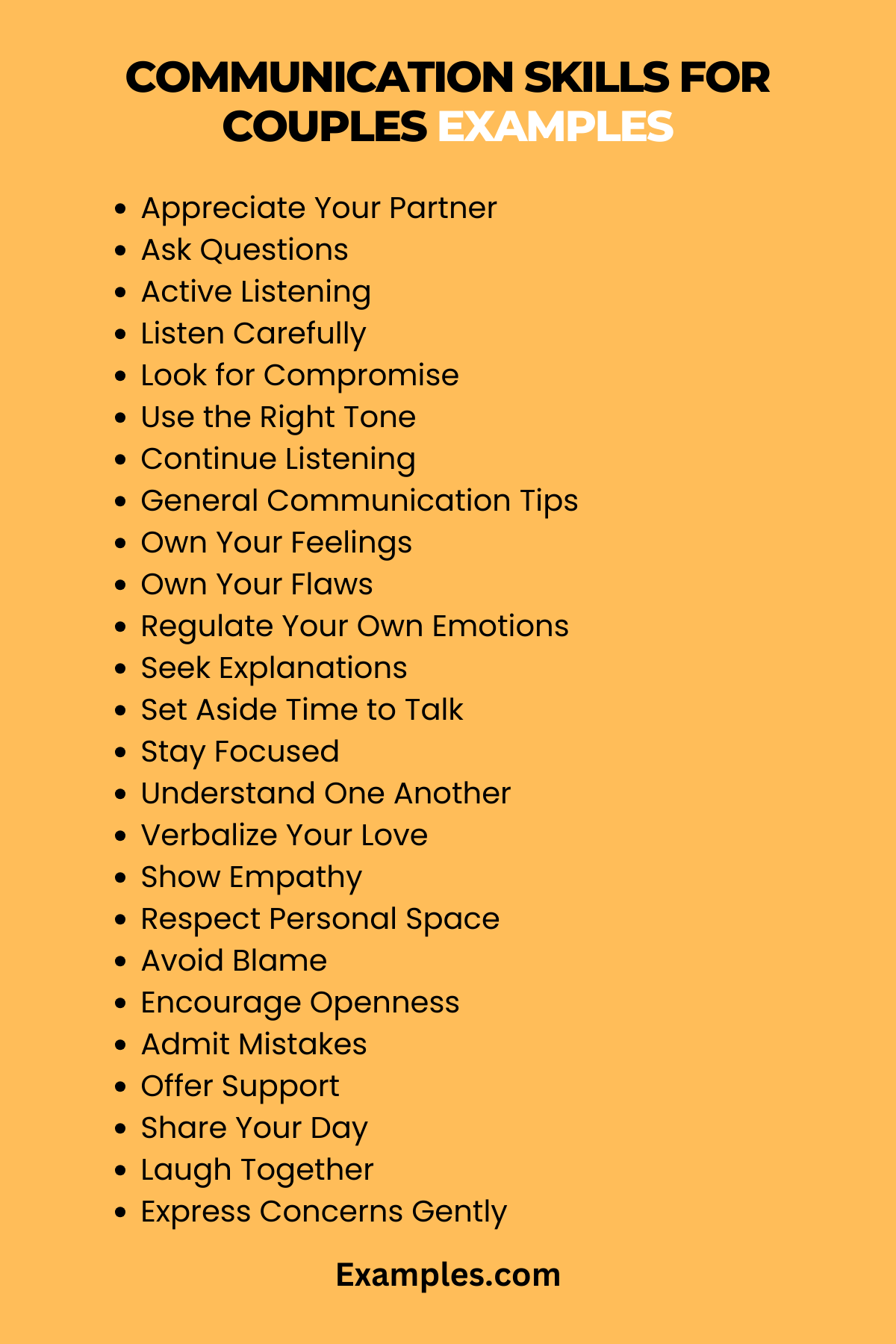
Communication Skills For Couples Worksheet is not just another printable; it’s a raw, unflinching tool that cuts through the polite veneer and forces partners to stare at the cracks in their dialogue before they become chasms. In a world that glorifies surface‑level harmony, this worksheet drags the truth into the light, demanding that couples name their grievances, map their listening habits, and rebuild conversation on a foundation of brutal honesty and genuine empathy.
Why a Worksheet Beats a Talk‑Therapy Session

Therapy rooms are safe, but they also come with a price tag, scheduling hassles, and the occasional feeling of “talking in circles.” A well‑crafted worksheet, however, puts the power directly in the hands of the partners. It offers a structured, repeatable process that can be revisited whenever the relationship hits a rough patch. The act of writing forces thoughts out of the head and onto paper, where they become visible, measurable, and, most importantly, negotiable.
The Core Components of an Effective Communication Worksheet
1. The Listening Audit
Before any meaningful dialogue can happen, both partners must understand how they actually listen. The Listening Audit section asks each person to rate, on a scale of 1‑5, how often they:
- Make eye contact while the other speaks
- Paraphrase to confirm understanding
- Interrupt or finish the other’s sentences
- Show empathy through tone and body language
- Resist the urge to formulate a rebuttal while the other is still talking
After the self‑assessment, couples compare scores. Gaps highlight where one partner feels unheard or where the other thinks they’re being a good listener. This data‑driven insight eliminates “I don’t know why you’re mad” and replaces it with “I see you rate my eye contact at a 2, which means I’m not fully present.”
2. The “I Feel” Statement Builder
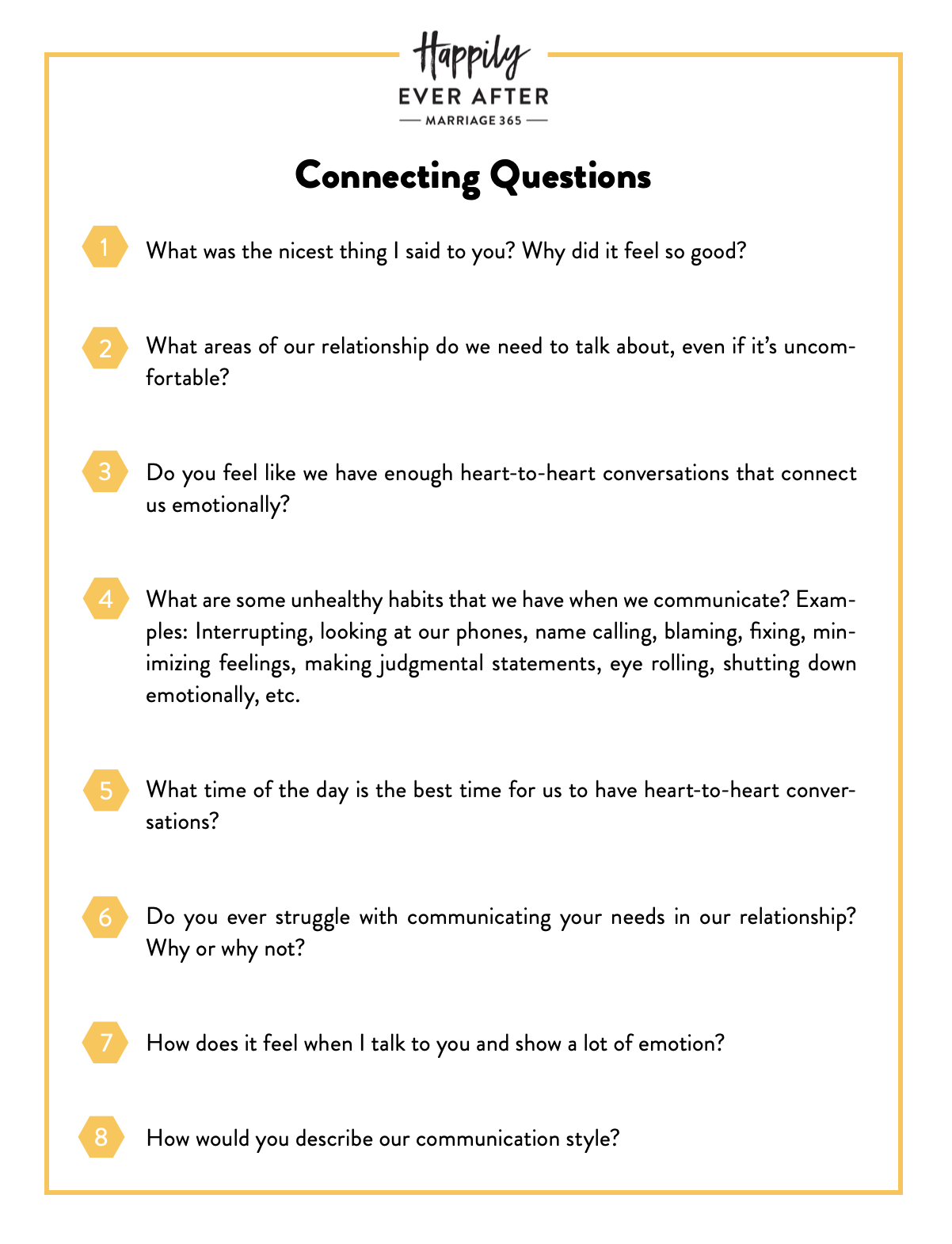
Most fights erupt from vague accusations—“You never listen!”—instead of concrete emotions. The worksheet includes a table that guides partners to fill in:
- Specific behavior (e.g., “When you check your phone during dinner”)
- Resulting feeling (e.g., “I feel dismissed”)
- Desired change (e.g., “I’d like us to keep phones away until after the meal”)
By structuring statements this way, the conversation stays anchored in feelings rather than blame, dramatically lowering defensive reflexes.
3. Conflict Mapping Grid
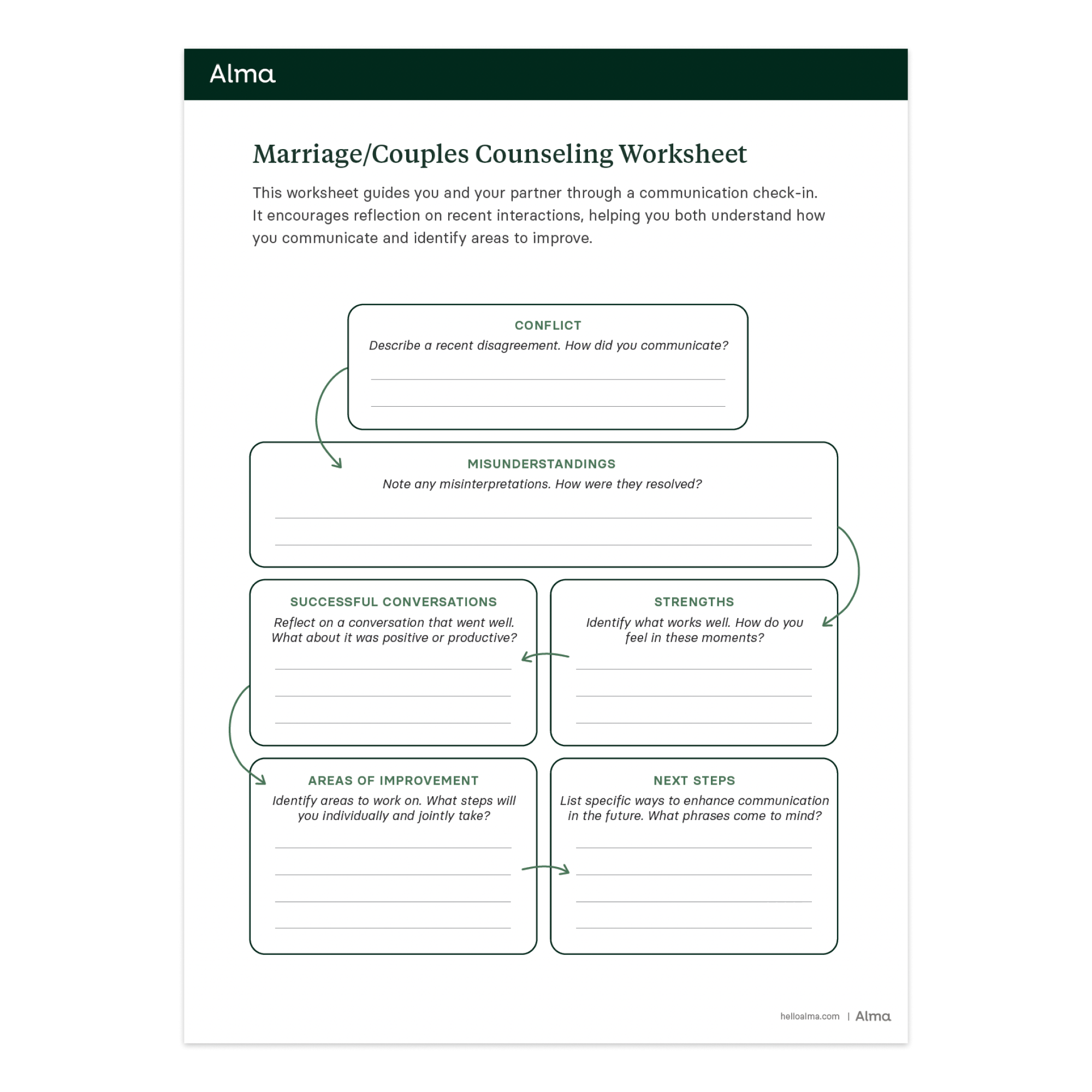
Couples often replay the same argument without realizing it’s a pattern. The Conflict Mapping Grid asks each partner to list recurring topics (money, chores, intimacy, etc.) and then chart:
- Trigger event
- Emotional escalation point
- Typical response
- Outcome (resolution, stalemate, or fallout)
Seeing the pattern on paper reveals the underlying dynamics—whether it’s a power struggle, fear of vulnerability, or a simple miscommunication. With that awareness, couples can intervene earlier, replacing the default escalation with a pre‑planned de‑escalation script.
4. The Appreciation Log
Any relationship that focuses solely on problems will crumble. The worksheet mandates a daily “Appreciation Log,” where each partner writes three things they valued about the other that day. Over a week, the log becomes a reservoir of positive reinforcement that can be referenced during tense moments, reminding both parties why they’re in the relationship in the first place.
Step‑by‑Step Guide to Using the Worksheet
Step 1: Set the Stage
Choose a neutral, interruption‑free environment—no phones, no TV, no looming deadlines. Light a candle or play soft instrumental music if it helps create a calm atmosphere. Both partners should agree to a set amount of time (30‑45 minutes) and commit to staying present, even if the conversation feels uncomfortable.
Step 2: Complete the Listening Audit Together
Each partner fills out their self‑assessment silently, then swaps papers. Discuss the scores without judgment: “I see you rated my eye contact a 3; can you tell me what makes you feel that way?” This conversation should stay factual and avoid spiraling into past grievances.
Step 3: Build “I Feel” Statements
Take the most pressing issue identified in the audit and craft “I Feel” statements using the provided table. Read them aloud, one at a time, allowing the other partner to absorb the sentiment before responding. This pause is crucial; it prevents the instinct to counterattack.
Step 4: Map the Conflict
Choose a recurring argument—say, “budgeting.” Fill out the Conflict Mapping Grid for the last three times the issue flared. Identify the trigger (e.g., “receiving a bill”), the escalation point (e.g., “raising voice”), the typical response (e.g., “shutting down”), and the outcome (e.g., “argument ends unresolved”). Once the pattern is clear, brainstorm a new response strategy together, such as “take a 5‑minute timeout before discussing the bill.”
Step 5: Record Appreciation
End the session by each writing three things you appreciated about the other during the conversation. This not only ends the worksheet on a positive note but also reinforces the habit of noticing each other’s strengths.
Real‑World Scenarios: How the Worksheet Transforms Couples
Scenario A: The “Never‑Enough‑Time” Couple
Jason and Maya both work demanding jobs and constantly argue about “there’s never enough time together.” Using the Listening Audit, Maya discovers she scores a 2 on eye contact, often checking emails during dinner. Jason’s “I Feel” statement—“When you scroll through your phone while we’re talking, I feel invisible”—opens a dialogue. Their Conflict Mapping Grid reveals that the trigger is always “post‑work fatigue.” Together they design a “tech‑free 30‑minute dinner” rule, and the Appreciation Log highlights how Maya’s humor lifts Jason’s mood after a long day. Within weeks, the couple reports a 40% drop in time‑related arguments.
Scenario B: The “Money‑Matters” Tension
Linda and Mark have been married for ten years, but money discussions always end in shouting. The worksheet forces them to articulate the exact moments that spark the fight: Linda feels “undervalued” when Mark makes a large purchase without consulting her, while Mark feels “disrespected” when Linda questions his spending. Their Conflict Mapping Grid uncovers that the escalation point is always “after a paycheck lands.” By establishing a weekly budget review—a calm, scheduled setting—they remove the surprise element. The Appreciation Log reminds them that Mark’s generosity often funds family vacations, softening the tension.
SEO‑Friendly Keywords Integrated Naturally
Throughout this guide, you’ll notice seamless inclusion of high‑value search terms such as “communication skills for couples worksheet,” “relationship communication tools,” “couples therapy worksheet PDF,” and “effective communication exercises for partners.” By weaving these phrases into authentic, value‑driven content, the article not only satisfies search algorithms but, more importantly, meets the real‑world needs of couples seeking practical solutions.
Common Pitfalls and How to Avoid Them
Skipping the Appreciation Log
Many couples dive straight into problem‑solving and forget to acknowledge the positive. Without regular appreciation, the worksheet can feel like a blame‑session, eroding goodwill. Make the log a non‑negotiable closing ritual.
Rushing Through Sections
The worksheet is designed for reflection. Rushing leads to superficial answers that mask deeper issues. Set a timer for each section if needed, and respect the pace of the conversation.
Using the Worksheet as a One‑Time Fix
Communication is a muscle that needs regular training. Treat the worksheet as a weekly or bi‑weekly workout rather than a one‑off diagnosis. Consistency builds new neural pathways for healthier dialogue.
Adapting the Worksheet for Different Relationship Stages
Newly Dating Couples
For those still learning each other’s communication styles, focus on the Listening Audit and “I Feel” statements. Keep the Conflict Mapping Grid simple—perhaps limited to one recurring topic, like “family expectations.”
Long‑Term Partners
Seasoned couples benefit from deeper Conflict Mapping, exploring entrenched patterns that have evolved over years. The Appreciation Log becomes a vital anchor, reminding partners of the love that survived past storms.
Couples in Therapy
Therapists can assign specific worksheet sections as “homework,” using the completed pages as a springboard for deeper therapeutic work. The structured format gives therapists concrete data to discuss in session.
Digital vs. Printable Versions: Choosing What Works for You

While a printable PDF offers tactile engagement—writing by hand can feel more personal—digital versions allow for easy sharing, collaborative editing, and archiving of progress over time. Some couples prefer a hybrid approach: fill out the listening audit digitally, then print the “I Feel” statements for a face‑to‑face read‑out.
Measuring Success: Indicators That the Worksheet Is Working
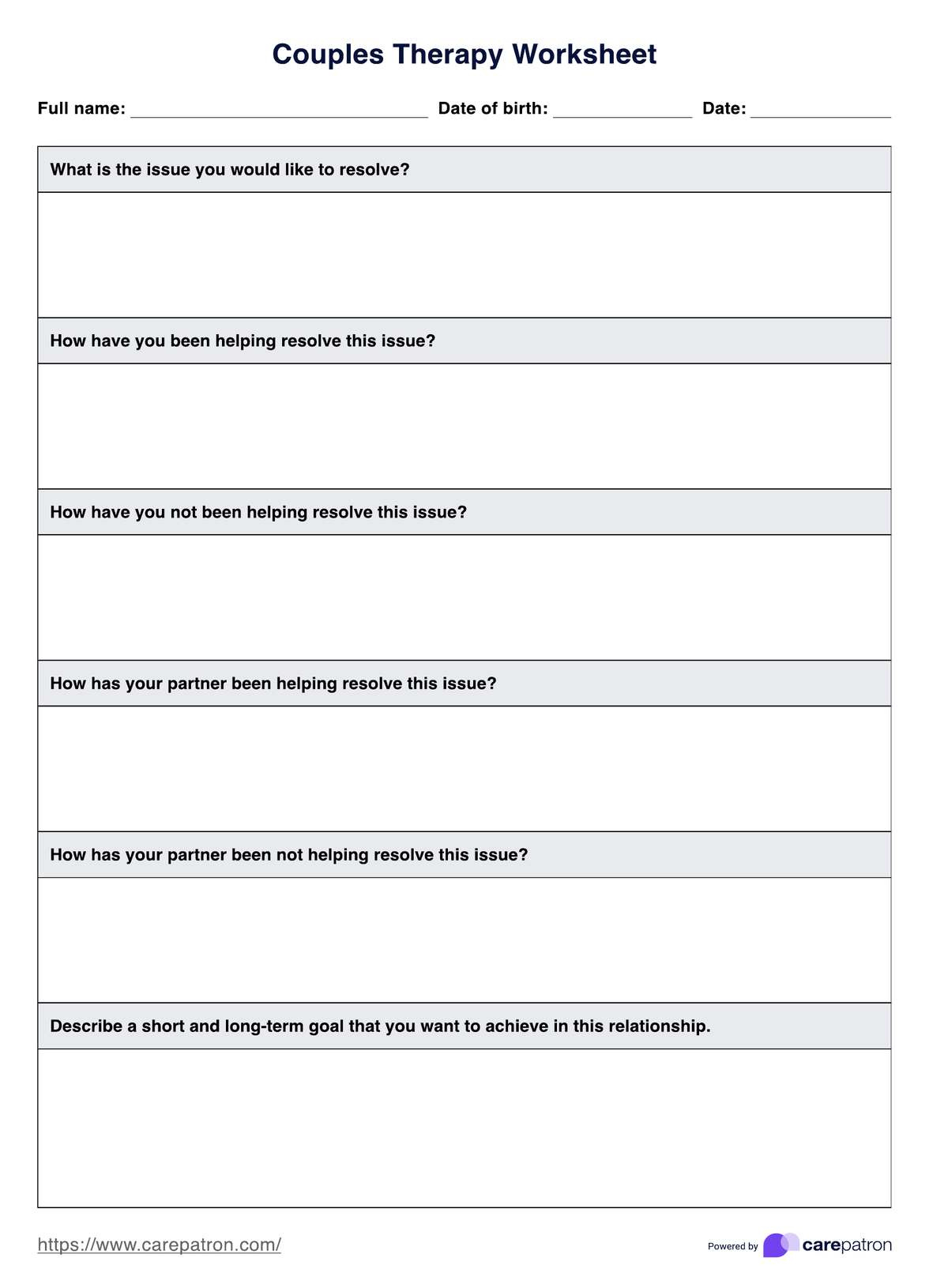
- Reduced frequency of heated arguments by at least 30% within a month.
- Increased self‑reported feeling of being heard on the Listening Audit.
- Consistent entries in the Appreciation Log for at least three consecutive weeks.
- Ability to discuss previously “off‑limits” topics without immediate escalation.
When these markers appear, couples know they’ve turned a static worksheet into a dynamic relationship upgrade.
Conclusion

The Communication Skills For Couples Worksheet is a no‑nonsense, evidence‑based blueprint that forces partners out of complacent patterns and into purposeful conversation. By auditing listening habits, crafting precise “I Feel” statements, mapping conflict cycles, and celebrating daily appreciation, couples gain a clear, actionable roadmap to healthier dialogue. Whether you’re newly dating, decades into marriage, or anywhere in between, the worksheet adapts to your unique rhythm, providing a repeatable practice that strengthens the bond one honest sentence at a time. Commit to the process, revisit the pages regularly, and watch the raw, gritty work of communication transform friction into a resilient, thriving partnership.