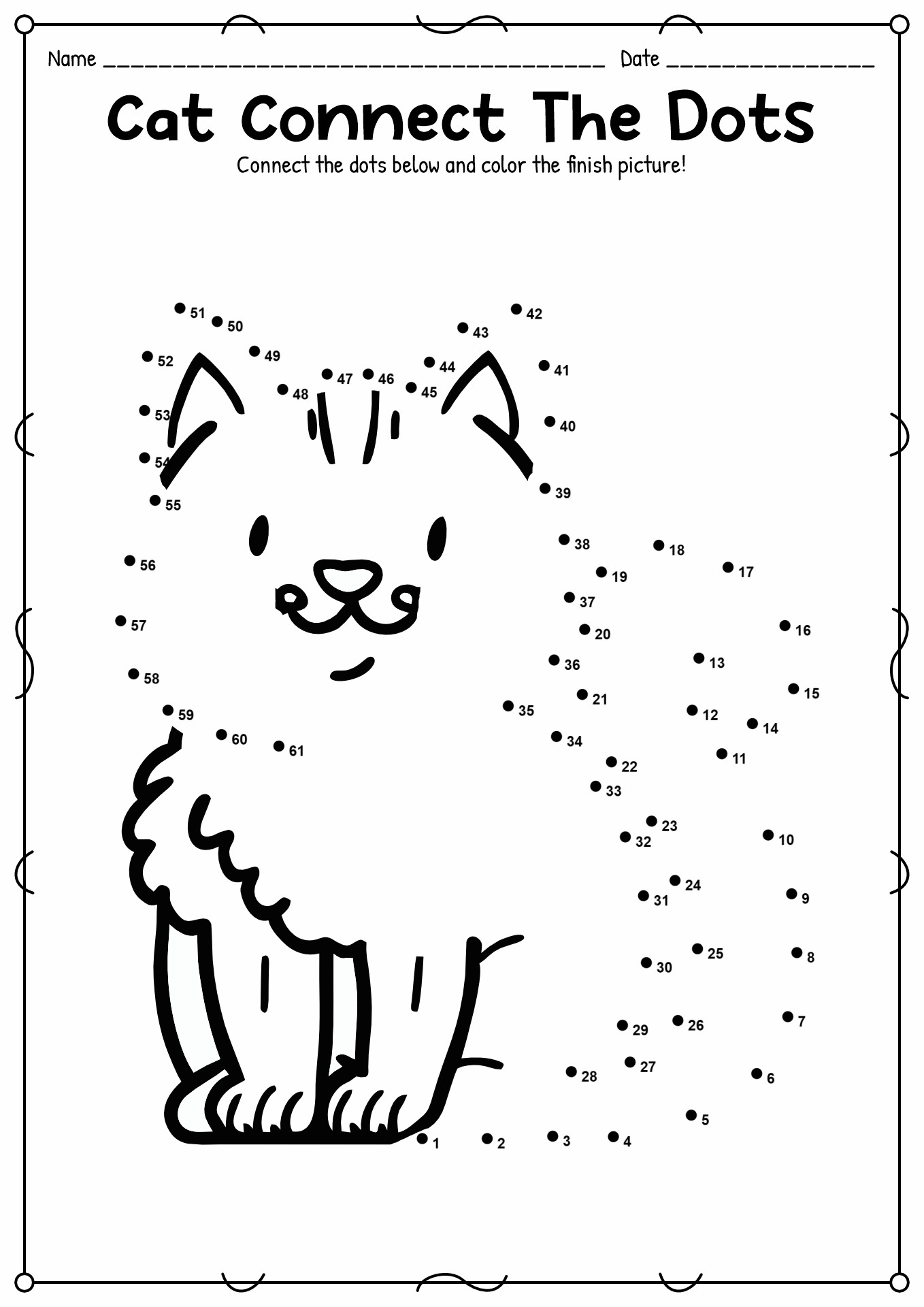
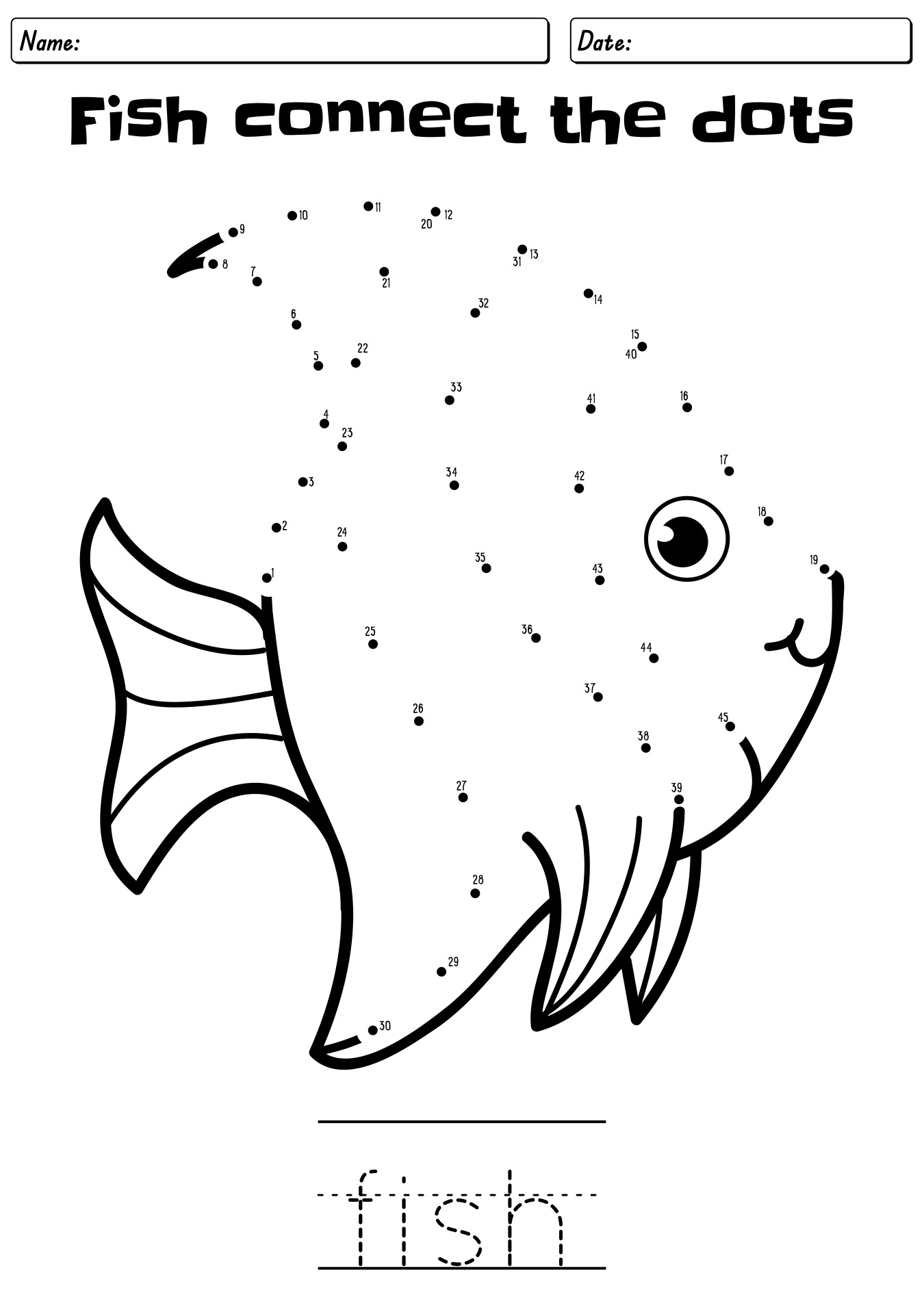
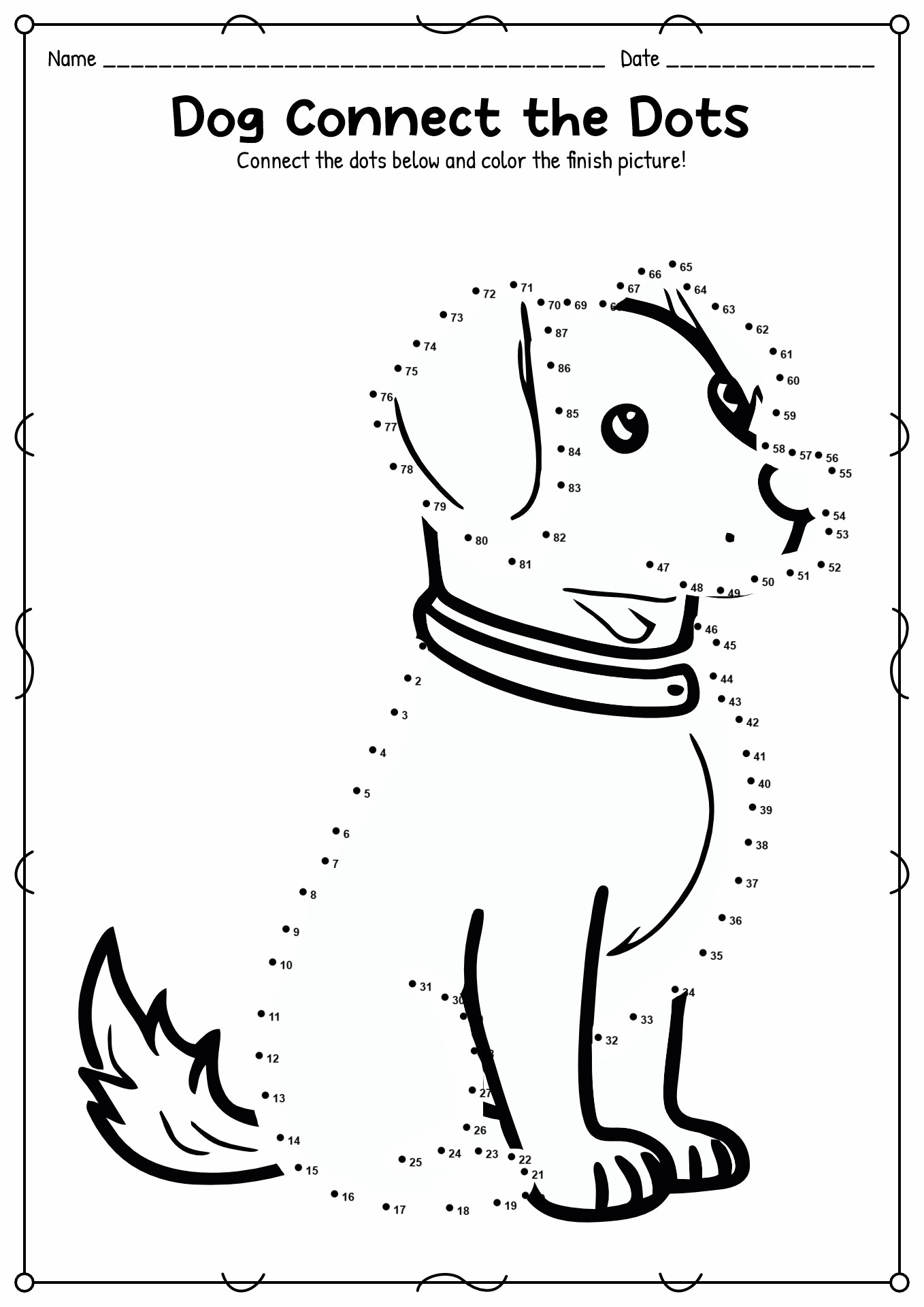
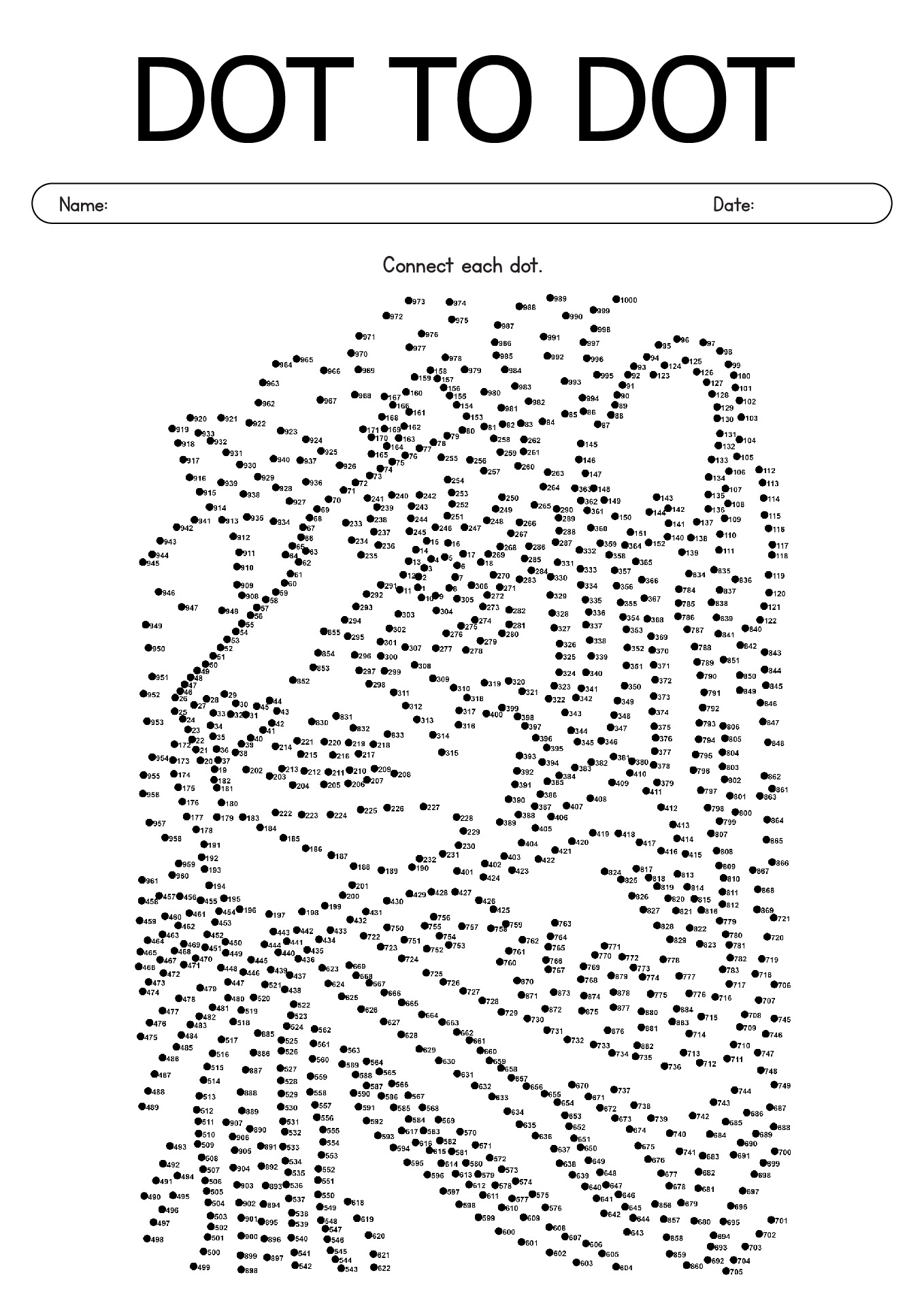
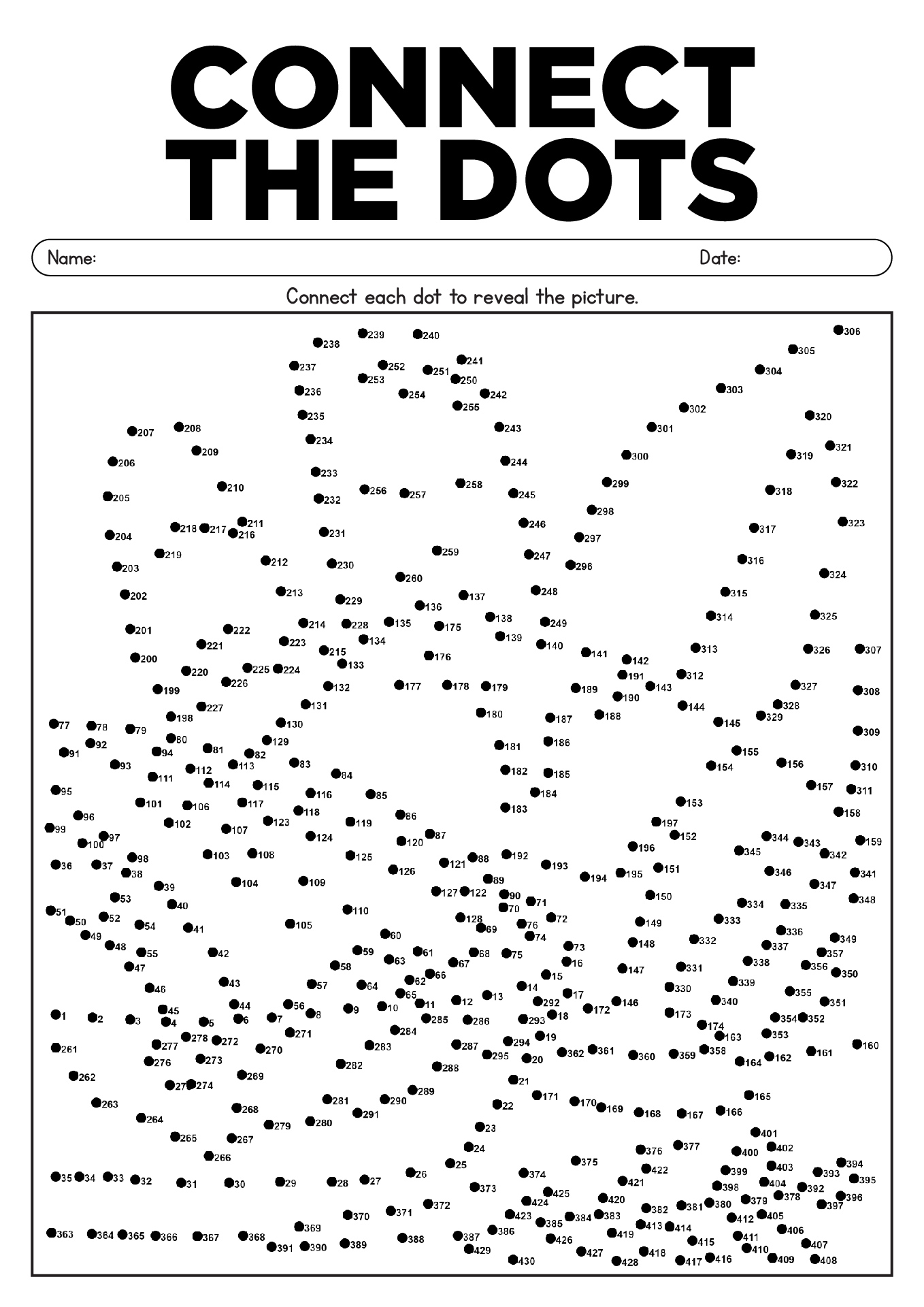
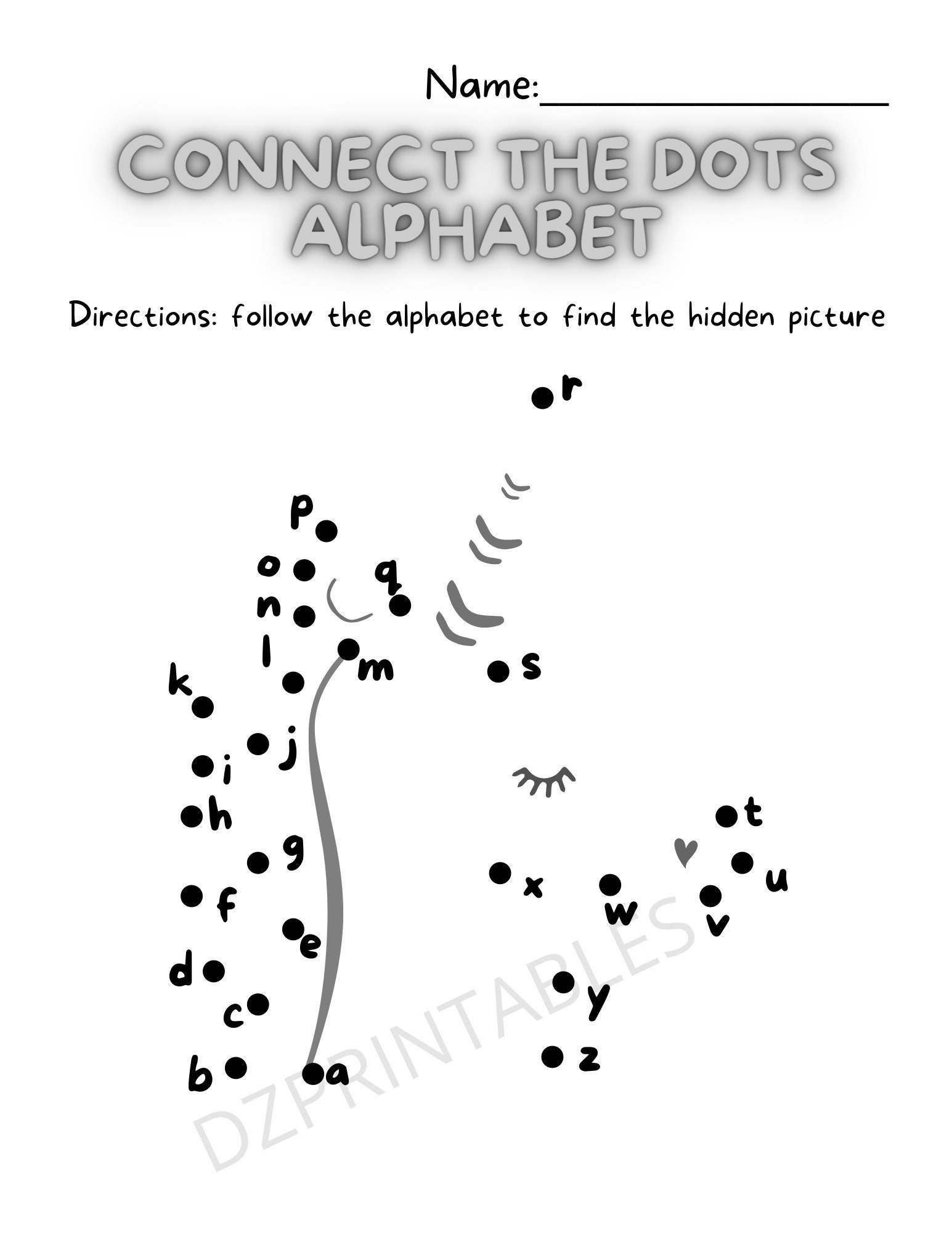
Connect The Dots Worksheets offer a simple yet powerful way to nurture young minds, blending playful exploration with focused skill-building. By guiding children to trace numbered lines that reveal a picture, these worksheets engage visual perception, fine motor control, and logical sequencing—all essential building blocks for academic success.
Why Connect The Dots Is a Staple in Asian Educational Philosophy
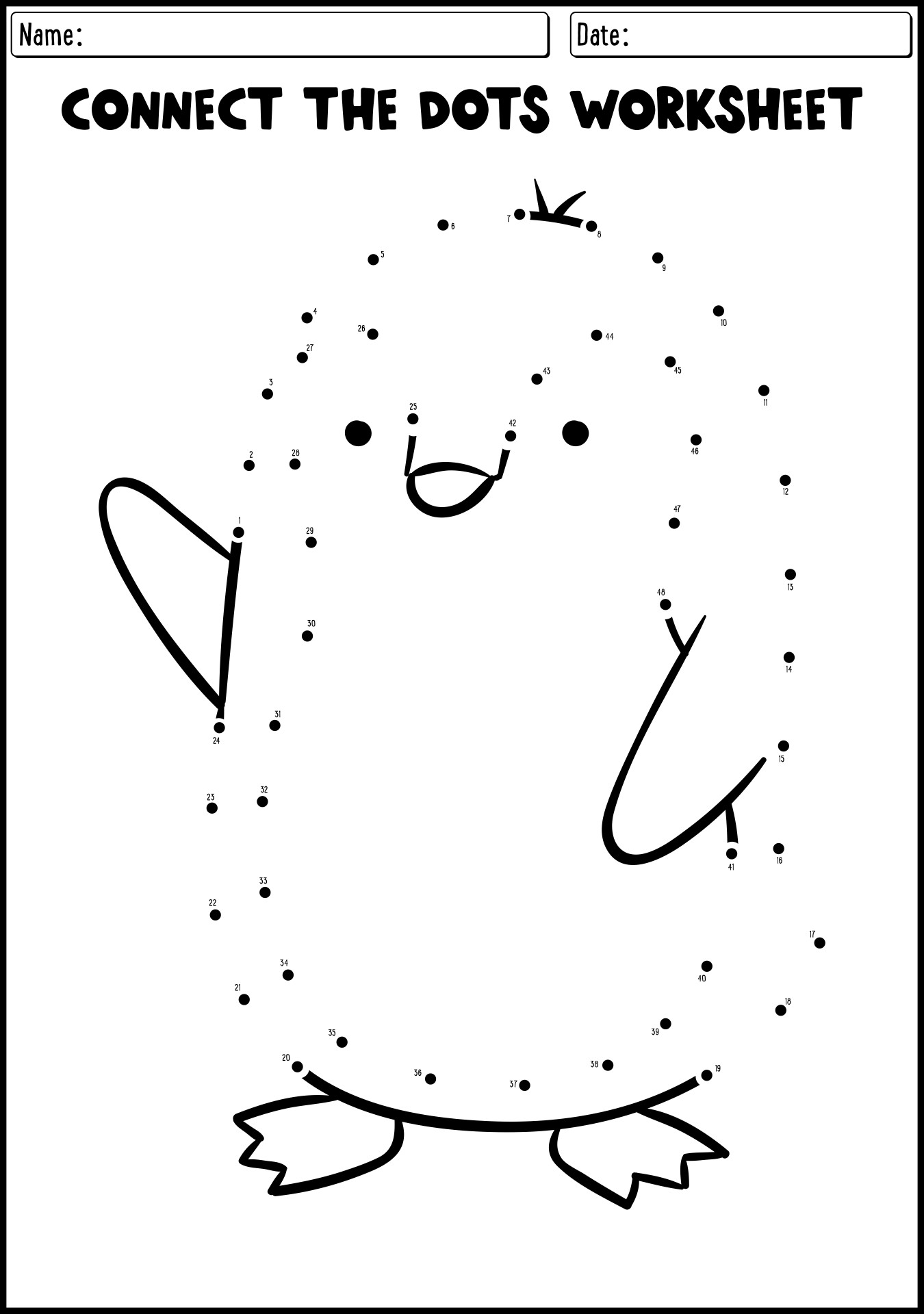
In many Asian cultures, learning is seen as a harmonious journey where patience, mindfulness, and incremental progress are valued above immediate results. Connect The Dots aligns beautifully with these principles, providing a calm, repetitive activity that encourages concentration and a sense of accomplishment without the pressure of high-stakes testing.
Teachers and parents often appreciate that the worksheets allow children to practice precision while enjoying the satisfaction of discovering a completed image. The gradual unfolding of the picture mirrors the traditional Asian pedagogical concept of “slow learning” (ゆっくり学び, ゆっくりまなび), fostering resilience and confidence.
Core Benefits for Early Childhood Development
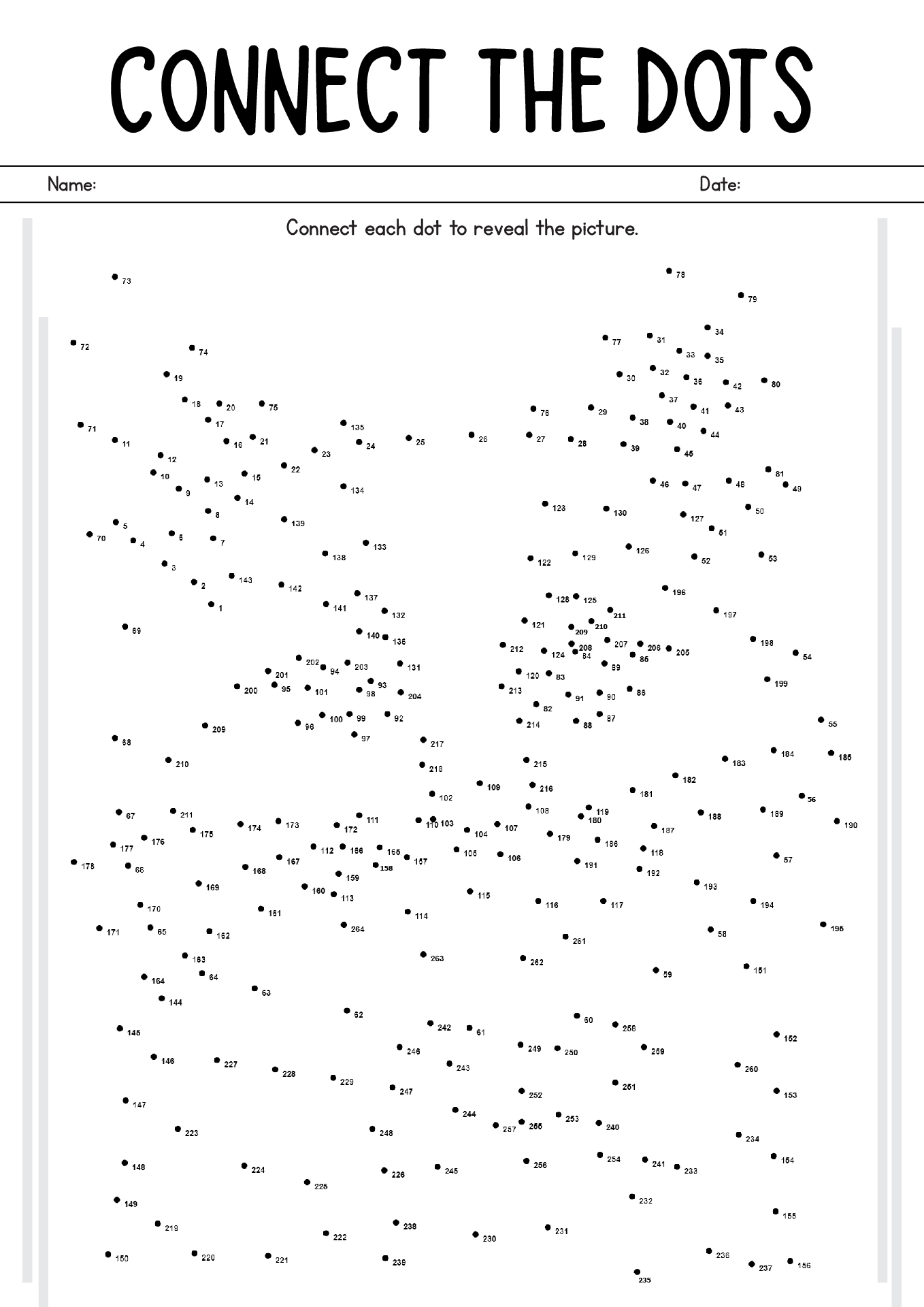
Fine Motor Skills and Hand–Eye Coordination
Tracing numbers on paper requires controlled finger movements. This repetitive action strengthens the small muscle groups in the hands and wrists, improving handwriting fluency. By following the path from one dot to the next, children also learn to coordinate visual input with motor output, a foundational skill for drawing, writing, and sports.
Sequential Thinking and Logical Reasoning
Connect The Dots demands that children follow an ordered sequence. When they successfully complete a worksheet, they experience the rewarding sense of logical progression. This pattern recognition lays groundwork for more complex problem-solving tasks in mathematics and science.
Visual Perception and Concentration
Children must keep track of which dots remain unconnected while focusing on the current one. This dual attention helps develop sustained concentration and enhances the ability to discern subtle visual differences—skills valuable for reading and science labs alike.
Creativity and Cultural Appreciation
By designing worksheets that feature culturally significant images—such as cherry blossoms, koi fish, or traditional calligraphy—educators can spark interest in heritage while reinforcing visual learning. This blending of education and cultural pride encourages children to view learning as an integral part of identity.
How to Create Effective Connect The Dots Worksheets
Selecting the Right Theme
Choose themes that resonate with your audience. For an Asian-inspired classroom, consider motifs like bamboo forests, lantern festivals, or simple Japanese characters (Hiragana/Katakana). For a global reach, mix in universally recognizable items—animals, vehicles, or everyday objects—while maintaining cultural flair.
Determining Difficulty Levels
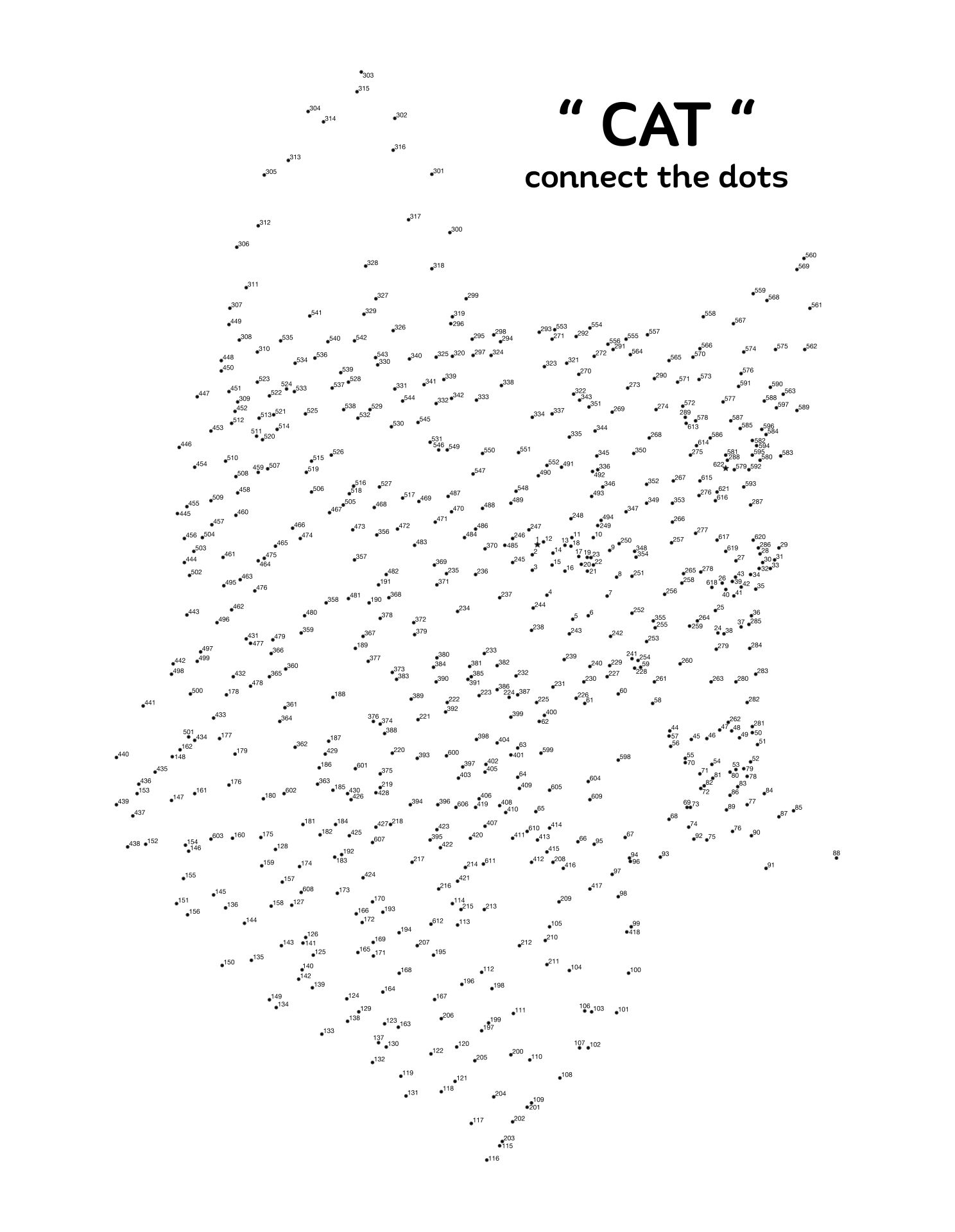
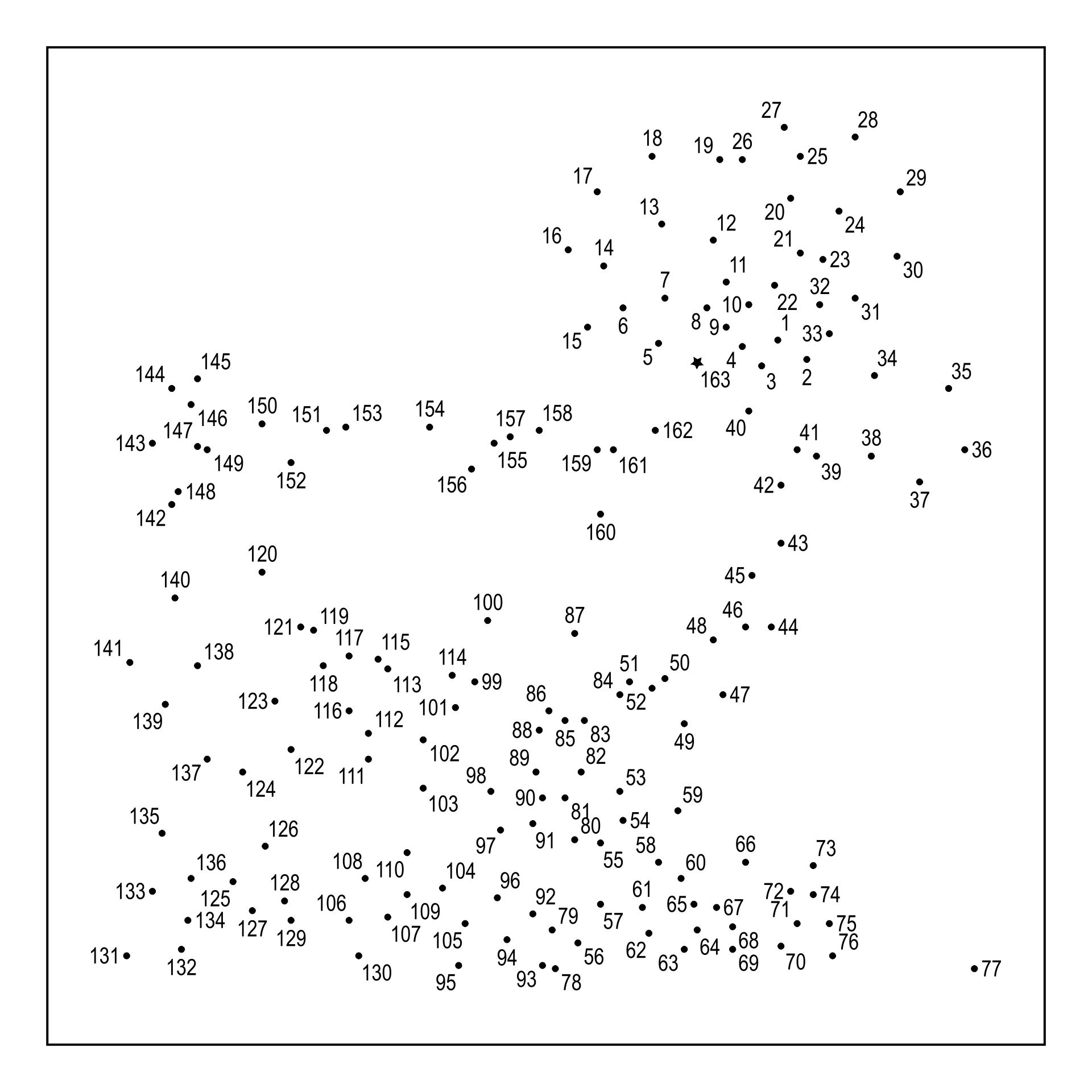
Begin with fewer dots (15–25) for kindergarteners, ensuring the numbers are large and spaced adequately. For older students or adults, increase dot density (30–50) and use smaller numbers to challenge their sequencing abilities. Gradual scaling keeps learners engaged without feeling overwhelmed.
Designing the Layout
Use a clean, grid-based design. Each dot should be clearly labeled with a number that fits neatly inside a circle or a subtle square. Maintain equal spacing so the path is smooth, preventing missteps that can cause frustration.
Incorporating Visual Cues
Adding faint color gradients or shaded lines can guide the learner’s eye subtly without revealing the final image prematurely. This technique supports visual tracking while preserving the element of discovery.
Printing and Digital Options
Printable worksheets remain accessible in classrooms without internet. For tech-savvy settings, interactive PDFs allow students to click or tap numbers, receiving instant visual feedback. Both formats can be mixed to suit various learning environments.
Practical Classroom Applications

Morning Warm‑Up Routine
Start each day with a 10‑minute connect the dots exercise. This quiet activity primes students’ attention and sets a calm tone for the lesson ahead. Teachers can rotate themes—animals one week, constellations the next—to keep the routine fresh.
Integrated Math Practice
Use numbered dots that correspond to simple addition or subtraction problems. For example, each dot can represent a quantity, and the path could guide the student through a calculation sequence. This merges numeracy with visual sequencing.
Art and Design Projects
After completing a worksheet, students can color the revealed image or redesign it by adding their own elements. This encourages creative expression while reinforcing the connection between number order and artistic composition.
Parent‑Teacher Collaboration
Send home a set of worksheets as part of a “home learning packet.” Include a short guide explaining the benefits and suggesting how parents can review the completed image with their child, reinforcing learning outside the classroom.
Beyond the Classroom: Connect The Dots for Adults
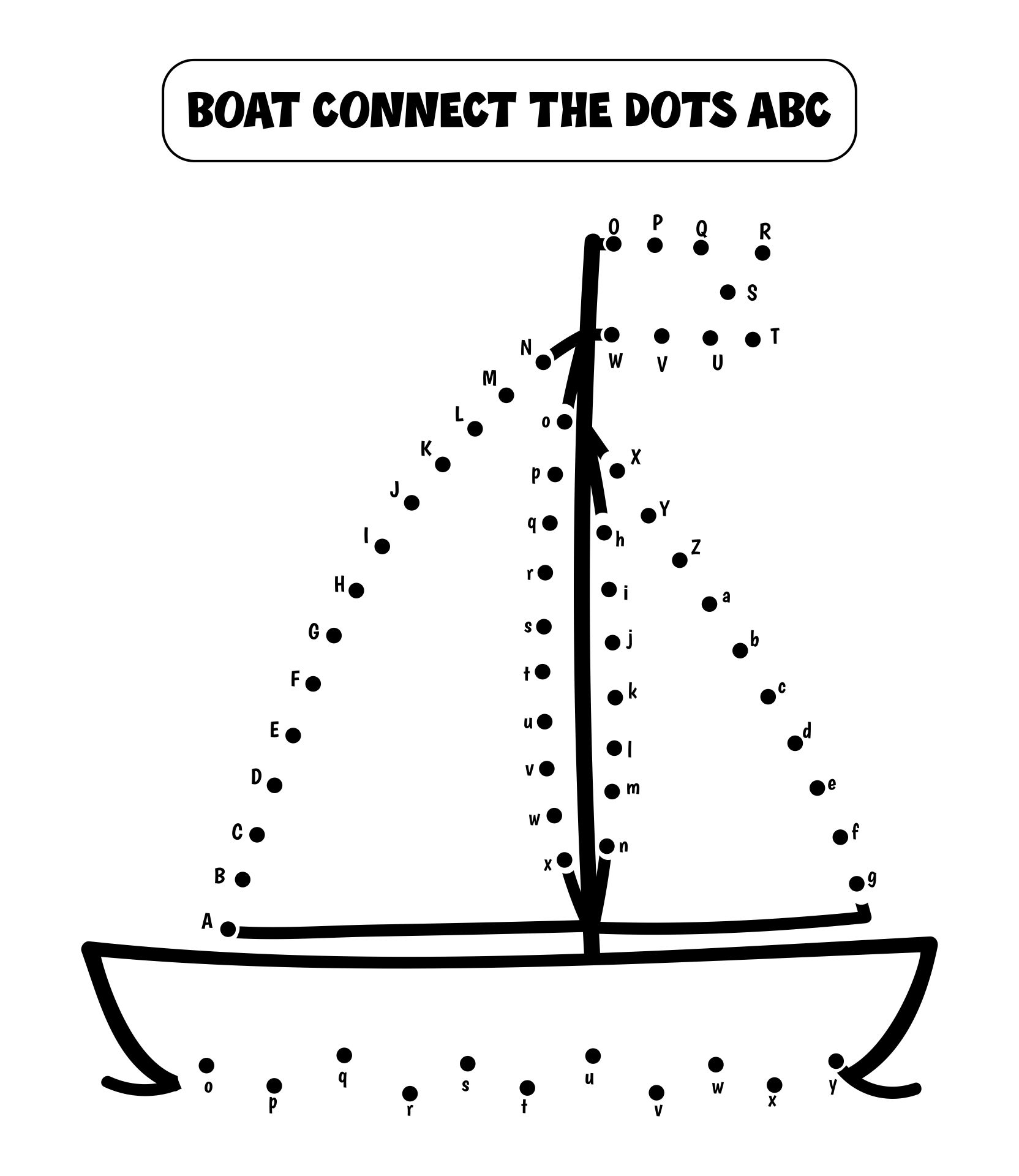
Connect The Dots is not limited to children. Adult learners often use these worksheets to sharpen focus, reduce stress, and improve executive function. In corporate training, they can serve as ice‑breakers, helping participants build teamwork and problem‑solving skills in an informal setting.
Therapeutic Uses
Occupational therapists incorporate connect the dots into therapy plans for clients with motor skill deficits or attention disorders. The activity’s low cognitive load combined with motor demands makes it an ideal tool for gradual improvement.
Recreational Enrichment
Mindfulness groups may use intricate, larger‑scale worksheets that allow participants to practice breathing techniques while following a complex path. The rhythmic motion can induce a meditative state, aligning with the Zen concept of “mindful action.”
Common Mistakes and How to Avoid Them

Overcrowded Dot Placement
Too many dots in a small space can overwhelm the learner and lead to errors. Keep spacing proportional to the child’s age and the size of the worksheet.
Neglecting Visual Contrast
If the numbers blend into the background, students may struggle to identify them. Use high‑contrast colors (e.g., black numbers on white paper) or subtle shading to ensure visibility.
Ignoring Cultural Relevance
Choosing generic images may fail to capture students’ interest, especially in culturally diverse settings. Incorporate culturally specific symbols and stories to deepen engagement.
Failing to Provide Progress Feedback
Children feel motivated when they see a visual cue that they are succeeding. Offer printable “progress stickers” or digital check‑marks that highlight completed segments, celebrating small victories.
Success Stories from Asian Educators
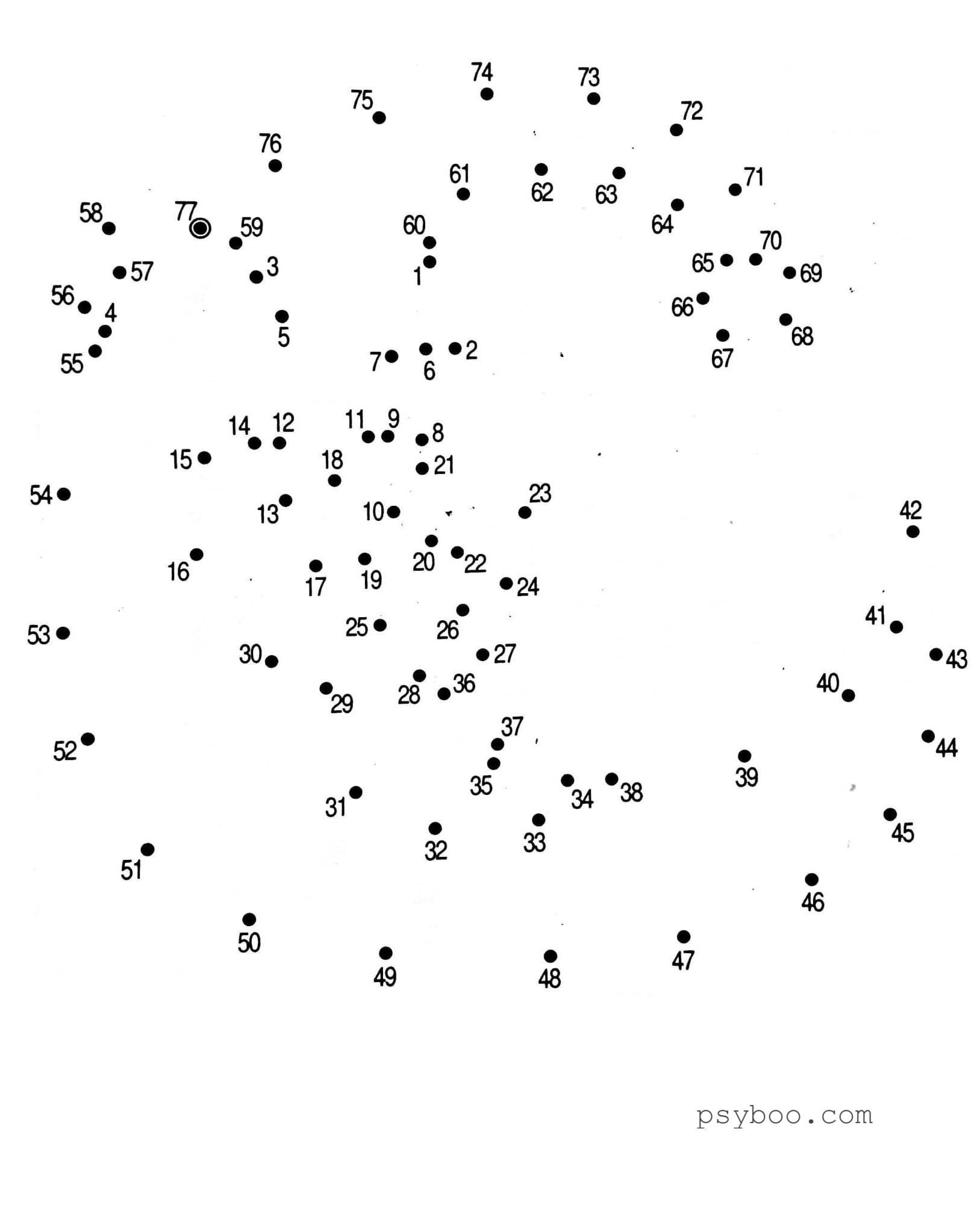
In a primary school in Kyoto, teachers introduced bamboo-themed connect the dots worksheets during spring. Students reported feeling a “sense of tranquility” as they traced the plant’s growth, and teachers noted a measurable increase in fine‑motor scores over the semester.
In Singapore, a bilingual kindergarten used connect the dots to teach both English and Mandarin number words. By labeling the dots in both languages, children practiced pronunciation and recognition simultaneously, strengthening bilingual fluency.
In a rural village in Vietnam, community volunteers printed large‑scale worksheets on canvas for children to trace with chalk. The activity not only improved motor skills but also fostered community bonding as families gathered to complete the artwork together.
How to Keep the Activity Fresh Over Time
Introduce Thematic Series
Create a monthly series—e.g., “Animals of the World,” “Festival Colors,” or “Traditional Instruments.” Each series can culminate in a larger project, such as a mural or a storybook, tying back to the worksheets.
Incorporate Technology Wisely
Apps that allow digital tracing can add a modern twist. They often include instant feedback, adaptive difficulty, and the ability to share completed images on social media, increasing engagement.
Encourage Peer Collaboration
Pair students to work on a shared worksheet. The younger child can guide the older one, reinforcing teaching skills and fostering a sense of responsibility.
Rotate Difficulty Levels
After mastering a certain complexity, move to more challenging patterns—like diagonal or spiral connections—to maintain interest and continuously develop skills.
Conclusion: The Timeless Value of Connect The Dots Worksheets

Connect The Dots Worksheets embody a timeless educational approach that balances play with purpose. Their simplicity allows for endless customization—whether you’re embedding cultural motifs, integrating math lessons, or tailoring difficulty for adults. By weaving these worksheets into daily routines, teachers and parents can nurture fine motor precision, sequential thinking, and visual perception while honoring the gentle, patient spirit found in many Asian educational traditions.