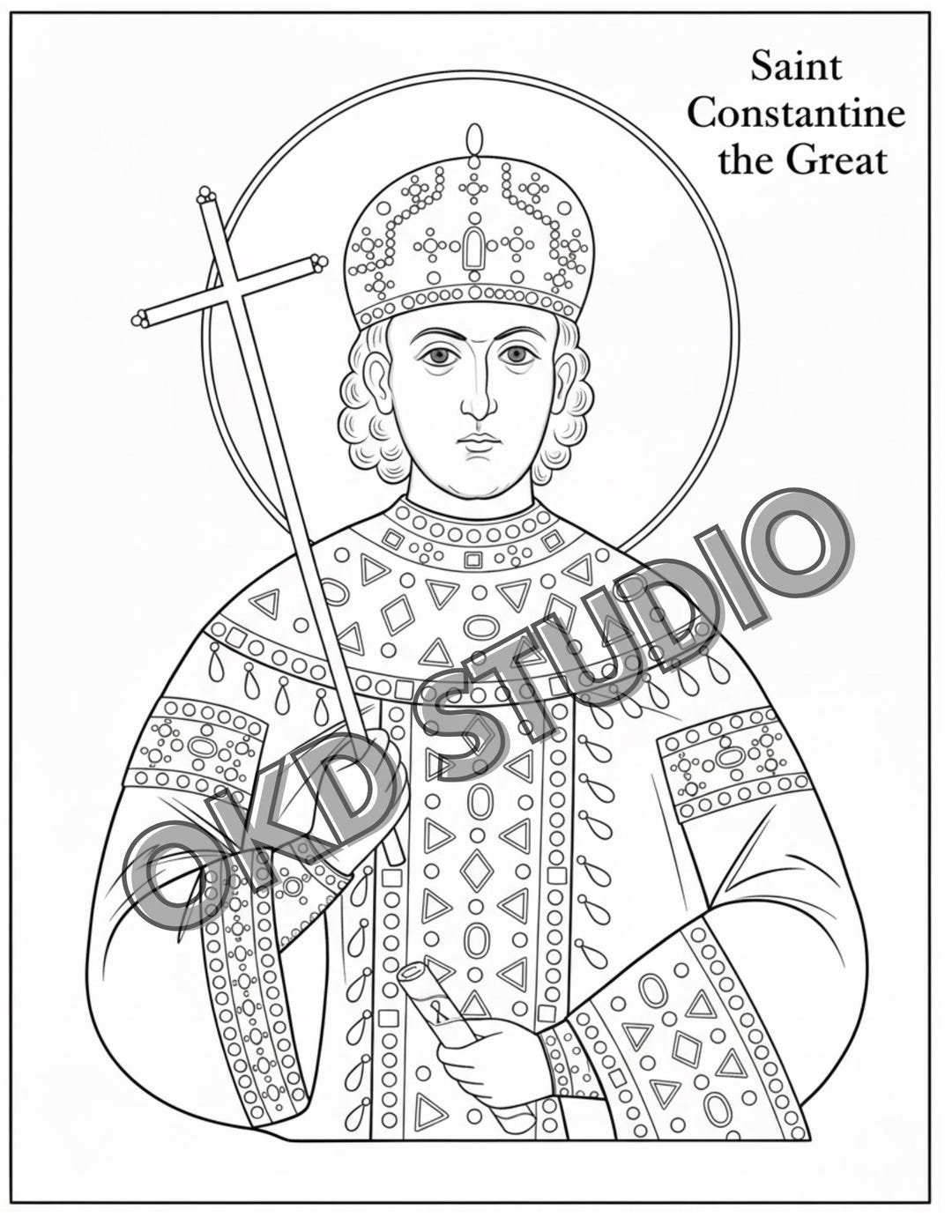
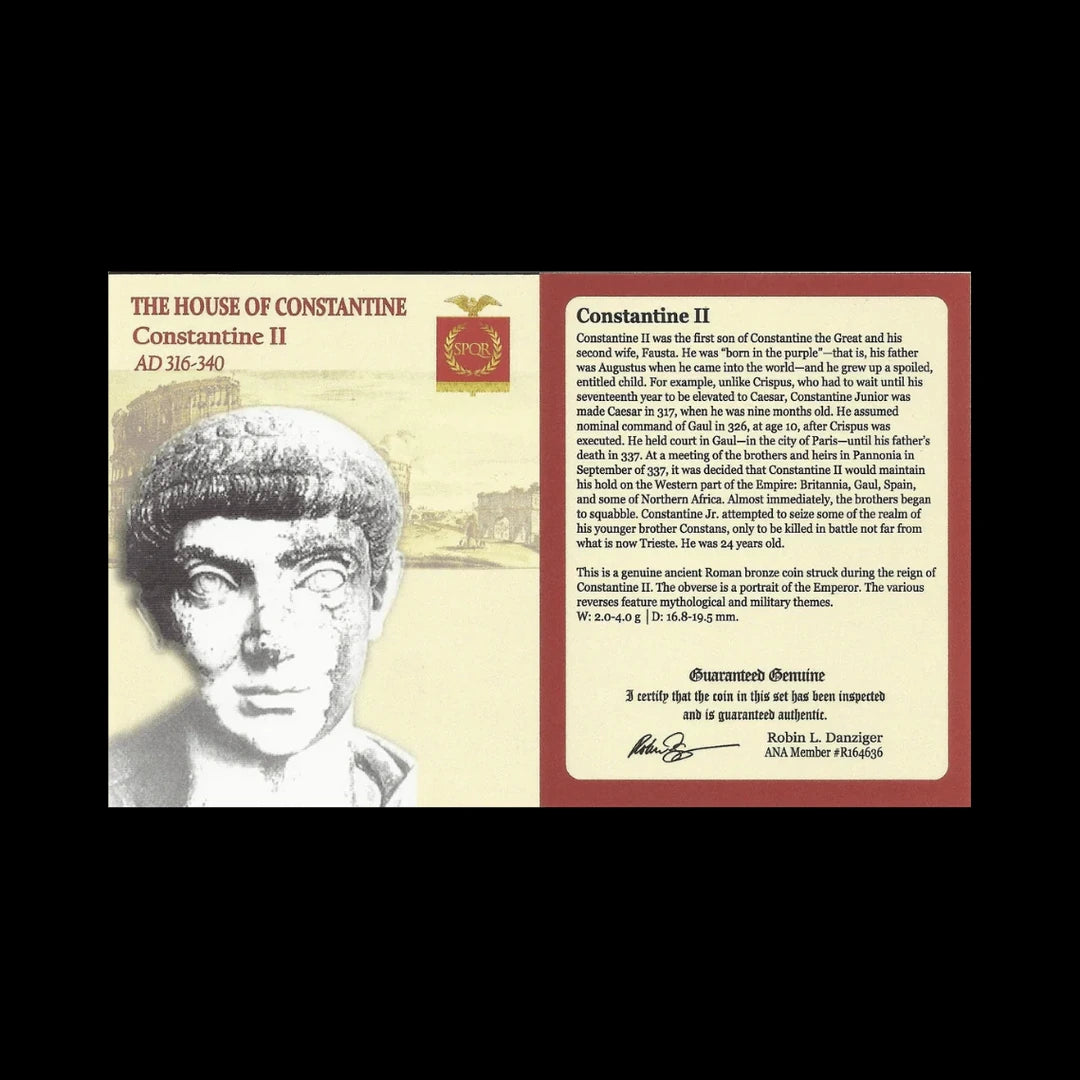
Constantine The Great Worksheet serves as an essential bridge between ancient Roman history and modern classroom engagement, offering students a dynamic way to explore the life and legacy of one of antiquity’s most pivotal emperors. This comprehensive resource is designed to spark curiosity, deepen understanding, and foster critical thinking, all while providing a structured path through Constantine’s rise to power, reforms, and enduring influence on Western civilization.
Understanding Constantine’s Historical Context

Before diving into the worksheet’s content, it’s vital to grasp the socio-political landscape of the early fourth century. The Roman Empire was fragmented, beset by internal strife and external threats. Constantine’s ascent marked a turning point that reshaped governance, religion, and cultural identity across the empire.
Key Historical Milestones
- Birth and early life in Naissus, a frontier city within the Balkan territories.
- Ascension to emperor following the Battle of the Milvian Bridge in 312 AD.
- Issuance of the Edict of Milan, granting religious tolerance to Christians.
- Founding of Constantinople in 330 AD as a new imperial capital.
- Implementation of administrative and fiscal reforms that stabilized imperial finances.
The Structure of a Powerful Worksheet

A well‑crafted worksheet balances factual information with interactive elements. Below is a breakdown of the essential sections that should be included to maximize learning outcomes.
Section 1: Background and Timeline
Begin with a concise timeline that highlights significant dates from Constantine’s birth to his death. Use a visual layout or simple bullet points to provide quick reference, allowing students to place events in chronological order.
Section 2: Key Themes and Concepts
These themes are the backbone of any discussion and should be explored in depth:
- Political Reforms: Centralization of power, division of the empire into dioceses.
- Religious Impact: Shift from persecution to patronage of Christianity.
- Military Strategies: Innovations in logistics and strategic battles.
- Urban Development: Founding of a new capital, architectural achievements.
Section 3: Critical Questions and Reflection Prompts
Encourage students to analyze Constantine’s decisions critically. Sample prompts:
- How did the Edict of Milan alter the socio-religious fabric of the Roman Empire?
- In what ways did Constantine’s military tactics influence later warfare?
- Discuss the long‑term effects of establishing Constantinople on Europe’s political map.
Section 4: Vocabulary and Terminology
Introduce specialized terms such as dioceses, imperial patronage, milvian bridge, and augustanism. Provide definitions, etymologies, and contextual usage to ensure students master the lexicon critical to historical analysis.
Section 5: Assessment Component
Design a mix of multiple‑choice, short answer, and analytical questions to gauge comprehension. Consider incorporating a short essay prompt that asks students to argue whether Constantine’s reforms were more beneficial or detrimental to the empire’s longevity.
Real‑World Applications of Constantine Worksheets

Integrating the worksheet into diverse learning modalities ensures a holistic educational experience.
1. Interactive Timelines
Students can create digital or paper timelines that incorporate dates, images, and brief descriptions. This hands‑on activity reinforces chronological thinking and memory retention.
2. Role‑Playing Debates
Assign roles such as Roman senators, Christian bishops, or provincial governors. Debates centered on the Edict of Milan or the relocation of the capital will deepen empathy for historical actors and sharpen argumentative skills.
3. Comparative Analysis with Modern Leaders
Draw parallels between Constantine’s strategies and contemporary political figures. This comparative lens fosters critical thinking about leadership styles and policy impacts across centuries.
Benefits of Using Constantine Worksheets in the Classroom

Adopting a structured worksheet format offers tangible educational benefits:
- Enhanced Retention: Repeated exposure to key facts solidifies long‑term memory.
- Skill Development: Prompts encourage analytical thinking, evidence evaluation, and concise communication.
- Inclusivity: Visual and textual elements accommodate various learning styles.
- Assessment Clarity: Clearly defined answers allow for objective grading.
Creative Extensions for Advanced Learners

To cater to students who crave deeper exploration, provide optional projects that expand on the worksheet’s foundations.
1. Primary Source Translation
Introduce authentic manuscripts, such as portions of the Anecdota of the Eusebian Collect, and ask students to translate excerpts into contemporary language.
2. Architectural Reconstruction
Using schematic drawings, students can model early Byzantine architecture influenced by Constantine’s vision for Constantinople.
3. Digital Storytelling
Leverage multimedia tools to create a short documentary or animated video that narrates Constantine’s reign, integrating information gleaned from the worksheet.
Tips for Educators to Maximize Worksheet Impact
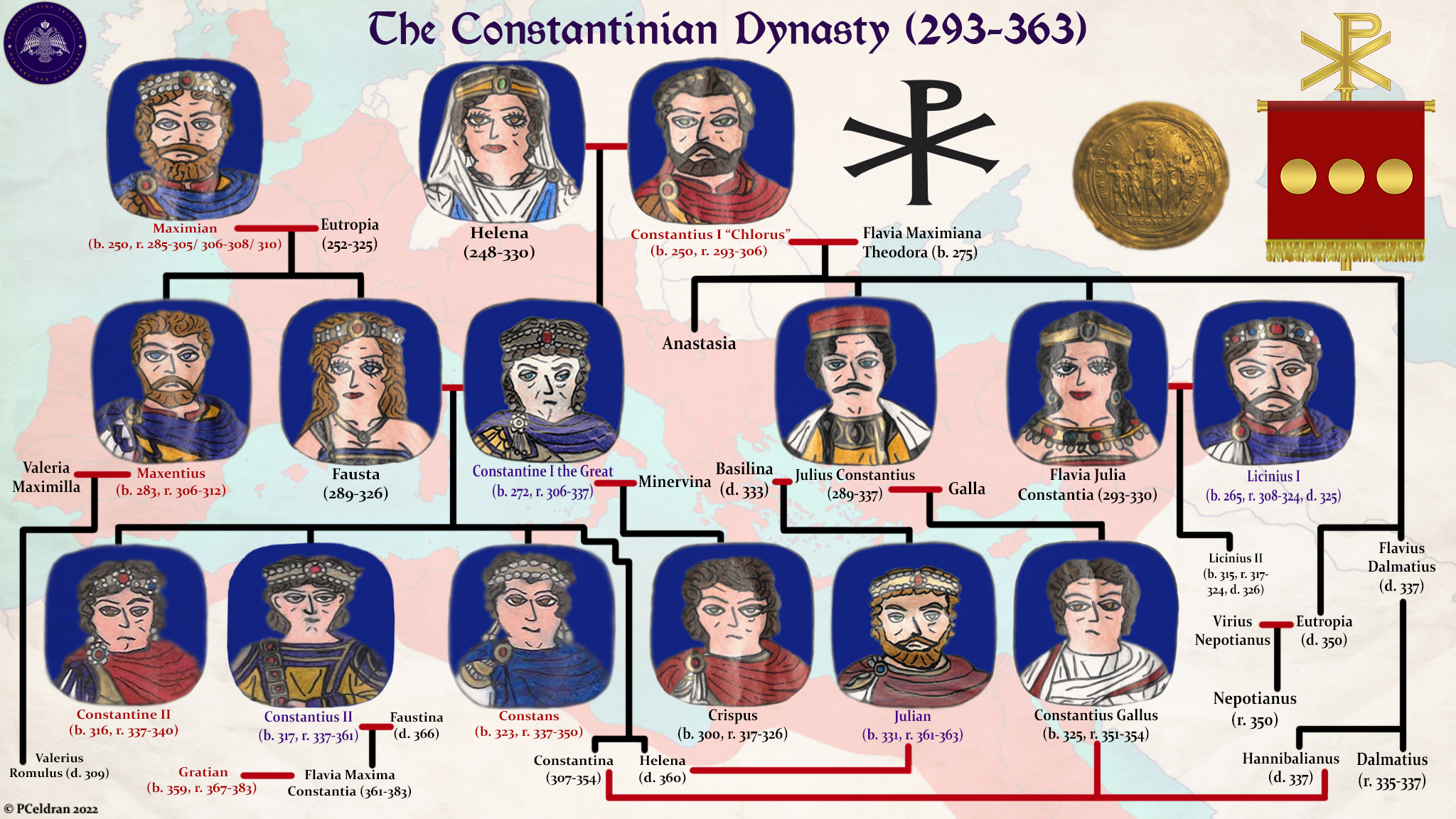
Teachers can adapt the worksheet to fit diverse classroom environments with these strategies.
1. Scaffold Complexity
Start with foundational knowledge and gradually introduce more nuanced analysis. This ensures all students remain engaged and challenged appropriately.
2. Leverage Differentiated Assessment
Offer alternative answer formats—diagrams, mind maps, or oral presentations—to accommodate varied strengths.
3. Foster Collaborative Learning
Pair or group students to tackle sections of the worksheet, promoting discussion and peer teaching.
4. Integrate Cross‑Curricular Links
Link the worksheet to literature (e.g., excerpts from Augustine’s *Confessions*), art history (mosaics from the Basilica of Santa Maria Maggiore), or geography (maps of Roman provinces).
Conclusion
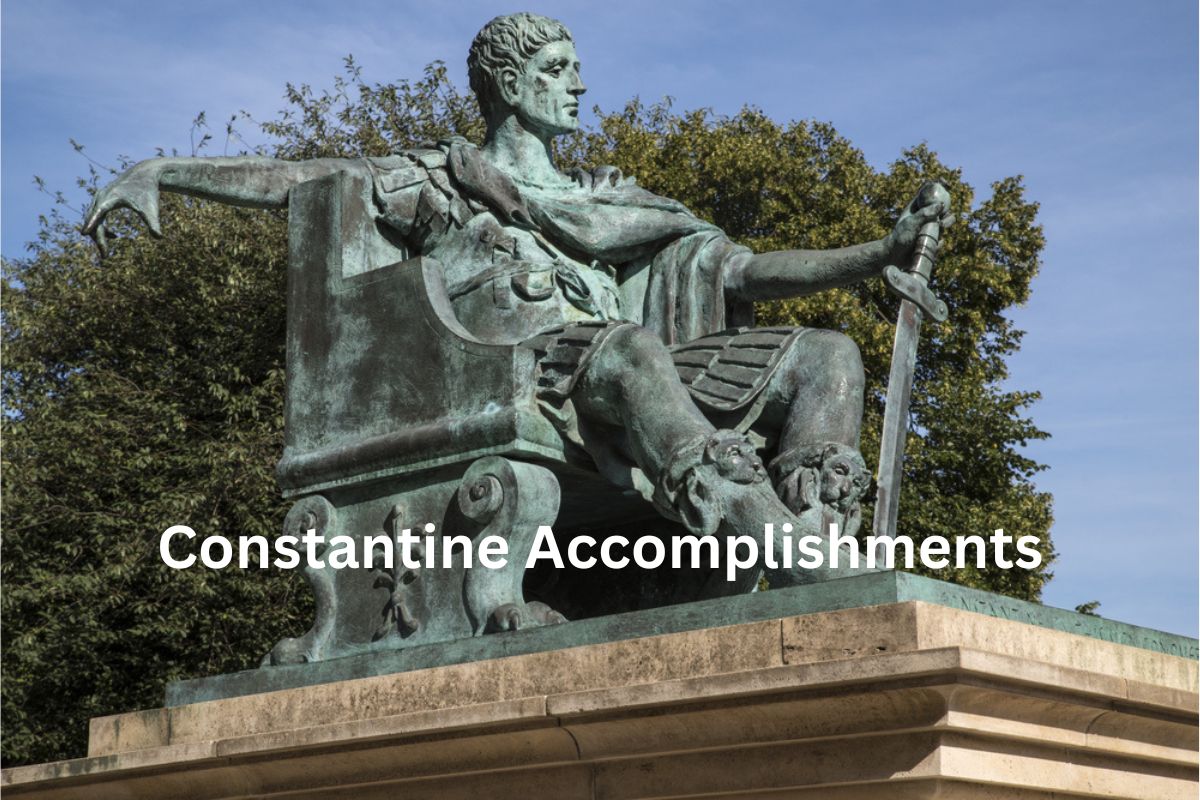
The Constantine The Great Worksheet is more than a simple review tool; it is a gateway to exploring one of history’s most transformative figures. By combining factual depth with engaging, interactive elements, the worksheet empowers students to connect past events with contemporary relevance, fostering a richer appreciation for the complex tapestry of human achievement. Whether used as a standalone activity or integrated into a broader curriculum, this resource offers a versatile platform for cultivating analytical skills, historical empathy, and a lifelong curiosity about the forces that shape our world. Through thoughtful design and purposeful application, educators can ensure that the legacy of Constantine continues to inspire critical thought and intellectual growth for generations to come.