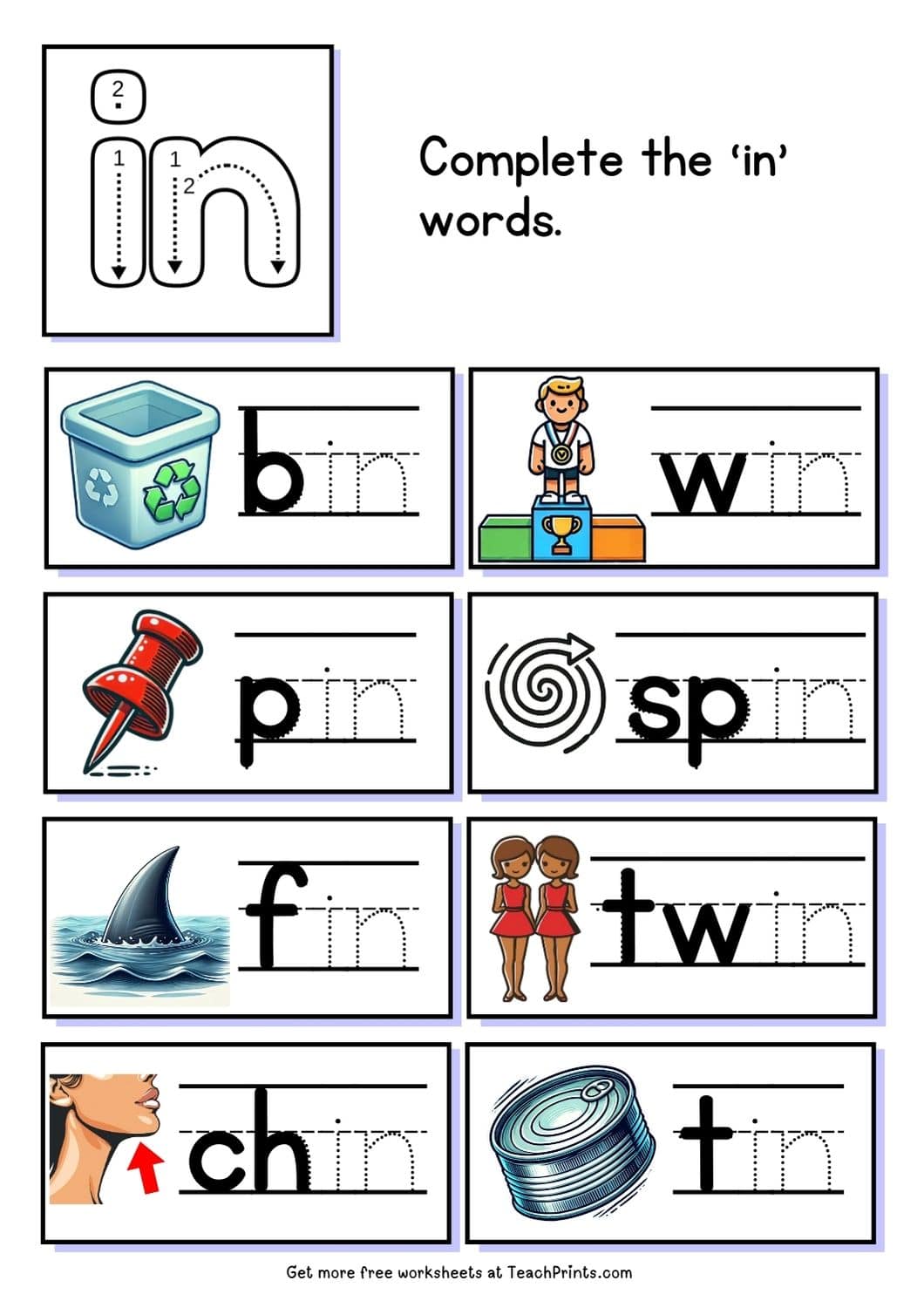
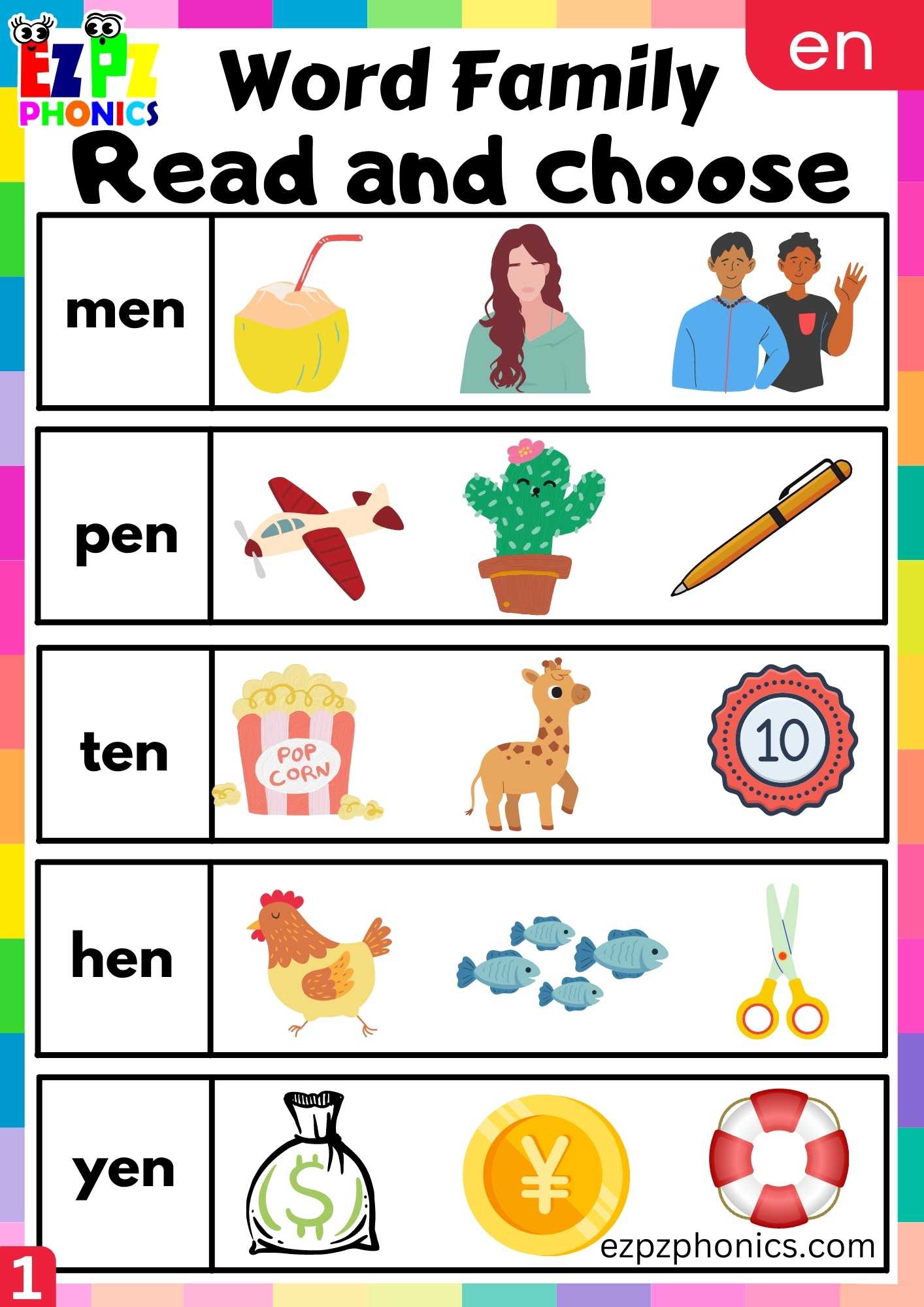
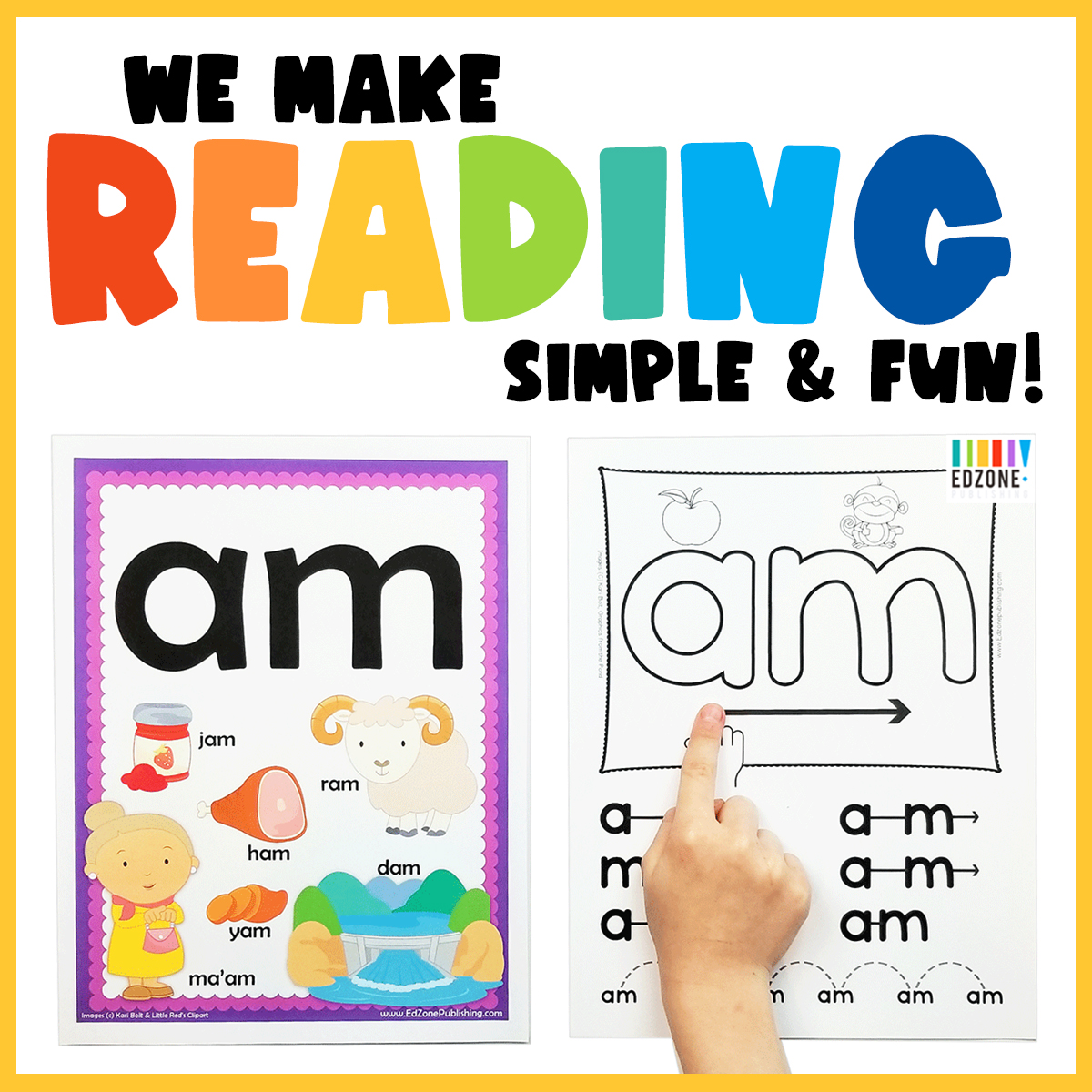
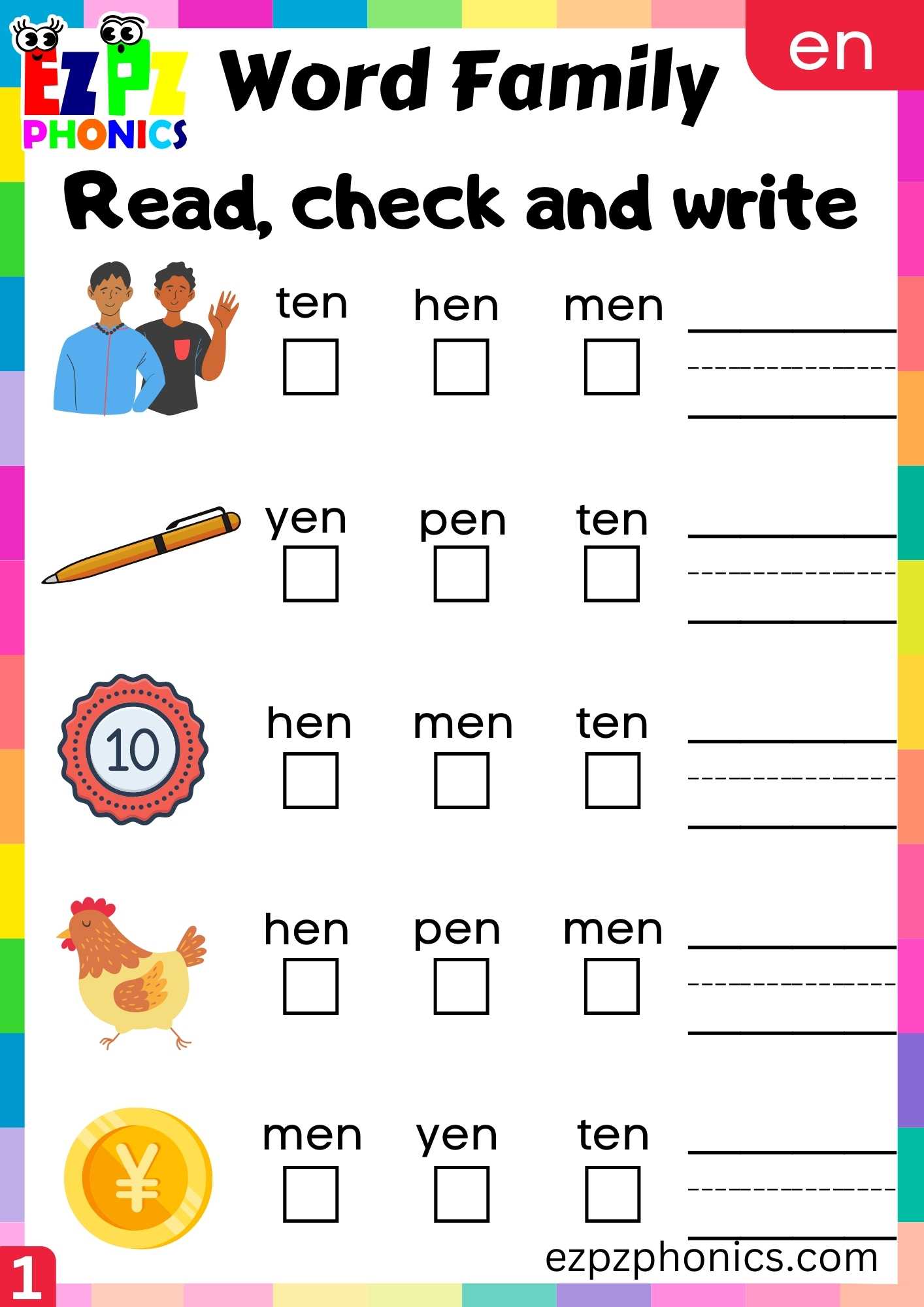
En Word Family Worksheets have become the superhero cape of early literacy, swooping in to rescue shy students from the abyss of word confusion with a splash of fun and a dash of rhyme. If you’re a teacher, homeschooling parent, or a curious parent‑in‑training wondering whether this linguistic magic wand is worth the dust‑off, keep reading. By the end of this post, you’ll know why word families are the secret sauce of reading fluency, how to harness these worksheets to make every letter count, and how to turn the often tedious task of practice into a side‑kick adventure for your little learners.
What Are Word Families Anyway?

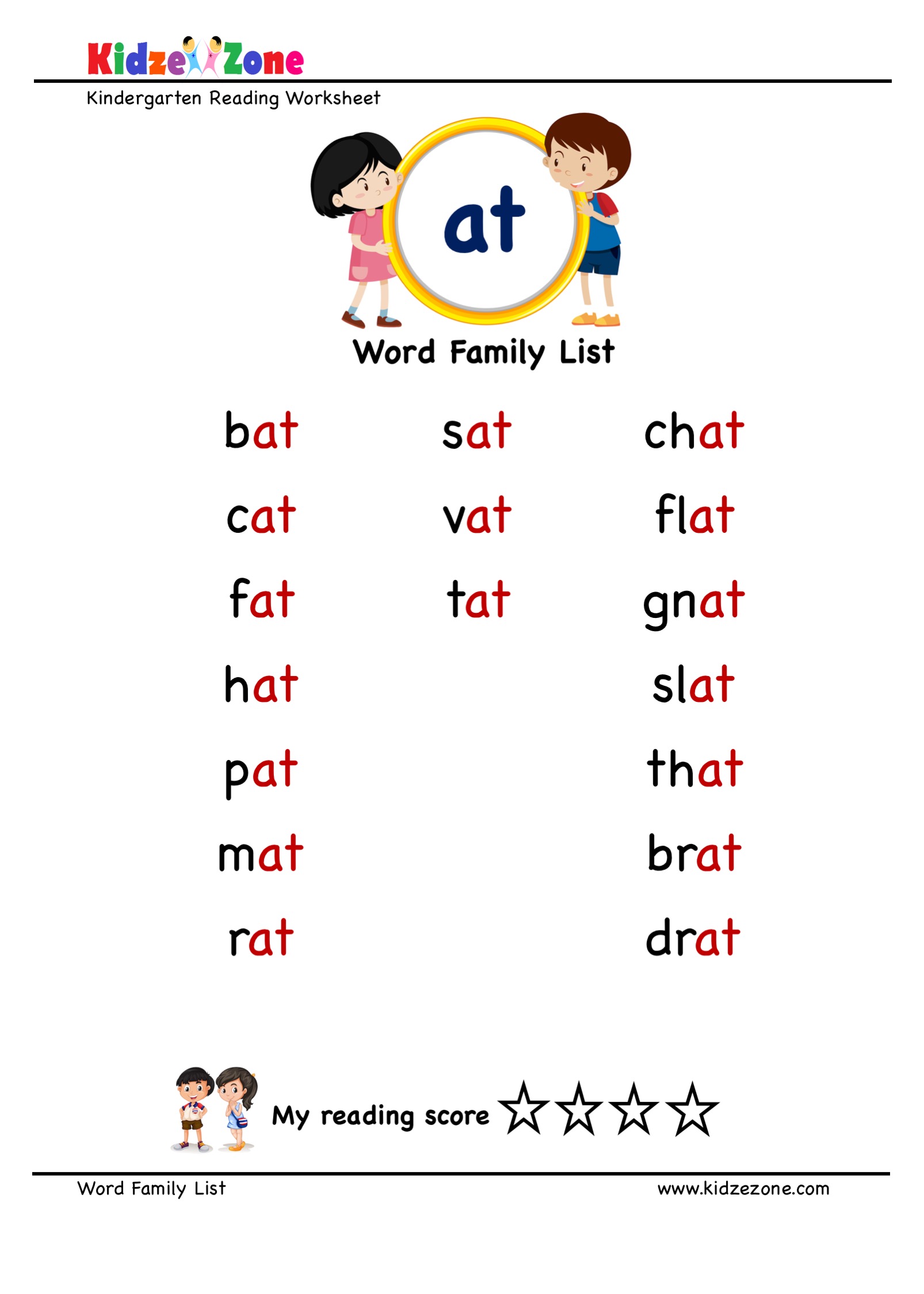
A word family is like a small, tightly knit club of words that share a common “root” sound, usually an onset and a rime that stay constant while the initial consonant or cluster changes. Think of it as the “vowel family” that lives under a big umbrella. For example, the “-at” family includes cat, hat, flat, bat, and pat—every word begins with the same vowel sound and ends with the same consonant cluster. By focusing on these patterns, students learn to decode, spell, and remember words faster than a cat chasing a laser pointer.
How the Onset and Rime Dance Works
The onset is the consonant or cluster that comes before the vowel sound (e.g., c in cat). The rime is the vowel and the following consonant(s) (e.g., at in cat). In a word family, the onset may change while the rime stays the same. This allows students to plug-and-play with sounds, discovering that “b+at” is bat, while “f+at” becomes flat. When a student masters this structure, they can crack new words with confidence, turning a seemingly impossible “read” into “r-e-a-d.”
Why En Word Family Worksheets Rock the Classroom

Word family worksheets are not just a fancy way to print worksheets; they’re a strategic tool that accelerates learning while keeping boredom at bay. Here’s why they’re a must‑have in any early‑literacy toolkit:
- Pattern Recognition Boost – Students spot recurring phonemes and build mental “word families” that serve as shortcuts for decoding.
- Spelling Confidence – Repetition of the same rime reinforces correct spelling, reducing the likelihood of misspellings like “batt” instead of bat.
- Vocabulary Expansion – By seeing multiple words with the same sound, learners naturally absorb new meanings.
- Reading Fluency – Familiarity with common families means fewer pauses and more smooth, confident reading.
- Engaging Variety – From fill‑in‑the‑blank to word‑search games, worksheets can morph into endless creative formats.
Short Vowel Word Families: The Core of Early Literacy
Short vowel families like “-a,” “-e,” “-i,” “-o,” and “-u” are the building blocks of early reading. A typical short‑vowel worksheet might feature a table where students match pictures to words or rearrange letters to form new family members. For example:
- a – cat, bat, hat, sat
- e – bed, red, led, fed
- i – sit, bit, pit, hit
- o – dog, log, fog, hog
- u – cup, pup, dug, bug
When learners see these families in action, they can spot that “dog” shares the same “-og” rime as “fog” and “log,” making the whole word group easier to remember and spell.
Creating Your Own Custom Worksheets

While ready‑made sheets are convenient, nothing beats a tailored set that addresses your classroom’s unique needs. Here’s a step‑by‑step guide to crafting worksheets that feel as fresh as a spring breeze:
1. Choose a Target Word Family
Select a rime that aligns with your current curriculum—often short vowels or common consonant clusters. Keep the group size manageable (5‑10 words) to avoid overwhelming students.
2. Decide the Activity Format
Every format brings a different learning angle:
- Fill‑in the Blank – Students write the missing letter or word from a sentence.
- Word Sort – Divide words into columns based on onset or rime.
- Matching Games – Pair pictures with their corresponding words.
- Cross‑word Puzzles – Embed family words in a crossword for added challenge.
- Scrabble‑Style Blocks – Use letter tiles to build new family words.
3. Add Visuals and Humor
Bright illustrations or funny captions can transform a routine worksheet into a memorable experience. For example, pair “bat” with a cartoon bat wearing a superhero cape, and the word instantly sticks in a child’s mind.
4. Incorporate a Mini‑Story
Write a short narrative where all words of the family appear. This contextualizes the vocabulary and shows students how words flow in sentences. For example: “The cat sat on the mat, while the hat slipped off the bat’s head.”
5. Provide Answer Key and Scoring Rubric
Even the most enthusiastic learners need a quick way to check their work. A concise answer key saves teacher time and keeps students motivated.
Interactive Activities Beyond the Print

Word family practice shouldn’t stay locked in a paper file. Let’s explore some digital and physical activities that elevate the learning experience.
Board‑Game‑Inspired Word Family Quest
Set up a game board where each square contains a rime. Students roll a die, pick a new onset, and create a word. Correct answers move them forward. The game adds competition and a tangible reward system.
Animated Voice‑Over Practice
Record yourself saying the word families. Have students listen and repeat, then record themselves. This technique trains pronunciation and reinforces auditory learning.
Digital Flashcard Apps
Apps like Quizlet allow you to create flashcards for each family, adding images and audio. The spaced repetition algorithm ensures that students review the families at optimal intervals, cementing knowledge.
Word‑Family Bingo
Create a bingo card with words from a family. Call out pictures or definitions; students mark the corresponding words. It’s a quick, high‑energy way to reinforce recall.
Digital vs. Print: Choosing the Right Medium

Both formats have their perks. Print sheets provide tactile engagement, essential for younger children still mastering fine motor skills. Digital tools, however, offer instant feedback, multimedia integration, and ease of distribution—especially useful in remote or hybrid learning environments.
When to Stick with Print
- For sensory‑rich activities (cutting, pasting, drawing).
- When students prefer physical interaction.
- When technology access is limited.
When to Go Digital
- To incorporate audio and video clips.
- To auto‑grade or provide instant corrections.
- For collaborative, cloud‑based learning.
Common Pitfalls and How to Avoid Them

Even the most diligent educator can fall into the same trap. Here’s a quick rundown of common missteps and solutions.
1. Overloading on Word Families
Introducing too many families at once can confuse students. Stick to one or two families per lesson and gradually add more as mastery improves.
2. Ignoring Phonemic Variations
Short vowels often have long‑vowel counterparts or silent letters. Make sure to clarify these differences early to prevent long‑term misconceptions.
3. Neglecting Contextual Usage
Students might memorize words but fail to use them correctly in sentences. Pair worksheets with reading passages that include the family words.
4. Forgetting Cultural Relevance
Include words that reflect students’ backgrounds to make the material relatable and engaging.
Real‑World Success Stories

Across the globe, teachers have reported impressive gains after implementing word family worksheets. Here are a few anecdotal examples:
- A kindergarten teacher in Ohio noticed that students who used En Word Family Worksheets for the “-at” family were able to read three new words per minute within a week.
- A homeschooling parent in California turned a bored Saturday morning into a “word‑family scavenger hunt,” leading to a noticeable improvement in the child’s spelling accuracy.
- An online tutor in Brazil found that digital flashcards combined with audio pronunciation improved students’ listening skills by 30% in a month.
Wrap‑Up

Word families may appear as simple phonics building blocks, but they hold the power to transform a hesitant reader into a confident word wizard. By embracing En Word Family Worksheets, educators and parents can deliver targeted practice that’s as entertaining as it is educational. From customizing printouts to designing board games, there’s no limit to how you can turn these sound families into a launchpad for literacy mastery. So, roll out the worksheets, add a dash of humor, and watch those little learners spell, read, and giggle their way to fluency—one family at a time. Let the word family adventure begin!