Welcome to the most thrilling ride in rhetorical engineering—an Ethos Pathos Logos Worksheet that promises to transform your arguments into fireworks of persuasion while keeping your sanity intact. Picture this: you’re armed with a sheet, a pen, and the uncanny ability to make audiences swoon, laugh, and, most importantly, nod along as you deliver your masterful speech. Ready to become a persuasion wizard? Let’s dive in.
Why the Trio Matters

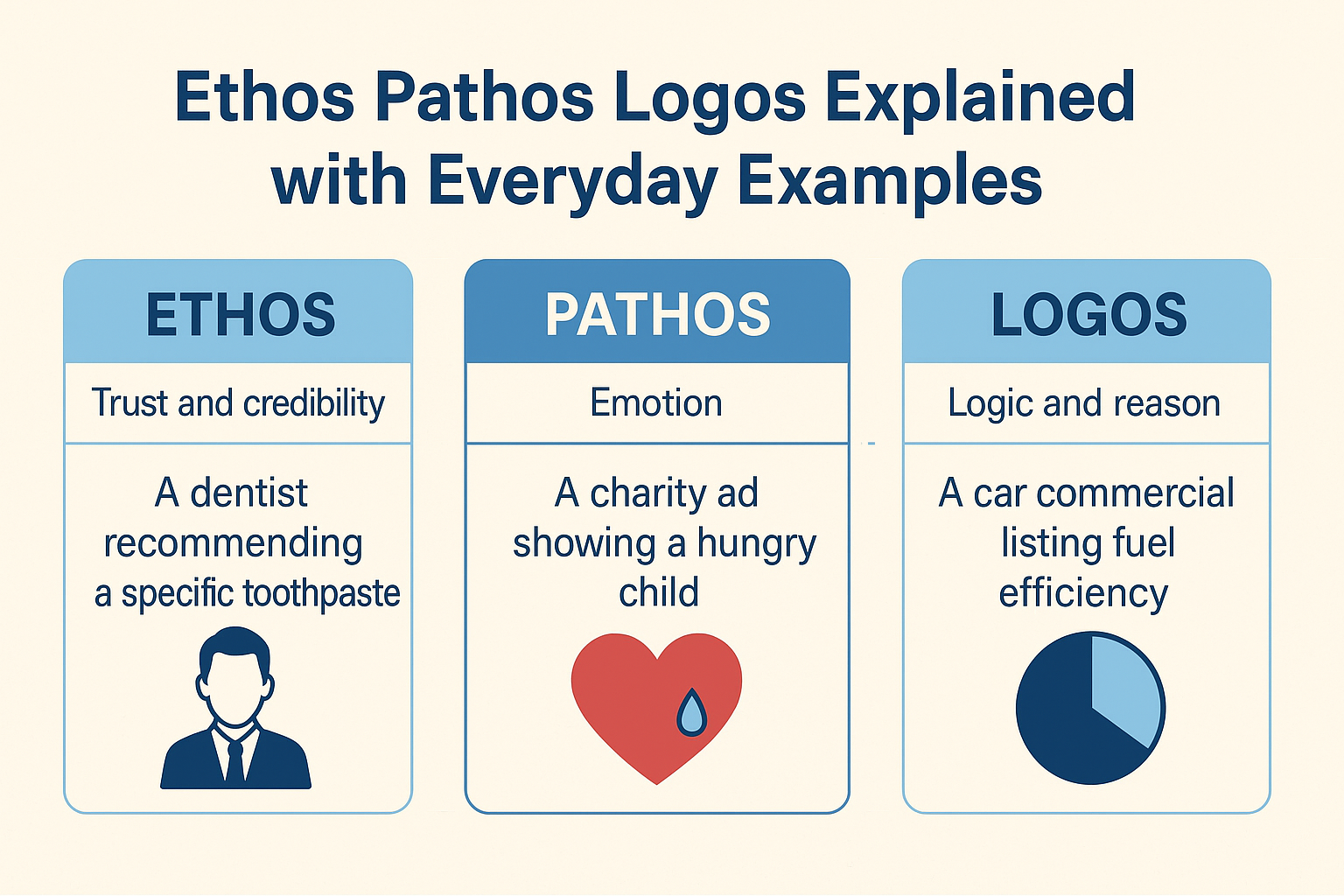
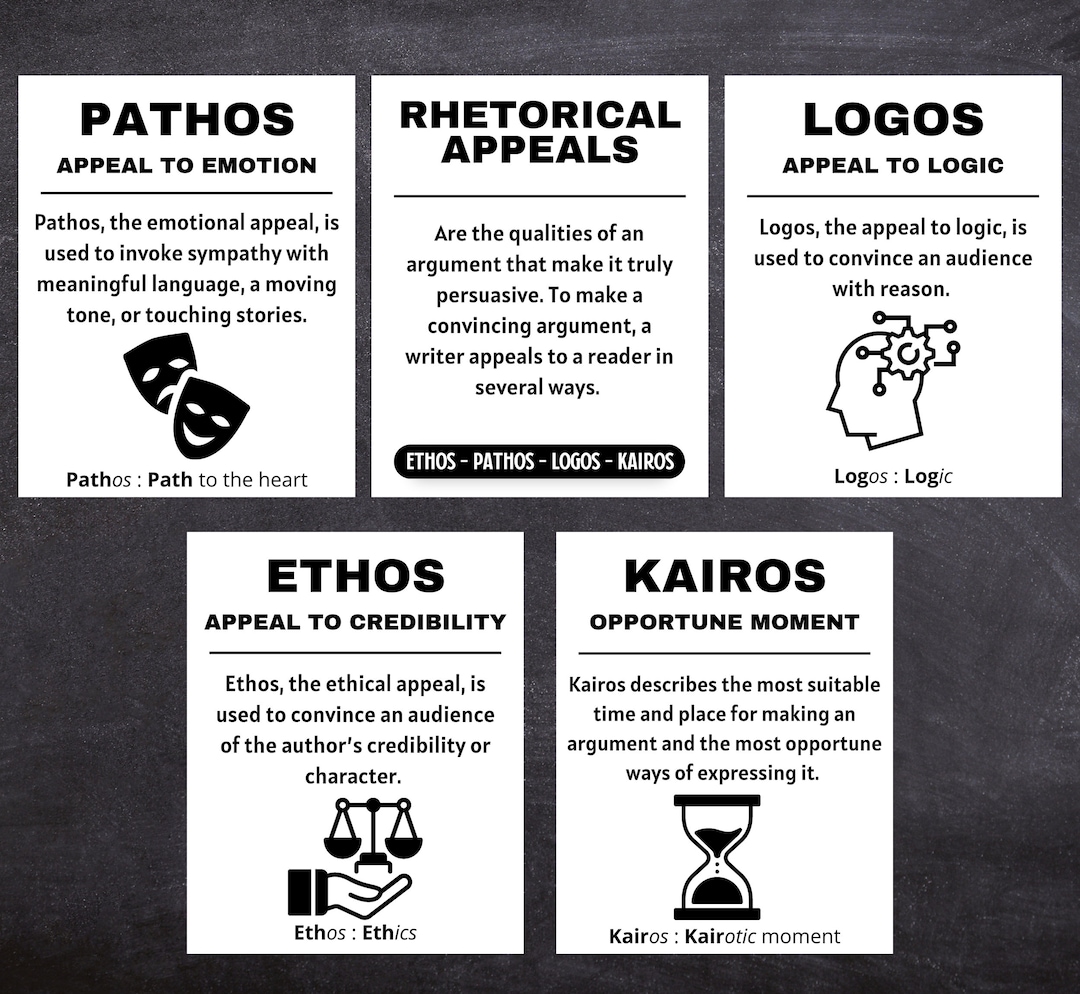
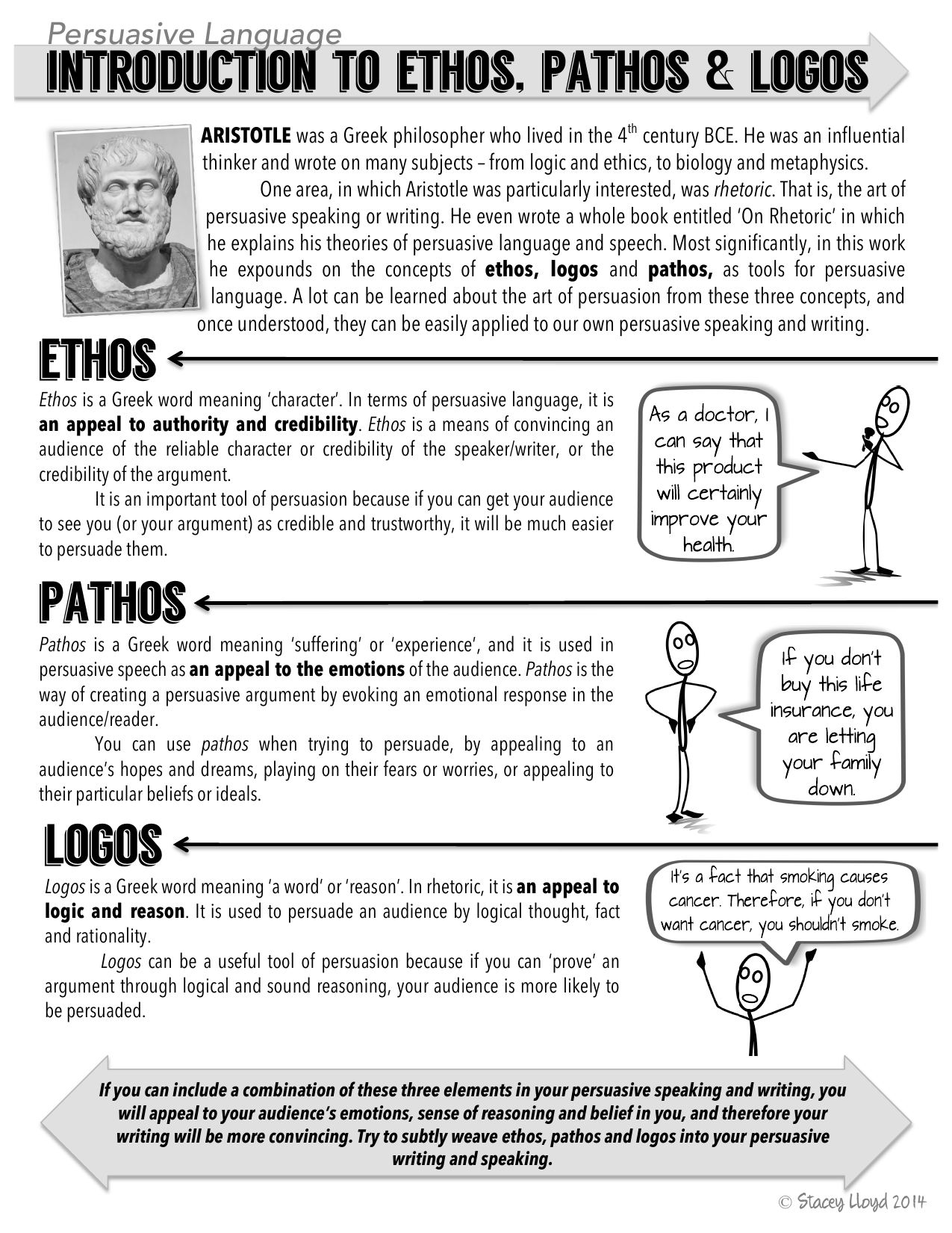
In the grand theater of debate, three actors steal the spotlight. Ethos, Pathos, and Logos—often called the “ethos pathos logos”—are the dynamic trio that turns a bland paragraph into a captivating narrative. Think of them as your Swiss Army knife: each tool serves a different purpose, but together they conquer any rhetorical challenge.
Ethos: Credibility That Wins
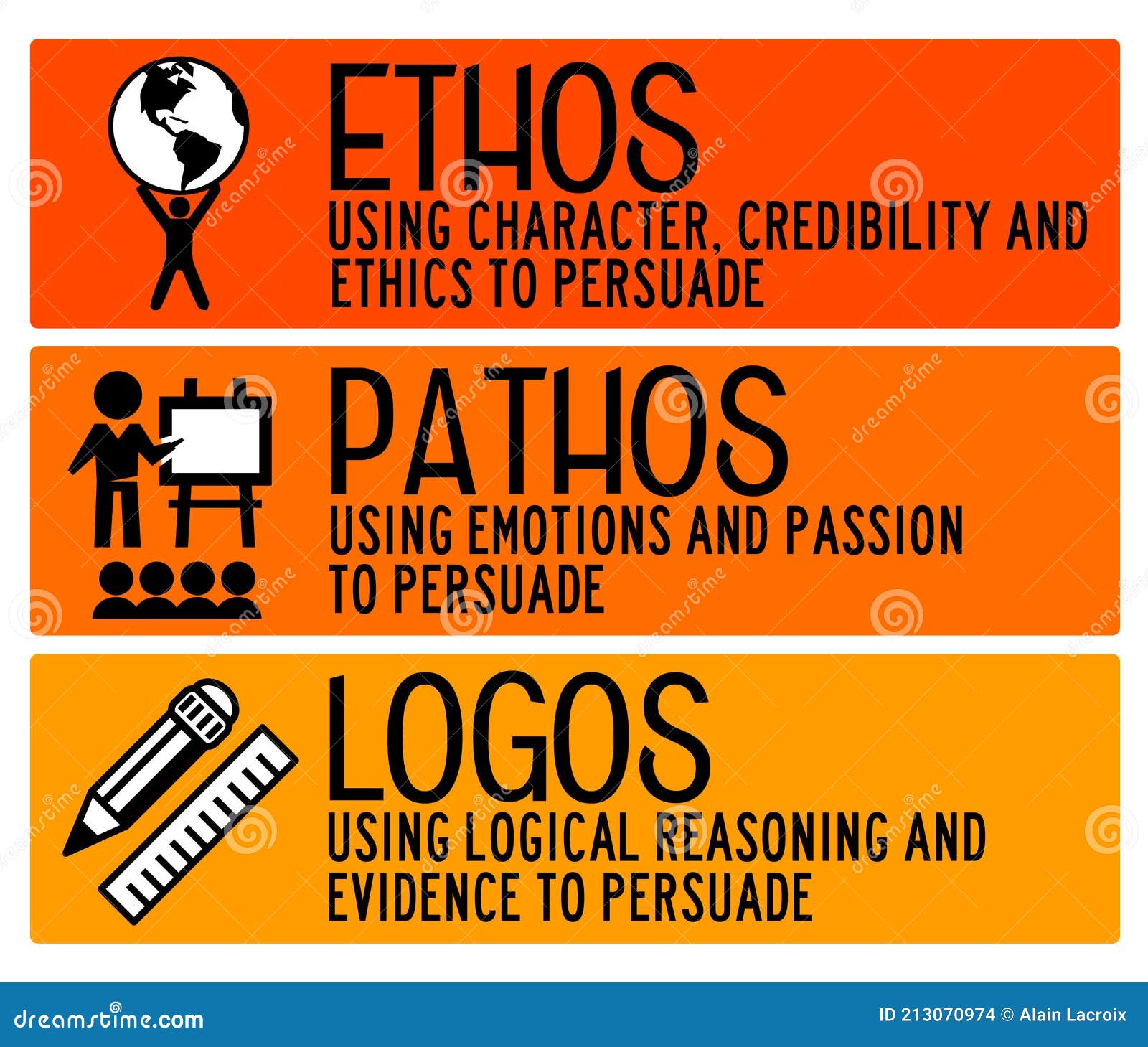
Ethos is the “I am trustworthy” signal you send to the crowd. It’s about your credentials, reputation, and the subtle way you present yourself. A well-crafted ethos can instantly lower defenses, making listeners more receptive to your message. For instance, if you’re presenting a new health app, citing peer-reviewed studies and your own medical background instantly boosts confidence.
Pathos: Emotion to the Rescue
Pathos is the emotional engine. It pulls at heartstrings, triggers laughter, or even rattles the bones. Whether you’re selling a product or rallying for a cause, a touch of pathos turns data into stories. Remember the famous “I’m a Boy” advertisement that made millions cry? That’s pure pathos in action—an emotional hook that stays with people long after the ad ends.
Logos: Logic That Persists
Logos is the rational backbone—facts, statistics, and logical reasoning. Without logos, you’re just an emotional puppet. A clean, well-structured argument backed by numbers keeps skeptics on your side. Think of a corporate presentation where you use a chart to show quarterly growth—logos convinces, but the right ethos and pathos make the numbers memorable.
How to Use the Worksheet Effectively

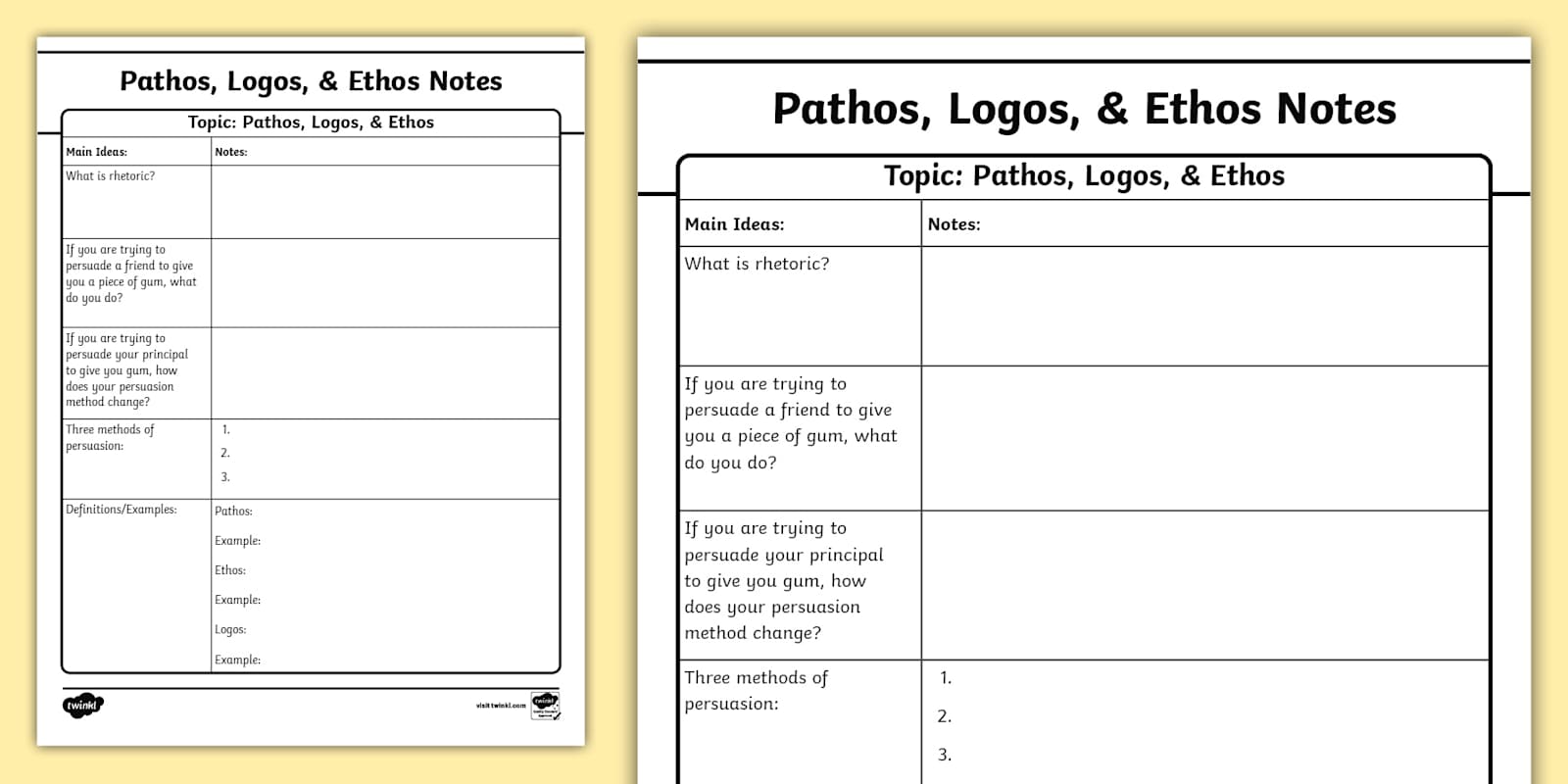
Now that you’ve met the stars, it’s time to learn how to let them shine. A great worksheet is your rehearsal space, letting you rehearse the perfect blend before the big day.
Step 1: Gather Your Evidence
Fill the first section of your worksheet with all the raw data you have. List every statistic, quote, or anecdote you plan to use. Don’t stop at the obvious; dig into case studies, user testimonials, or even your own personal stories that illustrate the point. The more varied your sources, the stronger your ethos and logos will appear.
Step 2: Identify Your Target Audience
Audience is everything. Write down their demographics, values, and pain points in the worksheet’s audience profile section. Knowing whether you’re speaking to investors, high-schoolers, or a group of skeptical politicians determines how you’ll balance ethos, pathos, and logos.
Step 3: Craft Your Three Pillars
Divide the worksheet into three columns—Ethos, Pathos, Logos. For each point you want to make, decide which pillar is most appropriate. Fill each cell with a concise statement or question that will guide your speech. For instance:
- Ethos: “As a former CEO of a Fortune 500 company, I’ve seen how….”
- Pathos: “Imagine waking up each morning knowing you’re saving….”
- Logos: “Our data shows a 27% increase in efficiency after adoption.”
Once the matrix is complete, you can quickly see where each element lands and ensure no pillar is overused.
Real-World Examples That Make You LOL
Humor is the seasoning that keeps your audience awake and engaged. Below are some real-world examples where the trio performed a flawless dance—and occasionally a comedic stumble.
Marketing Campaigns Gone Right
Consider a brand that launched a “Free Coffee” promotion. The ethos came from a certified barista’s endorsement. Pathos? The heartwarming story of a student paying for coffee to support a struggling family. Logos was the statistical claim: “Customers who received free coffee are 15% more likely to purchase a latte.” The mix created buzz that trended on social media and, best of all, increased sales by 12%.
Debates in the Classroom
High school debate teams often use the worksheet to structure arguments. One team argued for renewable energy, using the ethos of respected environmental scientists, pathos of future generations’ safety, and logos of cost savings. Their balanced approach earned them the best rebuttal award—thanks to the worksheet’s clear framework.
Political Speeches You Didn’t Know
When a charismatic politician delivered a speech about healthcare reform, they leaned heavily on ethos by citing their medical training, pathos by sharing personal stories of patients, and logos by presenting budget forecasts. The speech went viral, and the worksheet’s structure was the secret sauce—though the politician never mentioned it.
Common Mistakes (and How to Dodge Them)

No worksheet is perfect until you start using it. Here are pitfalls to avoid, complete with witty warnings.
Overloading with Facts
Too many numbers can overwhelm. Remember the myth: “the more data, the better.” Reality: a single powerful statistic is often enough if you back it up with ethos and pathos. If you notice a section of your worksheet crowded with numbers, trim it down to the headline figure that will resonate most.
Using Emotions That Backfire
Pathos is powerful, but misuse can backfire. Using overly sentimental language or crying can make the audience feel patronized. Keep emotions relevant to the point and avoid melodrama—think subtlety over spectacle. A simple, genuine smile often outperforms an over-the-top tearjerker.
Neglecting Credibility
Ethos is the foundation. If your audience doubts your expertise, no amount of pathos or logos will persuade. Ensure your credentials are visible—mention your experience, cite reputable sources, or even provide a quick link to your professional profile. A missing ethos row in the worksheet is a sign you’re skipping a crucial step.
Printable Tips to Keep Your Worksheet Fresh

Printing a worksheet might feel outdated, but a tangible sheet keeps the creative juices flowing. Here are some quick hacks to keep your worksheet both practical and visually engaging.
Color Coding Your Sections
Use highlighters or colored pens: green for ethos, blue for logos, and pink for pathos. The visual differentiation makes it easier to see the balance at a glance. When you step back, the color-coded worksheet becomes a quick cheat sheet for your next presentation.
Quick Review Checklist
At the bottom of your worksheet, create a mini checklist:
- ✔️ All three pillars represented?
- ✔️ One key emotional hook per argument?
- ✔️ Data points verified and cited?
- ✔️ Credibility statement included?
Before you hit the podium, run through the list. If any item is missing, you’re ready to adjust.
Conclusion: Mastering Persuasive Power
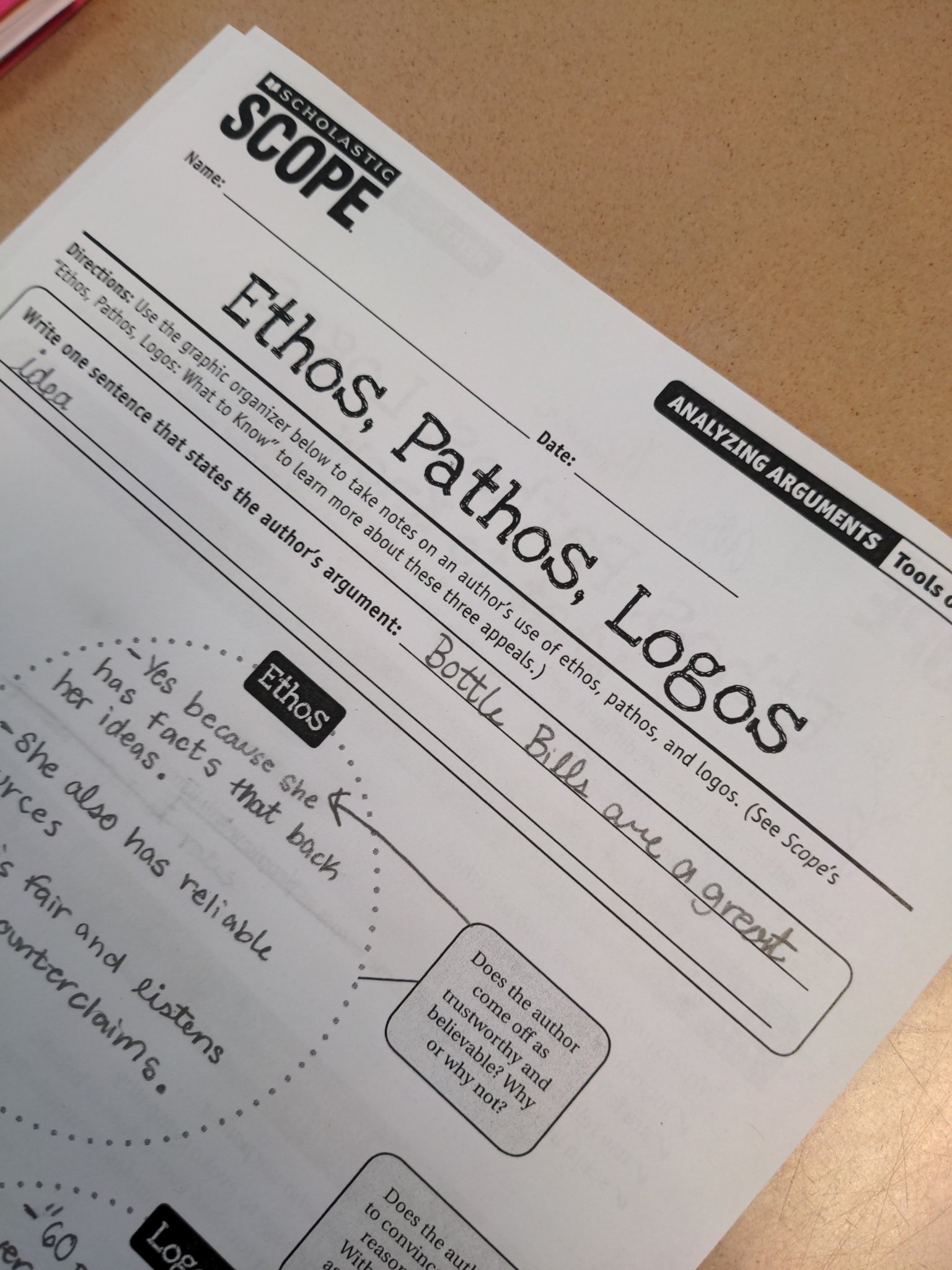
Armed with a solid Ethos Pathos Logos Worksheet, you’re no longer guessing where to drop a punchline or a statistic. You’re strategically layering credibility, emotion, and logic into a single, coherent narrative that captivates, convinces, and sticks. The worksheet is your backstage pass to persuasive mastery: it forces clarity, balances elements, and ensures you hit every emotional and rational beat. So next time you face a room full of skeptical ears, remember that three simple columns—each filled thoughtfully—can turn your words into an unforgettable performance. Now go forth, rehearse, and let your arguments shine like the spotlight of a Broadway show. Your audience will thank you, and your credibility will rise higher than a soufflé on a perfect day. Happy persuading!