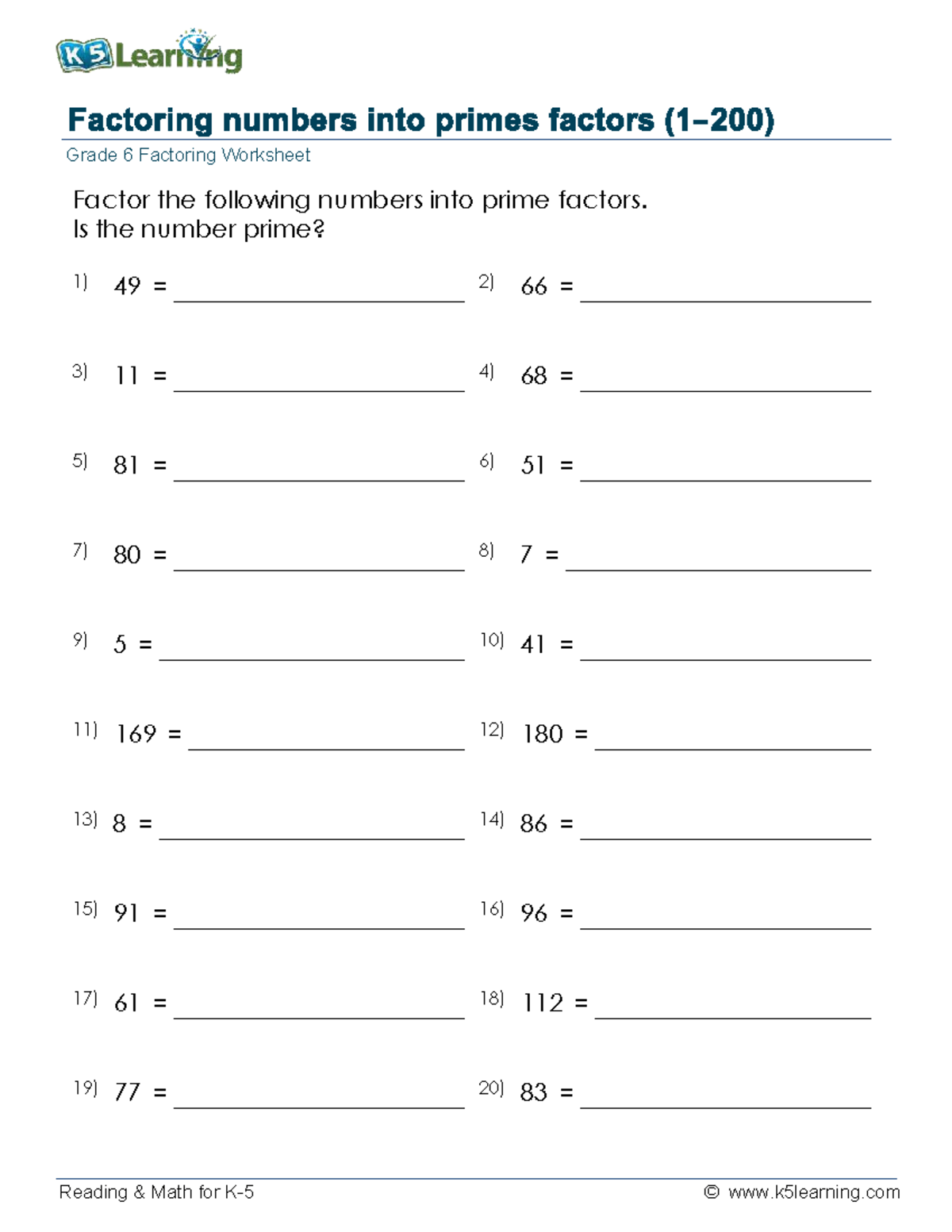
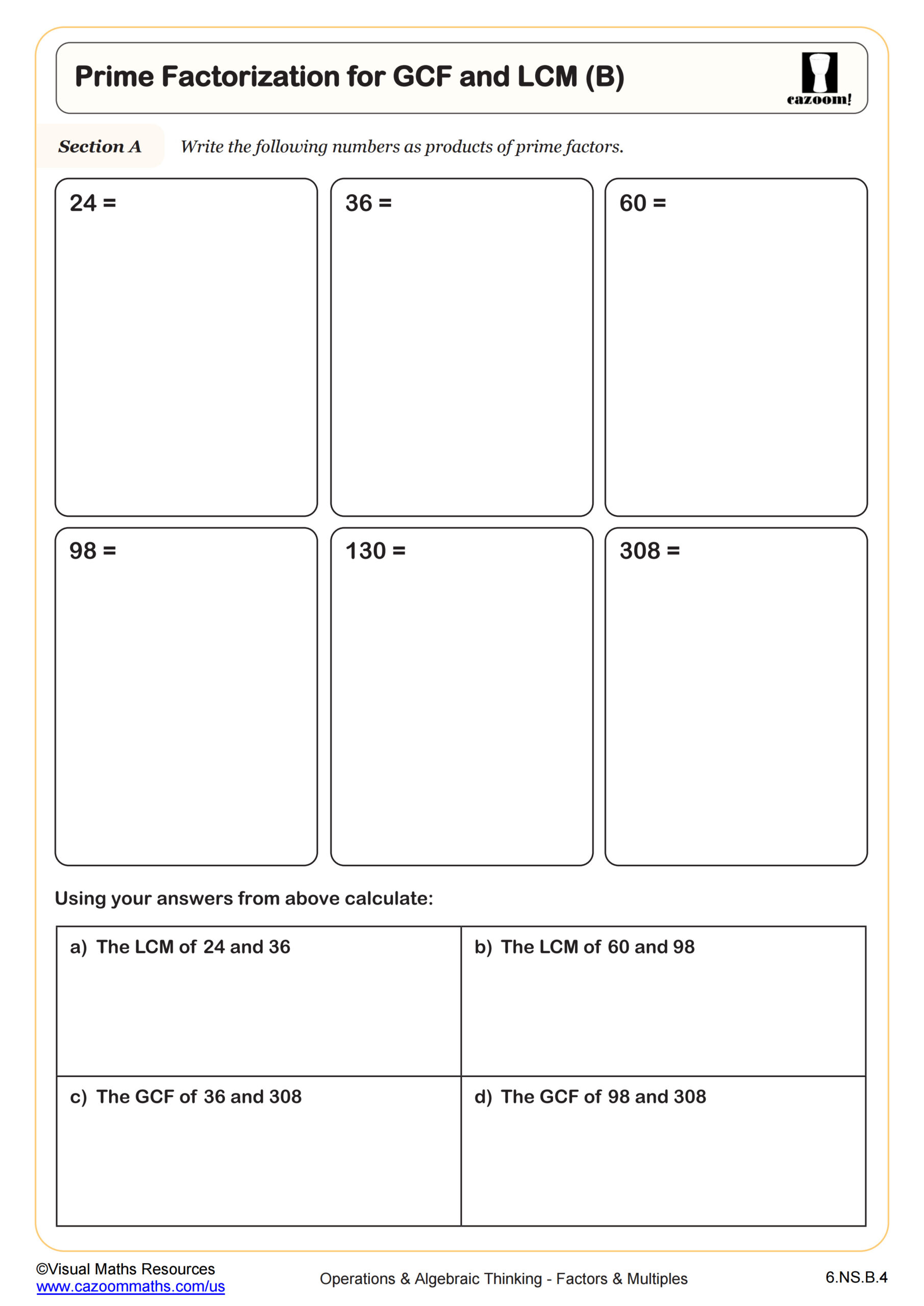
Factors And Prime Factorization Worksheets serve as powerful tools to transform abstract mathematical concepts into tangible learning experiences for students. By guiding learners through the process of breaking down numbers into their prime components, these worksheets help build a solid foundation in number theory, sharpen problem‑solving skills, and prepare students for higher‑level math topics such as algebra, geometry, and calculus. Whether you’re a classroom teacher, a homeschooling parent, or a self‑learner, incorporating well‑structured factorization activities can make the journey from basic multiplication to complex prime analysis engaging and memorable.
Why Prime Factorization Matters in Everyday Math

Understanding Prime Numbers and Their Role
Prime numbers—those greater than one that have no divisors other than 1 and themselves—are the building blocks of the integer world. Recognizing the unique prime factorization of any integer, as stated by the Fundamental Theorem of Arithmetic, equips students with a systematic way to analyze and manipulate numbers. For instance, knowing that 60 can be expressed as 2 × 2 × 3 × 5 not only reveals its internal structure but also demonstrates how composite numbers derive from primes.
Applications from Cryptography to Simplifying Fractions
Prime factorization has practical applications far beyond the classroom. In cryptography, the security of many encryption algorithms, such as RSA, hinges on the difficulty of factoring large composite numbers. In daily life, teachers use prime factorization to simplify fractions, find common denominators, and solve problems involving greatest common divisors (GCD) and least common multiples (LCM). By mastering factorization, students can tackle real‑world problems like determining the most efficient packing of items or scheduling recurring events with shared periods.
Getting Started: How to Use a Prime Factorization Worksheet

Key Components of a Good Worksheet
A quality factorization worksheet typically includes:
- A clear instruction section outlining the goal (e.g., “Find the prime factorization of the following numbers.”)
- Gradually increasing difficulty: starting with simple numbers like 12, then progressing to larger composites such as 5040.
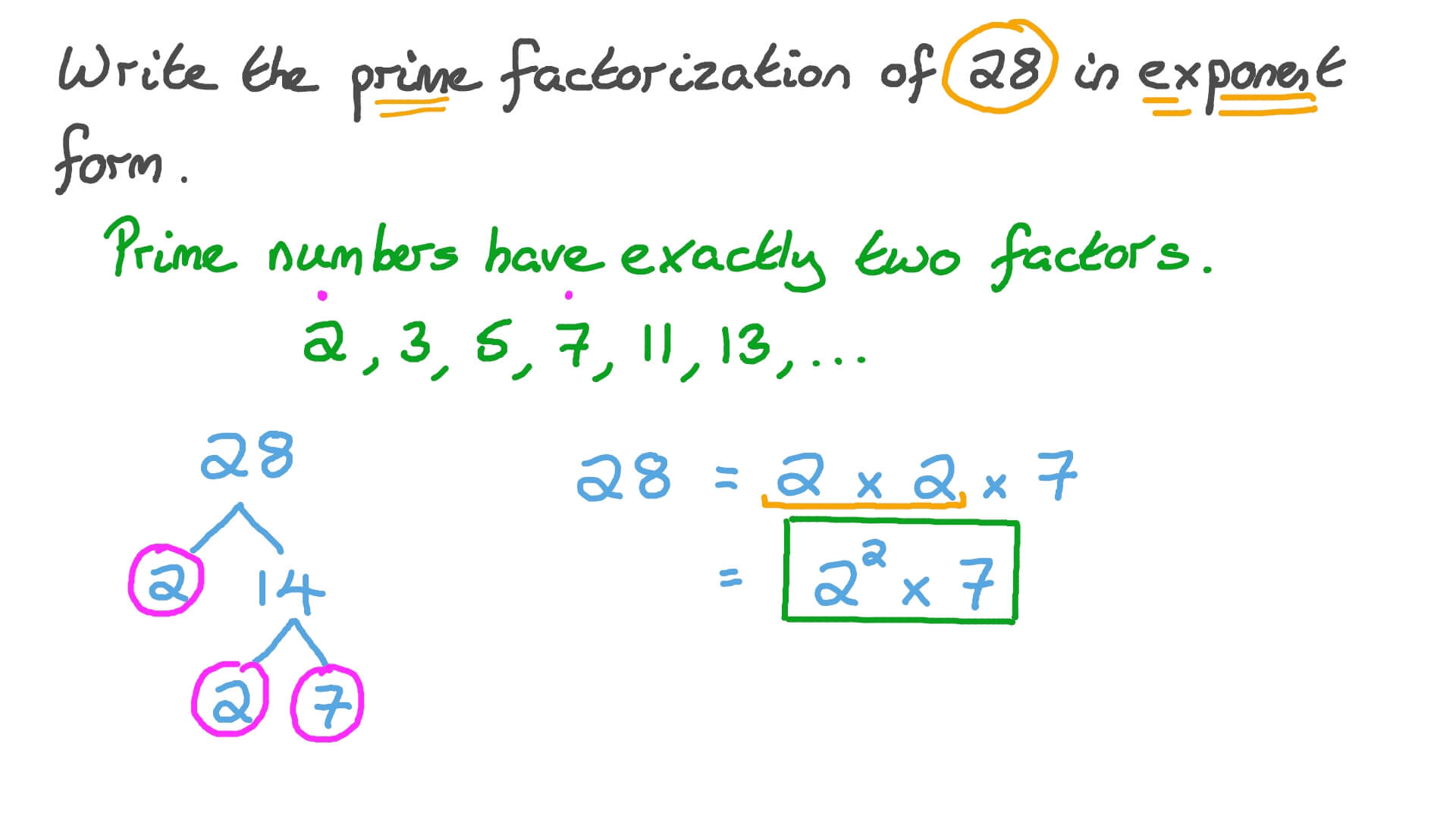
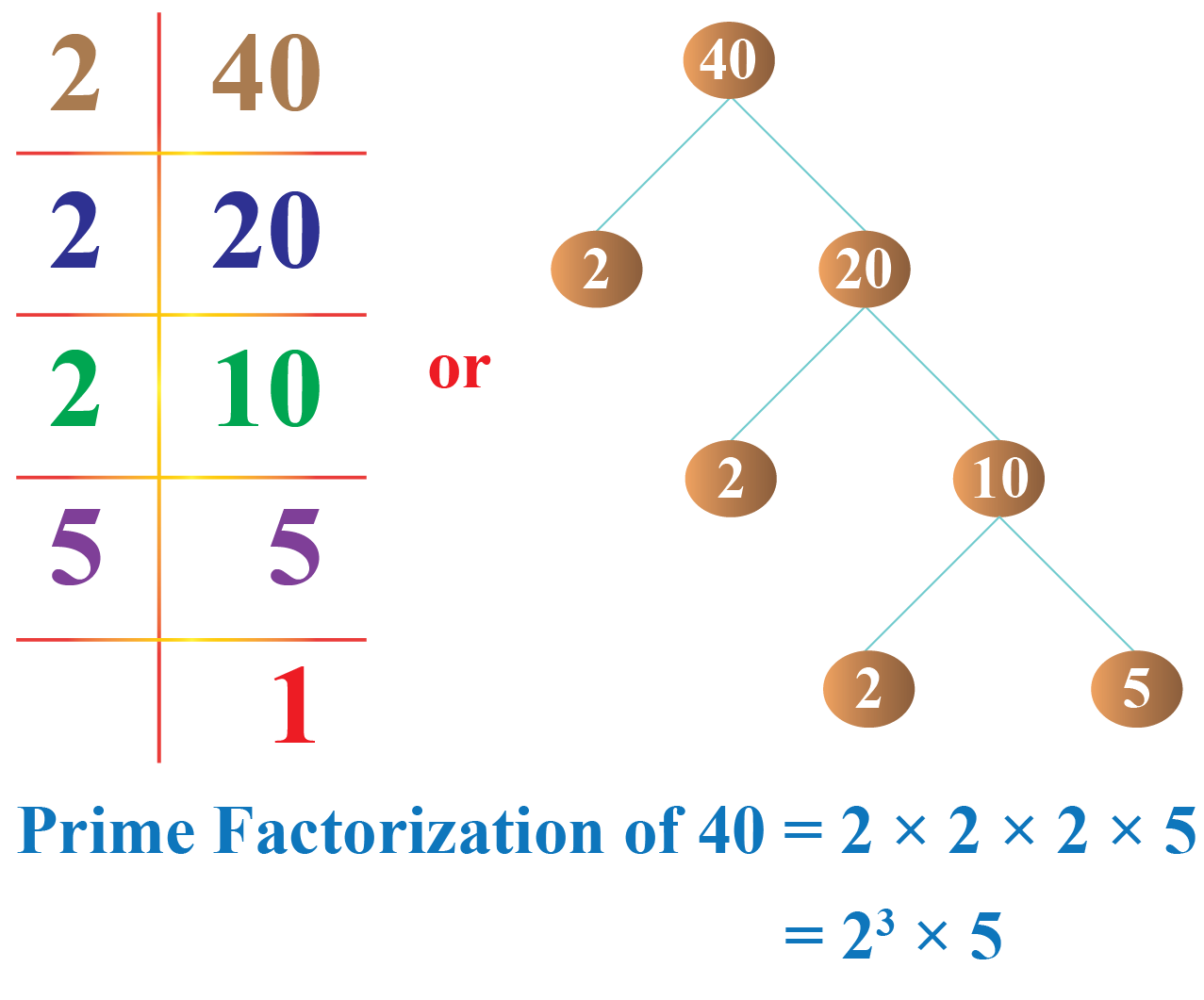
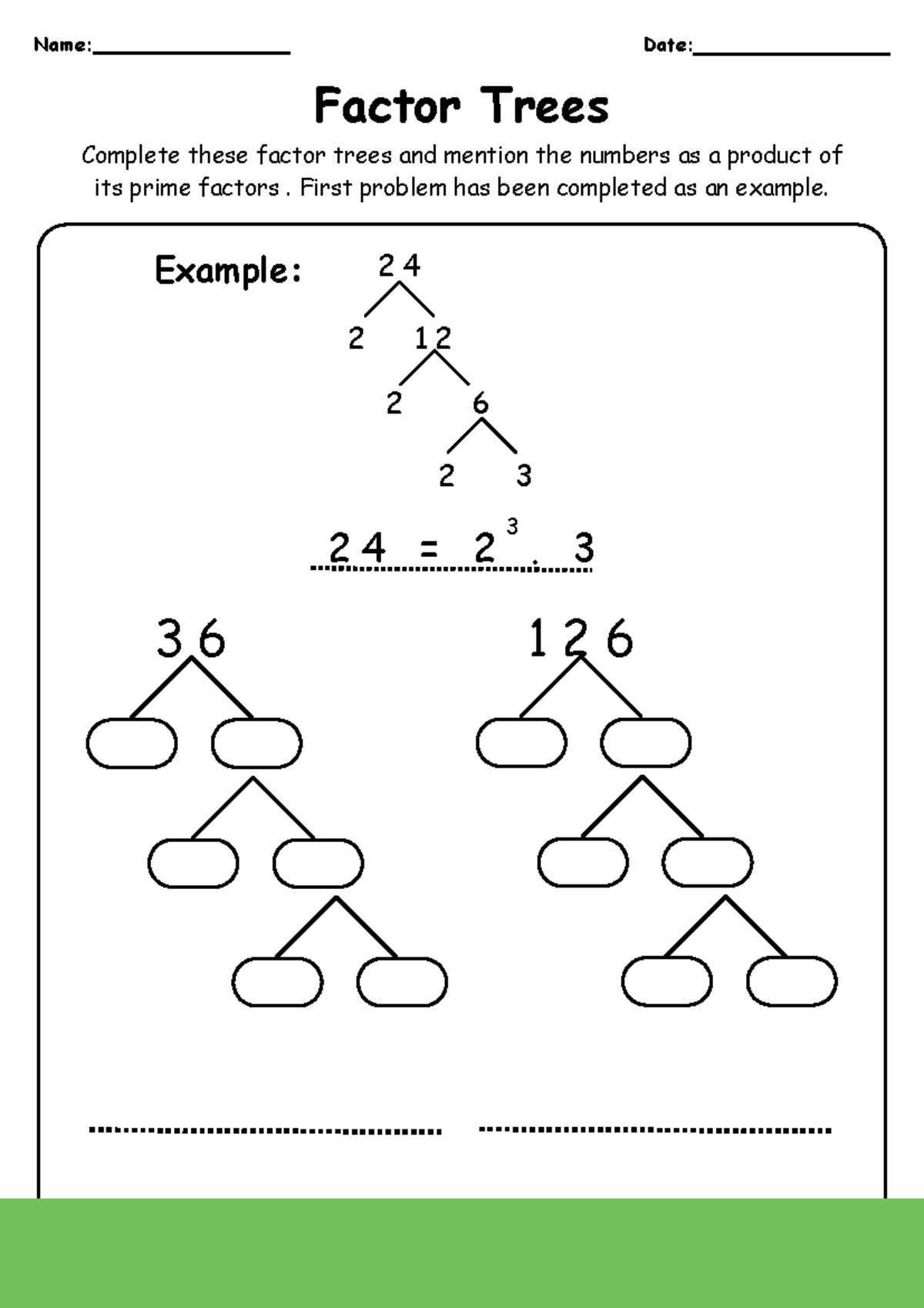
- Visual aids such as factor trees or multiplication tables to assist students who are more visual learners.
- Space for students to write intermediate steps, encouraging a methodical approach rather than a single final answer.
- Answer keys or hints for self‑check and independent learning.
Step‑by‑Step Example of a Sample Worksheet Question
Consider the problem: Factor 168 into its prime components. A teacher can guide students with these steps:
- Identify the smallest prime divisor (2) and divide 168 by 2 → 84.
- Repeat with 84: 84 ÷ 2 = 42.
- Continue: 42 ÷ 2 = 21.
- Now 21 is not divisible by 2, test 3: 21 ÷ 3 = 7.
- Finally, 7 is a prime number, so the factorization is 2 × 2 × 2 × 3 × 7.
Providing this step‑by‑step template helps students internalize the method and reduces frustration when tackling harder numbers.
Common Challenges and How to Overcome Them

Misconceptions About Multiples and Factors
Many students mistakenly believe that every composite number is divisible by 4 or 9. Worksheets that explicitly highlight counterexamples—such as 25 or 49—teach the importance of testing each prime divisor systematically. Introducing a quick “divisibility rule” checklist on the worksheet can reinforce correct approaches.
Strategies for Memorizing Small Prime Numbers
Memorization of the first few primes (2, 3, 5, 7, 11, 13, 17, 19) is essential. Interactive worksheets that require students to match primes with their multiples, or to create a “prime bingo” grid, can make this memorization active and fun. Repeating the primes in spaced intervals within the worksheet keeps the information fresh.
Using Visual Aids and Color Coding
Color coding each prime factor in a factor tree can visually separate the components, making the decomposition easier to follow. For example, all factors of 2 might be highlighted in blue, factors of 3 in green, and so on. Visual patterns emerge quickly, aiding memory and reinforcing the uniqueness of prime factorization.
Practical Tips for Teachers and Parents

Integrating Worksheets into Lesson Plans
Begin with a brief demonstration of factor trees on the board. Follow this with a guided practice session where students fill in a worksheet under supervision. Transition to independent work by gradually reducing prompts, allowing students to rely more on their own logic. Conclude with a quick review or a “pair‑share” discussion where students explain their reasoning.
Assessment Ideas and Grading Rubrics
Design rubrics that reward accuracy, methodical progression, and clarity of written steps. For example:
- Full points for a correct factorization and correctly written intermediate steps.
- Partial points for correct final answer but missing steps.
- Deduct points for skipping steps or misidentifying factors.
Using such rubrics helps students understand not only the end result but also the process, reinforcing mathematical thinking.
Free Resources and Printable Worksheets
Finding High‑Quality PDFs for Students
Numerous educational websites offer downloadable, print‑ready worksheets that cover a range of difficulty levels. Selecting materials with clear instructions and ample space for work ensures that learners can practice thoroughly. When choosing resources, look for worksheets that include a variety of question types: simple prime factorizations, LCM/GCD problems, and real‑world scenario prompts.
Customizing Worksheets for Different Grade Levels
Adapt worksheet complexity by adjusting the range of numbers:
- Grade 5: numbers up to 100, emphasis on recognizing small prime factors.
- Grade 7: numbers up to 500, introduction to factor trees.
- Grade 9: larger composites and integration with algebraic concepts such as simplifying radicals.
Adding contextual stories—such as “Bob has 48 marbles, how many groups of equal size can he form?”—keeps worksheets relevant and engaging.
Real‑World Projects to Reinforce Factor Skills
Building a Simple Cryptographic Cipher
Introduce a basic RSA‑like algorithm where students generate public and private keys using small primes. Provide worksheets that guide them through selecting primes, calculating the modulus, and understanding how factorization underpins the security. This project bridges the gap between abstract factorization and modern technology.
Calculating the Least Common Multiple in Everyday Shopping
Pose a scenario: “You’re planning a group pizza night. If each pizza is sliced into 8 pieces and each friend wants a different number of slices—4, 6, 12—what is the least number of slices you need to order so everyone gets a whole number of slices?” Students use prime factorization to find the LCM, turning math into a practical decision‑making exercise.
Conclusion
Factors And Prime Factorization Worksheets are more than routine drills; they unlock a deeper appreciation of numbers, support critical thinking, and provide a scaffold for advanced mathematical concepts. By thoughtfully designing worksheets, addressing common challenges, and linking factorization to real‑world contexts, educators and parents can create an enriching learning environment that empowers students to see mathematics as a dynamic, problem‑solving tool rather than a set of rote procedures. Embracing these resources ultimately builds confidence, cultivates analytical skills, and prepares learners for the challenges of modern STEM disciplines.