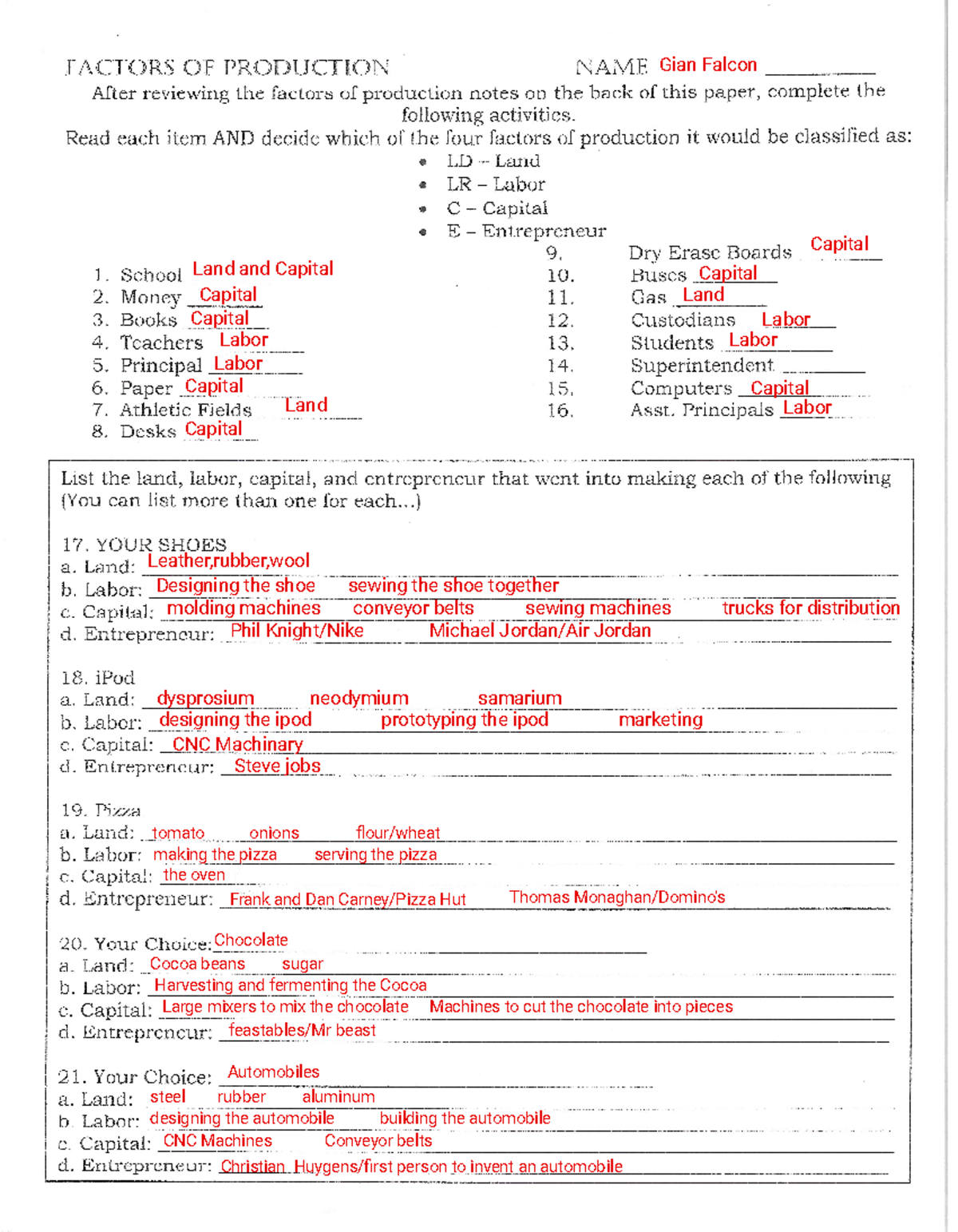
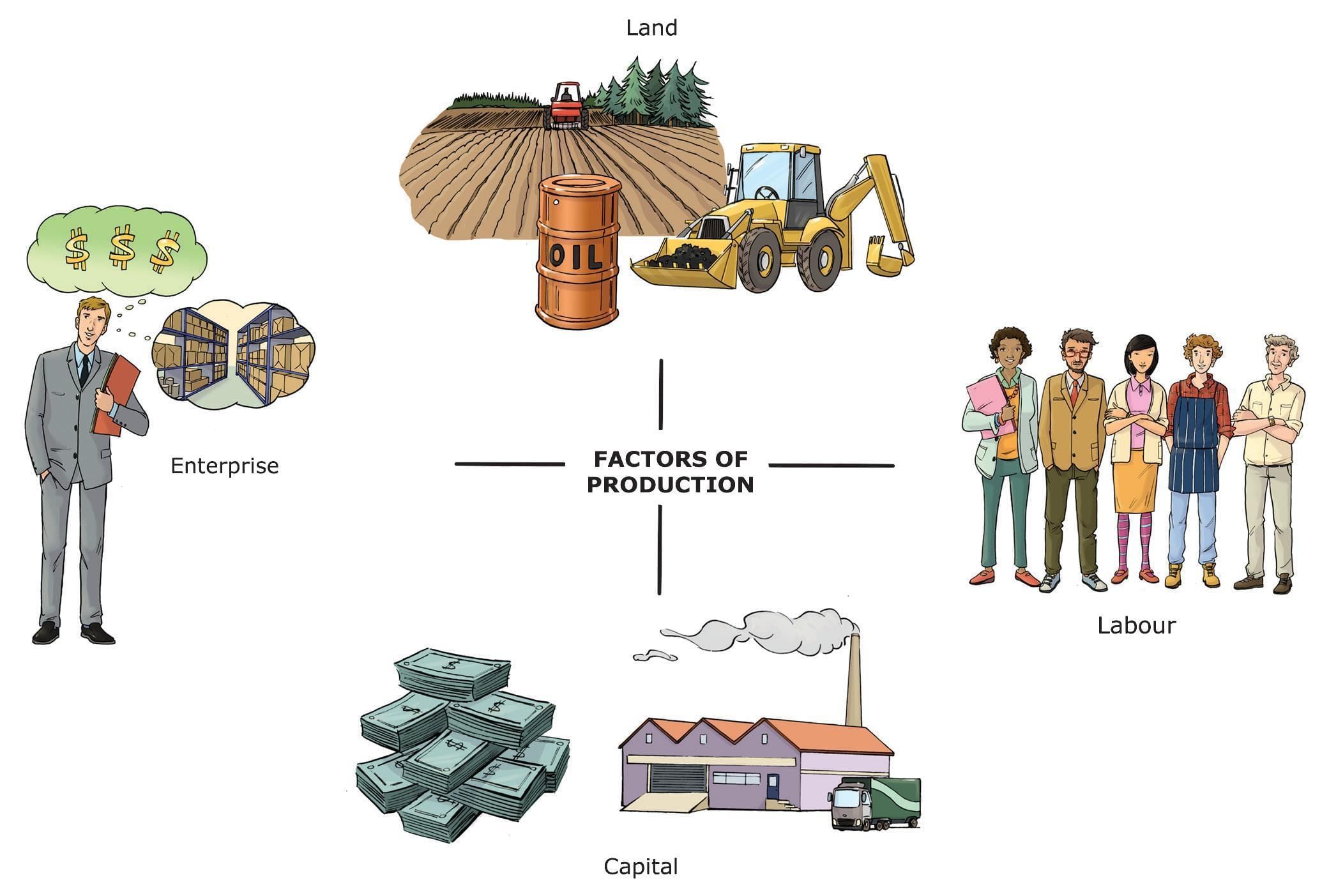
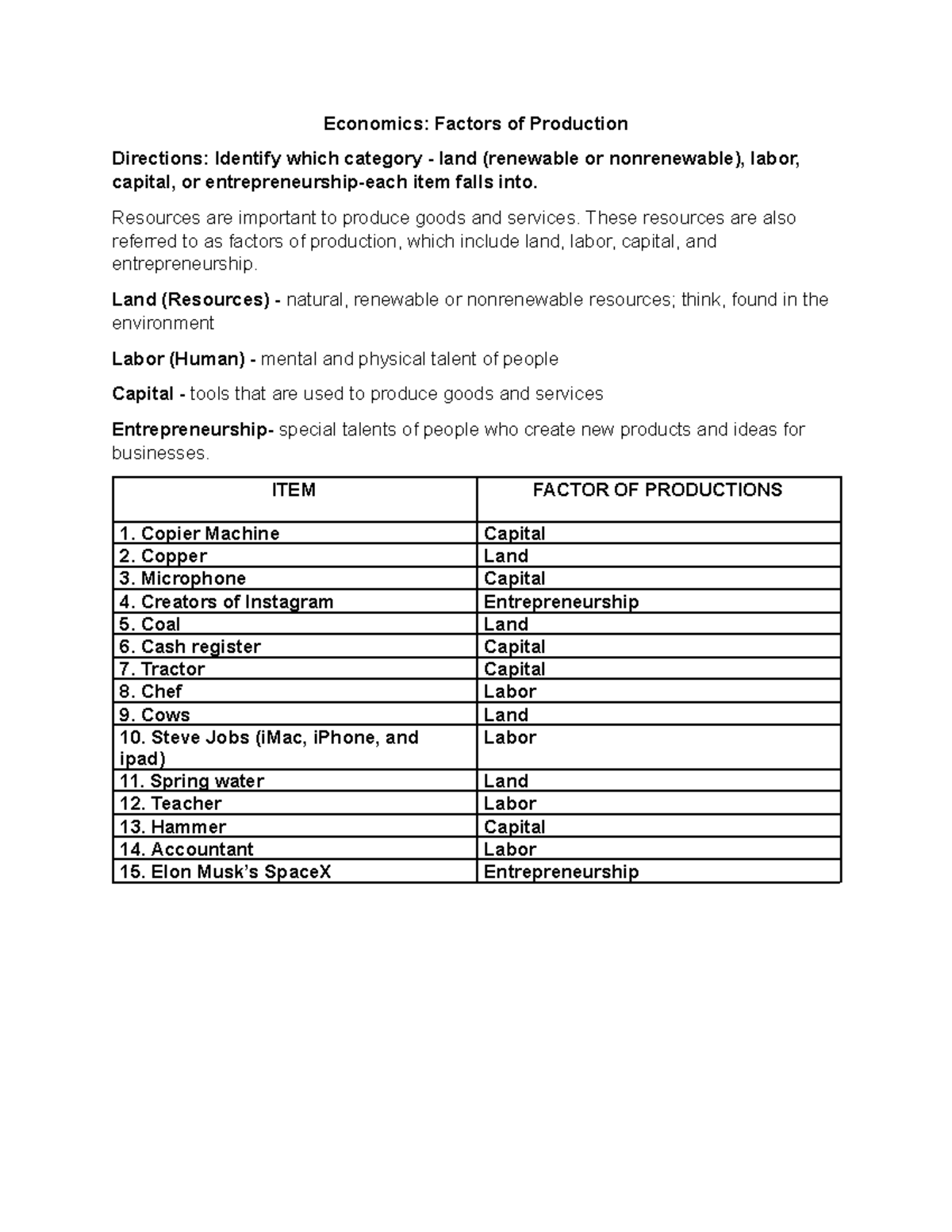
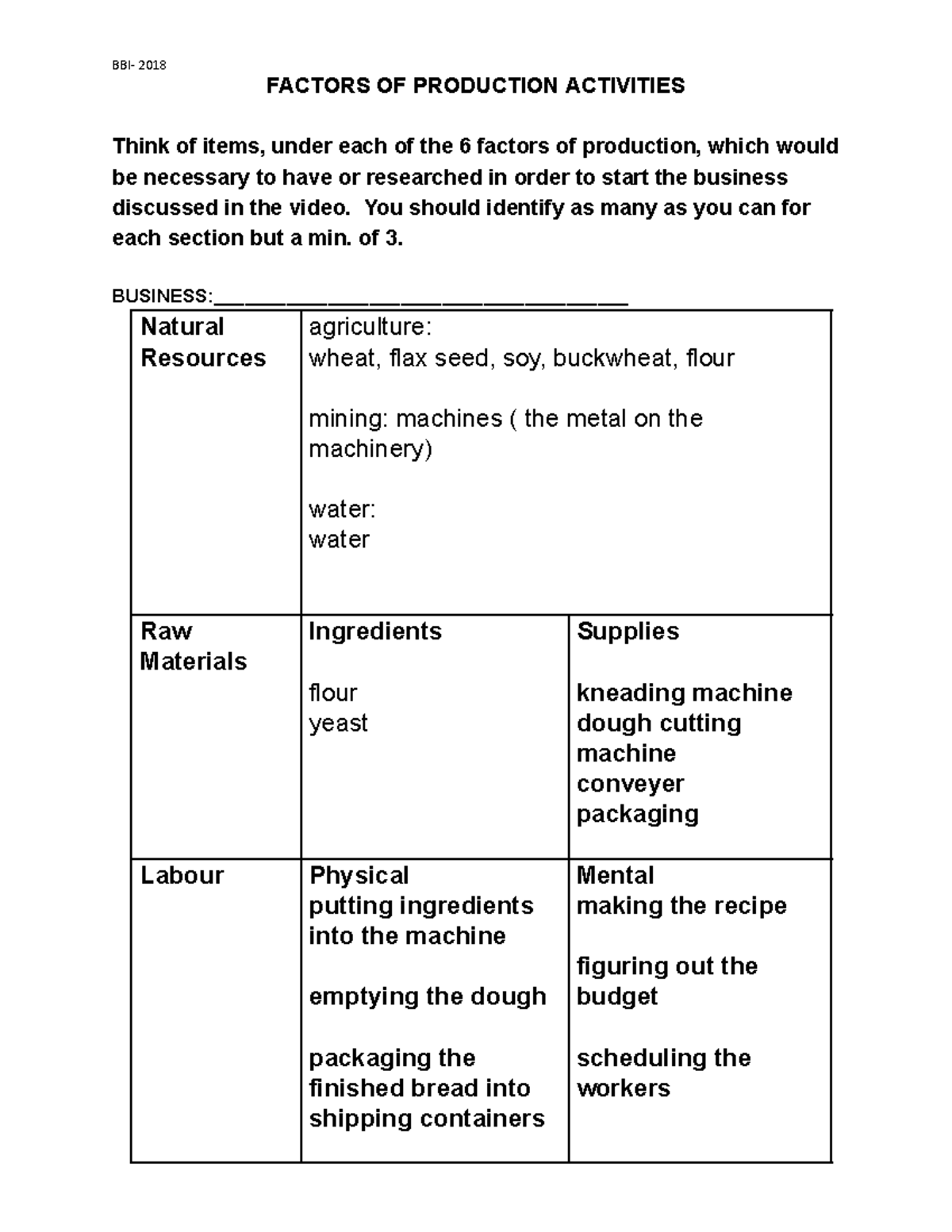
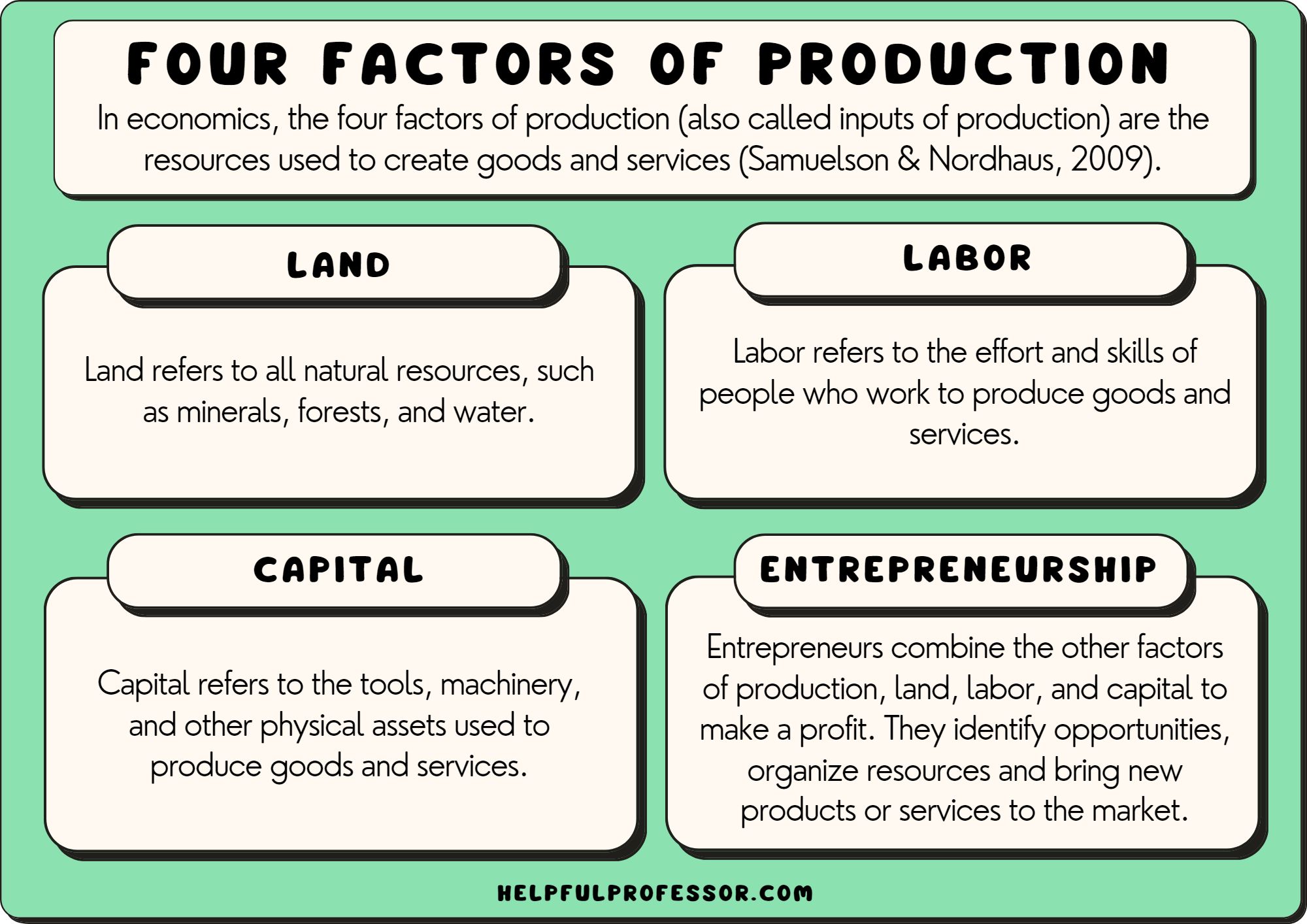
Factors Of Production Worksheet is a powerful tool for students and educators alike, turning abstract economic concepts into interactive, hands‑on learning. By guiding learners through the essential inputs that fuel every market—land, labor, capital, and entrepreneurship—this worksheet transforms a dry lecture into a vibrant exploration of how resources shape our world.
Understanding the Four Key Inputs

The heart of any production story lies in the four classic factors. Let’s break each down with real‑world flavor so that the worksheet’s questions resonate beyond textbook definitions.
Land
From fertile plains to digital bandwidth, land represents the natural resources we draw upon. In a worksheet, students often match types of land—agricultural, mineral, or mineral—and assess their impact on production costs. Encourage them to think of a local farm or an urban parking lot as tangible examples that reveal land’s role in shaping economic output.
Labor
Labor isn’t just about the number of workers; it’s the blend of skills, experience, and innovation that drives efficiency. Worksheets can prompt analysis of wage trends, workforce diversity, or the shift from manual to automated labor. A practical exercise might involve calculating how a new training program improves productivity per hour.
Capital
Capital refers to the tools, machinery, and infrastructure that enhance production. A worksheet could ask learners to evaluate how investment in renewable energy equipment changes a company’s cost structure, or how technology upgrades shift the capital-labor ratio. By visualizing capital flows, students grasp how financial decisions ripple across the economy.
Entrepreneurship
Entrepreneurship is the spark that turns resources into viable businesses. Worksheets often highlight the risk, vision, and managerial skill that differentiate a startup from a commodity producer. Students might chart a case study of a local entrepreneur, mapping how innovation and opportunity creation affect the overall production process.
Key Elements of a Robust Worksheet

To maximize learning, a well‑crafted Factors of Production Worksheet should weave together theory, application, and critical thinking.
Clear Learning Objectives
Begin each worksheet with concise goals: “Identify the role of each factor,” “Compare production efficiencies,” or “Analyze real‑time case studies.” Objectives keep questions targeted and provide a quick reference for assessment.
Mixed Question Types
Include multiple‑choice prompts for foundational facts, matching exercises to connect concepts, and short-answer problems that demand analysis. For instance:
- Multiple Choice: Which factor is most affected by technological change?
- Matching: Pair each example (e.g., “hydroelectric dam”) with its corresponding factor.
- Short Answer: Explain how labor shortages influence production costs in the tech industry.
Real‑World Data Integration
Anchoring worksheet content to current statistics—such as recent GDP contributions of each factor—helps students see relevance. Provide charts or tables that students can interpret, fostering data literacy alongside economic understanding.
Collaborative Activities
Pairing or group tasks encourage dialogue. A worksheet segment could task teams with designing a mini‑business plan, assigning land, labor, capital, and entrepreneurship roles, then presenting their projected output. Collaboration mirrors real‑world business dynamics, reinforcing the interconnectedness of the factors.
Step‑by‑Step Guide to Mastering the Worksheet

Here’s a practical approach that students can follow to excel:
Step 1: Read the Prompt Carefully
Each question often begins with a scenario. Pause and underline keywords—“investment,” “resource depletion,” or “skill development.” Understanding context is critical before diving into calculations or analysis.
Step 2: Identify the Relevant Factor
Ask: Which input is being questioned? For a scenario about a factory expanding production, focus on capital and labor. Label the answer clearly to avoid confusion during grading.
Step 3: Apply the Concept
Use formulas or logic. For cost‑benefit questions, compute the return on investment: (Benefit ÷ Cost) × 100. For resource allocation, apply the principle of diminishing returns, noting when adding more of a factor no longer boosts output.
Step 4: Illustrate with Examples
Whenever possible, tie your answer back to a concrete instance—such as a local bakery’s use of leased ovens (capital) or a farmer’s seasonal labor shifts. Concrete references solidify abstract theories.
Step 5: Review and Reflect
Before submitting, double‑check calculations, ensure every question is answered, and reflect on how the factors interrelate in your scenario. Reflection helps cement long‑term understanding.
Common Pitfalls and How to Avoid Them

Students often stumble on misunderstandings that can be easily corrected with mindful practice.
Overlooking Substitution Effects
When labor is scarce, capital can fill the gap—and vice versa. Worksheets that ask “What would happen if labor costs increase?” require students to discuss substitution, not just absolute changes.
Mislabeling Factors
It’s easy to confuse land with capital, especially with infrastructure projects. Encourage students to think about ownership and usage—land is natural, whereas capital is manufactured.
Neglecting Entrepreneurial Influence
Entrepreneurship can amplify or diminish the effectiveness of other factors. A worksheet that ignores market entry barriers may miss how a bold entrepreneur can transform labor dynamics through automation or training.
Real‑World Applications

Using case studies from diverse industries makes the worksheet relevant and memorable.
Agriculture: Sustainable Farming
Students can evaluate how land stewardship, labor training, and capital investment in irrigation technology affect yield and profitability, illustrating the delicate balance of the four factors.
Tech Startups: Silicon Valley Dynamics
Exploring how labor talent, venture capital, and entrepreneurial vision combine to disrupt markets gives learners insight into the high‑tech economy’s unique production model.
Manufacturing: Automation and Human Resources
Assessing how capital‑intensive automation changes labor demand provides a concrete example of the factor substitution principle and its societal implications.
Tips for Educators to Enhance the Worksheet Experience

Teachers can elevate engagement with thoughtful facilitation techniques.
- Pre‑Worksheet Warm‑Up: Begin with a quick discussion of recent economic news that involves one of the factors.
- Interactive Scoring: Allow peer grading on conceptual questions to build collaborative critique skills.
- Real‑Time Data: Incorporate live statistics—like employment rates—to contextualize questions.
- Reflection Journals: Have students write a brief paragraph after the worksheet about how the factors influence their own life choices.
Conclusion
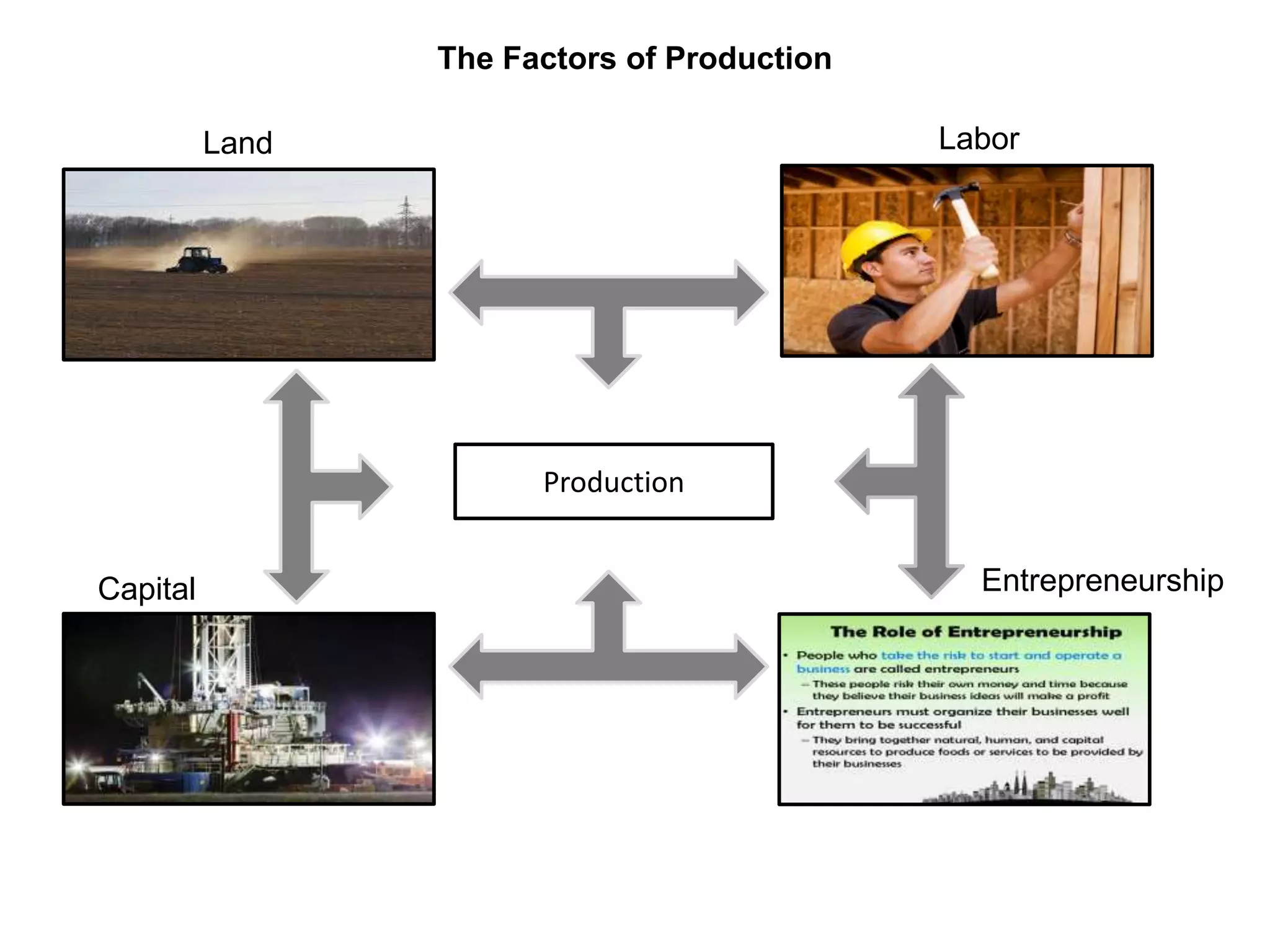
Mastering the Factors Of Production Worksheet equips learners with a lens to analyze everything from a family farm’s output to a multinational corporation’s growth strategy. By dissecting land, labor, capital, and entrepreneurship, students gain a holistic view of economic production, sharpen critical thinking, and develop data‑driven insight. Whether you’re a student tackling the worksheet or a teacher guiding the discussion, the depth of analysis and real‑world connection make this tool a cornerstone of economic education, transforming theory into tangible skill for a future where resource management and innovative thinking are paramount.