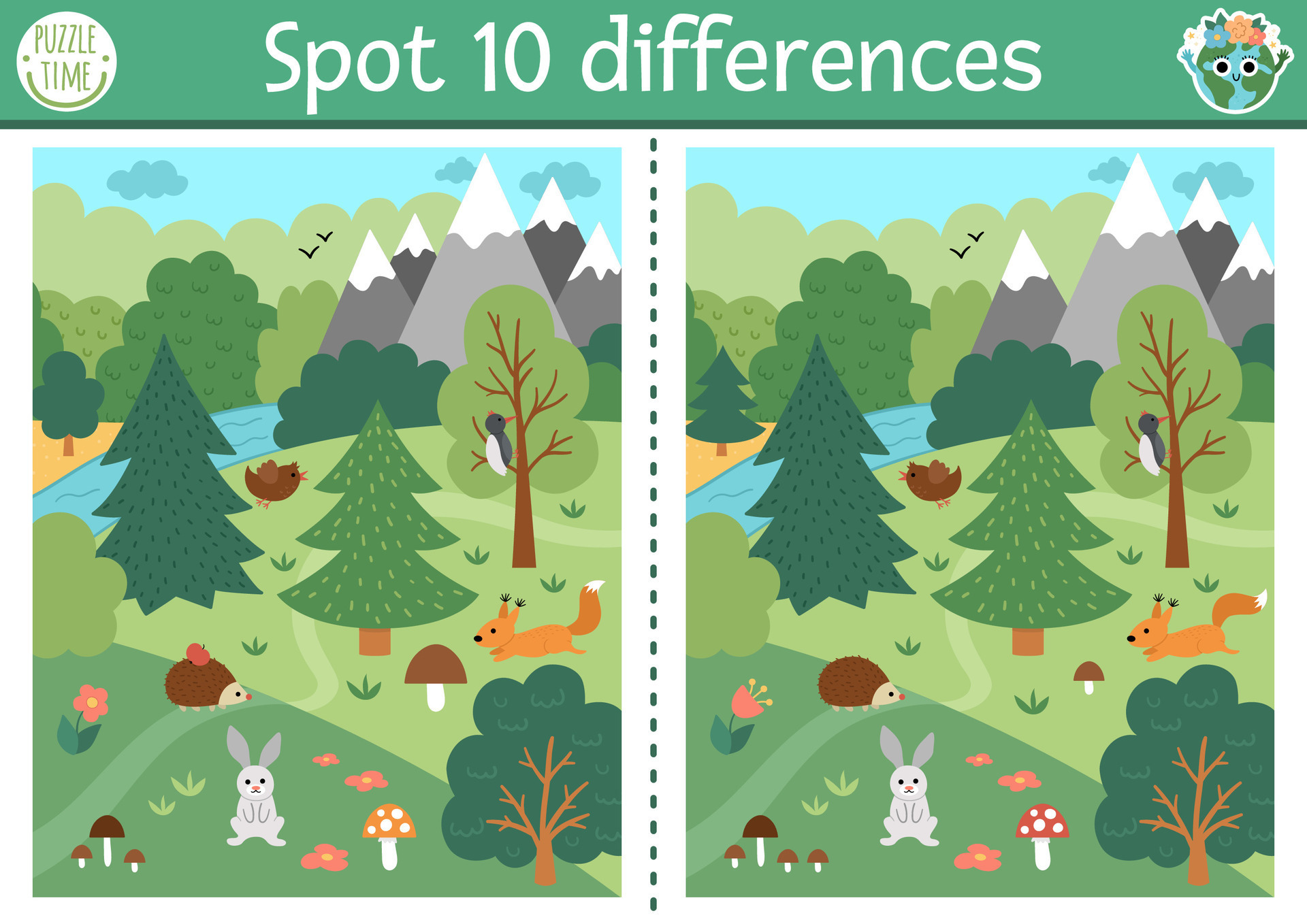
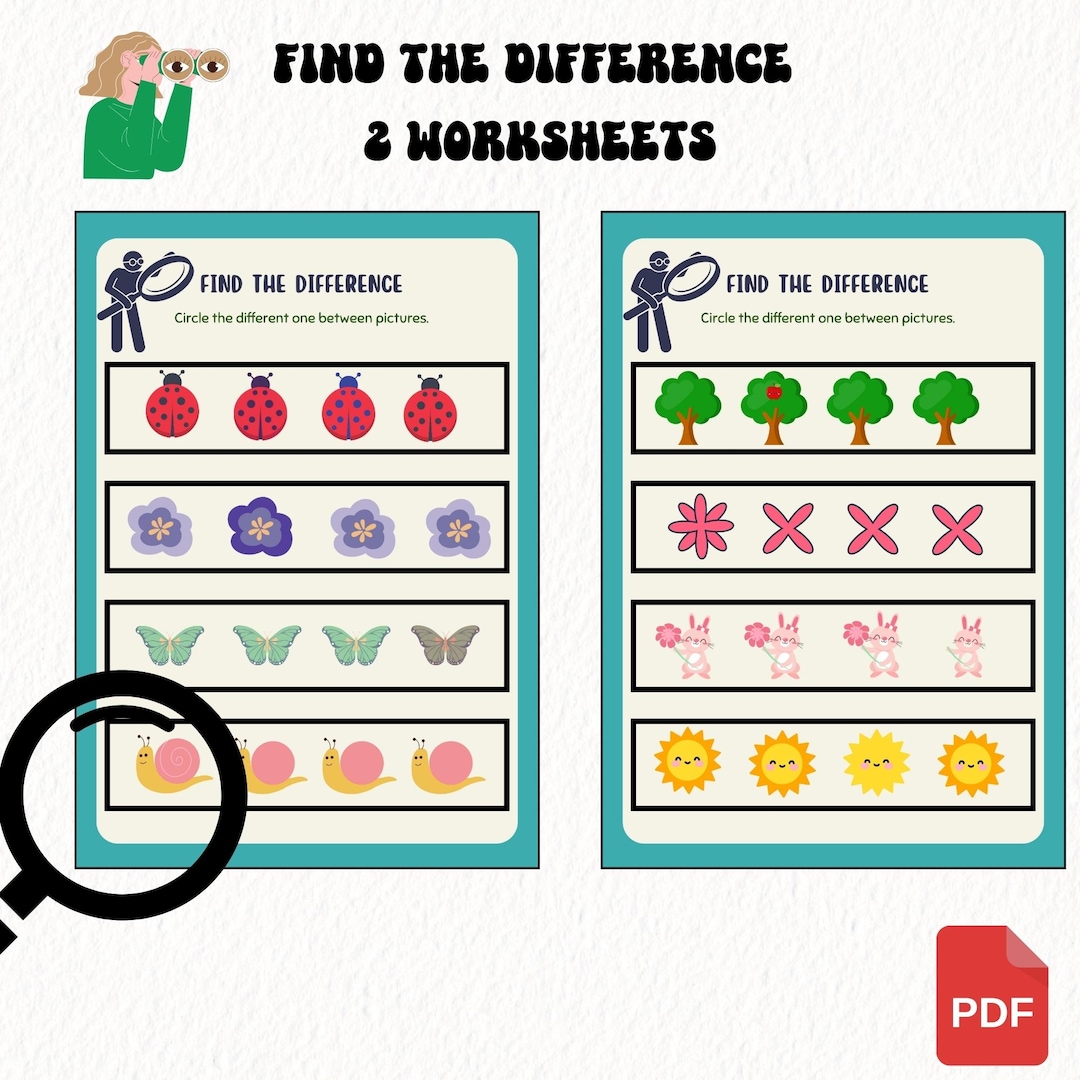
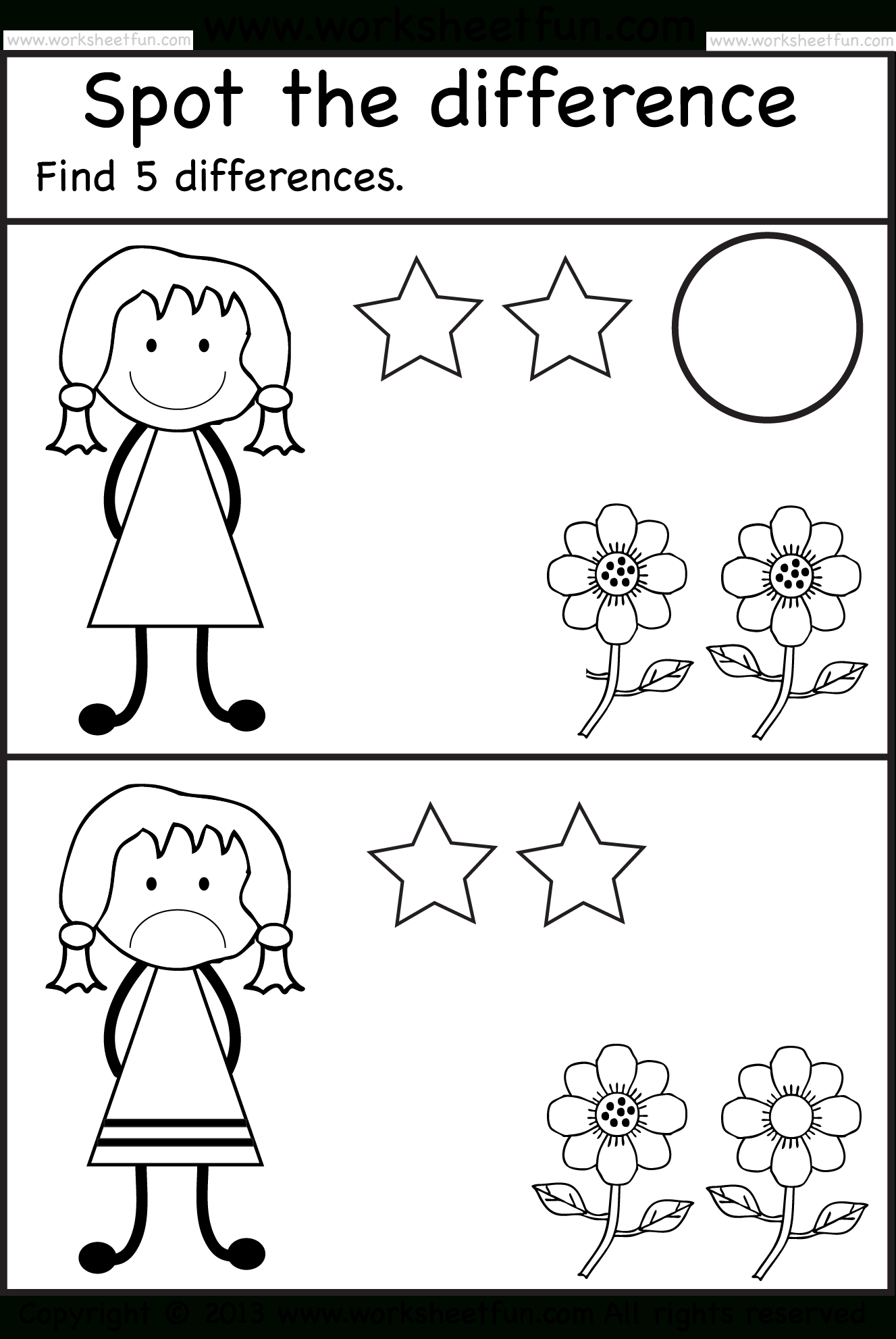
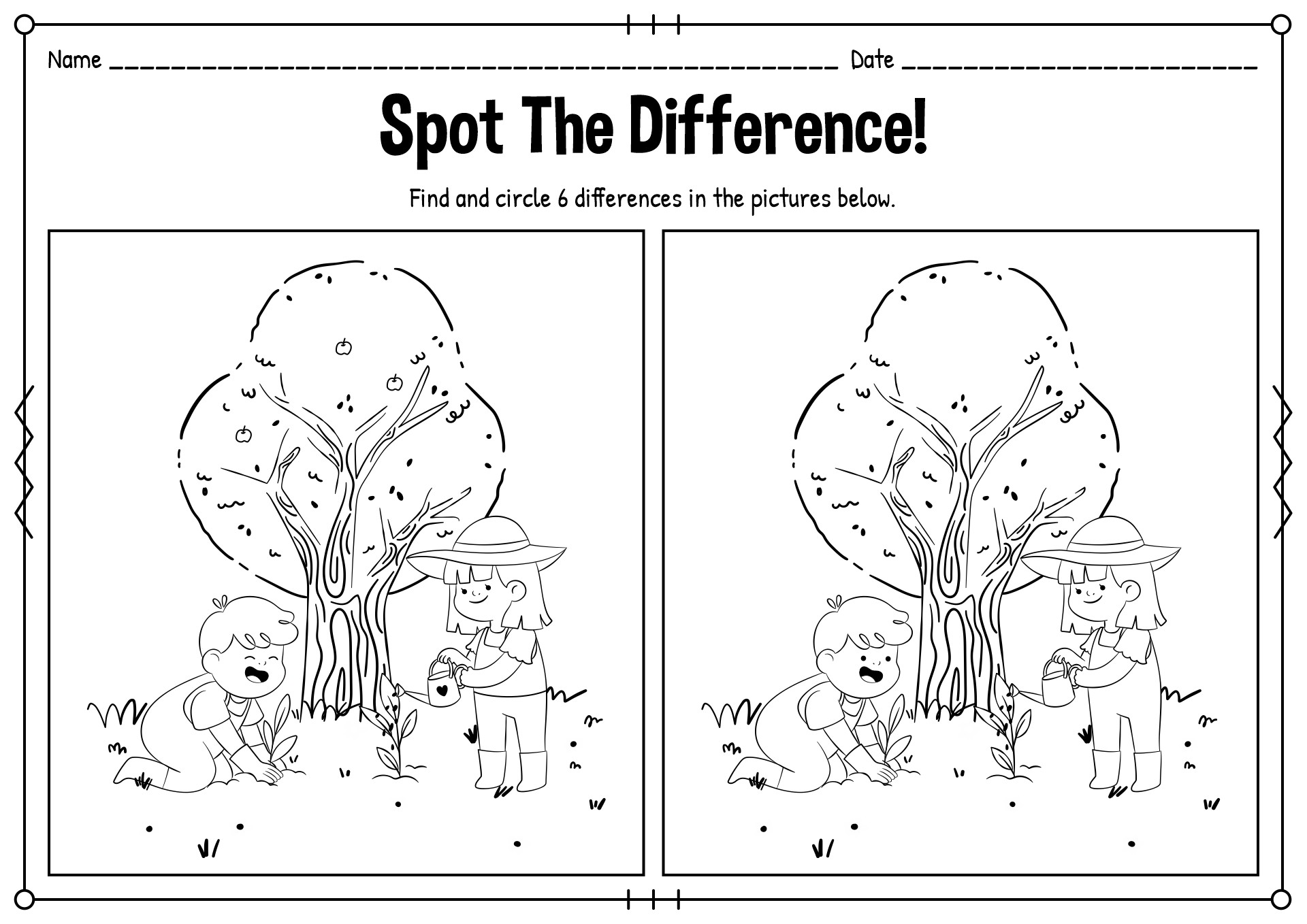
Find The Difference Worksheets are the unsung heroes of mental gymnastics, turning your living room into a miniature arena where the brain flexes its problem‑solving muscles while you giggle at the tiny, mischievous variations that hide in plain sight.
Why These Worksheets Are the Ultimate Brain Gym

Picture this: you’re scrolling through social media, eyes glazed with the endless loop of cat videos and motivational quotes, when suddenly a spark of curiosity hits. You flip on a printout of two seemingly identical images, and the challenge begins. That simple act of spotting differences is a full‑body workout for your mind—your brain’s version of a treadmill, but with less sweat and more fun.
When you stare at those two pictures, your visual cortex engages in a high‑stakes game of “who can spot the smallest change first?” It trains the brain to notice subtle variations, a skill that translates to everyday life—from spotting a typo in an email to catching a typo on a grocery receipt. In short, Find The Difference Worksheets sharpen your observational skills faster than a coffee‑filled morning.
Common Pitfalls and How to Avoid Them

Overloading the Eyes
Many beginners jump straight into the most complex worksheets, only to be overwhelmed by a chaotic collage of color and detail. Start with simpler images that use a limited color palette and fewer elements. Once you master the basics, you’ll find yourself cruising through harder puzzles like a seasoned detective.
Using a Highlighter Instead of a Pen
Highlighters are great for coloring, but they’re terrible for marking tiny differences. A fine‑pointed pen or a mechanical pencil gives you the precision needed to circle that missing feather or extra eye. Don’t let your marker run over the spot you just highlighted; that’s a rookie mistake that costs you time.
Ignoring the “Look Twice” Rule
It’s tempting to think you’ve found every difference after the first sweep. In reality, the brain often skips over the trickiest spots. After your initial scan, go back for a second pass—this time, keep an eye out for subtle changes in texture, lighting, or even the angle of an object.
Creative Ways to Use These Worksheets at Home

Make It a Family Game Night
Turn the activity into a friendly competition. Each family member gets a worksheet, and whoever spots the most differences in the allotted time wins a small prize—a sticky note with a joke, a cookie, or the honor of choosing the next movie. It’s a bonding experience that’s as rewarding as a night at the cinema.
Incorporate It Into a Birthday Party
Invite your friends to a “Spot the Difference” party. Print out a batch of worksheets, provide snacks, and let the guests compete in teams. The winner gets a “Difference Detective” trophy, and you can award participation medals to everyone—because even if they find only one difference, they’re still champions of detail.
Use It as a Quiet Time Activity for Kids
Kids often have endless energy. Give them a worksheet and let them immerse themselves in a quiet challenge that improves concentration. Pair it with a short “storytime” where they explain why they chose certain spots to circle—boosting both visual and verbal skills.
Top 5 Printable Options to Keep Your Brain on Its Toes
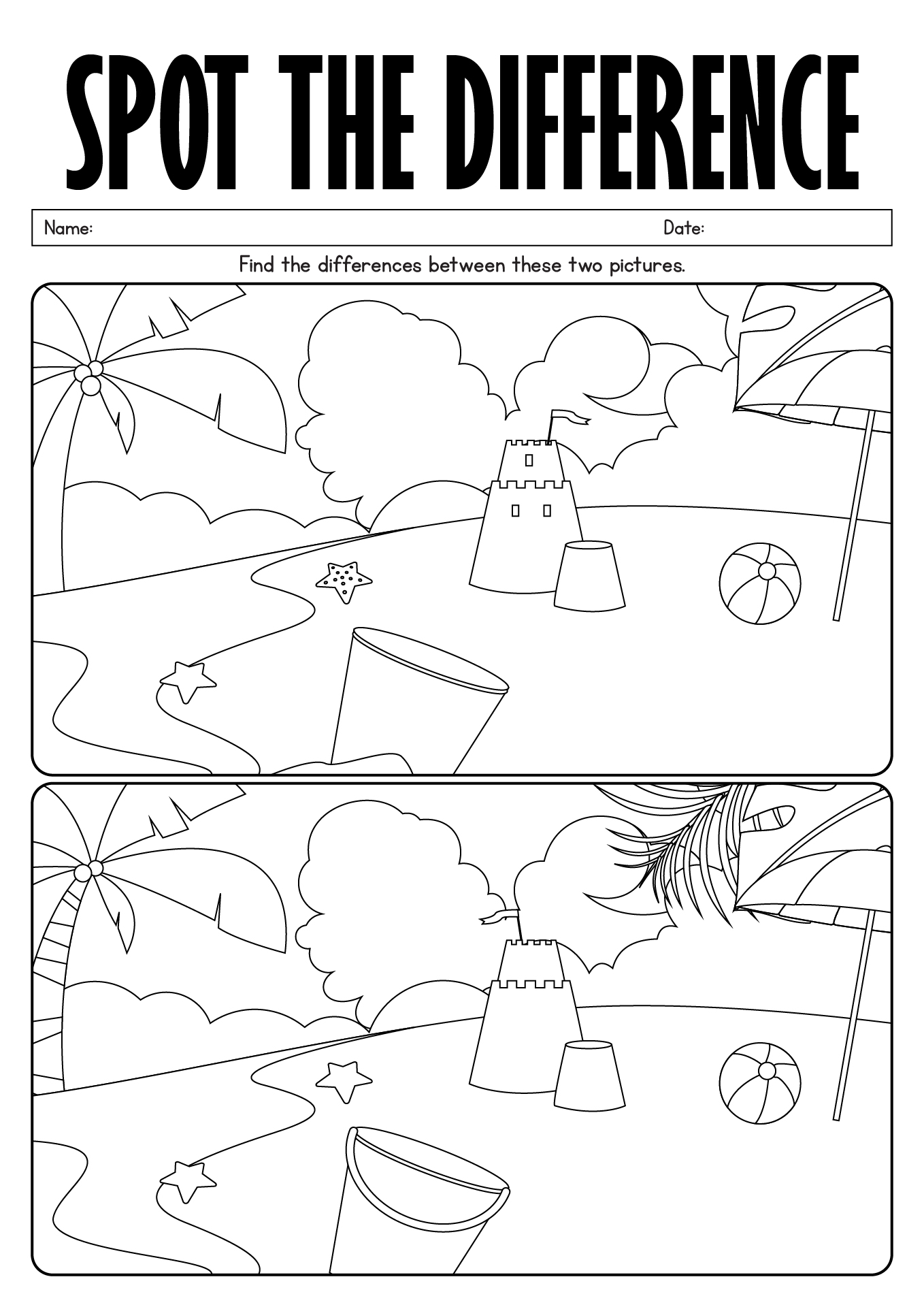
While the internet offers countless printable puzzles, these five stand out for their design, difficulty balance, and humor.
- Classic Cartoon Scene – Features a lively playground where the subtle difference is a missing backpack. Great for younger kids and the “funny” factor.
- Office Chaos – Two identical office scenes with a tiny difference: one has a coffee mug that’s been swapped for a rubber duck. Perfect for adults needing a mental break.
- Space Adventure – A pair of astronaut images with a missing comet. The space theme keeps the challenge out of the ordinary.
- Holiday Festivities – Santa’s workshop with a missing cookie. Ideal for a holiday-themed family activity.
- Animal Kingdom – Two safari scenes where the difference is a tiny missing tail feather. Great for animal lovers of all ages.
Each worksheet is crafted to tease the brain’s pattern recognition while keeping the fun factor high. Download and print them on sturdy paper to give your brain a little extra workout.
Tips for Teachers and Parents to Maximize Learning
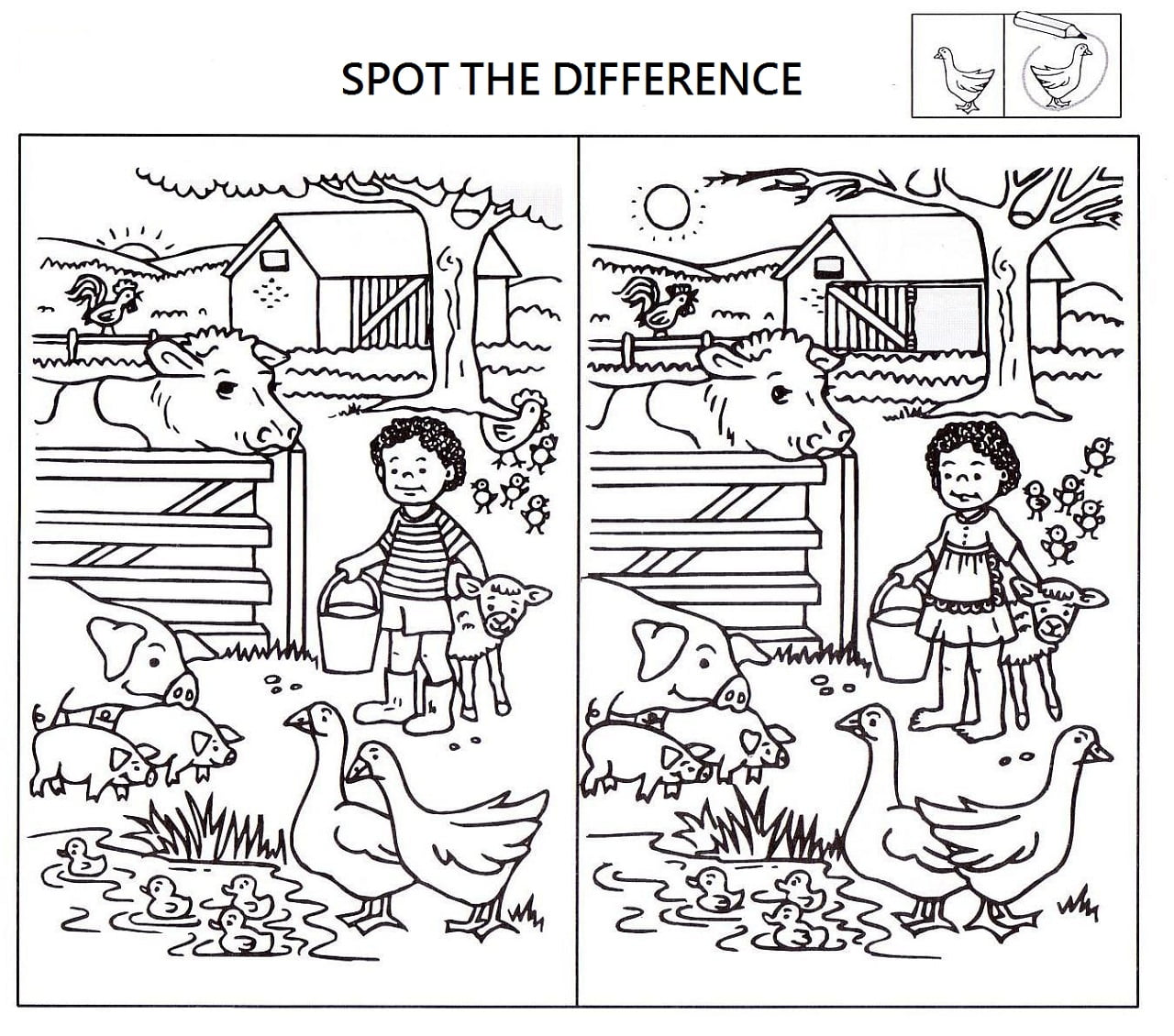
Set a Time Limit and Track Progress
Use a timer to create urgency. After each round, discuss which differences were easy and which were tricky. This reflection helps students understand their own visual processing strengths and weaknesses.
Incorporate the Worksheet into a Cross‑Disciplinary Lesson
Link differences to math by counting how many differences are found, or to language arts by having students write a short description of why they chose a particular spot. The worksheet becomes a springboard for interdisciplinary learning.
Encourage Collaborative Work
Pair students or family members and let them brainstorm differences together. This collaborative approach boosts communication skills and fosters teamwork—plus, it’s a lot more fun than doing the worksheet in isolation.
Use It as a Stress‑Relief Tool
Adults can benefit from a quick mental escape. A ten‑minute session of finding differences can reset focus and reduce anxiety, especially after a long workday. Provide a quiet corner and let the brain reset.
Wrapping It Up

Whether you’re a parent looking to add a dash of brain‑training fun to your child’s routine, a teacher aiming to spark curiosity, or a stressed adult in need of a quick mental breather, Find The Difference Worksheets deliver a surprisingly effective mix of entertainment and cognitive exercise. By starting simple, avoiding common pitfalls, and incorporating the puzzles into family traditions or classroom activities, you’ll create an engaging, brain‑boosting habit that keeps everyone on their toes—both literally and figuratively. So grab a pen, pick your favorite printable, and let the hunt for hidden differences begin. Your brain will thank you, and your sense of humor will get a workout too.