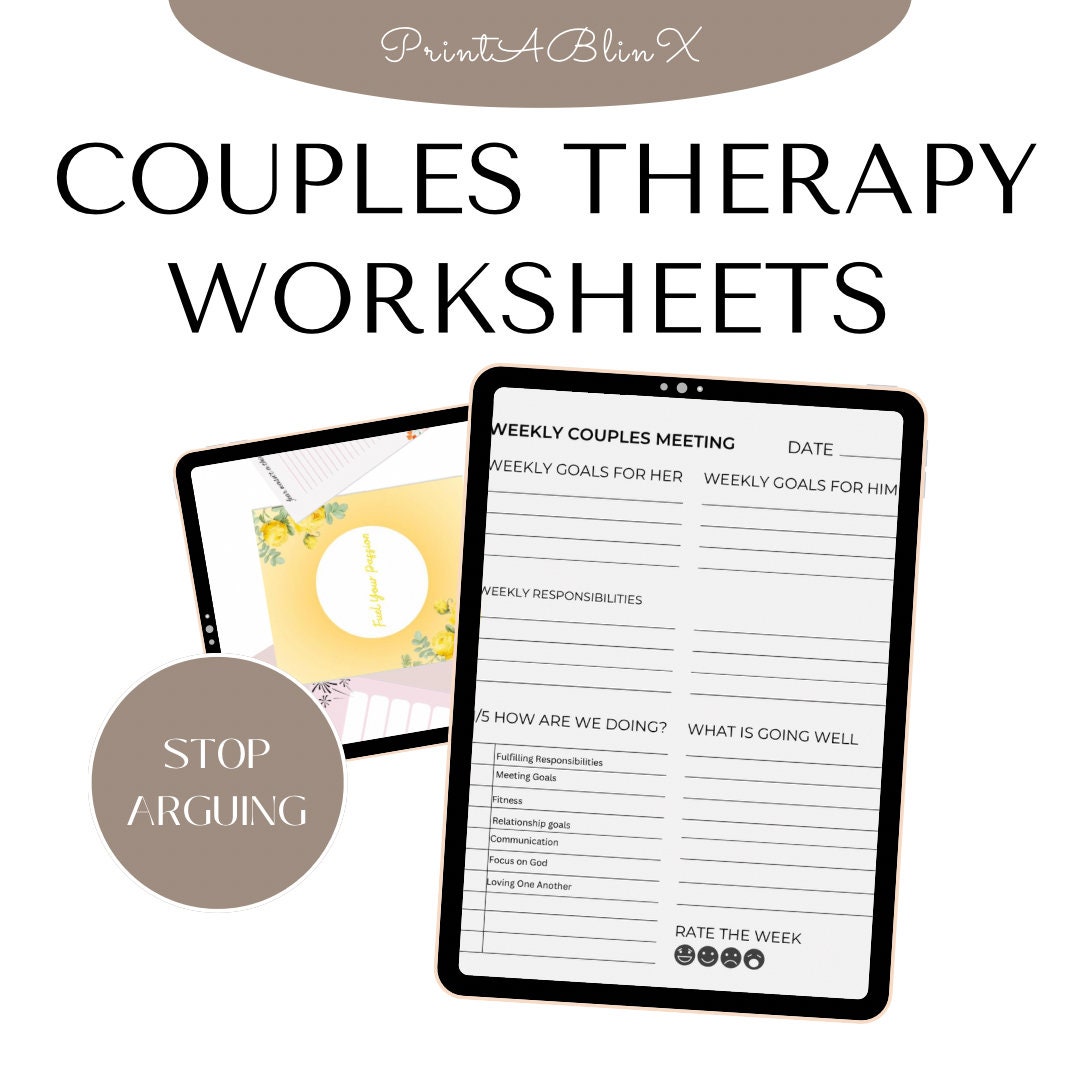
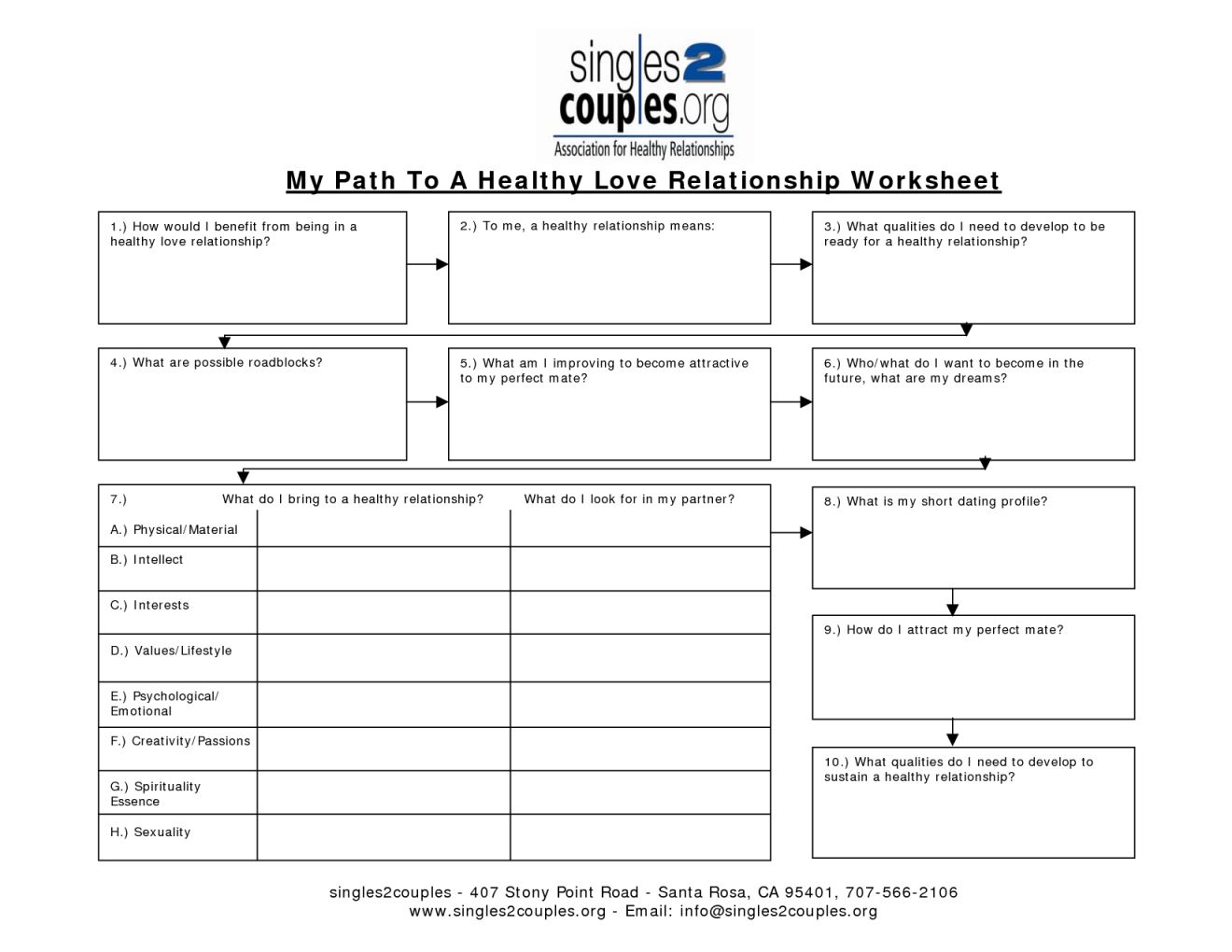
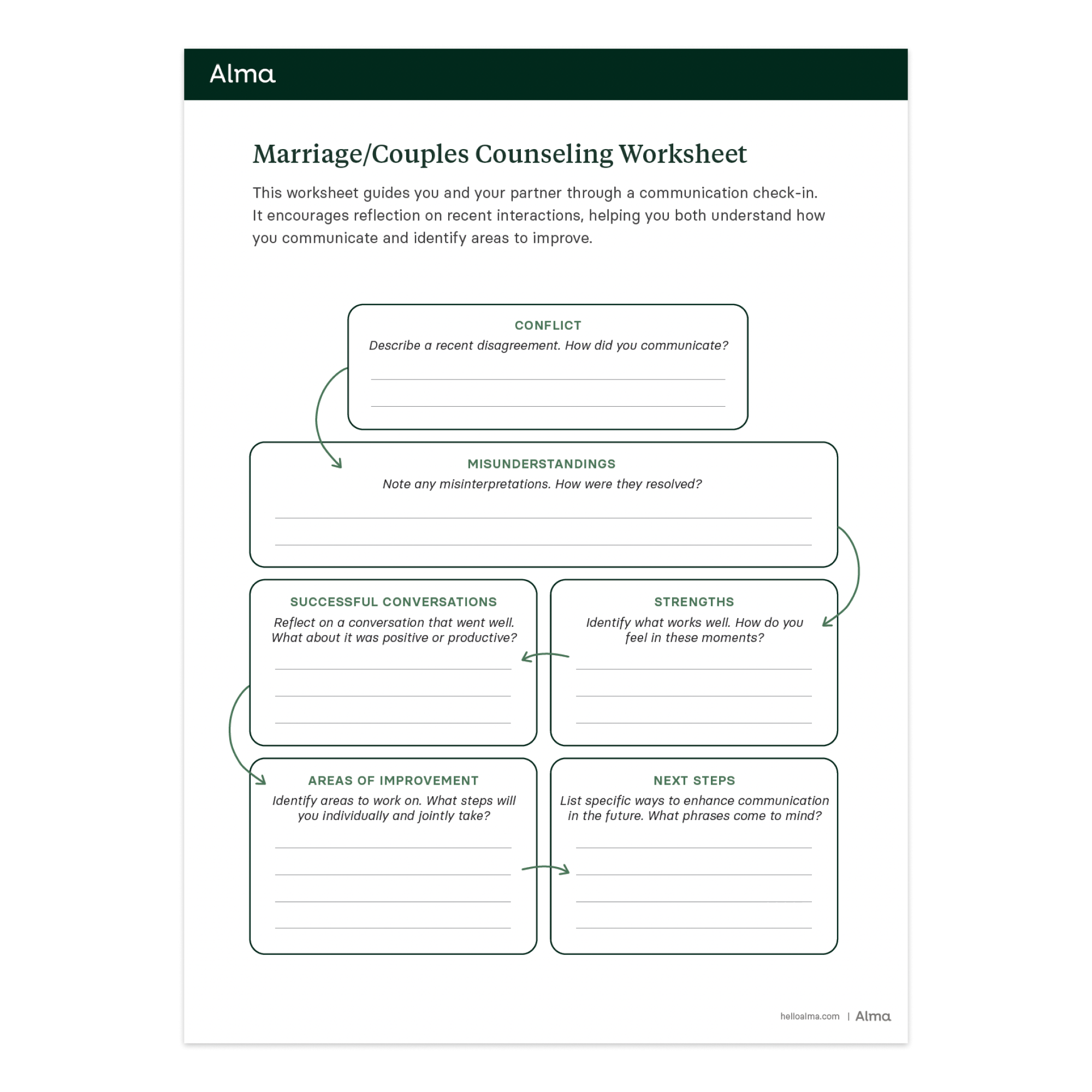
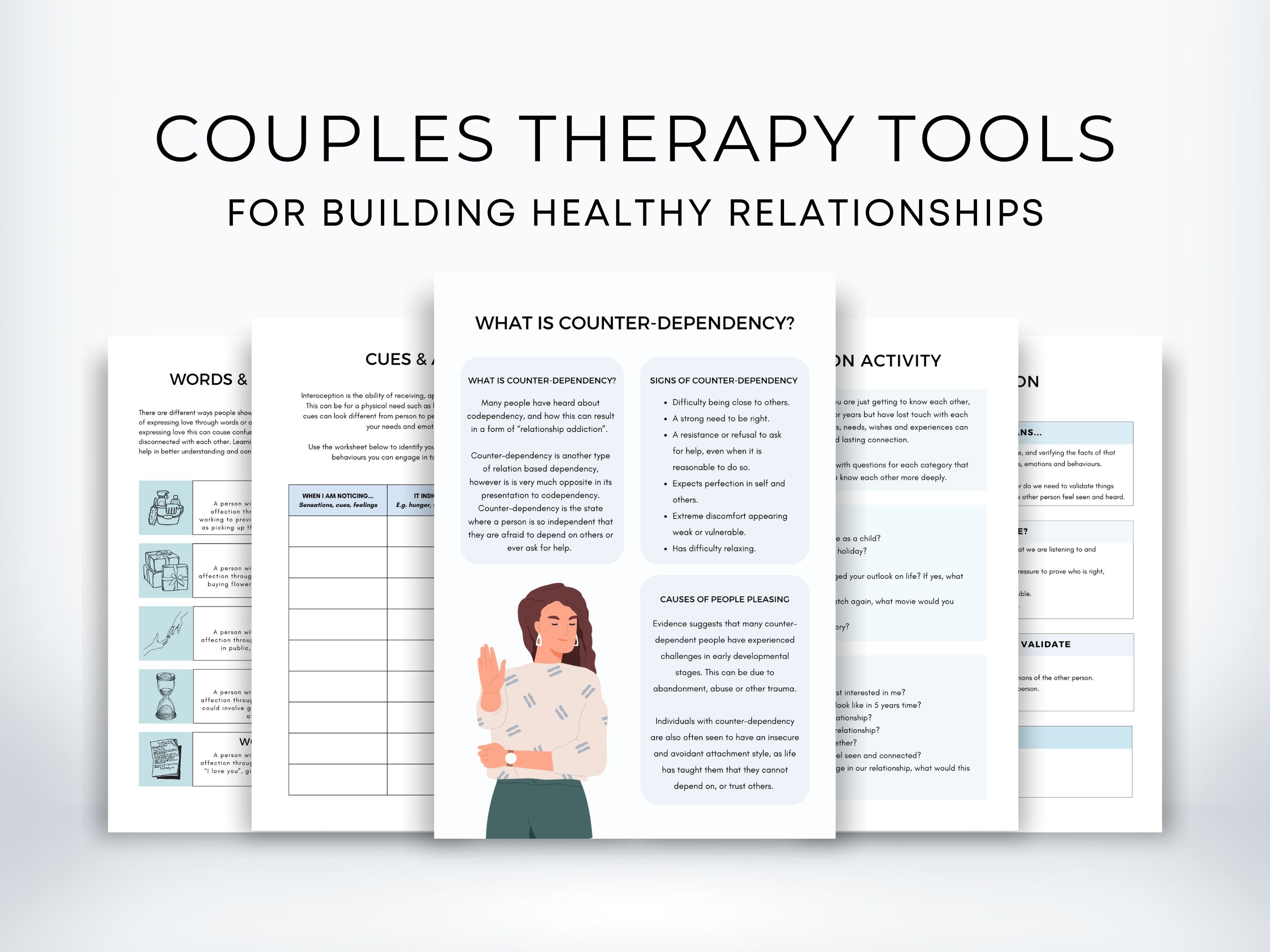
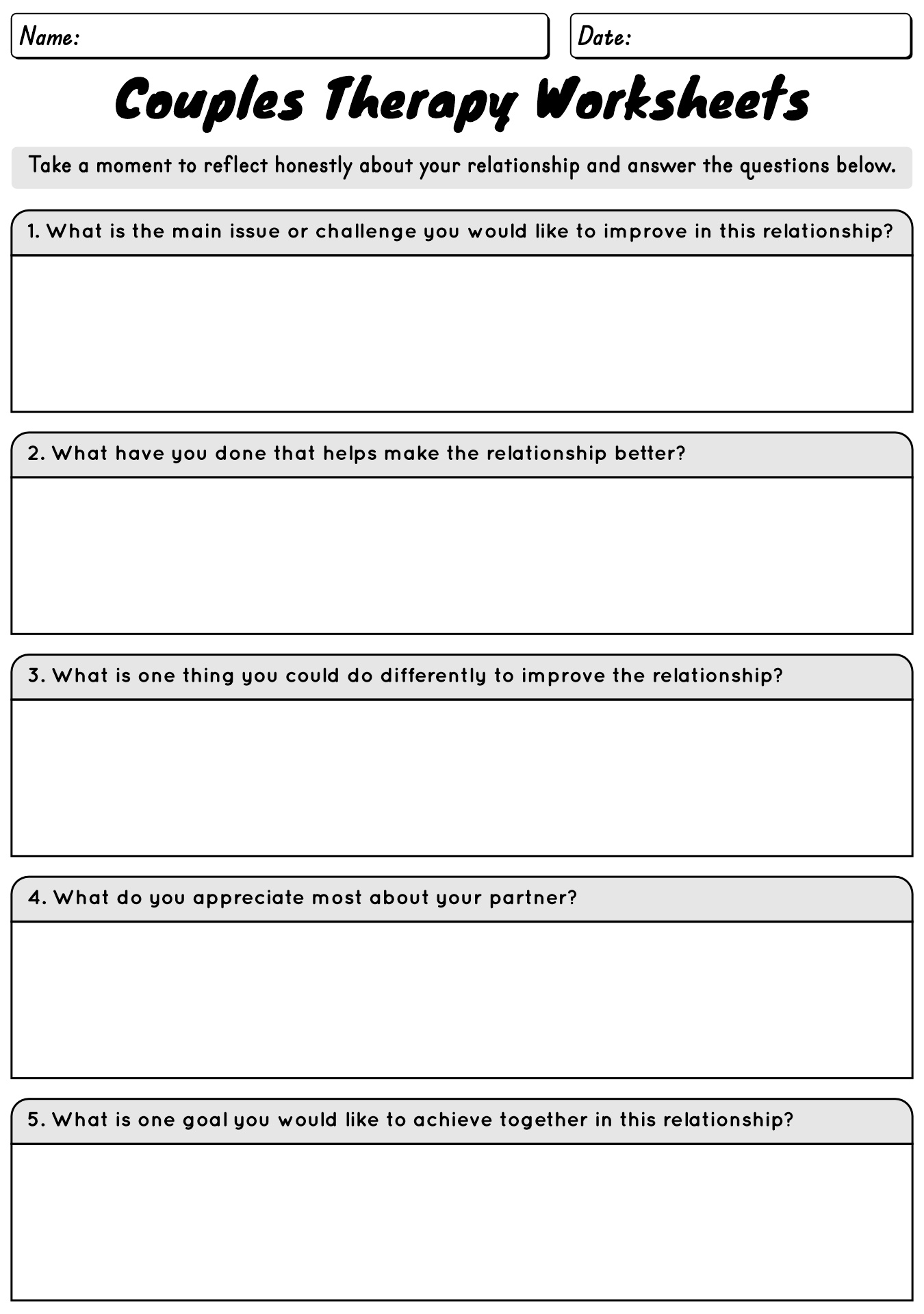
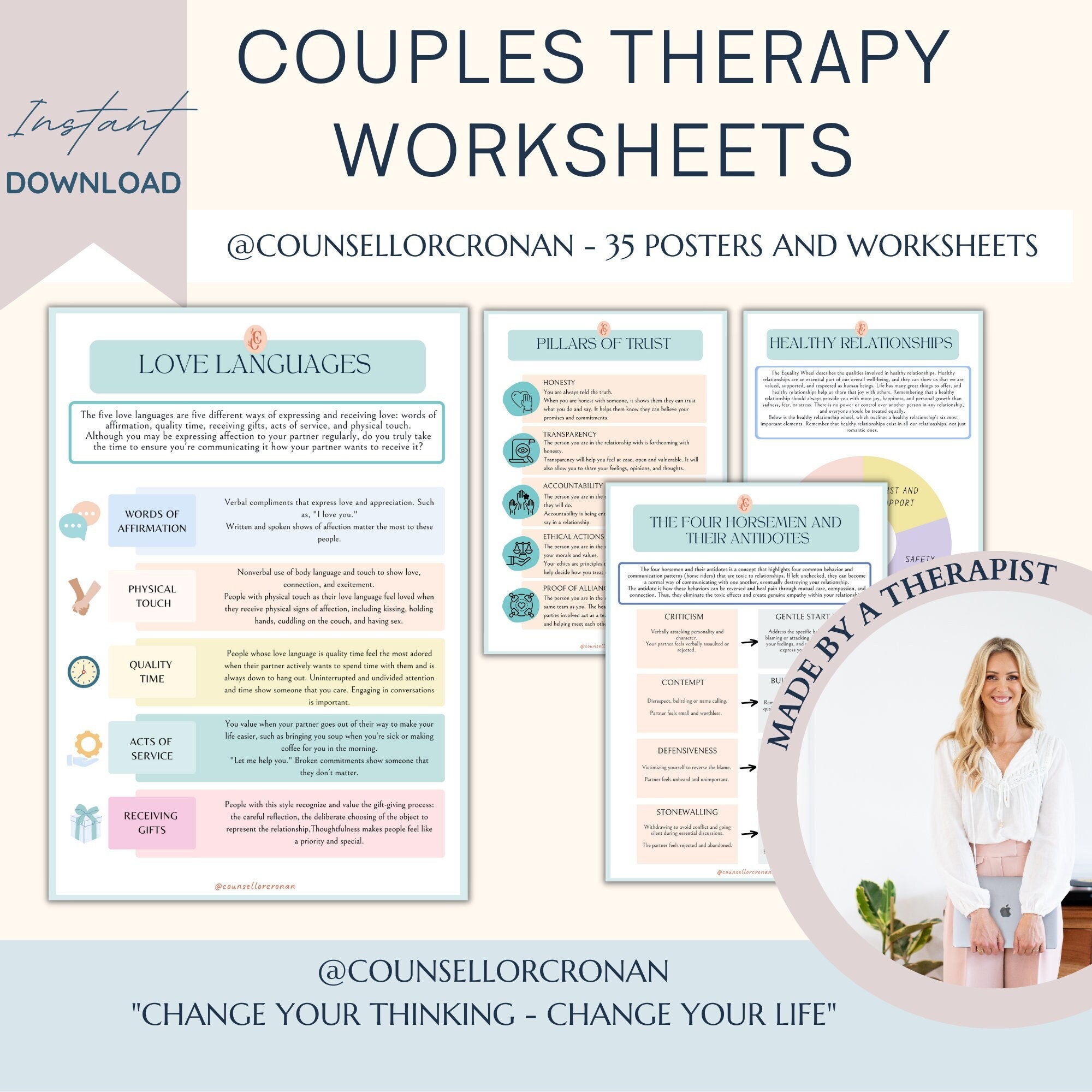
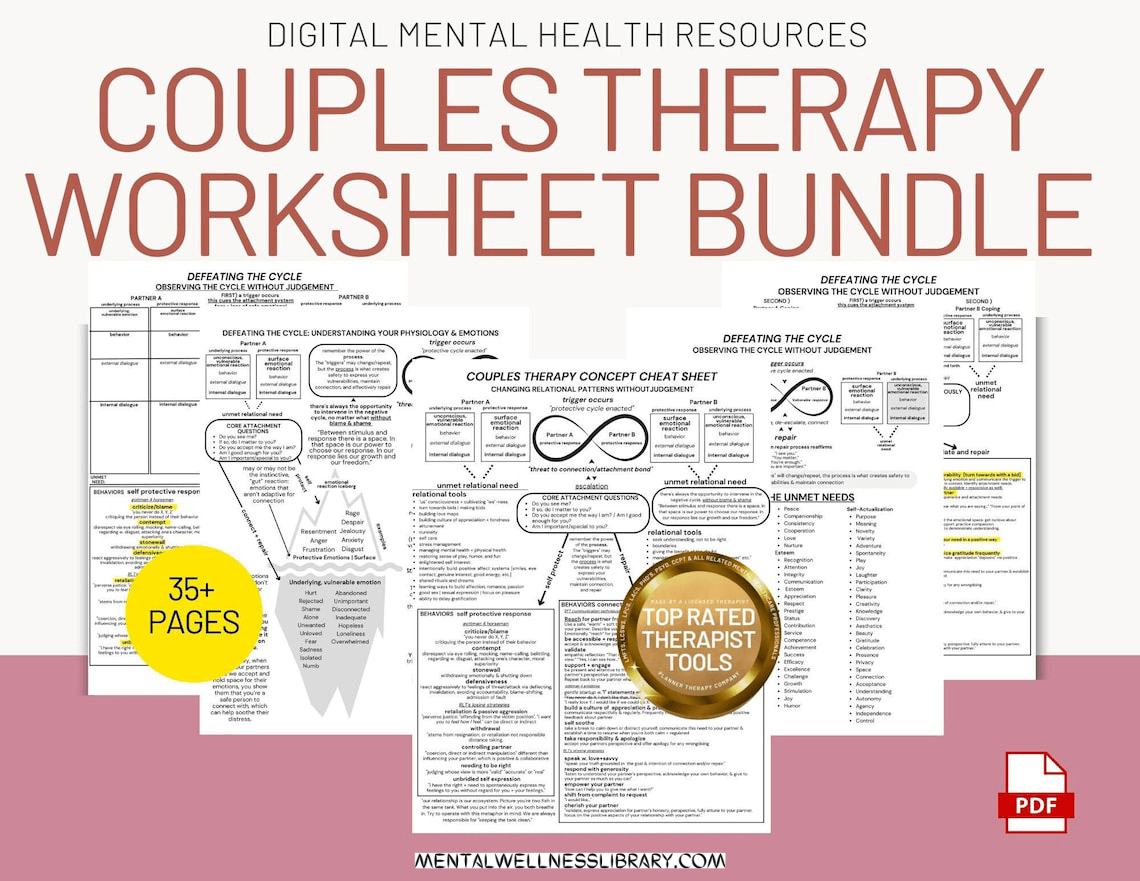
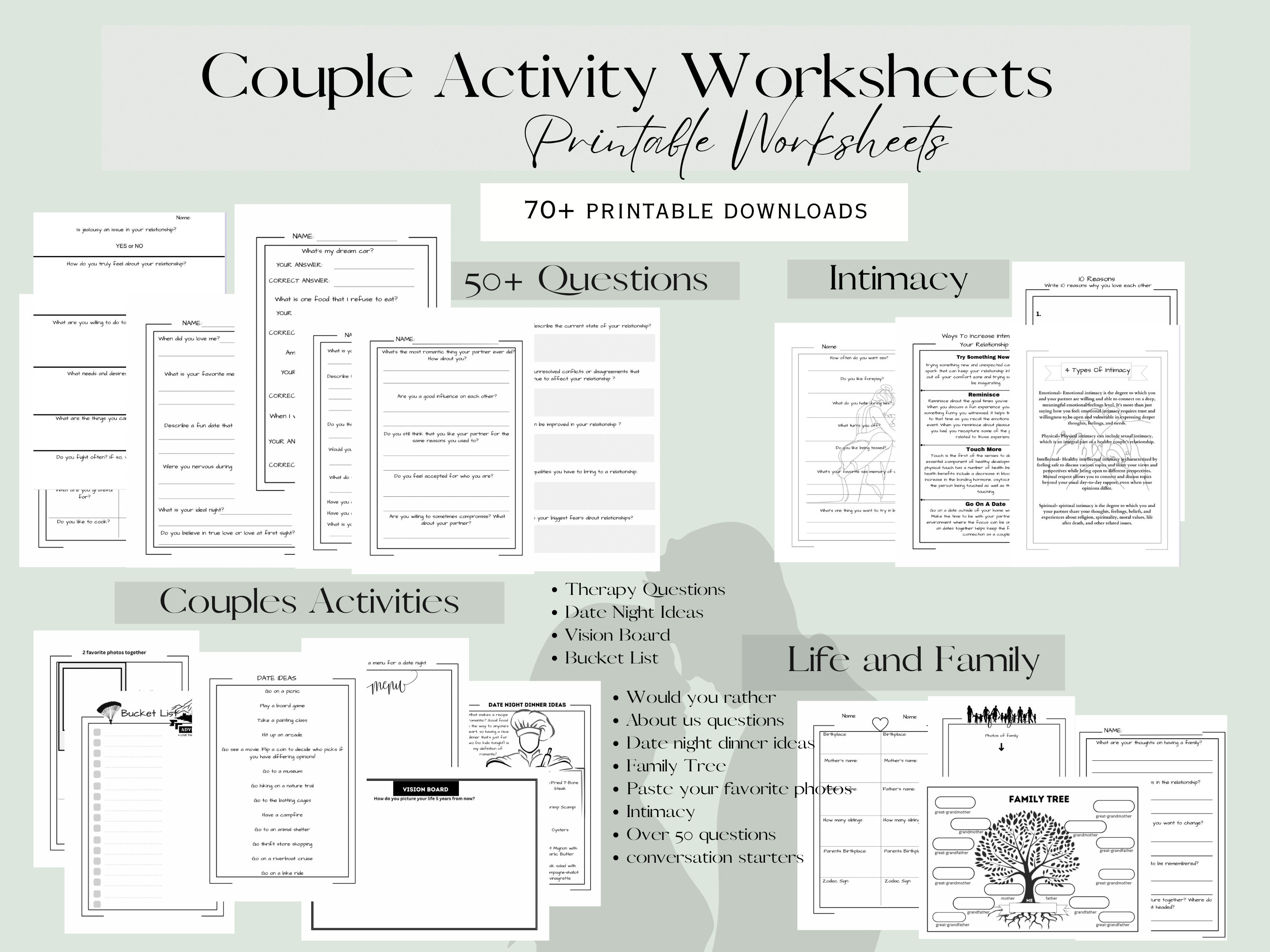
Free Printable Couples Therapy Worksheets offer a low-cost, accessible gateway for couples who want to deepen their connection, sharpen communication skills, and navigate life’s challenges together. Whether you’re newly married, in a long‑term partnership, or exploring the possibility of therapy, these handouts can serve as a practical tool to structure conversations, track progress, and reinforce the insights you gain in sessions or on your own.
Why Free Printable Couples Therapy Worksheets Matter

Accessibility and Cost Savings
Therapy can be prohibitively expensive for many. Printable worksheets remove the price barrier, allowing couples to engage with evidence‑based exercises without the overhead of a therapist’s hourly rate. They can be downloaded, printed, and used anywhere—home, office, or even on a park bench—making therapy feel like an everyday part of your life.
Empowerment Through Self‑Direction
When you complete exercises yourself, you own the process. Worksheets provide a structured framework while still leaving room for creativity, encouraging both partners to contribute actively rather than passively waiting for a counselor to direct the conversation.
Continuity Beyond Sessions
Therapy often involves homework assignments; printable worksheets replicate this model on a budget. They give you a tangible record to review, compare changes over time, and maintain momentum after each session.
What Types of Worksheets Are Available
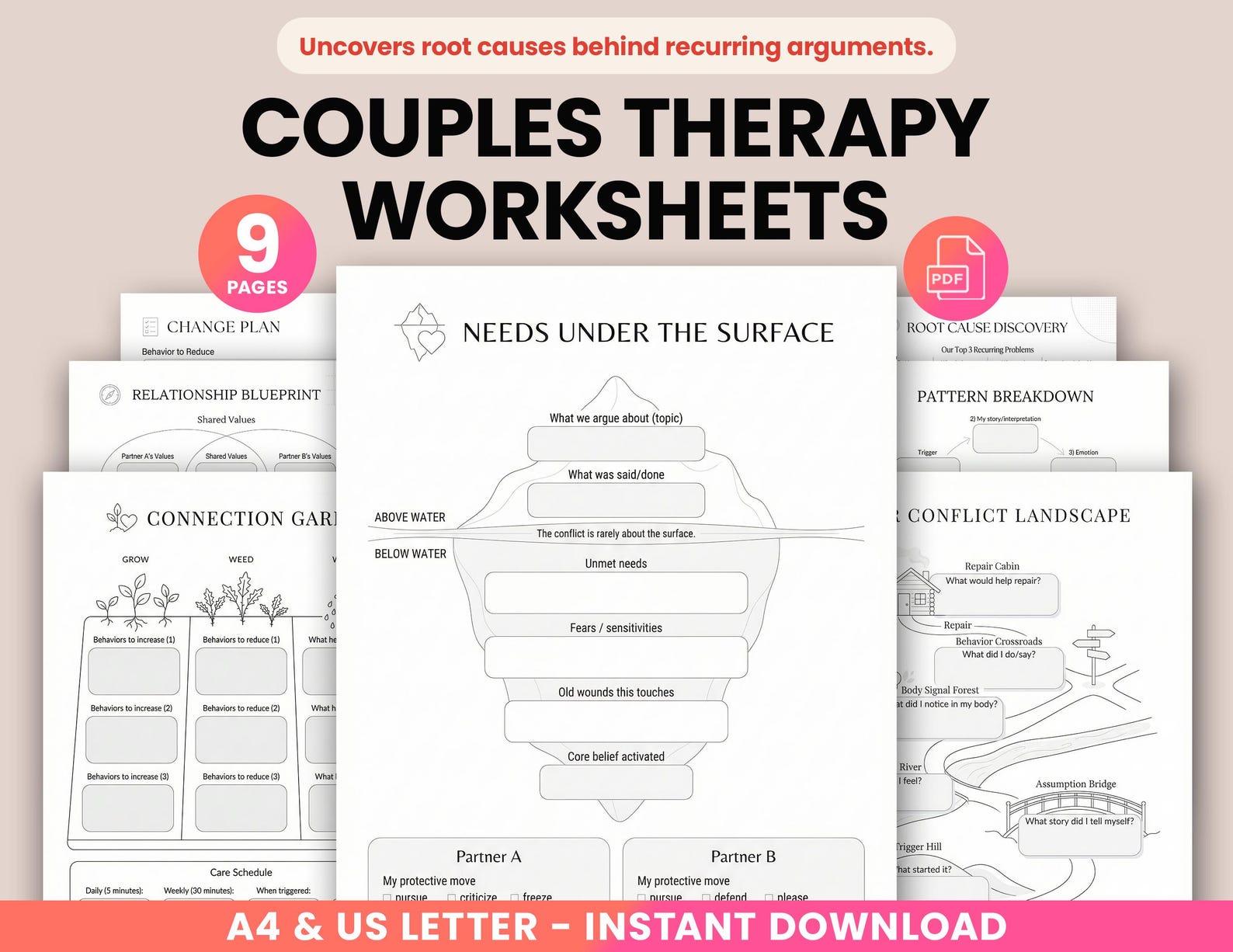
Communication Assessments
These worksheets prompt couples to identify patterns of speaking, listening, and nonverbal cues. Typical prompts ask, “Which words do you use most during conflict?” or “What body language signals discomfort?” By making the invisible visible, couples can begin to adjust their interaction styles.
Conflict Resolution
Conflict‑resolution worksheets break down disagreements into manageable steps: identifying the underlying need, expressing feelings without blame, and brainstorming mutually acceptable solutions. They help couples transform a heated argument into a constructive dialogue.
Intimacy and Connection
Intimacy worksheets explore emotional closeness, shared values, and sexual satisfaction. Questions such as, “What activities bring you joy together?” or “When was the last time you felt truly understood?” guide couples to nurture intimacy beyond daily routines.
Financial Planning
Money is a common source of tension. These worksheets facilitate a joint budget review, goal setting for savings or debt repayment, and a clear division of responsibilities. They often include checklists for tracking expenses and milestones.
Future Goals
Future‑planning sheets encourage couples to map out shared aspirations—career moves, travel plans, family goals—and align their individual ambitions. They often contain timeline visuals, priority rankings, and action steps.
How to Choose the Right Worksheet for Your Relationship

Assess Your Current Needs
Begin by reflecting on what feels most pressing in your relationship. Is communication stalling? Are you debating finances? Use a quick self‑checklist: “What area would most benefit from structured attention?” This helps narrow down the appropriate worksheet.
Match Worksheet Focus to Relationship Stage
Newlyweds might benefit from intimacy and goal‑setting sheets, whereas long‑term couples may focus on conflict resolution or legacy planning. Understanding the natural rhythm of your partnership ensures the worksheet feels relevant.
Consider Length and Complexity
Short, one‑page worksheets work well for quick check‑ins, while multi‑page workbooks suit deeper exploration. Match the worksheet’s depth to the time you can realistically devote; overloading can lead to frustration or abandonment.
Step‑by‑Step Guide to Using Worksheets Effectively

Preparation
Before starting, choose a quiet, distraction‑free environment. Print or open a digital copy, gather pens or a laptop, and decide on a session length—often 20 to 45 minutes is ideal for most exercises.
Setting Intentions
Begin by stating a shared purpose. Example: “We want to understand each other’s needs better so we can communicate without blame.” This intention frames the worksheet’s focus and keeps the conversation goal‑oriented.
Active Participation
Both partners should answer questions individually first, then share aloud. This approach prevents the “talk‑to‑each‑other” trap and encourages honest self‑reflection before exchanging perspectives.
Review and Reflection
After completing the worksheet, spend a few minutes discussing each answer. Ask follow‑up questions that dig deeper, such as “Why do you feel that way?” or “What could change this outcome?”
Follow‑Up
Record any action items—e.g., “Schedule a weekly check‑in” or “Try a new communication phrase.” Review these in subsequent sessions to evaluate progress and adjust as necessary.
Real‑World Examples: Couples Who Transformed Their Relationships

Case Study 1: Sarah & Mark
Sarah and Mark had been together for eight years but found their conversations slipping into criticism. They downloaded a conflict‑resolution worksheet that guided them through identifying the core needs behind each argument. By the third session, they were able to reframe disputes as collaborative problem‑solving, reducing heated exchanges by 60% and improving overall satisfaction scores in a self‑administered survey.
Case Study 2: Priya & James
Priya and James were planning a family but struggled with finances. A financial‑planning worksheet helped them map out income, expenses, and a realistic savings target. They established a shared spreadsheet and committed to monthly budget reviews, which reduced stress and enabled them to purchase their first home within two years.
Tips for Customizing Worksheets to Fit Your Style

Personalizing Questions
Replace generic prompts with language that resonates with your relationship. For example, change “Describe your communication style” to “When we’re arguing, do we tend to talk like teammates or like critics?”
Adding Visual Elements
Insert color, icons, or doodles to make the worksheet visually engaging. A simple heart icon next to intimacy questions or a dollar sign for financial prompts can cue the appropriate emotional context.
Using Digital Tools
Leverage online platforms that allow real‑time collaboration. Couples can annotate shared documents simultaneously, leaving comments in the margins that become part of their shared archive.
Common Pitfalls and How to Avoid Them

Skipping the Conversation
Answering worksheets in isolation defeats their purpose. Always pair completion with a follow‑up discussion where both partners voice their thoughts and listen actively.
Overwhelming with Too Much Detail
Dense worksheets can lead to fatigue. If you find a sheet too long, break it into sections and tackle one per session. Quality trumps quantity.
Misinterpreting Results
Workbooks may produce findings that feel definitive; remember they’re tools, not verdicts. Use them as a starting point for dialogue, not as final judgment.
Conclusion
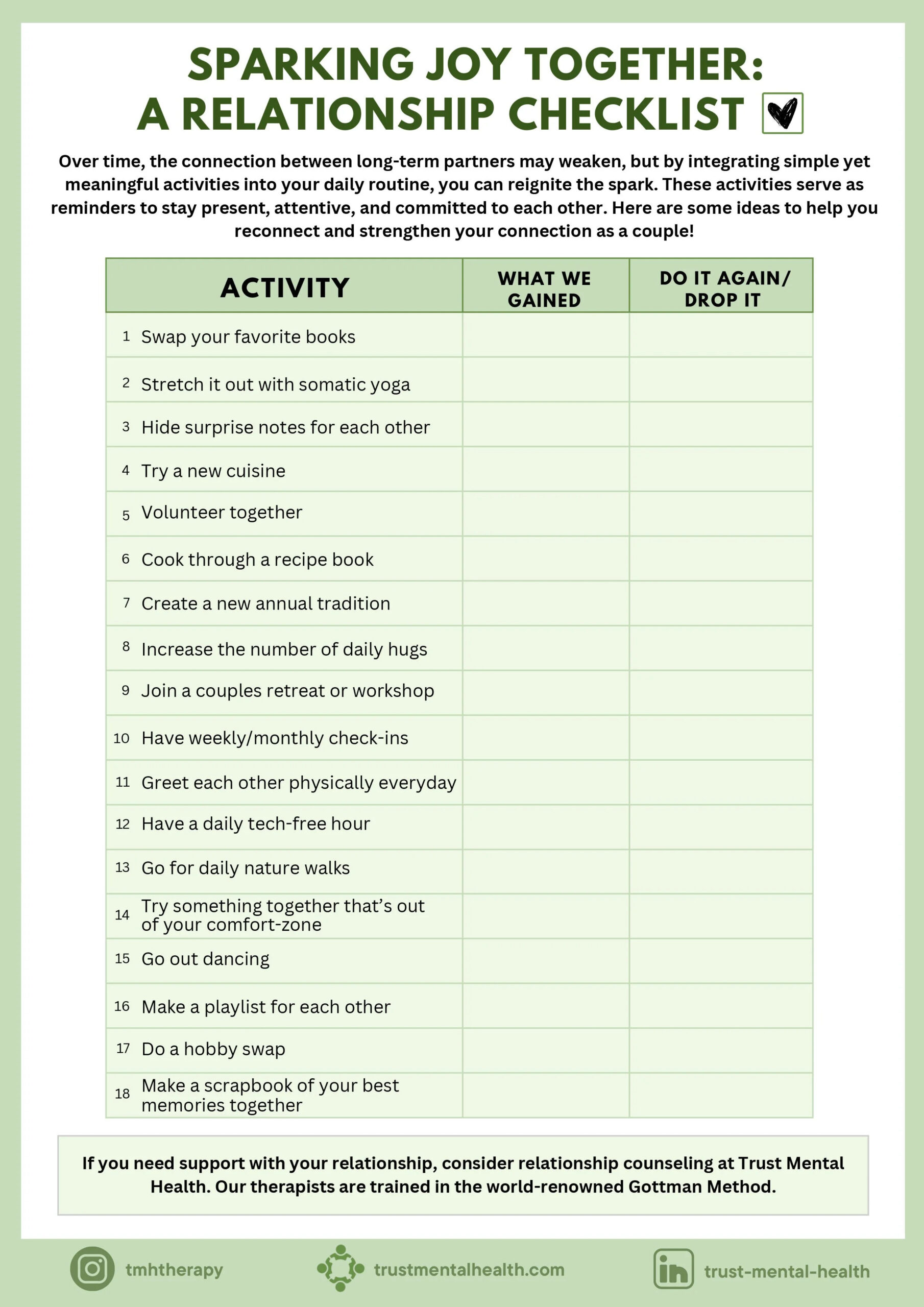
Free printable couples therapy worksheets are more than simple checklists; they are catalysts for intentional, meaningful change. By choosing the right worksheet, engaging with it earnestly, and following up with thoughtful reflection, couples can unlock deeper understanding, mitigate conflict, and build a resilient partnership. Whether you are embarking on a new relationship or have shared decades of life, these printable exercises can transform everyday interactions into powerful steps toward lasting harmony. Take the first step—download a worksheet, print a copy, and begin the conversation that will shape the rest of your shared journey.