Hero’s Journey Worksheet is more than a printable sheet; it is a dark‑lit map that guides learners through the archetypal path of transformation, forcing them to confront shadows, make hard choices, and emerge with a story worth telling. In a world where narrative is the currency of influence, this worksheet becomes a weapon, sharpening the mind and sharpening the voice. Below we dive deep into the mechanics, the pedagogy, and the gritty reality of using the Hero’s Journey framework in any classroom, workshop, or training session.
Understanding the Hero’s Journey Framework

Origins and Core Stages
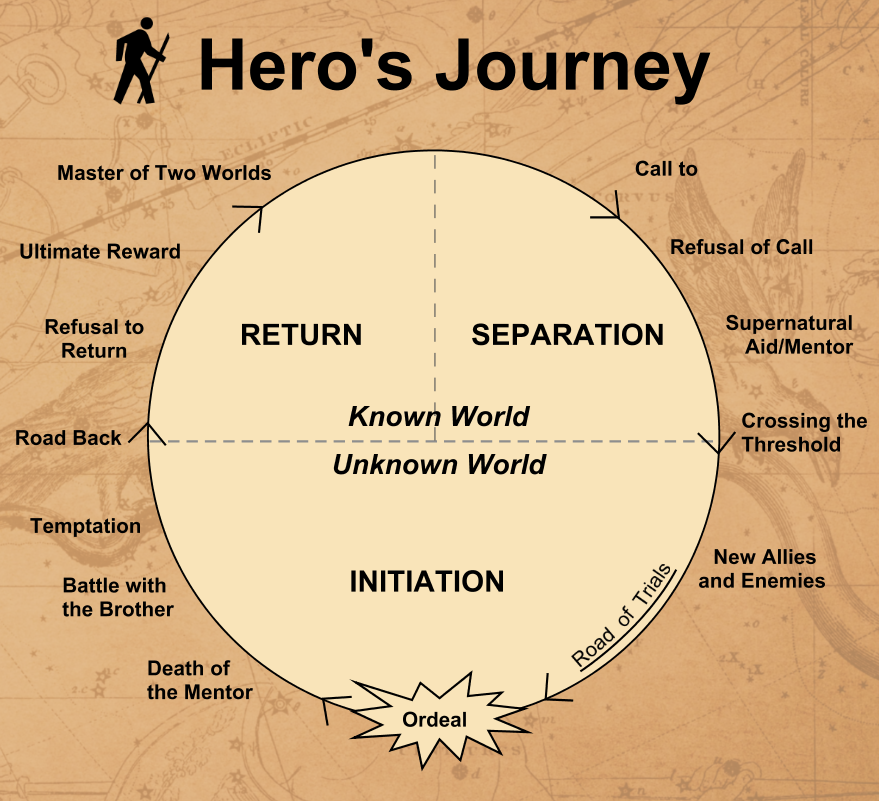
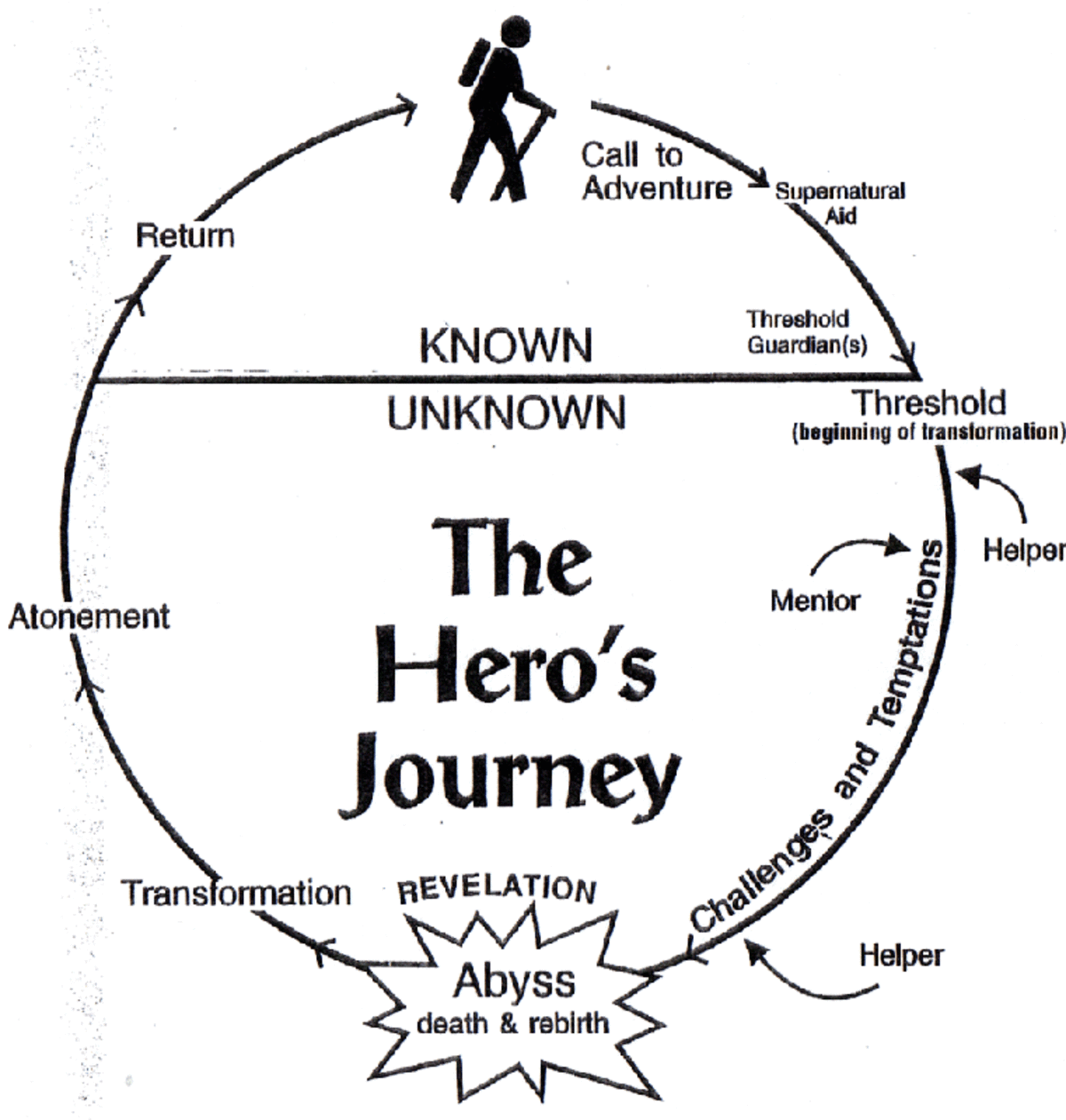
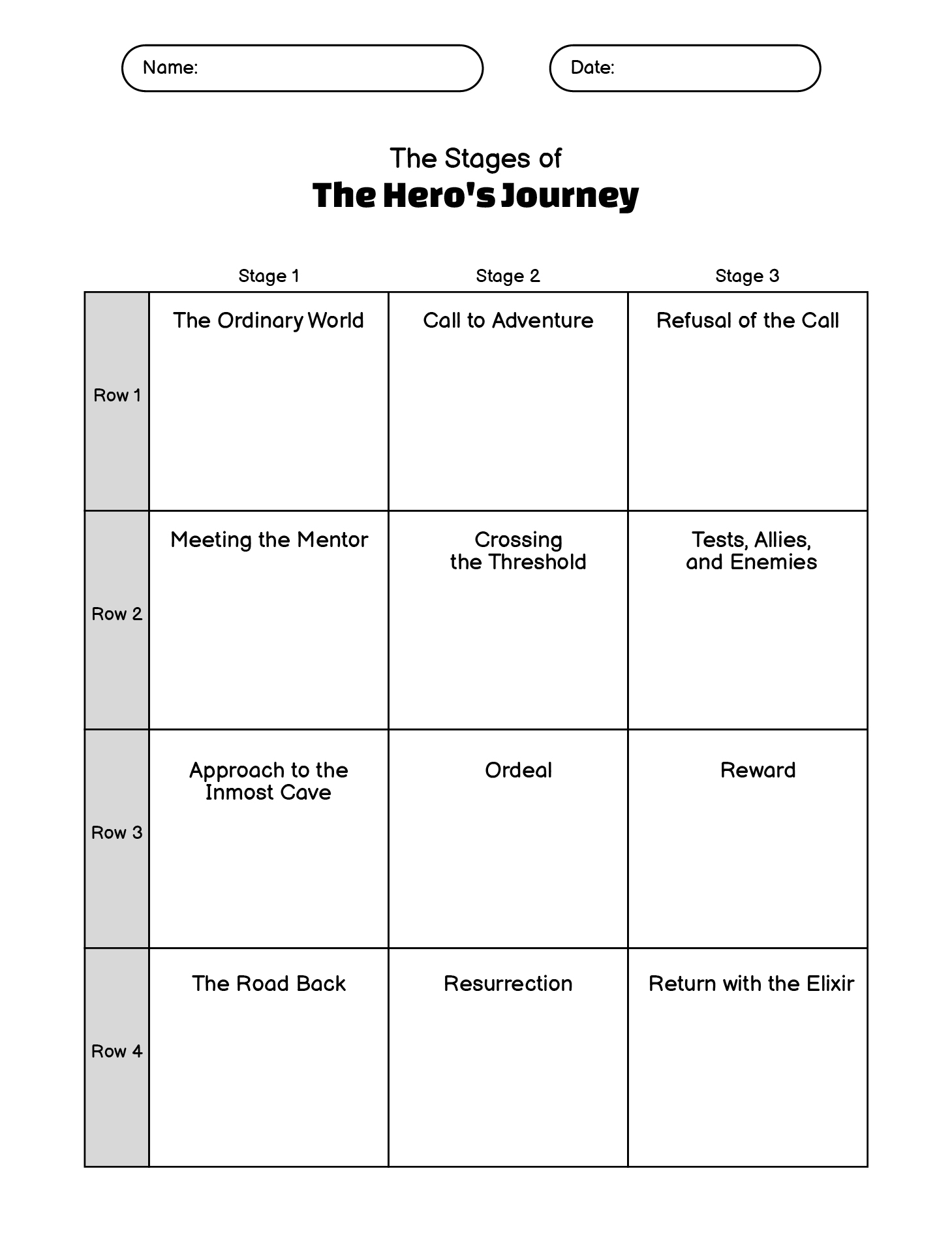
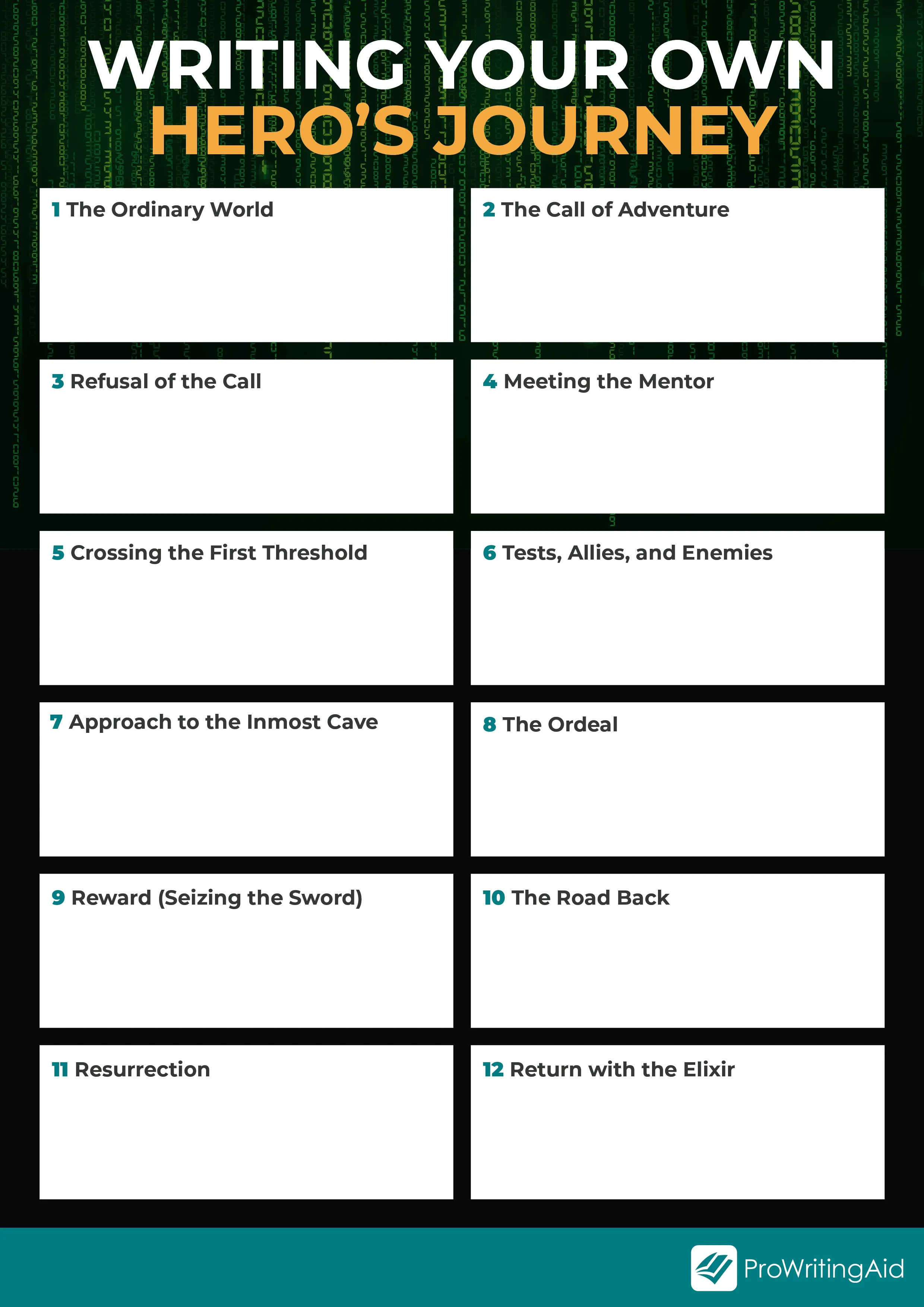
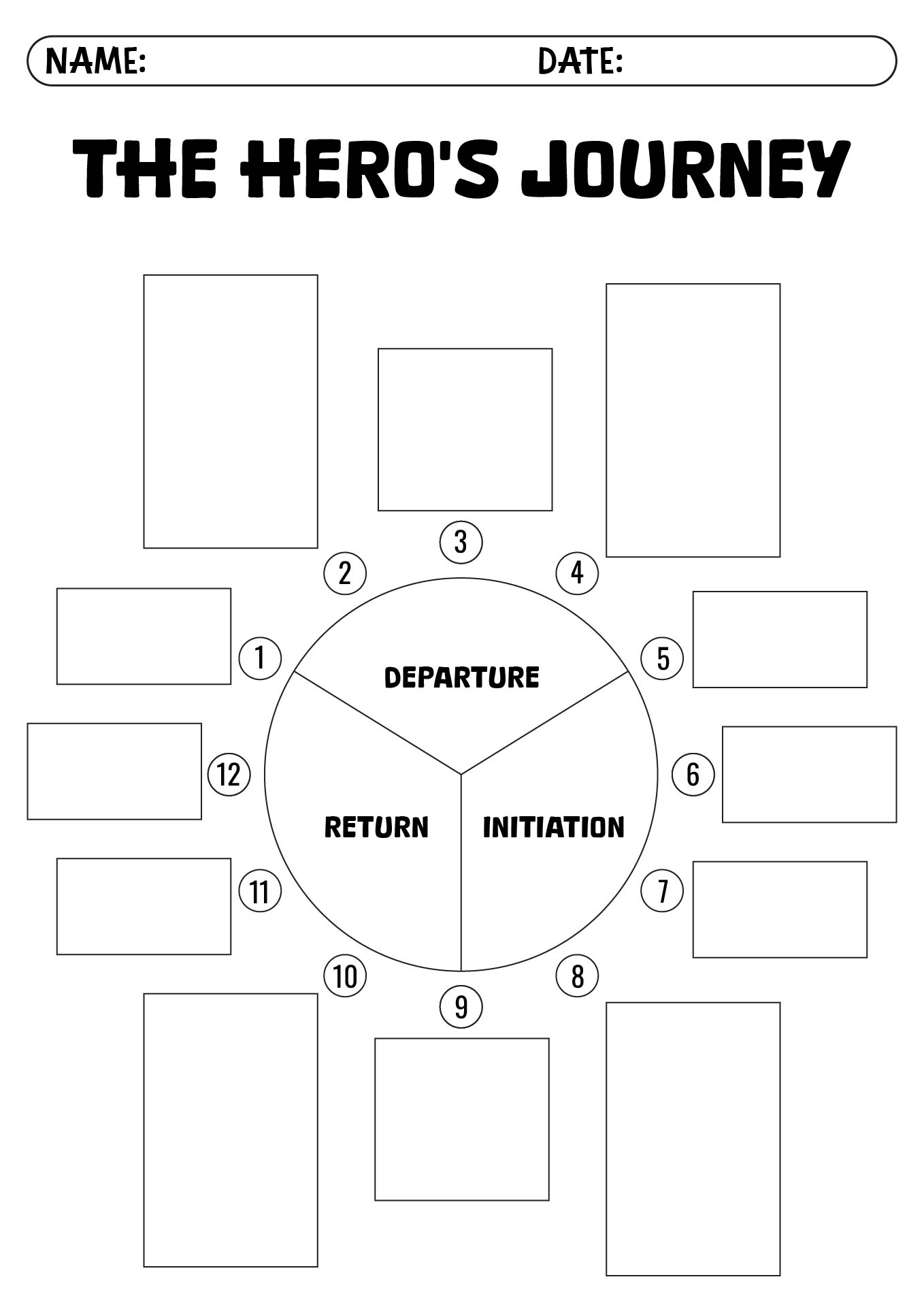
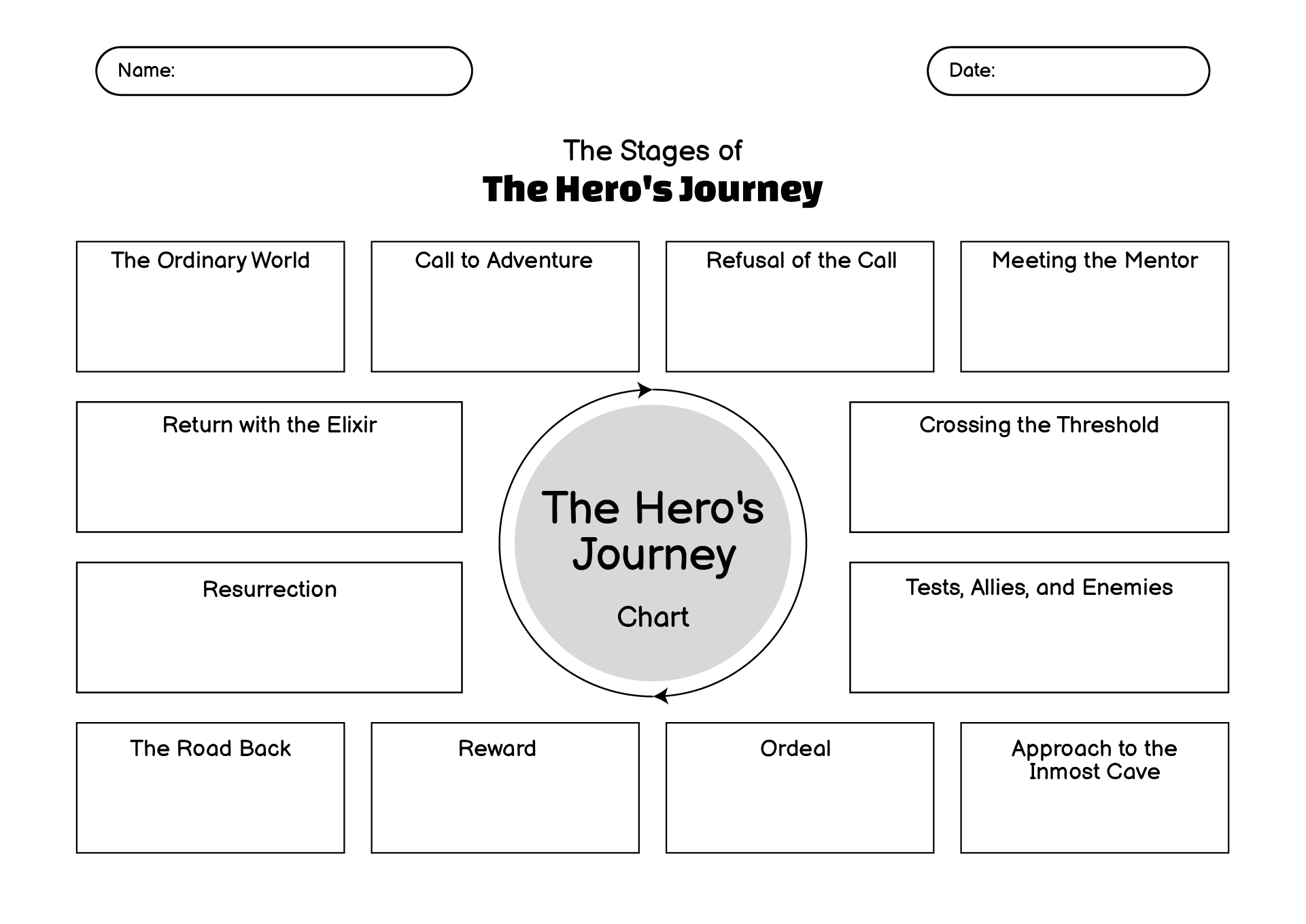
The Hero’s Journey, popularized by Joseph Campbell, distills mythic storytelling into a twelve‑stage cycle that spans the ordinary world, the call to adventure, trials, abyss, and ultimate return. These stages—Ordinary World, Call to Adventure, Refusal of the Call, Meeting the Mentor, Crossing the Threshold, Tests, Allies & Enemies, Approach to the Inmost Cave, Ordeal, Reward, The Road Back, Resurrection, and Return with the Elixir—form a skeletal structure that can be fleshed out with any genre, any protagonist, any conflict. By internalizing this skeleton, students stop wandering aimlessly through plot and begin to see the inevitable tension that drives every great story.
Psychological Resonance
Beyond narrative mechanics, the journey mirrors the human psyche’s dance with fear and desire. The “Refusal of the Call” is the natural resistance to change; the “Ordeal” is the moment of crisis that tests core values; the “Resurrection” is the rebirth after loss. When learners recognize these patterns, they gain a language for their own inner struggles, turning abstract emotions into concrete story beats. The worksheet capitalizes on this resonance, forcing writers to label each psychological beat, thereby forging a deeper connection to their characters and, ultimately, to themselves.
Why a Worksheet Matters
Bridging Theory and Practice
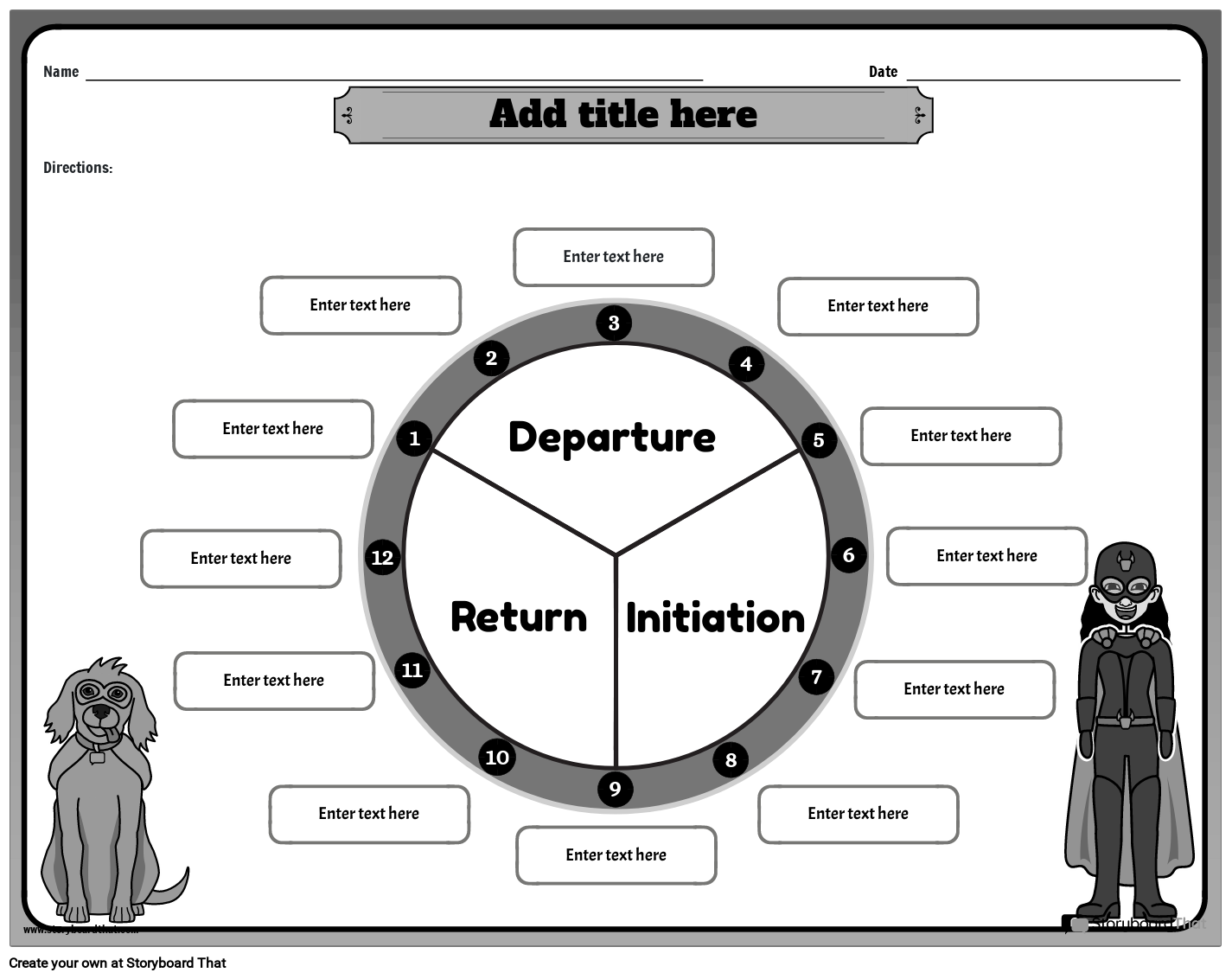
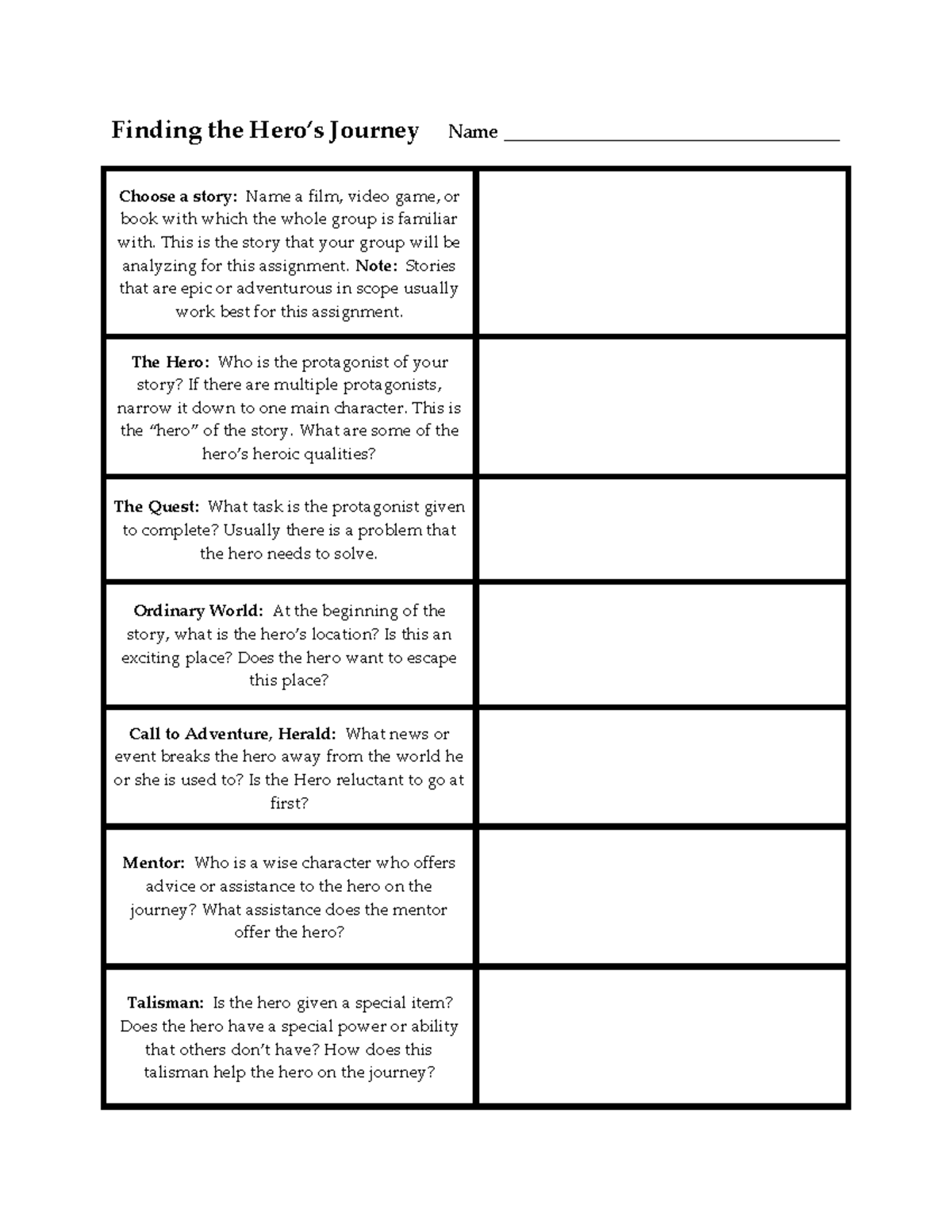
Many teachers can recite the twelve stages, but few can translate theory into tangible student output. The Hero’s Journey Worksheet serves as the bridge, presenting each stage as a distinct prompt with space for notes, examples, and personal reflections. This structure transforms vague concepts into actionable tasks, ensuring that every student produces a draft that hits each crucial beat. The worksheet also acts as a progress tracker; as students fill in sections, they see a visual representation of their story’s evolution.
Keeping Students Engaged
In a dark‑tone classroom, engagement often hinges on relevance and challenge. The worksheet’s step‑by‑step format satisfies both. Students are compelled to confront uncomfortable questions—“What does my hero truly fear?” or “What sacrifice will they be forced to make?”—and they must answer them in writing. The tactile act of writing, crossing out, and revising on the same page creates a ritual that reinforces focus. Moreover, the worksheet’s design encourages peer review; sections can be swapped for feedback, turning a solitary task into a collaborative interrogation of narrative structure.
How to Use the Hero’s Journey Worksheet Effectively

Preparing the Classroom
Before handing out the worksheet, set the tone. Share a gritty excerpt from a classic myth or a contemporary novel that exemplifies the journey’s darkness. Discuss how each stage manifests in the text, emphasizing the stakes and the moral ambiguity. Then, explain the worksheet’s purpose: not to box creativity, but to illuminate the hidden scaffolding that supports every powerful story. Provide examples of filled‑in sections—perhaps a brief analysis of “Harry Potter’s” call to adventure or “The Dark Knight’s” descent into the abyss—to demystify the process.
Step‑by‑Step Walkthrough
Guide students through each worksheet segment with a clear, timed routine:
- Ordinary World: Ask learners to describe their hero’s baseline reality in vivid detail, noting sensory elements that hint at underlying tension.
- Call to Adventure: Prompt them to articulate the inciting incident as a problem that cannot be ignored, linking it to the hero’s deepest desire.
- Refusal of the Call: Encourage the identification of internal or external forces that create hesitation, exploring fear, duty, or self‑doubt.
- Meeting the Mentor: Have students outline the mentor’s role, motivations, and the specific gift—knowledge, tool, or perspective—offered.
- Crossing the Threshold: Require a clear demarcation of the point of no return, describing the physical or symbolic barrier crossed.
- Tests, Allies & Enemies: Instruct students to list at least three trials, two allies, and one antagonist, noting how each pushes the hero toward growth.
- Approach to the Inmost Cave: Ask for a description of the hero’s most vulnerable moment before the final ordeal.
- Ordeal: Demand a concrete, high‑stakes confrontation that forces the hero to face their greatest fear.
- Reward: Have them define the tangible or intangible gain that follows the ordeal.
- The Road Back: Require a description of the hero’s decision to return, often with new stakes or a renewed purpose.
- Resurrection: Prompt the articulation of the final test that proves the hero’s transformation.
- Return with the Elixir: Conclude with the hero’s impact on the ordinary world, illustrating the story’s thematic resolution.
Each bullet point becomes a mini‑assignment, and the worksheet’s layout ensures that students cannot skip stages without noticing a blank space. This methodical approach eliminates the common pitfall of “missing the middle” in student drafts.
Common Pitfalls and How to Avoid Them
Even with a robust worksheet, learners stumble. The most frequent errors include:
- Superficial Summaries: Students often write one‑sentence overviews. Counter this by requiring at least three descriptive sentences per stage, forcing depth.
- Linear Thinking: Some treat the journey as a rigid sequence, ignoring the cyclical nature of setbacks. Encourage them to note where the hero loops back or revisits earlier stages.
- Neglecting Theme: The worksheet should have a marginal column for “Underlying Theme,” prompting students to tie each stage to a central idea, such as sacrifice or redemption.
- Over‑reliance on Tropes: While archetypes are useful, they can become clichés. Ask learners to subvert at least one stage, turning expectation on its head.
Address these pitfalls during a mid‑process check‑in, using the worksheet as a diagnostic tool.
Real‑World Examples
High School English Class
In a sophomore literature unit, the teacher introduced the worksheet alongside a study of “The Odyssey.” Students filled out each stage using Odysseus as a reference, then crafted an original short story set in a contemporary suburb. The resulting narratives featured teenage protagonists confronting modern “monsters” such as social media addiction and family dysfunction, proving the worksheet’s adaptability across contexts.
Creative Writing Workshop
During an adult weekend retreat, participants were given the worksheet after a brief lecture on mythic structure. They paired up, exchanging worksheets for peer critique. The collaborative environment sparked intense discussion about the “Mentor” archetype, leading several writers to reframe mentors as internal voices rather than external guides—a twist that deepened their stories’ psychological realism.
Corporate Training Scenario
In a leadership development program, facilitators used a modified Hero’s Journey Worksheet to map employee career trajectories. By treating a promotion or project lead as the “Call to Adventure,” and a major setback as the “Ordeal,” participants visualized personal growth paths, resulting in heightened self‑awareness and actionable development plans. This example underscores the worksheet’s utility beyond fiction.
Customizing the Worksheet for Different Audiences
Adapting Language
For younger learners, simplify prompts: replace “Inmost Cave” with “Big Challenge.” For graduate students, retain scholarly terminology and add space for intertextual analysis. The key is to maintain the structural integrity while adjusting diction to match cognitive levels.
Adding Visual Prompts
Integrate small graphic icons next to each stage—a torch for the “Call to Adventure,” a shattered mirror for the “Ordeal”—to provide visual anchors. Visual cues reinforce memory and engage visual learners, especially when the worksheet is printed on heavy cardstock that feels substantial in hand.
Assessing Student Work with the Worksheet
Rubric Development
Design a rubric that evaluates both completeness and depth. Sample criteria include:
- All twelve stages addressed (10 points)
- Descriptive richness (15 points)
- Integration of theme (10 points)
- Originality and subversion of tropes (10 points)
- Clarity of language and mechanics (5 points)
Total possible: 50 points. This transparent scoring system encourages students to aim for thoroughness rather than surface‑level compliance.
Providing Meaningful Feedback
When commenting, reference specific worksheet entries. For instance, “Your ‘Ordeal’ brilliantly captures the hero’s fear of abandonment, but the stakes could be heightened by adding a time constraint.” Such pinpointed feedback demonstrates that the instructor has engaged with each stage, reinforcing the worksheet’s purpose.
Digital vs. Printable Versions
Pros and Cons
Digital worksheets—editable PDFs or Google Docs—offer real‑time collaboration, automatic saving, and easy distribution. However, they can dilute the tactile experience that many learners find grounding. Printable versions, especially on textured paper, create a physical ritual: writing, erasing, and annotating with colored pens, which can heighten focus and memory retention. Choose based on classroom tech access and the desired sensory experience.
Integration with Learning Management Systems
If opting for a digital format, embed the worksheet directly into the LMS as a fillable form. Set automatic reminders for each stage, allowing instructors to monitor progress through submission timestamps. Pair this with a private discussion board where students post excerpts from each stage, fostering a community of critique and support.
Conclusion
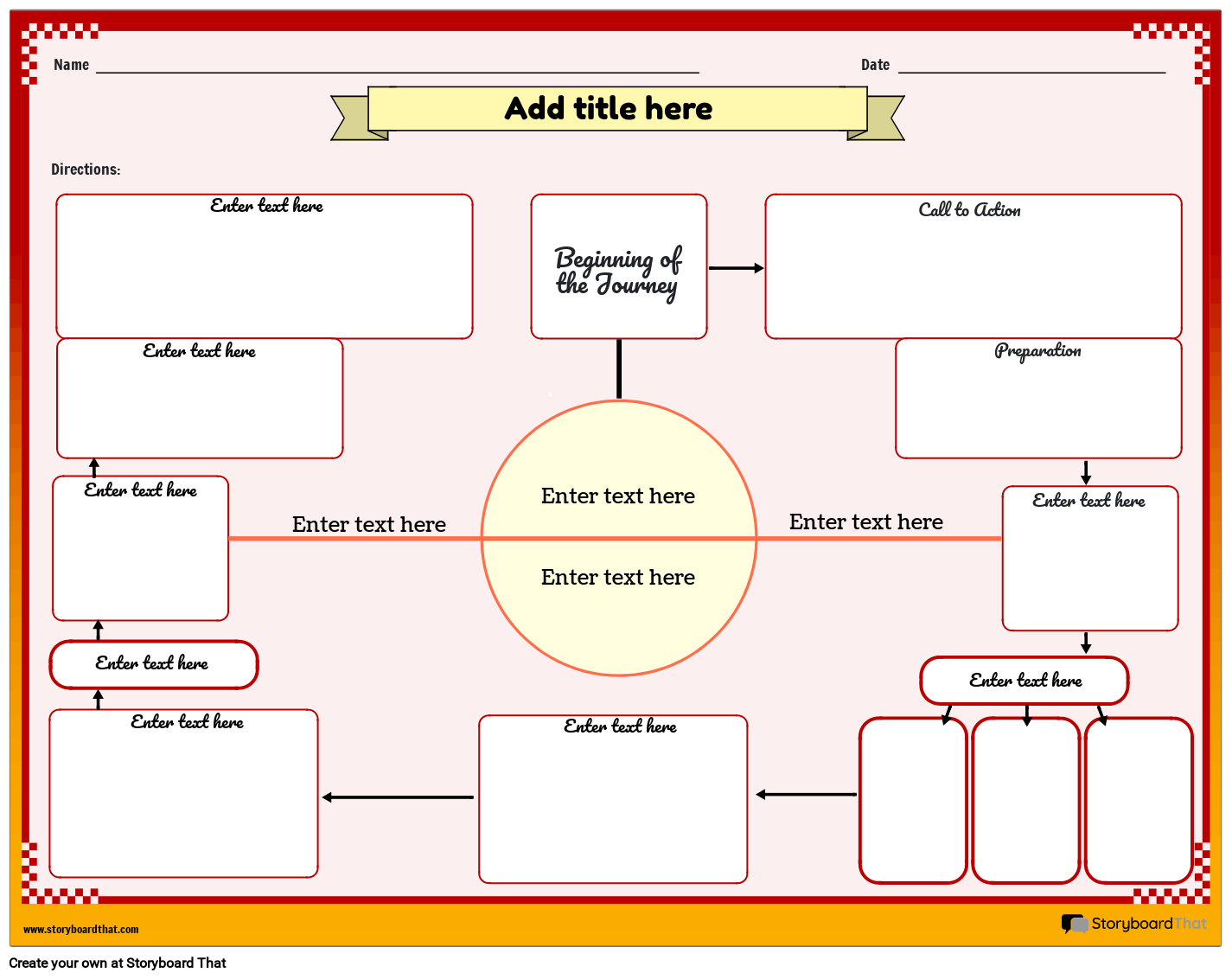
The Hero’s Journey Worksheet is a powerful, dark‑toned catalyst that forces learners to confront narrative structure, psychological depth, and personal growth. By breaking the mythic cycle into concrete, actionable prompts, educators can transform vague ideas into disciplined storytelling, assess work with clarity, and adapt the tool across ages, subjects, and even corporate environments. When used thoughtfully—paired with rigorous feedback, customized language, and purposeful media—the worksheet not only teaches the art of storycraft but also mirrors the very journey it outlines, guiding students from the ordinary world of uncertainty to the triumphant return with their own creative elixir.