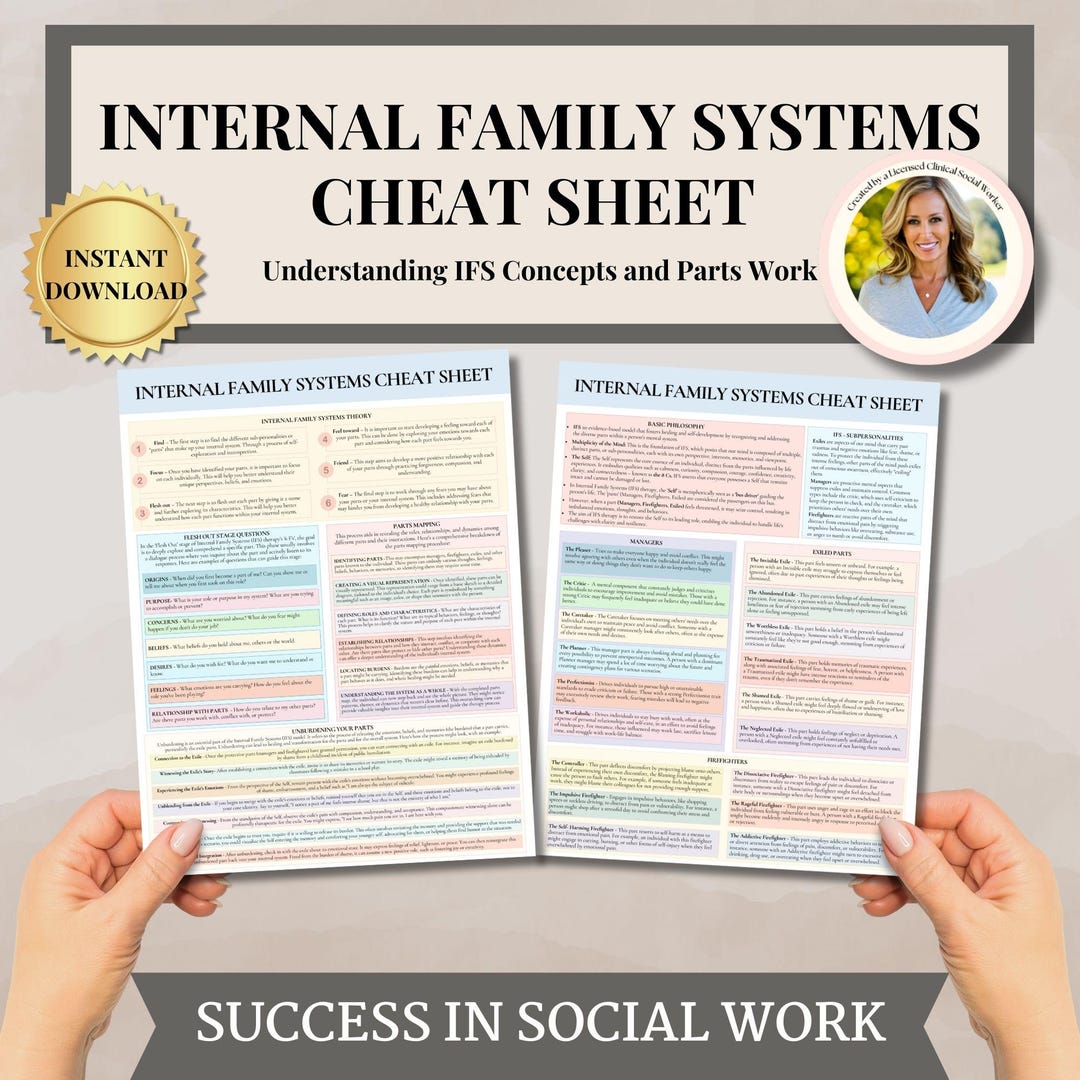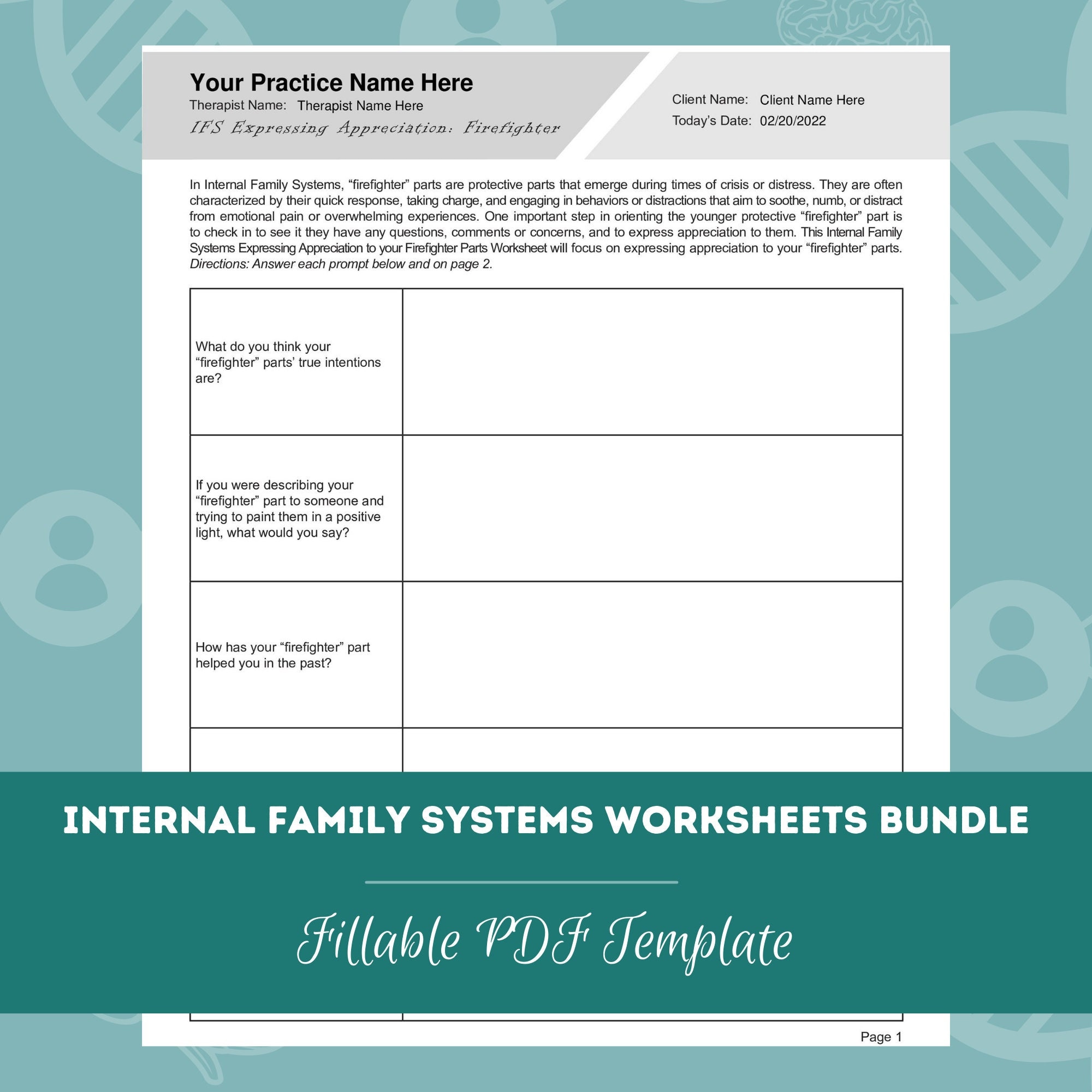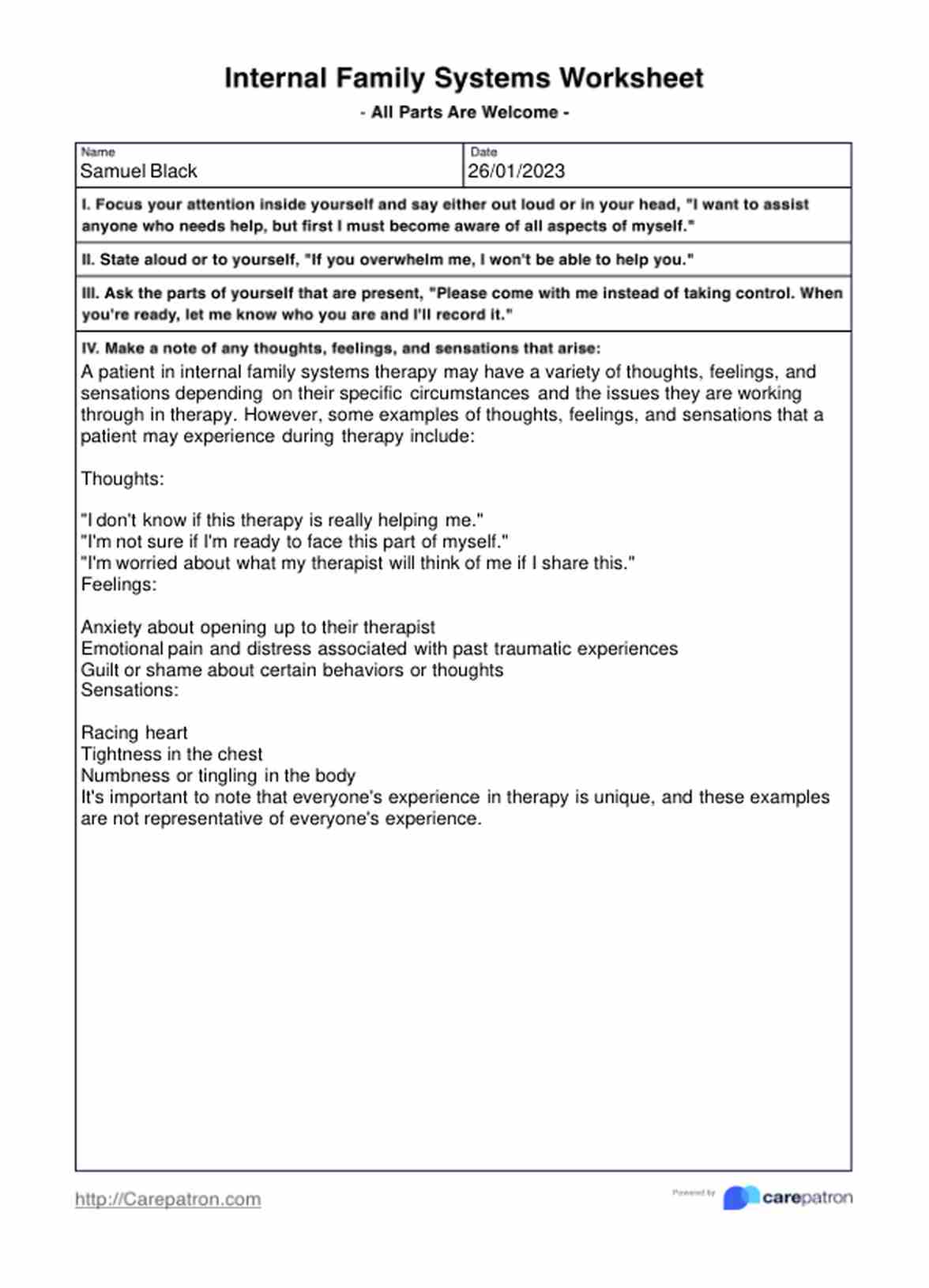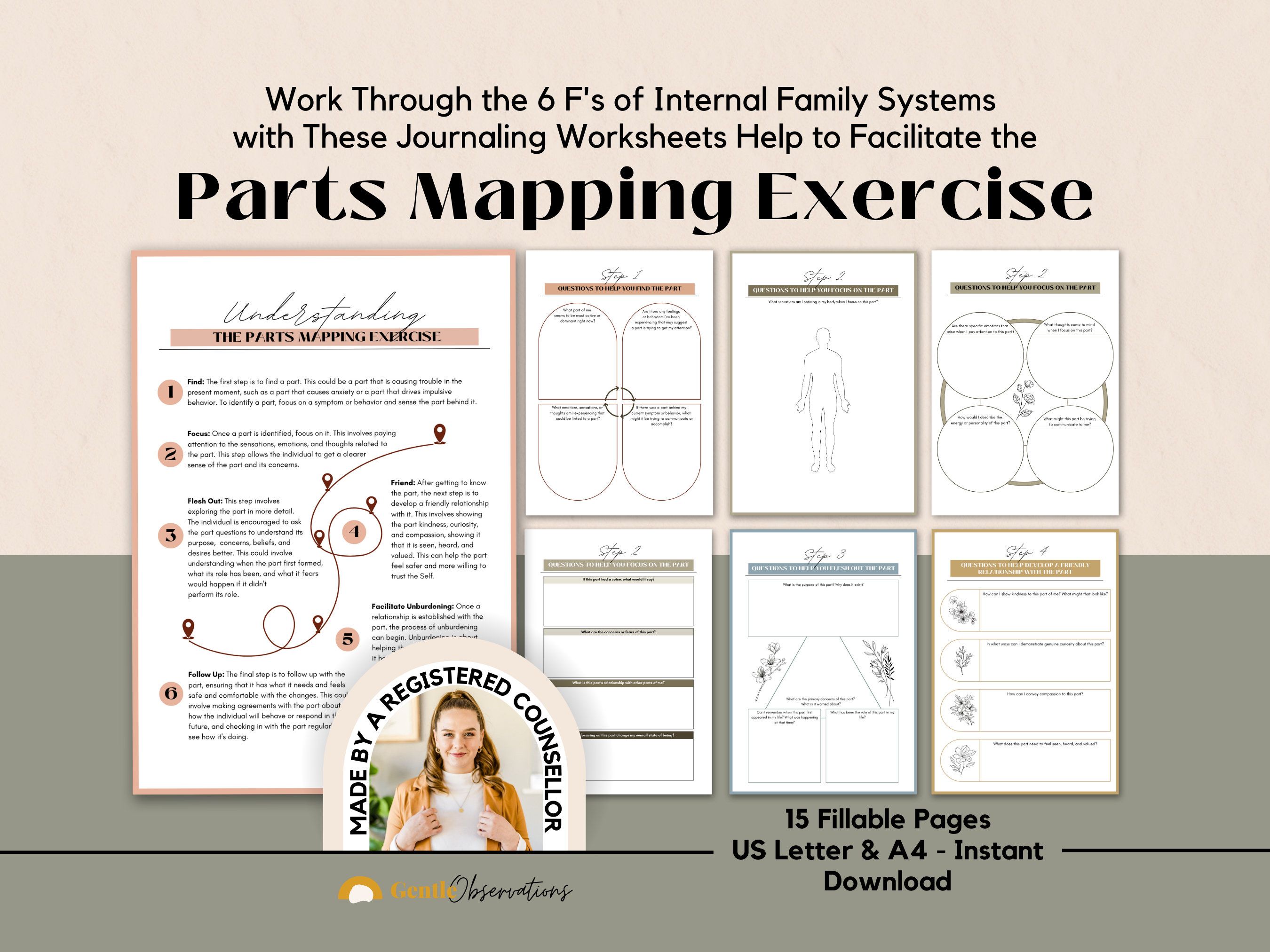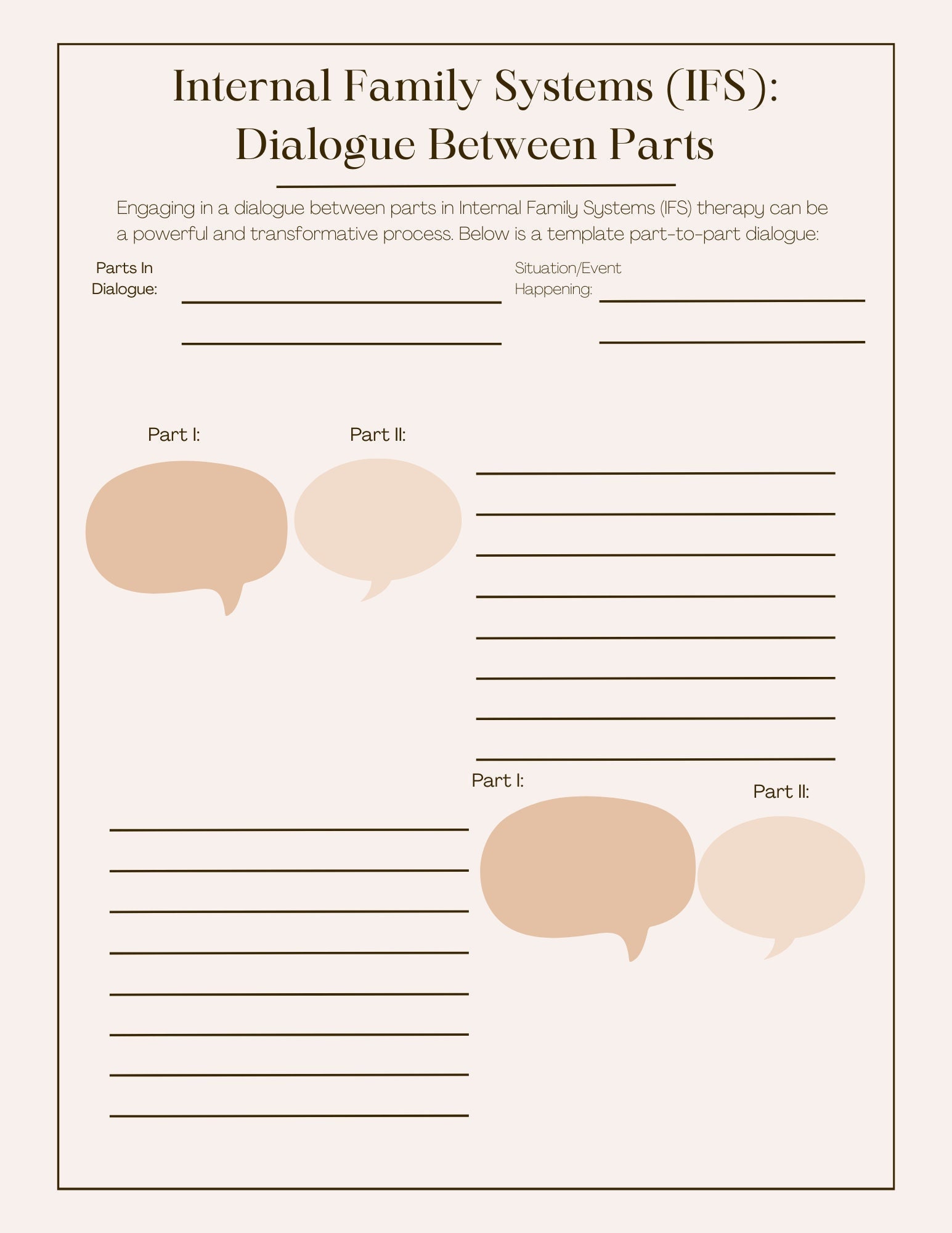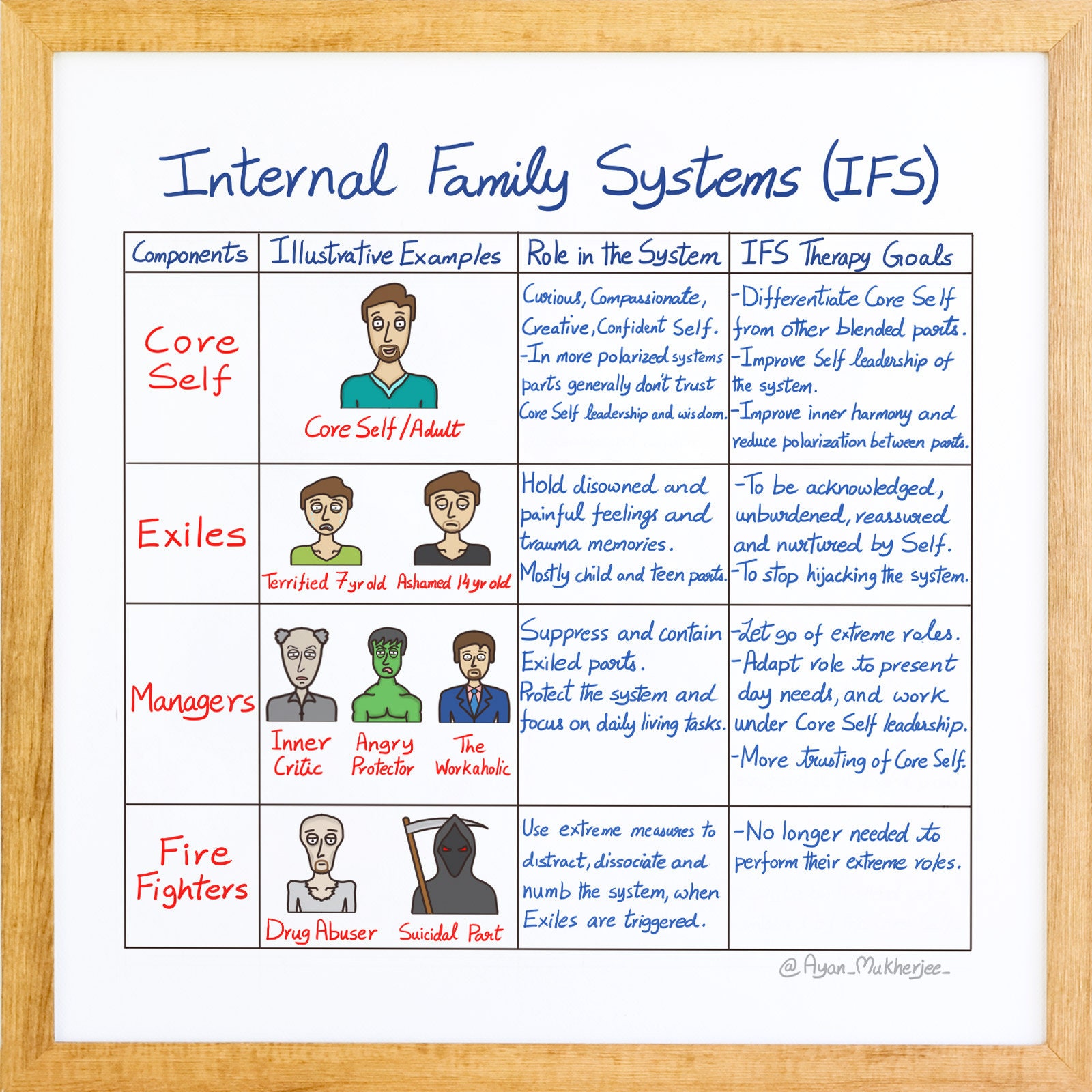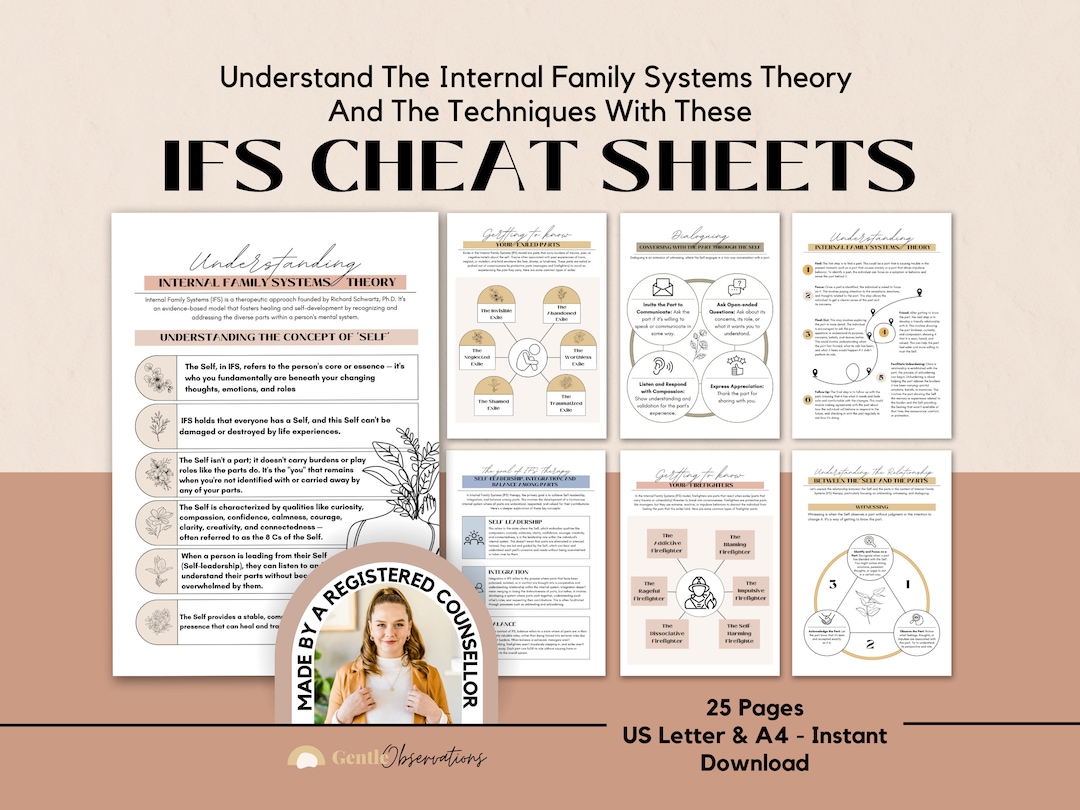
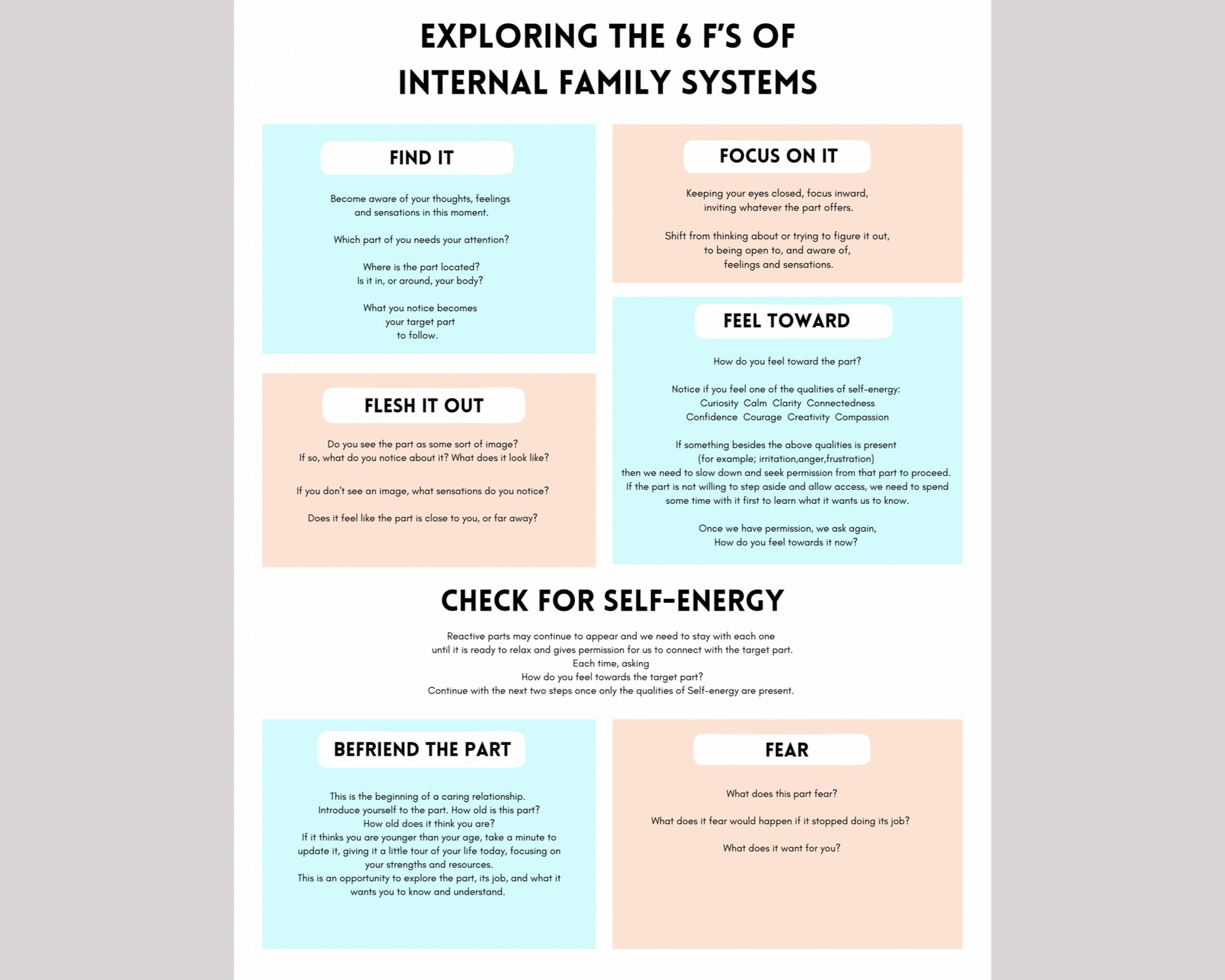
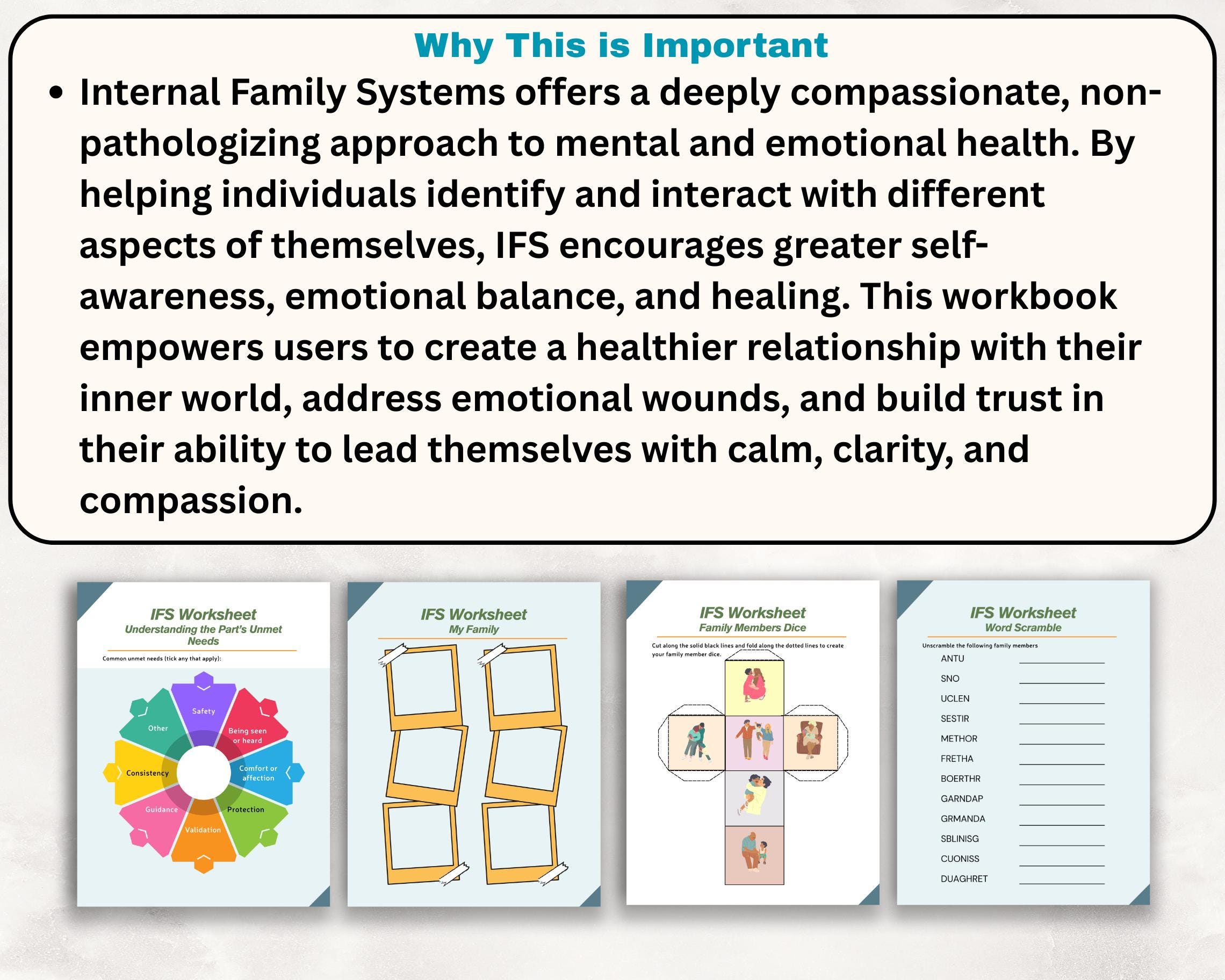
Internal Family Systems Worksheets serve as powerful, practical tools that allow individuals and therapists to map, engage, and heal the diverse parts within each person’s internal ecosystem. By providing a structured, visual, and reflective format, these worksheets bring the complex concepts of IFS—such as exiles, managers, and firefighters—into an accessible, actionable framework. Whether you’re a licensed therapist working with clients or a curious self‑help practitioner, the worksheets can guide you through self‑discovery, conflict resolution, and deep transformation.
Why Use IFS Worksheets? The Core Benefits
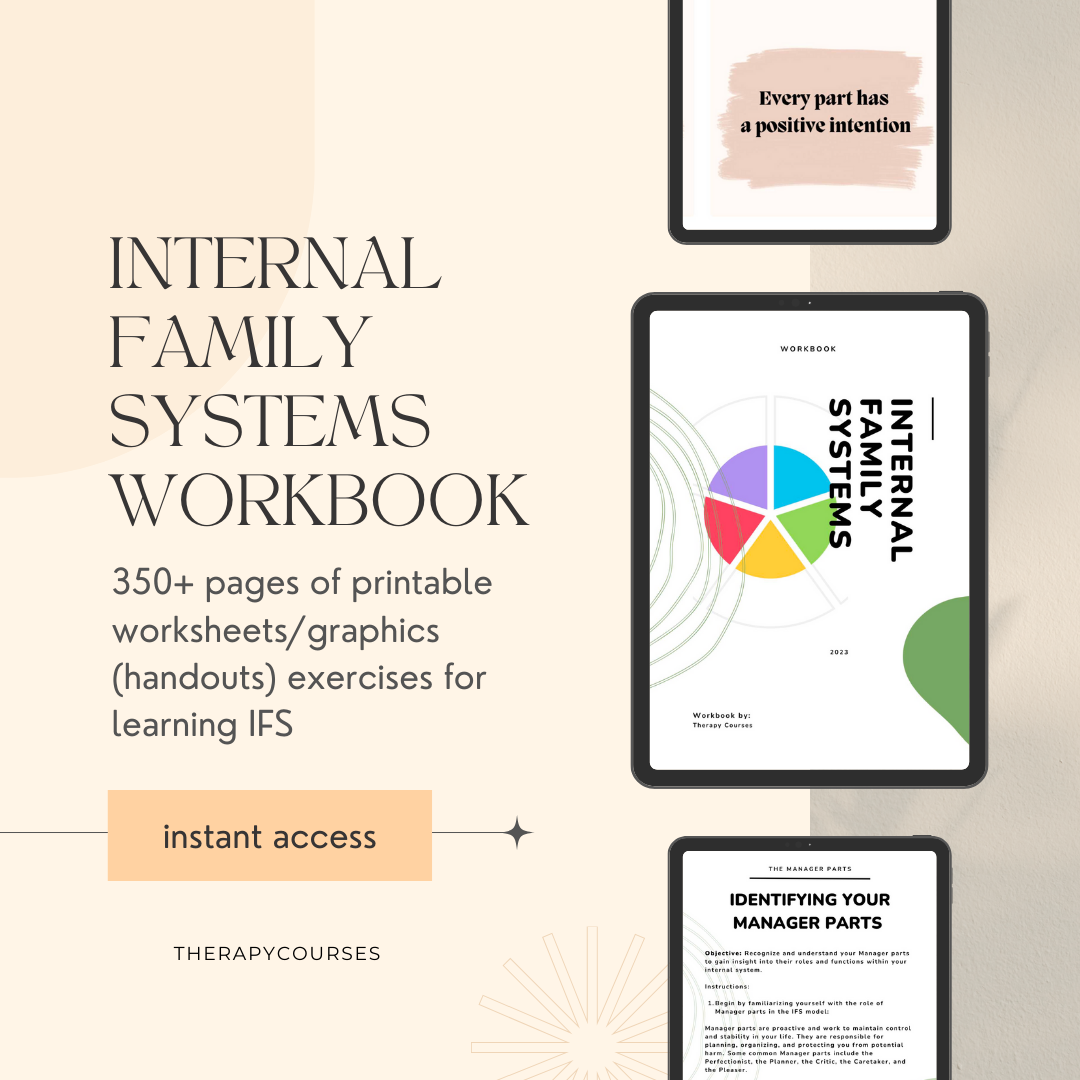
IFS is rooted in the idea that the mind is composed of many subpersonalities or “parts.” Understanding this multiplicity can demystify emotional turbulence and empower change. Worksheets help to:
- Visualize Internal Dynamics – Turning abstract concepts into clear, labeled diagrams.
- Facilitate Dialogue – Providing language for parts to “speak” and be heard.
- Track Progress – Recording shifts over time and measuring healing milestones.
- Support Therapeutic Alliance – Offering tangible evidence that can be discussed in session.
- Enable Self‑Practice – Allowing clients to continue the work between appointments.
Common Misconceptions About IFS Worksheets
- They are not a one‑size‑fits‑all template; customization is key.
- They do not replace therapy; they enhance it.
- They work best when paired with mindful presence and compassion.
Types of IFS Worksheets and How to Use Them

Part Mapping Worksheet
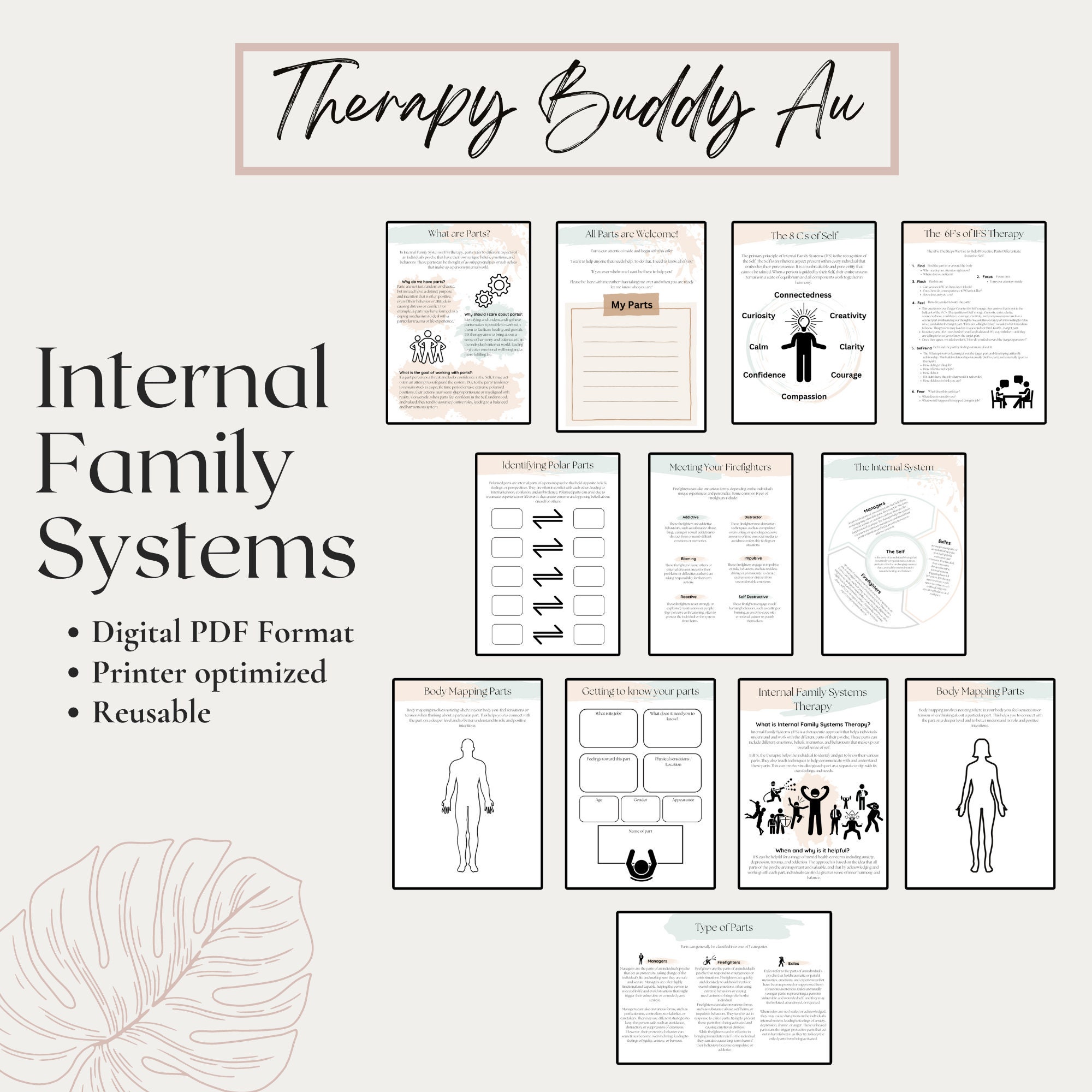
This foundational tool invites the user to sketch a simple diagram of the most prominent parts. Start by listing the part’s name, its role (manager, firefighter, exile), and its main belief or feeling. Add arrows to show interactions.
Example: A client struggling with anxiety might identify a “Perfectionist Manager” that demands control and a “Worrying Firefighter” that attempts to distract. The mapping process uncovers how these parts influence daily behavior.
Exile Healing Worksheet
Exiles are vulnerable parts often carrying trauma‑laden feelings. This worksheet focuses on safe, compassionate communication with exiles. Steps include:
- Identify the exile’s core pain or fear.
- Write a gentle, non‑judgmental message from the Self to the exile.
- Record the exile’s response or what it needs to feel heard.
- Schedule follow‑up reflections to notice any emotional shifts.
In practice, a client dealing with grief might use this worksheet to name the “Lonely Exile” that feels abandoned, then write a self‑compassionate letter offering comfort and reassurance.
Manager and Firefighter Assessment
Managers guard against perceived threats, while firefighters act to soothe distress. By listing each part’s protective strategy, users can understand the adaptive logic behind seemingly maladaptive behaviors.
- Example: A “Critic Manager” may insist on high standards to avoid shame.
- Example: A “Self‑Destructive Firefighter” might turn to binge‑eating as a quick fix for anxiety.
Using a rating scale (1‑5) to indicate the intensity of each strategy can reveal where intervention may be most effective.
Inner Child Reconnection Worksheet
Many people carry an inner child part that remembers early experiences. This worksheet guides the user to:
- Describe the child’s age, interests, and emotional state.
- Identify unmet needs (e.g., attention, safety).
- Create a plan for meeting those needs in a safe, adult‑sourced manner.
Clients often report immediate relief after articulating the child’s voice, as it creates a bridge between past and present.
Step‑by‑Step Guide to Implementing Worksheets in Therapy
Preparation Phase
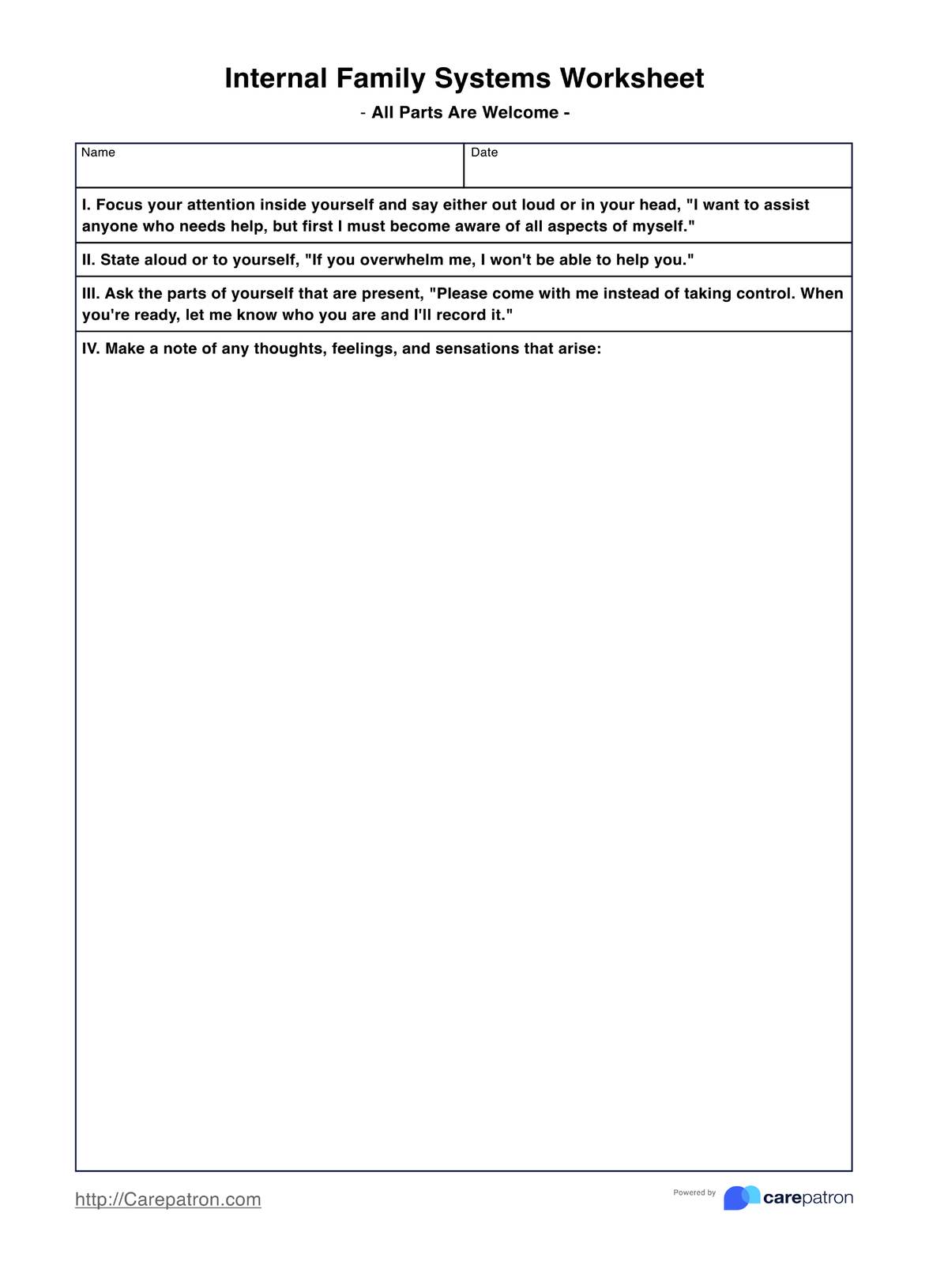
- Introduce the concept of parts in a gentle, non‑technical language.
- Explain that the worksheets are a safe space for exploration.
- Provide a brief overview of the worksheet types and their purpose.
Session Application
- Part Mapping – Begin with a quick map to establish key parts.
- Targeted Work – Select a part or set of parts for deeper exploration.
- Use the appropriate worksheet (e.g., Exile Healing, Manager Assessment).
- Encourage the client to write from the perspective of the Self, not the part.
Between‑Session Practice
Recommend that clients bring the worksheet home and update it after moments of reflection or emotional shifts. This habit cultivates ongoing self‑awareness and reinforces therapeutic gains.
Review and Integration
During follow‑up sessions, compare the worksheet entries with current emotional states. Highlight progress such as reduced intensity of a firefighter’s reaction or increased Self‑presence in the mapping diagram.
Practical Tips for Creating Effective Worksheets
- Keep Language Simple – Avoid jargon; use everyday words.
- Include Visual Elements – Drawings, colors, or icons help differentiate parts.
- Make Space for Emotion – Allow room for free text where feelings can be written.
- Offer Flexibility – Encourage users to add or remove parts as they evolve.
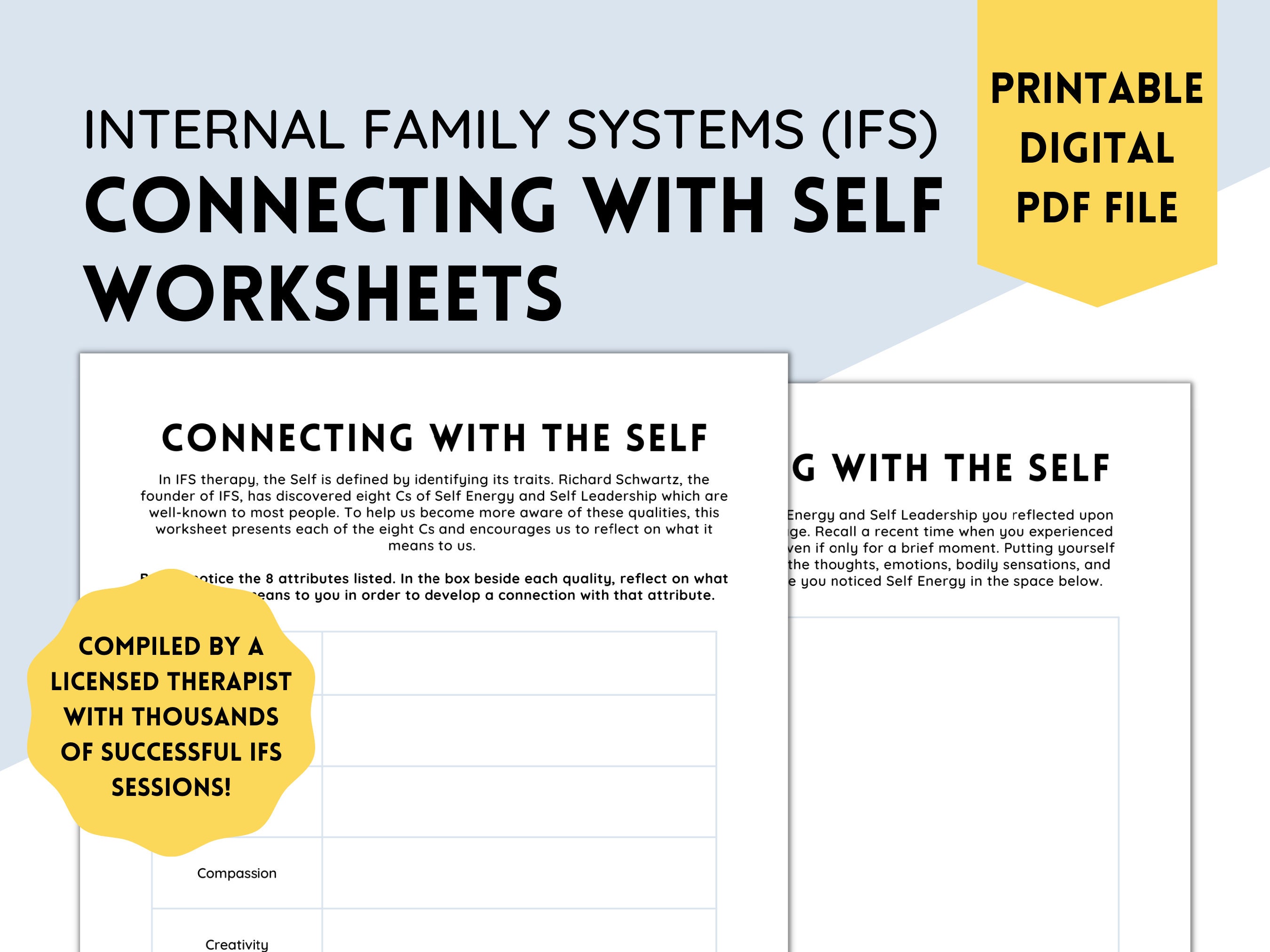
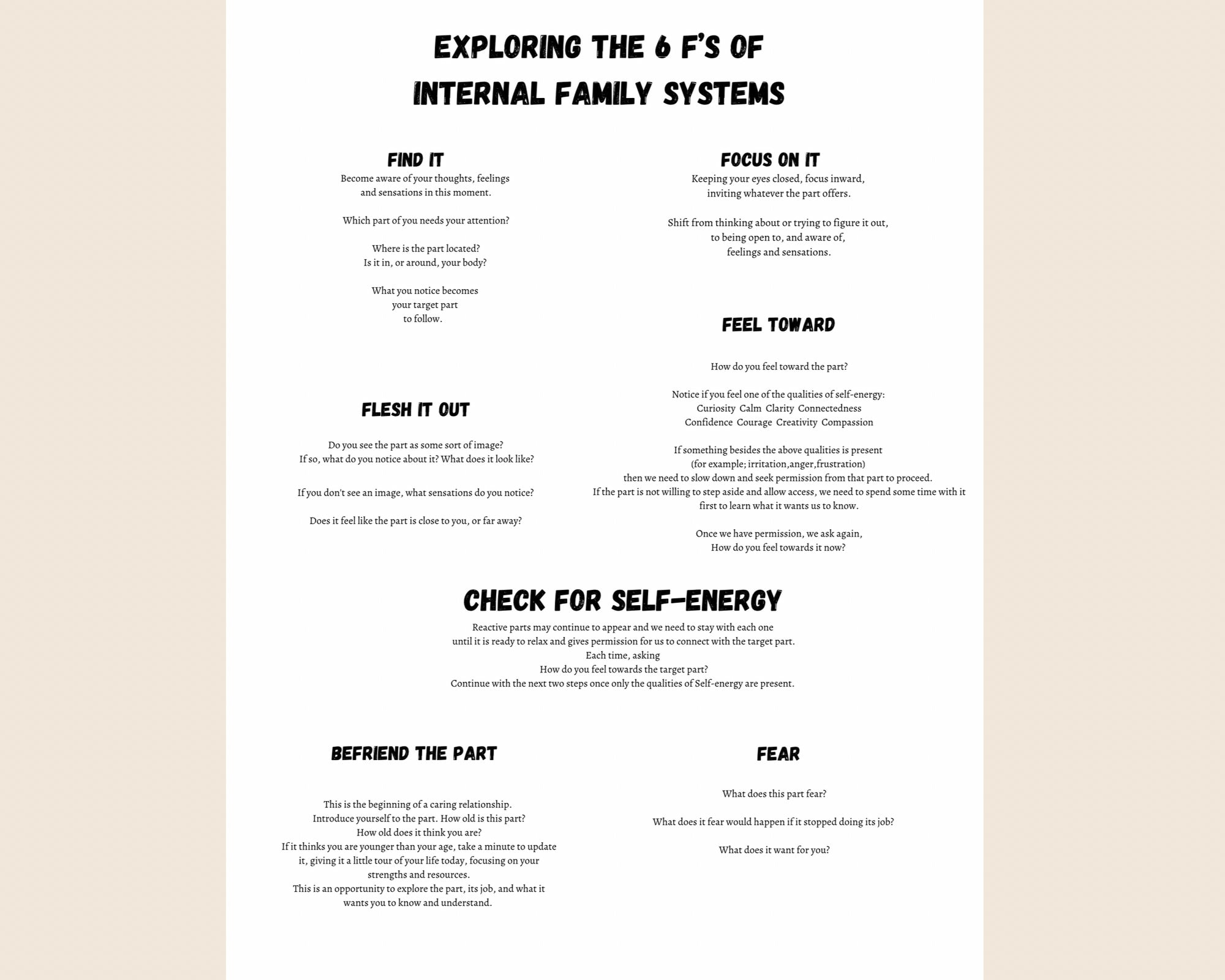
- Use Prompted Questions – Provide guided prompts for self‑reflection.
Digital vs. Printed Worksheets
Digital worksheets provide instant editing and auto‑save features, ideal for tech‑savvy users. Printed versions enable tactile interaction, which some find grounding. A blended approach—starting with a printout and then moving to a digital journal—can maximize accessibility.
Real‑World Success Stories
Case Study 1: Overcoming Social Anxiety
A 28‑year‑old professional used a Part Mapping Worksheet to identify a “Perfectionist Manager” that sabotaged networking opportunities. By writing a Self‑compassionate note to the manager, the client gradually loosened the grip of hyper‑criticism, leading to increased confidence and meaningful connections.
Case Study 2: Healing Childhood Trauma
A 45‑year‑old parent employed the Inner Child Worksheet to reconnect with a “Lonely Exile.” The written dialogue fostered empathy toward self‑hurtful habits such as over‑drinking. Subsequent sessions focused on meeting the child’s needs through healthy boundaries, resulting in reduced alcohol consumption and improved family dynamics.
Common Challenges and How to Address Them
Resistance to Writing
Some clients feel uncomfortable putting emotions on paper. Offer alternatives like audio recordings or sketching. Gradual exposure—starting with brief prompts—can ease this barrier.
Overwhelming Complexity
When the internal map becomes dense, simplify by focusing on the top three most impactful parts. This keeps the worksheet manageable and reduces anxiety.
Maintaining Consistency
Encourage a routine, such as reviewing the worksheet each evening. Setting reminders or integrating the work into a daily meditation practice can reinforce consistency.
How to Customize Worksheets for Specific Populations
- Adolescents – Use bright colors and simpler language; incorporate storytelling.
- Clients with PTSD – Emphasize safety and grounding prompts; keep the process gradual.
- Couples Therapy – Create shared worksheets to map relational parts and co‑create a healing plan.
Integrating IFS Worksheets into Broader Therapeutic Practices
IFS worksheets complement other modalities such as mindfulness, CBT, and EMDR. For example, after a CBT session that identifies cognitive distortions, a client can use a Part Mapping Worksheet to understand which internal part drives those thoughts. This integrated approach deepens insight and expands the toolbox for lasting change.
Final Thoughts on the Power of Internal Family Systems Worksheets
Internal Family Systems Worksheets transform abstract theory into tangible practice. By providing a structured, compassionate framework, they empower individuals to hear their inner voices, negotiate with conflicting parts, and cultivate Self‑leadership. Therapists can leverage these tools to deepen their clients’ self‑awareness, while self‑help enthusiasts find a clear, actionable path to personal growth. Embrace these worksheets as a bridge between mind and heart, and watch the internal landscape shift from confusion to clarity, from conflict to harmony.