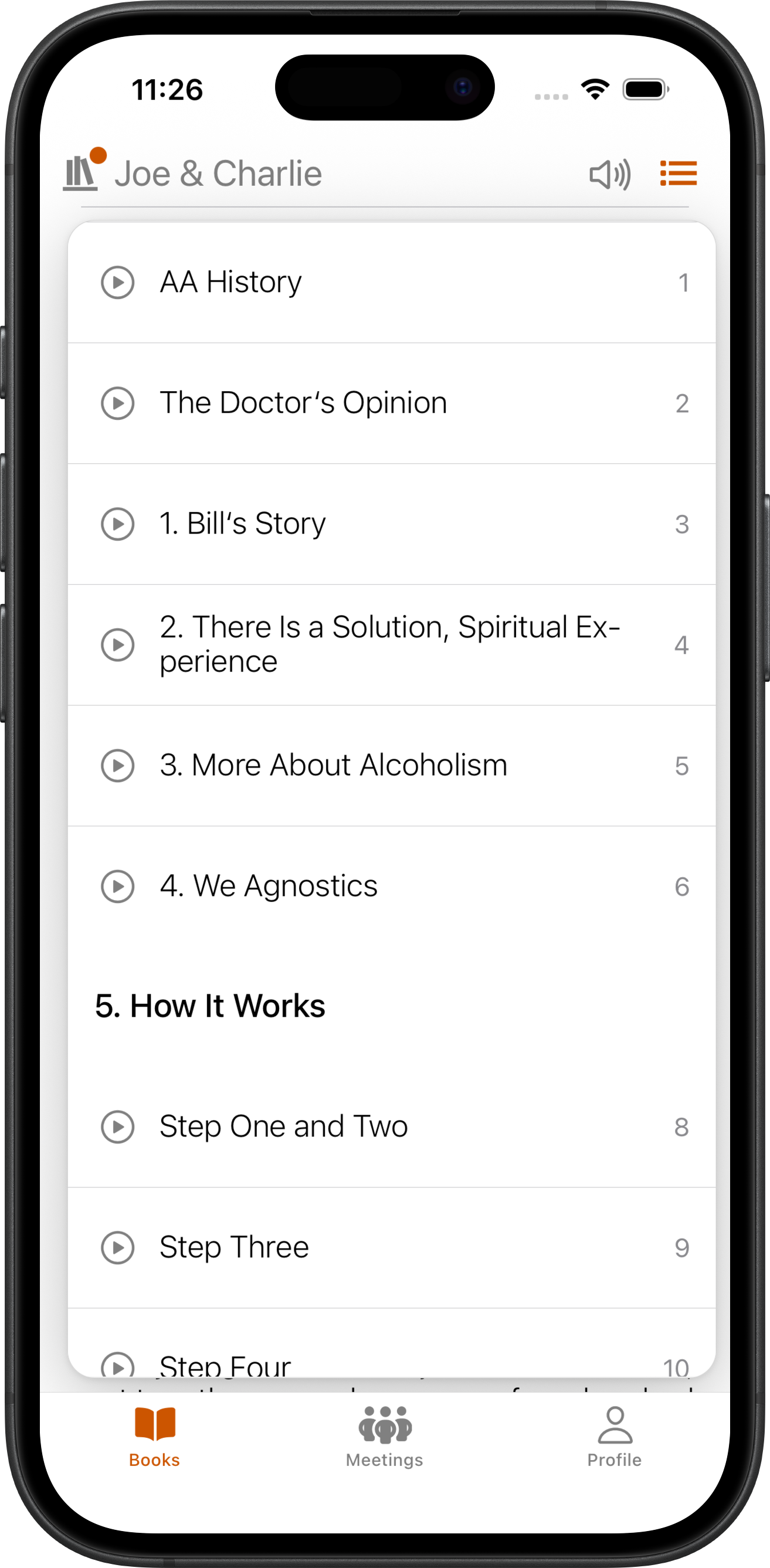
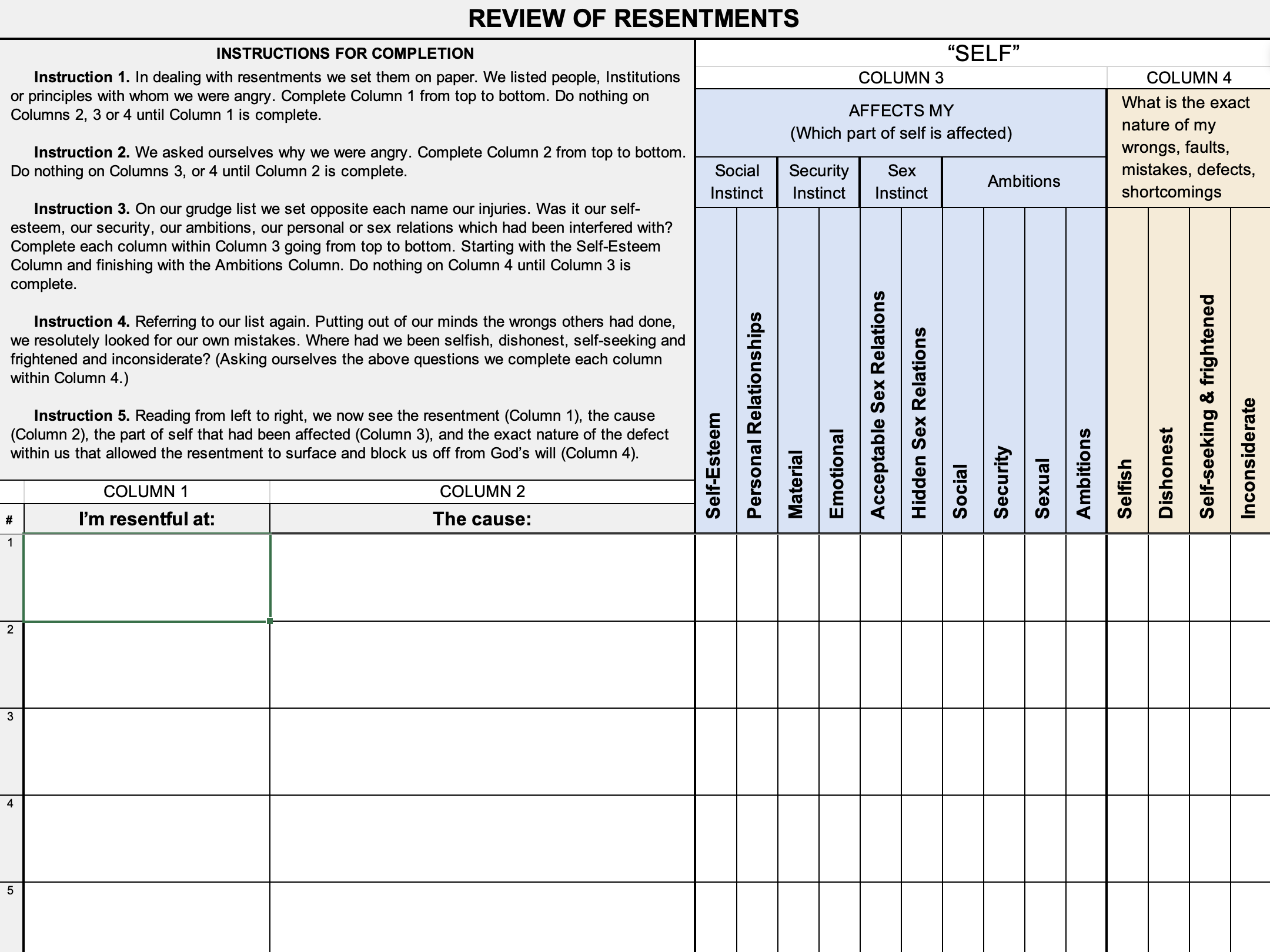
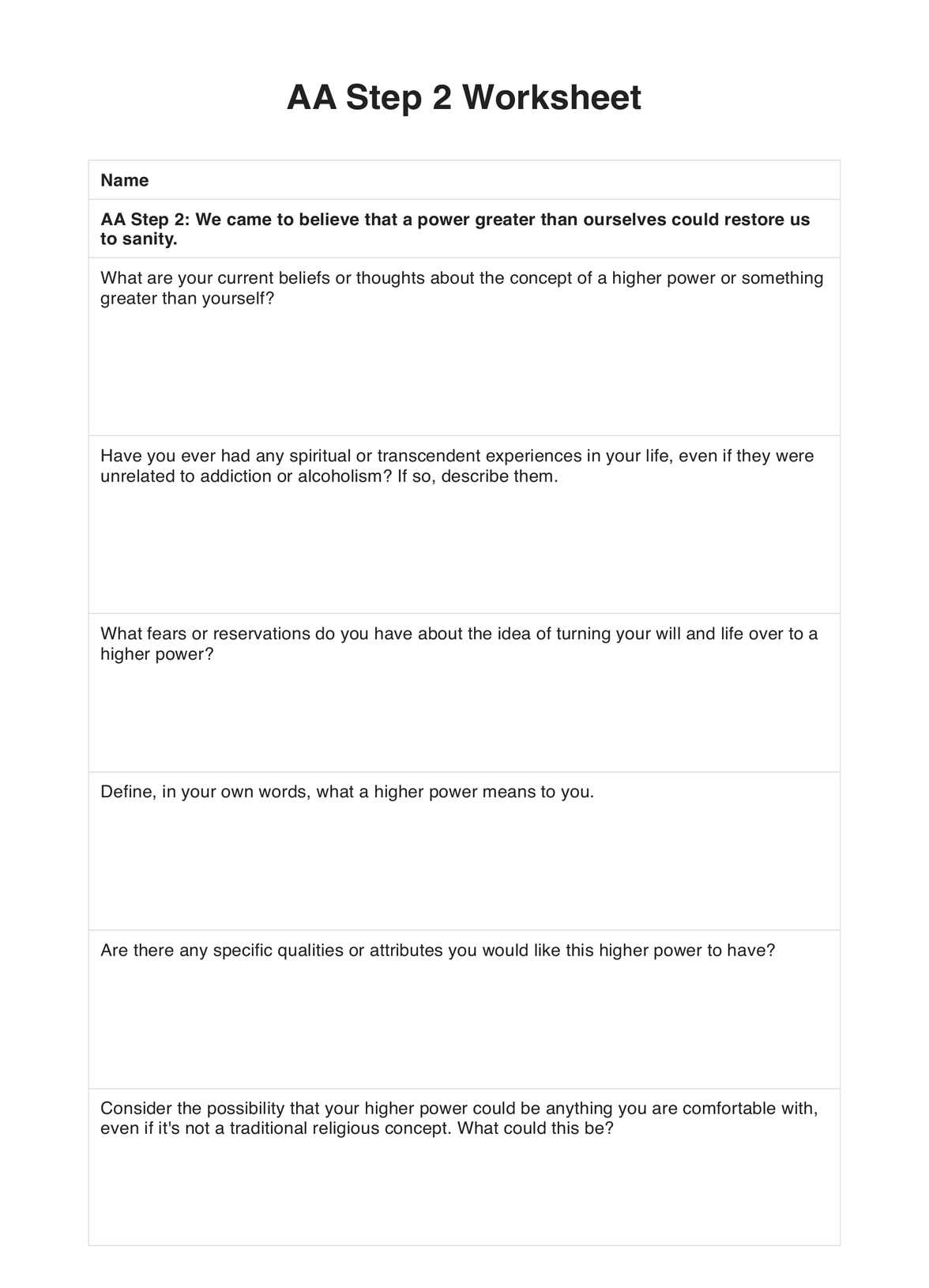
If you’re looking for a creative, engaging way to dive into the Two Joe and Charlie Big Book 12 Step Studies, Joe And Charlie Worksheets can be your best ally, turning each study into a memorable adventure that’s as fun as it is transformative.
What Are Joe and Charlie Worksheets?

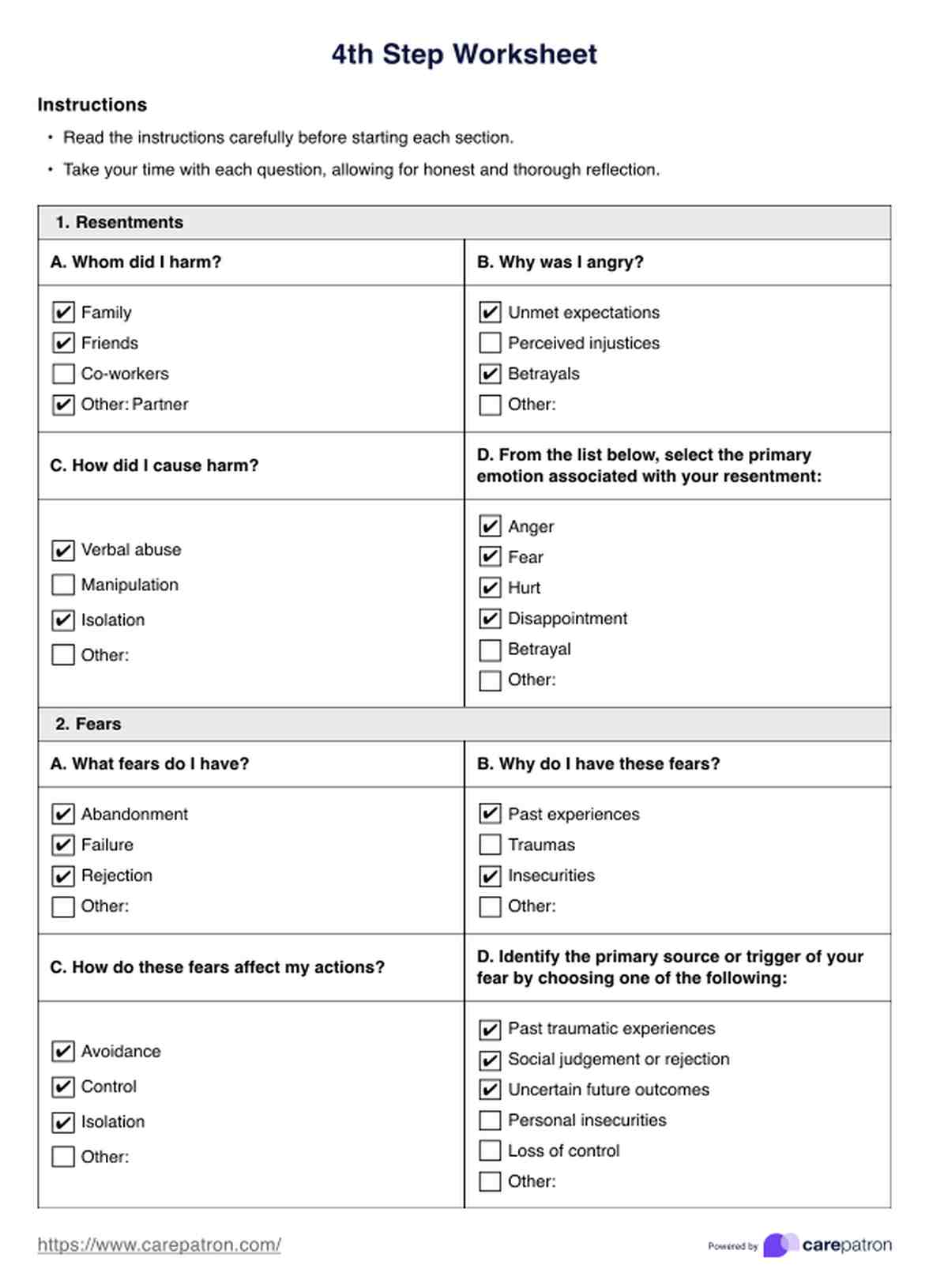
Joe and Charlie worksheets are thoughtfully designed tools that accompany the classic Twelve Step study material, providing guided questions, reflection prompts, and interactive exercises. Think of them as the friendly sidekick that keeps you on track while you explore the depth of the original text.
The Origin
These worksheets were created by long-time study leaders who noticed that many participants struggled to keep pace or find the personal relevance in the dense prose of the Twelve Steps. By distilling key concepts into clear, manageable tasks, they turned a potential stumbling block into a smooth, enjoyable journey.
Why They Matter
- They break down complex ideas into bite‑size, actionable insights.
- They foster active participation, turning passive reading into active learning.
- They create a tangible record of growth that you can revisit.
Getting Started with Your First Worksheet

Before you dive in, a little preparation can turn a good session into a great one.
Choose the Right Study
Match the worksheet to the specific chapter or theme you’re exploring. Each worksheet is tailored to highlight the unique lessons of its corresponding study.
Gather Your Materials
Have a notebook or digital app ready, along with a pen that feels like a trusted confidant. If you prefer a tactile experience, a sturdy journal with lined pages works beautifully.
Set the Scene
Find a quiet corner, dim the lights if you like, and maybe light a scented candle. Creating a small ritual signals to your brain that it’s time for deep reflection, not just another task on your to‑do list.
Mastering the Core Themes

Each worksheet hones in on one of the core themes that make the Joe and Charlie studies so powerful. By focusing on one theme at a time, you’ll build a solid foundation for lasting change.
Theme 1: Acceptance
Acceptance is the gateway to healing. Worksheets prompt you to:
- Identify the “unacceptable” thoughts or patterns that hold you back.
- Rewrite them in a compassionate tone, like turning a harsh critique into a gentle reminder.
- Map out small, realistic steps you can take to embrace what is.
Theme 2: Accountability
Accountability transforms intentions into actions. Worksheets guide you to:
- Set clear, measurable goals for each step.
- Track progress with daily or weekly check‑ins.
- Share your commitments with a trusted partner for added support.
Theme 3: Compassion
Compassion is the glue that holds everything together. Worksheets help you:
- Practice self‑compassion through affirming statements.
- Extend empathy to others who may be in a similar struggle.
- Document moments of kindness you’ve witnessed or experienced.
Tips for Making Worksheets Fun

Who says deep work has to be dry? Injecting humor and creativity keeps the mind engaged and reduces resistance.
Humor as a Tool
Start with a light‑hearted anecdote or a silly question. For example, “If Joe had a superhero sidekick, what would its superpower be, and how would it help you?”
Visual Aids
Use doodles, emojis, or color‑coded sections. A quick sketch of a mountain to represent obstacles can make the material feel more tangible.
Interactive Elements
Incorporate check‑lists, rating scales, or even a small “fortune cookie” box where you write a positive affirmation to pull out later.
Real‑World Success Stories

Seeing how others have turned worksheets into breakthroughs can inspire you to push forward.
Case Study 1
Sarah, a 32‑year‑old marketing executive, struggled with work‑life balance. By using the Acceptance worksheet each night, she identified the “always-on” mindset as the root of her stress. She rewrote her inner dialogue, set a strict “no‑email” policy after 7 pm, and within three months reported a 45 % decrease in anxiety.
Case Study 2
Mike, a retired teacher, felt disconnected from his peers. His Accountability worksheet helped him set a goal to call one friend a week. Over six months, he not only rekindled old friendships but also discovered a newfound sense of purpose in mentoring his grandchildren.
Customizing Worksheets for Different Audiences

Each reader is unique, and so should be the tools they use. Adapt worksheets to fit the needs of various groups.
Teenagers
Use shorter prompts, incorporate meme references, and tie worksheets into popular social media challenges to keep them relatable.
Couples
Create joint worksheets that ask both partners to reflect on shared goals, fostering deeper connection through mutual accountability.
Small Groups
Use group worksheets with sections for everyone to contribute, encouraging a sense of community and shared ownership of progress.
Troubleshooting Common Challenges

Even the most well‑intentioned efforts can hit snags. Here’s how to keep momentum going.
Overwhelming Detail
If a worksheet feels too dense, break it into daily micro‑tasks. Focus on one question per day and revisit the rest later.
Resistance to Writing
When the pen feels heavy, try free‑writing first. Let the thoughts flow unfiltered for five minutes, then return to the structured prompts.
Time Constraints
Allocate a fixed 10‑minute slot each day. Even a brief, focused session can be more effective than sporadic, long marathons.
Integrating Worksheets into Group Settings

Group settings amplify the power of worksheets, turning individual insights into collective momentum.
Group Dynamics
Encourage participants to share their reflections in small circles. This creates a safe space for vulnerability and mutual encouragement.
Facilitator Tips
- Start with a brief recap of the theme to set context.
- Use the worksheets as a scaffold, not a script—allow flexibility for personal storytelling.
- End with a group affirmation that ties together the shared learnings.
Conclusion
By weaving Joe And Charlie Worksheets into your study routine, you unlock a playful yet profound path toward personal growth. The worksheets serve as a compass, guiding you through acceptance, accountability, and compassion, while the added layers of humor, visuals, and customization ensure each session feels fresh and engaging. Whether you’re tackling the challenges of a busy career, navigating the complexities of relationships, or simply seeking deeper meaning, these worksheets become the bridge that transforms abstract ideas into concrete, life‑changing actions.