Joints And Movement Worksheet is not just a boring list of bones and labels; it’s your passport to a world where your elbows and knees join the party like a well-rehearsed dance crew. Picture this: your fingers, shoulders, hips, and even your tiny thumb are all part of a giant, high‑tech, human symphony orchestra. And this worksheet? It’s the sheet music that keeps them humming in perfect sync. Let’s dive into the fun, flabby, and sometimes freaky side of joint science.
Why Joints Matter (and Why You Should Care)

Every time you wave hello, touch the ceiling, or try to do the “pretend you’re a penguin” yoga pose, your joints are doing a high‑energy juggling act. Without them, you’d be a fossil stuck in a stone statue. This section lays out why a good joint is a superhero: it grants mobility, protects, and lets you enjoy all the little things that make life tick.
Three Main Functions of Joints
- Movement: Think of joints as the hinge that lets your body twist, bend, and flex—like a door that swings open to new adventures.
- Stability: Joints keep your bones locked together so you don’t topple like a poorly built Lego tower.
- Shock Absorption: The cartilage cushion between bones is like a trampoline for your feet, preventing bruises when you sprint or stumble.
Types of Synovial Joints—Your Body’s Ultimate Flexibility Toolbox

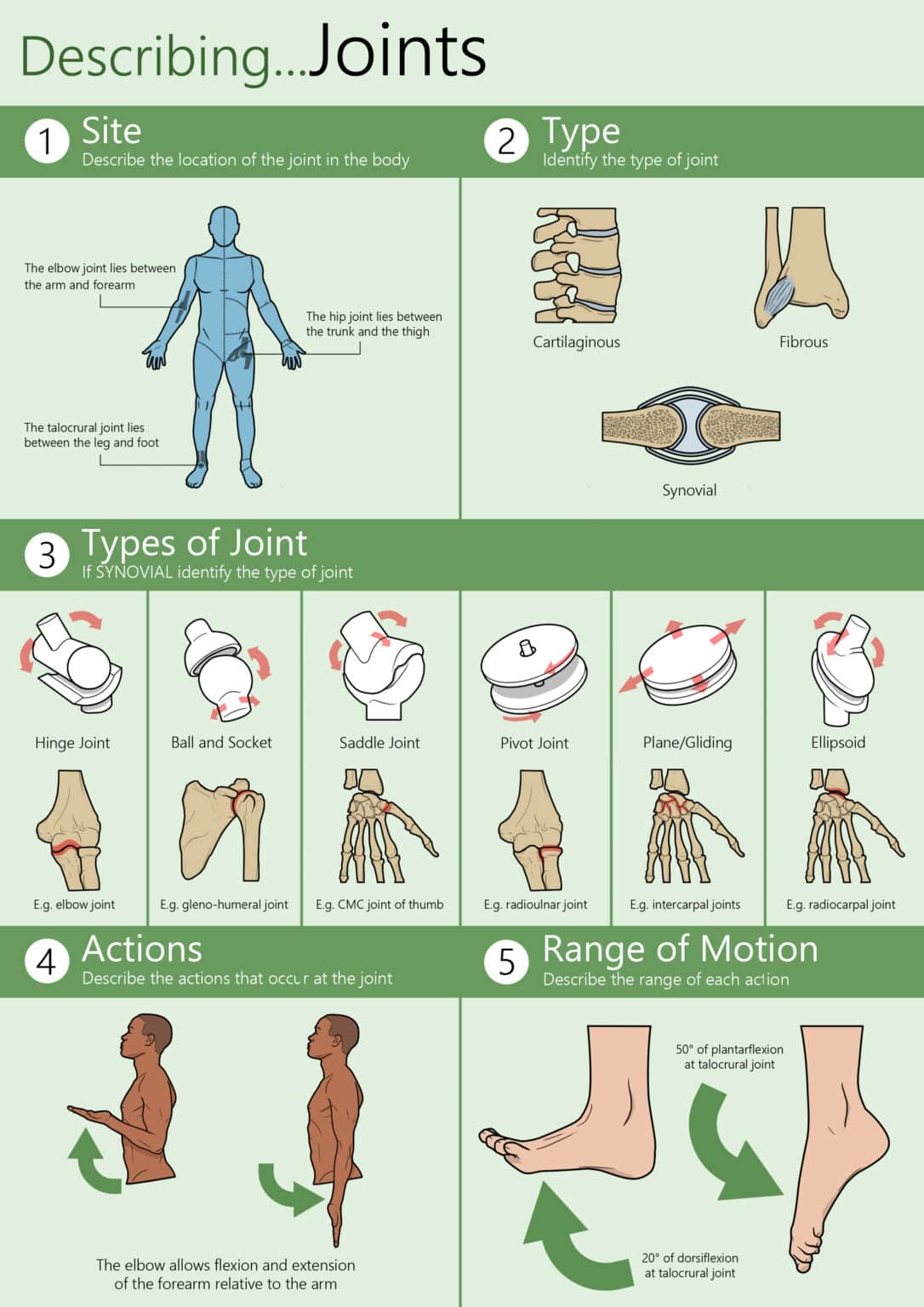
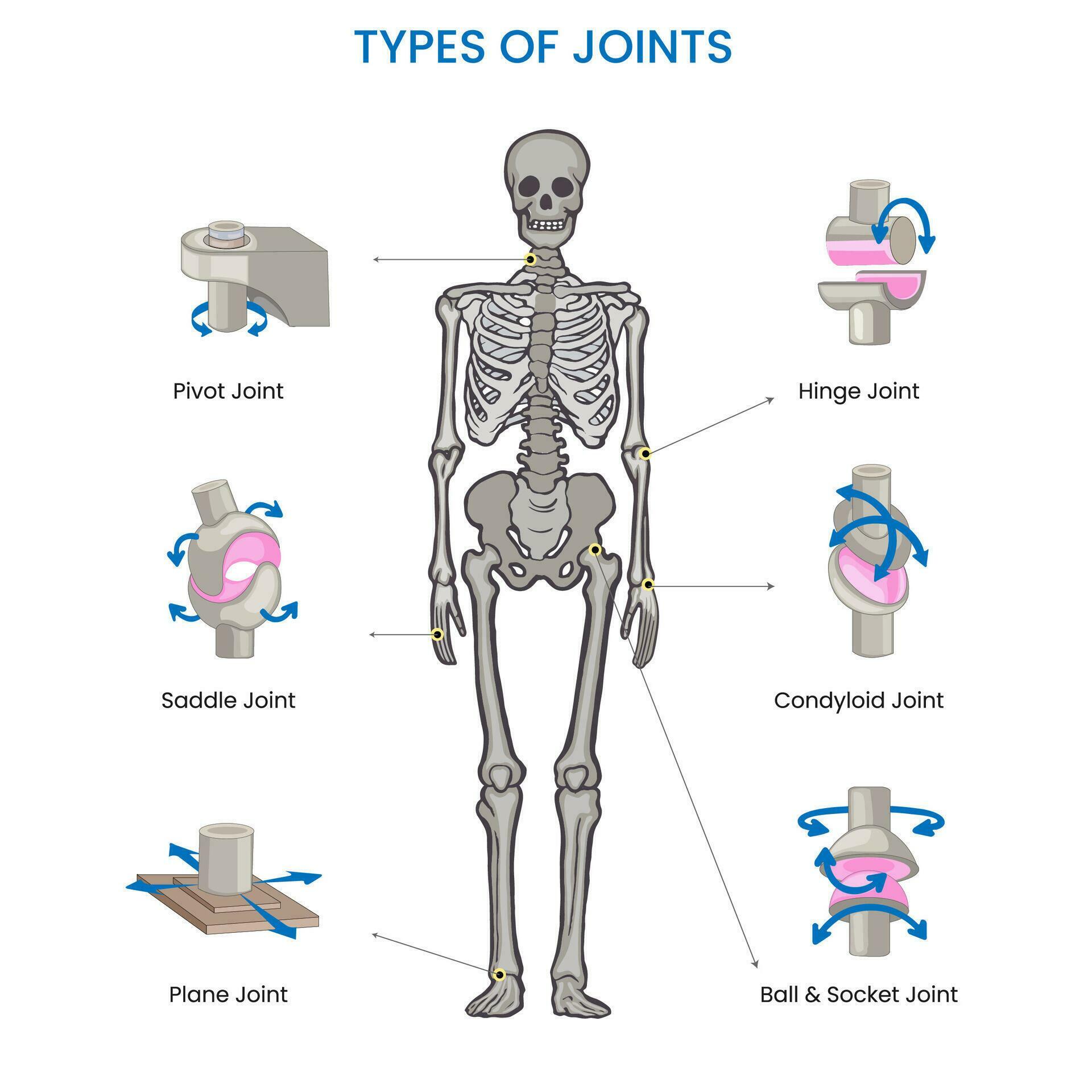
Synovial joints are the fancy, high‑performance families of joints. They’re the ones you’ll see on your worksheet because they’re the most interesting—and they’re the reason you can kick a soccer ball or touch your toes without a chiropractor’s help.
Ball‑and‑Socket Joints: The Multidirectional Marvels
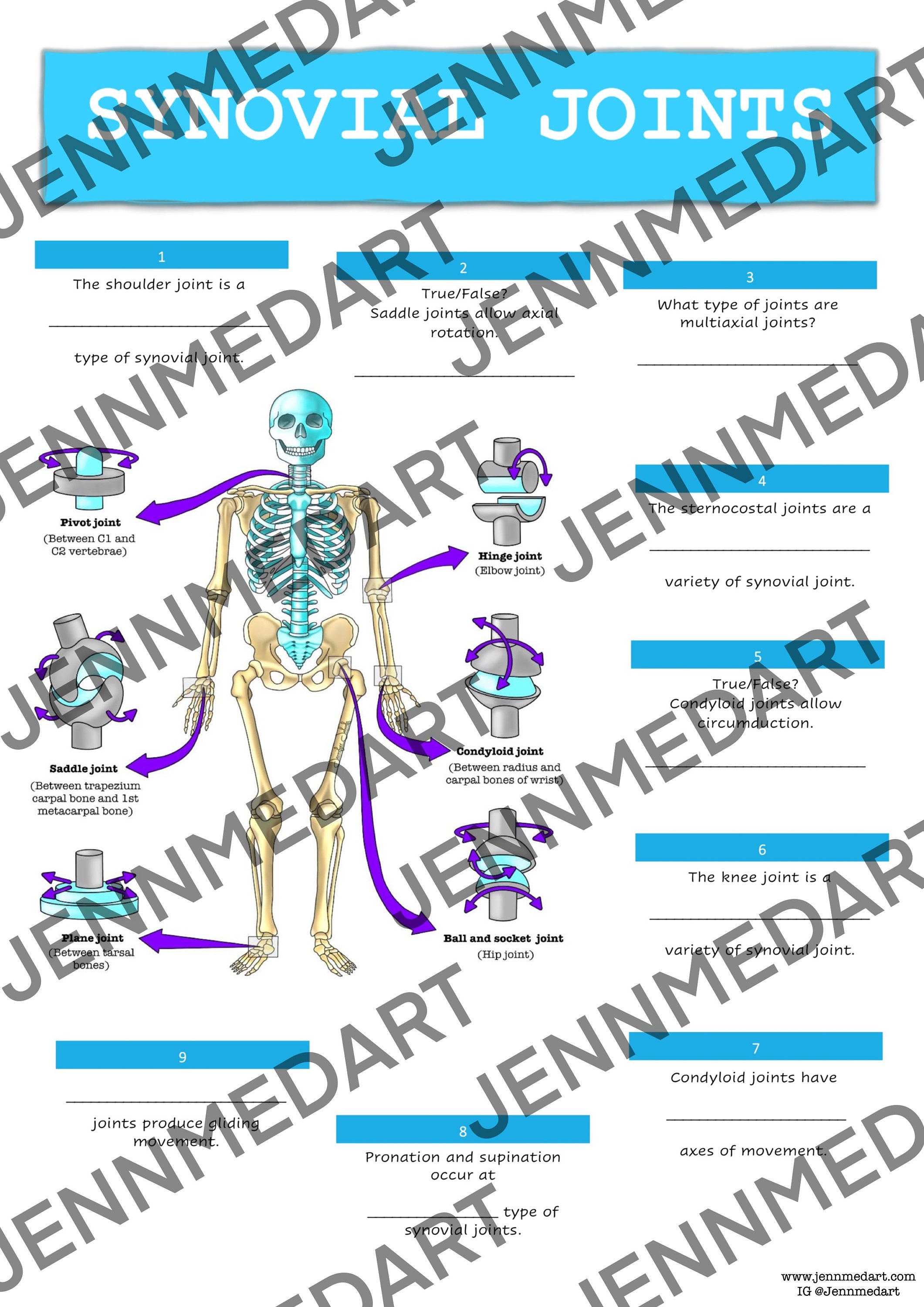
These joints are like the Swiss Army knives of anatomy. Located in the hip, shoulder, and the sternum, they allow rotation, flexion, extension, abduction, adduction, and even a touch of diagonal. The hip joint is a powerhouse that lets you jog, hop, and, with a bit of practice, do a perfect cartwheel.
Hinge Joints: The Straight‑Line Heroes
Think of a door. The elbow, knee, and ankle are classic hinge joints. They permit flexion and extension—like opening a letter or sliding a door—but no side‑to‑side movement. They’re the reason you can raise your arms in a triumphant wave, yet can’t swipe your elbow sideways without a serious joint injury.
Pivot Joints: The Rotational Rulers
Pivot joints let one bone rotate around another, like your neck’s atlas and axis bones, which allow you to turn your head from side to side. The radius and ulna’s interosseous membrane acts as a pivot joint, letting your wrist twist to do the “handstand handshake” during a yoga session.
Saddle Joints: The Thumb’s Best Friends
The carpometacarpal joint at your thumb’s base is a saddle joint that gives your thumb the power to pick up a paperclip with the precision of a surgeon’s scalpel. It’s a combination of hinge and gliding, letting your thumb perform the “I’m a superstar” gesture.
Gliding Joints: The Quiet Cogs
Found in the wrists and ankles, these joints allow sliding movements. They’re like the backstage crew of your joint orchestra, enabling smooth, subtle motions that keep your body’s rhythm alive.
How to Use the Joints And Movement Worksheet Effectively
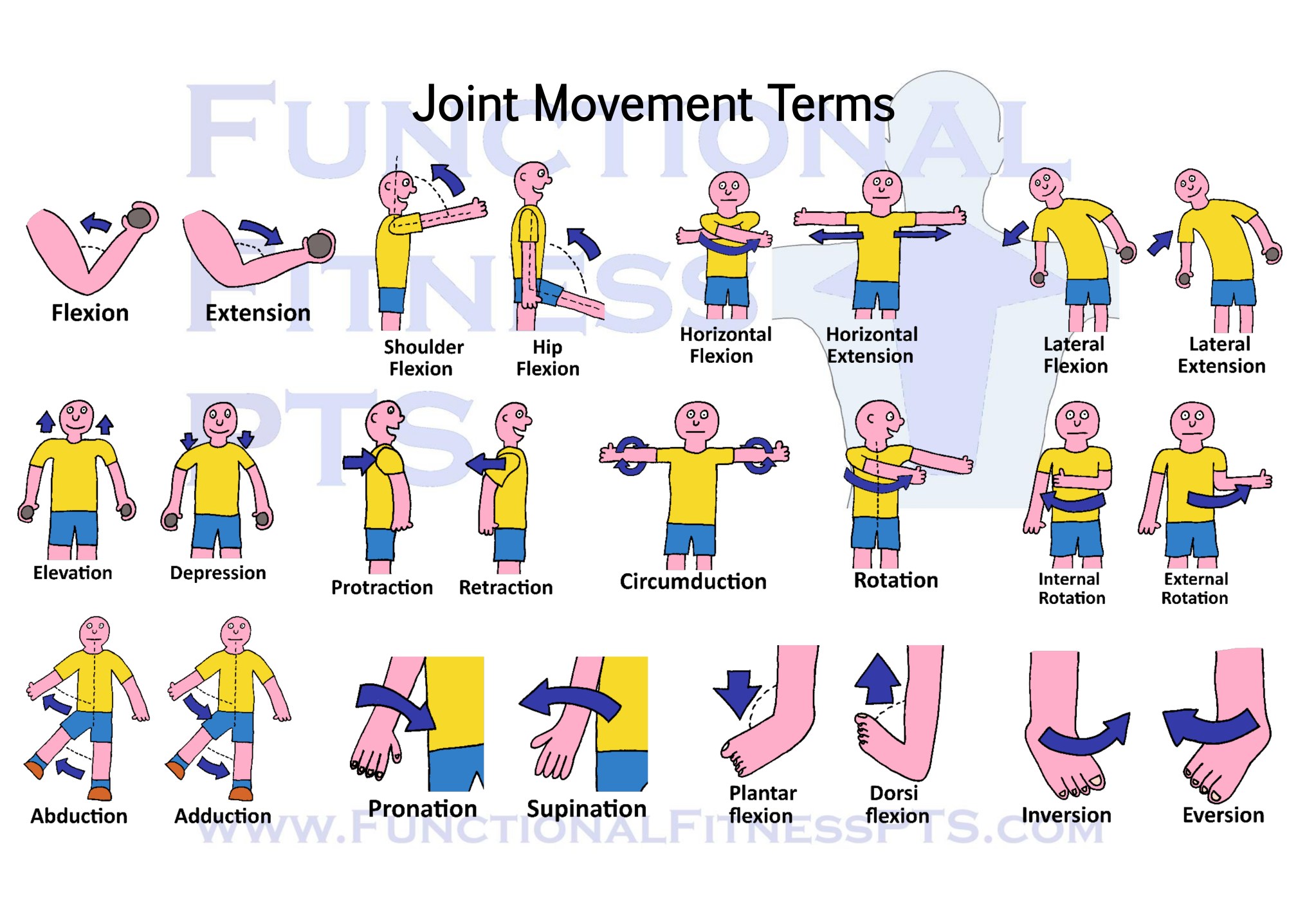
Now that you know the players, let’s talk strategy. This worksheet isn’t just a study aid; it’s a roadmap to mastering joint knowledge without drowning in textbook jargon. Here’s how to turn it into your personal joint cheat‑sheet.
Step 1: Visualize Before You Memorize
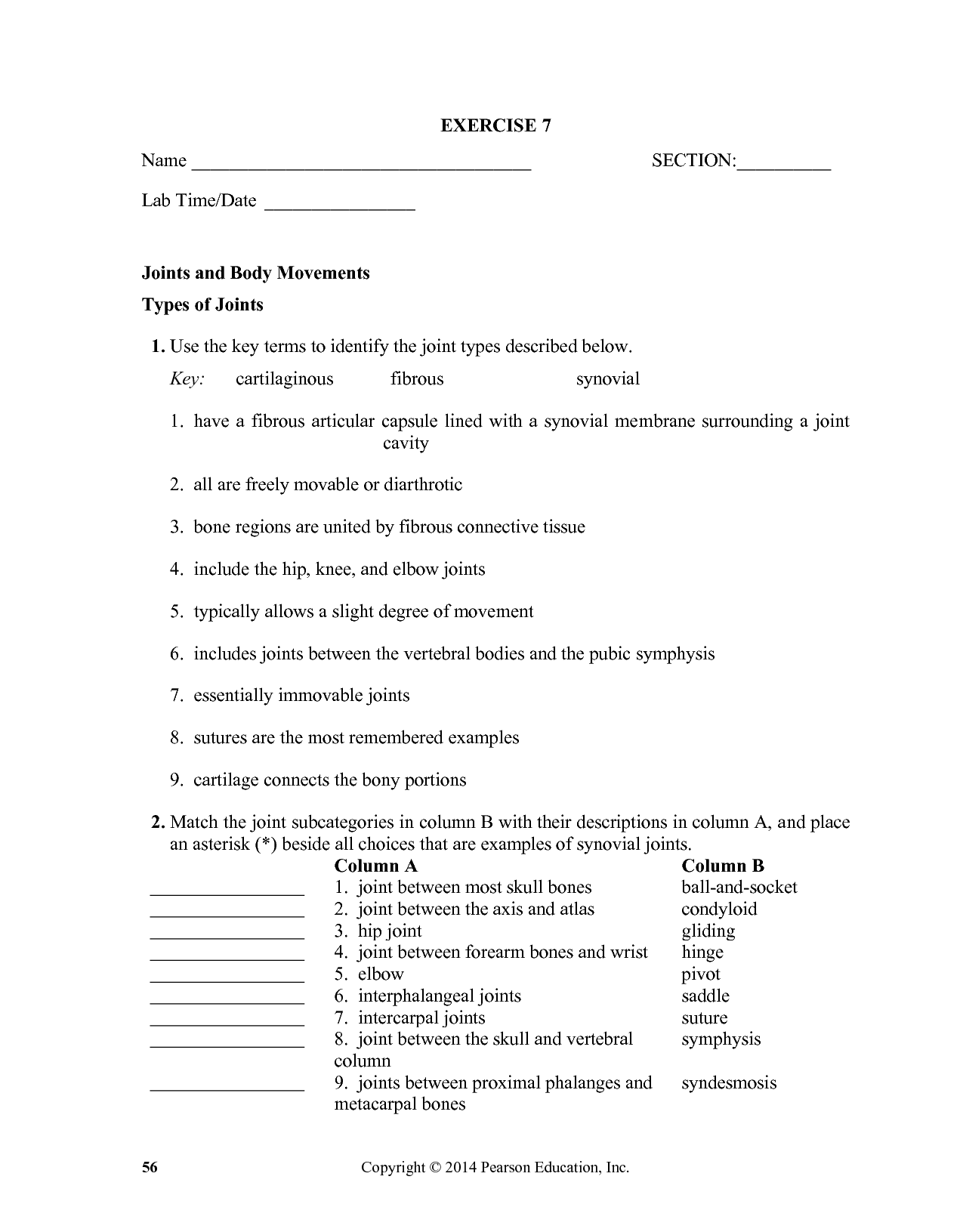
Look at each illustration on the worksheet. Instead of rote learning, imagine your body as a sitcom set where each joint is a character with a distinct personality. For example, the knee is the overachiever that always bends under pressure, while the shoulder is the flamboyant diva that can do acrobatic flips.
Step 2: Create Mnemonic Stories
Memorization is a bit like building a Lego structure—stick to a foundation, and you’re good. A simple story can lock in facts: “Hip is a ball‑and‑socket that loves to throw a party. The shoulder is a ball‑and‑socket that likes to play with a ball. The elbow is a hinge that keeps its secrets. The wrist is a gliding joint that can slip in and out.”
Step 3: Apply Real‑World Examples
When your worksheet lists the “knee joint,” imagine you’re in a crowded gym, attempting to squat. Your knee is the star performer, coordinating every movement. Write a quick note on the back of the worksheet: “Squat: Knee is the hinge that bends. Remember to keep weight on the heels, not on the toes.”
Step 4: Practice with Interactive Questions
After each section, quiz yourself. “What joint would you call a door? Which joint allows your thumb to do the ‘thumb‑tack’ trick?” By actively engaging, you’re turning passive reading into active learning.
Step 5: Teach Someone Else
Teaching is the ultimate test of mastery. Hand your worksheet to a friend and give a quick joint‑spotting tour. If you can explain it without flipping to the back, you’ve nailed the material.
Common Joint Problems and How to Dodge Them

No one wants a joint crisis mid‑dance routine or a sudden pain flare. Understanding common ailments helps you keep your joints in tip‑top shape. Below are a few common joint disorders and witty tips on prevention.
Osteoarthritis: The Silent Sneak
This degenerative disease is like that sneaky roommate who steals your socks. It erodes cartilage, leading to pain and stiffness. Prevention: Warm‑up before workouts, maintain a healthy weight, and stay active with low‑impact exercises such as swimming or cycling.
Arthritis: The Biting Pupil
Inflammatory or autoimmune forms can make your joints feel like they’re stuck in a perpetual sauna. Keep joint health with anti‑inflammatory diets (think omega‑3s), adequate hydration, and regular stretching.
Ligament Sprain: The Tickle‑Torture
When a ligament is stretched too far, you might feel a pop and a painful “Oh no!” A quick rule: If you’ve ever been on a roller coaster that makes your joints feel like they’re about to explode, you’ve probably experienced a sprain. Prevention: Wear supportive footwear, avoid sudden twists, and strengthen stabilizing muscles with core and balance exercises.
Joint Dislocation: The Wild Card
Think of it as a game of Jenga where a piece falls out. If your joint gets forced out of its socket—like a shoulder—seek medical attention immediately. Prevention: Strengthen the surrounding muscles and avoid risky activities without proper warm‑ups.
Fun Activities to Strengthen and Celebrate Your Joints

Learning can be a party, and your joints deserve a dance-off. Below are some activities that keep joints happy while adding a splash of humor to your routine.
Dance Like Nobody’s Watching
- Spin in a chair and feel the hip do a salsa.
- Try the “twist” move and let your shoulder glides be the star.
Yoga for Joints (and Zen)
Hold the “Cat‑Cow” pose to stretch the spine, or practice the “Warrior” stance to flex your knees and hips. Remember: each pose is a gentle reminder that your joints can do more than just sit.
Cardio with a Twist
Walking or jogging is great, but add a side‑step or a squat to involve more joint types. Keep it balanced: too much repetitive motion can be a joint crime, but a little variation is a joint love letter.
Balance Games
Stand on one leg while watching your favorite comedy—your ankles will thank you. Add a “pretend you’re a flamingo” challenge for a giggle‑filled workout.
FAQs About Joints And Movement Worksheet

Here are the most asked questions, answered with a dash of wit and a sprinkle of science.
Q1: Can I use the worksheet to learn about other joints?
A: Absolutely! The principles of the synovial joint classification apply across the body, so you can use it as a springboard to study more complex joints like the temporomandibular joint (TMJ) or the intervertebral joints.
Q2: How often should I review the worksheet?
A: Consistency beats intensity. Review it weekly, and test yourself monthly. Your brain loves a rhythm, much like your joints love motion.
Q3: Will studying this worksheet help me with my workout routine?
A: Yes, knowing how joints work lets you design workouts that avoid overloading and maximize efficiency. A hip‑centric workout? Perfect for a “hip‑swing” dance routine!
Q4: Does the worksheet mention joint health tips?
A: Yes, it includes brief tips under each joint type, highlighting preventive strategies, like staying hydrated and using proper form during lifts.
Conclusion: Your Joint Journey Begins Here

By flipping through the Joints And Movement Worksheet, you’re not just memorizing anatomical diagrams—you’re unlocking a deeper appreciation for the complex choreography that keeps you moving. Remember, every joint has its story: some are high‑energy performers, others are quiet, diligent workhorses. Treat them kindly, keep them exercised, and give them the respect they deserve. Your body will reward you with flexibility, resilience, and an unstoppable ability to throw a wild, joyous dance party whenever you wish. Happy joint exploring!