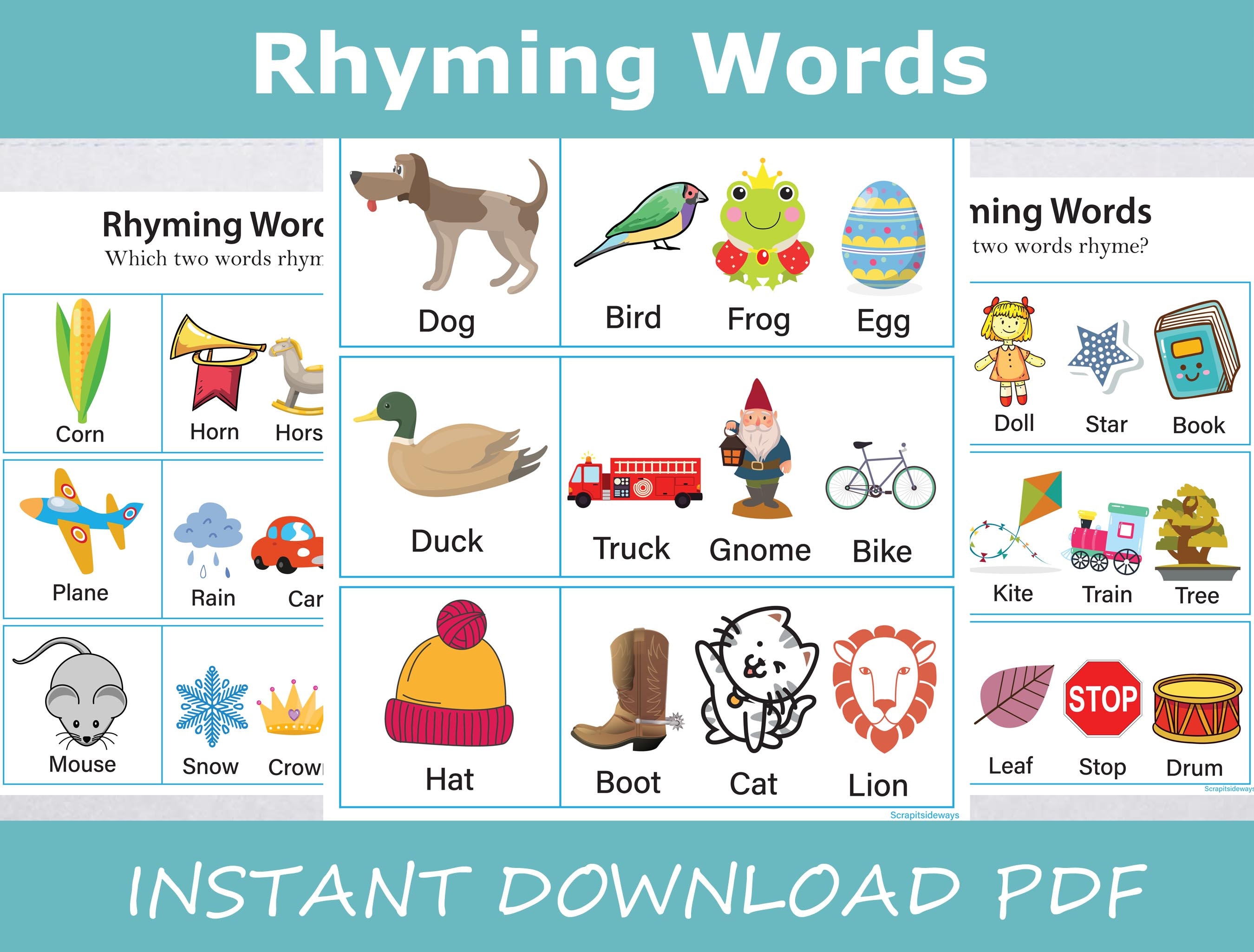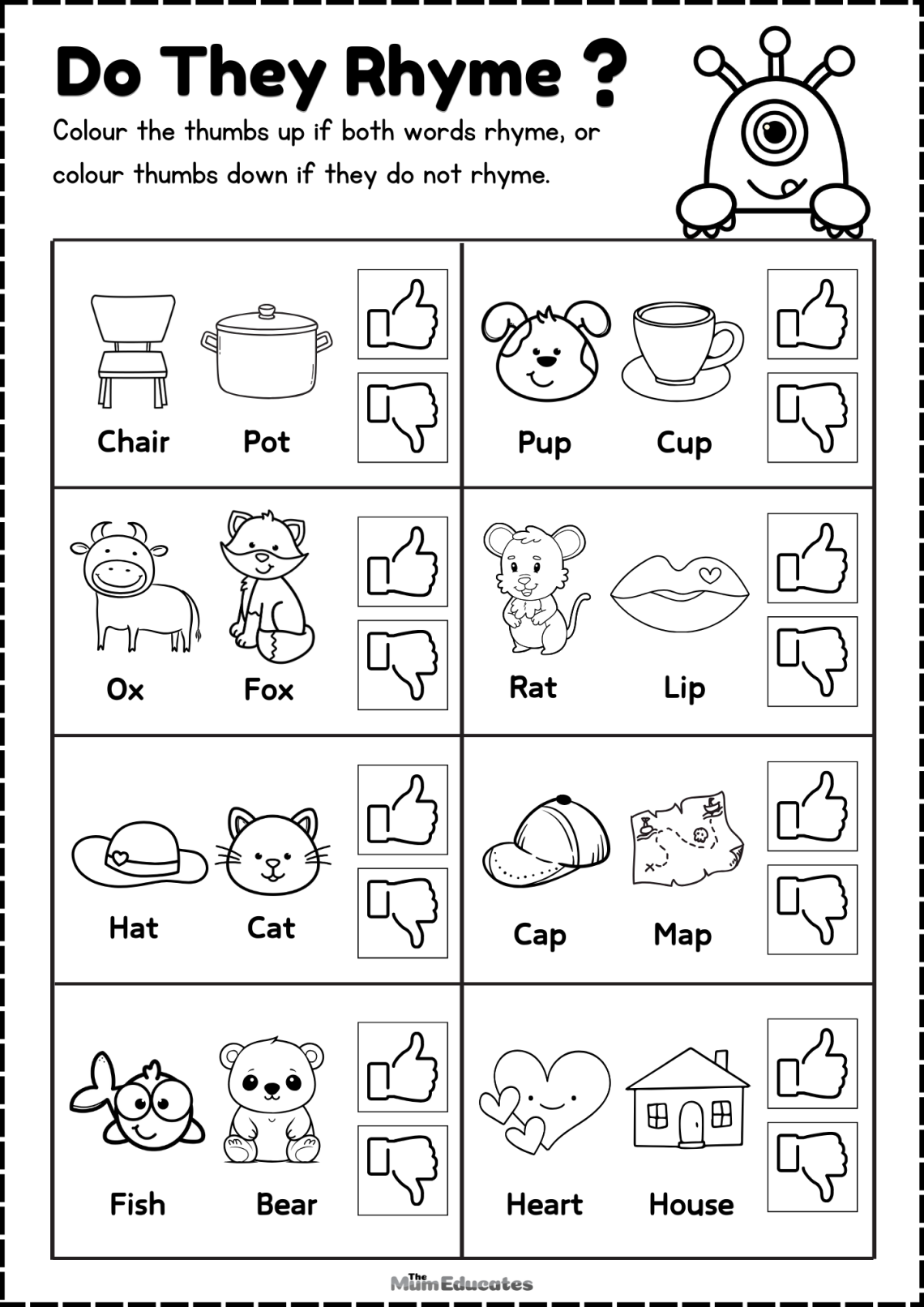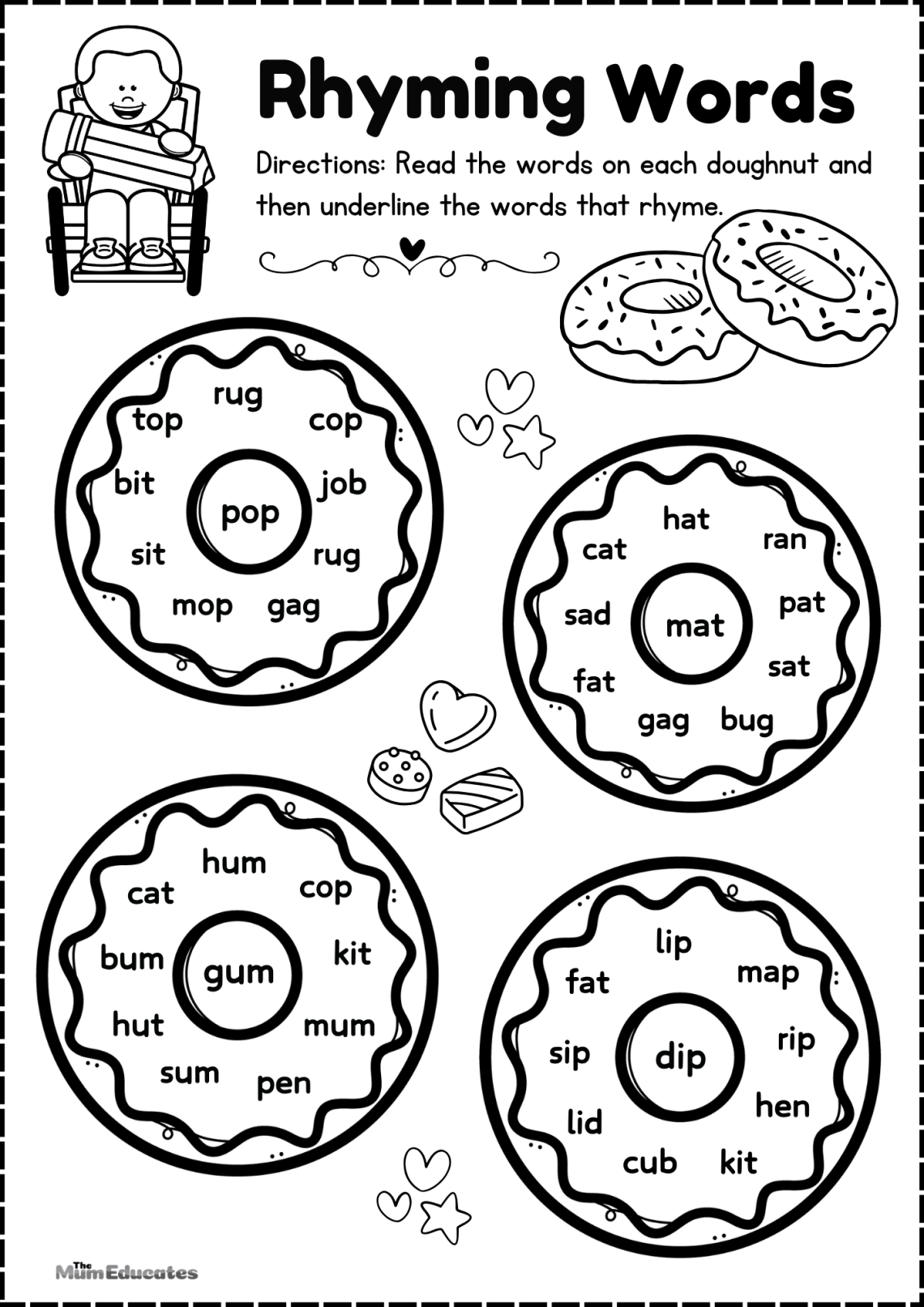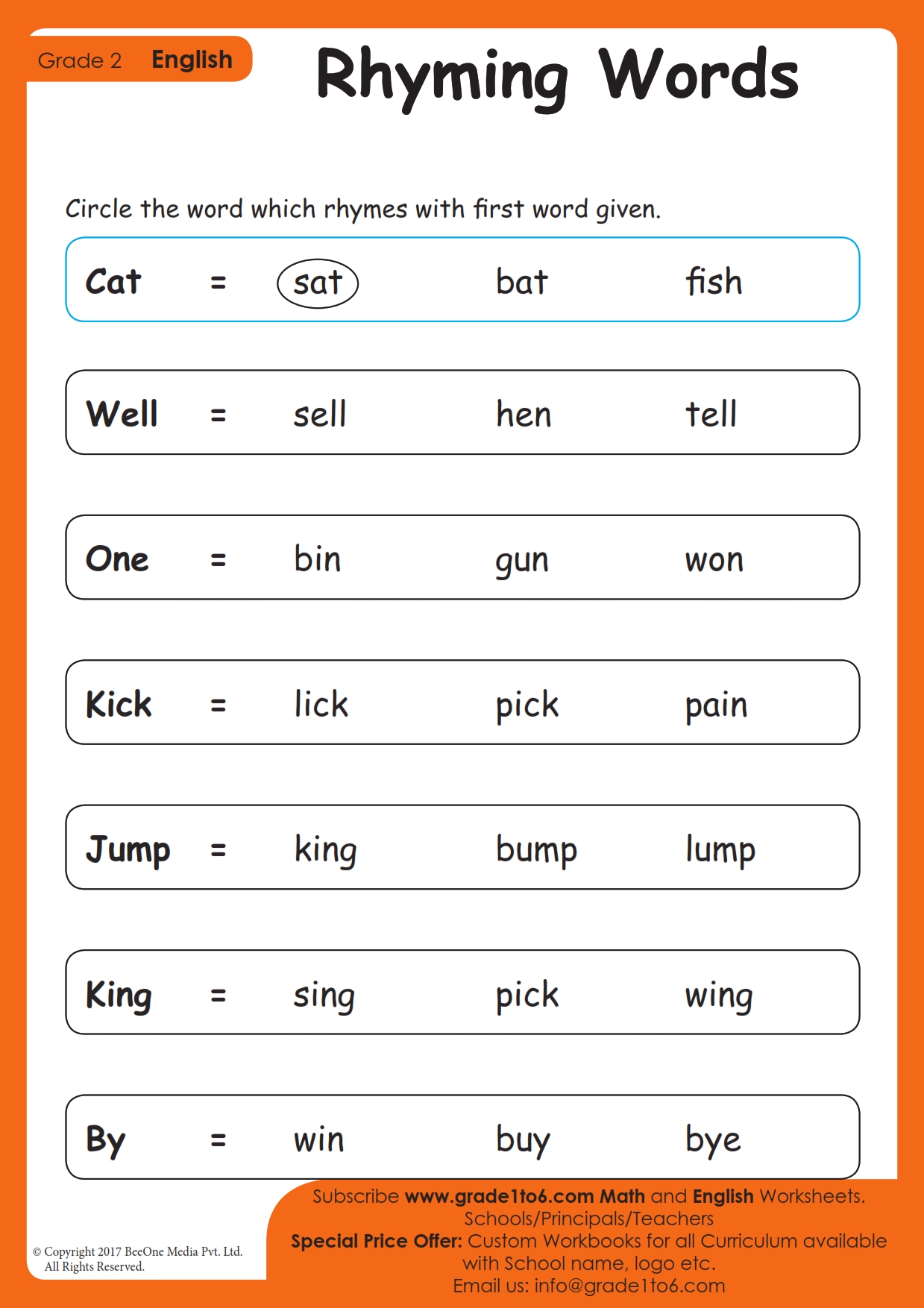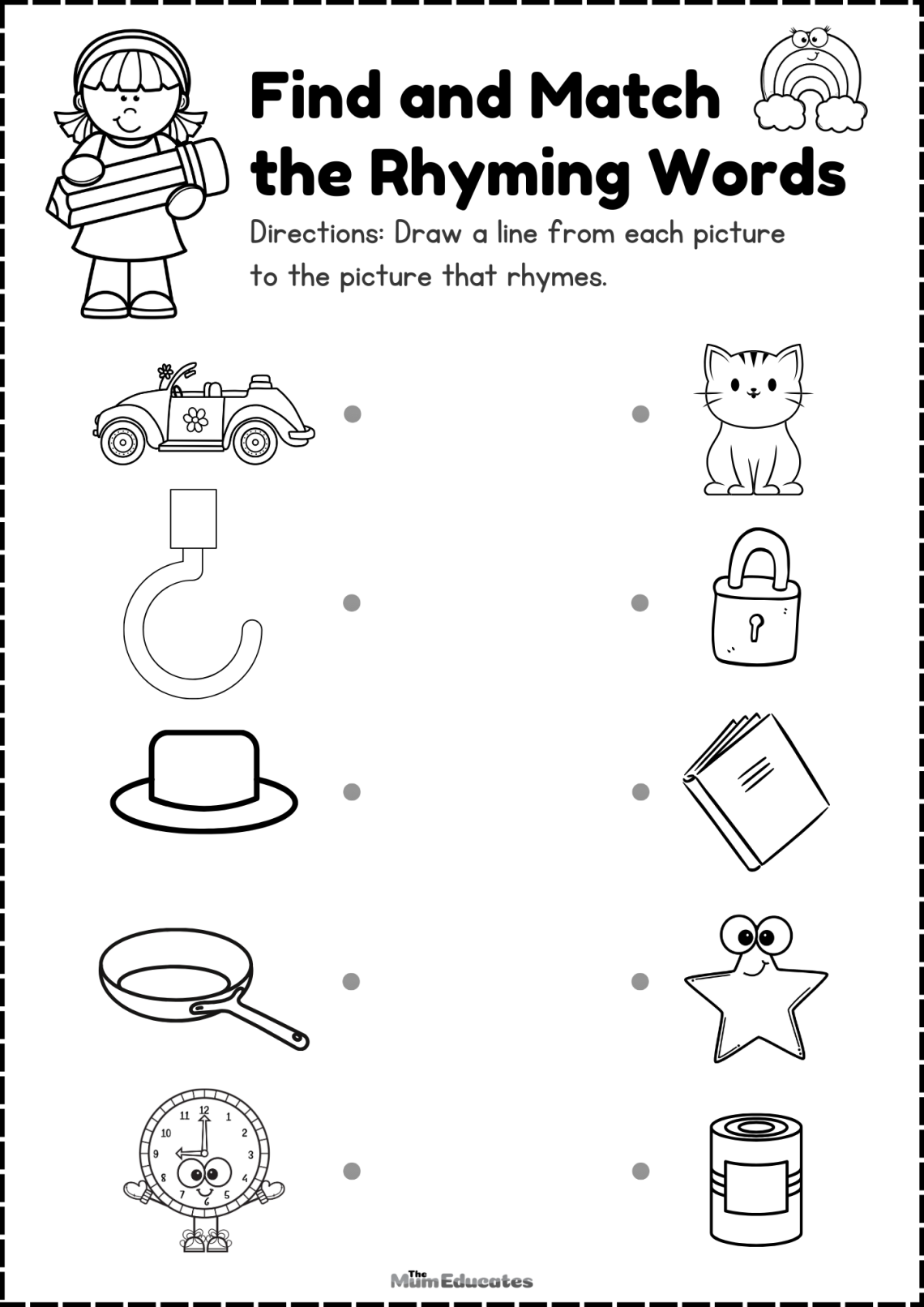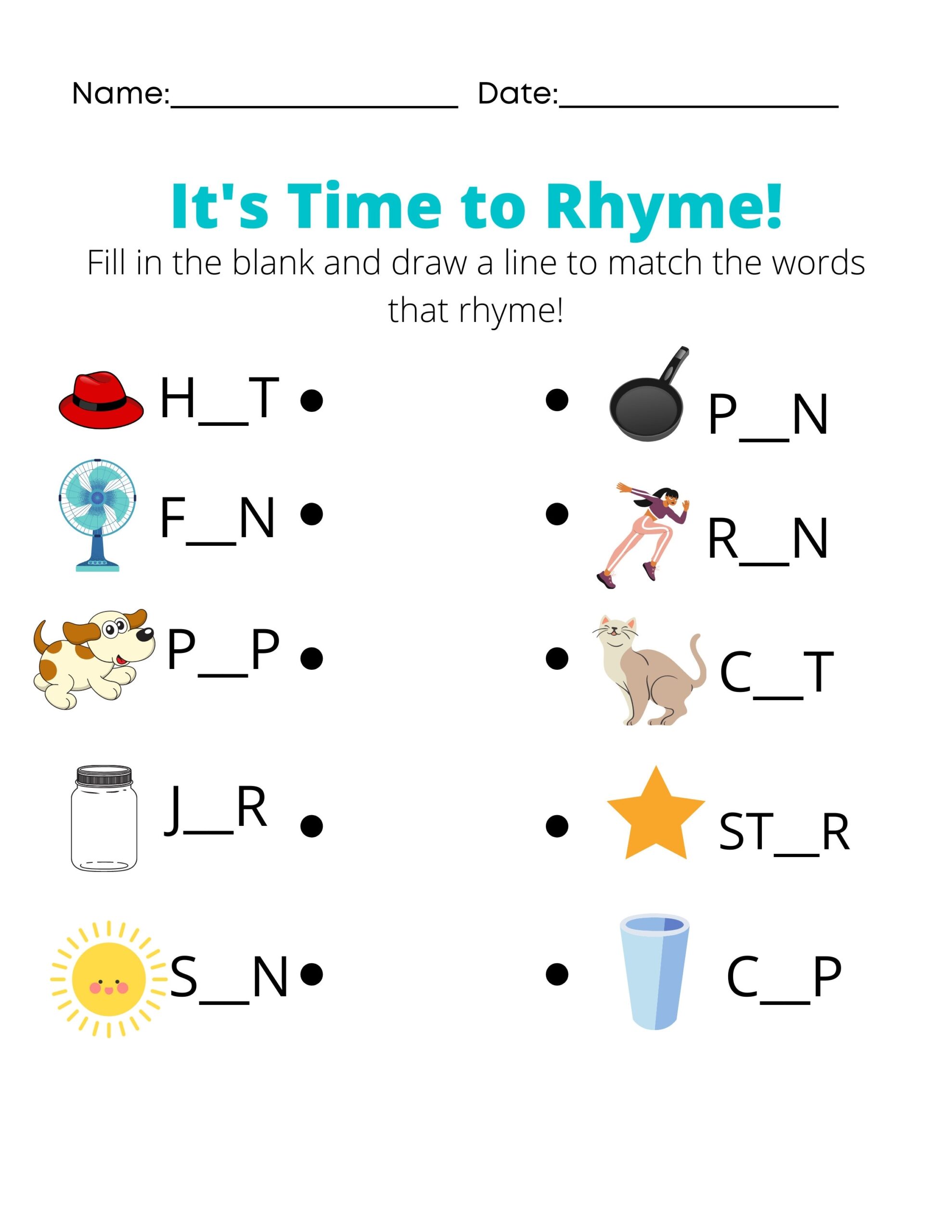
Kindergarten Worksheets Rhyming Words is the secret sauce that turns a mundane spelling lesson into a giggly, sing‑along adventure where little learners discover that a word ending with a familiar sound can unlock a treasure chest of humor and learning.
Why Rhyming Is the Ultimate Kindergarten Hack
When you think of kindergarten, you picture crayons, a big sandbox, and maybe a teacher who can’t quite stop humming “Old MacDonald.” But beneath that carefree vibe lies a powerful cognitive tool: rhyming. Kids aren’t just learning sounds; they’re mastering phonemic awareness, a foundational skill that will help them decode new words in reading, spell in writing, and even think creatively in math and science.
Rhyming activates the brain’s auditory processing centers, making it easier to chunk sounds into manageable pieces. In practice, a child who can say “cat, bat, hat” instantly feels the joy of pattern recognition, which is a cornerstone of early literacy. And let’s be honest—who doesn’t enjoy the rhythm of a rhyming story that ends with “Bark, spark, lark” while the teacher is secretly checking the snack tray?
Designing Kindergarten‑Friendly Rhyming Worksheets
Keep It Simple, Keep It Silly
At the kindergarten level, the goal isn’t to create a complex crossword. It’s about building a foundation with fun. Here are a few golden rules:
- Short Words, Big Impact: Use two‑ to four‑letter words. “Cat,” “bat,” “sat” are more manageable than “submarine.”
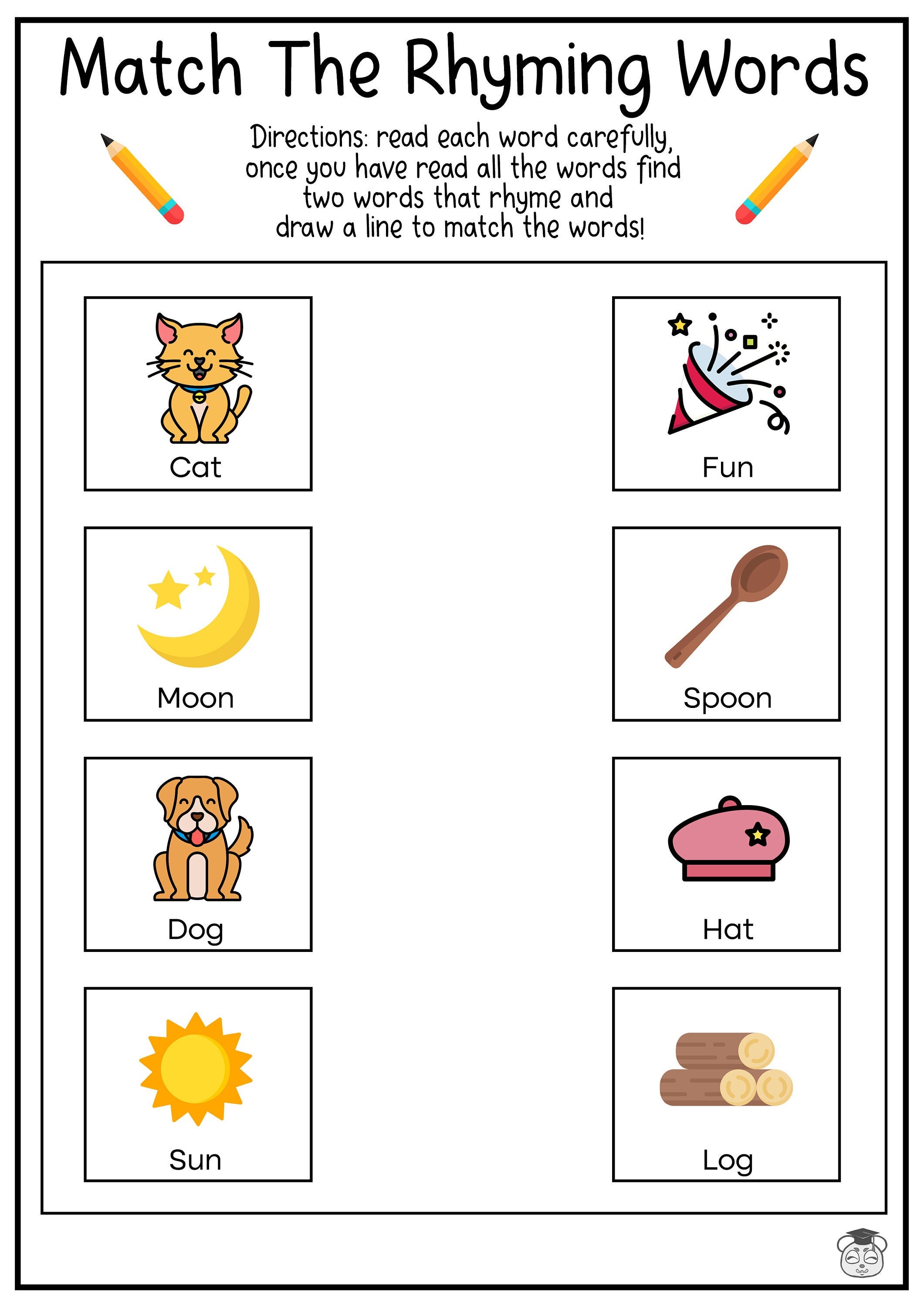
- Bright Visuals: Pair each rhyme set with a colorful illustration—think a cat with a hat, a bat flying over a bat‑man. Visuals make the connection memorable.
- Interactive Elements: Include fill‑in blanks, matching columns, or a simple drag‑and‑drop if the worksheet is digital.
Step‑by‑Step Construction Guide
1. Pick a Theme. Animal, food, weather, or even superhero vibes.
2. List a Rhyming Cluster. For “dog,” you might choose “fog,” “log,” “cog.”
3. Create a Story Sentence. “The dog in the log is hot!”
4. Add a Prompt. “Find the word that rhymes with ‘dog.’”
5. Finish With a Reward. A sticker or a “You’re a rhyme master!” note at the bottom keeps motivation high.
Example Worksheet Skeleton
- Title: “Rhyme Time!”
- Section 1: Picture Match (10 pairs)
- Section 2: Word Fill (5 sentences)
- Section 3: Rhyme Bingo (card with words)
- Section 4: Creative Corner (draw your own rhyme pair)
Real‑World Ideas to Keep Kids Laughing
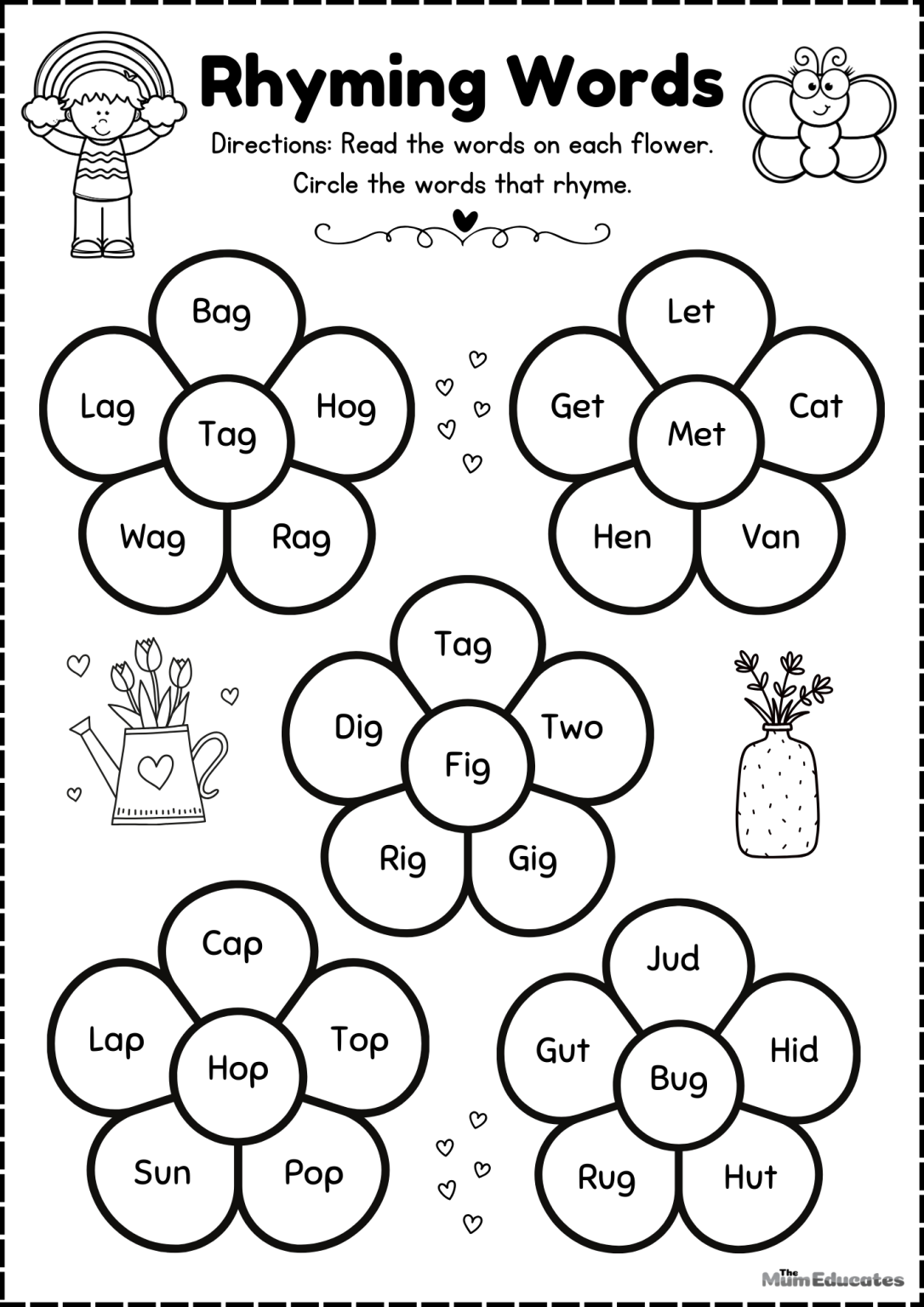
Rhyming Word Bingo
Create a bingo card with a mix of rhyming sets. As the teacher calls out a word, children mark the rhyming partner. The first to get a line shouts “Bingo!” and gets to do a goofy dance. It’s an instant brain workout and a great way to build confidence.
Rhyming Story Circle
Gather the class in a circle. Start a story with a rhyme. For example: “Once upon a time, a pig walked into a wig”.” The next child must add a sentence that rhymes with “wig.” The story keeps flowing, and the rhyme pattern stays fresh. When you get to the end, you’ll have a story full of silly rhymes and unforgettable laughs.
Sing‑Along Rhymes
Teach short, catchy rhyming songs. A simple chorus could be “Red, led, bed, bread. See, we’re learning, feeling ahead!” Pairing movement—like clapping hands or marching in circles—helps children internalize the rhythm.
Digital Drag‑and‑Drop
For online classrooms, use a simple drag‑and‑drop tool. Kids drag a picture to a blank that completes the rhyme. Immediate visual feedback keeps the engagement high and the learning clear.
Common Pitfalls—and How to Avoid Them

Too Many Words Per Sentence
Kids are still building their vocab, so a sentence like “The brave giraffe ate the sweet watermelon” might overwhelm. Stick to one rhyme pair per sentence to keep focus sharp.
Over‑Reliance on the Same Rhyme
Variety is king. A worksheet that only uses “cat,” “hat,” “sat” will quickly become boring. Mix in different endings—‑ight, ‑ock, ‑ear, ‑ill.
Skipping the Review Phase
After a rhyming activity, revisit the words together. Ask “What word rhymes with ‘fun’? What about ‘sun’?” This reflection cements the skill.
Ignoring the Visual Cue
Especially for early readers, a picture can be a lifesaver. Without it, a child might think “cat” rhymes with “cap” when they actually mean “hat.” Pair words with images to clarify meaning.
Integrating Rhymes with Other Core Skills

Math Meets Music
Count the letters in each rhyme pair. “Cat” has three letters; “bat” also has three. Then, ask, “If we have two cats and three bats, how many letters do we have in total?” This simple addition exercise shows how language and numbers can dance together.
Science of Sound
Use a recording device to let kids whisper “bat.” Then, have them shout it back. Discuss why the sound changed. This activity ties phonics to the physical properties of sound.
Art & Creativity
Give kids a blank canvas and let them illustrate the rhyming word pair of their choice. Encourage them to write a short sentence that rhymes, creating a personalized piece of art and literature.
Conclusion: Let the Rhyme Roll On!

When you sprinkle Kindergarten Worksheets Rhyming Words into daily lessons, you’re not just teaching sounds—you’re building a lifelong love for language. By keeping the activities bright, silly, and interactive, you create a classroom where kids learn through laughter, storytelling, and a touch of musicality. So next time you hand out a worksheet, remember: behind every rhyme is a tiny brain doing a happy hop, and every giggle is a step toward fluency. Keep those rhymes rolling, and let your little ones become the next generation of word wizards, one punchline at a time.