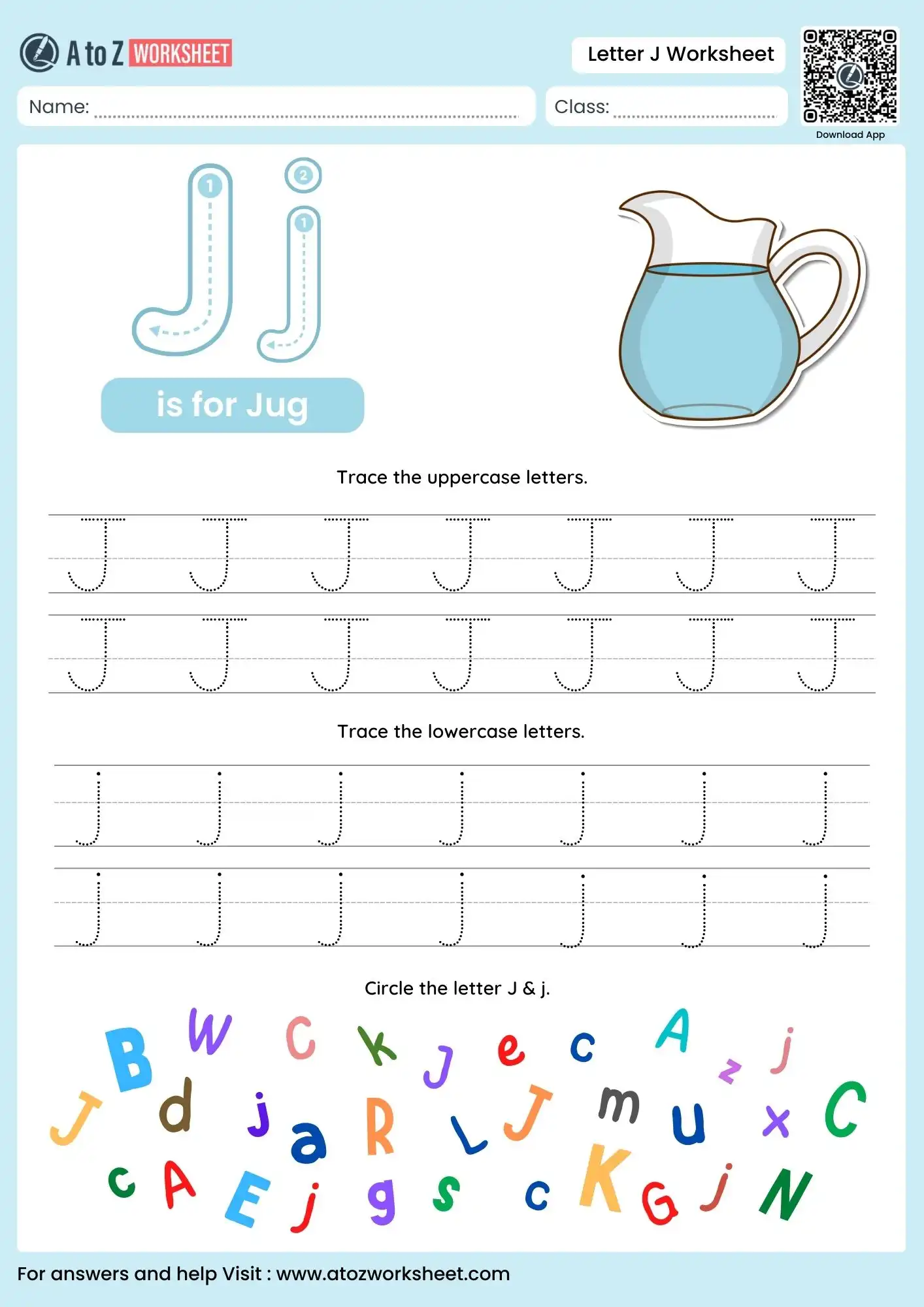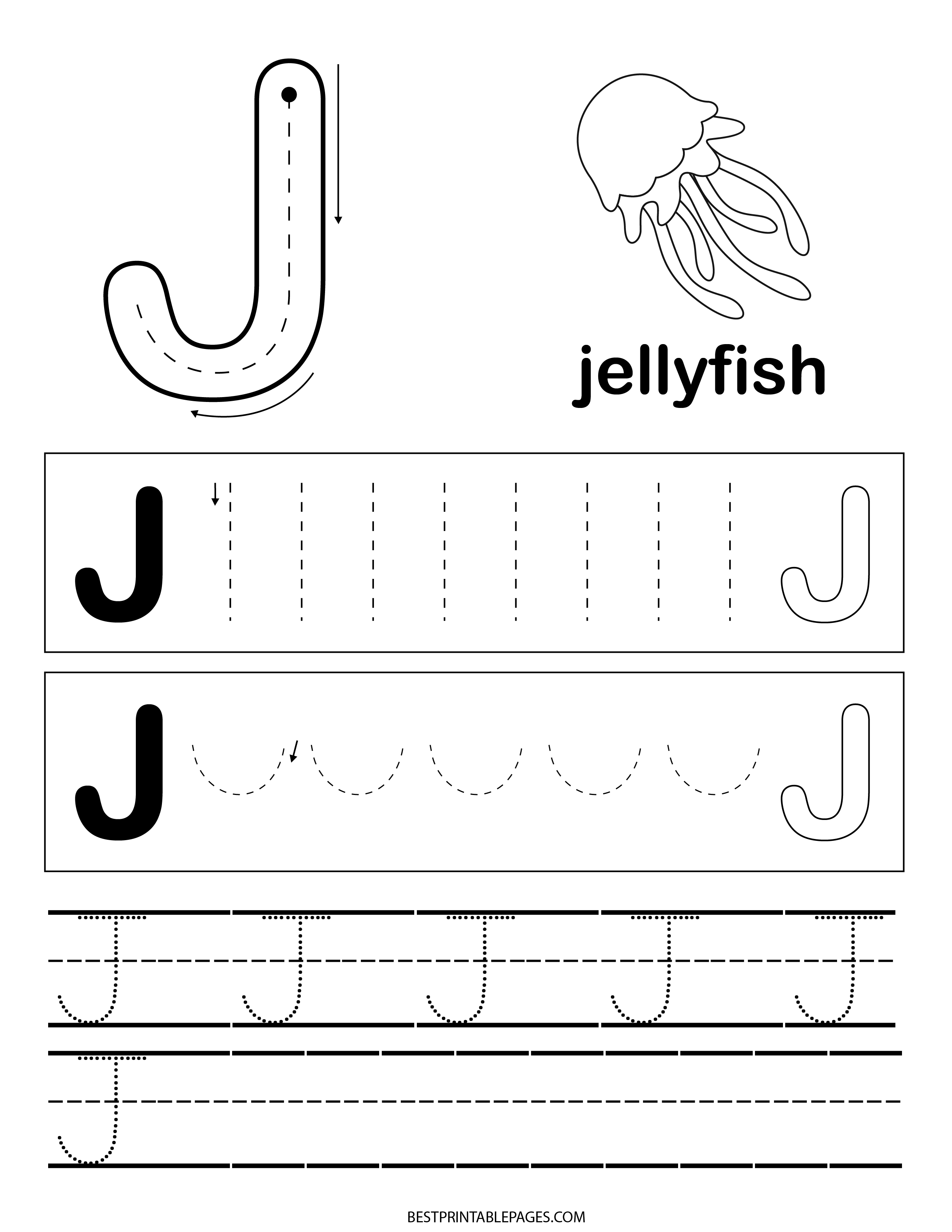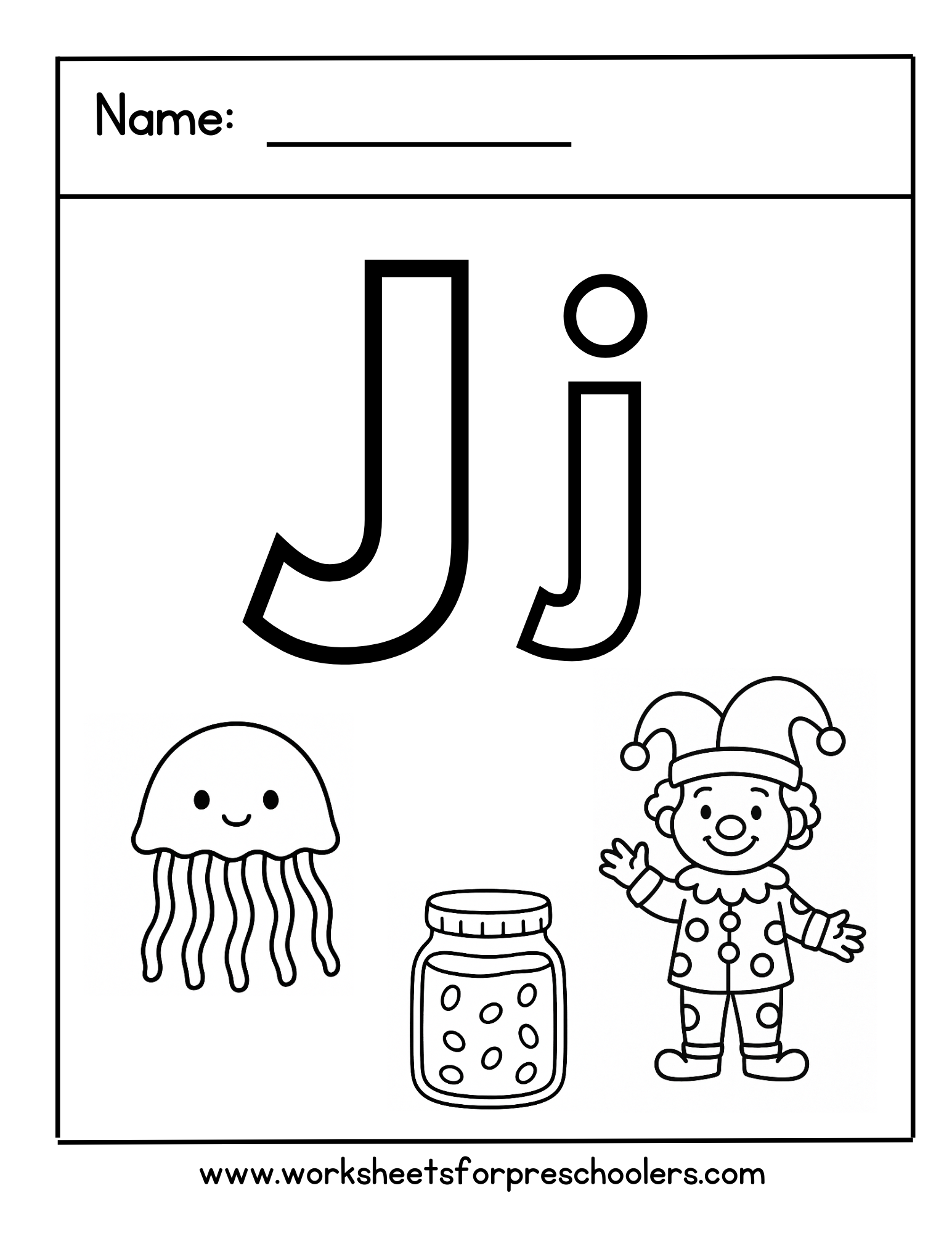
Letter J Worksheets Preschool serve as a cornerstone for early literacy development, offering children a playful yet structured way to recognize, write, and associate the letter J with sounds and words. When thoughtfully integrated into a daily learning routine, these worksheets ignite curiosity and reinforce foundational skills that pave the way for confident reading and writing in kindergarten and beyond.
Why Focus on Letter J for Preschoolers?
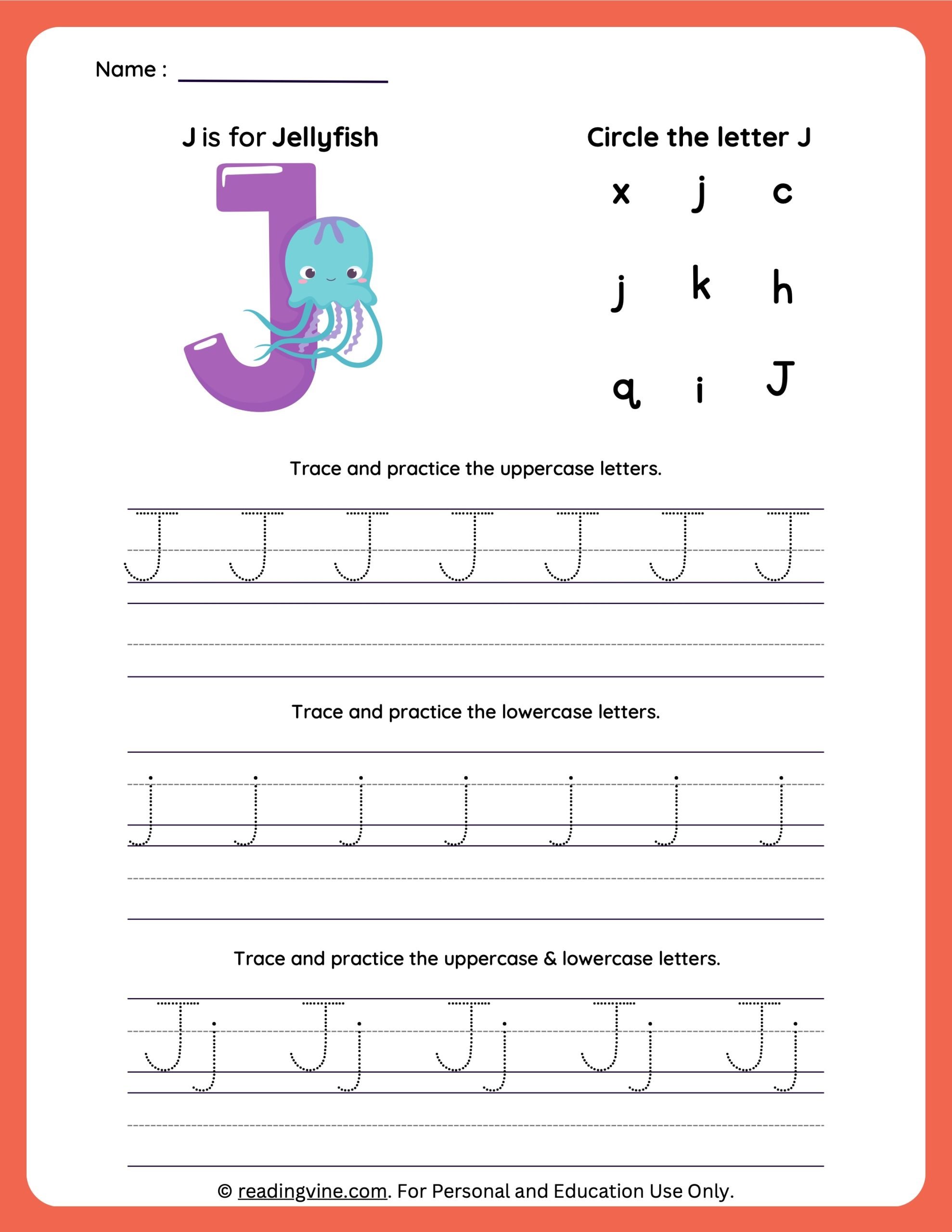
Every alphabet letter carries a unique rhythm and visual shape that can captivate young minds. The letter J, with its distinct hook and smooth curve, presents a fantastic opportunity to practice fine motor control, shape recognition, and phonemic awareness. By dedicating specific worksheets to the letter J, educators and parents can:
- Build early recognition skills for both uppercase J and lowercase j.
- Encourage the linking of letter forms to familiar words such as “jam,” “jump,” and “jelly.”
- Strengthen fine‑motor movements through tracing and coloring tasks that mimic real handwriting strokes.
- Introduce playful activities that blend visual, auditory, and kinesthetic learning styles.
Core Components of Effective Letter J Worksheets

Visual Recognition and Tracing
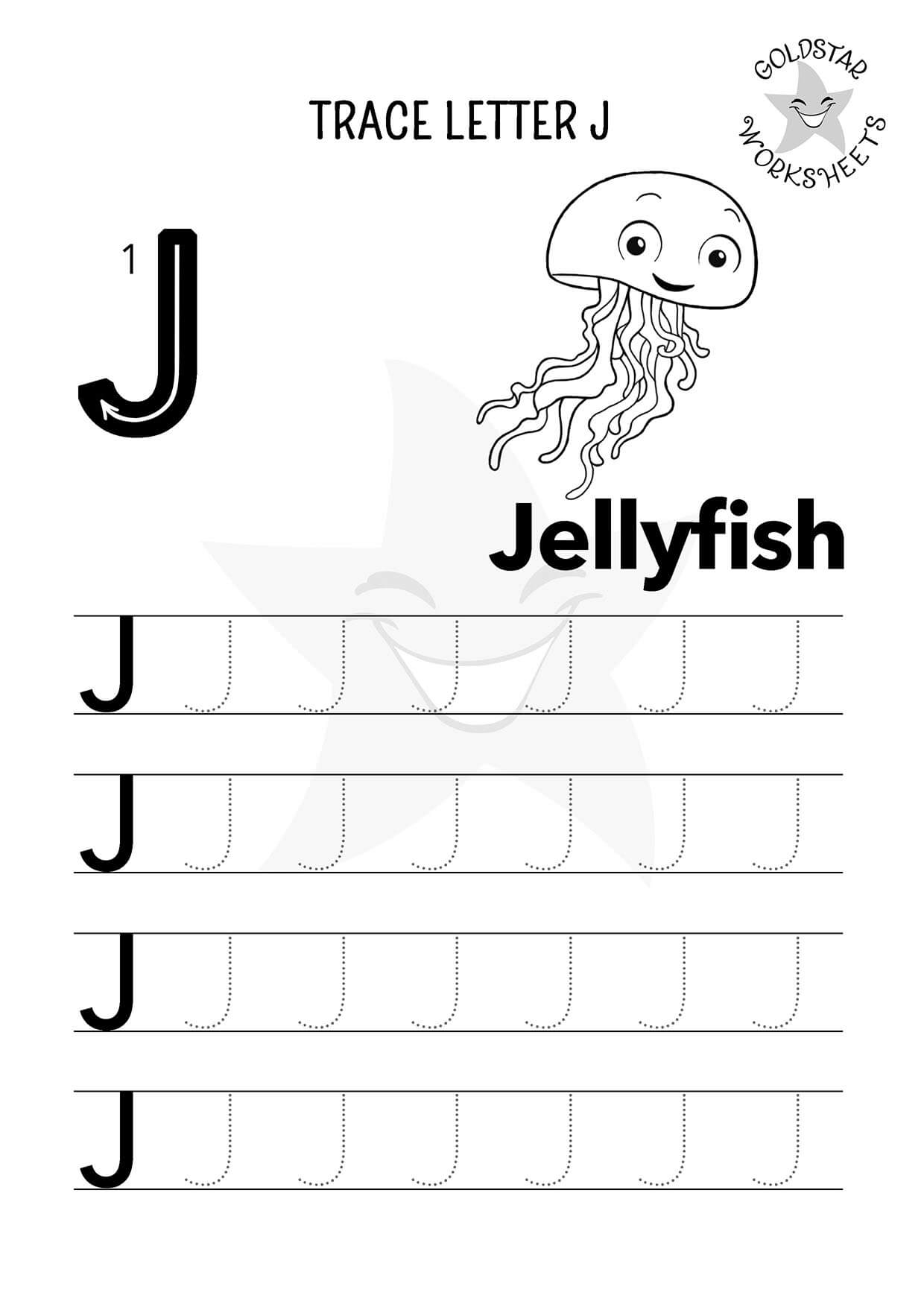
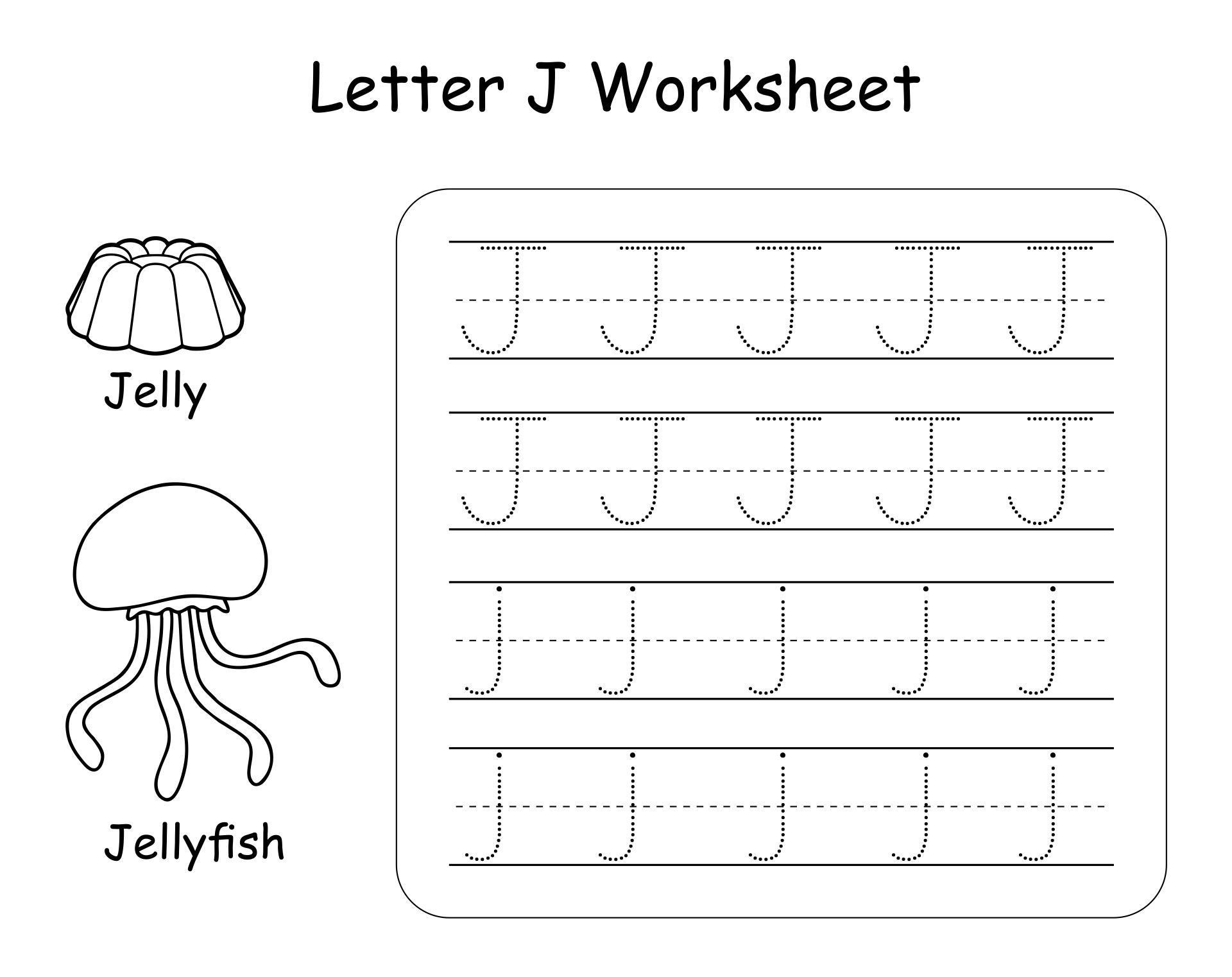
High‑contrast images that display the letter J in bold, large print allow children to see clear shape distinctions. Worksheets often include dotted lines that guide the first stroke, a crucial step for developing accurate letter formation. Children benefit from repeating the action, reinforcing muscle memory.
Coloring Activities
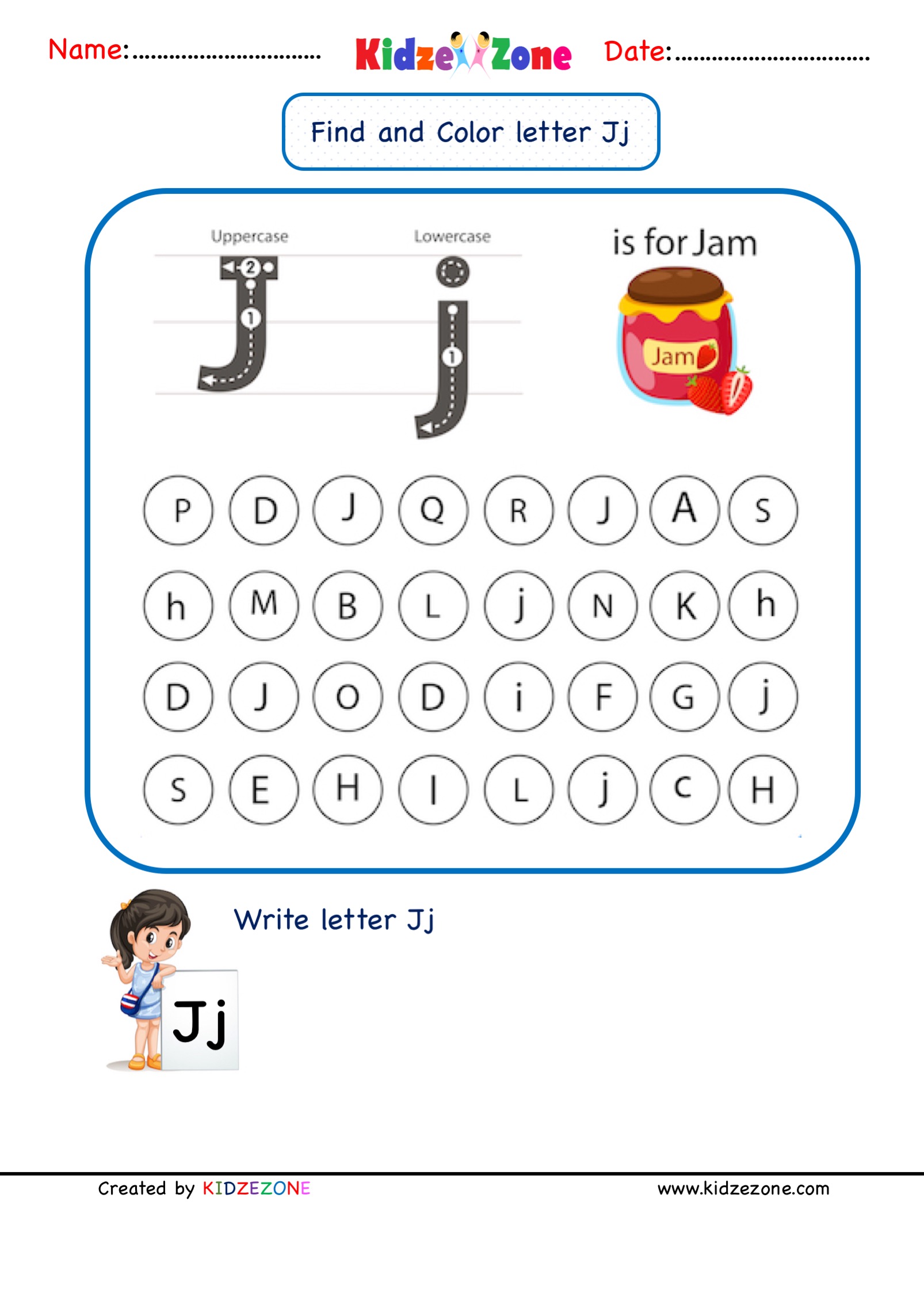
Coloring provides a fun, low‑pressure way for preschoolers to engage with the letter. A typical coloring sheet might feature a simple scene—a jar of jam or a jumping rabbit—centered around the letter J. Coloring not only builds concentration but also offers a tactile connection to the letter’s visual identity.
Matching and Sorting
These exercises pair the letter J with pictures or words that start with the same sound. For example, children might match a picture of a “jacket” with the uppercase J or a drawing of a “juice” bottle with the lowercase j. Sorting activities sharpen visual discrimination and reinforce phonics.
Phonemic Awareness Tasks
Phonics worksheets prompt kids to isolate the initial sound in a word, such as identifying “j” in “juice” versus “k” in “kite.” By repeatedly hearing, seeing, and writing the sound, children solidify their auditory processing skills.
Creative Writing Prompts
For early writers, simple prompts like “Write a word that starts with J” encourage imagination while practicing letter production. Providing a small space for free drawing or doodling alongside the written word helps connect visual and textual representations.
Choosing the Right Worksheets for Your Child’s Level
Beginner Level
Worksheets designed for absolute beginners emphasize the basic shape of the letter and minimal distractors. Features include:
- Large, clear uppercase J with thick strokes.
- Fewer visual elements to prevent cognitive overload.
- Guided tracing lines that dictate stroke order.
Intermediate Level
Children who have mastered basic shape recognition can explore more complex activities. These may contain:
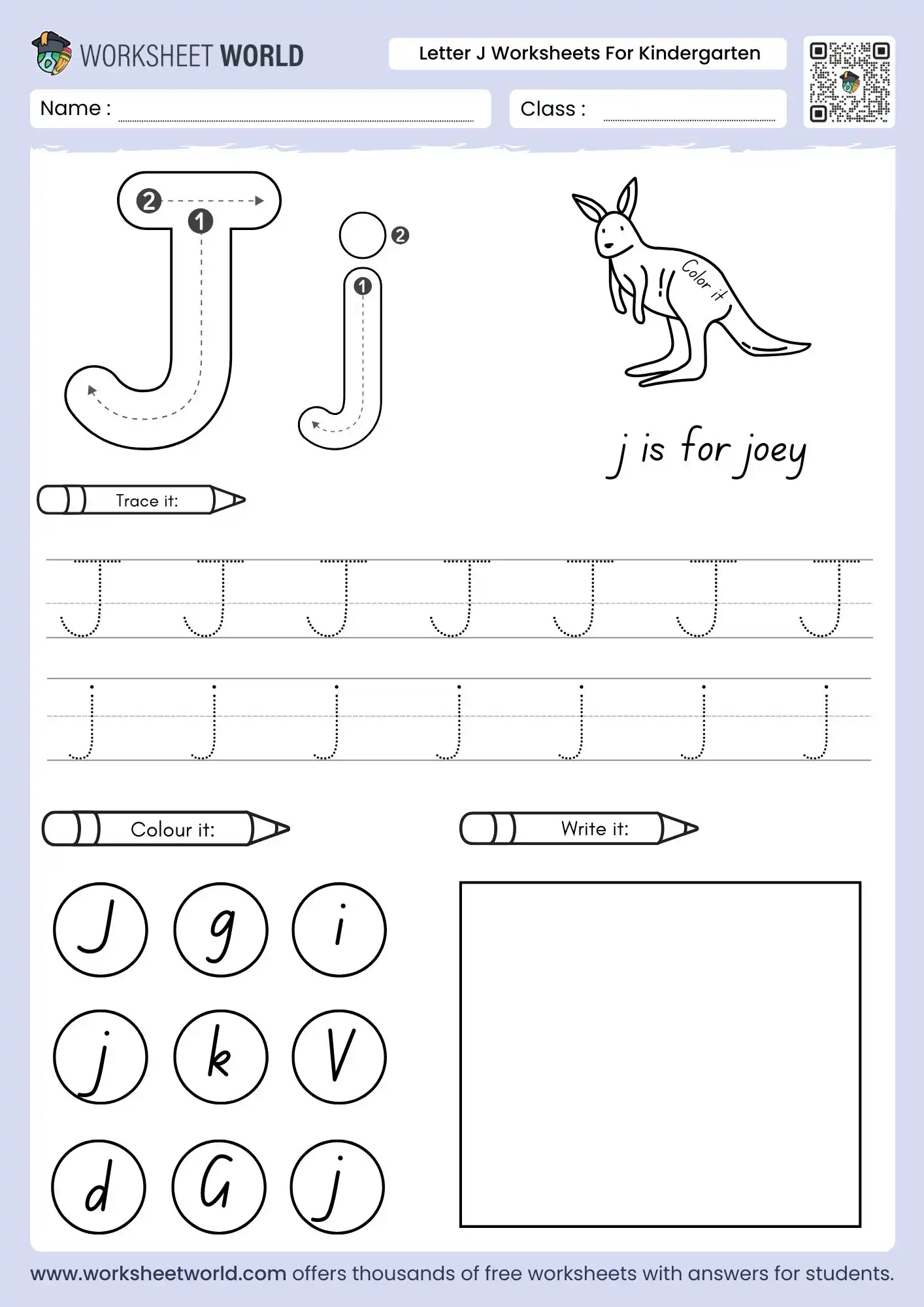
- Both uppercase and lowercase forms side by side.
- Combined alphabet cards that require matching J with other letters.
- Mini‑stories or sentence starters that involve the letter J.
Advanced Preschool Level
For kids nearing kindergarten, worksheets can challenge them to use J in multisyllabic contexts, such as:
- Short paragraphs that include multiple J‑starting words.
- Cross‑word puzzles where the answer must begin with J.
- Spelling games that mix J with other consonants and vowels.
Step‑by‑Step Integration into a Preschool Curriculum
Morning Alphabet Circle
Begin each day with a brief alphabet circle that spotlights the letter J. Display a large poster and invite children to point out objects that begin with J. Follow up with a quick “J‑song” to reinforce auditory memory.
Hands‑On Tracing Session
Provide each child with a worksheet that offers both a dotted and a solid line version of the letter J. Encourage them to trace while saying the sound aloud. This dual‑sensory approach cements shape and phoneme together.
Coloring Fun Time
Introduce a coloring activity where children decorate a picture that highlights the letter J. For example, a drawing of a jellyfish can serve as a visual cue while they color the fish’s body and label it with the letter J.
Word Matching Games
After the creative play, hand out cards with pictures and separate cards with letters. Ask children to match each picture to its corresponding letter J. This activity promotes quick visual association and phonetic recognition.
Story Writing Exercise
Prompt children to write a short sentence using a word that starts with J. For instance, “The jelly rabbit jumped.” Encourage them to illustrate their sentence, creating a mini‑book that can be displayed in the classroom.
Creative Extensions: Turning Worksheets into Engaging Projects

J‑Themed Art Projects
Transform worksheets into hands‑on art projects by using construction paper to create a large J collage. Children can glue images of things that start with J—like a jar, a jam sandwich, and a jeep—onto the letter. This not only reinforces the alphabet but also encourages creativity.
Music and Movement
Incorporate a “Jumping J” dance where children hop in place whenever they say a word that begins with J. The rhythm of the movement mirrors the curved shape of the letter, turning phonics into kinetic memory.
Digital Interactivity
While printable worksheets remain invaluable, supplementing them with online interactive games can increase engagement. Short, screen‑based activities that allow children to drag the letter J into a sentence or tap to hear its sound can provide immediate feedback and boost motivation.
Tips for Parents to Maximize Learning at Home

Create a Dedicated Learning Space
Set up a small area with a table, pencils, and a stack of Letter J worksheets. A consistent environment helps children develop focus and routine.
Use Everyday Opportunities
While walking to school, point out objects that start with J. Discuss the word’s meaning and ask your child to write it on a sticky note and place it on the letter J poster.
Celebrate Small Wins
When a child completes a worksheet accurately, celebrate with a small reward—extra stickers or a favorite snack. Positive reinforcement accelerates learning.
Rotate Activities to Prevent Fatigue
Mix tracing, coloring, matching, and creative writing across different days. Variety keeps the child’s interest high and supports holistic skill development.
Common Challenges and How to Address Them

Difficulty with Fine Motor Skills
For children who struggle with small strokes, provide thicker pencils or use a crayon to reduce the precision required. Offer wrist support or practice with larger shapes first to build confidence.
Limited Attention Span
Keep worksheet sessions short—10 to 15 minutes—followed by a transition to a different activity like a short story or a quick game. This pacing prevents boredom and maintains engagement.
Frustration Over Letter Recognition
Encourage a growth mindset by celebrating effort rather than accuracy. Use visual cues like stickers or a “J‑star” chart to track progress incrementally.
Resistance to Writing
Introduce handwriting by first practicing with large, bold strokes on a piece of paper. Gradually reduce the size and provide a ruler or guide lines to keep the letters proportionate.
Frequently Asked Questions
What age range is best for using Letter J worksheets?
Worksheets are most effective for children aged 3 to 5 years who are just starting alphabet exploration. Adjust complexity as the child’s readiness grows.
Do I need a teacher’s guidance to use these worksheets at home?
No, but a brief explanation of each activity’s goal helps. Show how to trace the letter, read the matching items, and practice writing.
Can I combine letter J worksheets with other alphabet activities?
Absolutely. Pairing J activities with other letters in a thematic unit—such as “Jungle” for J and “Kangaroo” for K—can create a cohesive learning experience.
Are there any digital versions of Letter J worksheets?
Yes, many educational websites offer printable and interactive options. Ensure that any digital resource aligns with your learning objectives and is age‑appropriate.
Conclusion
Letter J Worksheets Preschool are more than simple educational tools; they are gateways to early literacy that blend visual, auditory, and kinesthetic learning. By thoughtfully selecting worksheets that match your child’s developmental stage and weaving them into a vibrant, multi‑sensory curriculum, you can transform the learning of a single letter into an exciting adventure. Whether through tracing, coloring, matching, or creative writing, the letter J can become a memorable symbol that sparks confidence, curiosity, and a lifelong love of reading and writing.