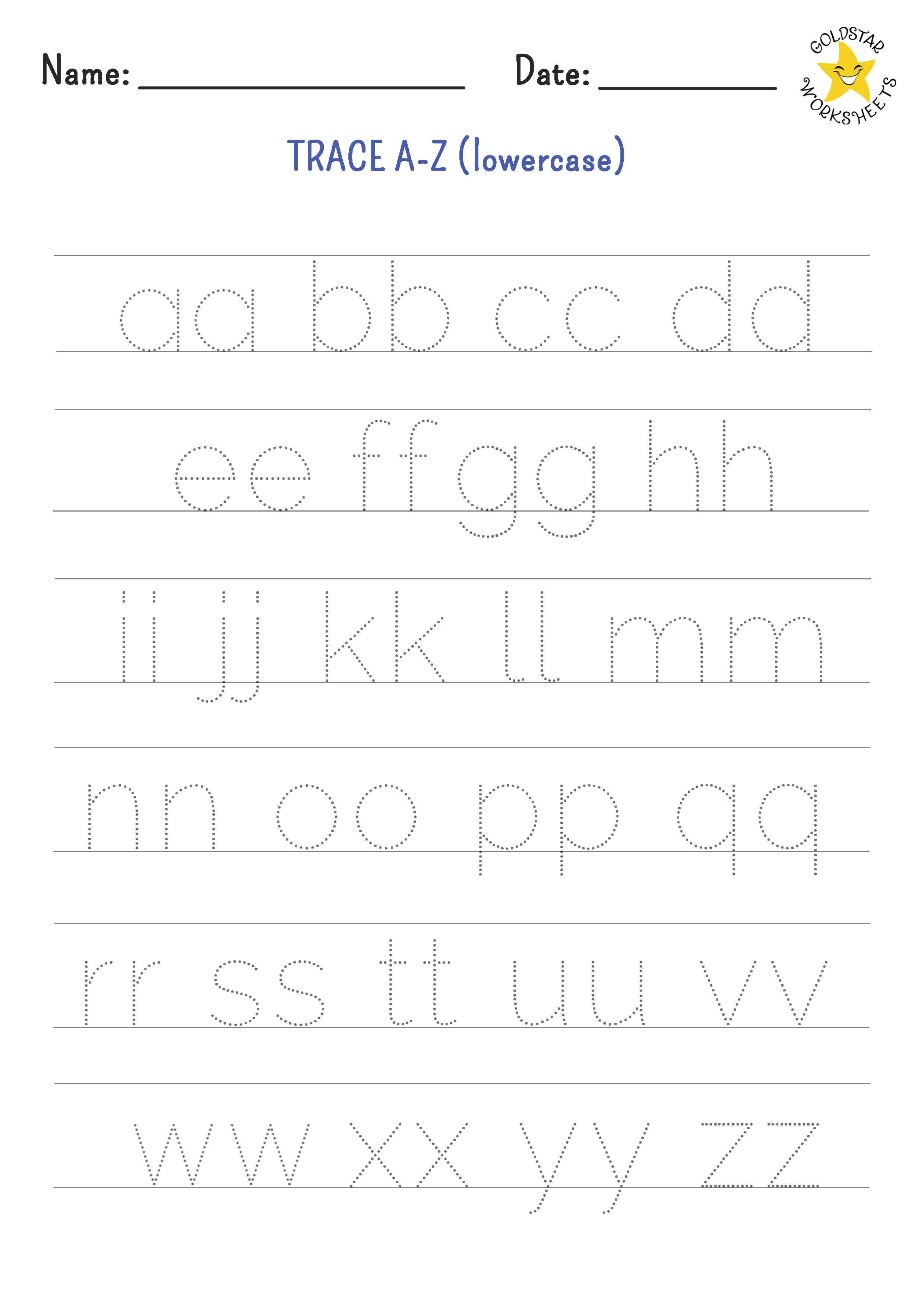
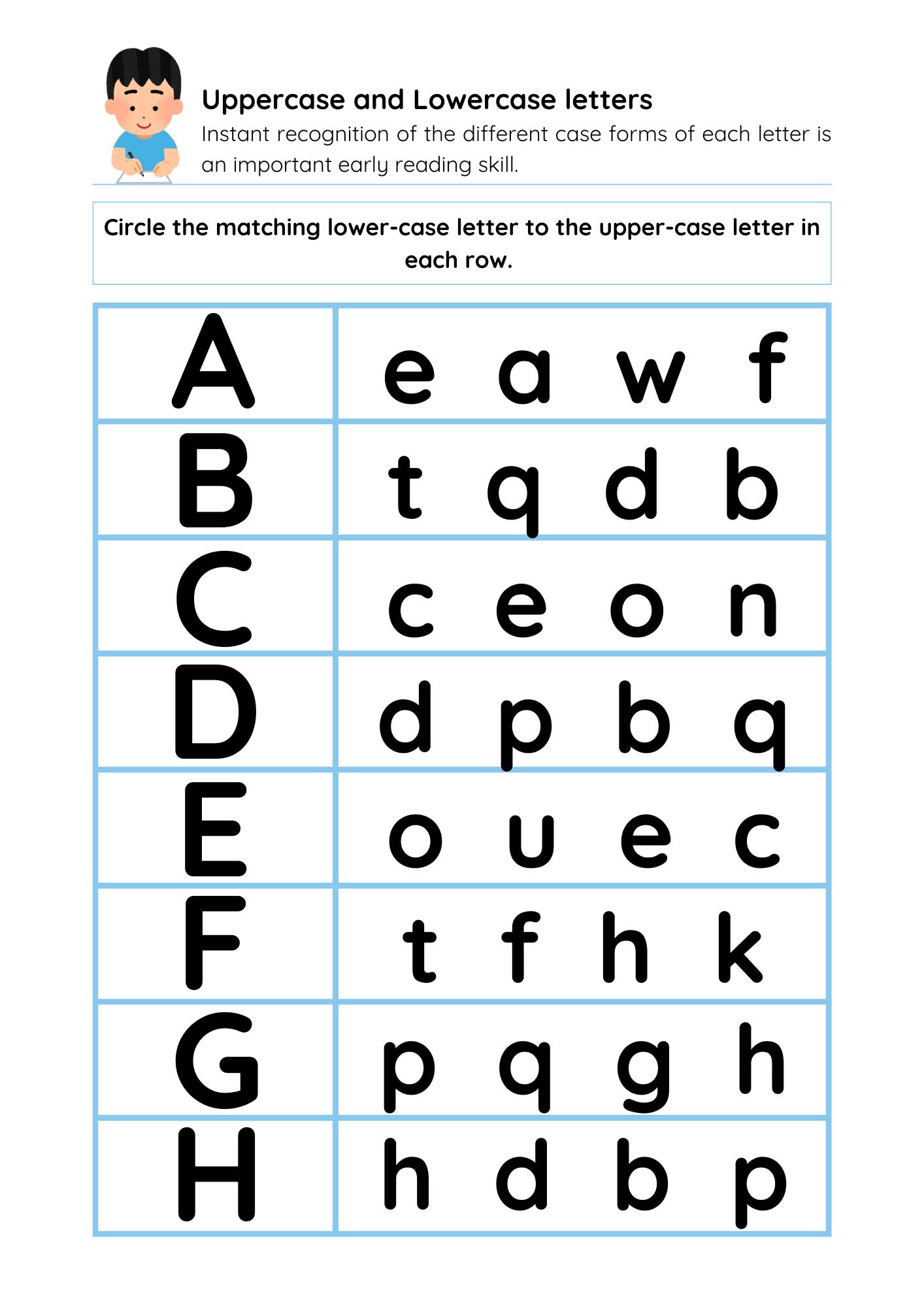
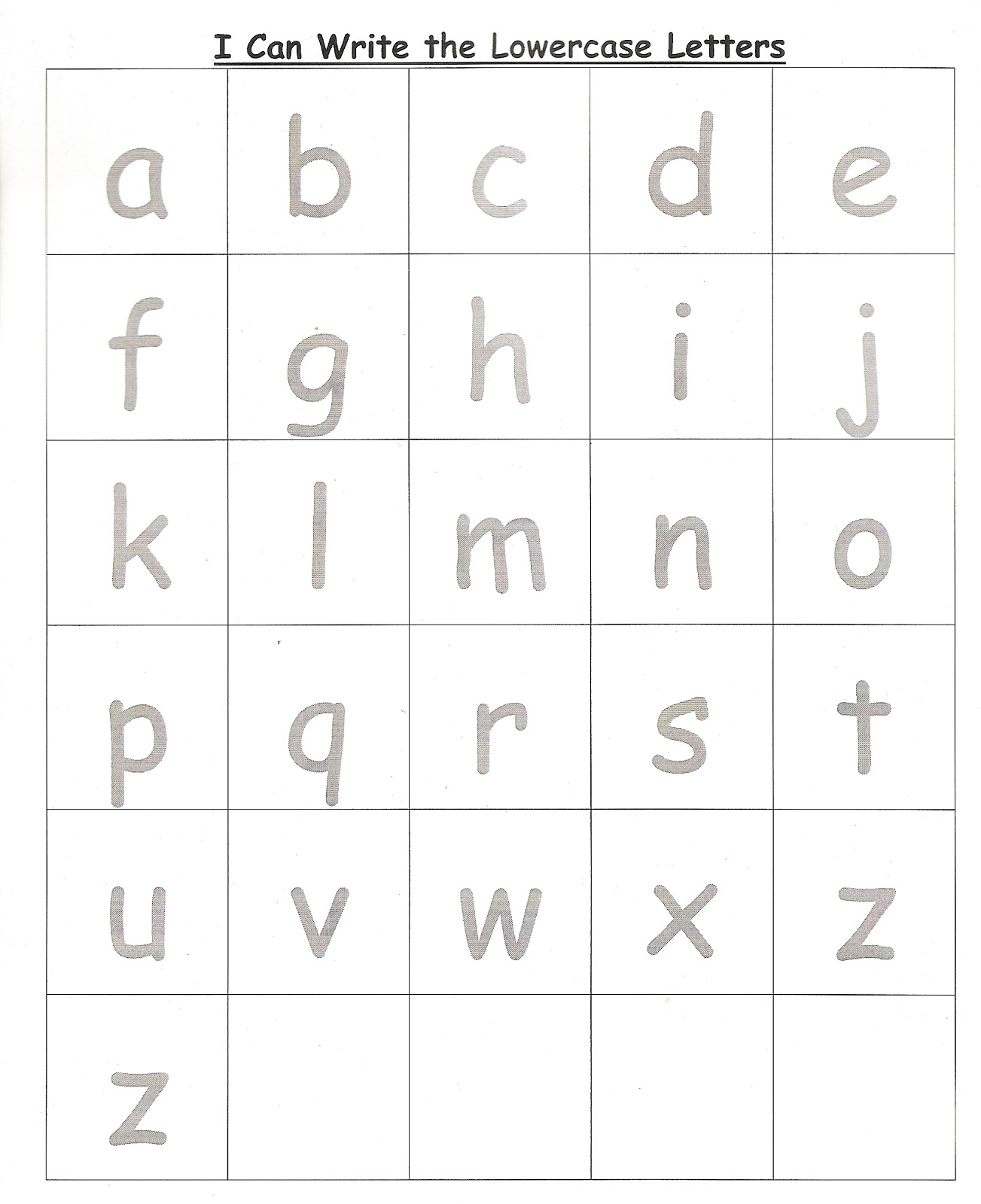
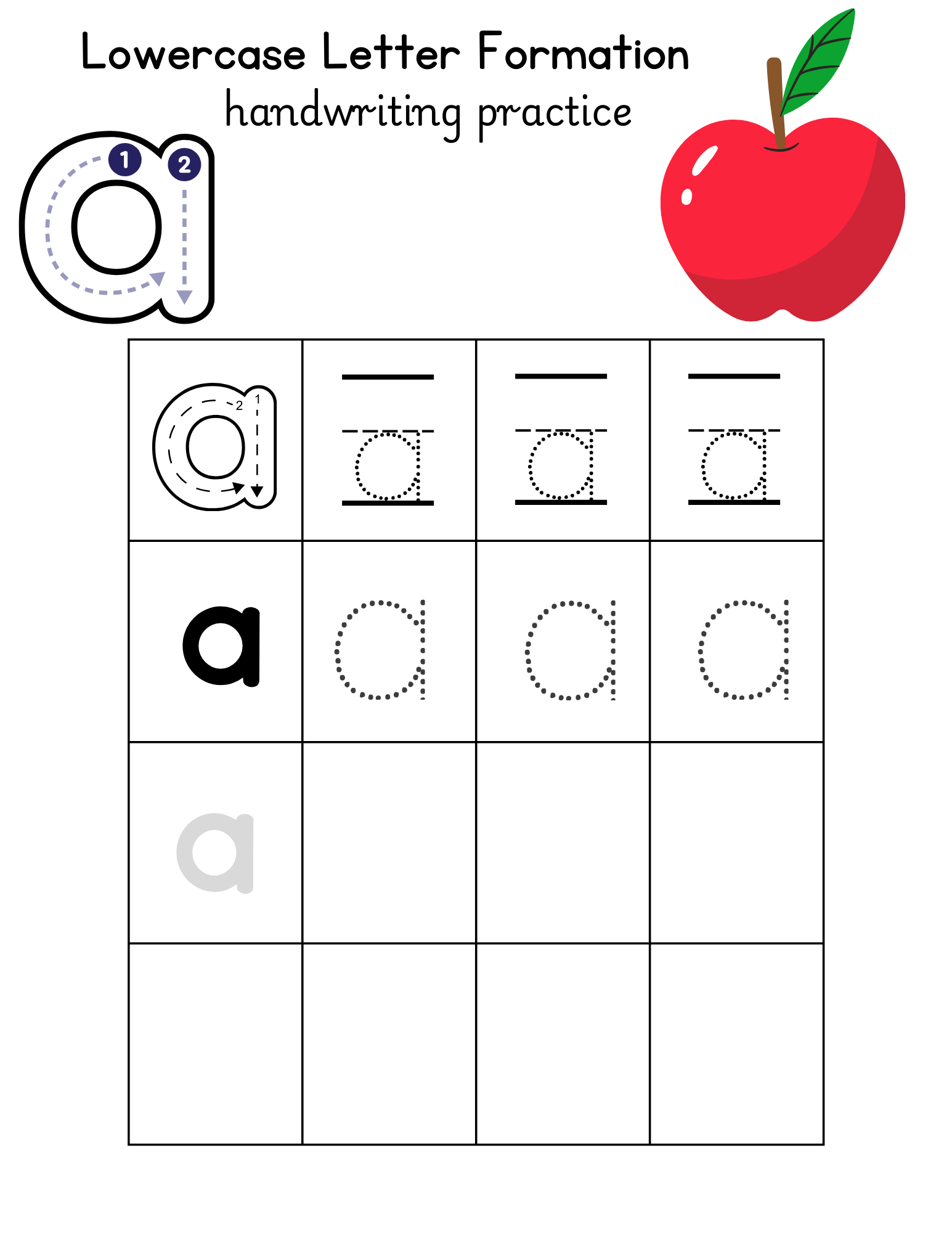
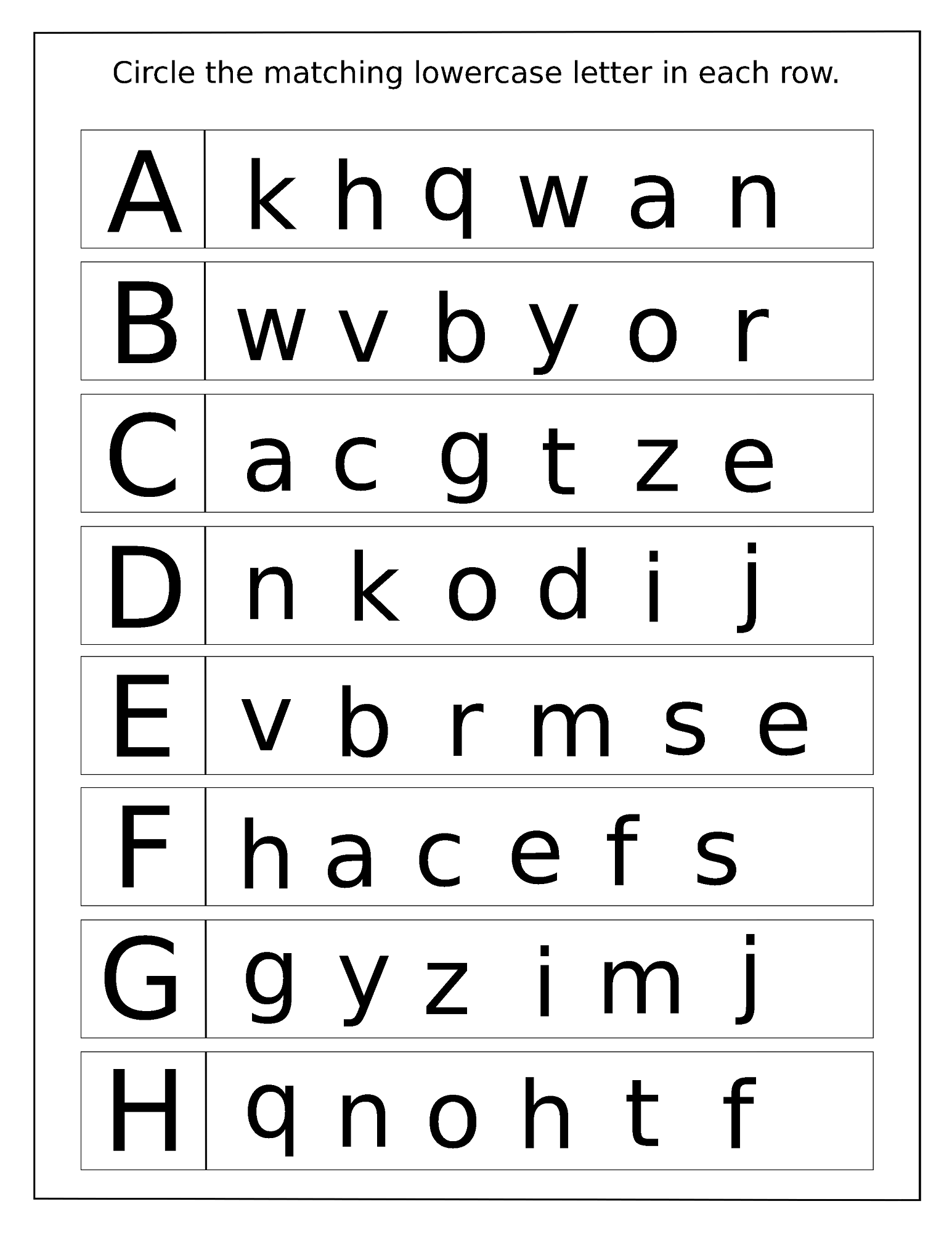
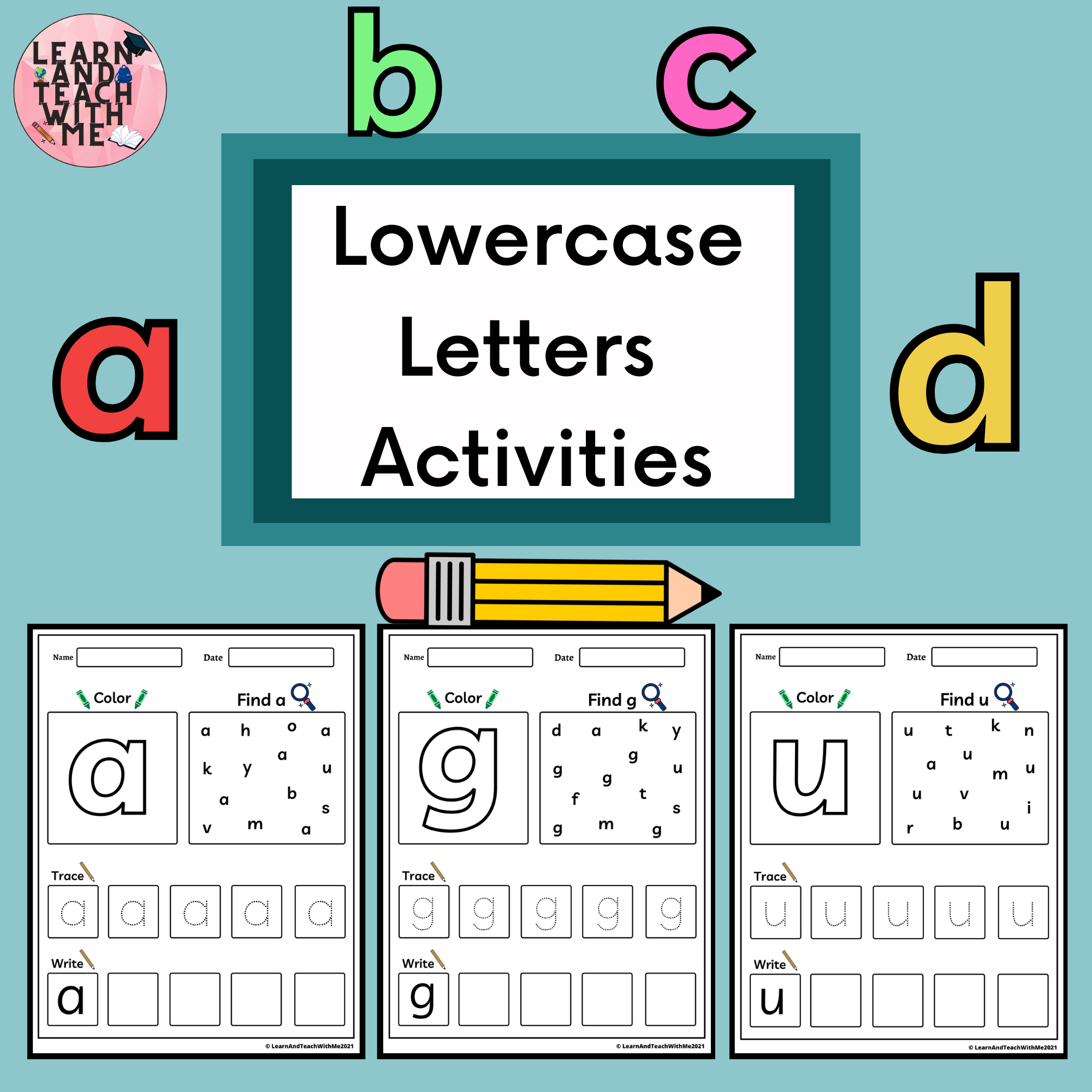
Lowercase Alphabet Letters Worksheets are the secret sauce that turns scribbles into legible letters, and they do it with more pizzazz than a circus clown on a unicycle—except the clown doesn’t have to worry about the alphabet falling off his hat. In this rollicking guide we’ll explore why these worksheets are a must‑have for tiny typists, how to pick the perfect printable, and the sneaky tricks teachers and parents can use to keep kids engaged without resorting to bribery involving chocolate chips. Buckle up, because the journey from “ooooh” to “a‑z” is about to get delightfully goofy.
Why Lowercase Worksheets Matter More Than a Cup of Coffee for Grown‑Ups
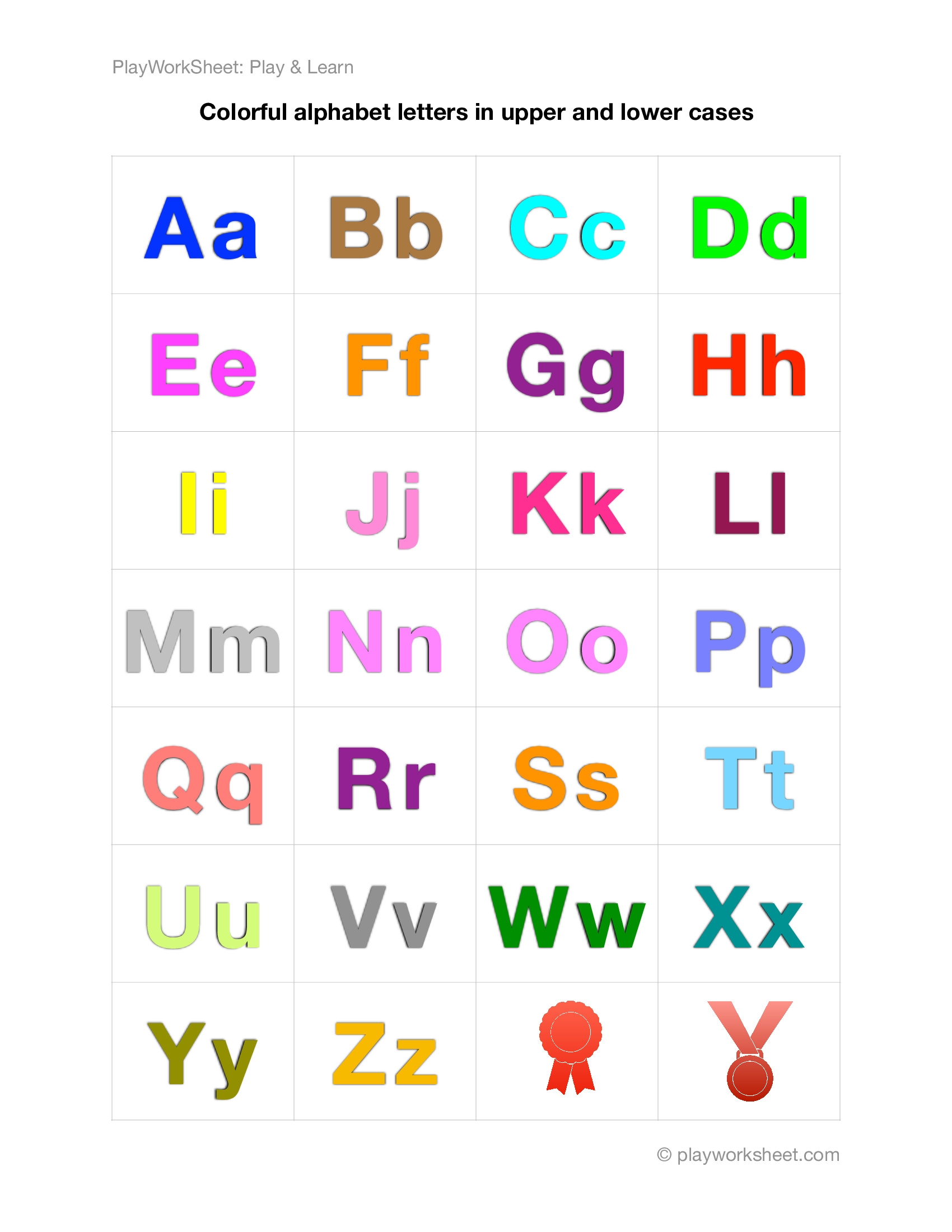
When it comes to early literacy, the lowercase letters are the unsung heroes. While uppercase letters look like the bold, over‑confident cousins at family reunions, the lowercase crew is where most reading and writing actually happens. Kids spend the majority of their reading time deciphering lowercase text, so giving them a head start with well‑designed worksheets can be the difference between “I love books” and “I only read the pictures.”
Research shows that consistent practice with lowercase tracing improves fine motor skills, visual discrimination, and letter‑sound association. In plain English, that means fewer “b” and “d” mix‑ups and more confidence when a child is asked to write their name. Moreover, worksheets provide a low‑stress, repeatable format that lets kids practice at their own pace—no pressure, no panic, just a steady stream of dotted lines waiting to be conquered.
Choosing the Right Worksheet: A Comedy of Errors Avoided
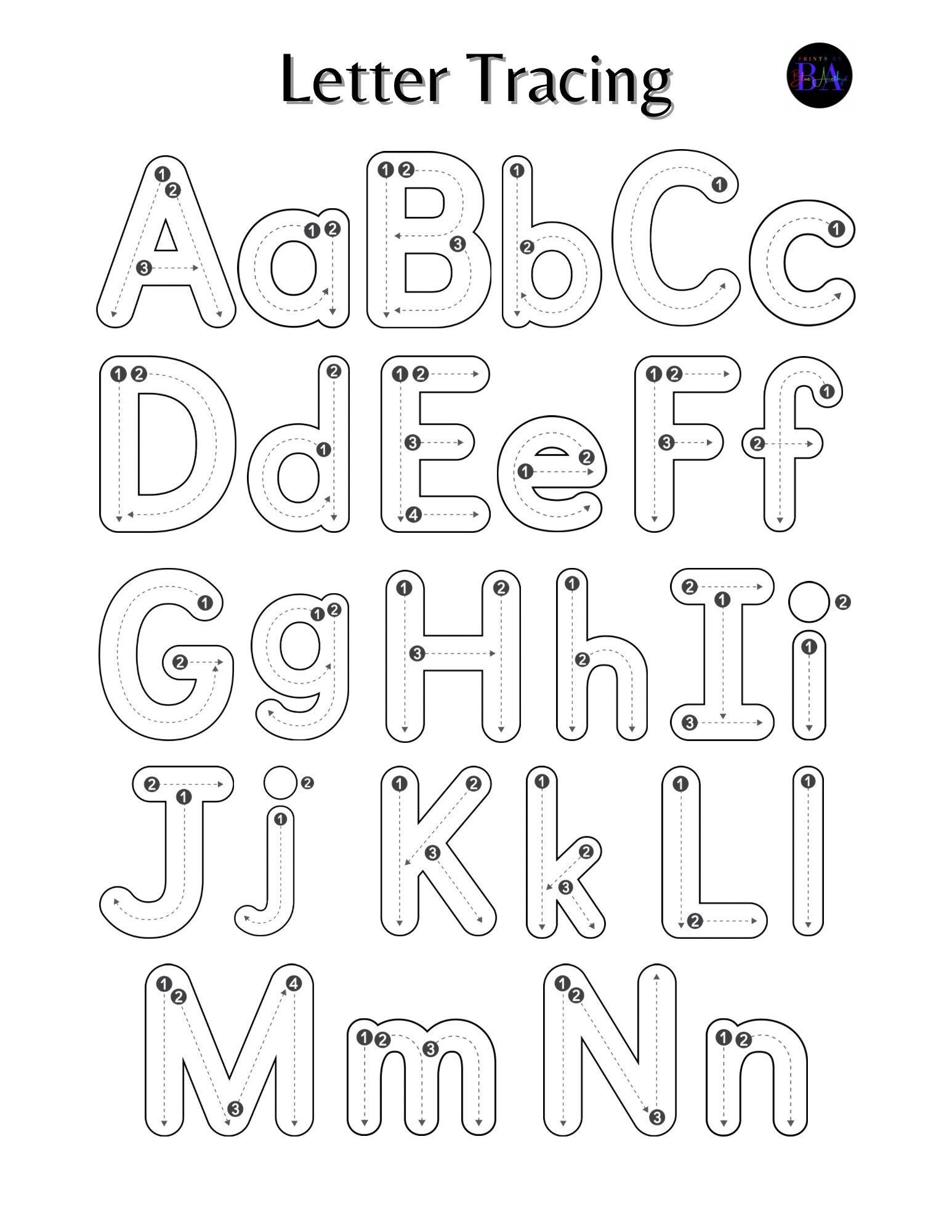
Not all worksheets are created equal; some are as boring as a tax form, while others are as exciting as a fireworks show. Here’s how to separate the wheat from the wheat‑straw (yes, we’re getting punny).
Look for Clear, Large Letter Guides
Kids need a big, bold template to trace over. If the letter is the size of an ant, you’ll end up with a line of tiny ants trying to copy it—adorable but ineffective. Opt for worksheets where each lowercase letter is at least 2‑3 inches tall, with ample spacing between characters.
Incorporate Fun Visual Cues
Adding a tiny doodle that hints at the letter’s shape—like a curvy “c” that looks like a crescent moon—helps children associate the symbol with something familiar. The more whimsical the cue, the more likely a child will remember the shape without needing a cheat sheet.
Provide Variety in Tracing Styles
One worksheet that offers a simple dotted line can become monotonous after the third repeat. Look for resources that mix solid lines, dotted lines, and even “connect‑the‑dots” puzzles that form the letter. Variety keeps the brain guessing and the hands busy.
Ensure Printable Quality
Nothing kills enthusiasm faster than a blurry line that looks like a toddler’s finger painting. Choose high‑resolution PDFs that print crisp on standard 8.5×11‑inch paper. If you’re printing at home, set your printer to “high quality” to avoid smudgy letters that look like they were drawn by a sleep‑deprived hamster.
How to Use Worksheets Effectively Without Turning Into a Drill Sergeant

Even the best worksheet can flop if the delivery is as stiff as a cardboard robot. Here’s a step‑by‑step method that feels more like playtime than a classroom interrogation.
Set the Scene
Transform the workspace into a “Letter Lab.” Lay down a colorful mat, pop on some gentle instrumental music, and stock the area with crayons, colored pencils, and markers. When children sense a fun environment, they’re more likely to engage willingly.
Model the Tracing Process
Demonstrate how to trace a letter using a “big hand” approach—your index finger follows the line while you narrate the motion (“Start at the top, swoop down, loop back up”). This visual cue gives kids a mental map of the stroke order and direction.
Use a Timer for Mini‑Challenges
Set a playful timer for 30 seconds and challenge the child to complete as many “a” traces as possible. The key is to keep the tone light; the timer is a game, not a test. Celebrate each completed trace with a goofy “high‑five” or a “woo‑hoo!” to reinforce positive feelings.
Provide Immediate, Positive Feedback
Instead of saying “Your ‘b’ looks crooked,” try “Wow, you nailed the belly of the ‘b’! Let’s give the tail a little extra swoosh.” Positive framing encourages effort and reduces the fear of making mistakes.
Mix in Real‑World Application
After a few rounds of tracing, hand the child a short word card (like “cat” or “dog”) and ask them to copy the letters using the same pencil grip they practiced. This bridges the gap between isolated letter practice and actual writing, reinforcing learning.
Creative Variations and Activities That Make Worksheets Worth a Million Laughs
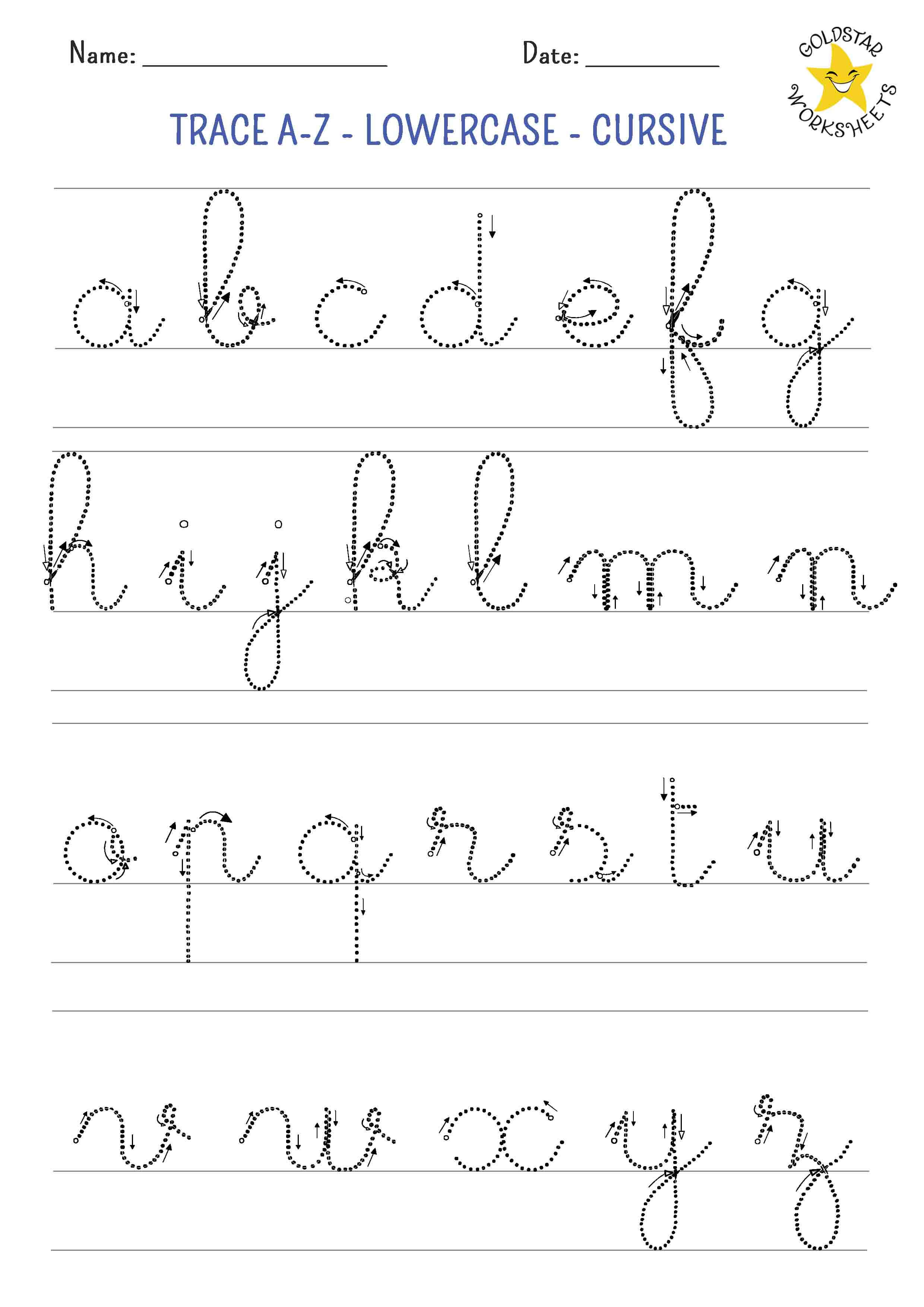
Even the most diligent educator knows that variety is the spice of educational life. Below are inventive twists that keep the worksheets fresh and the giggles coming.
Alphabet Treasure Hunt
Hide printed lowercase letters around the room. Each time a child finds a letter, they must trace it on a worksheet before moving on to the next. This combines physical activity with fine‑motor practice, burning off excess energy while reinforcing letter shapes.
Letter‑Sound Karaoke
Play a popular kids’ tune (think “The Wheels on the Bus”) and replace the lyrics with the sound each lowercase letter makes. While the child traces the letter, they chant the sound in rhythm. The combination of auditory and visual reinforcement speeds up recall.
“Mystery Letter” Reveal
Cover a worksheet with a thin layer of washable paint or a sticker sheet. The child scratches off the covering to reveal the hidden lowercase letter, then traces it. The reveal adds an element of surprise that feels like opening a present.
Story‑Based Tracing
Create a short, silly story that incorporates each letter (e.g., “A is for avocado that ate an astronaut”). After reading the tale, ask the child to trace the featured letters while you narrate the story again. The narrative context cements the letter’s identity in memory.
Common Mistakes and How to Dodge Them Like a Ninja
Even seasoned educators slip up sometimes. Here’s a cheat sheet of pitfalls to avoid, ensuring your worksheet adventures stay on the right track.
Skipping the Warm‑Up
Jumping straight into tracing without a brief hand‑warm‑up can lead to shaky lines. Simple finger‑wiggle exercises or a quick “air writing” session gets the muscles ready and improves control.
Over‑Correcting
Constantly pointing out every little imperfection can crush enthusiasm. Focus on the overall shape and progress; gentle correction of major errors (like reversed letters) is sufficient.
Using Too Many Colors at Once
While bright colors are fun, a rainbow of crayons on a single worksheet can be overwhelming. Stick to one or two colors per session to maintain visual clarity and prevent confusion.
Neglecting Hand Position
Improper grip leads to fatigue and sloppy letters. Demonstrate the tripod grip (thumb, index, and middle finger) and encourage the child to hold the writing instrument lightly—no need for a vice‑grip.
Forgetting to Celebrate Small Wins
Every correctly traced letter deserves a mini‑celebration. A simple “You did it!” or a sticker on a progress chart builds confidence and motivates continued effort.
Tips for Parents and Teachers: Turning Worksheets Into a Family‑Friendly Fiesta

Whether you’re a teacher juggling a classroom of tiny tornadoes or a parent navigating bedtime battles, these tips will help you integrate worksheets smoothly into daily routines.
Set a Consistent Schedule
Designate a short, regular time slot—like 10 minutes after breakfast or before the evening bath. Consistency builds habit, and children quickly learn that worksheet time is a predictable, low‑stress activity.
Blend Worksheets with Play
After a tracing session, reward the child with a quick game of “Alphabet Hopscotch” where they jump on the letters they just practiced. The physical movement reinforces memory while providing a natural break.
Use a Progress Chart
Create a colorful chart with a row for each lowercase letter. Every time the child successfully traces a letter, they place a sticker or draw a star. Watching the chart fill up is a visual motivator that even adults love.
Involve Siblings and Friends
Turn tracing into a cooperative activity. Pair siblings together, assigning one to trace while the other checks the shape. Collaborative work fosters peer learning and reduces the feeling of “drill work.”
Adapt to Learning Styles
Some kids are visual learners, others auditory, and a few kinesthetic. Combine the worksheet with spoken letter sounds, tactile tracing on sandpaper, or even digital tracing apps for a multimodal approach that reaches every learning preference.
Conclusion: From Scribbles to Mastery, One Laugh at a Time

Lowercase alphabet letters worksheets are more than just paper strips with dotted lines; they’re a launchpad for confidence, creativity, and the occasional giggle. By selecting high‑quality, engaging worksheets, setting a playful environment, and sprinkling in creative variations, parents and teachers can transform the often‑tedious task of letter tracing into a memorable adventure. Remember to celebrate every tiny triumph, keep the atmosphere light, and let the laughter echo through each traced “a” and “z.” With these strategies in hand, your little learners will soon be writing lowercase letters with the ease of a seasoned author—minus the writer’s block, plus a whole lot of fun.