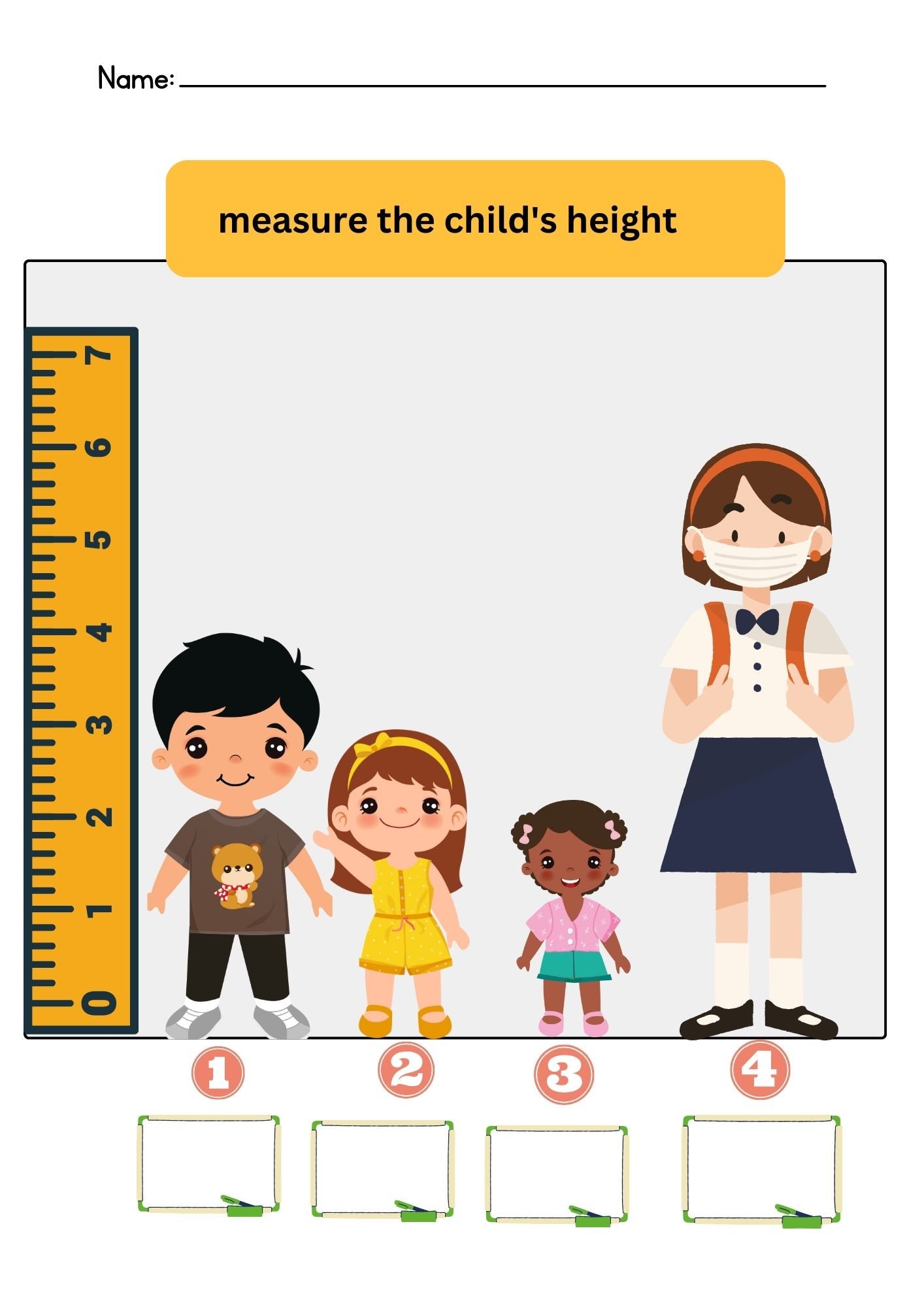
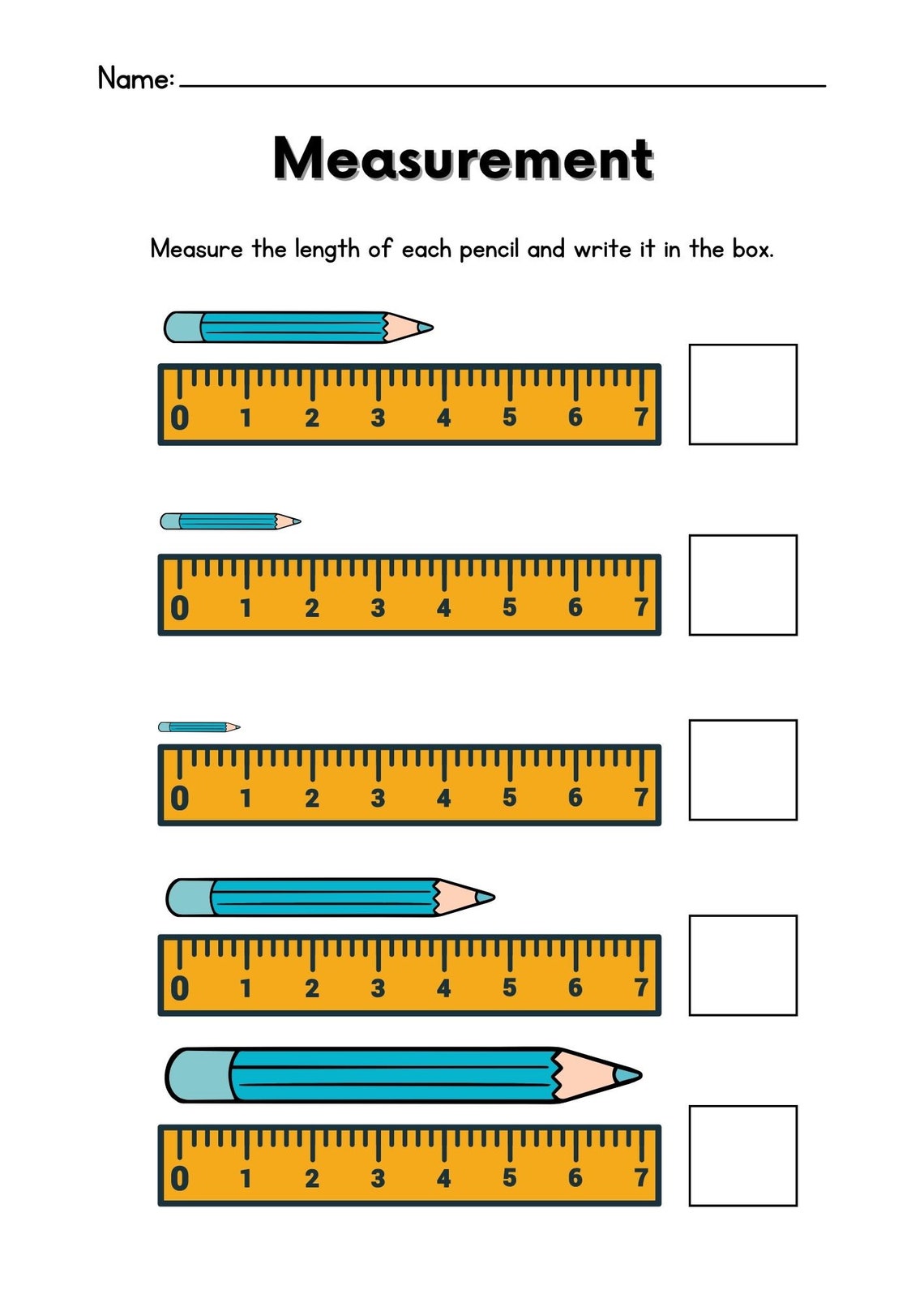
Measurement For Kindergarten Worksheets is the gateway to helping young learners turn abstract concepts into tangible, hands‑on experiences. These worksheets guide children through the world of length, weight, and volume—skills that become foundational for math, science, and everyday life.
Why Measurement Matters in Kindergarten
In the early grades, children develop critical thinking by interacting with physical objects. Measurement introduces them to comparisons, sequencing, and the idea that numbers can represent the world around them. Mastering basic measurement concepts lays the groundwork for algebra, geometry, and data literacy later in school.
Key Benefits
- Spatial Awareness: Understanding how objects relate in size.
- Critical Thinking: Making choices about which unit to use.
- Language Development: Learning new vocabulary such as “longer,” “shorter,” “heavier,” and “lighter.”
- Confidence Building: Seeing concrete proof of their progress.
Types of Measurement Worksheets for Young Learners

Effective worksheets blend simplicity with engaging activities. Below are the main categories teachers often use in kindergarten.
Non‑Standard Units
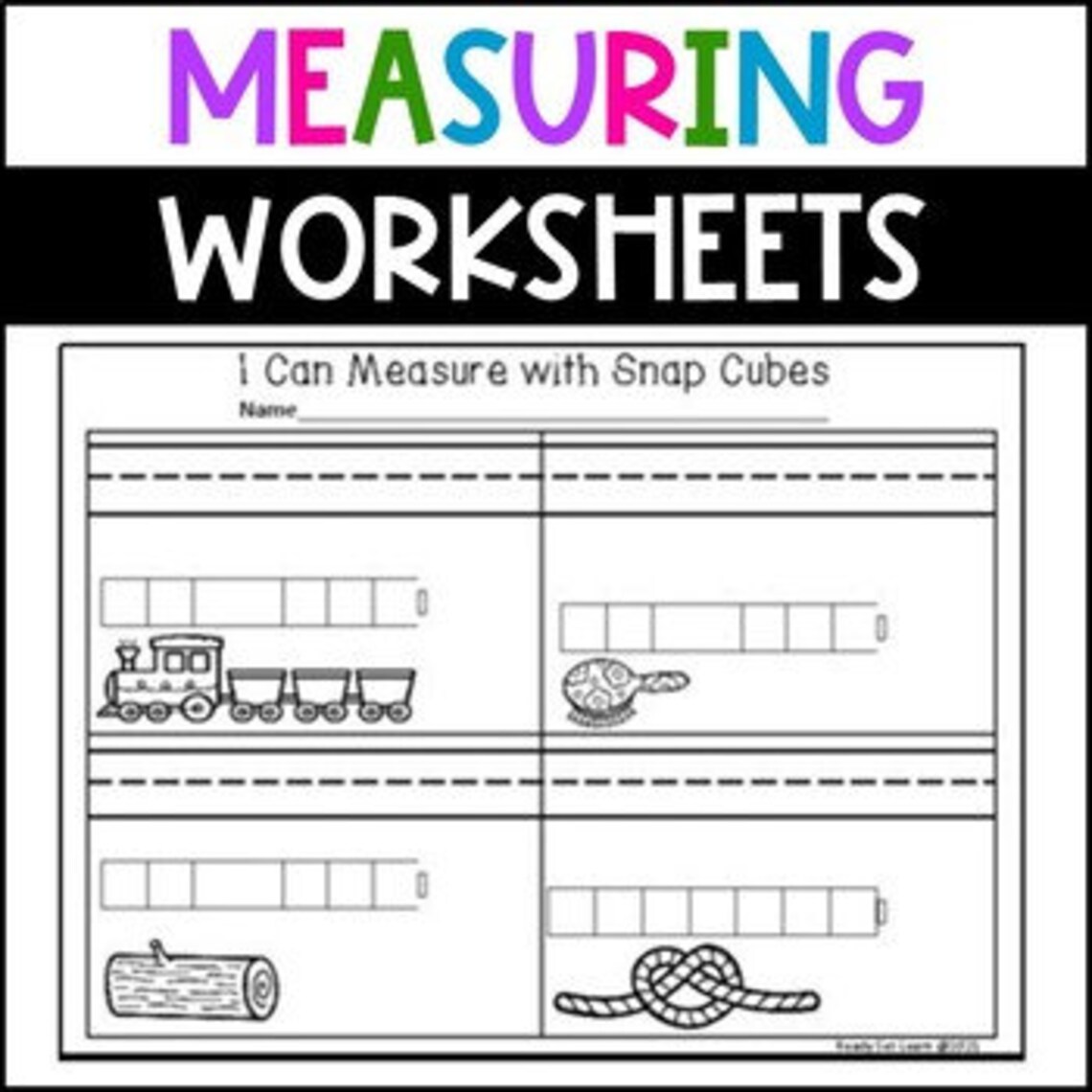
Using everyday objects—pencil lengths, blocks, or paper clips—helps children grasp measurement without relying on unfamiliar symbols.
- Count the number of blocks needed to reach the length of a classroom chair.
- Compare the height of a stuffed animal to the length of a ruler.
- Measure the distance between two playground spots using steps.
Standard Units (Inches, Centimeters)
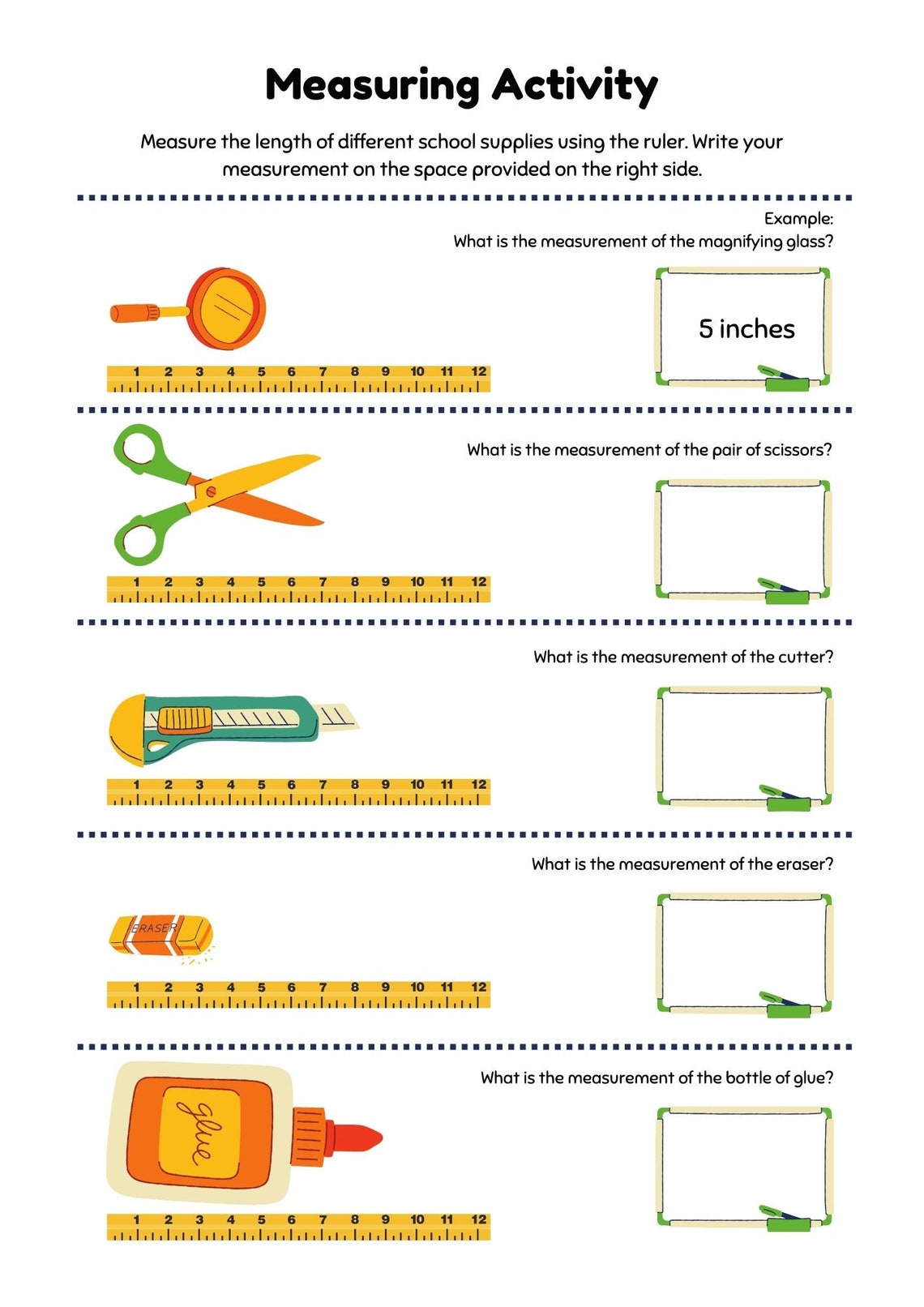
Once children are comfortable with non‑standard units, they can transition to standardized measures. Worksheets may feature visual aids like rulers with clearly marked inches or centimeters.
- Match a ruler’s inch marks with physical objects.
- Fill in blank spaces indicating the length of a toy car in centimeters.
- Label the parts of a ruler (top, bottom, middle).
Visual & Manipulative Activities
These worksheets incorporate picture sorting, matching games, and manipulatives like blocks or measurement tapes to reinforce concepts.
- Drag and drop shapes to create a “long” versus “short” comparison.
- Use a magnetic tape measure to find the perimeter of a simple shape.
- Color code items based on weight categories (light, medium, heavy).
How to Choose the Right Worksheets for Your Classroom

Selecting suitable worksheets requires consideration of several factors to align with curriculum goals and student readiness.
Skill Level and Readiness
Assess whether students can identify objects, count, and follow simple instructions before introducing measurement tasks.
Alignment with Standards
Check that worksheets reflect state or national standards for measurement, ensuring relevance to your teaching goals.
Engaging Content
Look for worksheets featuring real-world scenarios—measuring a snack, comparing heights of classmates, or measuring water in a small container—to keep kids motivated.
Step‑By‑Step Guide to Using Measurement Worksheets Effectively

Effective implementation turns worksheets from passive tasks into active learning moments.
Preparation
- Gather necessary tools—rulers, measuring tapes, blocks, or paper clips.
- Print worksheets in advance and double‑check for legibility.
- Set up a dedicated measurement station with clear instructions.
Warm‑Up Activity
Begin with a quick, fun warm‑up: “Find the tallest student” or “Who can stretch a piece of string the longest?” This primes the brain for measurement concepts.
Guided Practice
- Walk through the first worksheet together, demonstrating each step.
- Encourage students to verbalize their thinking (“I think this is longer because it has more blocks”).
- Use visual aids to illustrate non‑standard unit conversions.
Independent Work
Let students work on worksheets individually or in pairs, providing a handout with clear instructions. Offer support by circulating and asking probing questions.
Assessment & Feedback
- Collect completed worksheets for quick checks.
- Provide immediate feedback—highlight correct answers and discuss common mistakes.
- Use formative assessment data to tailor future lessons.
Creative Ways to Extend Learning Beyond the Worksheet

Measurement can become an all‑around classroom adventure, encouraging exploration and real‑world application.
Outdoor Measurement Scavenger Hunt
Give students a list of items to measure: the height of a tree, the length of a fence, or the distance between two benches. They can record measurements and later compare with worksheet data.
Cooking & Baking Activities
Follow a simple recipe that requires measuring cups and teaspoons. Children practice volume measurement while enjoying tasty outcomes.
Art and Craft Projects
Create a “measurement collage” where students cut out shapes of varying sizes and label them with their dimensions.
Common Challenges & How to Overcome Them
While measurement is engaging, several hurdles can impede progress. Here are solutions that work in the classroom.
Limited Attention Span
Keep tasks short, rotate activities, and incorporate movement—e.g., have students physically move objects to match a measured length.
Difficulty Understanding Concepts
Use concrete examples and repeated practice. Pair non‑standard units with standard units in side‑by‑side comparisons to reinforce understanding.
Classroom Management
Set clear expectations: “I will measure and write down my result before I ask for help.” Use a visual timer to manage transitions.
Resources & Printable Ideas

Teachers can access a variety of free printable sets that cover non‑standard units and standard measurement. These resources often include engaging graphics and step‑by‑step prompts. For instance, the “Measuring Length Using Non‑Standard Units Worksheets” offers a range of activities where students use everyday objects to measure, while the “Printable Measuring With a Ruler Worksheets” provides standard unit practice suitable for preschool and first‑grade learners.
Customizing Worksheets
- Adapt existing worksheets by adding your own classroom items.
- Swap the pictures in a worksheet to match your students’ cultural context.
- Incorporate student names or favorite toys for personal relevance.
Conclusion
Measurement For Kindergarten Worksheets are more than academic drills; they are stepping stones that transform abstract numbers into concrete, meaningful experiences. By selecting the right types of worksheets, tailoring instruction to student readiness, and extending learning into everyday contexts, teachers can ignite curiosity and build foundational skills that will support lifelong success. Harness the power of measurement, and watch your kindergarteners grow confident, analytical thinkers who understand that the world can indeed be measured one step at a time.