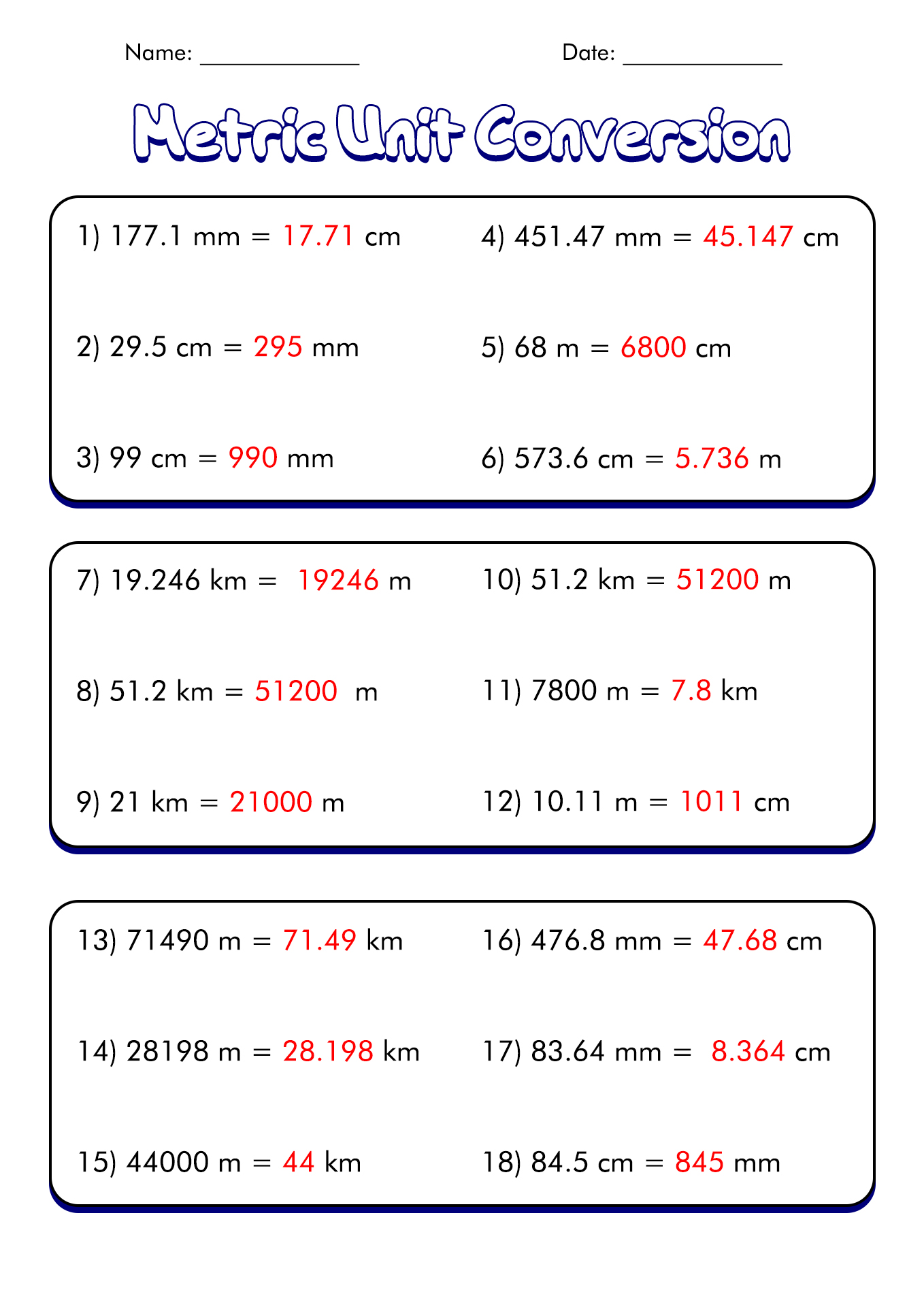
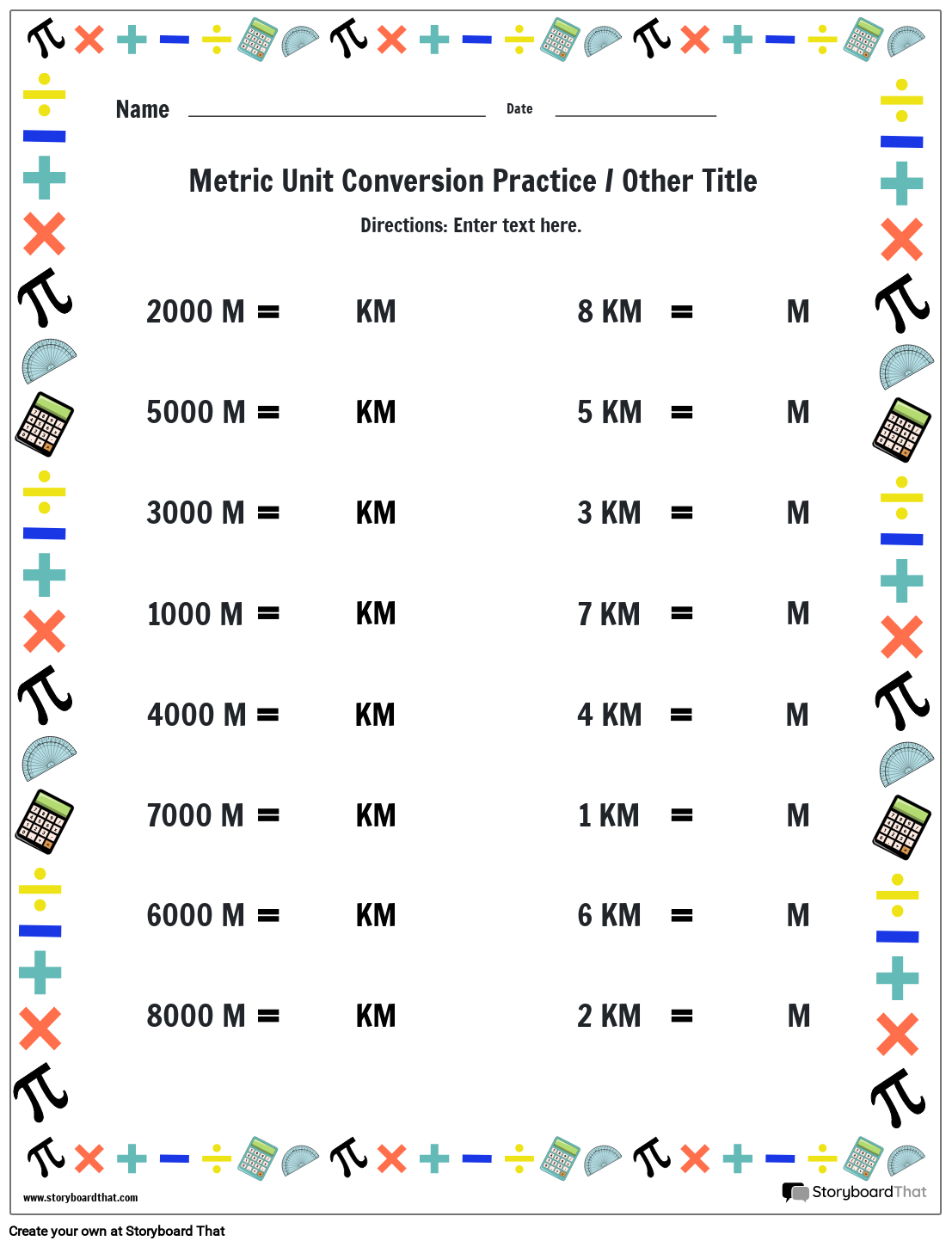
Metric System Conversion Worksheet is the gateway to unlocking a world of precision, confidence, and cross‑cultural fluency for students navigating the metric landscape, and it does so with the gentle, disciplined charm reminiscent of an Asian classroom while still resonating with the energetic spirit of an American school.
Why Metric Mastery Matters in Today’s Classroom

In a global economy, the metric system is the lingua franca of science, engineering, and everyday life. Mastering conversions not only prepares learners for standardized tests but also builds a mindset of exactness that Asian educational philosophies prize. When students can fluently switch between meters and feet, liters and gallons, they gain a competitive edge that transcends borders.
Core Benefits of Using a Metric System Conversion Worksheet
Strengthens Numeracy Skills
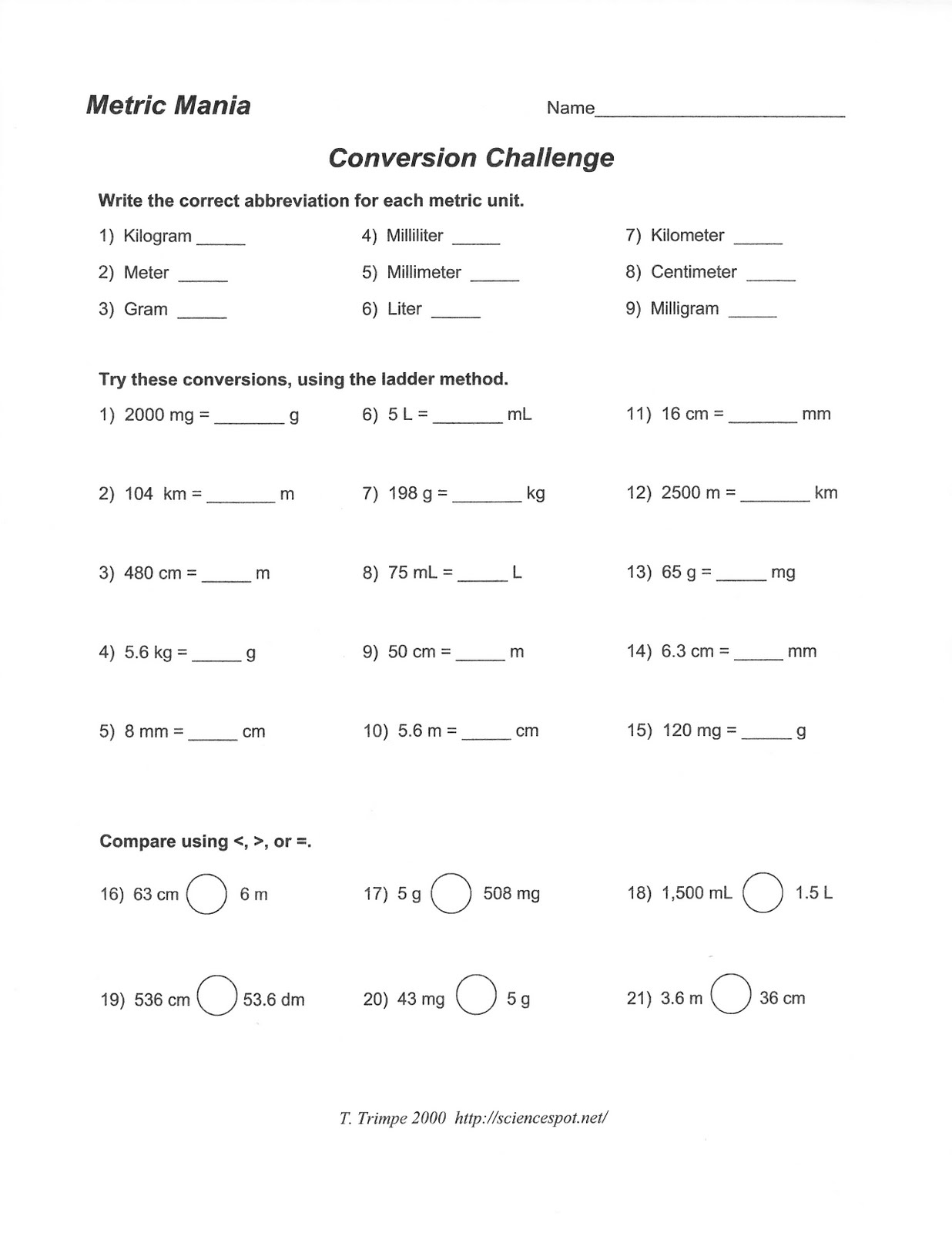
Conversion worksheets compel students to practice multiplication and division in real contexts, reinforcing foundational arithmetic. Each problem is a mini‑exercise in proportional thinking, sharpening mental math and reinforcing the concept of unit equivalence.
Cultivates Scientific Literacy
Science labs, especially in physics and chemistry, rely heavily on metric units. Worksheets that simulate real lab measurements help students internalize the language of scientific inquiry, making experiments feel less like a chore and more like a discovery expedition.
Encourages Cultural Awareness
By exposing learners to a system used by most countries, worksheets subtly teach respect for international standards. This mirrors the Asian educational value of harmony and global citizenship, fostering an inclusive outlook that aligns with American diversity goals.
Builds Confidence Through Repetition
Asian pedagogy often emphasizes repetitive practice to achieve mastery. A well‑designed conversion worksheet offers graded difficulty, allowing students to start with simple conversions and gradually tackle more complex multi‑step problems, reinforcing confidence at every stage.
Designing an Effective Metric System Conversion Worksheet

Select Appropriate Unit Pairs
Begin with the most common pairings—millimeters to centimeters, centimeters to meters, meters to kilometers, grams to kilograms, and milliliters to liters. Including less‑frequent pairs such as cubic centimeters to milliliters adds depth for advanced learners.
Incorporate Real‑World Scenarios
Asian classrooms often integrate story‑based problems. For example, “A sushi roll is 12 cm long. How many rolls can fit on a 1‑meter tray?” or “A marathon runner completes 42.195 km. Convert this distance to meters.” These scenarios make abstract numbers tangible.
Use Visual Aids Sparingly
While the worksheet should be primarily text‑based to encourage mental conversion, a single diagram—like a ruler illustration—can guide visual learners without overwhelming the page.
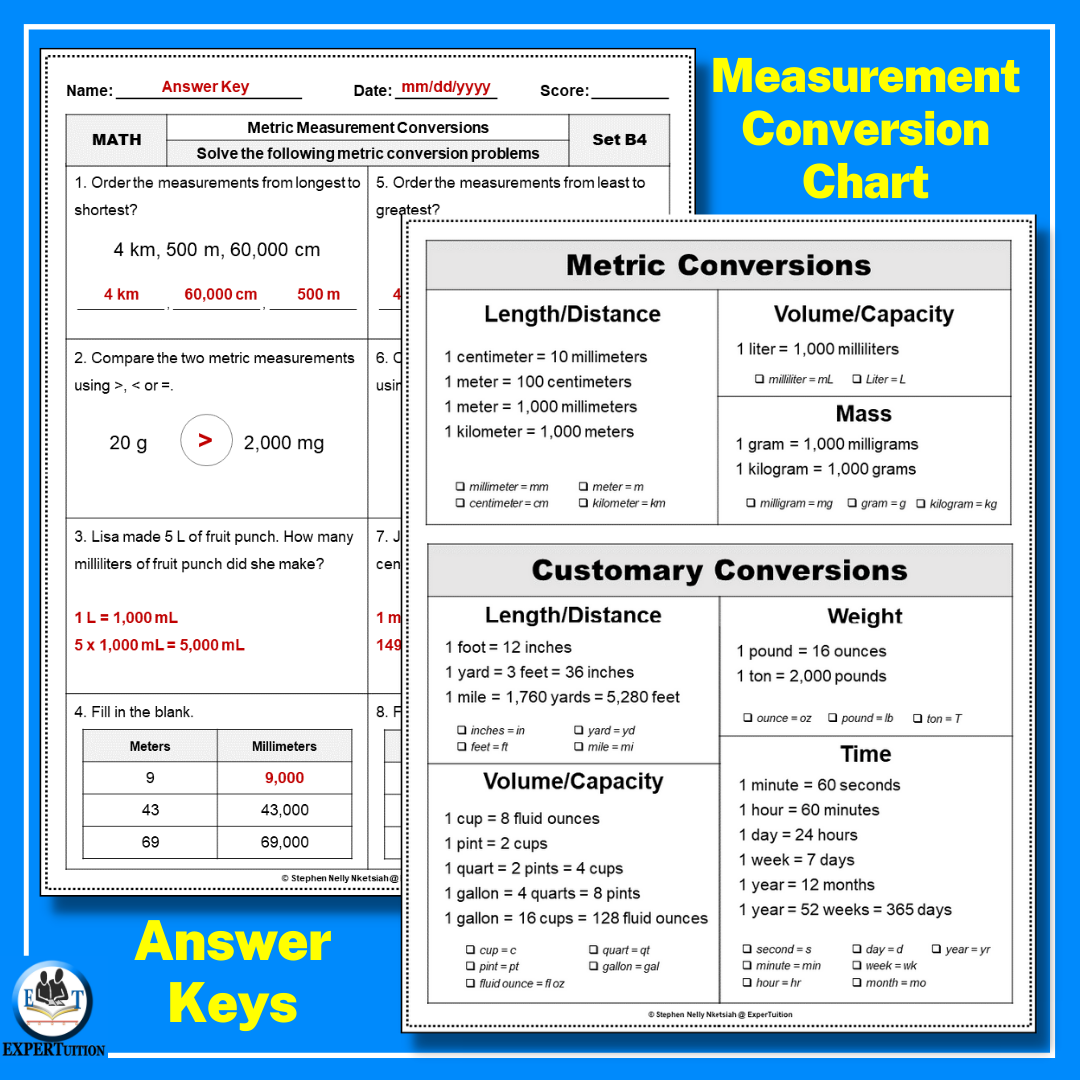
Provide Clear Answer Keys
Consistency with Asian teaching methods means students can self‑check. Include a separate answer key with step‑by‑step solutions, highlighting the conversion factor used at each stage.
Step‑by‑Step Guide to Implementing the Worksheet in Class

Warm‑Up: Quick Mental Drill
Start with a five‑minute rapid‑fire round where students shout out conversion factors (e.g., “1 km = 1,000 m”). This primes the brain and mirrors the disciplined start of a traditional Asian lesson.
Model the Process
Demonstrate a sample problem on the board, narrating each step: identify the units, select the conversion factor, multiply or divide, and verify the result. Use clear language and repeat key vocabulary such as “factor,” “multiply,” and “convert.”
Guided Practice
Distribute the worksheet and work through the first two items together. Encourage students to write each intermediate step, reinforcing the habit of showing work—a hallmark of rigorous Asian assessment.
Independent Work
Allow learners to complete the remaining problems silently. Circulate the room, offering gentle prompts rather than direct answers, fostering independence while maintaining the supportive atmosphere typical of Asian classrooms.
Review and Reflect
Conclude with a brief discussion: Which conversions felt easiest? Which required more thought? This reflective component aligns with the American emphasis on metacognition and the Asian focus on self‑improvement.
Adapting Worksheets for Diverse Learners
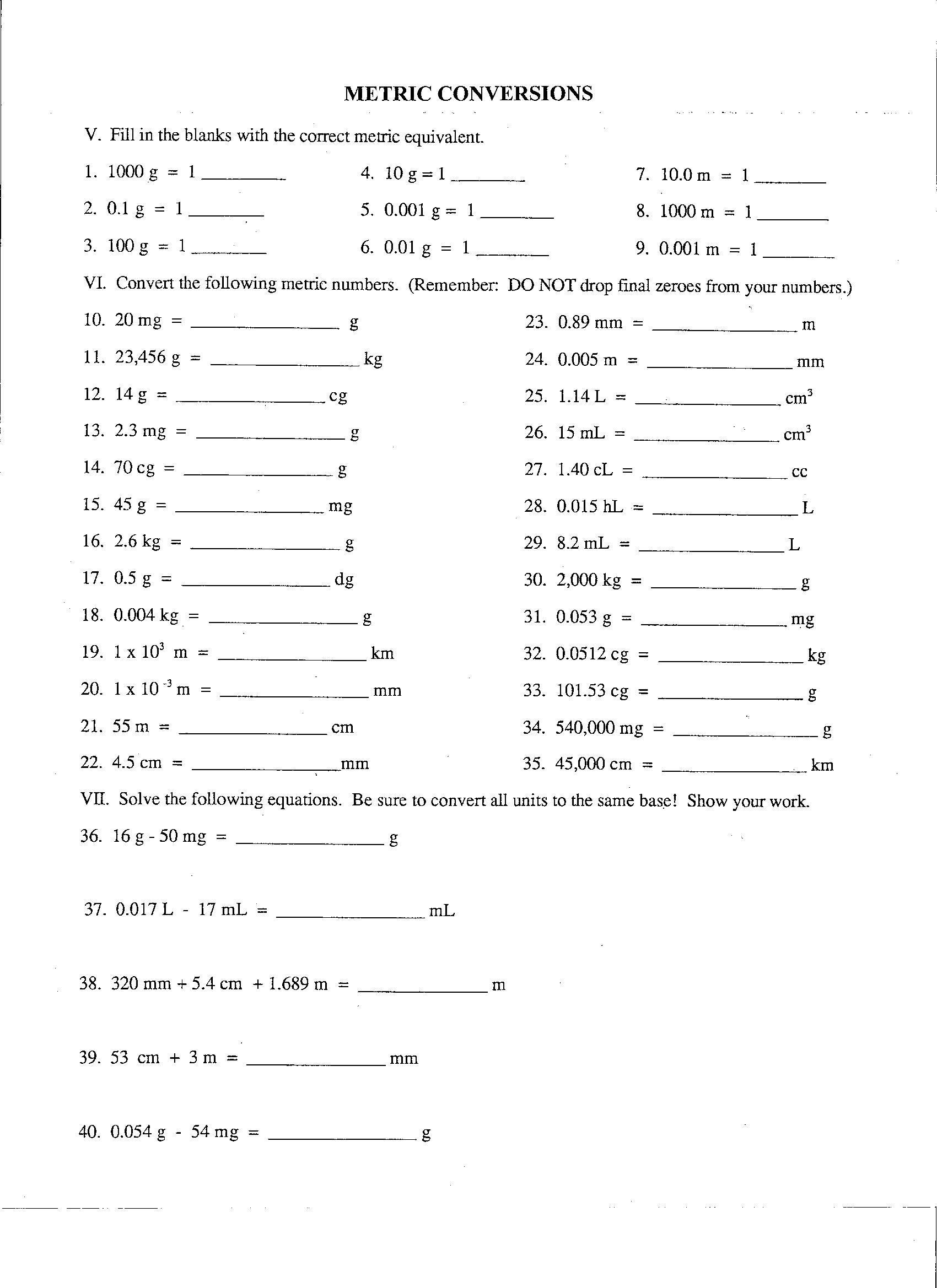
For English Language Learners
Include a glossary of metric terms with phonetic spelling. Pair each problem with a visual cue, such as a picture of a water bottle labeled “500 mL,” to bridge language gaps.
For Gifted Students
Introduce multi‑step challenges that combine conversion with arithmetic, such as “If a recipe calls for 250 g of flour and you need to double it, how many kilograms of flour will you use?” This satisfies the Asian tradition of extending challenges for high achievers.
For Students with Learning Differences
Offer a “conversion chart” reference sheet and allow the use of manipulatives like metric blocks. Breaking problems into smaller sub‑tasks helps maintain focus and reduces cognitive overload.
Digital vs. Printable Worksheets: Choosing the Right Format
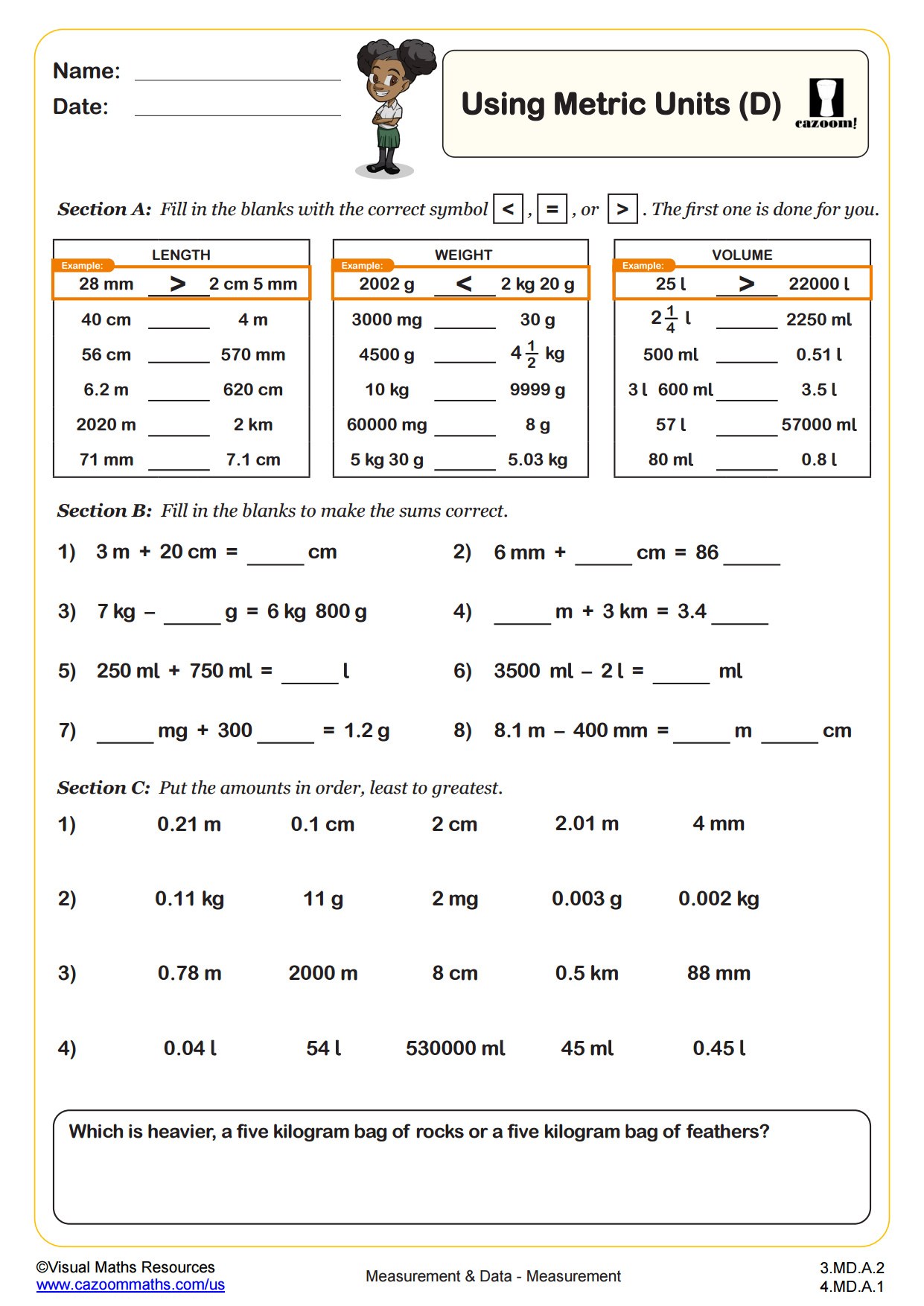
Advantages of Digital Worksheets
Interactive platforms can auto‑grade, providing instant feedback—a feature praised in modern Asian schools for efficiency. Digital worksheets also support multimedia, allowing videos that demonstrate real‑world conversions, such as measuring a bamboo shoot in centimeters.
Benefits of Printable Worksheets
Hand‑written work reinforces fine motor skills and the tactile experience valued in many Asian classrooms. Printable sheets are also portable, enabling practice during school bus rides or after‑school study sessions.
Hybrid Approach
Combine both formats: assign a printable worksheet for home practice and a digital version for in‑class quizzes. This balanced approach respects the American preference for flexibility while honoring the Asian emphasis on structured repetition.
Integrating Asian Teaching Techniques into the Worksheet Experience

Chalk‑Talk Sessions
Brief, focused mini‑lectures before each worksheet segment echo the “chalk talk” method common in East Asian schools. These sessions reinforce key concepts without lengthy exposition.
Peer Teaching
After completing the worksheet, pair students to explain each step to one another. This collaborative approach reflects the collectivist values of many Asian cultures while enhancing communication skills prized in the U.S.
Progress Charts
Display a classroom chart tracking conversion mastery levels. Public acknowledgment of improvement motivates students, mirroring the reward systems often used in Asian education.
Assessment Strategies Aligned with Metric Conversion Mastery

Formative Checks
Use quick exit tickets: “Convert 3.5 km to meters.” Collect responses to gauge immediate understanding and adjust future instruction accordingly.
Summative Projects
Assign a “Metric Market Day” where students price items in metric units, calculate totals, and present findings. This real‑world application serves as a capstone assessment.
Rubric Development
Design a rubric that evaluates accuracy, method clarity, and neatness. Clear criteria reflect the transparent grading practices valued in both Asian and American schools.
Common Pitfalls and How to Avoid Them

Confusing Conversion Factors
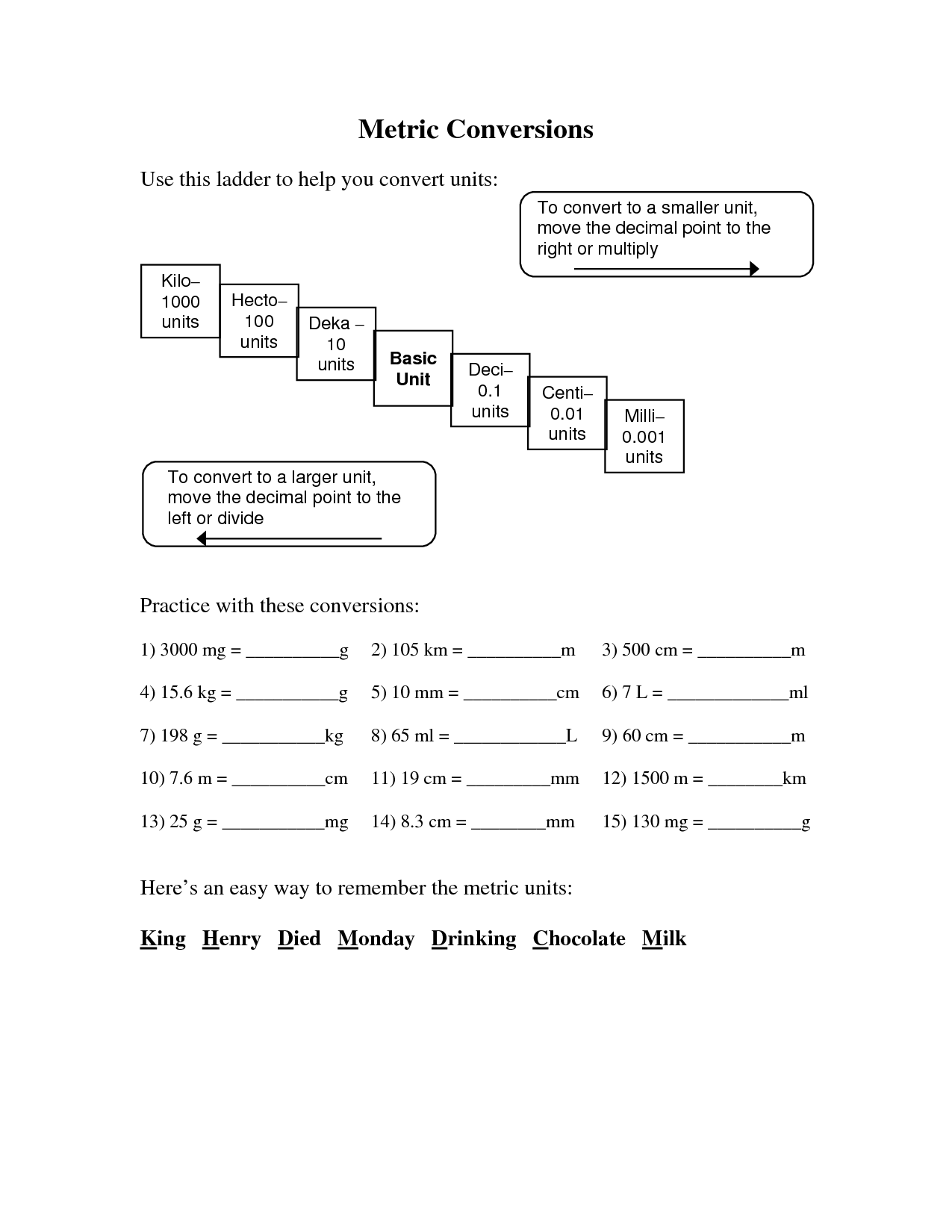
Students often mix up multiplication vs. division. Emphasize the direction: when moving from a larger unit to a smaller unit, multiply; when moving from smaller to larger, divide.
Skipping Units in Answers
Insist that every answer includes the appropriate unit label. This habit prevents careless errors and aligns with the precision emphasized in Asian curricula.
Relying Solely on Memorization
While memorizing key factors (e.g., 1 m = 100 cm) is useful, encourage students to understand the logical relationship between units, fostering deeper comprehension.
Resources for Extending Metric Learning
- Online conversion games that turn practice into a friendly competition.
- Science experiment kits calibrated in metric units, reinforcing real‑world relevance.
- Printable conversion charts that can be laminated for classroom reference.
- Community events such as “International Food Fair” where students measure ingredients using metric tools.
Conclusion
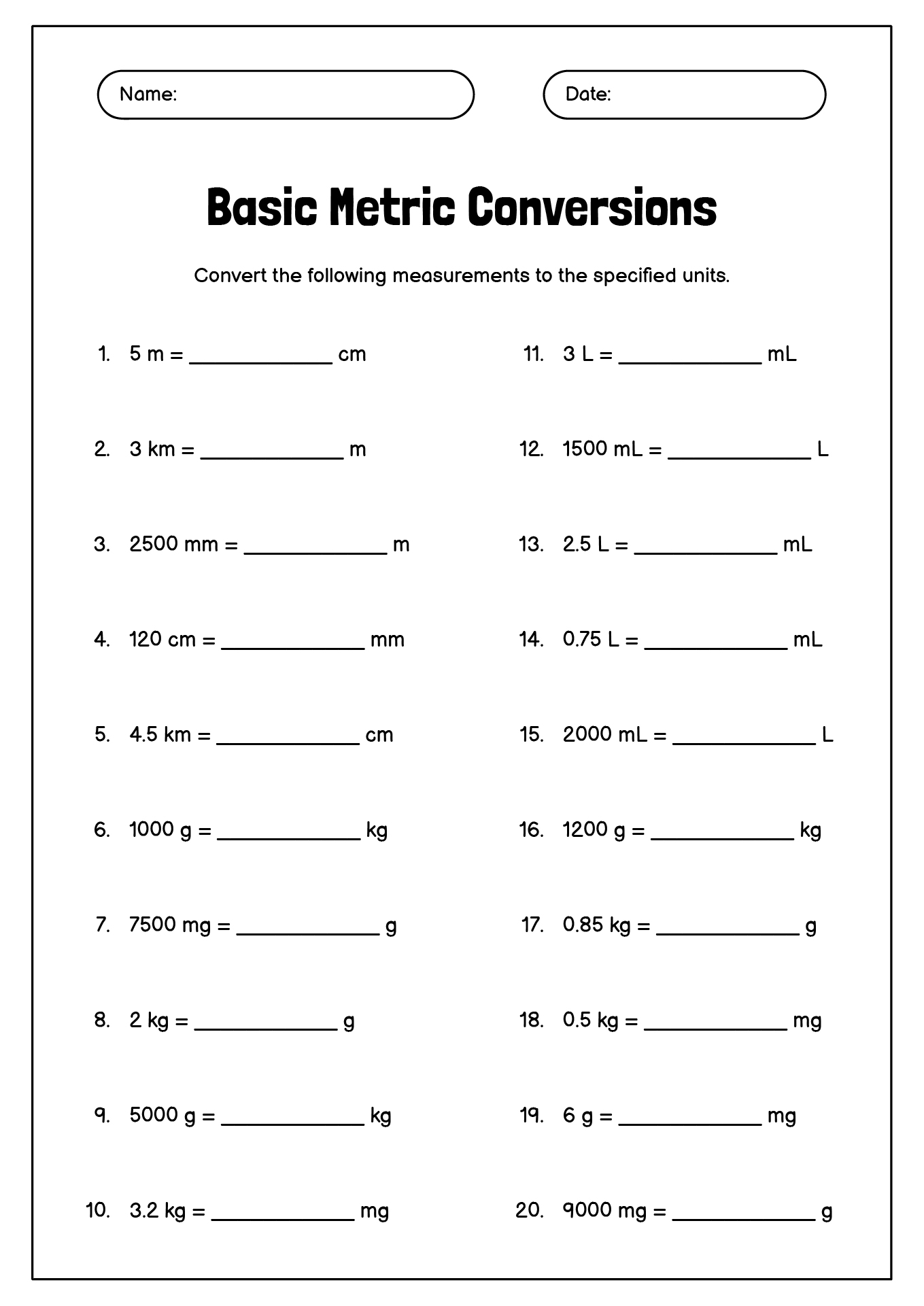
Integrating a Metric System Conversion Worksheet into the classroom creates a bridge between the disciplined, methodical spirit of Asian education and the dynamic, inclusive environment of American schools. By designing thoughtful worksheets, employing culturally resonant teaching techniques, and providing varied assessment options, educators can empower students to master metric conversions with confidence and cultural fluency. This mastery not only prepares learners for academic success but also equips them with a universal language of measurement, ready to navigate a world where precision knows no borders.