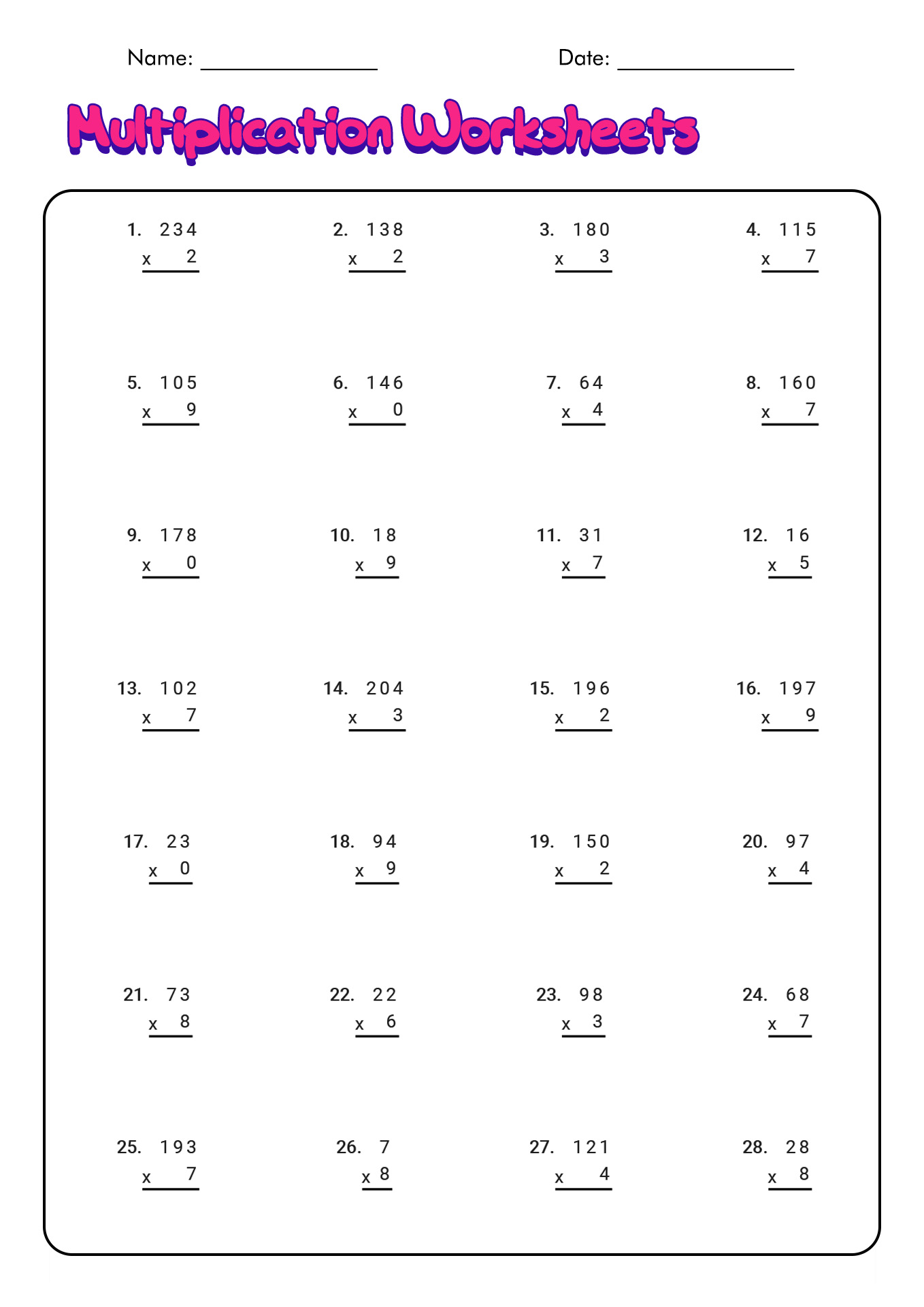
Multiplication Worksheets For 4th Graders serve as the cornerstone for building confidence and mastery in basic arithmetic, especially when learners embrace a disciplined, community-oriented mindset inspired by Asian educational traditions. In this post, we explore how to select, adapt, and deploy these worksheets so that every student not only learns to multiply but also applies the skill with creativity and cultural relevance.
The Significance of Multiplication Mastery at Grade Four

By the fourth grade, students transition from simple memorization to understanding the logic behind multiplication. Mastery at this level creates a solid foundation for algebra, fractions, and real-life problem solving. An Asian teaching ethos often emphasizes repetition, pattern recognition, and incremental progress—all of which align with the structure of multiplication worksheets.
Key Cognitive Benefits
- Pattern Recognition: Repeated practice helps students identify multiplication patterns, such as the “doubling” rule and the symmetry of the multiplication table.
- Working Memory: Memorizing facts up to 12×12 strengthens short‑term memory and paves the way for multi‑digit multiplication.
- Strategic Thinking: Worksheets that encourage algorithmic variations (like the lattice or partial‑products method) cultivate flexibility in problem solving.
Social and Cultural Impact
In many Asian cultures, learning is viewed as a collective journey. Worksheets that allow collaborative work or peer‑review sessions reinforce mutual respect and collective achievement. Students can practice in pairs, discuss strategies, and celebrate each correct answer as a shared accomplishment.
Choosing the Right Worksheets: Quality over Quantity
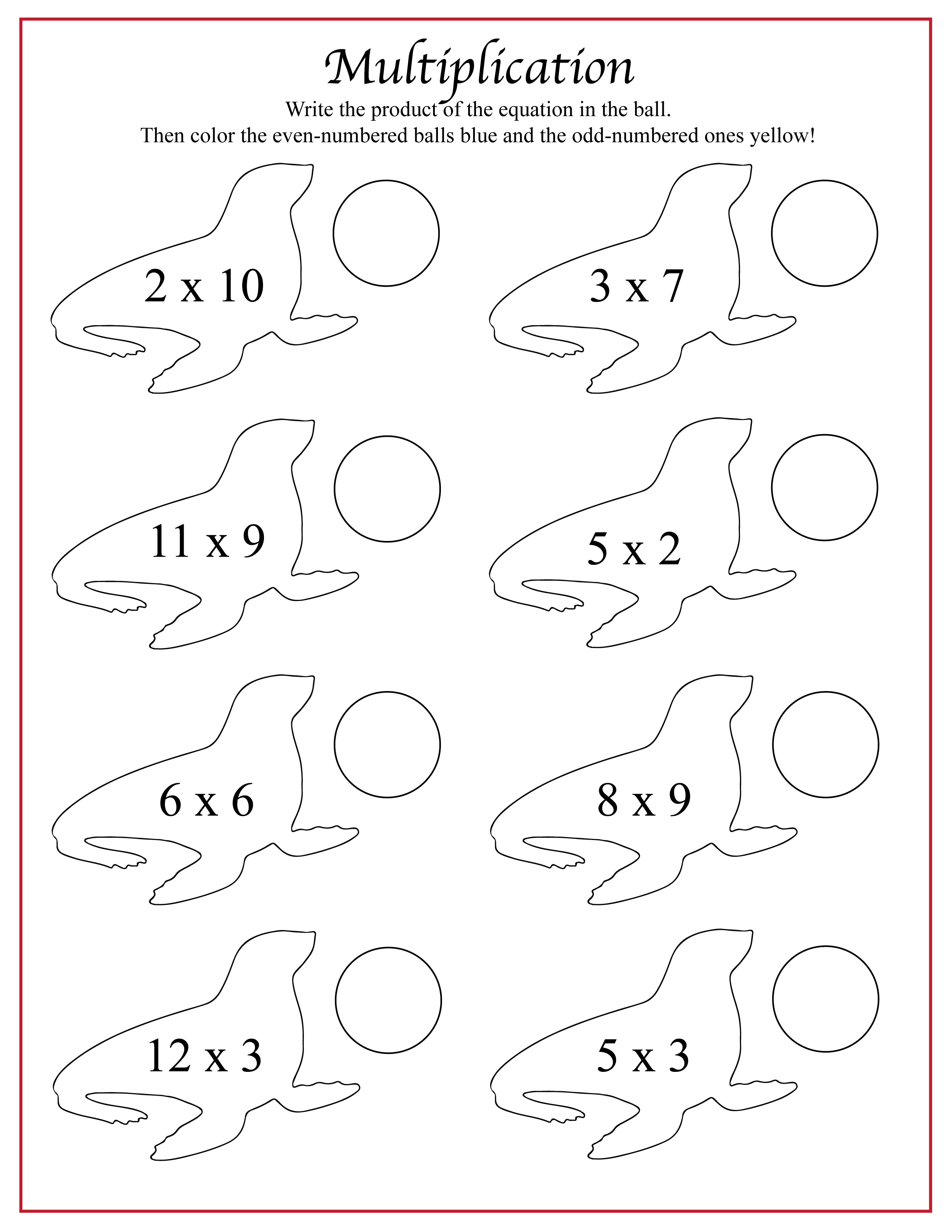
Not all worksheets are created equal. The most effective ones align with curriculum standards, incorporate diverse problem types, and provide opportunities for assessment and reflection.
Alignment with Standards
Start by reviewing the state standards or the Common Core for mathematics. A good worksheet will cover:
- Multiplication facts up to 12×12
- Array and area models
- Word problems involving real-life scenarios (e.g., cooking, shopping, or sports)
- Use of number lines and visual aids
Diverse Question Formats
Variety keeps engagement high. Include:
- Multiple‑choice questions for quick checks
- Fill‑in‑the‑blank for independent practice
- True/false statements to reinforce conceptual understanding
- Open‑ended calculations where students explain their process
Progressive Difficulty Levels
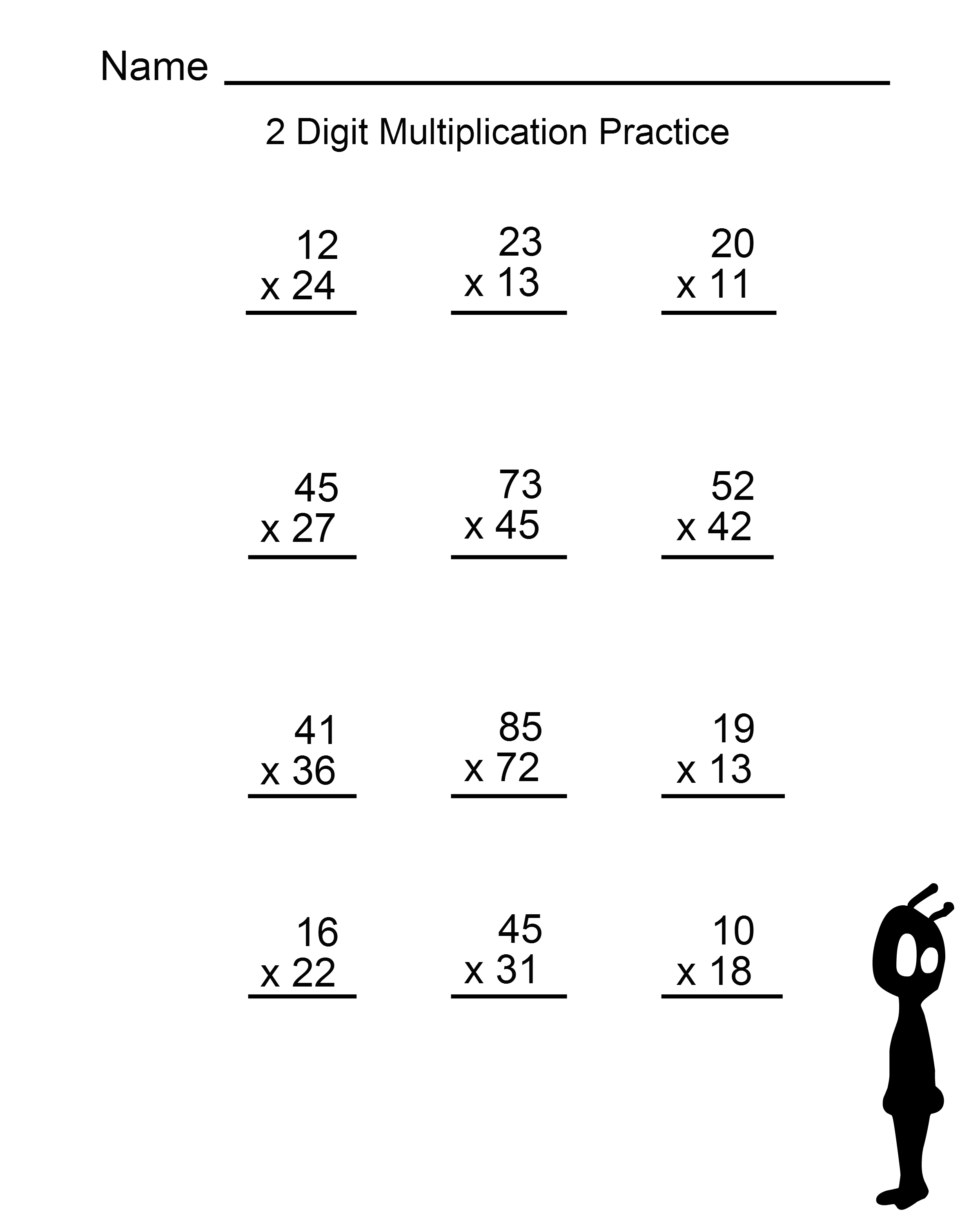
Design worksheets with a natural curve—from basic 2‑digit multiplication to more complex multi‑step problems. This approach mirrors the Asian incremental learning model where mastery at one level is prerequisite for the next.
Designing Engaging Multiplication Worksheets

Once you have the framework, the design can be tailored to reflect cultural contexts and student interests.
Incorporating Cultural Contexts
Use scenarios that resonate with everyday life in the U.S., but add Asian flavor through themes such as: tea ceremony budgeting, Japanese anime character collaborations, or Chinese zodiac calculations. These contexts create memorable associations, aiding long‑term retention.
Visuals and Layout
- Bright color schemes inspired by Asian aesthetics (e.g., muted pastels with gold accents) can reduce visual fatigue.
- Clear grids and large fonts help students focus on numbers, especially when they work from home or in a classroom with varied lighting.
- Include space for students to write their strategies, encouraging metacognition.
Interactive Elements for Digital Platforms
Digital worksheets can embed drag‑and‑drop features, instant feedback, and animated visual models. These interactive aspects simulate the hands‑on learning experiences found in traditional Asian schools where manipulatives and physical activity are integral.
Implementing Worksheets in Classroom and Home Settings

Effective use of multiplication worksheets depends on thoughtful implementation. Below are steps for teachers and parents alike.
Teacher Strategies
- Diagnostic Assessment: Begin with a quick quiz to gauge current fact recall levels.
- Targeted Grouping: Cluster students by proficiency for customized worksheets, ensuring every learner receives appropriate challenge.
- Guided Practice: Use a worksheet during a short, focused lesson, then allow independent work to consolidate learning.
- Reflection Time: Ask students to write one sentence explaining how they solved a difficult problem.
- Progress Tracking: Keep a chart of completed worksheets to visualize growth.
Parent Collaboration
Parents can support learning by creating a quiet study nook, providing a timer, and reviewing answers together. Encourage them to celebrate small victories—an essential practice in Asian family cultures that values continuous improvement.
Sample Worksheet Templates and Themes

Below are several template ideas you can adapt or create yourself. These themes combine educational value with cultural relevance.
1. The “Festival of Numbers” Worksheet
Use imagery of lanterns and fireworks to represent multiplication tables. Students match number pairs to produce the correct product, then calculate the total number of lanterns needed for a celebration.
2. The “Rice Bowl” Challenge
Students are given a set of rice bowls, each representing a multiplication fact. They must fill bowls with the correct number of rice grains, reinforcing the visual aspect of arrays.
3. The “Dragon Scale” Story Problems
Each problem tells a short story involving dragons, where students calculate how many scales are needed for a dragon’s armor. This narrative format boosts engagement.
4. “Sushi Roll” Group Activity
Students work in pairs to calculate total sushi rolls for a party, practicing multiplication with real‑world units and teamwork.
Integrating Technology for Enhanced Learning
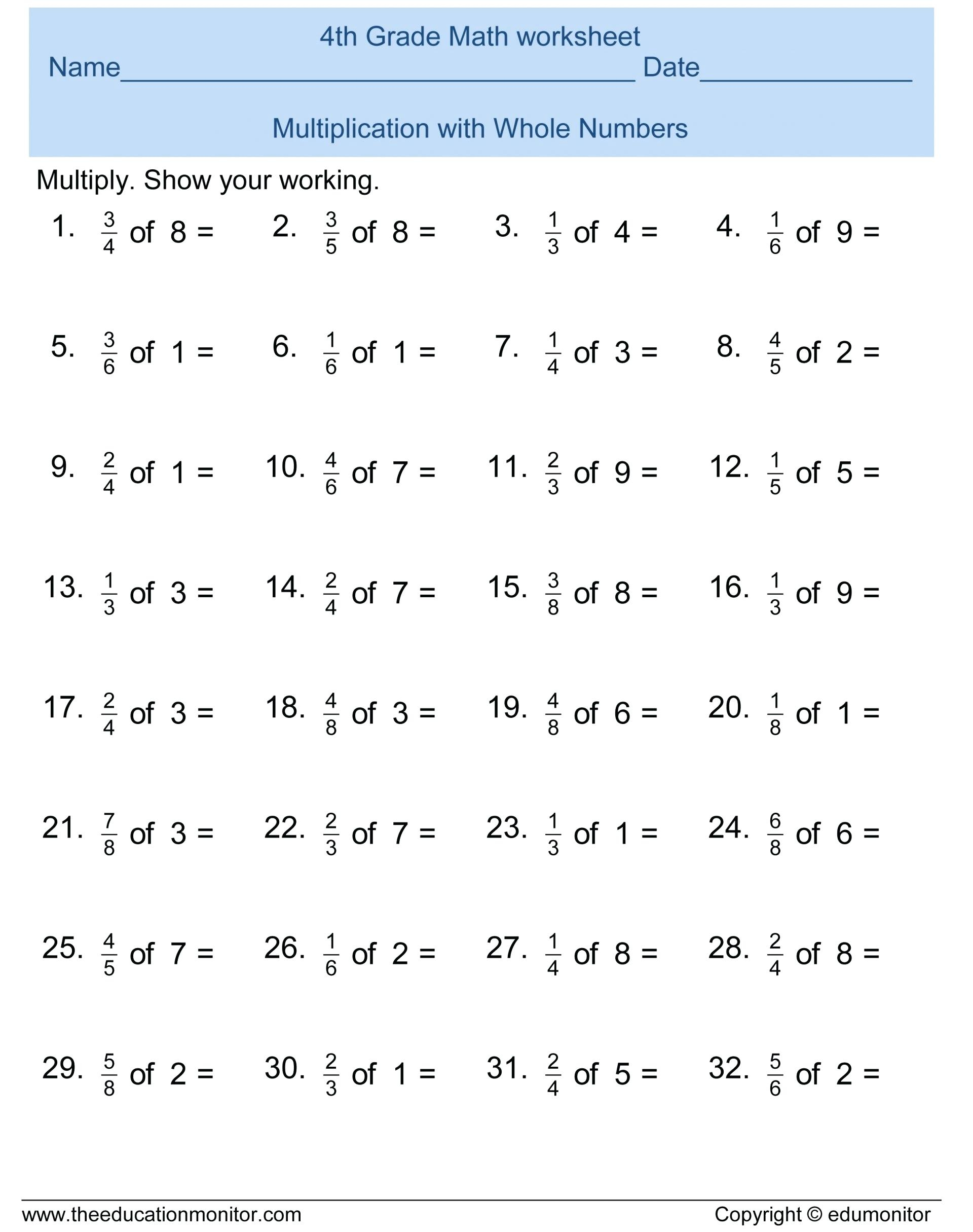
When technology is paired with worksheets, learning can become more dynamic and personalized.
Adaptive Learning Platforms
Online tools adjust difficulty based on student responses, ensuring that each learner receives practice tailored to their current skill level.
Gamified Quizzes
Turn worksheets into game formats—time‑based challenges, leaderboard comparisons, or puzzle solving—drawing on competitive yet cooperative aspects common in Asian schools.
Mobile Apps for On‑The‑Go Practice
Encourage use of tablets or smartphones to solve quick multiplication drills during commutes or breaks, fostering constant engagement.
Assessing Progress: From Worksheets to Real‑World Applications

Assessment should move beyond correct answers to understanding application.
Formative Checks
Short quizzes after each worksheet segment provide immediate feedback. Use color‑coded answer sheets—green for correct, red for errors—to help students self‑correct.
Summative Projects
Ask students to design a simple budget for a school event using multiplication, or create a comic strip where characters solve multiplication puzzles. These projects consolidate knowledge and showcase creativity.
Parent–Teacher Conferences
Discuss worksheet outcomes, highlighting progress and areas needing reinforcement. Use charts that visualize multiplication mastery growth over months.
Common Pitfalls and How to Avoid Them

Over‑Repetition Without Context
Relying solely on rote drills can lead to boredom. Mix in contextual problems and visual models to keep the process lively.
Neglecting Mistake Analysis
Students often repeat the same error. Encourage them to analyze why the mistake occurred and rewrite the problem with the correct logic.
Insufficient Varied Practice
Sticking to a single worksheet type can stall development. Rotate between table drills, word problems, and algorithmic methods.
Ignoring Cultural Relevance
Workouts that feel abstract may disengage students. Incorporate everyday scenarios and culturally familiar themes to maintain relevance.
Final Thoughts
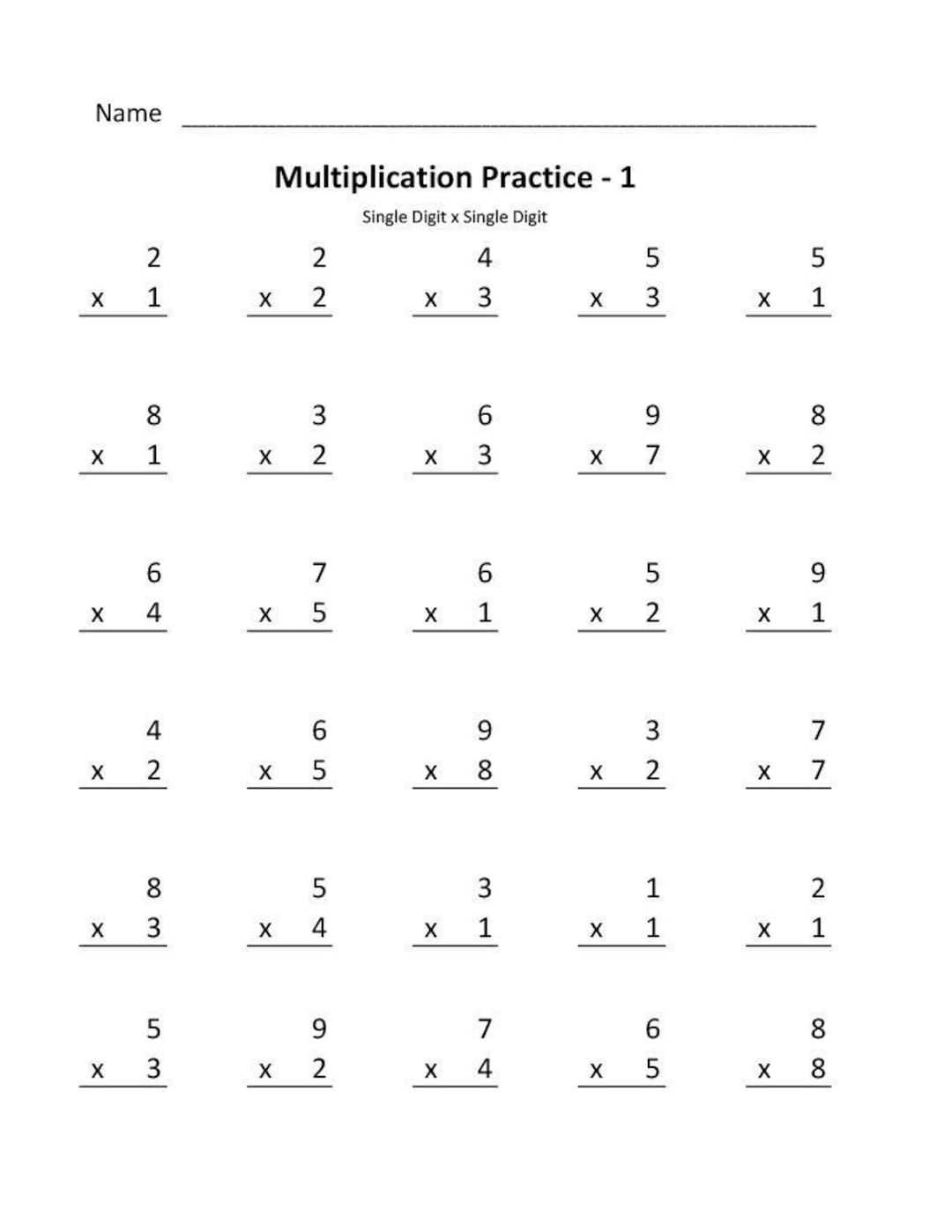
Multiplication worksheets are not merely worksheets; they are tools that, when thoughtfully crafted and culturally tuned, foster deep mathematical understanding, promote collaboration, and instill a lifelong love of learning. By blending traditional Asian educational values—repetition, respect, and community—with modern interactive techniques, teachers and parents can guide 4th graders to excel in multiplication and beyond. Let each worksheet become a stepping stone toward a confident, analytical, and culturally aware generation of learners.