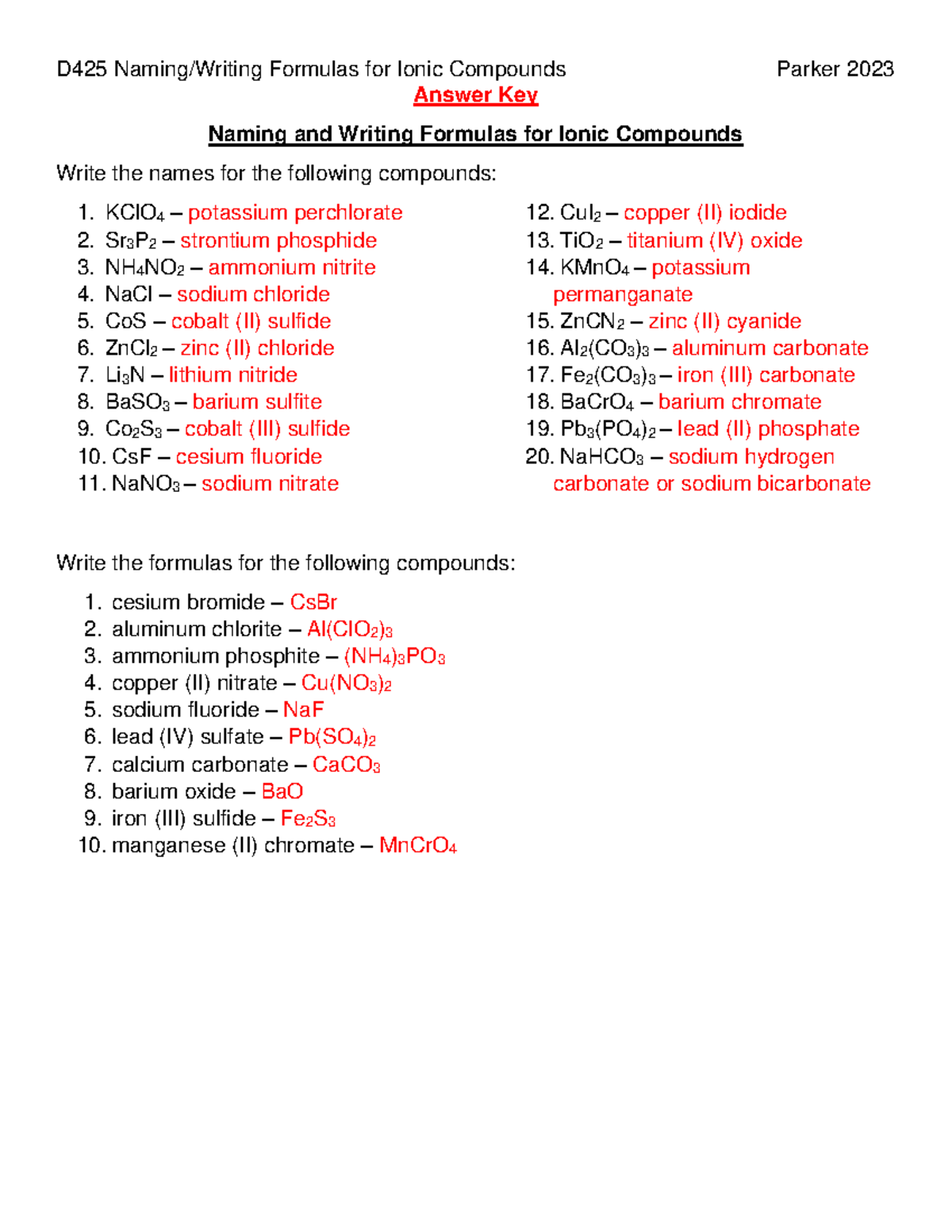
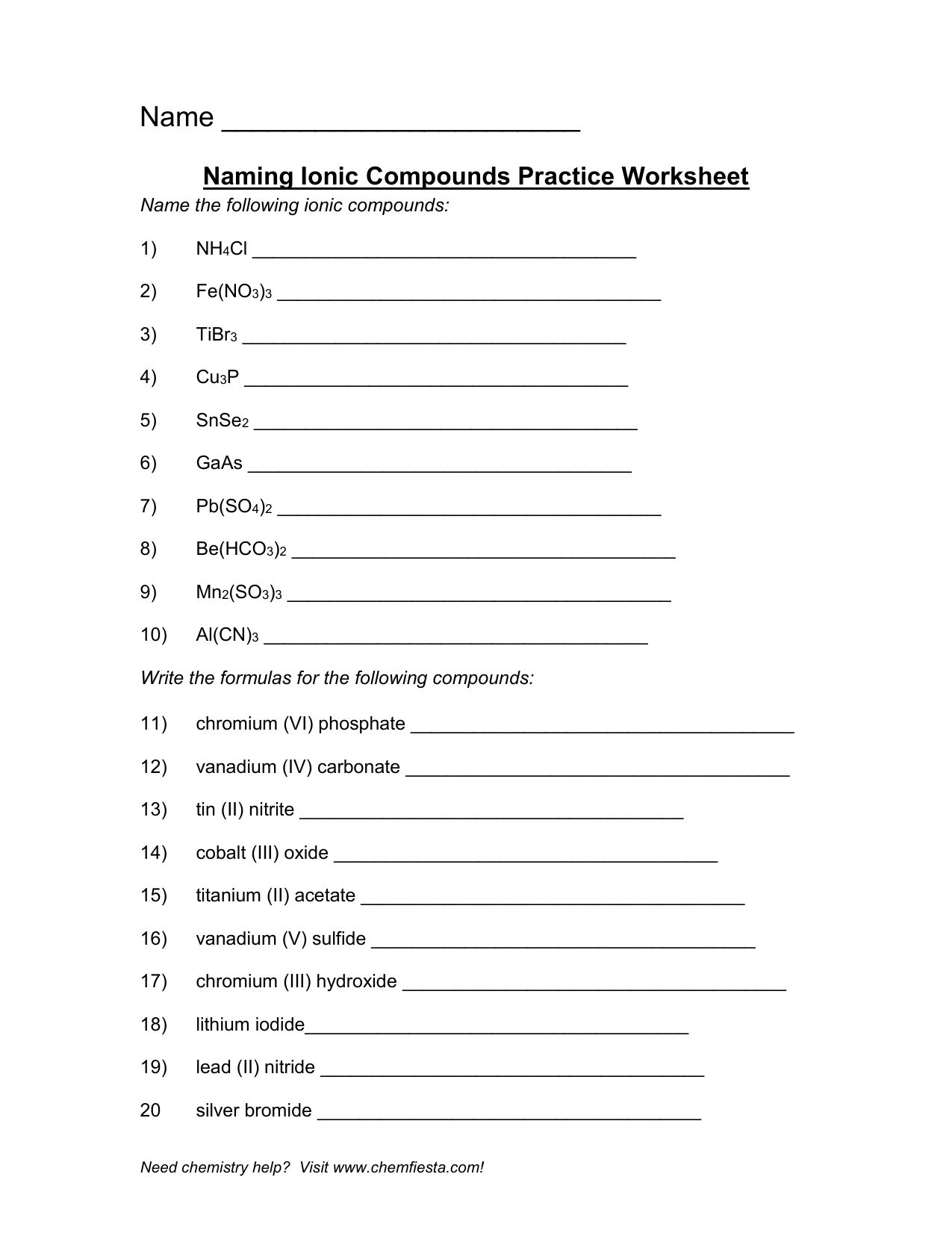
Naming Ionic Bonds Worksheet offers a structured, interactive approach for students and educators to master the art of chemical nomenclature in a clear and engaging way. By combining theory, practice, and real‑world examples, this resource turns abstract rules into tangible skills, encouraging confidence in naming salts, oxides, and other ionic compounds.
Understanding the Basics of Ionic Compounds
What Are Ionic Bonds?
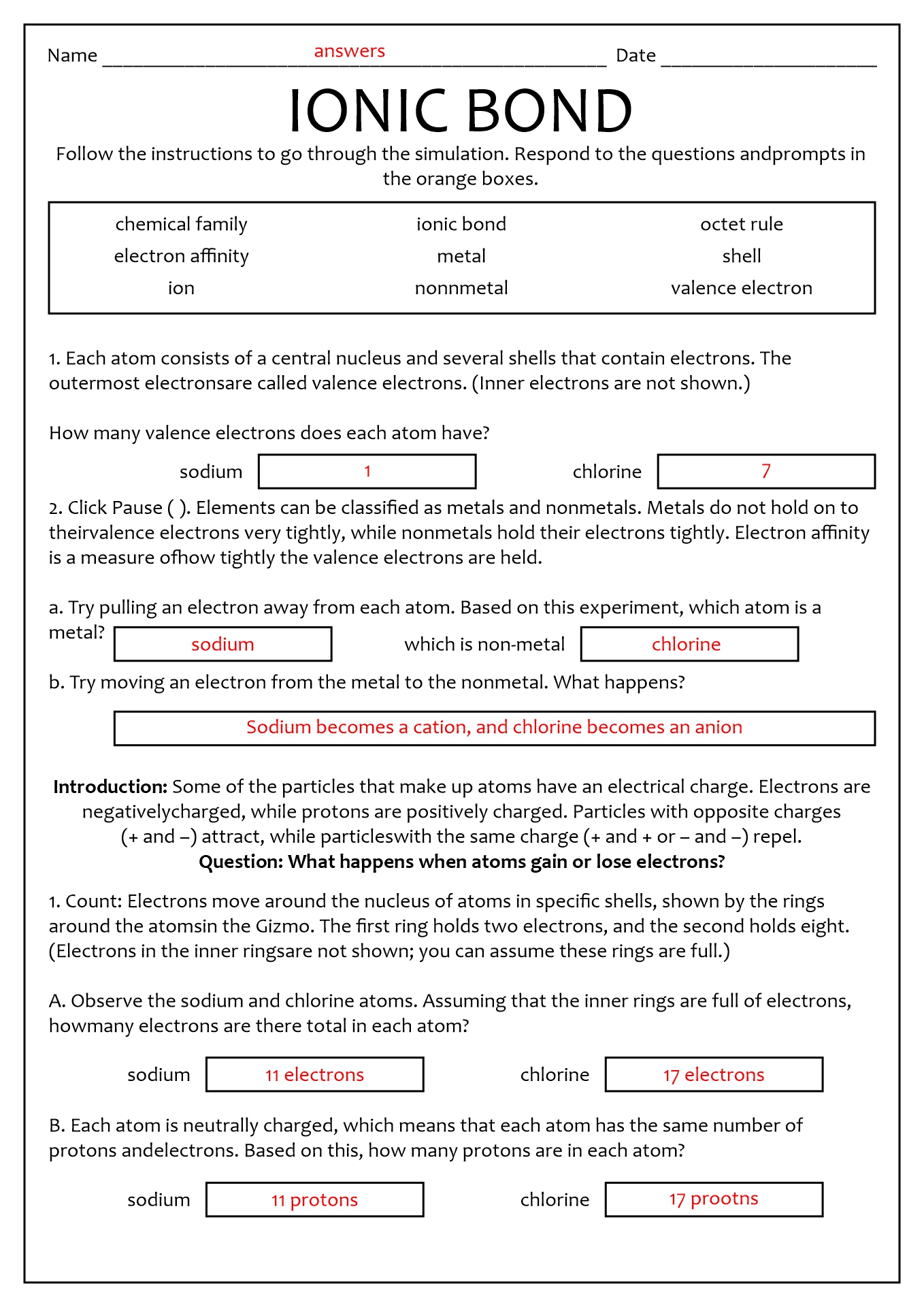
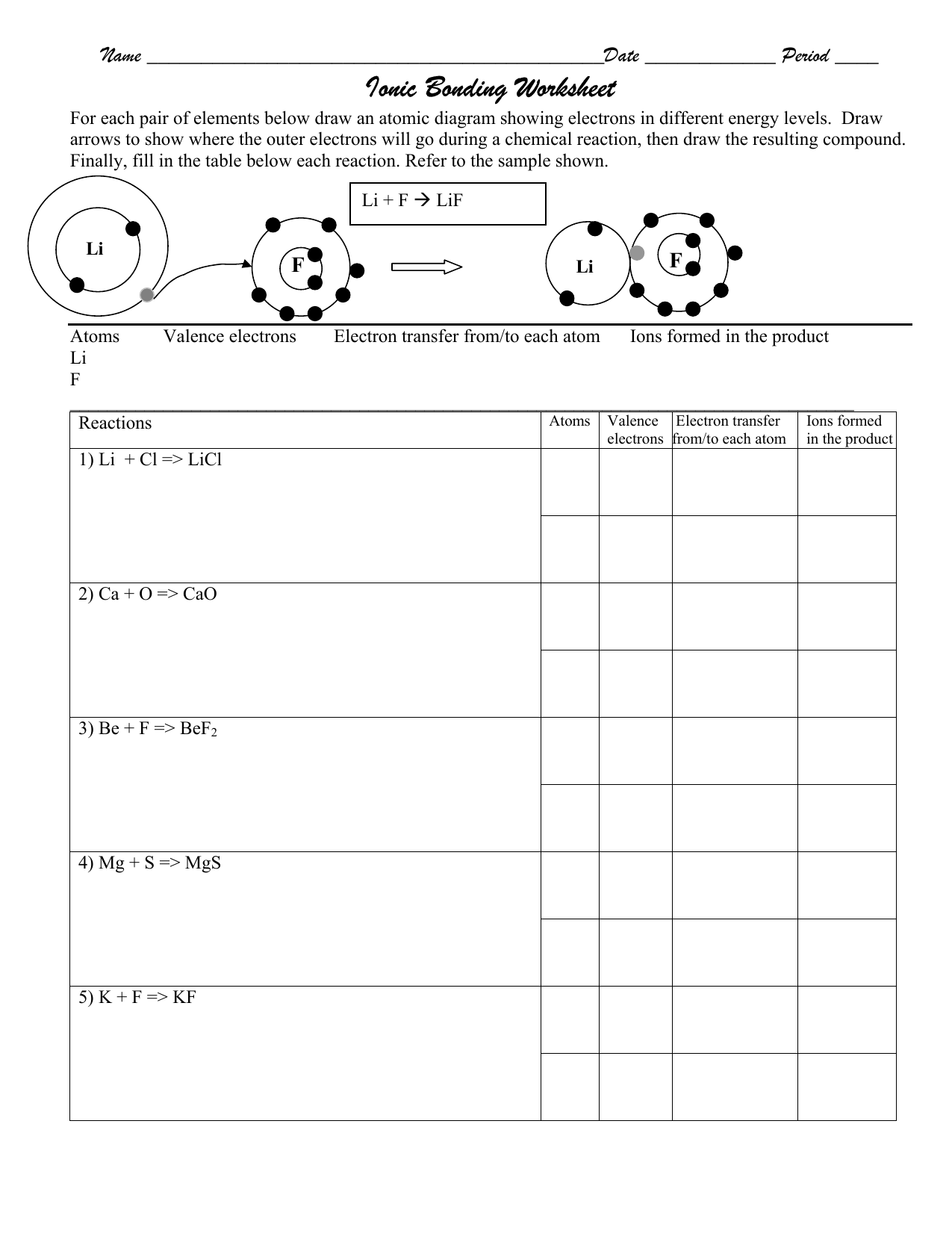
Ionic bonds form when a metal donates one or more valence electrons to a non‑metal, creating a cation and an anion. The electrostatic attraction between these oppositely charged ions holds the compound together. Understanding the electron transfer helps students visualize why certain elements combine the way they do, which is essential for accurate naming.
Roles of Cations and Anions in Nomenclature
In a typical ionic compound, the metal acts as the cation (positively charged) while the non‑metal acts as the anion (negatively charged). When naming the compound, the cation name is listed first, followed by the anion name. Recognizing this order is a foundational rule that applies to every ionic formula.
Why Oxidation States Matter
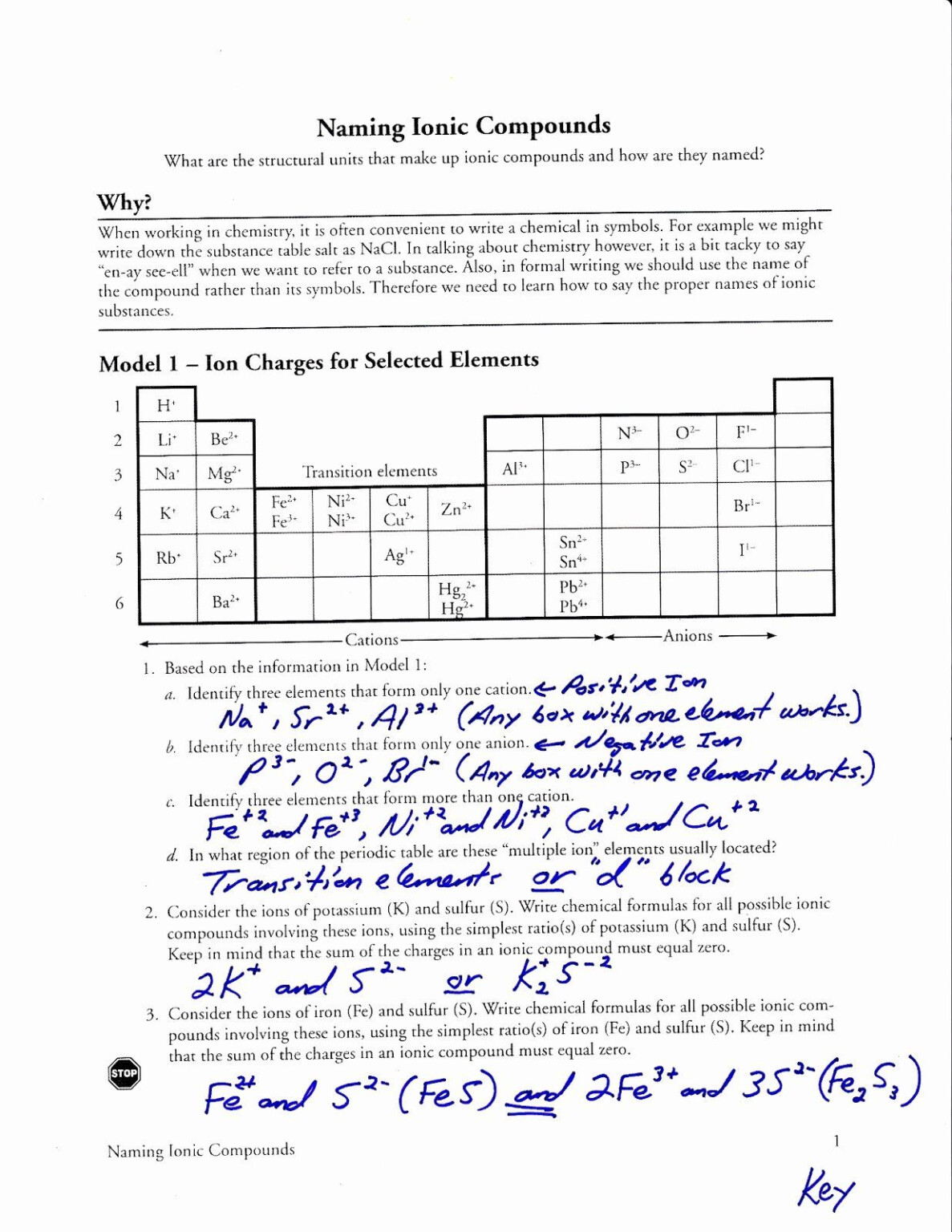
Oxidation states dictate the charge on each ion. Metals often have multiple oxidation states (e.g., iron can be +2 or +3). Accurately identifying the oxidation state ensures the correct Roman numeral is inserted after the metal’s name in the compound’s title. This step is crucial when the same metal appears in different ionic species.
Key Rules for Naming Ionic Bonds
1. Single‑Valent Ions
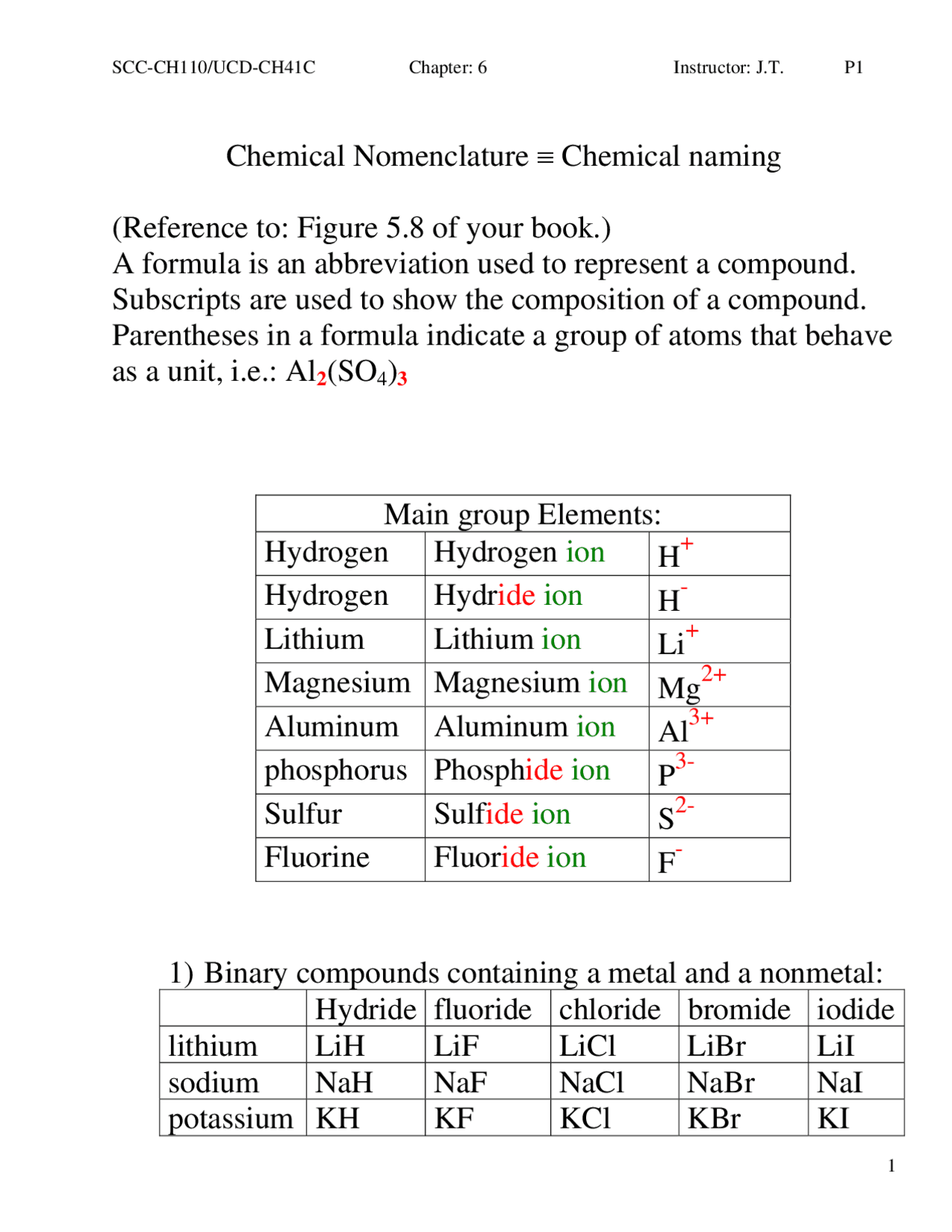
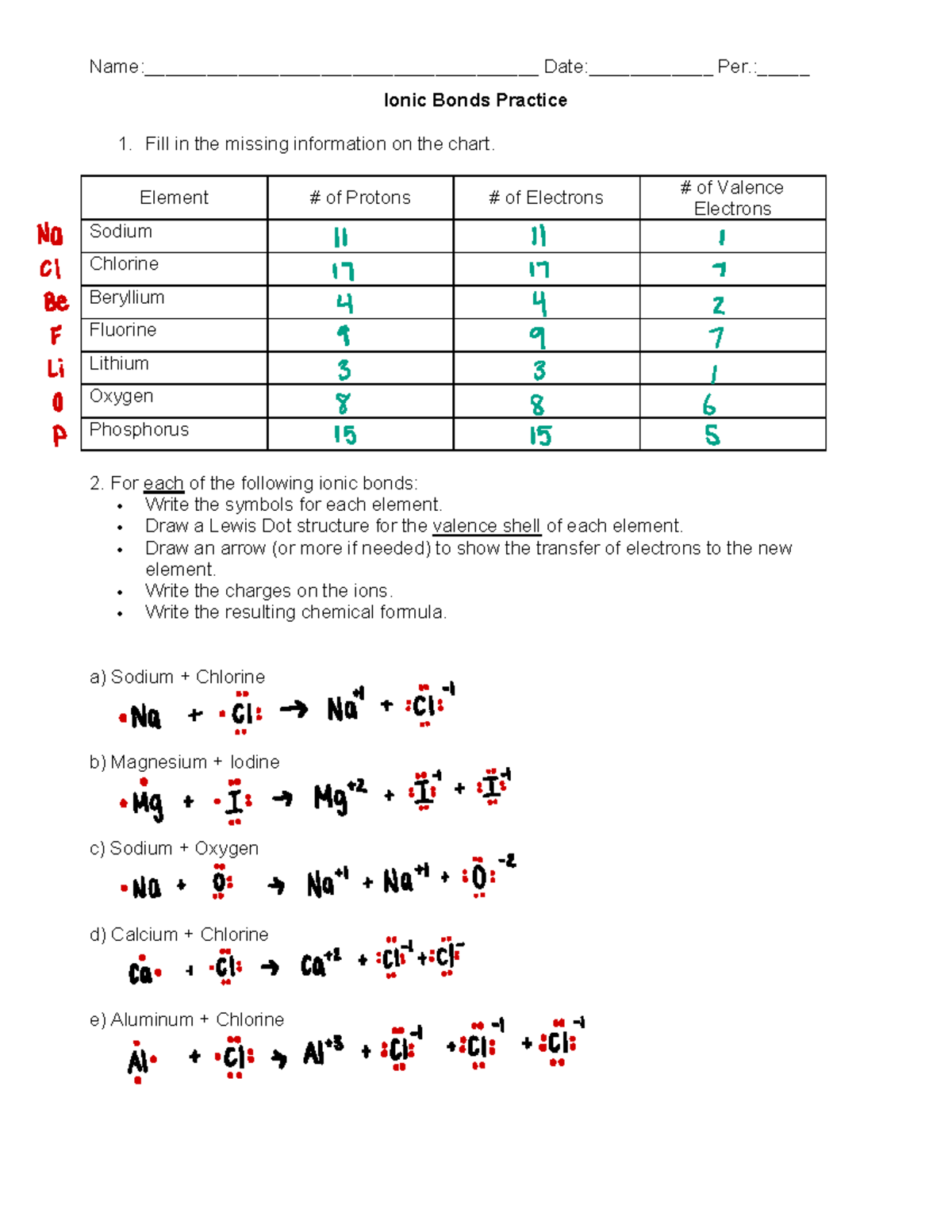
Monovalent ions such as sodium (Na⁺), potassium (K⁺), chloride (Cl⁻), and nitrate (NO₃⁻) retain their elemental names without modification. For example, NaCl is named sodium chloride.
2. Transition Metals with Multiple Oxidation States
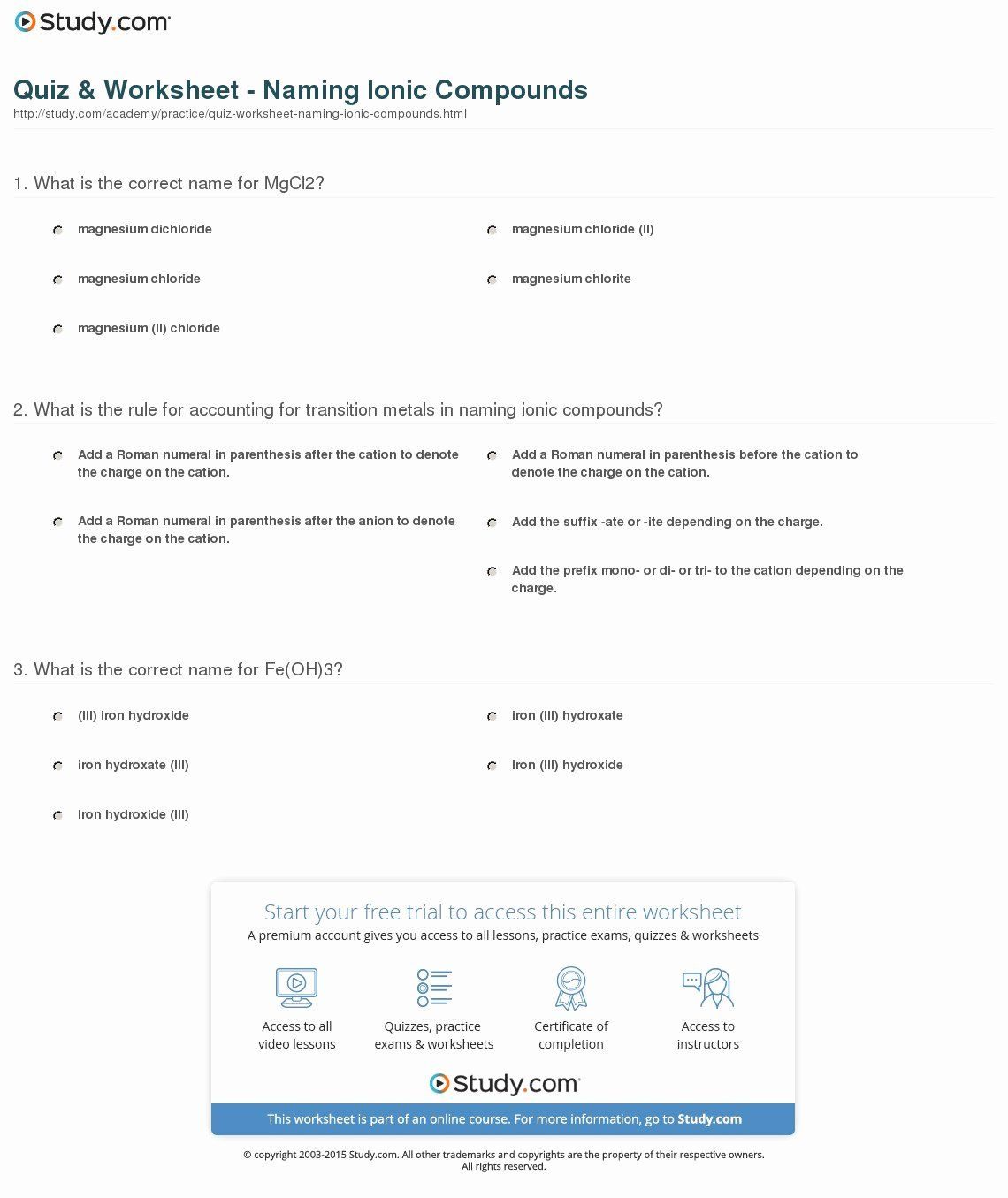
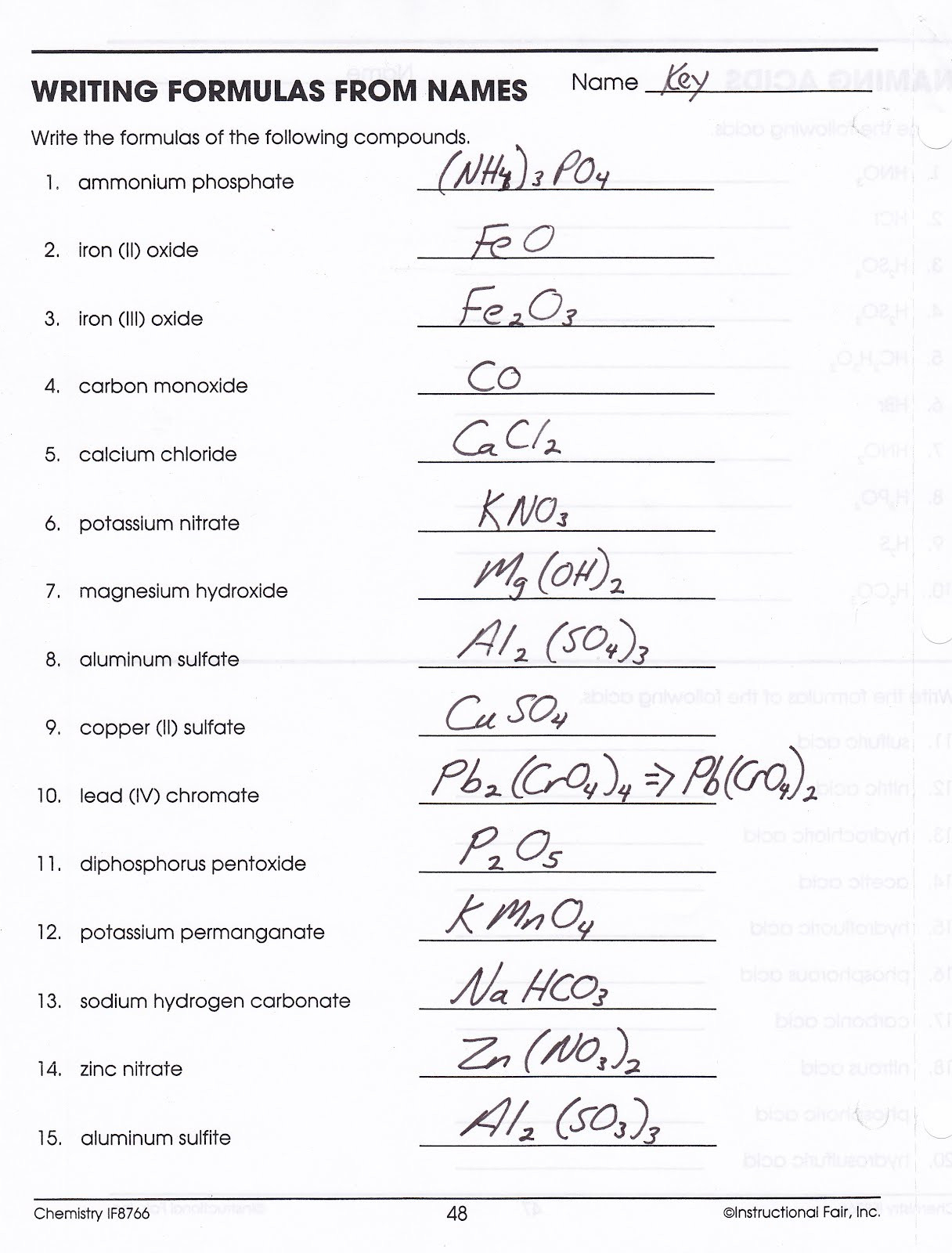
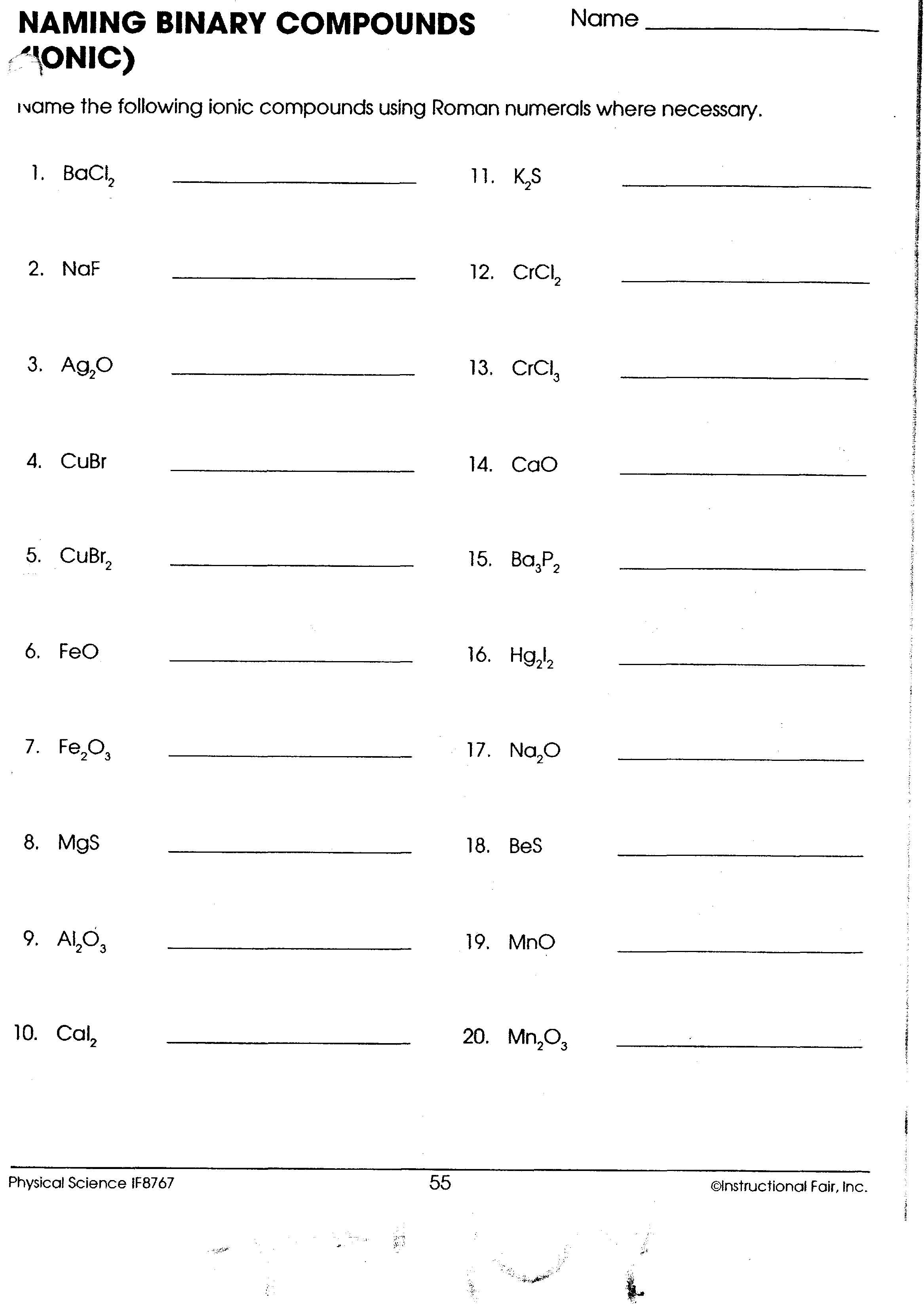
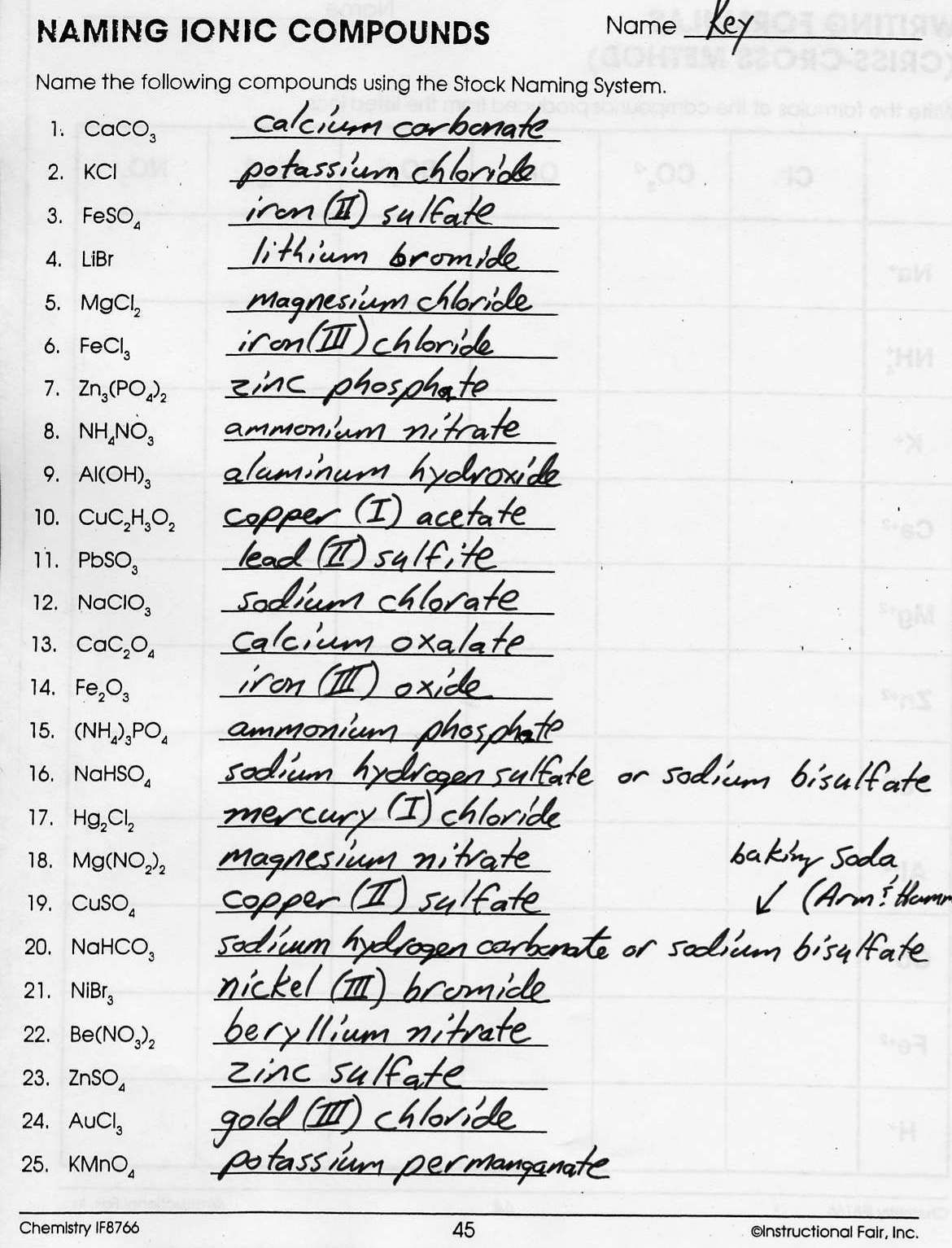
When a transition metal can exhibit more than one positive charge, a Roman numeral indicating its oxidation state is added. For example, Fe₂O₃ is iron(III) oxide, while FeO is iron(II) oxide. This convention removes ambiguity and ensures the name precisely reflects the compound’s composition.
3. Naming Anions Derived from Polyatomic Ions
Common polyatomic ions (e.g., sulfate, carbonate, phosphate) retain their conventional names. A key tip: memorize the suffixes—-ate and -ite for oxyanions, with the “-ate” version having one more oxygen than the “-ite” version. For instance, SO₄²⁻ is sulfate, and SO₃²⁻ is sulfite.
4. Prefixes for Multiple Identical Ions
When a compound contains more than one of the same type of ion, use the Greek prefixes: mono‑, di‑, tri‑, tetra‑, etc., before the ion’s name. For example, Ca₂Cl₃ is calcium dichloride, and Al₂(SO₄)₃ is aluminum trisulfate.
5. Avoiding Common Pitfalls
Always remember that the cation comes first, and the anion follows. Also, do not alter the non‑metal’s name when it forms a simple ionic compound—only use the appropriate suffix for complex anions. Checking the valence electrons of each element can help verify the correctness of the assigned charges.
Common Mistakes and How to Avoid Them

Misidentifying Oxidation States
Students often confuse the oxidation state of transition metals, leading to wrong names. Practice by writing out the electron configuration and noting the valence electrons before assigning a charge. Flashcards that pair a metal with its common oxidation states can be a quick refresher.
Forgetting the Order of Ions
Reversing the cation and anion names results in a nonsensical title. Use mnemonic devices such as “Cats Always Love Mice” (Cation first, Anion next, Ligand last) to reinforce the sequence during practice sessions.
Misapplying Prefixes
Some learners apply prefixes incorrectly, especially when dealing with polyatomic ions. For example, writing “di-sulfate” instead of “disulfate.” Always double‑check the total formula to ensure the prefix matches the actual number of ions present.
Overlooking Common Names
Compounds like NaOH (sodium hydroxide) or H₂SO₄ (sulfuric acid) have common names that differ from the systematic ones. Knowing both helps students communicate more effectively in academic and industrial contexts.
Practical Tips for Mastering Naming Ionic Bonds
1. Build a Reference Table
Creating a personal table that lists each element with its typical oxidation states and common ionic forms accelerates recall during exams or labs. Keep this table handy while working through worksheets or while writing lab reports.
2. Use Interactive Digital Tools
Online quizzes that shuffle elements and ask for the correct name encourage active learning. Some platforms allow students to drag and drop ion symbols, reinforcing the visual aspect of the naming process.
3. Relate Names to Everyday Materials
Connect ionic names to products familiar to students: sodium chloride in table salt, magnesium hydroxide in antacids, or aluminum sulfate in water purification. This contextual linkage aids memory retention and illustrates the relevance of chemical nomenclature.
4. Practice with Real‑World Chemical Reactions
Walk through common reactions, such as the precipitation of silver chloride (AgCl) when silver nitrate reacts with sodium chloride. Naming the products in the balanced equation reinforces the rules within an authentic chemical context.
5. Review Peer‑Generated Examples
Encourage students to write a set of ionic formulas and exchange them with classmates for naming practice. Peer review highlights different reasoning paths and promotes collaborative learning.
Sample Worksheet Exercises for Reinforcement

Exercise 1: Identify Cation and Anion Names
Given the formula CuSO₄, name the compound and justify the oxidation state of copper. Answer: copper(II) sulfate. Copper commonly exhibits a +2 oxidation state, while sulfate carries a −2 charge, balancing the formula.
Exercise 2: Apply Prefixes to Polyatomic Ions
Translate the formula Mg₃(PO₄)₂ into its systematic name. Answer: magnesium diphosphate. Three magnesium ions (each +2) pair with two phosphate ions (each −3), necessitating the “di‑” prefix.
Exercise 3: Convert Common Names to Systematic Names
Reformulate “hydrochloric acid” into its ionic composition and systematic nomenclature. Answer: HCl is hydrogen chloride; as an acid, it is also called hydrochloric acid. The systematic name emphasizes its ionic nature.
Exercise 4: Determine the Correct Roman Numeral
For the formula Fe₂(SO₄)₃, write the proper name of the iron cation. Answer: iron(III). Two iron ions each carry a +3 charge to balance the three sulfate ions’ combined −6 charge.
Exercise 5: Spot the Error
Identify the mistake in the naming of ZnCl₂ as “zinc(II) chloro.” Answer: The correct term is zinc chloride; the anion should not be modified with “chloro.” The “chloride” suffix reflects the Cl⁻ anion.
Conclusion

Mastering the Naming Ionic Bonds Worksheet equips learners with a systematic approach to deciphering and articulating the composition of ionic compounds. By internalizing the fundamental rules—identifying cations and anions, applying oxidation states, using prefixes for polyatomic ions, and avoiding common pitfalls—students can confidently translate chemical formulas into precise, standardized names. The blend of theoretical explanations, practical exercises, and real‑world examples ensures that the knowledge stays relevant, useful, and memorable. As chemistry students progress into more advanced studies or enter scientific careers, this foundational skill becomes a cornerstone of effective communication and problem solving, reinforcing the importance of accurate chemical nomenclature in every facet of the field.