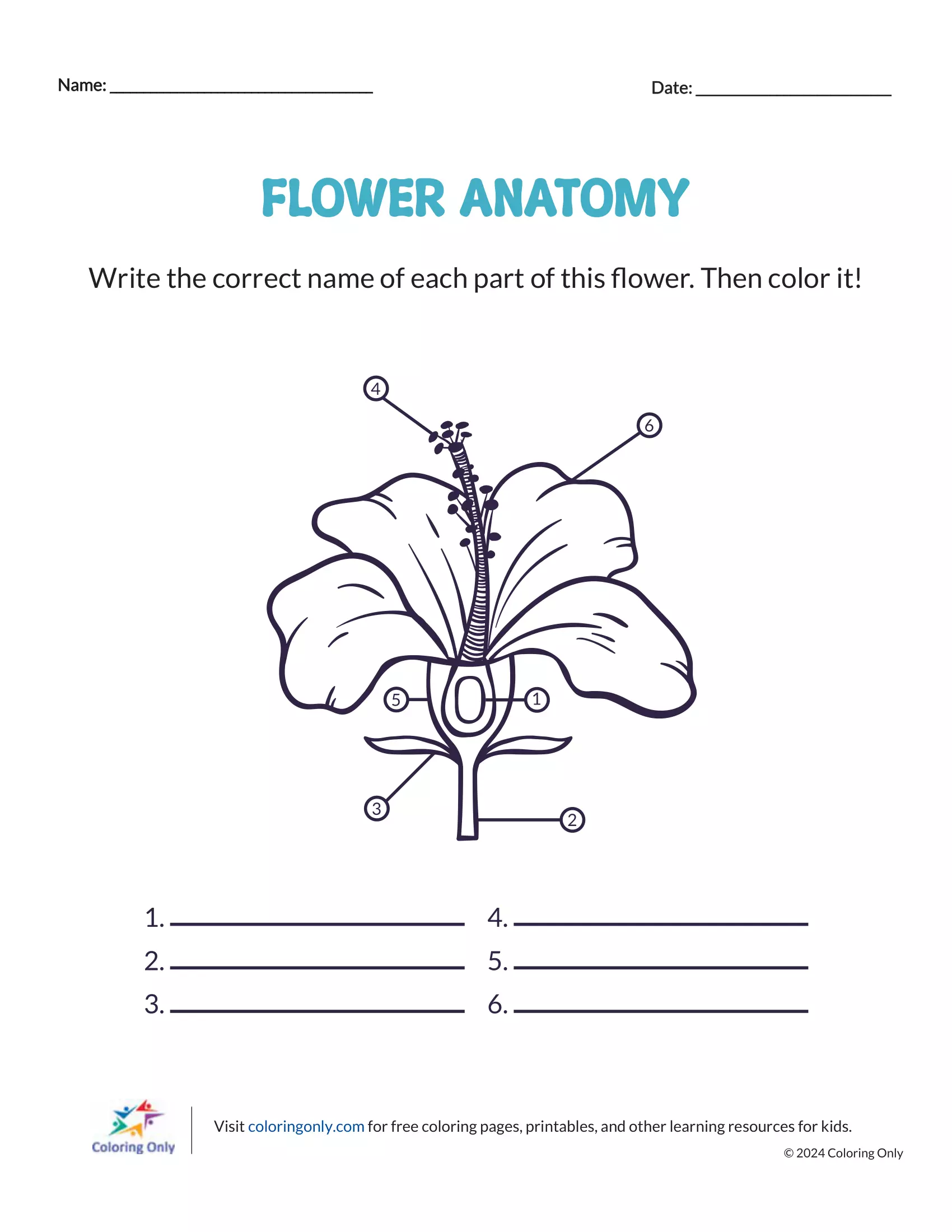
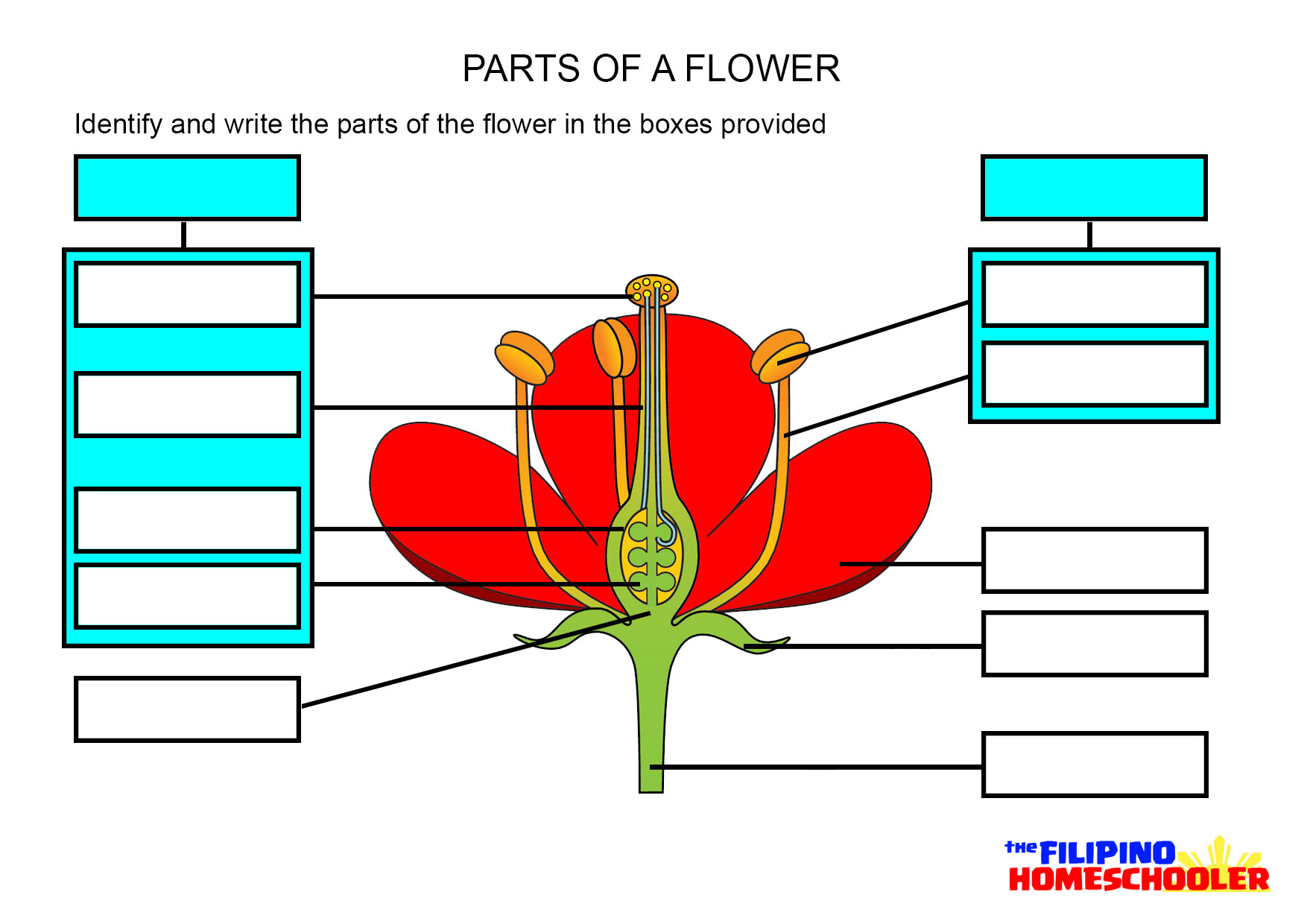
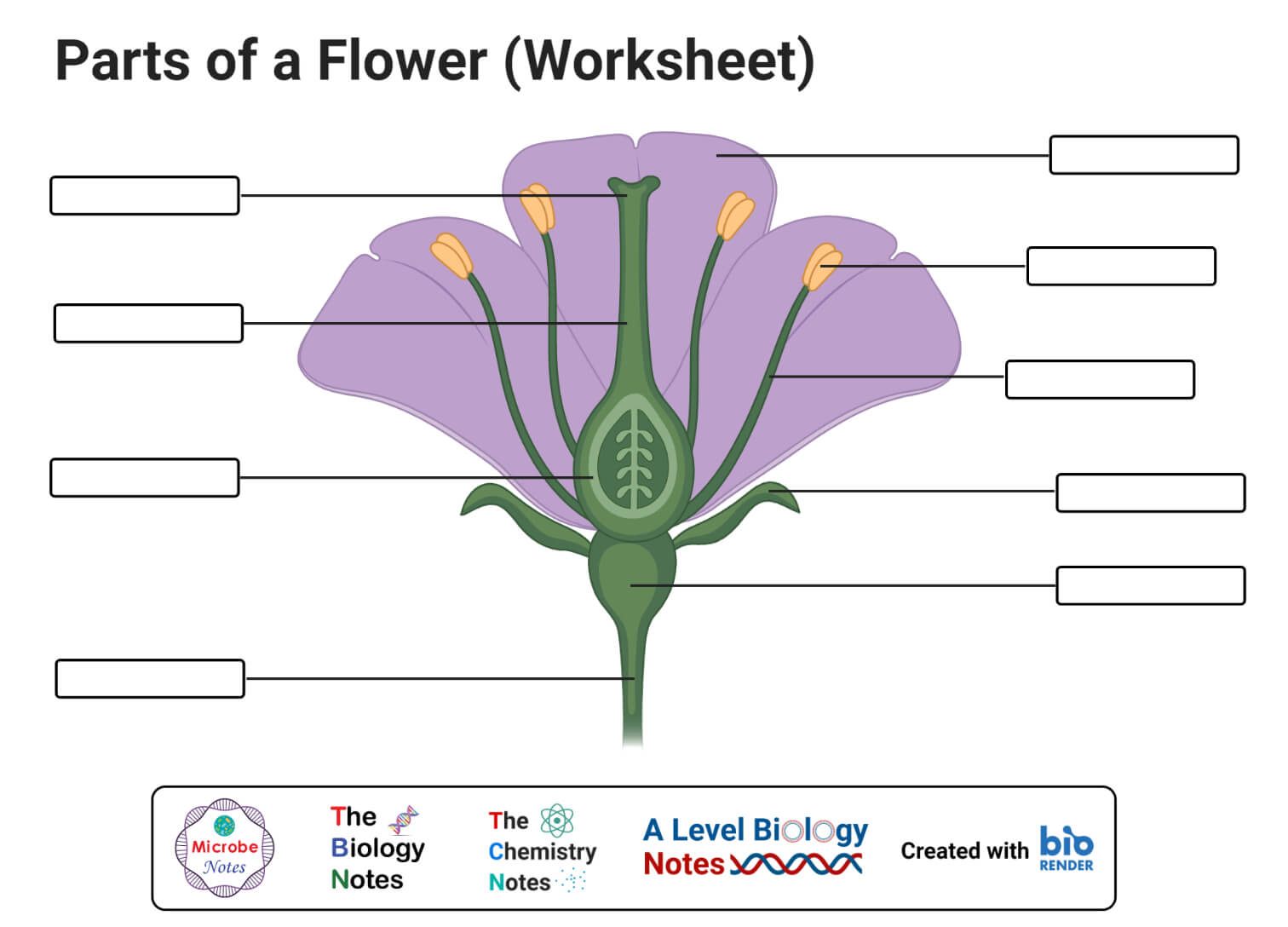
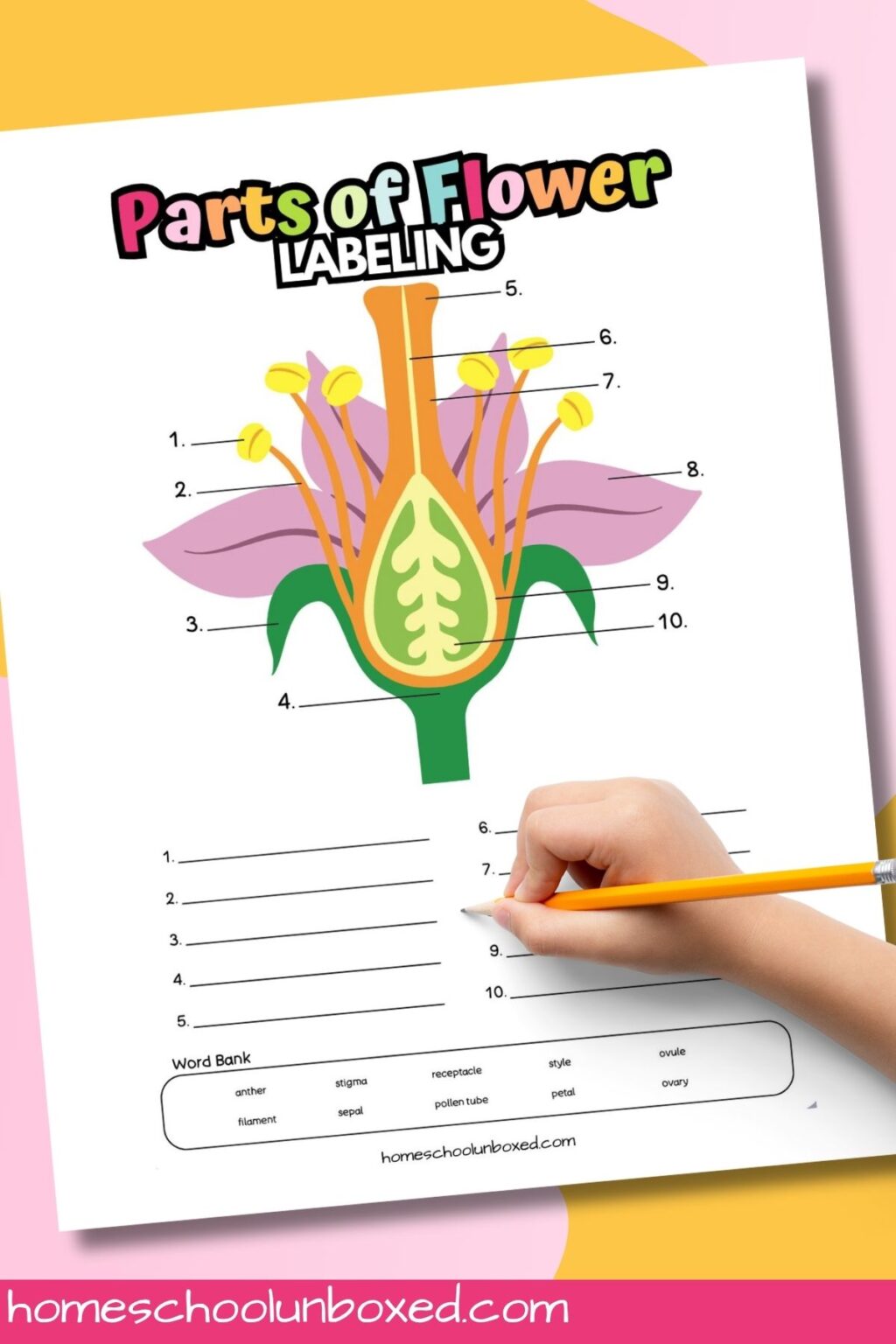
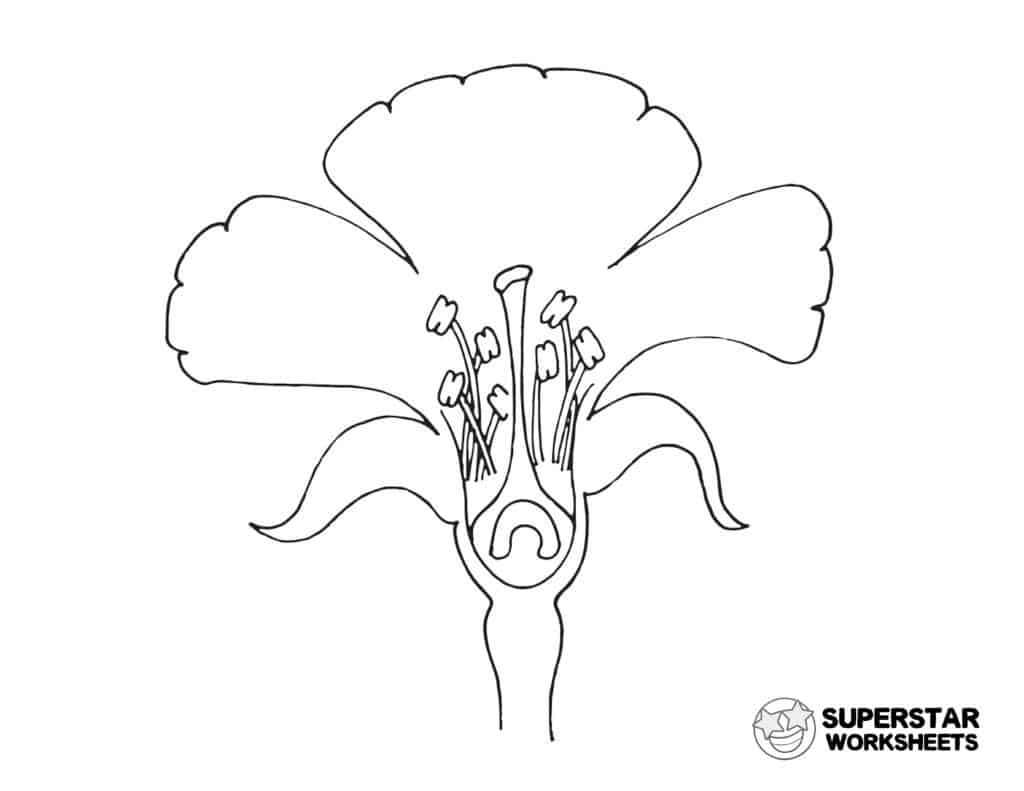
Parts Of A Flower Worksheet is a powerful tool that transforms the way children learn about botany, turning abstract concepts into tangible, memorable experiences. By guiding students through the structure, function, and beauty of a flower’s individual components, this worksheet becomes an engaging bridge between classroom theory and the vibrant world outside.
Understanding the Core Elements of a Flower

Sepals: The Protective Shield
The first line of defense for a flower is the sepals. These leaf-like structures form the outermost layer of the flower bud, protecting it from environmental stress before it opens. In many flowers, sepals are green, but in some species, such as the tulip, they can be brightly colored, blending into the overall aesthetic.
Petals: The Visual Appeal
Once the flower emerges, the petals become the eye candy. Their arrangement and color serve to attract pollinators. Each petal’s shape—whether it is flat, tubular, or bell-shaped—plays a role in how insects, birds, and mammals interact with the flower.
Stamen: The Male Reproductive Unit
The stamen is composed of a slender filament topped by an anther, which houses pollen. Pollen is crucial for fertilization, enabling the plant to produce seeds. Highlighting this part on a worksheet helps students grasp how reproduction works in the plant kingdom.
Pistil: The Female Heart
At the center of most flowers lies the pistil, comprised of the ovary, style, and stigma. Each subcomponent is essential for storing ovules, guiding pollen tubes, and ultimately forming seeds. The pistil’s functionality can be illustrated with simple diagrams to enhance visual learning.
Reproductive Integration: The Life Cycle
When pollen reaches the stigma and travels through the style to fertilize the ovules within the ovary, a seed begins to form. Understanding this process encourages students to appreciate the intricate balance of ecosystems and the role each part plays in sustaining life.
Why a Parts Of A Flower Worksheet Is Essential in Education

Concrete Learning Through Hands-On Activities
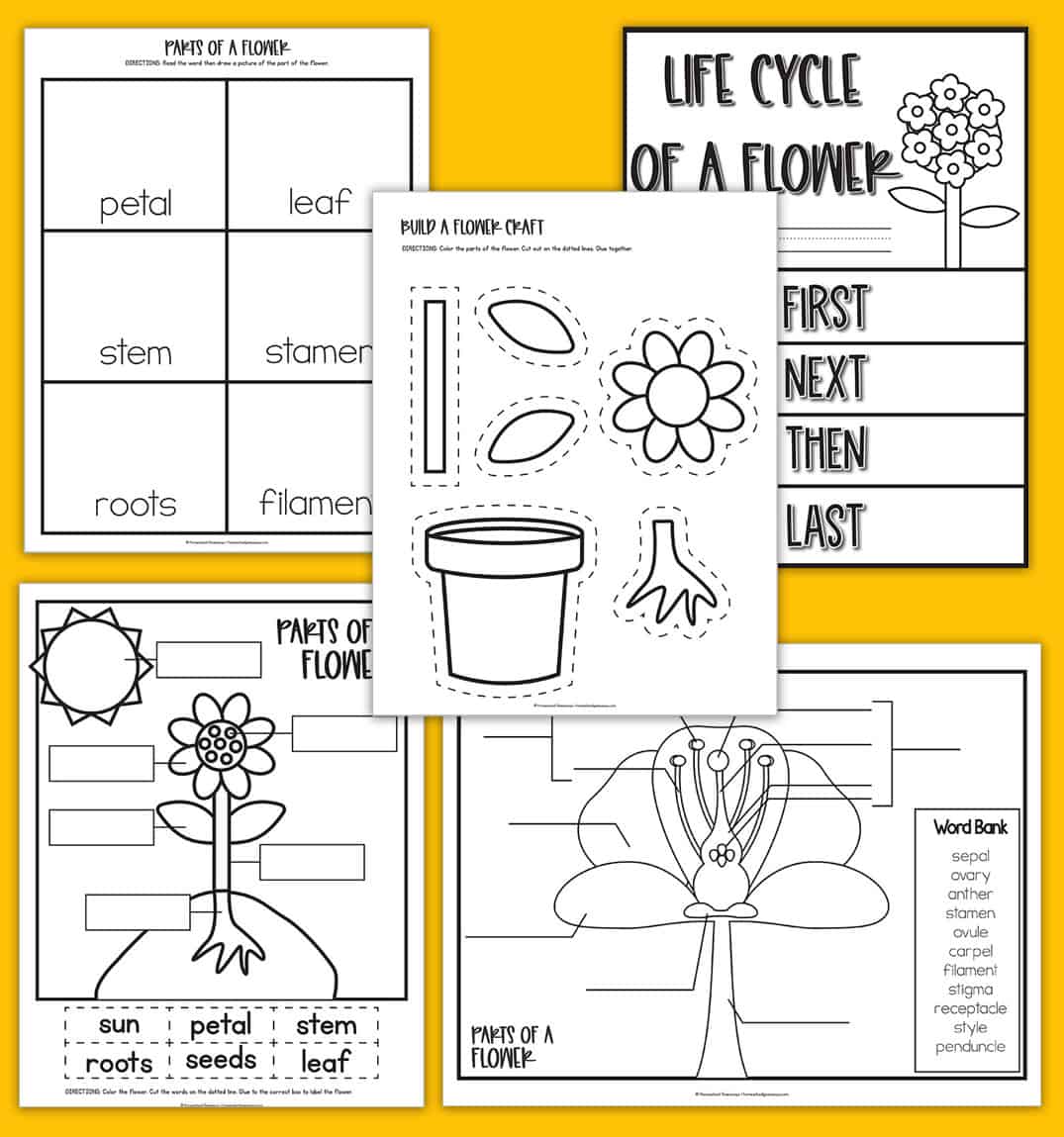
Abstract botanical terms can overwhelm young minds. A well-designed worksheet turns these terms into visual, labeled diagrams. Students can physically color, cut, and assemble each component, solidifying memory through kinesthetic interaction.
Alignment With Curriculum Standards
Most middle and elementary school curricula require students to identify plant structures and explain their functions. A parts-of-a-flower worksheet provides a ready-to-use tool that meets these standards while encouraging creativity and independent research.
Encouraging Scientific Inquiry
When students label the flower’s parts, they are also prompted to ask questions: Why are petals colorful? What happens if the stigma is damaged? Such curiosity drives deeper engagement with science.
Inclusivity for Various Learning Styles
Visual learners benefit from diagrammatic representations. Auditory learners can pair the worksheet with a narrated explanation. Kinesthetic learners enjoy the opportunity to manipulate flower models, making the content accessible to a wider audience.
Step-by-Step Guide to Using the Worksheet Effectively

Preparing the Materials
Before distributing the worksheet, gather the following items: high-quality printer, colored pencils, scissors, glue sticks, and a small magnifying glass for detailed inspection. For older students, a digital version on a tablet can be scanned for interactive use.
Introducing the Concept
Start with a brief video or live demonstration of a flower opening. Highlight each part as it emerges, giving students a real-time visual anchor. Then, hand out the worksheet, encouraging them to note any differences they observe across species.
Guided Labeling Activity
Provide a checklist that mirrors the worksheet sections: sepals, petals, stamen, pistil. Ask students to match each labeled part to a short definition. This step ensures comprehension before the creative portion.
Creative Extension: Design Your Own Flower
Invite students to design a flower with their own imaginative colors and shapes. This activity encourages application of knowledge and boosts confidence, as they can explain how their design would attract a specific pollinator.
Peer Review and Discussion
Pair students for a brief presentation of their worksheets. Encourage peer feedback on labeling accuracy, artistic flair, and scientific explanations. This social interaction reinforces learning through dialogue.
Assessment and Reflection
Conclude with a quiz that includes multiple-choice and short-answer questions about each flower part. Follow up with a reflection prompt: “What part of a flower fascinated you the most, and why?” This reflection allows students to internalize the content beyond surface memorization.
Enhancing the Worksheet With Real-World Connections

Exploring Native Flora
Incorporate images of local wildflowers such as the red‑bud maple or the bluebell. By identifying these species’ parts on the worksheet, students see direct relevance to their surroundings.
Linking to Environmental Themes
Discuss how pollinator decline affects flower reproduction. Connect the stamen and pistil’s functions to real conservation efforts, providing a deeper sense of purpose for students.
Integrating STEM Projects
Use the worksheet as a starting point for a simple experiment: place a flower in a sealed bag and observe pollen movement. Students can record observations on the same worksheet, merging science with hands-on experimentation.
Design Tips for Crafting a Visually Appealing Worksheet

Clear, Bold Labels
Each flower part should be labeled with a bold, easy-to-read font. Use contrasting colors to make labels stand out from the diagram.
Space for Interactive Elements
Include blank boxes next to each part where students can write definitions or draw additional details. This encourages active participation rather than passive reading.
High-Resolution Images
Choose high-quality images that show fine details—such as the texture of a petal’s surface. This visual fidelity enhances the learning experience.
Responsive Layout
Ensure the worksheet is printable on standard 8.5 x 11 paper and scales well on digital devices. A two-column layout can keep the diagram on one side and the labeling area on the other.
Extending the Learning Beyond the Classroom
Field Trips to Botanical Gardens
Arrange a guided walk where students observe live specimens. They can annotate their worksheets in real-time, noting subtle differences between flowers they have only seen in pictures.
Home Projects: Growing a Flower
Encourage families to plant a simple flower like a marigold. Students can record the development stages on the worksheet, noting how each part changes from bud to full bloom.
Cross-Curricular Connections
Integrate art by having students paint their flower designs. In language arts, they can write a short story where the flower’s parts become characters. These interdisciplinary activities deepen retention.
Common Mistakes to Avoid

Overloading with Information
While it’s tempting to cram every botanical term, too much text can overwhelm. Keep definitions concise and focus on the core functions.
Ignoring Cultural Significance
Flowers carry symbolic meanings in different cultures. Briefly mentioning this can add a layer of social awareness to the lesson, but keep it respectful and relevant.
Neglecting Accessibility
Ensure that worksheets are legible for students with visual impairments by using high contrast colors and providing audio descriptions where possible.
Final Thoughts
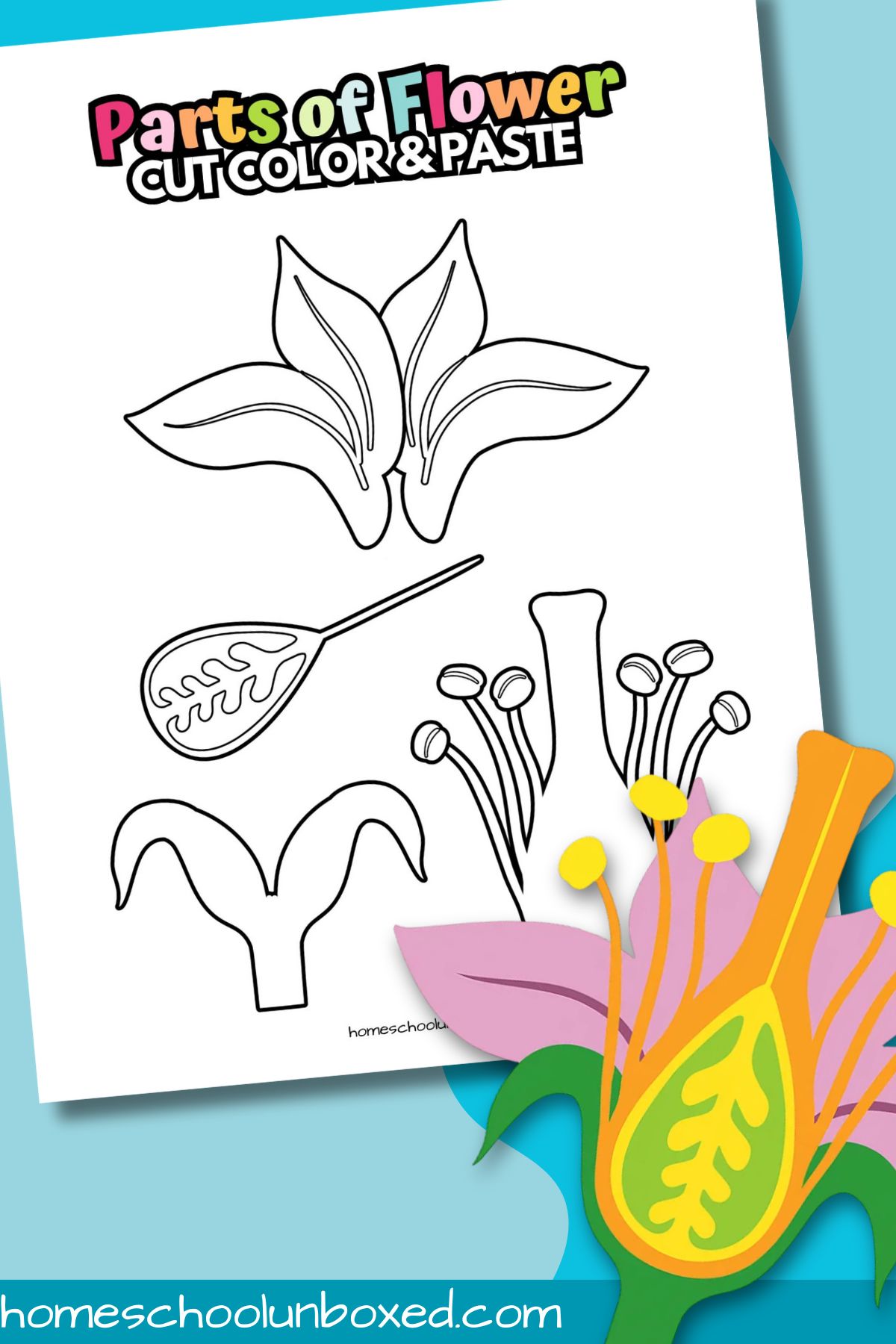
When thoughtfully designed and thoughtfully employed, a Parts Of A Flower Worksheet becomes more than a classroom handout—it evolves into a gateway to understanding the natural world. By blending visual clarity, interactive elements, and real-world relevance, educators can cultivate curiosity, reinforce scientific principles, and inspire the next generation of botanists, gardeners, and environmental stewards. As students trace the journey of a single flower from bud to seed, they also uncover the larger narrative of life’s interconnectedness, all starting with that first, simple act of labeling a petal or a stamen on a page. This humble worksheet, therefore, holds the power to transform passive observation into active discovery, ensuring that every child’s scientific journey is as vivid and dynamic as the flowers they study.