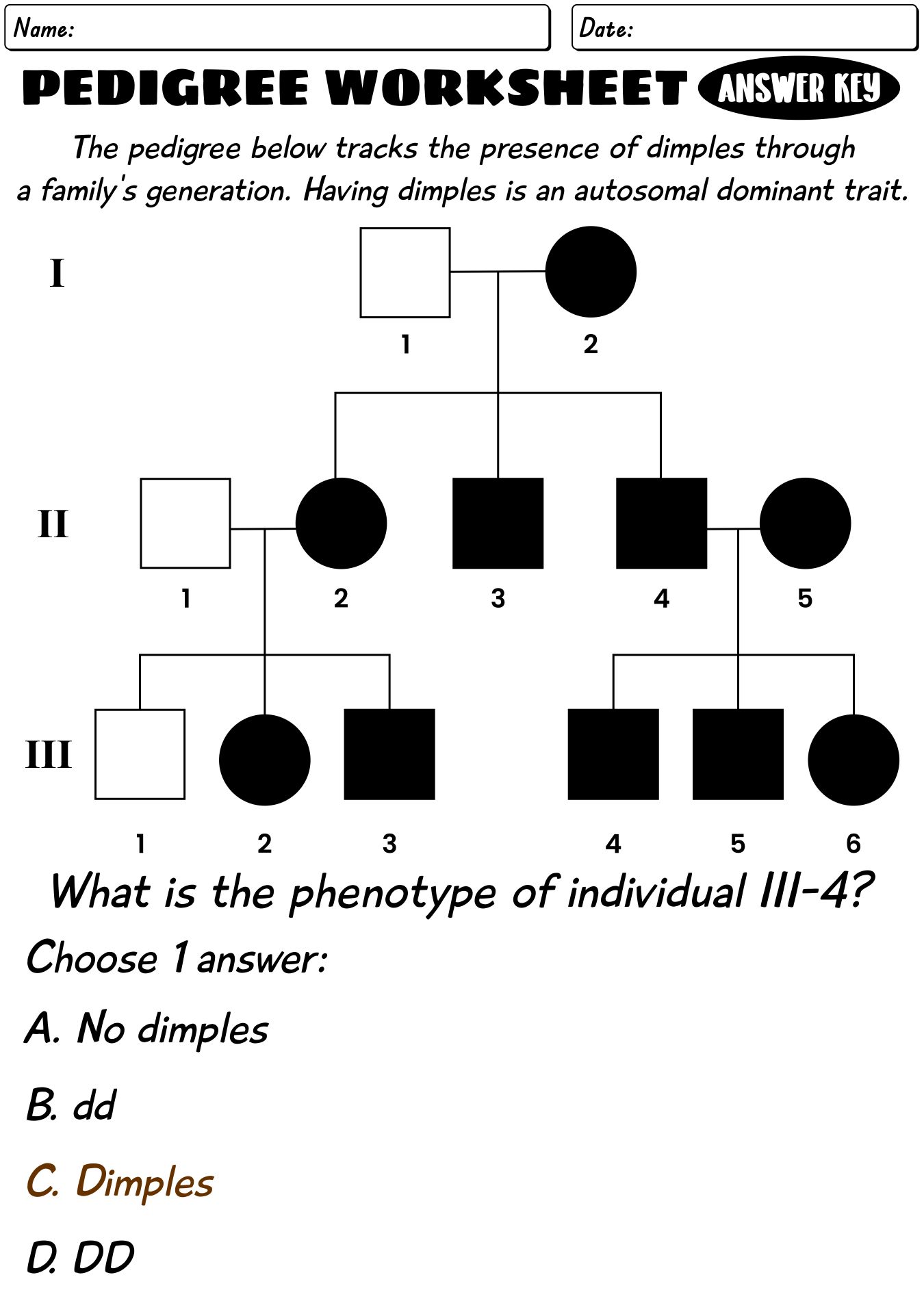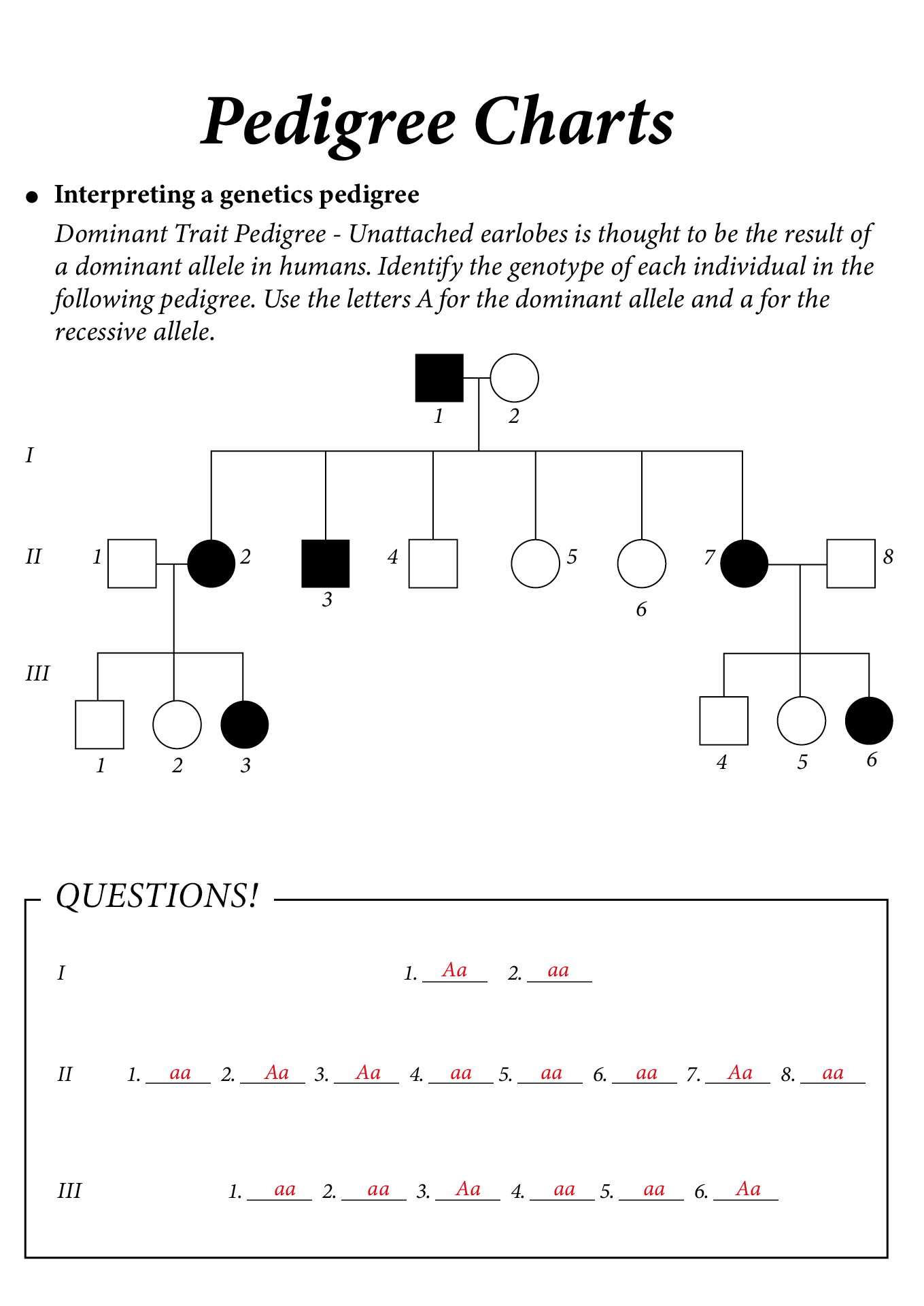
Pedigree Worksheet And Answers can be the secret sauce that transforms a dull genetics lesson into an interactive detective adventure for students of all ages, and today I’m going to walk you through exactly why these tools matter, how to use them effectively, and where to find the best printable versions that keep both teachers and parents smiling.
Understanding the Pedigree Worksheet
What Is a Pedigree Worksheet?
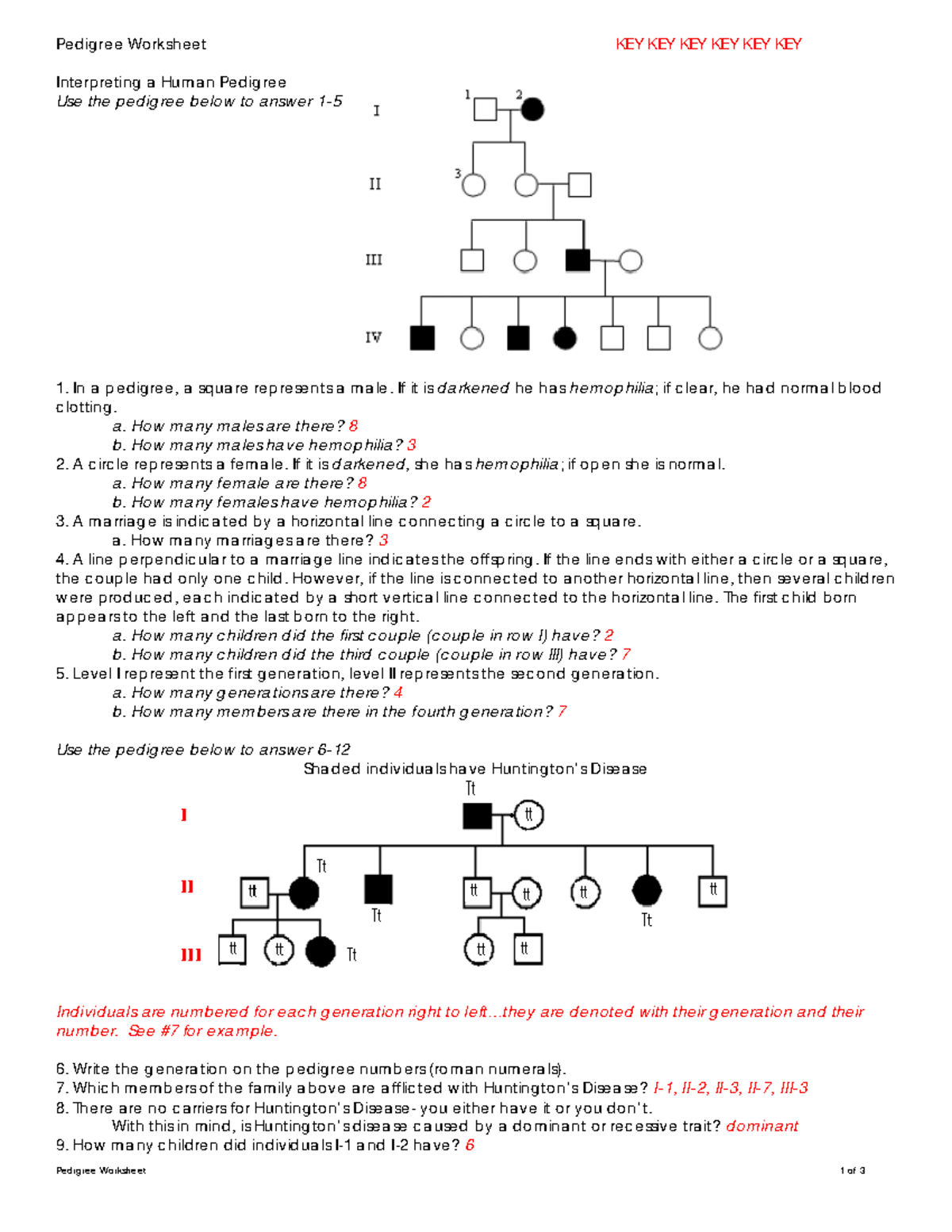
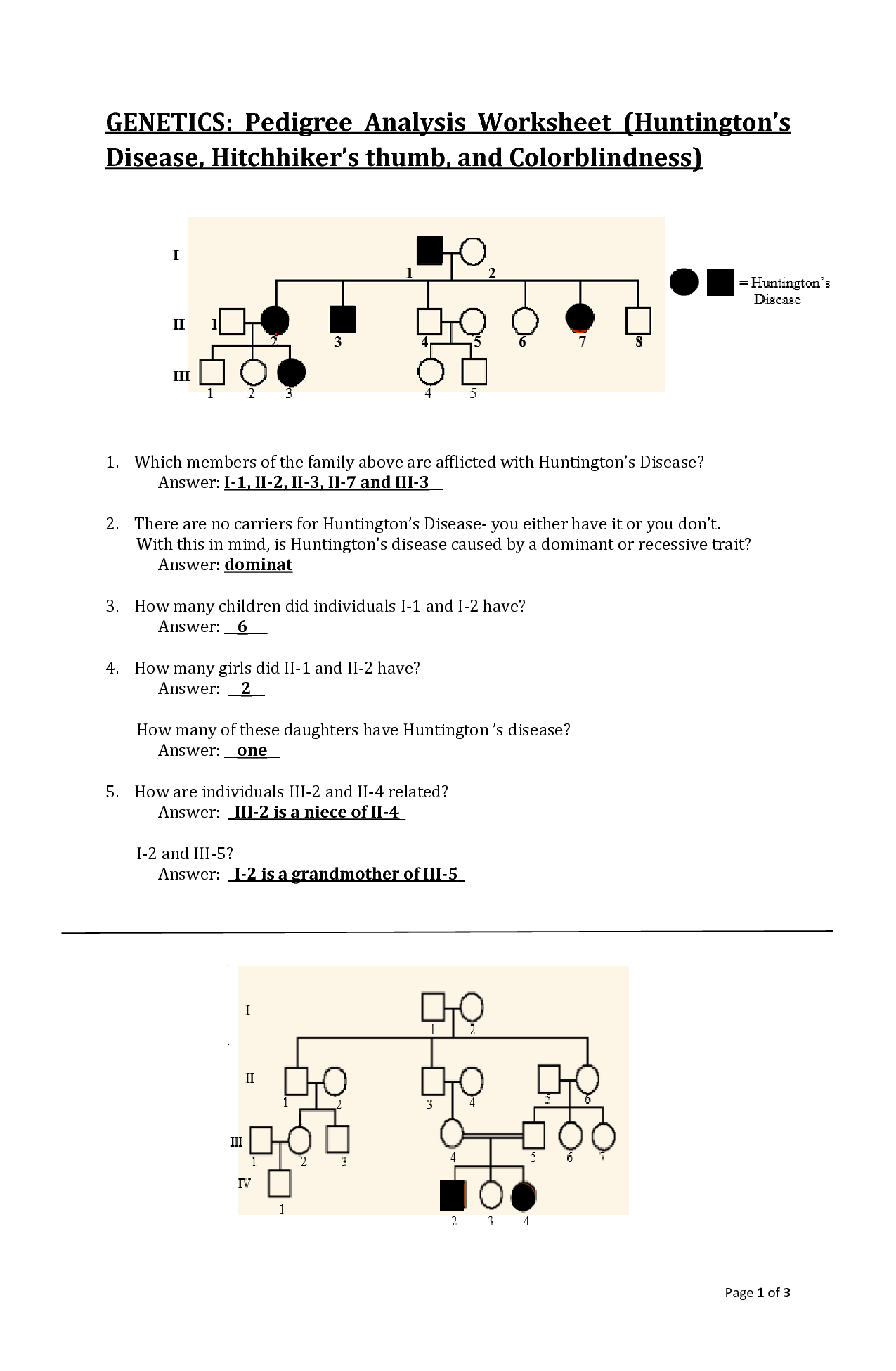
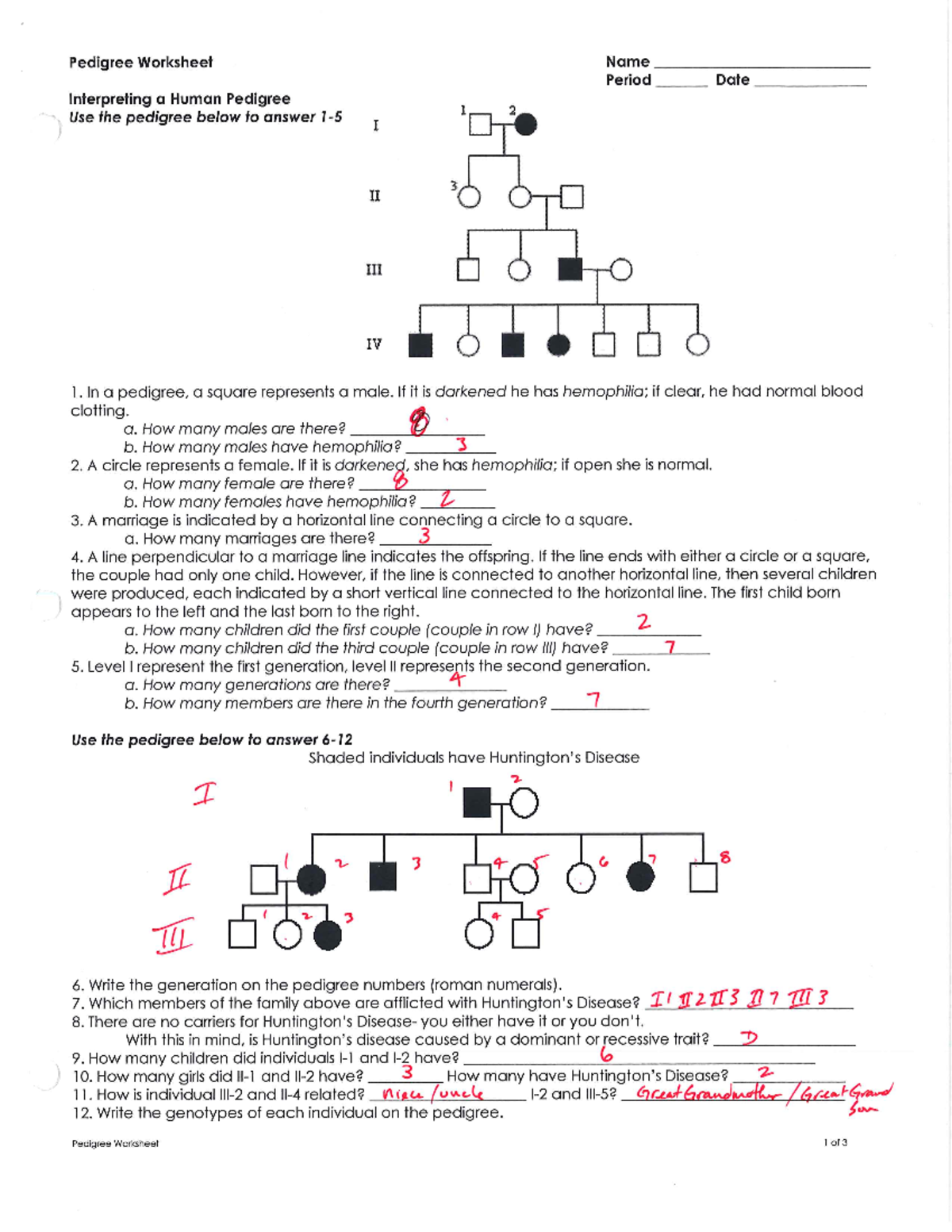
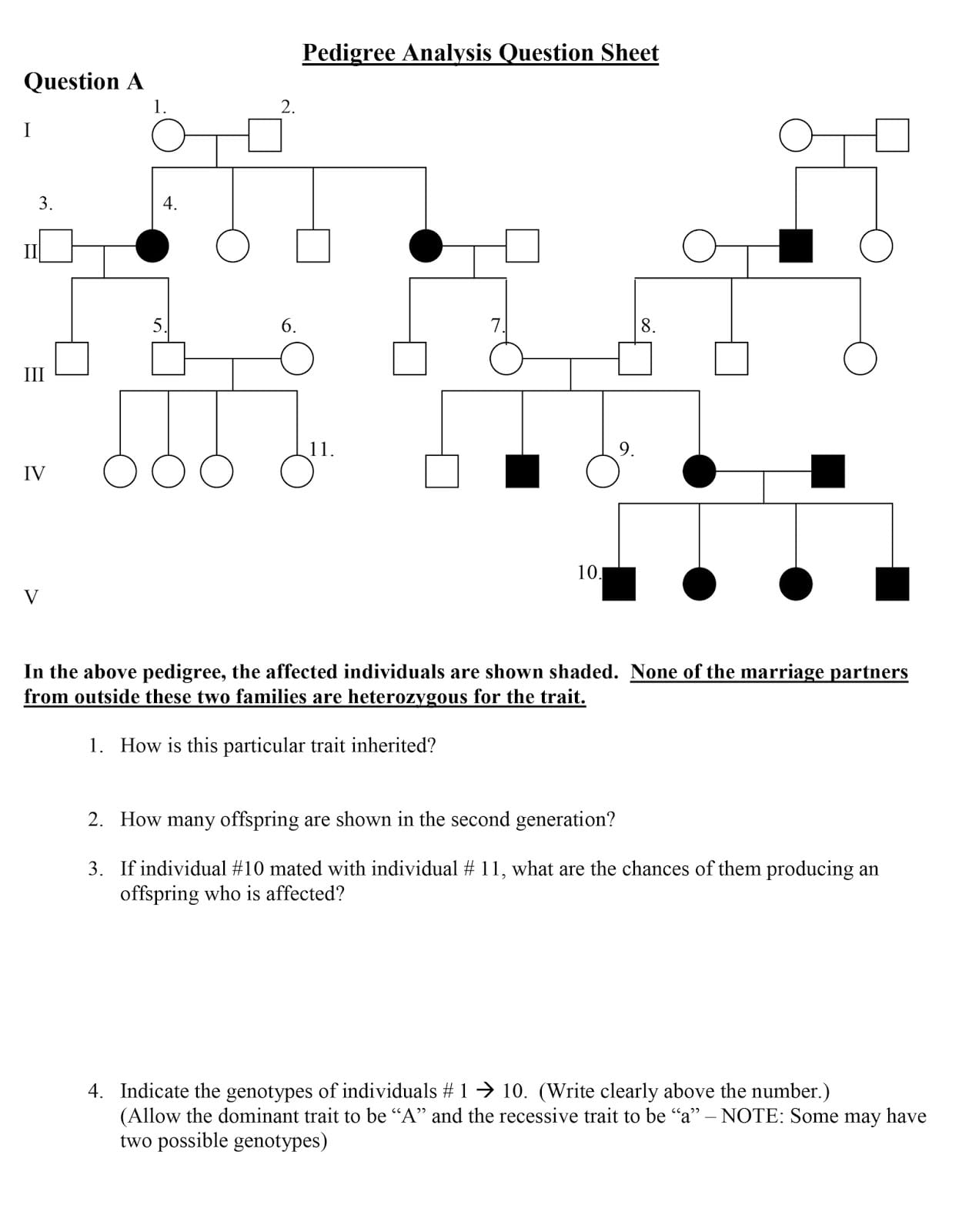
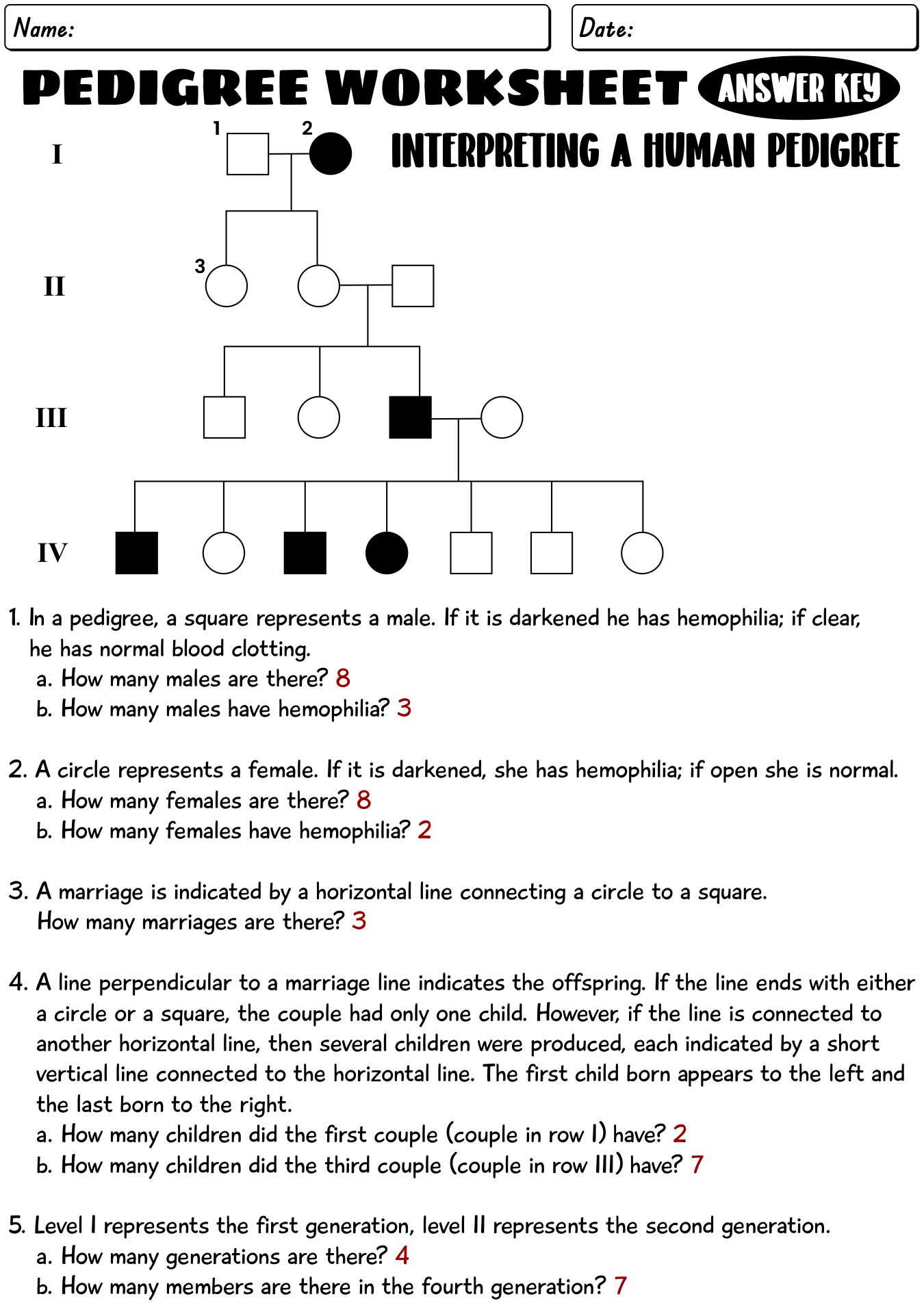
A pedigree worksheet is a structured template that lets learners map out family relationships, track inherited traits, and visualize genetic patterns across generations. It typically includes symbols for males, females, marriages, and various traits such as eye color or blood type. By filling in the blanks, students practice critical thinking, data organization, and the basics of Mendelian genetics—all while learning a bit about their own family history.
Why It’s a Powerful Learning Tool
When you hand a worksheet to a class, you’re not just giving them a sheet of paper—you’re giving them a roadmap for inquiry. The visual nature of pedigrees helps visual learners grasp abstract concepts, and the step‑by‑step nature of the worksheet builds confidence as students see their work taking shape. In addition, because the worksheet often mirrors real family data, it adds a personal relevance that can boost engagement dramatically.
The Role of Answer Keys

Self‑Assessment Made Simple
An answer key provides immediate feedback, allowing students to check their work without waiting for the teacher’s grading cycle. This instant validation helps them identify misunderstandings early, correct mistakes, and reinforce the correct reasoning process. For self‑directed learners, the answer key becomes a trusted companion on their learning journey.
Teacher Guidance and Efficiency
From a teacher’s perspective, answer keys save precious time. Instead of manually grading each worksheet, educators can quickly scan for common errors, focus on targeted reteaching, and spend more class time on discussion and application. Moreover, answer keys serve as a benchmark for creating differentiated instruction—teachers can modify questions based on the difficulty indicated by the key.
Step‑By‑Step Guide to Completing a Pedigree Worksheet

Gather the Required Information
Start by collecting the family data you’ll need. This could be as simple as interviewing relatives about eye color, height, or a known genetic condition. If you’re working in a classroom setting, you can provide a fictional family scenario to keep privacy concerns at bay.
Set Up the Symbols Correctly
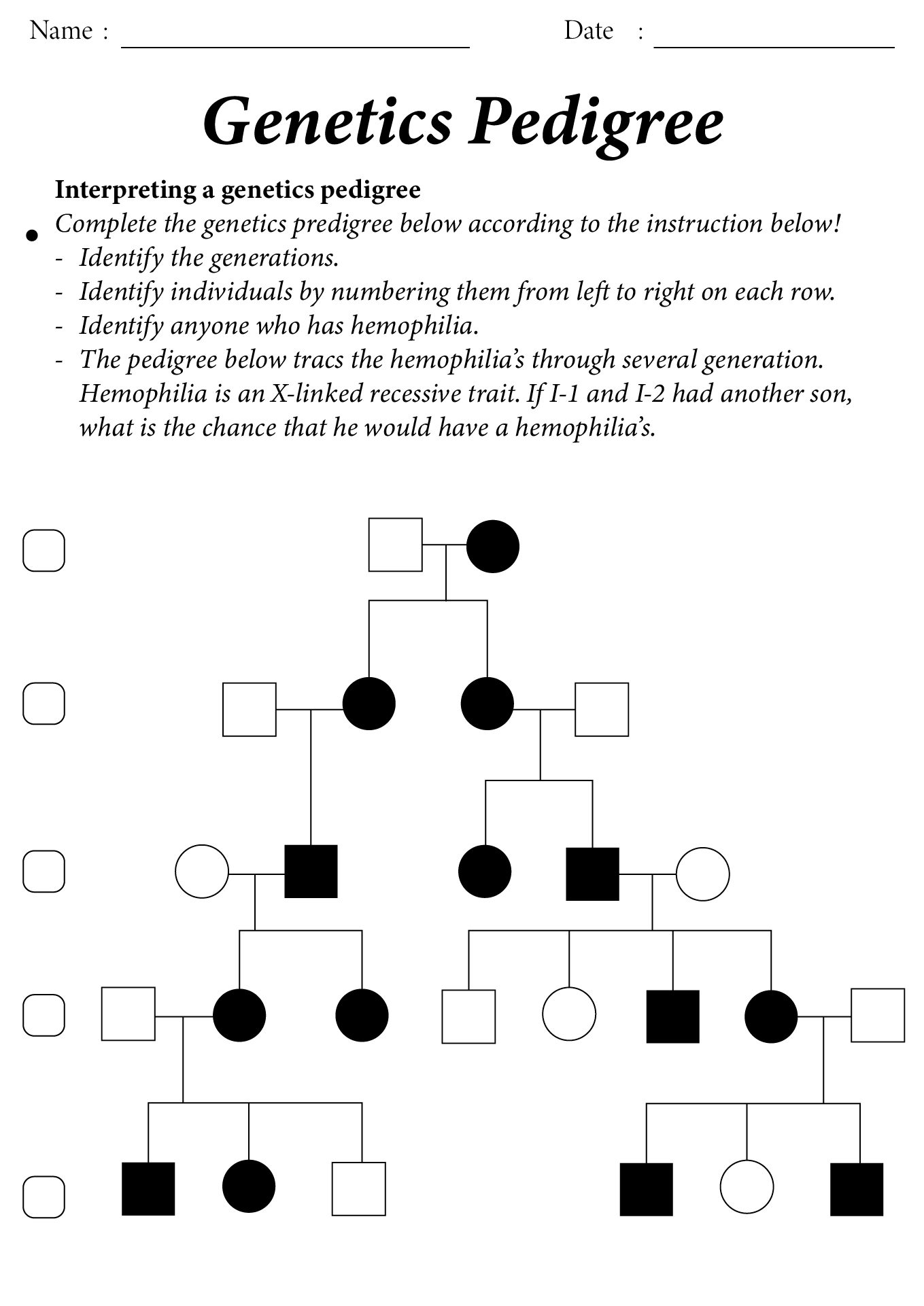
Before you draw any lines, make sure you understand the standard symbols:
- Square for males
- Circle for females
- Horizontal line connecting a male and female to represent a marriage
- Vertical line descending from a marriage line to indicate offspring
- Shaded symbol for individuals expressing the trait you’re tracking
Plot the First Generation
Place the oldest known individuals at the top of the worksheet. Connect spouses with a horizontal line, then draw vertical lines down to their children. Consistency is key—keep the spacing even so the chart remains readable.
Add Subsequent Generations
Continue adding children, grandchildren, and great‑grandchildren, always linking back to the correct parents. If you encounter missing data, use a question mark or a placeholder symbol to indicate uncertainty.
Mark the Trait of Interest
Shade or color the symbols that possess the trait you’re studying. This visual cue instantly reveals patterns such as dominant or recessive inheritance. For example, if eye color is the trait and you shade only the circles, you’ll quickly see whether it follows a maternal line.
Cross‑Check With the Answer Key
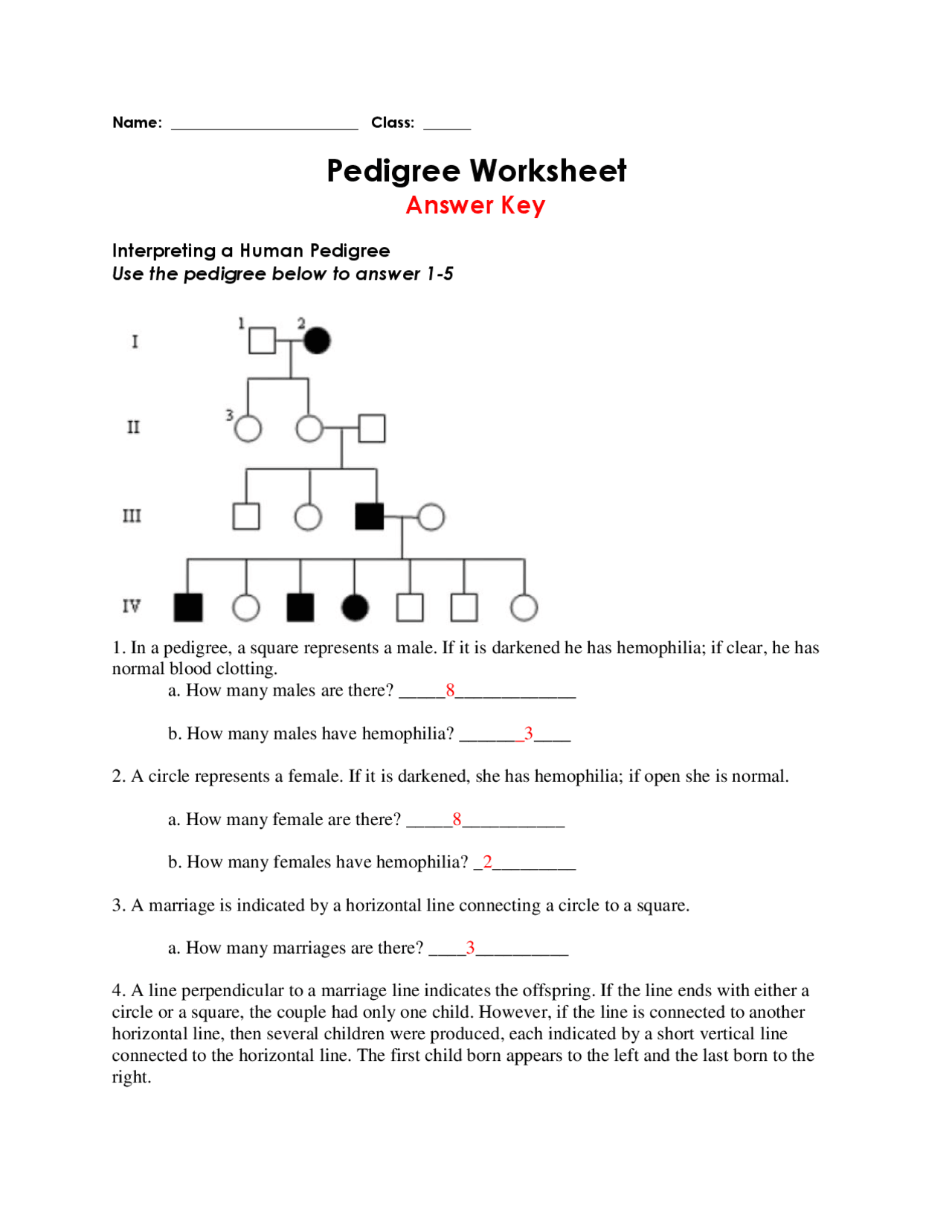
Once you’ve completed the chart, compare it against the answer key. Look for any mismatched symbols, missing connections, or incorrect shading. If the key indicates a different inheritance pattern, revisit your data collection and verify that you interpreted the symbols correctly.
Common Mistakes and How to Avoid Them
- Skipping Generations: It’s tempting to jump straight to the most recent generation, but missing grandparents or great‑grandparents can obscure the true inheritance pattern. Always start from the oldest known ancestors.
- Incorrect Symbol Use: Mixing up squares and circles creates confusion. Double‑check each symbol before you move on to the next individual.
- Overcrowding the Chart: Cramped symbols make the pedigree hard to read. Use enough space between family members, especially when a couple has many children.
- Ignoring the Answer Key: Many students treat the answer key as optional. However, reviewing the key is essential for catching subtle errors like a missed shading.
- Misinterpreting Trait Type: Not all traits follow simple dominant‑recessive rules. When dealing with polygenic traits, be mindful that the worksheet may only capture a simplified version.
Real‑World Applications in the Classroom
Family History Projects
Assign students to interview a family member and create a personalized pedigree. This not only reinforces genetics concepts but also builds communication skills and a sense of heritage. The finished worksheet can be displayed in a classroom gallery, turning personal stories into a shared learning experience.
Genetics Lessons and Labs
Use the worksheet as a pre‑lab activity for a hands‑on experiment on fruit fly inheritance. Students can predict outcomes on the worksheet, conduct the cross, then compare their predictions with the actual results and the answer key.
Cross‑Curricular Connections
Link pedigree worksheets to math by having students calculate the probability of a trait appearing in the next generation. This reinforces both algebraic thinking and scientific reasoning.
Finding Printable Pedigree Worksheets and Answer Keys

There are numerous educational websites that offer free, printable pedigree worksheets tailored to different grade levels. Look for PDFs that include a clear legend, ample space for drawing, and an accompanying answer key that highlights common pitfalls. When you download a worksheet, print it on standard 8.5 × 11‑inch paper, and consider laminating the answer key for repeated classroom use.
Tips for Parents and Homeschoolers

Make It a Family Activity
Turn the worksheet into a weekend project. Gather photos, ask grandparents to share stories, and fill out the pedigree together. This collaborative approach not only teaches genetics but also strengthens family bonds.
Use Everyday Objects for Visual Aid
Color‑coded beads, stickers, or magnetic board pieces can represent different traits. Children often grasp concepts faster when they can manipulate tangible items before committing to the paper worksheet.
Encourage Critical Thinking
After completing the worksheet, ask open‑ended questions like “What would happen if we introduced a new trait?” or “How might this pattern change if we considered a different genetic model?” These prompts push learners to apply knowledge beyond the worksheet.
Conclusion

Whether you’re a teacher aiming to enrich a genetics unit, a parent looking to spark curiosity at home, or a student eager to master inheritance patterns, the Pedigree Worksheet And Answers combo offers a structured yet flexible framework for learning. By understanding the worksheet’s symbols, leveraging the answer key for instant feedback, and incorporating real‑world examples, you can turn a simple sheet of paper into a dynamic investigative tool. Dive in, experiment with the steps outlined above, and watch as the abstract world of genetics becomes vivid, personal, and undeniably exciting.