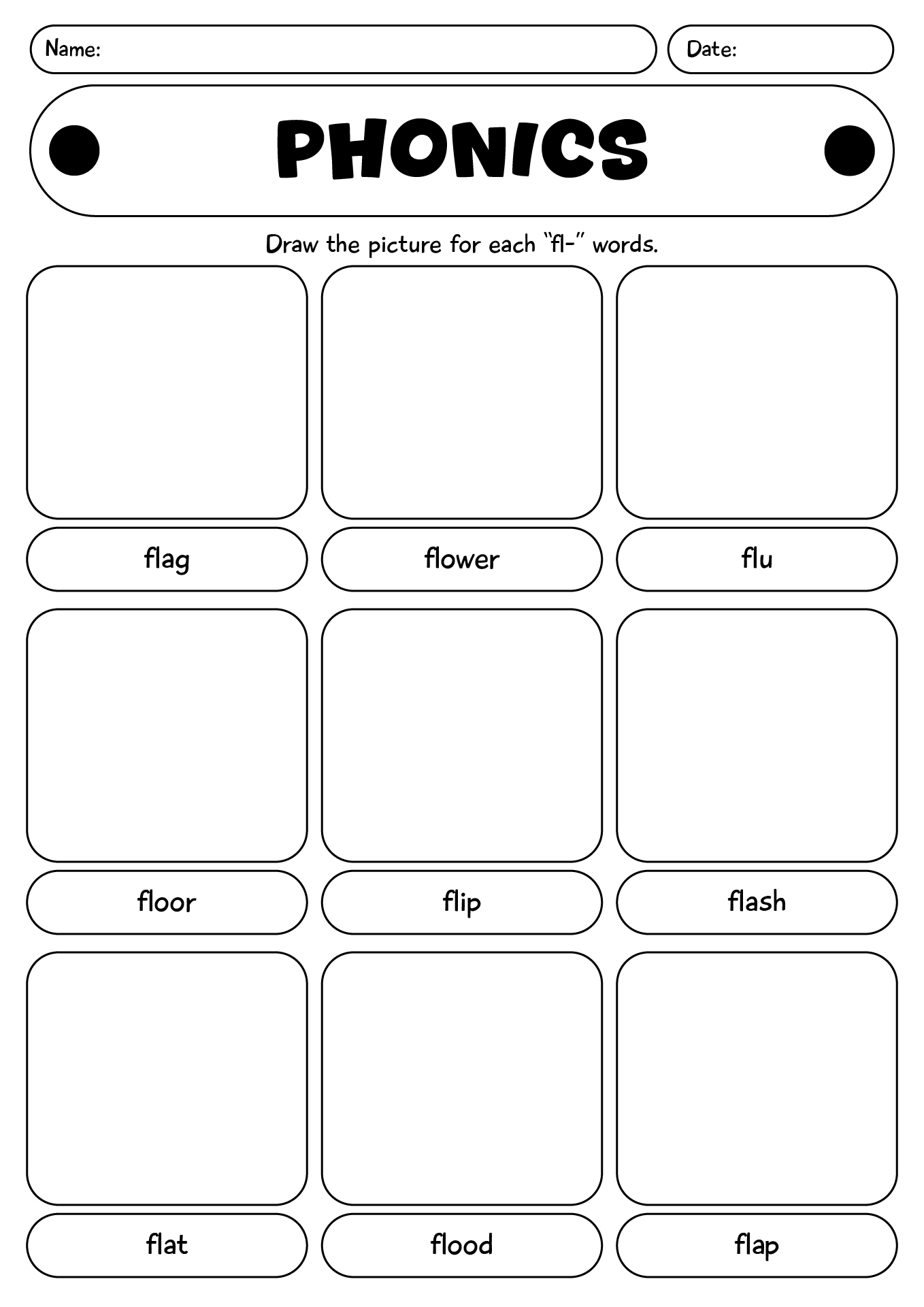
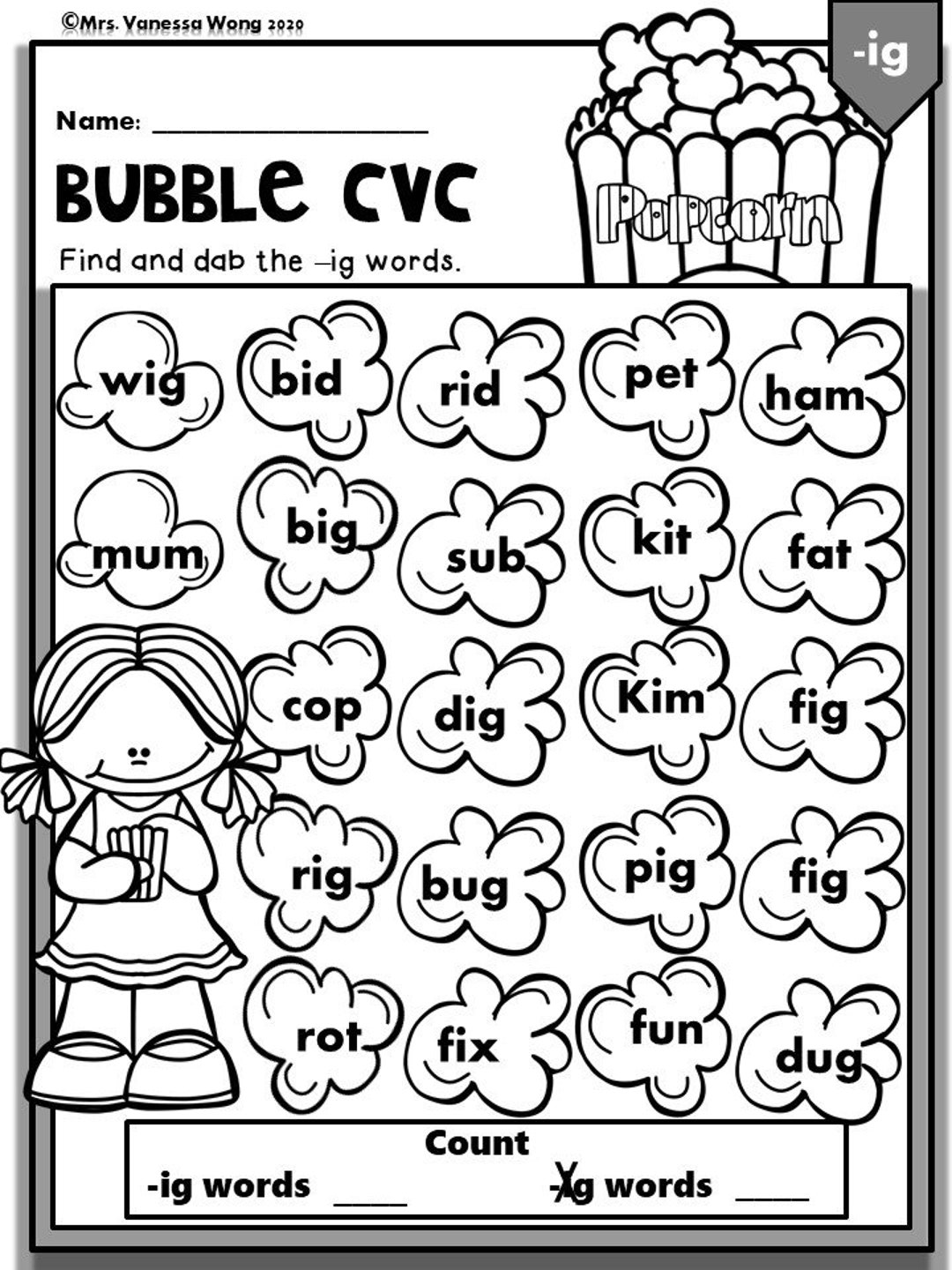
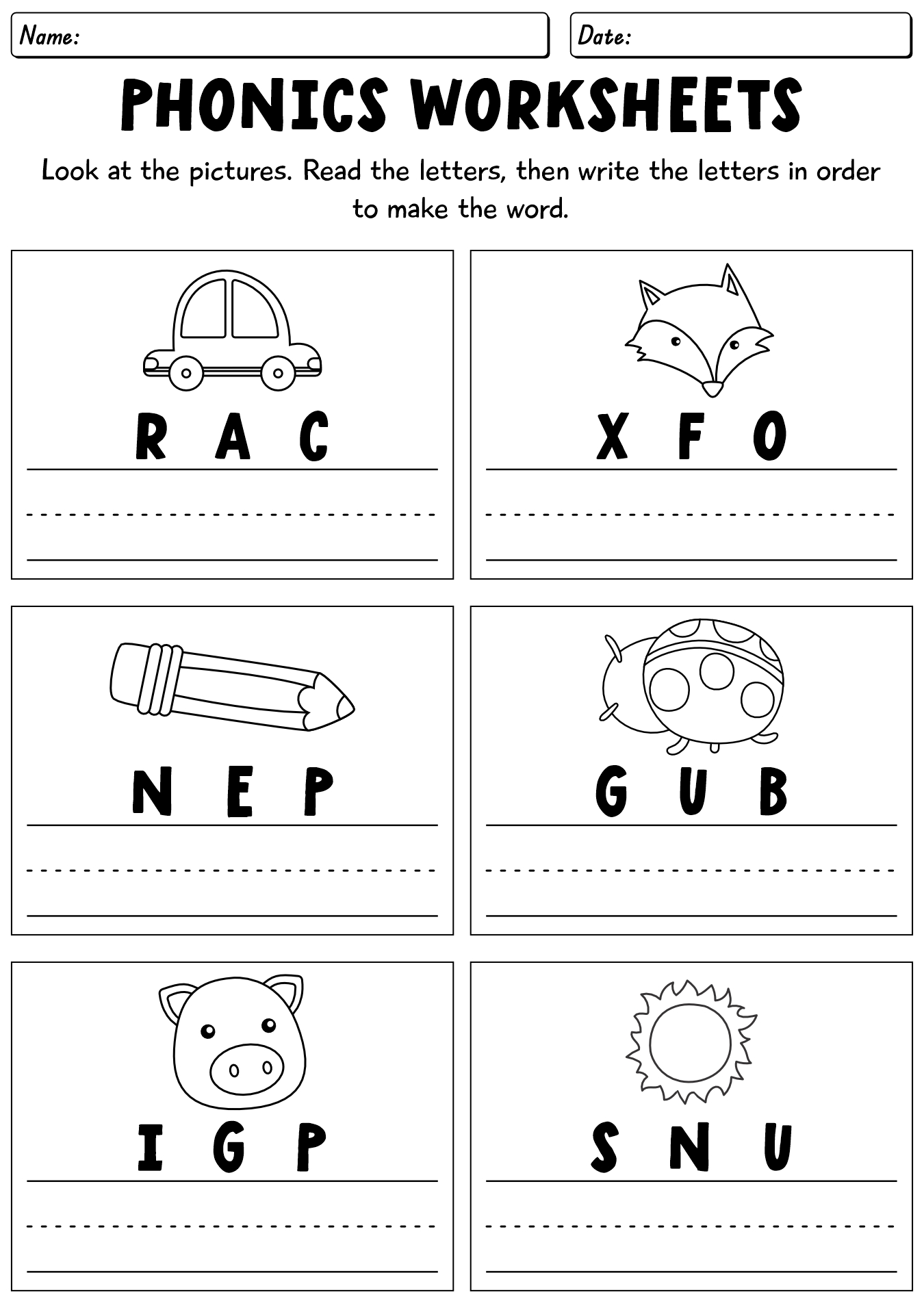
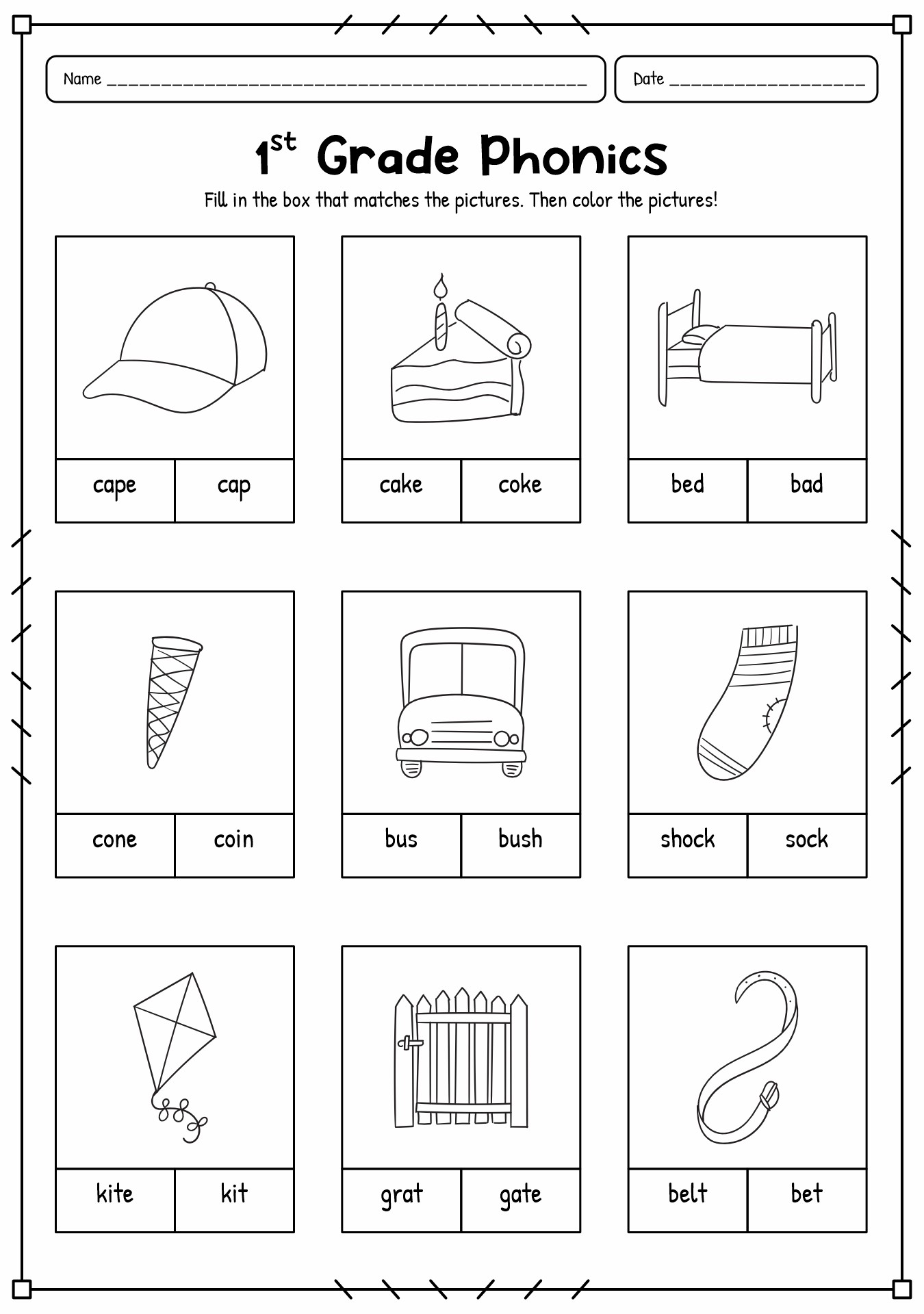
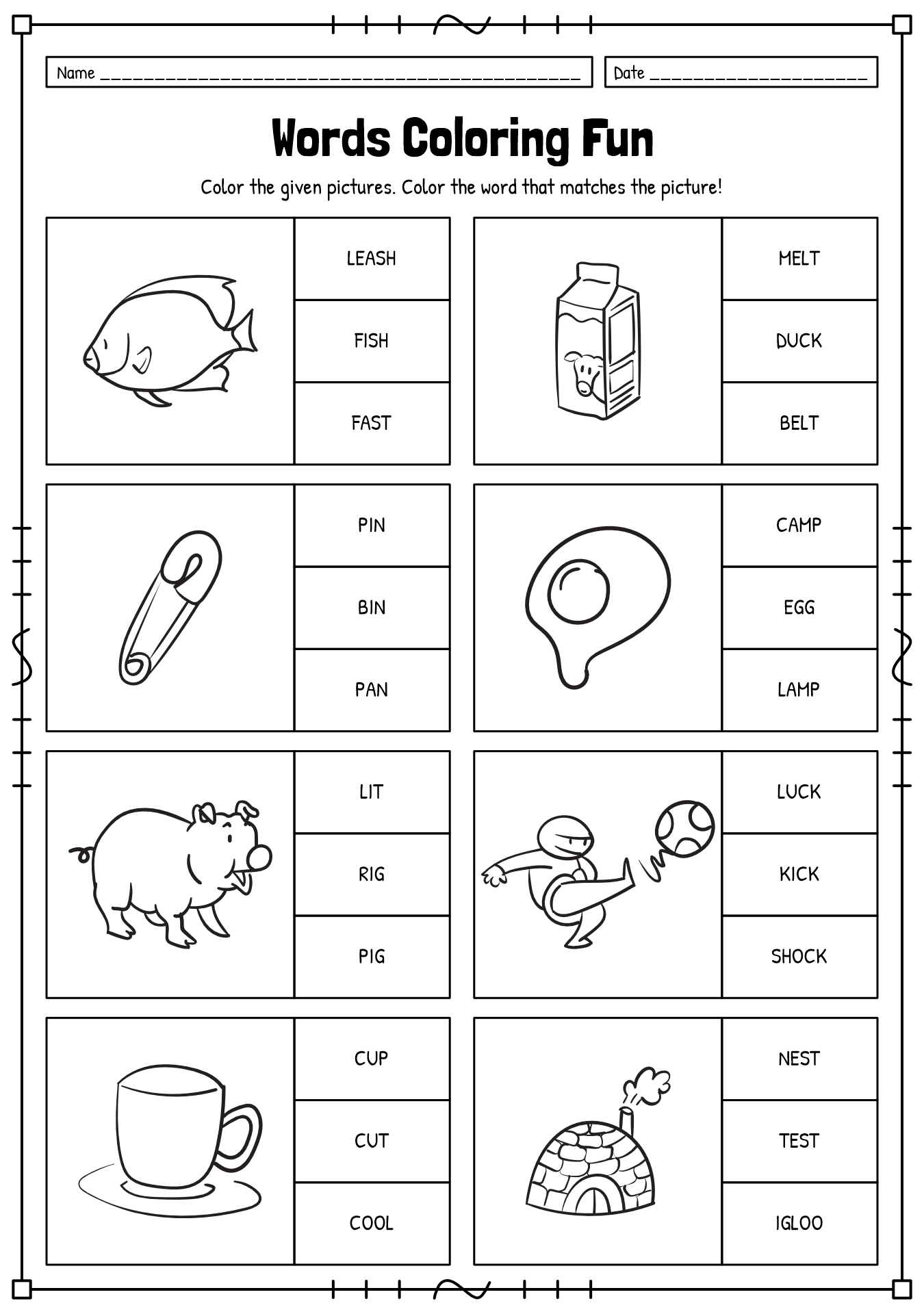
Phonics Worksheets For First Graders serve as the cornerstone of early literacy development, offering young learners a playful and structured pathway to decode words, master spelling patterns, and build confidence in reading. By weaving phonics into daily classroom routines or home practice, educators and parents can create a consistent learning rhythm that reinforces phonemic awareness, spelling rules, and word recognition skills—all of which are essential for long‑term academic success.
Why Phonics Matters in the First Grade

Foundation for Reading Fluency
Phonics instruction equips students with the mental toolkit required to read new words independently. When children understand that the letter “c” can represent a /k/ sound before “a,” “o,” or “u,” and a /s/ sound before “e” or “i,” they can effortlessly blend sounds to form words like “cat” or “civic.” This foundational knowledge accelerates reading fluency, allowing first graders to move from decoding to comprehension with less hesitation.
Enhances Spelling Accuracy
Consistent phonics practice strengthens the connection between sound and spelling. When students see a pattern repeated across multiple worksheets—such as the “-ight” ending in “night,” “light,” and “tight”—they internalize the rule. Over time, this familiarity translates into fewer spelling errors, boosting self‑esteem and reducing frustration when writing assignments appear.
Supports Differentiated Learning
First‑grade classrooms often comprise a wide range of reading abilities. Phonics worksheets can be easily adapted to match individual skill levels: simple word matching for beginners, or multisyllabic word practice for advanced learners. This flexibility ensures that every child receives targeted support without feeling left behind or bored.
Key Types of Phonics Worksheets for First Grade
Word Family Drills
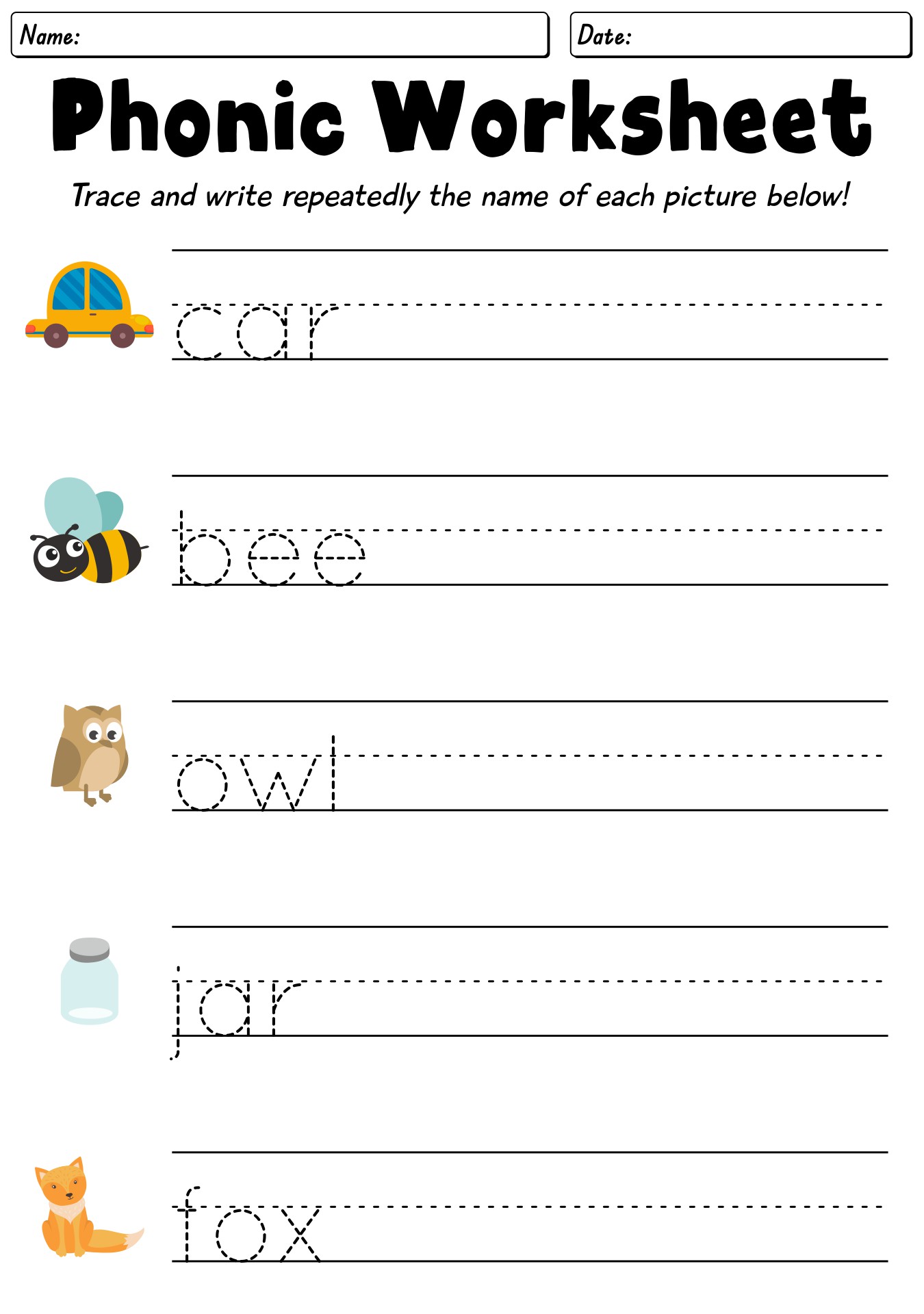
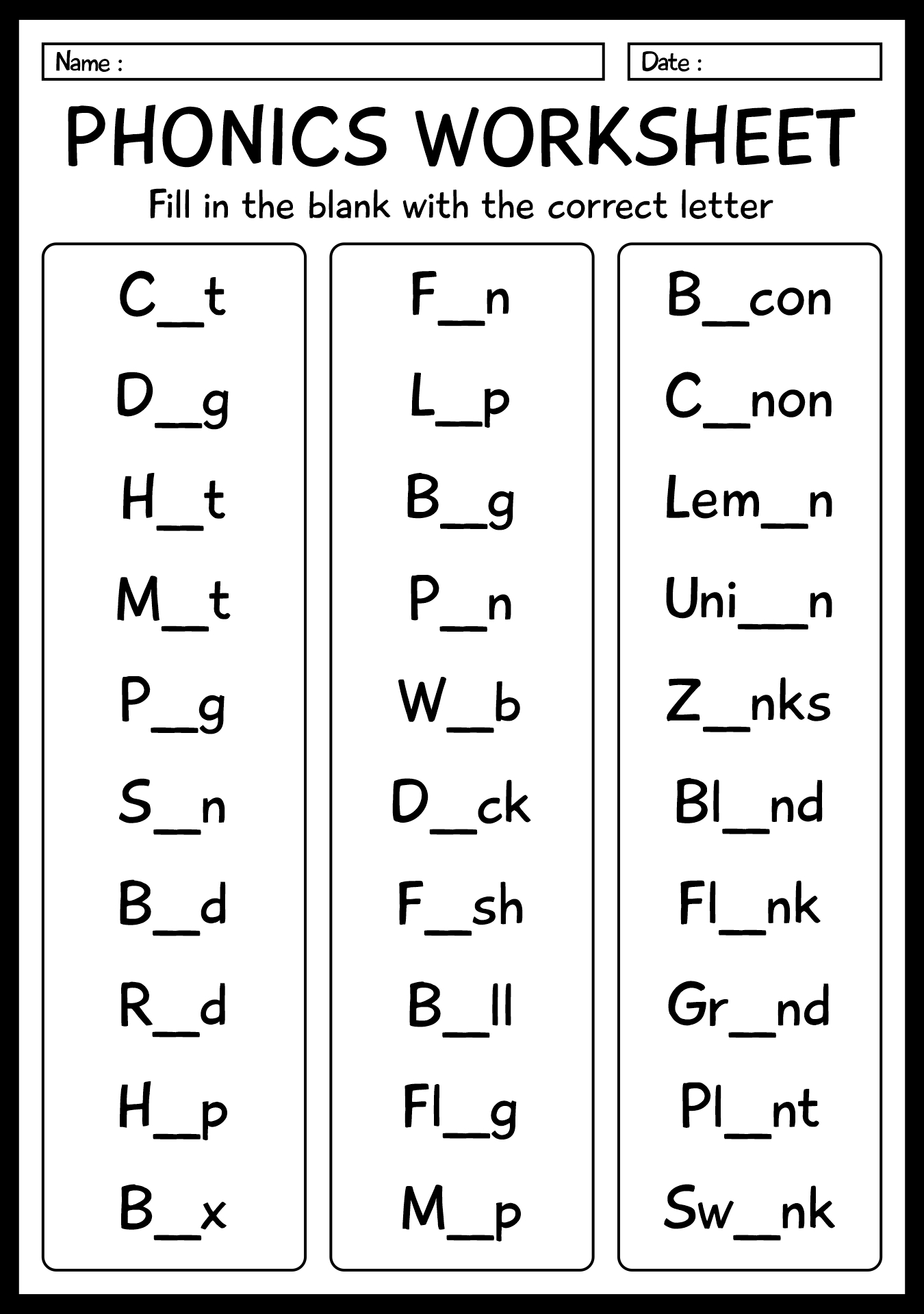
Word families such as “-at,” “-an,” or “-op” group words that share a common vowel sound and consonant blend. Worksheets that ask students to identify, complete, or write words within a family reinforce pattern recognition and vocabulary expansion. A typical exercise might present the stem “c__t” and require students to fill in the missing vowel to produce “cat,” “cot,” or “cut.”
Sound Matching Games
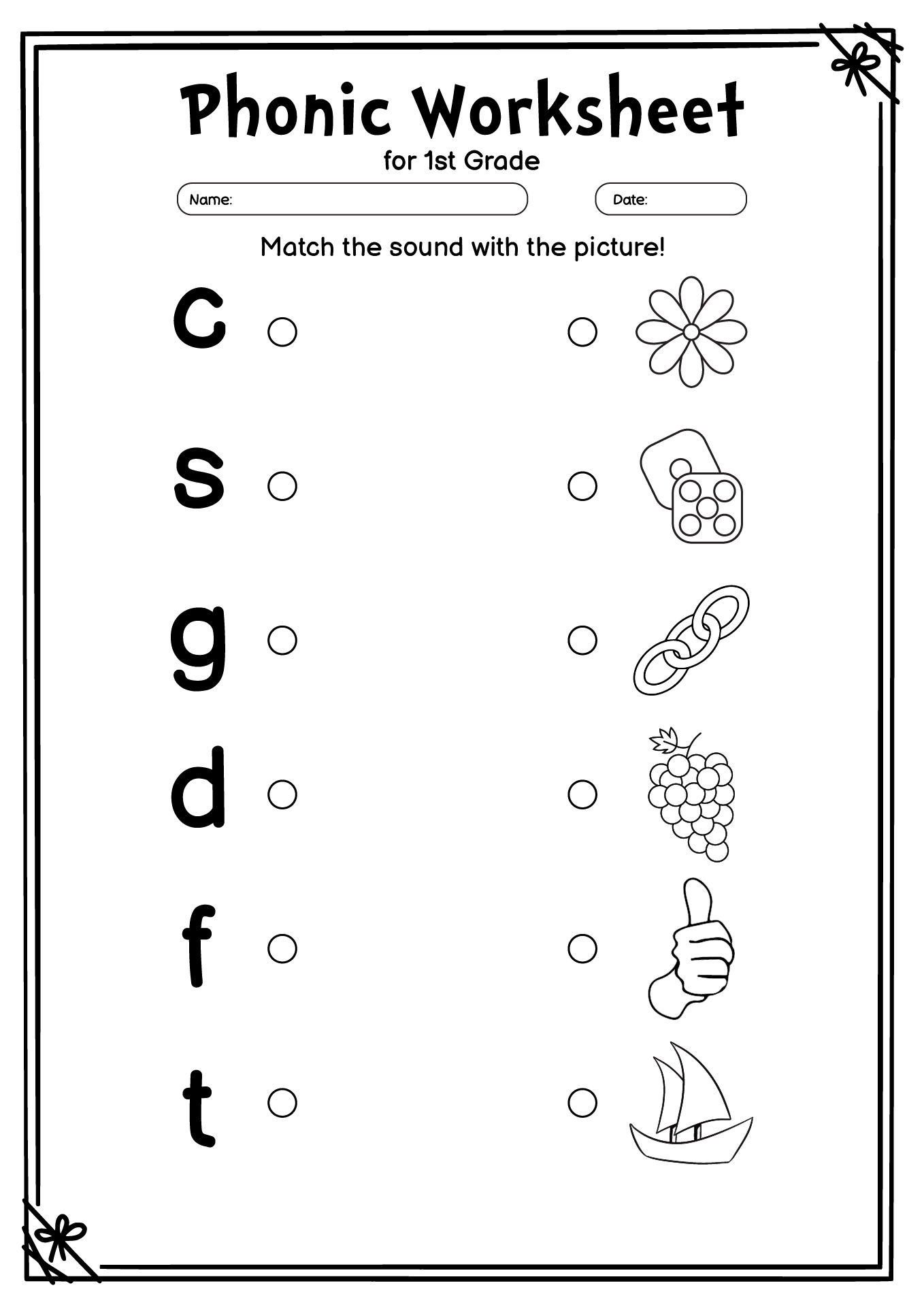
These worksheets challenge students to pair phonemes with corresponding graphemes. For example, a matching sheet could list the sounds /f/ and /v/ alongside the letters “f” and “v.” Children drag or circle the correct pairs, solidifying their understanding of sound‑letter equivalence.
Blending and Segmenting Activities
Blending tasks require students to combine individual sounds into a word, while segmenting tasks ask them to split a word into its component sounds. Worksheets may provide a series of pictures and ask learners to write the sounds that make up the word, or vice versa. These exercises sharpen auditory discrimination and phonemic awareness.
Spelling Rules and Exception Practice
English contains numerous spelling patterns that deviate from straightforward phonics. Worksheets focused on common exceptions—such as the silent “e” or the “ough” cluster—help students recognize and remember these irregularities. A sheet might ask students to write the word “though” while highlighting the silent “gh.”
Sentence Construction with Phonics Focus
Once students can decode and spell individual words, they need to apply phonics in meaningful contexts. Worksheets that require students to build simple sentences using a list of phonics‑rich words encourage grammatical accuracy and reinforce word choice.
Effective Strategies for Using Phonics Worksheets

Create a Structured Routine
Integrate phonics worksheets into a predictable schedule—perhaps 10–15 minutes at the start of the school day or during a quiet reading period at home. Consistency helps students develop muscle memory for decoding patterns and makes the learning experience feel habitual rather than sporadic.
Use Interactive Elements
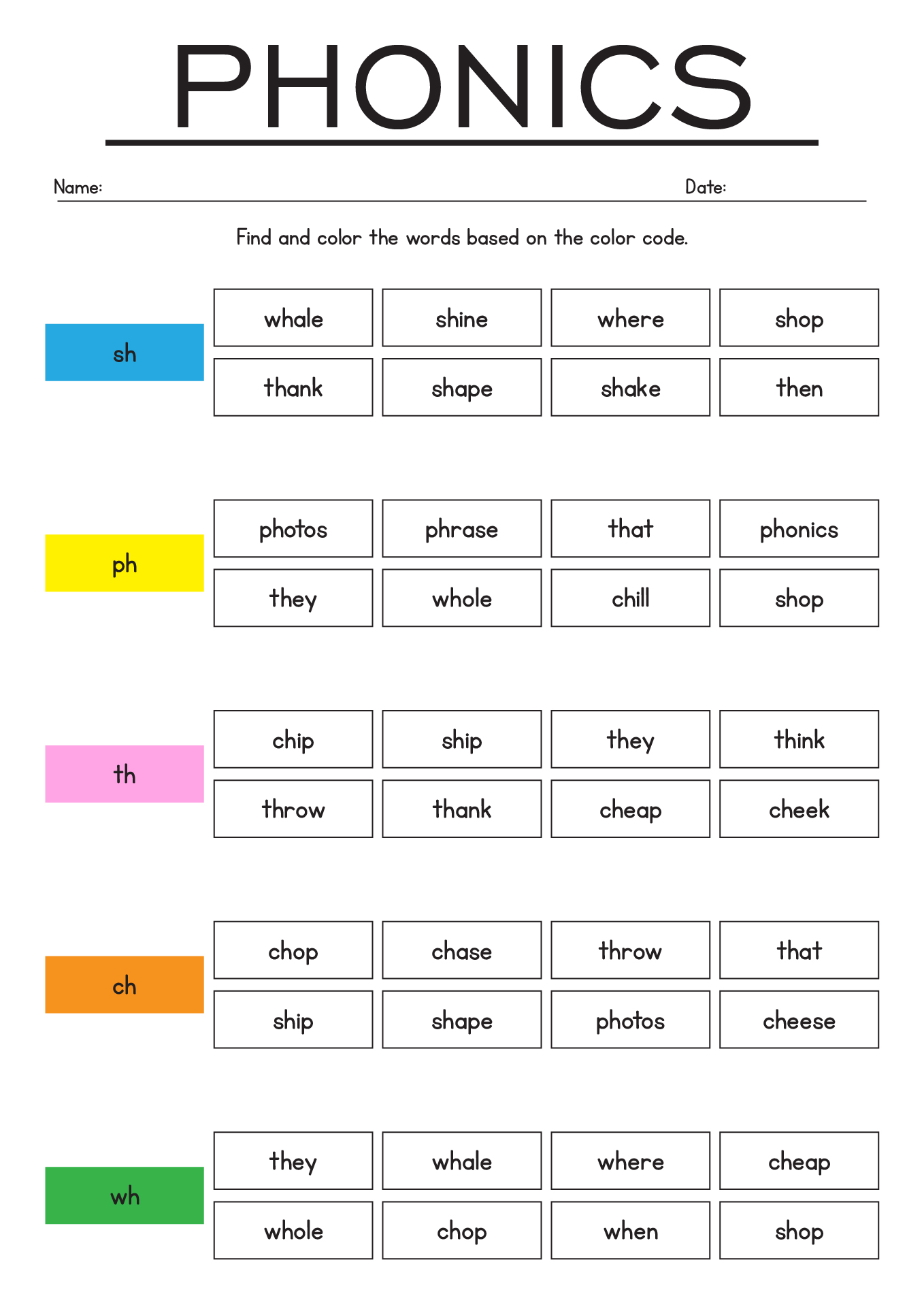
Incorporate color‑coding, stickers, or interactive online features to maintain engagement. For instance, ask students to color all “-at” words in blue and “-in” words in green, then compare results with a peer. Interactive elements transform passive worksheets into active learning experiences.
Pair Worksheets with Oral Practice
Reading the words aloud reinforces phonics skills and boosts auditory processing. A teacher might read a set of words, then ask students to write them, ensuring that hearing the sound and producing the grapheme are linked.
Monitor Progress with Quick Assessments
Short, targeted quizzes—such as a “Which word has the /k/ sound?” multiple‑choice test—can reveal strengths and gaps. Use these insights to tailor subsequent worksheets, focusing more on areas that need reinforcement.
Encourage Peer Collaboration
Pairing students for worksheet activities promotes social learning. While one child reads the prompt aloud, the other writes the answer. This collaborative dynamic not only reinforces phonics concepts but also builds communication skills.
Choosing High‑Quality Phonics Worksheets
Align with Curriculum Standards
Ensure that worksheets reflect state or national standards for reading and phonics. Alignment guarantees that practice is purposeful and directly supports academic objectives.
Focus on Age‑Appropriate Complexity
First‑grader worksheets should balance challenge and accessibility. Avoid overly complex multisyllabic words or abstract phonics concepts that might overwhelm young learners. Instead, prioritize clear visuals and straightforward instructions.
Check for Visual Clarity
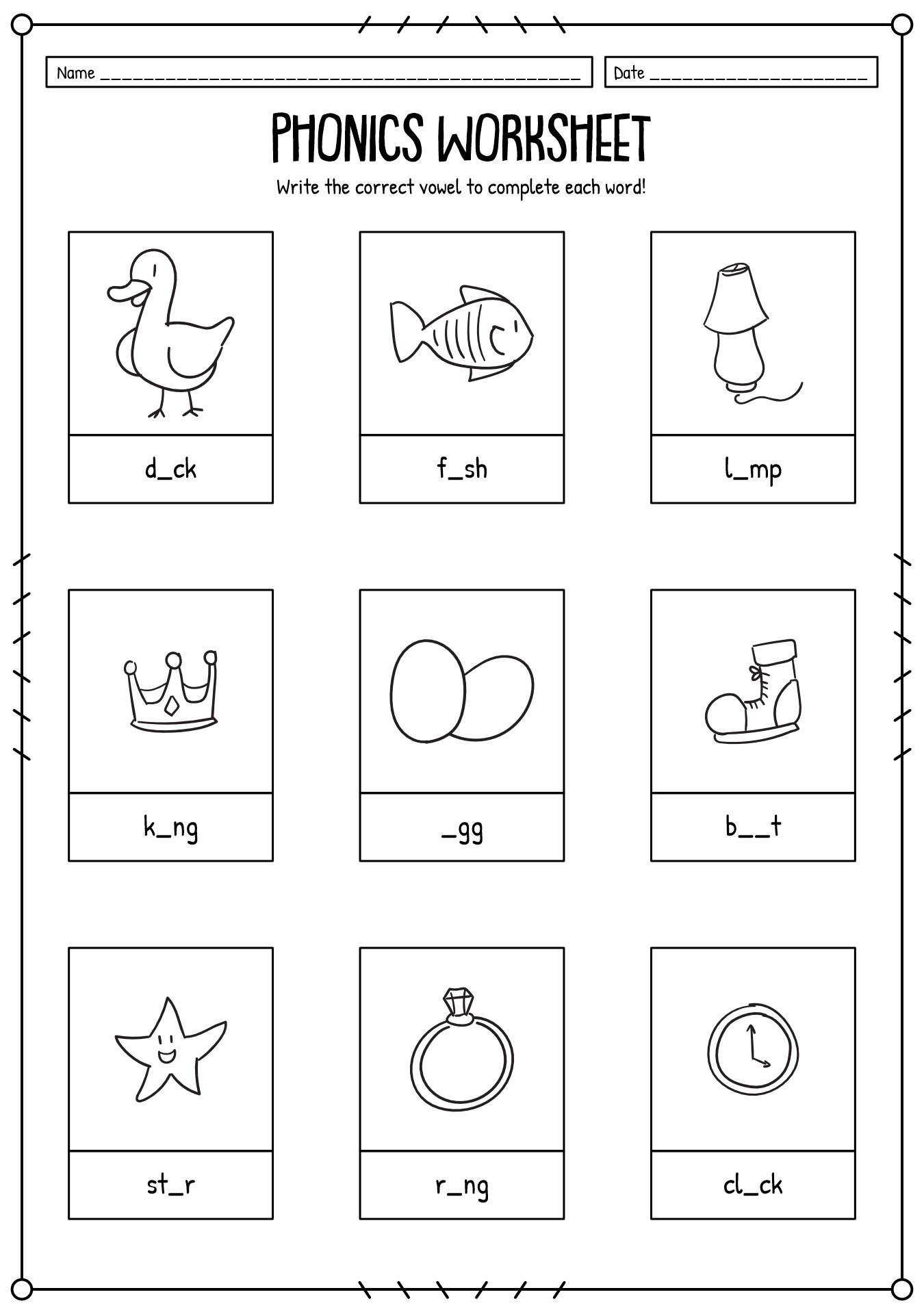
High contrast, large fonts, and readable typefaces prevent visual fatigue. Worksheets that include illustrations help students connect words with images, reinforcing memory.
Look for Diverse Representation
Incorporate culturally relevant words and images to reflect students’ backgrounds. Representation increases relevance and keeps learners engaged.
Evaluate Interactivity and Feedback Options
Workbooks that provide instant feedback—such as colored checkmarks for correct answers—allow students to self‑correct and build confidence. For digital worksheets, consider built‑in scoring or progress trackers.
Creative Ways to Expand Phonics Practice Beyond Worksheets
Phonics Treasure Hunts
Hide printable word cards around the classroom or home. Students search for cards that match a given phoneme and then record the words on a worksheet. This physical activity adds movement and excitement to phonics learning.
Story‑Based Word Creation
Ask students to write a short story using a set of phonics‑rich words they have practiced. Provide prompts such as “Write about a brave cat who goes on an adventure.” This encourages creative application of phonics in context.
Music and Rhythm Integration
Sing songs that emphasize specific phonics patterns—e.g., a chant for the /sh/ sound. After the song, students complete a worksheet that lists words with that sound, reinforcing auditory memory through rhythm.
Digital Phonics Games
Online platforms offer interactive phonics games that combine worksheets with immediate feedback. Incorporate a few minutes of game time into the learning schedule to diversify instruction.
Common Pitfalls to Avoid When Using Phonics Worksheets
Overloading with Repetition
While repetition is valuable, excessive duplication of the same worksheet can lead to boredom and disengagement. Rotate between different phonics themes to keep the content fresh.
Neglecting Oral Reading Opportunities
Phonics is not only about writing; it also involves listening. Failing to provide oral practice can hinder the development of a holistic phonemic skill set.
Ignoring Differentiated Needs
Applying a single worksheet set to all students disregards varied abilities. Adapt worksheets to match proficiency levels, and offer extension tasks for advanced learners.
Skipping Assessment and Feedback
Without timely assessment, students cannot identify gaps or celebrate successes. Regular check‑ins keep learning intentional and data‑driven.
Failing to Connect Phonics to Meaningful Contexts
Students may struggle to see the relevance of phonics if it remains abstract. Link worksheets to real‑world reading tasks, such as reading a simple book or labeling classroom items.
Resources for Curating Phonics Worksheets
Educational Websites
Many reputable educational portals offer free, downloadable phonics worksheets. Look for sites that provide printable PDFs or interactive web versions. Always verify that the content aligns with your curriculum goals.
Teacher Collaboration Platforms
Online teacher communities often share personalized worksheets. Exchange ideas with fellow educators to discover innovative approaches and refine your own worksheet selection.
Printable Libraries
Digital libraries curated by educational institutions frequently house collections of phonics worksheets categorized by grade level. These resources are typically vetted for educational quality.
Software and Apps
Some software applications generate custom phonics worksheets based on user input. By selecting target sounds or word families, teachers can create personalized practice sets on demand.
Conclusion

Phonics Worksheets For First Graders are indispensable tools that translate complex language concepts into digestible, engaging activities. By thoughtfully selecting, organizing, and reinforcing these worksheets—while integrating oral practice, interactive elements, and meaningful context—parents and educators can foster a robust phonics foundation. This foundation not only empowers children to read fluently today but also equips them with lifelong literacy skills that will support academic growth, critical thinking, and confidence across every subject area.