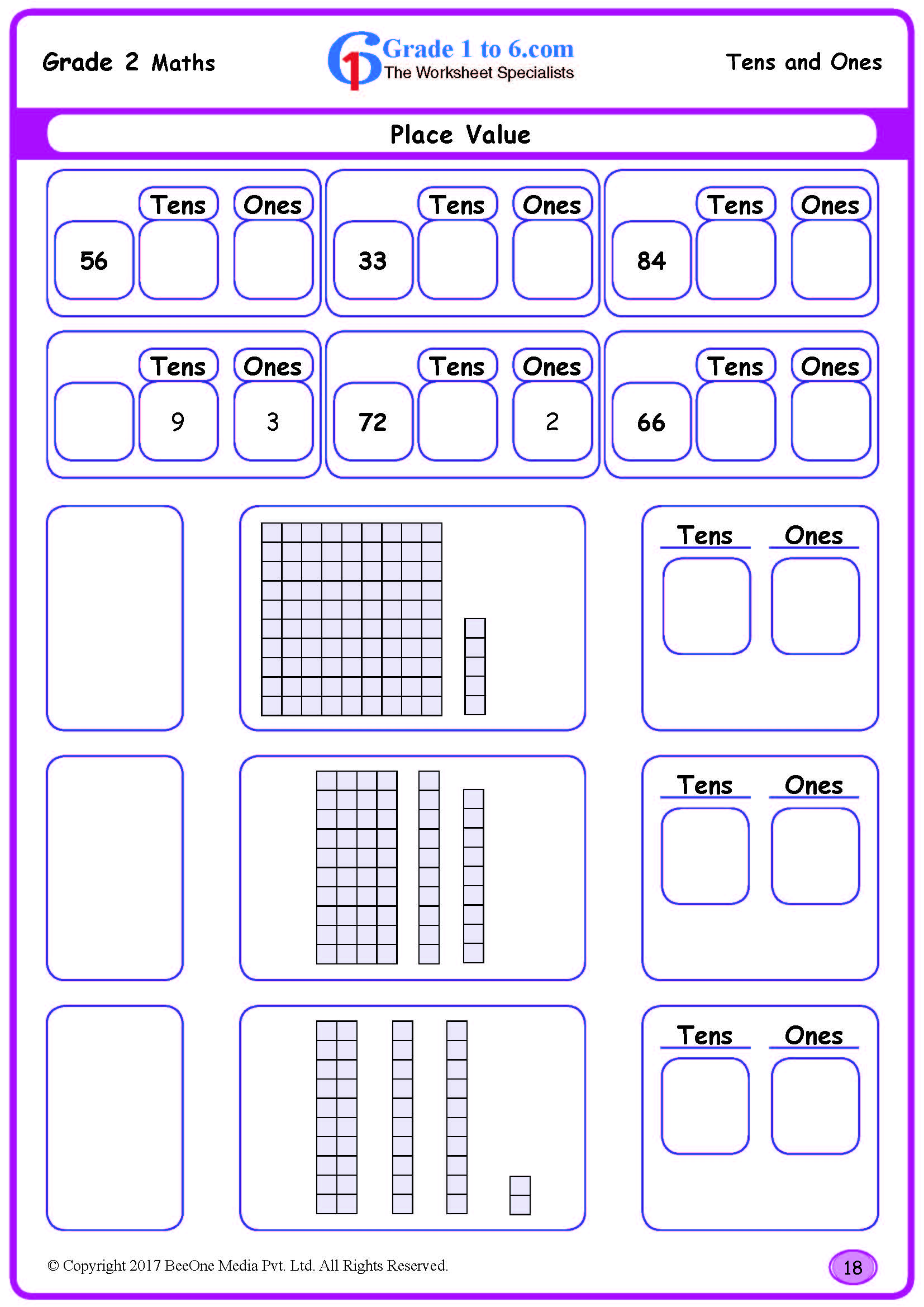
Place Value Worksheets 2nd Grade are a cornerstone of early math mastery, offering students hands‑on practice with tens, ones, and the concept of place. These worksheets help build a deep understanding of how numbers are structured, paving the way for more advanced concepts such as multiplication, division, and fractions. In this guide, you’ll discover why these worksheets matter, how to select the right ones, and practical ways to incorporate them into lessons and home study.
Why Place Value Matters in Second Grade

By second grade, children transition from counting to recognizing patterns in numbers. Place value becomes the bridge between simple counting and more complex operations. Mastering this concept ensures that:
- Students can accurately write numbers in expanded form.
- They understand the value of each digit based on its position.
- They develop a strong foundation for reading, writing, and manipulating numbers beyond 99.
From “Seven” to “70” – The Shift in Thinking
When a child sees the number 70, they learn that the digit “7” now represents seventy, not just seven. This shift from a “value” to a “place” perspective is subtle but crucial. Place value worksheets provide repeated exposure, turning abstract ideas into concrete skills.
Choosing the Right Worksheets for Your Classroom

Not all place value worksheets are created equal. Selecting worksheets that align with learning goals and student readiness will maximize engagement and effectiveness.
Key Features to Look For
- Clear Objectives – Worksheets should explicitly target tens and ones, as well as expanded form and place value comparison.
- Visual Supports – Diagrams, number lines, and digit blocks help reinforce concepts.
- Progressive Difficulty – Start with simple two‑digit numbers, then move to three‑digit numbers as confidence grows.
- Answer Key – A reliable answer key allows for immediate feedback.
- Interactive Elements – Worksheets that encourage students to manipulate objects or write in different bases promote active learning.
Types of Place Value Worksheets
Below are common categories that cater to varied learning styles:
- Fill‑in‑the‑Blank – Students write the tens or ones digit in a blank spot.
- Expanded Form Conversion – Convert a written number to its expanded form and vice versa.
- Comparison Exercises – Identify which of two numbers is larger or smaller based on place value.
- Number Construction – Build numbers using digit cards or manipulatives.
- Real‑World Scenarios – Apply place value in budgeting, measuring, or reading time.
Designing Your Own Place Value Activities

While ready‑made worksheets are handy, creating your own allows you to tailor content to your students’ interests.
Step 1: Identify Learning Objectives
Begin with a clear goal such as “Students will identify the value of the digit in the tens place of a two‑digit number.” This focus ensures every activity supports the desired outcome.
Step 2: Create Engaging Scenarios
Students love context. Use stories like a bakery selling 24 cupcakes or a park with 58 swings to anchor place value problems. Example: “If each row holds ten chairs, how many rows are there in 70 chairs?”
Step 3: Incorporate Visuals
Use images of objects, number lines, or even emojis to make abstract digits tangible. For instance, a picture of 3 groups of 10 apples illustrates 30.
Step 4: Scaffold Difficulty
Begin with single‑digit questions, move to two‑digit, then three‑digit numbers. Include a mix of “write the number” and “write in expanded form” tasks to reinforce learning.
Effective Strategies for Using Worksheets in the Classroom
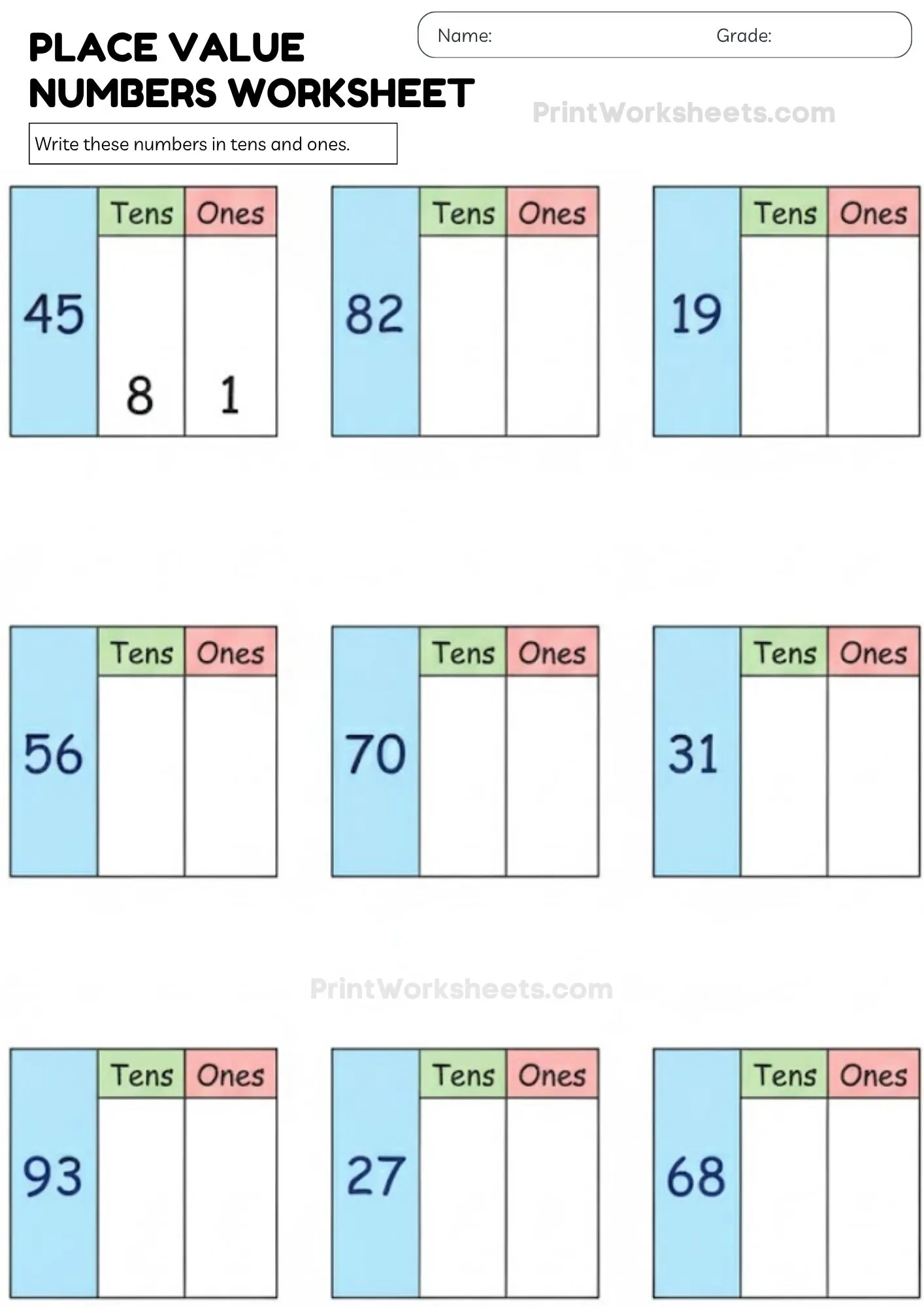
How you deploy worksheets can drastically influence learning outcomes. Below are proven techniques that turn worksheet time into dynamic practice.
1. Guided Practice
Start with a short lecture or demonstration. Use a whiteboard to model a few examples. Then, let students work independently on a worksheet while you circulate, offering targeted help.
2. Peer Collaboration
Pair students to solve a worksheet together. This encourages verbal explanations, reinforcing their own understanding and providing opportunities for higher‑order questioning.
3. Immediate Feedback
Give students instant results by using answer sheets or digital platforms that reveal correct answers after submission. This reduces frustration and keeps motivation high.
4. Reflection and Revision
After completion, ask students to explain why a particular digit is worth a certain amount. Have them rewrite incorrect responses with a clearer explanation.
5. Differentiated Tasks
For advanced learners, add multi‑digit comparisons or introduce hundreds place. For those struggling, focus on repeated tens‑ones exercises and use manipulatives.
Home Practice: Extending Learning Outside the Classroom
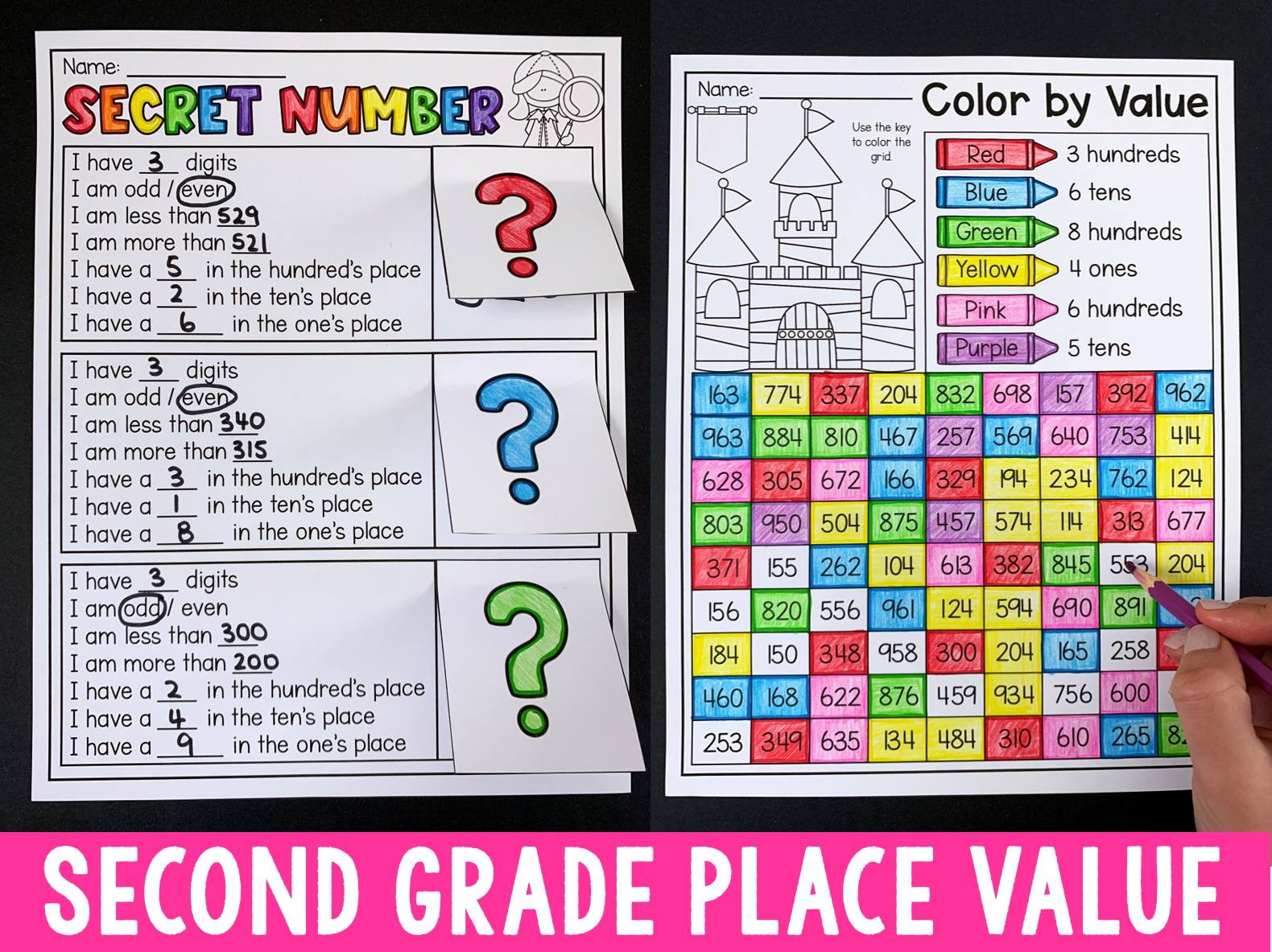
Parents play a pivotal role in reinforcing place value skills. Here are practical ways to embed worksheets into everyday activities.
Cooking and Measuring
When measuring ingredients, discuss “4 cups” vs. “40 cups” and ask children to write numbers in expanded form.
Shopping with a Budget
Give a simple allowance, say $12, and ask children to compare it with another amount or calculate total cost when items cost $3 each.
Technology Tools
Online interactive games often feature place value challenges. Pair a printable worksheet with a digital game to maintain variety.
Family Number Games
Play “Place Value Bingo” where cards hold numbers and the caller announces “the tens digit is 5.” Children mark the correct card and explain the value.
Integrating Place Value Worksheets with Standards and Assessment
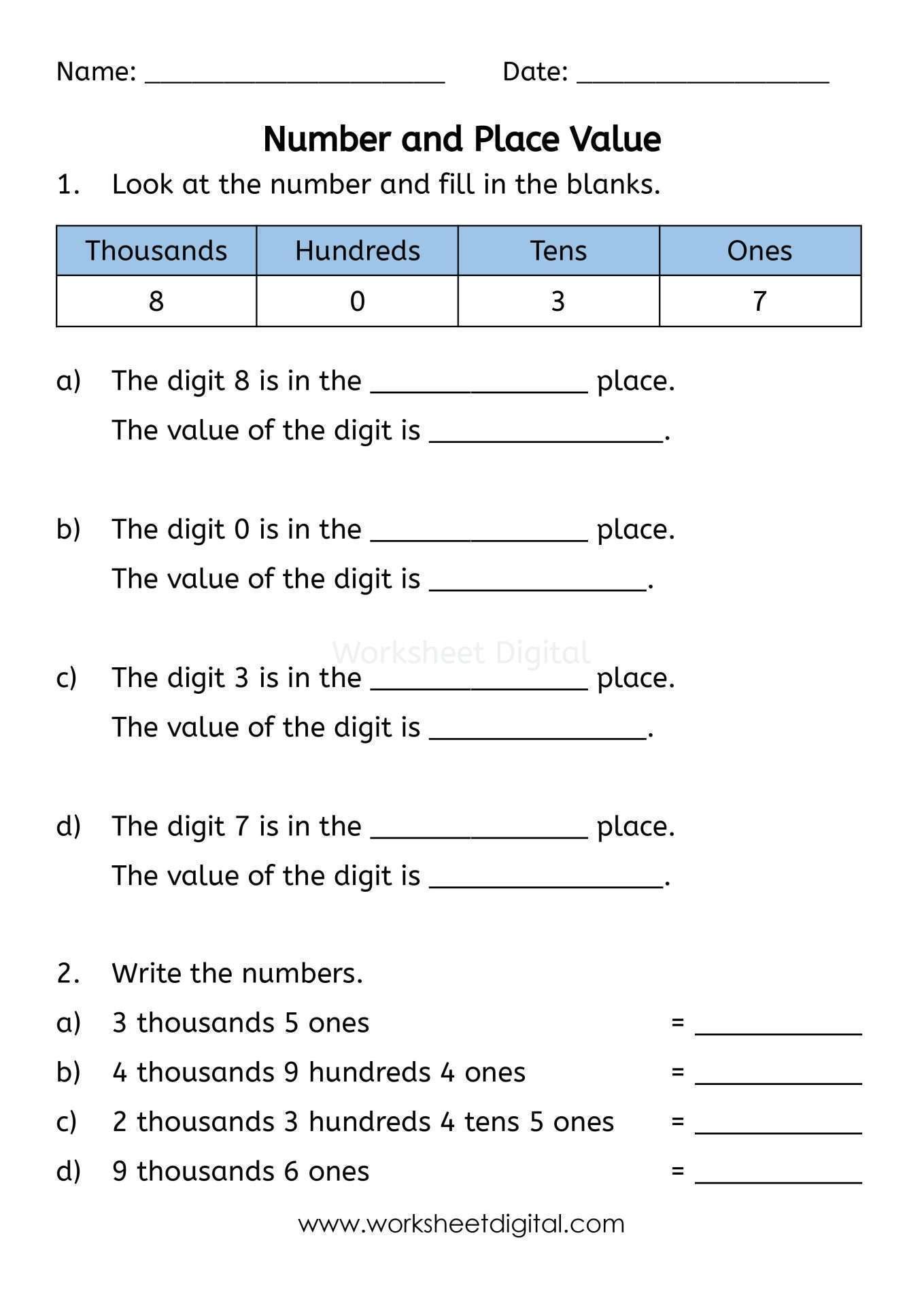
Curriculum alignment is essential. Place value concepts are a core component of most state standards for second grade. Use worksheets to:
- Demonstrate mastery during formative assessments.
- Identify gaps for targeted intervention.
- Build data for summative evaluations.
Creating a Rubric for Assessment
Include criteria such as accuracy in identifying tens and ones, correct expanded form, and ability to explain reasoning. A simple 4‑point rubric helps maintain consistency.
Tips for Maximizing Engagement

Staying student‑centered keeps worksheets from feeling like chores.
- Use Real‑Life Contexts – Numbers feel meaningful when tied to everyday situations.
- Gamify Worksheets – Turn them into timed challenges or competitive games.
- Incorporate Technology – Printable worksheets can be scanned and answered digitally with stylus pens for interactive feedback.
- Celebrate Progress – Display a “Place Value Wall” with student work.
Common Challenges and How to Overcome Them

While place value is fundamental, students sometimes stumble over specific concepts. Address these hurdles proactively.
Misconception: “7 is always 7”
When placed in the tens column, 7 becomes 70. Use visual aids to illustrate this shift. Repeated practice with manipulatives such as place value blocks can solidify the idea.
Difficulty with Expanded Form
Some students struggle to write the expanded form of 48 as 40 + 8. Break down the steps: “Take the digit 4, place it in the tens column, and write 4×10; then take the digit 8 for ones.”
Ignoring the Ones Column
Encourage students to always read both columns by having them circle the ones digit in a number and then write its value.
Sample Worksheet Outline for Quick Implementation

Use this outline as a template to create a daily or weekly activity sheet.
Part A: Identify Tens and Ones
- Number: 57 → Tens? • Ones?
- Number: 23 → Tens? • Ones?
Part B: Expanded Form Conversion
- Write 46 in expanded form.
- Expand 89.
Part C: Comparison Questions
- Which is larger, 64 or 46?
- Place 72 on a number line between 70 and 80.
Part D: Real‑World Application
- If a book costs $12 and you have $30, how many books can you buy?
- Draw 3 groups of 10 apples and write the total number.
Final Thoughts: Building a Strong Math Foundation

When thoughtfully integrated, Place Value Worksheets 2nd Grade become more than simple drills; they transform into stepping stones toward confidence in mathematics. By selecting quality materials, contextualizing problems, and providing immediate feedback, educators and parents can cultivate a robust understanding of how digits form numbers. Consistent practice, engaging activities, and real‑world applications ensure that every child grasps the value of each place, preparing them for the arithmetic challenges that await in higher grades.